
People love to romanticize the “secret recipe” like it’s a dusty heirloom guarded by a kitchen wizard of sorts, one who only you and your family are privy to. You’ve undoubtedly seen it in your own life: someone tilts their head, smiles mysteriously, and says, “Oh, I could tell you, but then I’d have to…” like paprika’s somehow classified. It’s playful, sure, but it’s also a little unhinged when you think about what’s actually happening.
At the end of the day, we’re talking about dinner, not nuclear codes. Food is one of the easiest ways to make people feel welcome, and secrecy turns that warmth into a weird power move. If you’ve ever been shut out of a recipe request, you already know how small it makes you feel, and that’s why it’s time we abolished them once and for all!
The Myth of Culinary Espionage

A “secret recipe” loves to pride itself on holding some hidden knowledge of the kitchen. The truth is, most recipes are variations on a handful of basics you can find in any cookbook. You’re not breaking into a vault; you’re asking whether there’s nutmeg in the sauce—yet people act like you’ve tried to break into their bank account.
What’s wild is how often the secrecy is more about status than flavor. A recipe becomes a badge that says, “I’m the only one who can make this right,” which is a convenient way to stay essential. That’s not hospitality, though; that’s job security with a whisk. When food turns into leverage, everyone loses a little joy.
And honestly, the “secret” usually isn’t that impressive anyway! It’s an extra egg yolk, a splash of vinegar, or the sudden realization that pasta water needs salt. Sometimes it’s just a store-bought shortcut transferred into a family container like a sacred artifact.
Even in professional kitchens, “secrets” aren’t as airtight as people imagine. Techniques travel, cooks move jobs, and the internet exists, which means a prized spice blend is probably one curious afternoon away from being approximated. So, if a recipe can’t withstand polite curiosity, it’s not exactly a legacy.
Gatekeeping Doesn’t Taste Better
There’s nothing worse than leaving the table and feeling a weird, transactional shift in the air. A recipe request’s usually a compliment, and shutting it down turns that compliment into a minor humiliation. Think of it like applause that gets chastised for being too enthusiastic.
There’s also the awkward message it sends: “I want you to enjoy this, but not enough to empower you.” That’s a strange line to draw with something as communal as food. Cooking is one of the few skills that improve through sharing, swapping, and tweaking. Treating a recipe like a personal monopoly just limits how good everyone can get!
Plus, secrecy creates unnecessary confusion in families and friend groups. One person holds the knowledge, and everyone else gets stuck guessing at holidays, hoping they’ll “do it right.” Then the keeper gets to critique the results—all because the rules were never actually shared.
It can even spill into weird competitiveness, especially at gatherings where multiple people bring dishes. Someone shows up with cookies that taste suspiciously like yours, and suddenly it’s treated like a personal betrayal. But good food isn’t a limited resource; it doesn’t get weaker because someone else learned it.
Share the Recipe, Keep the Magic
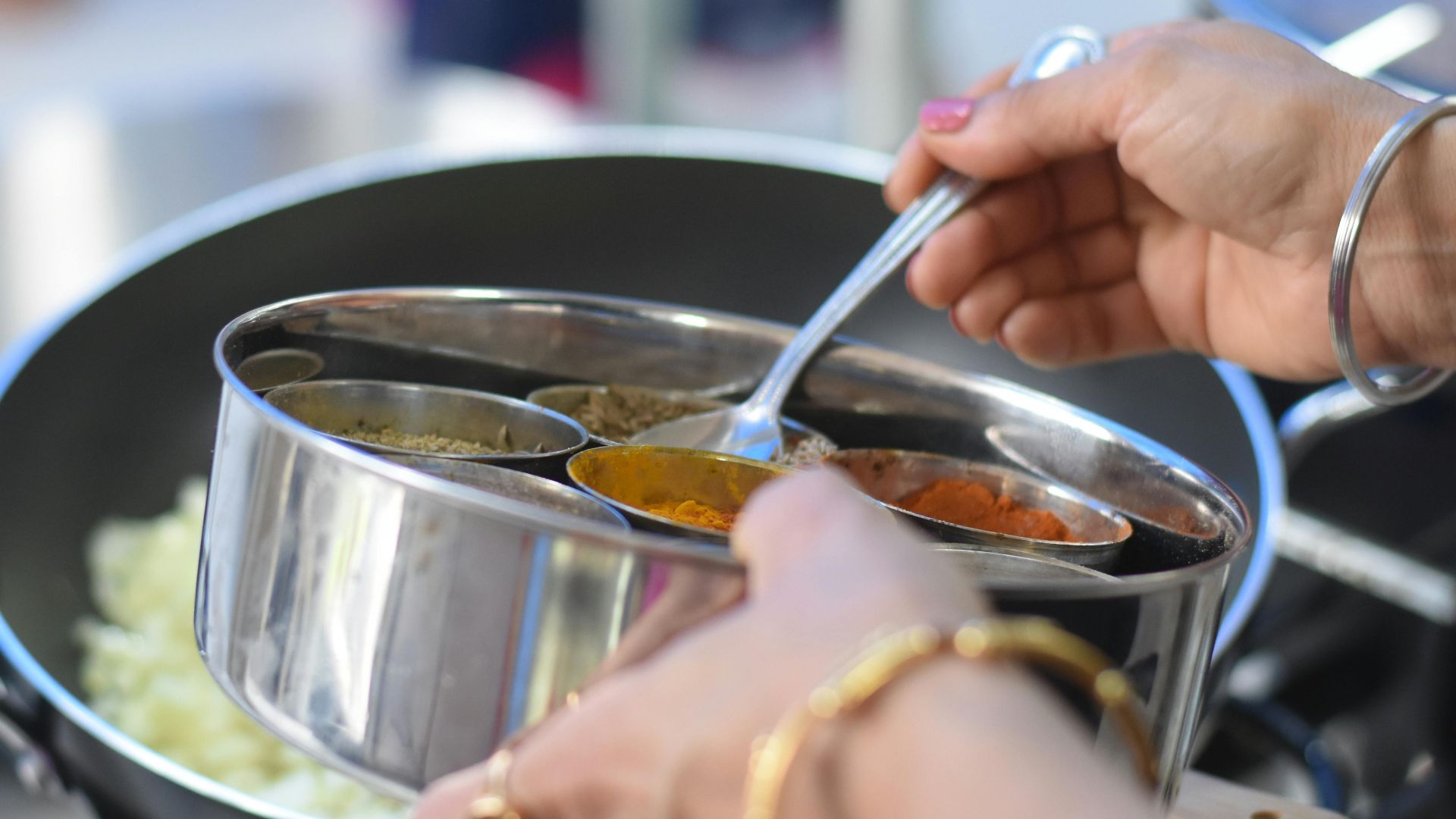
Sharing a recipe doesn’t erase what makes your cooking special. Your hands, your timing, your taste, and your little judgments along the way can’t be photocopied. Even if you hand someone a perfectly typed list of steps, they still have to learn how your “until it looks right” actually looks. The magic lives in the doing, not just the directions!
It also makes relationships better in a surprisingly immediate way. When you give someone the recipe, you’re basically saying, “You can have this comfort whenever you need it.” When it boils right down to it, that little gesture is generosity with a long shelf life. It’ll also make you feel better in the long run; instead of being the only source of a good thing, you’re the person who helped it spread.
If you still want something that’s “yours,” there’s a healthier option than gatekeeping: share the base and keep experimenting. That way, you can still be the person who’s always tinkering, always improving, and always trying a new twist. Except now your loved ones can enjoy it, too.
There’s a practical upside, too, of sharing secret recipes, and it’s one most don’t like to admit: when you share a recipe, you might get feedback that actually helps you refine it. A friend might suggest a different citrus, a better baking time, or a method that saves you effort without sacrificing flavor. If you’re serious about cooking, you shouldn’t be allergic to learning.
Call us crazy, but yes, having “secret recipes” is kind of insane, especially when the stakes are just whether the casserole is creamy enough! You don’t have to publish your entire cooking notebook, but when someone asks, you can choose warmth over control. Share the recipe, let people make it their own, and keep your legacy alive in the only way that actually works: by letting it travel.
KEEP ON READING