There's something quietly defiant about rendering beef fat on your stovetop. The smell alone, rich and savory and deeply animal, feels like a small act of resistance against decades of nutritional advice that told us to reach for the canola oil instead. Tallow, the rendered fat of cattle or sheep, was a kitchen staple for most of human history before the vegetable oil industry took over in the 20th century. Now it's back, and the people cooking with it are treating it less like an ingredient and more like a statement.
It's worth asking why a cooking fat with a smoke point of around 420°F and a shelf life that would make most oils jealous ever disappeared in the first place. The answer has a lot to do with marketing, wartime politics, and some genuinely flawed science that took decades to unravel. Understanding how tallow fell out of favor is the only way to make sense of why its return feels, to so many home cooks, like a kind of reclamation.
The Industrial Takeover of the American Kitchen
For most of American culinary history, animal fats were the default. Lard and tallow were what you used to fry, to bake, to season your cast iron. Then Crisco arrived in 1911, the first commercially hydrogenated vegetable shortening, and Procter and Gamble ran one of the most successful product campaigns in food history to convince households it was cleaner and more modern than animal fat. The vegetable oil industry grew from there, and by the time Ancel Keys published his influential but deeply contested Seven Countries Study in the 1970s, saturated fat had been cast as a dietary villain.
The problem is that the science was shakier than it looked. Nina Teicholz spent years documenting the methodological issues with Keys's research in her 2014 book The Big Fat Surprise, arguing that the link between saturated fat and heart disease was never as solid as public health guidelines suggested. Meanwhile, a 2010 meta-analysis published in the American Journal of Clinical Nutrition, which pooled data from 21 prospective studies, found no significant evidence that saturated fat intake is associated with increased risk of cardiovascular disease. That finding didn't immediately change cooking habits, but it planted seeds of doubt.
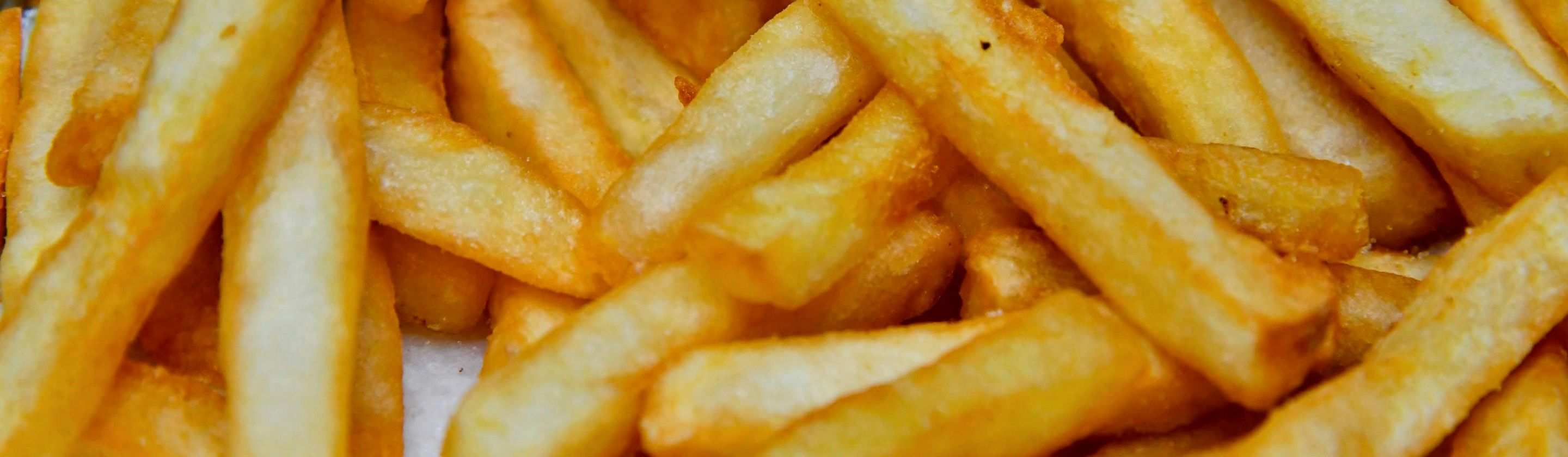
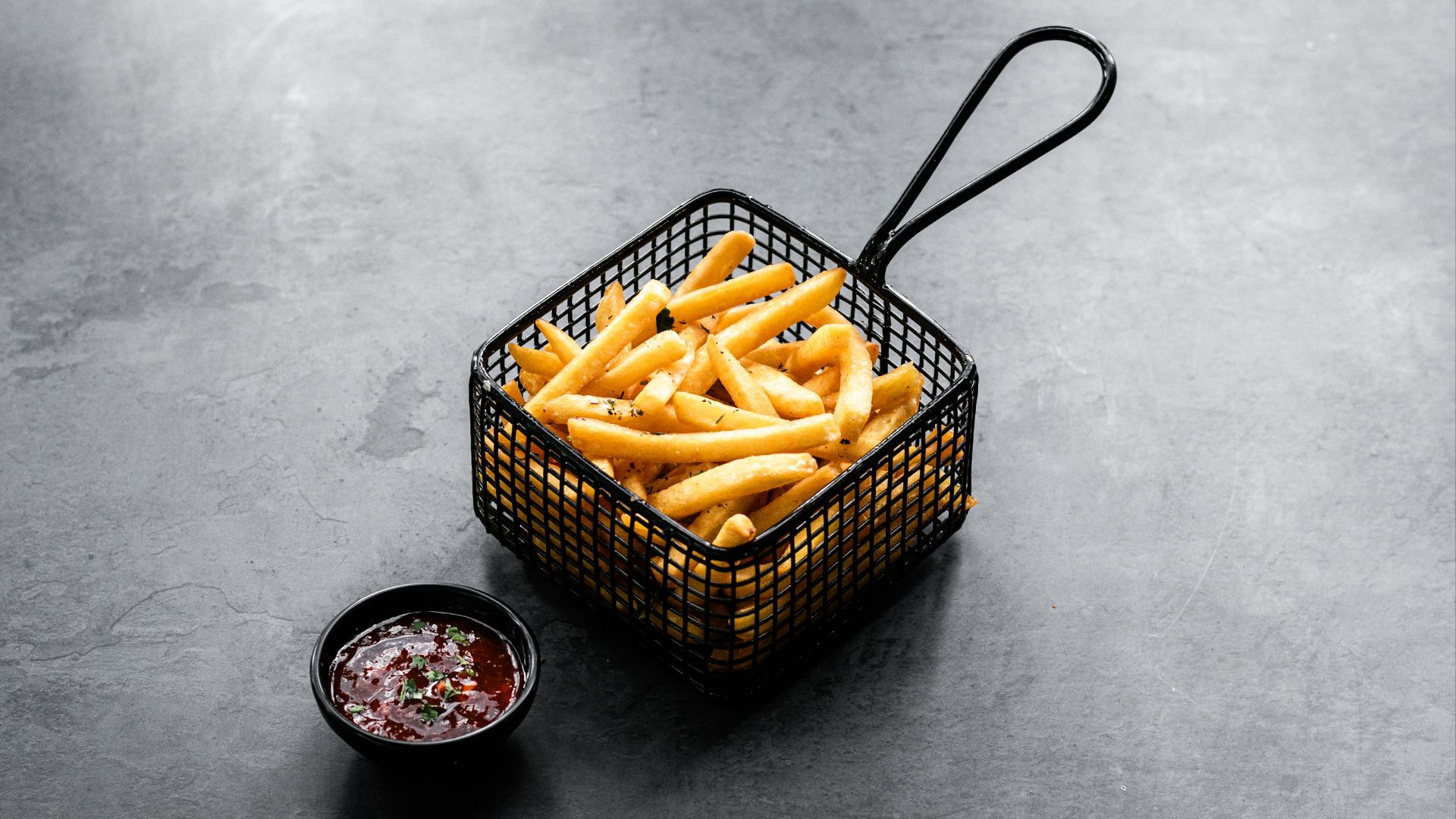
For home cooks paying attention, the tallow revival didn't begin as a trend. It began as a question: if the evidence against animal fat was always this complicated, what else had we accepted without scrutiny? Once you start rendering your own tallow and frying potatoes in it, the results make the argument more convincingly than any study. The fries are better. The flavor is richer. The fat doesn't go rancid the way a bottle of polyunsaturated oil does once opened and exposed to heat and light.
Seed Oils as the New Villain
The rise of tallow is inseparable from the simultaneous backlash against seed oils. Canola, soybean, sunflower, corn oil, the kind of fats that fill most restaurant kitchens and processed foods, have become the focal point of a growing conversation about industrial food processing and its effects on health. The argument made by critics like Paul Saladino and others in the ancestral health space is that seed oils are high in linoleic acid, an omega-6 fatty acid that, in excessive amounts, may promote inflammation when the ratio of omega-6 to omega-3 fats in the diet becomes too skewed.
The science here is genuinely contested, and it's worth saying that directly. Mainstream nutrition bodies still consider unsaturated fats healthier than saturated ones. The seed oil debate often blurs the line between reasonable skepticism and outright panic. What's true is that American consumption of soybean oil increased by roughly 1,000 percent between 1909 and 1999, according to data from the USDA, and that this happened without any long-term studies on the health effects of consuming it at those levels. Reasonable people can disagree about what that means.
What it definitely means for cooking, though, is that tallow offers something seed oils don't: stability at high heat. Because tallow is mostly saturated and monounsaturated fat, it oxidizes slowly. Seed oils with high polyunsaturated fat content break down under heat and can form aldehydes and other compounds that, according to research from De Montfort University, may carry health risks. Whatever side of the nutritional debate you land on, cooking stability is a practical advantage that stands on its own.
Cooking With Tallow as a Cultural Act
When you render tallow at home, you are doing something that has essentially no place in the modern convenience food economy. You're taking raw suet from a butcher, melting it down slowly, straining it, and storing the result in a jar on your counter. The process takes a couple of hours and costs almost nothing if you buy suet in bulk. It connects the cook to a set of skills that were once considered basic and have since become almost countercultural.
That framing, countercultural, might sound dramatic for a cooking fat. However, the people embracing tallow are often doing so alongside a broader shift toward whole animal cooking, regenerative agriculture, and sourcing food from local farms. The tallow in the jar on your counter isn't just fat. It's the byproduct of a whole animal that someone raised somewhere specific. For a generation of cooks disillusioned with supply chain opacity and processed food, that specificity matters.
The rebellion, if we want to call it that, isn't really against vegetable oil. It's against the idea that food science is value-neutral and that the advice we've been given by institutions has always been given in good faith and without commercial influence. Whether that skepticism is fully warranted is a separate conversation. What's certain is that tallow tastes good, cooks beautifully, and carries the weight of a culinary tradition that lasted far longer than the era that tried to replace it.
KEEP ON READING

10 Most Hated Foods in the Entire World