Yesterday's Punishment, Tonight's Splurge
Menu prices have a short memory, and nothing proves it quite like a hundred-dollar seafood tower. Plenty of today's priciest dishes started out as food nobody wanted, cheap enough to feed prisoners, servants, and anyone else who didn't get a say in dinner. Scarcity did the rest, turning yesterday's punishment into tonight's splurge through supply and demand alone. Here's 20 foods once barely fit for prisoners that now carry a very different price tag.
1. Lobster
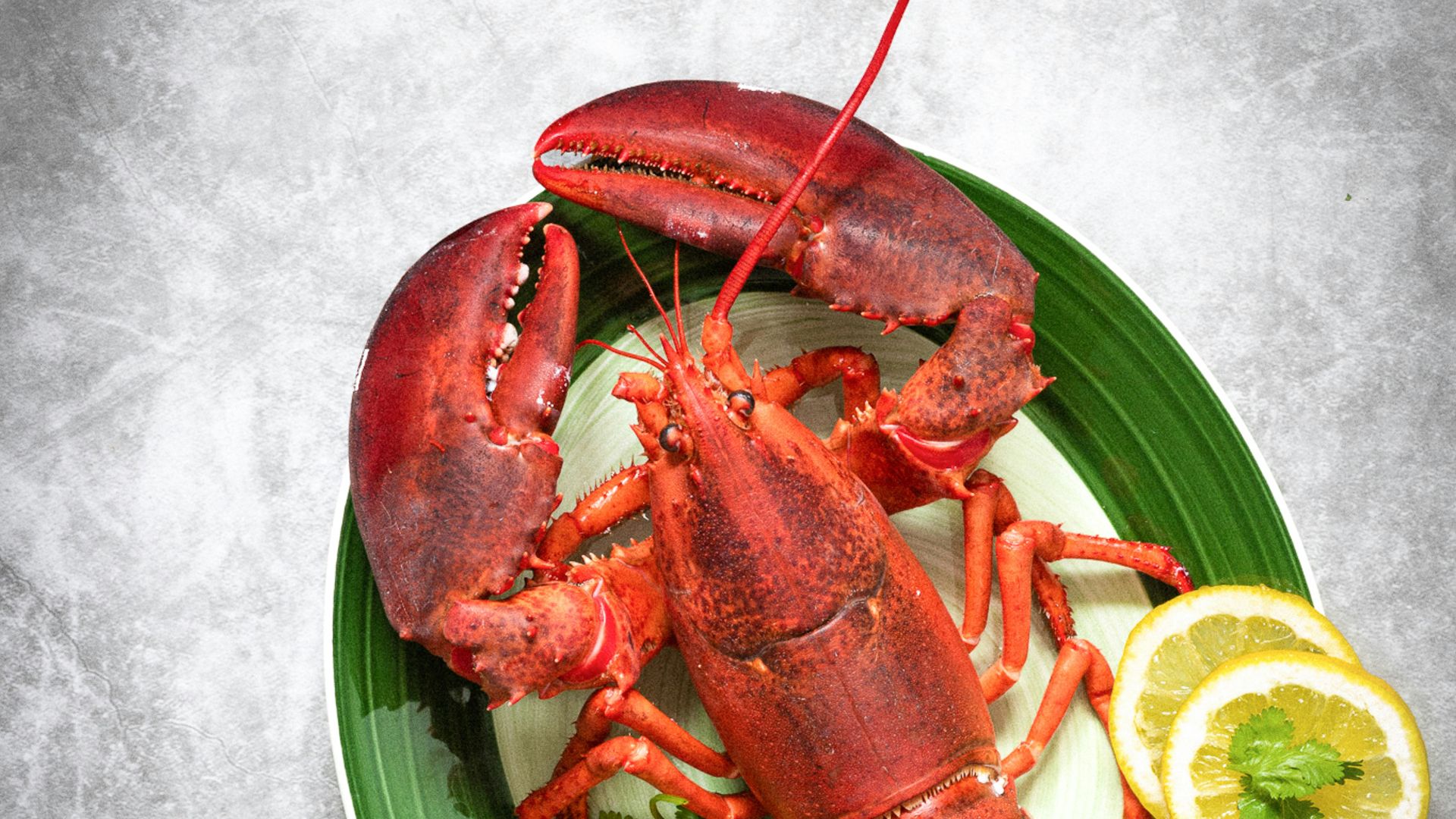
Colonial New England's shorelines were so thick with lobster that it was cheap enough to feed to prisoners and indentured servants. The specific legend about capped weekly servings is hard to verify, but lobster's reputation as low-status "poor man's protein" checks out. Railroad tourism and a shrinking supply eventually turned it into a delicacy.
2. Oysters
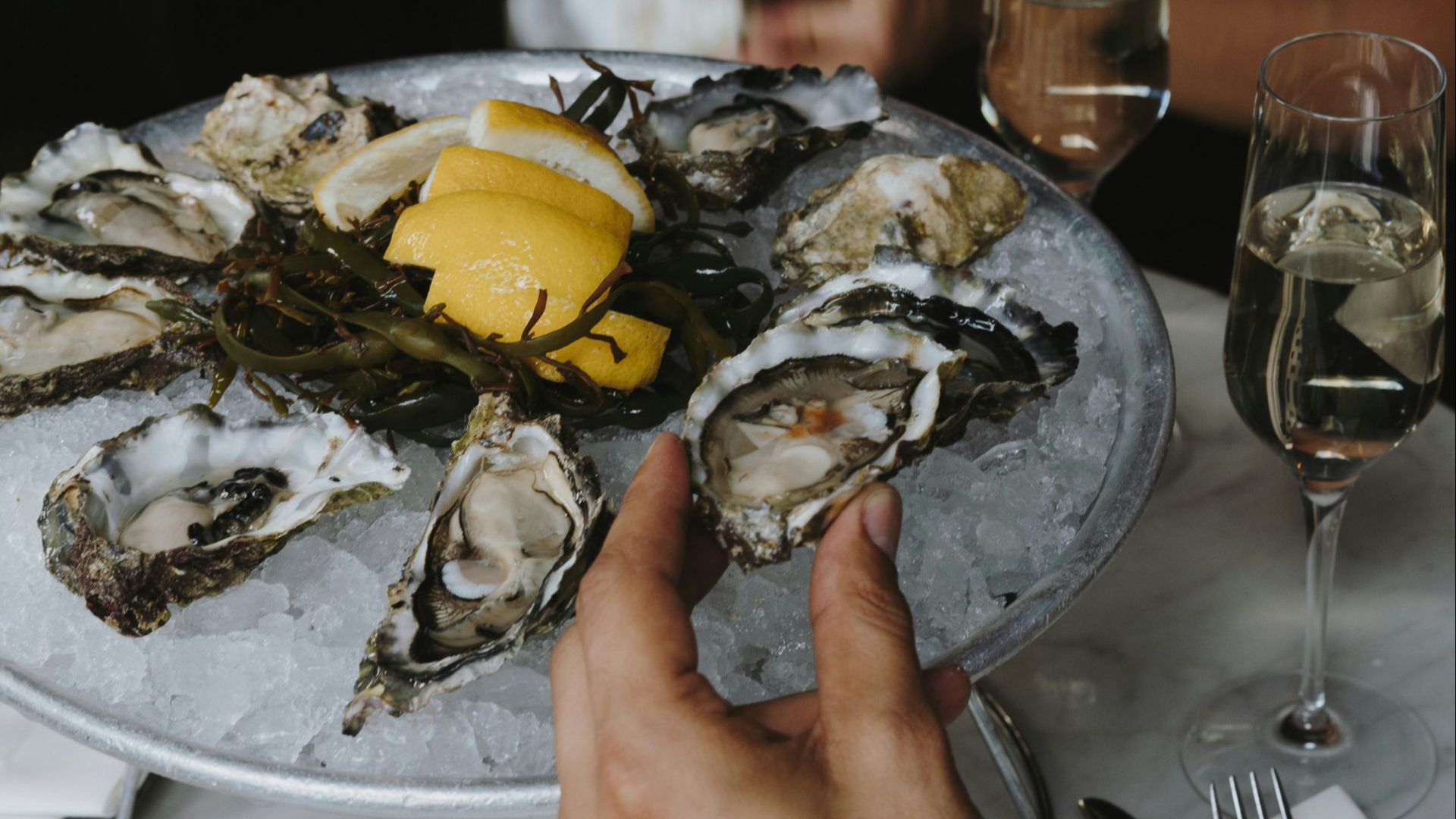
Nineteenth-century cities practically ran on oysters, sold by the bushel for pennies and served in poorhouses and prison kitchens because they were everywhere. New Yorkers alone reportedly ate close to a million a day at the height of the craze. Overharvesting and disease collapsed the wild beds, and prices climbed from there.
3. Salmon
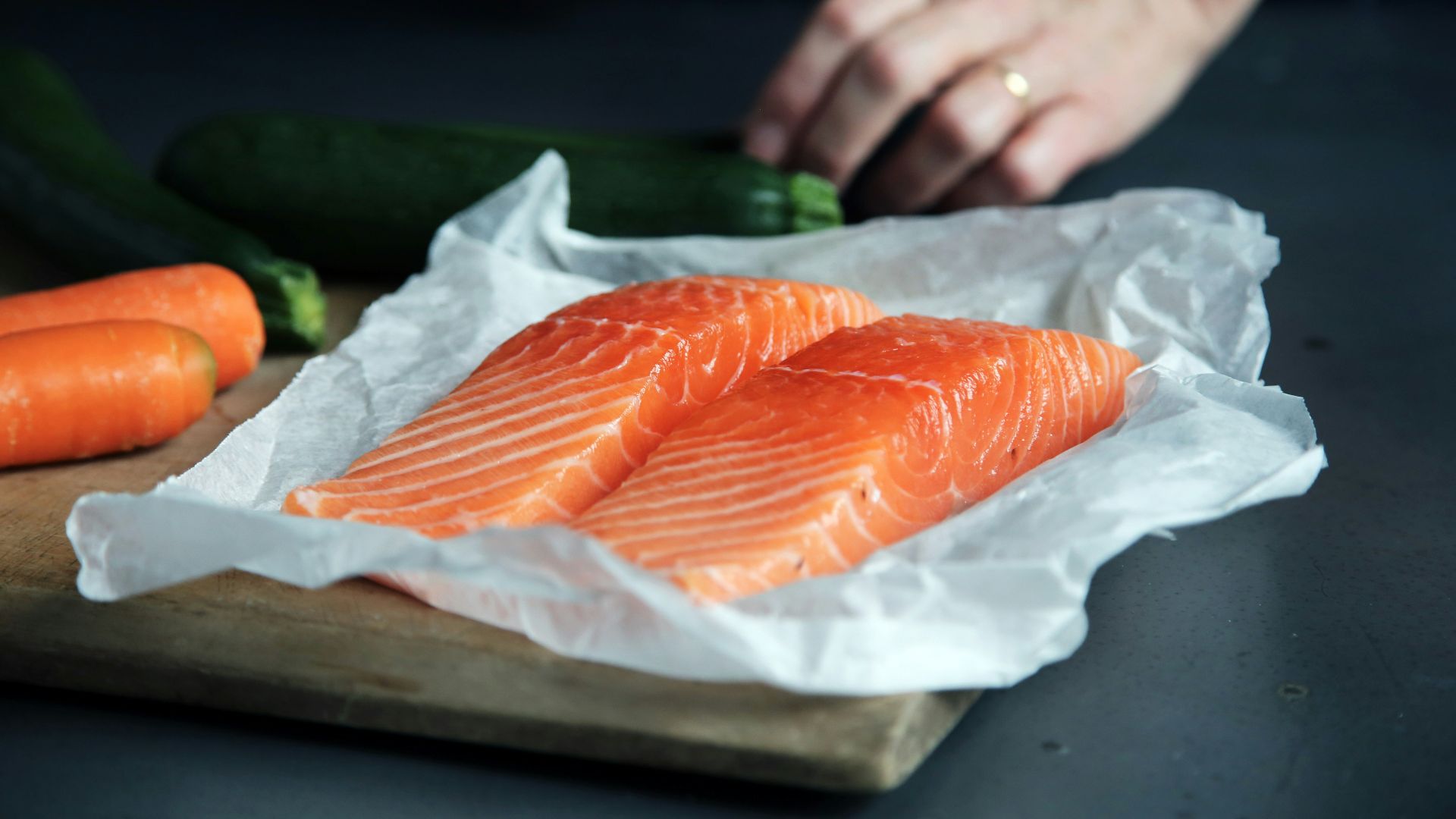
In Scotland and later the Pacific Northwest, salmon once ran so thick that servants supposedly grew sick of eating it. Hard documentation for those contract limits is thin, but the reputation as cheap, unglamorous protein holds up. Overfishing and dam construction eventually made wild salmon scarce enough to flip that reputation.
4. Terrapin
Chesapeake terrapin turtles were so abundant that colonists fed them heavily to enslaved people and servants. A widely repeated story claims a Maryland law once capped servings after they protested, though no official record has turned up. By the mid-1800s, terrapin soup was a White House fixture, and overharvesting nearly wiped out the species.

5. Bluefin Tuna
For most of the twentieth century, bluefin tuna was ground into cat food or dumped after sport fishermen photographed their catch. The Japanese had a phrase for it that roughly translates to food too low for even a cat. A shift in refrigeration and taste in the 1970s made it one of the most expensive proteins on earth.

6. Caviar
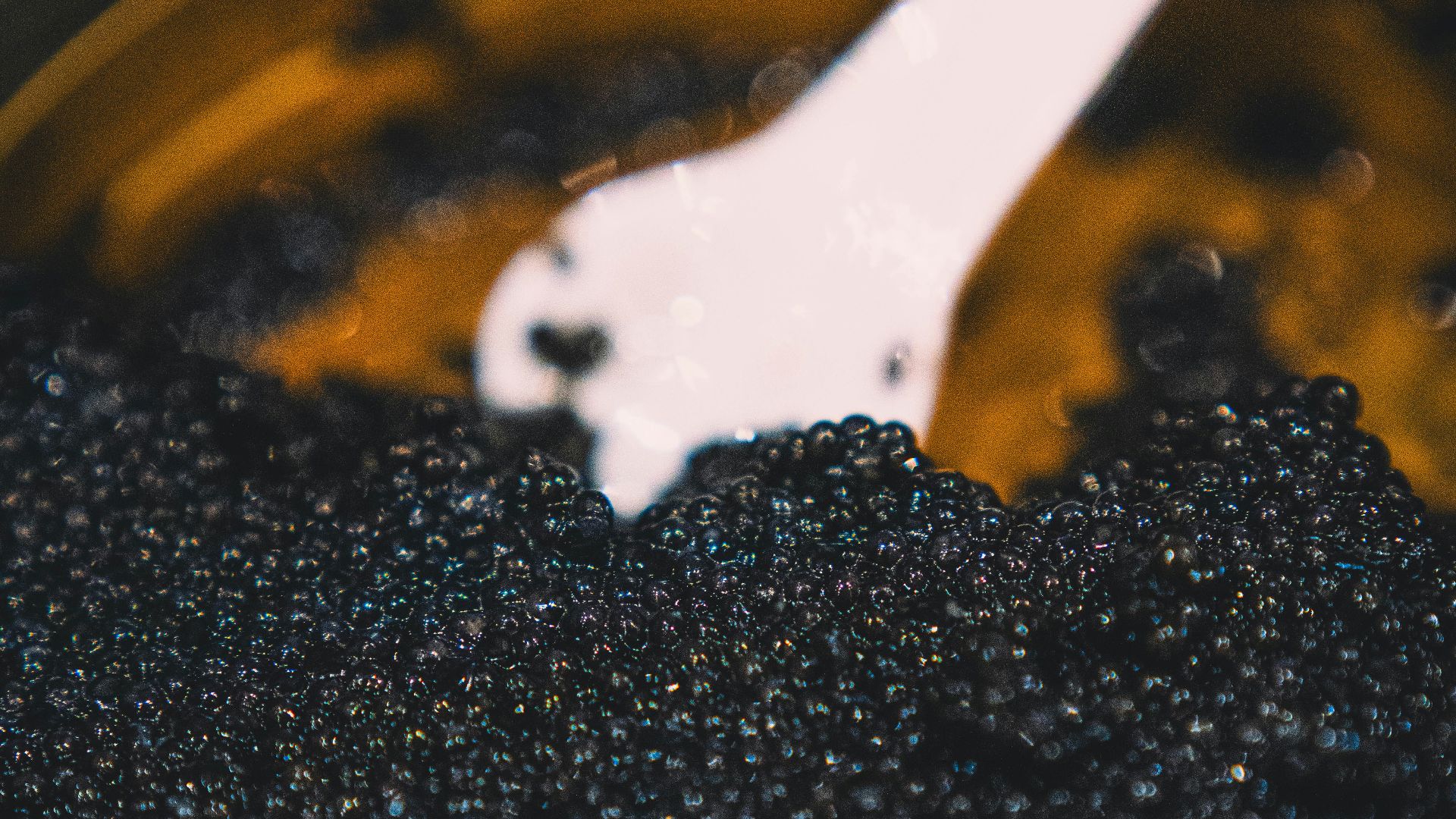
American bars once handed out caviar for free like pretzels, since sturgeon were abundant and the salty roe kept customers ordering drinks. Immigrant cannery workers reportedly ate it so often it bored them. Overfishing devastated sturgeon populations, and the price followed the same trajectory as its rarity.
7. Escargot
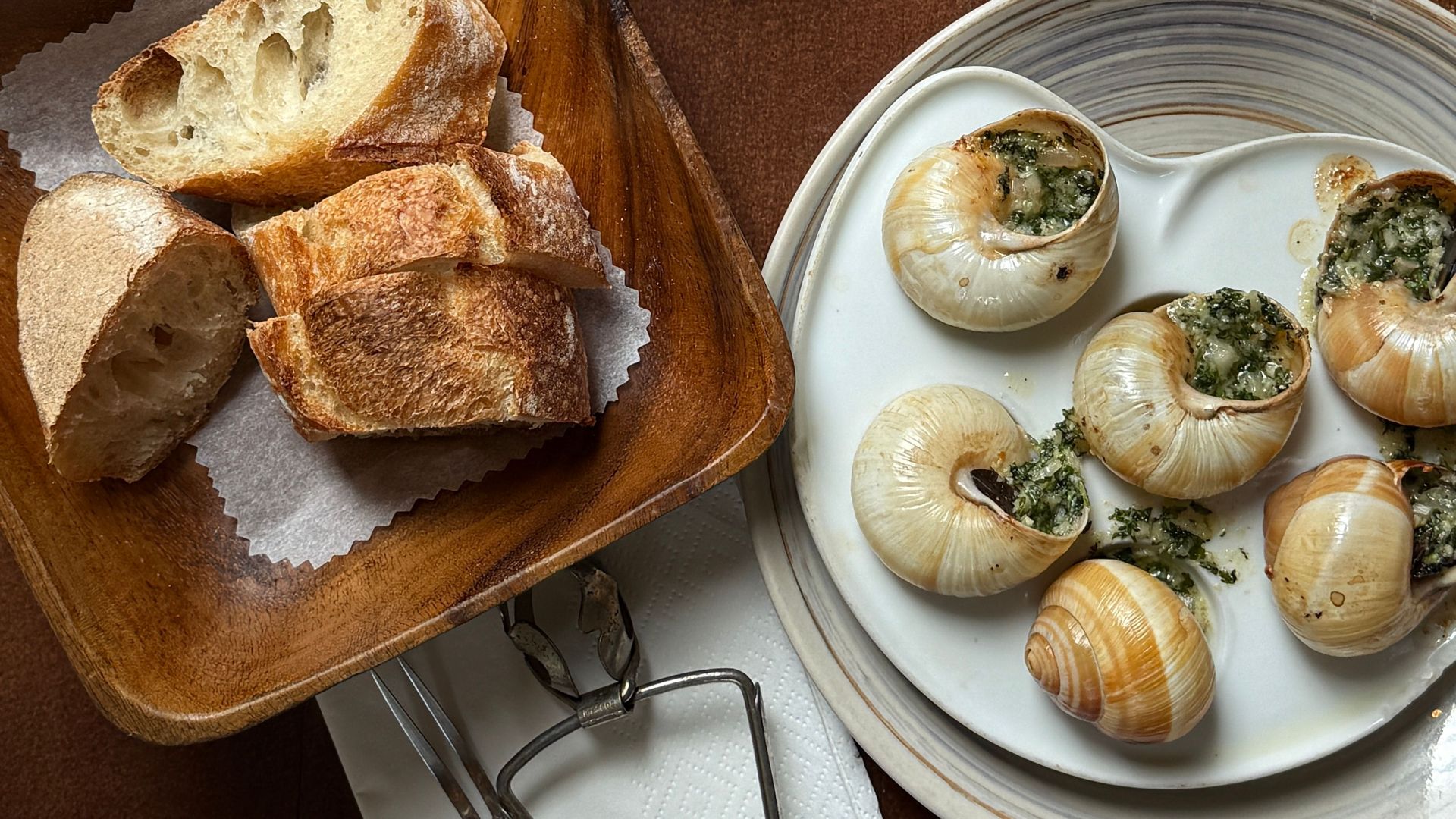
Snails cost nothing to gather for French peasants after a rainstorm, which made them a staple of poor rural households rather than fine dining. Wealthier households mostly avoided them well into the 1800s. French chefs eventually codified the garlic-butter preparation into a menu item with a real price tag.
8. Monkfish
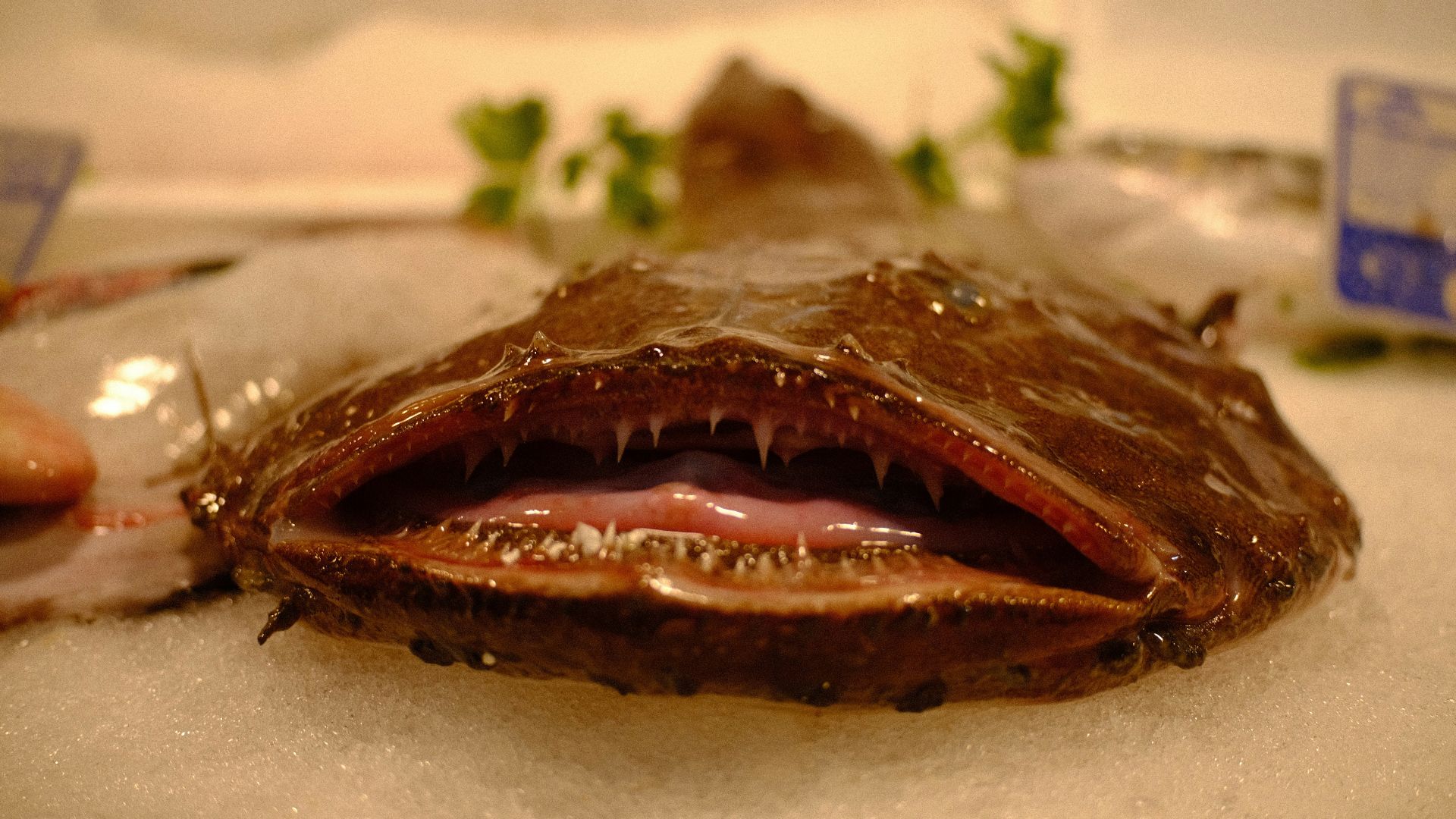
Fishermen used to toss monkfish back or sell it for next to nothing because of its unappealing head. Its old nickname, "poor man's lobster," said everything about how it was regarded. Chefs eventually caught on to the firm, sweet tail meat, and prices climbed accordingly.
9. Squid
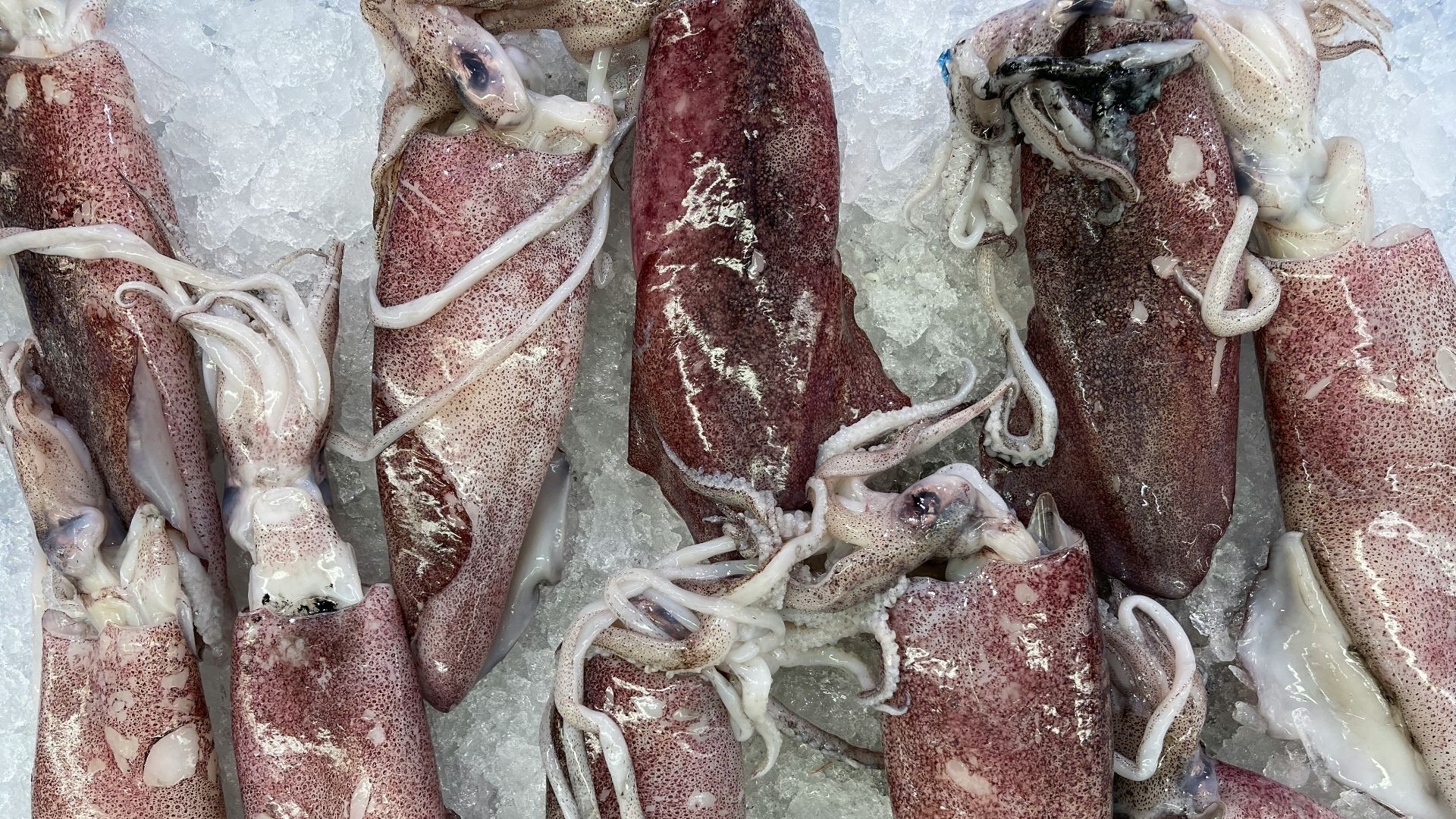
For centuries, squid was mostly bait, something fishermen used to catch better-regarded fish rather than serve for dinner. Coastal families who couldn't afford much else ate it out of necessity. Calamari's rise on menus turned that same bait fish into an appetizer that costs more than what it once caught.
10. Sardines
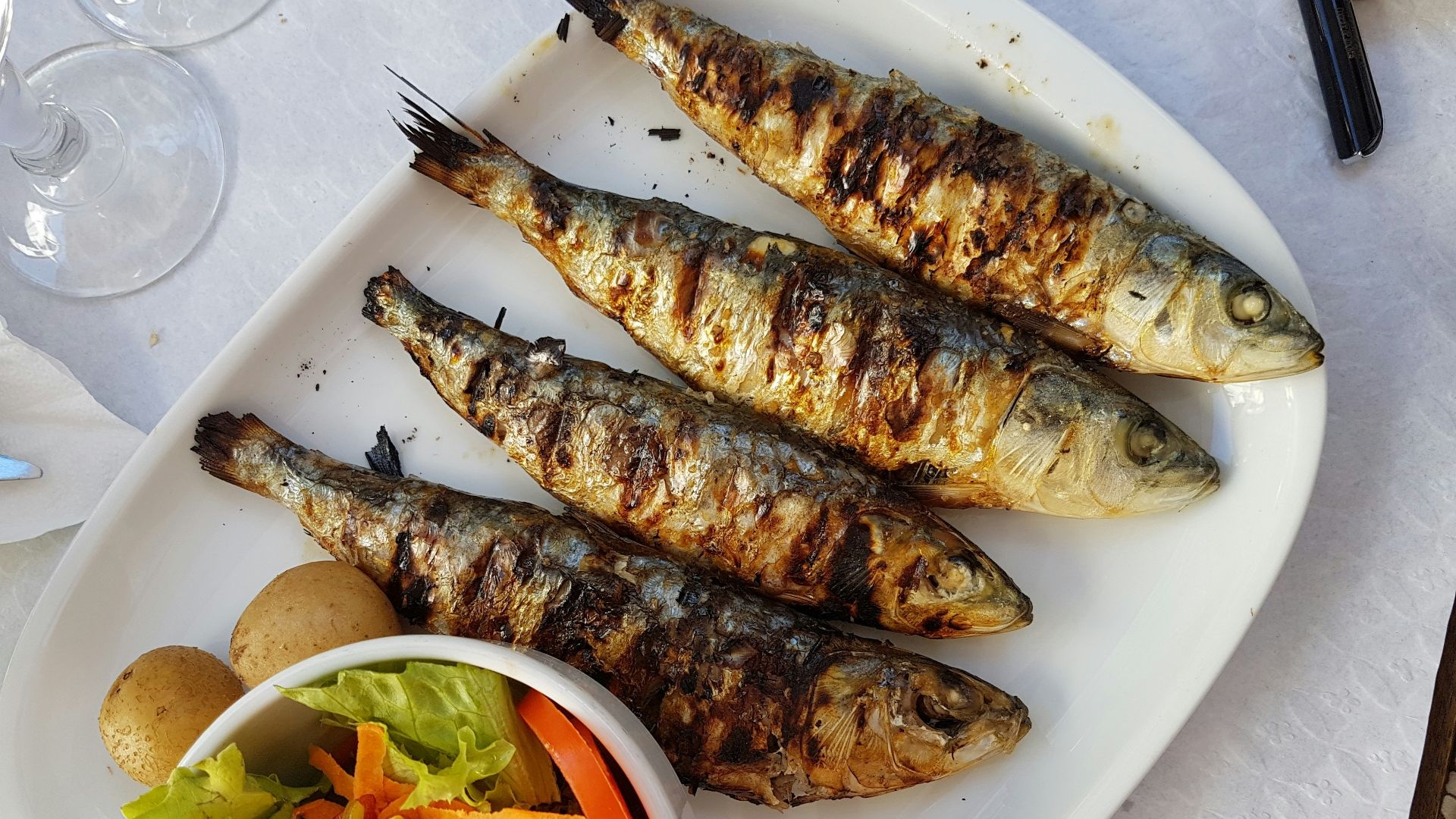
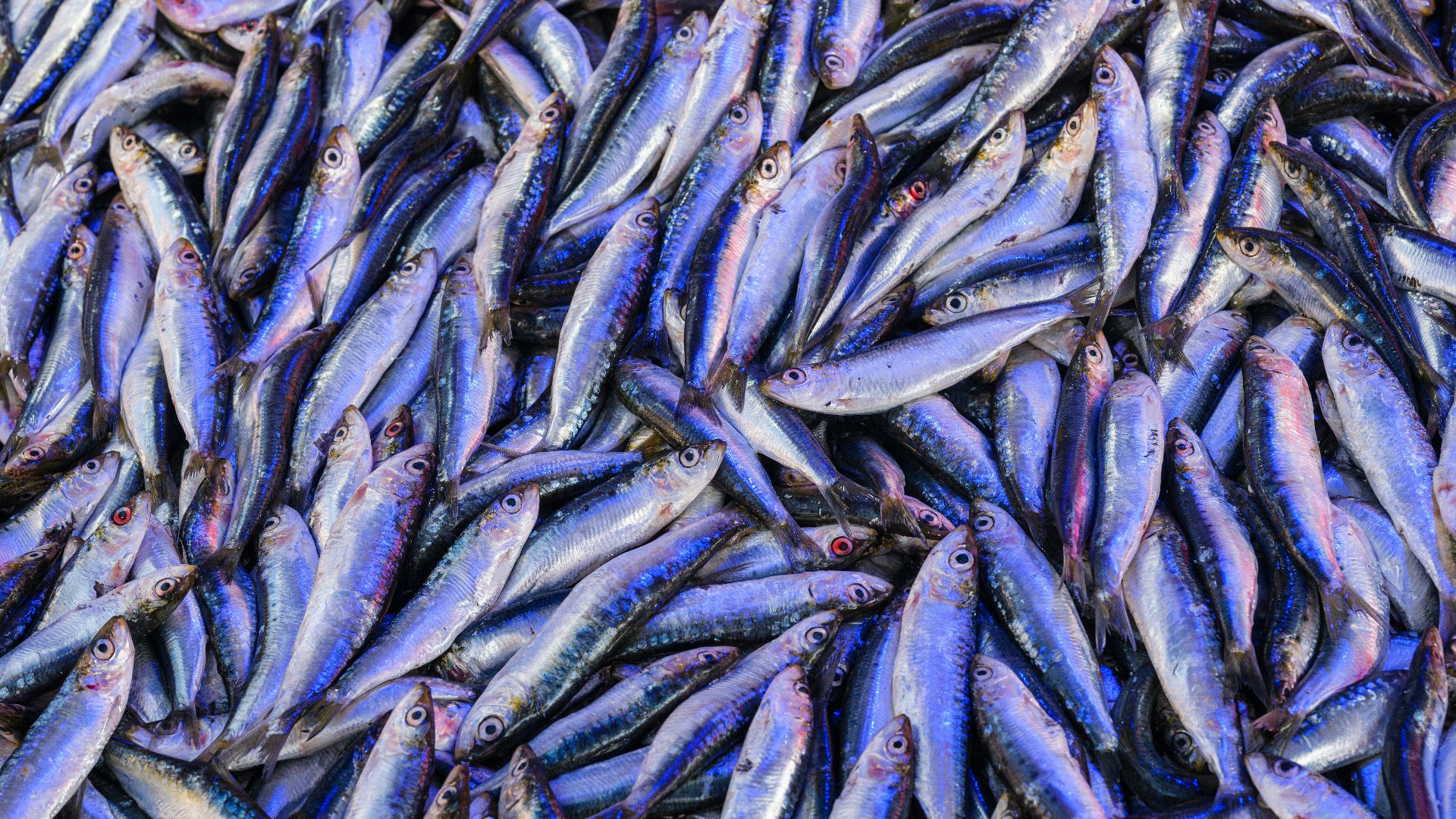
Small, oily, and packed by the millions into tins, sardines were cheap protein for poor coastal families and rationed households for generations. They carried a reputation as a last-resort pantry item rather than something worth savoring. A renewed taste for high-quality tinned fish has since made artisanal sardines a trendy addition to any spread.
11. Oxtail
Butchers once sold oxtail for next to nothing, a scrap cut needing hours of slow cooking to be worthwhile. It became a staple of soul food and Caribbean cooking precisely because it was what remained after better cuts sold off. Slow braising's return to fashion has since made it cost more per pound than steak in some markets.
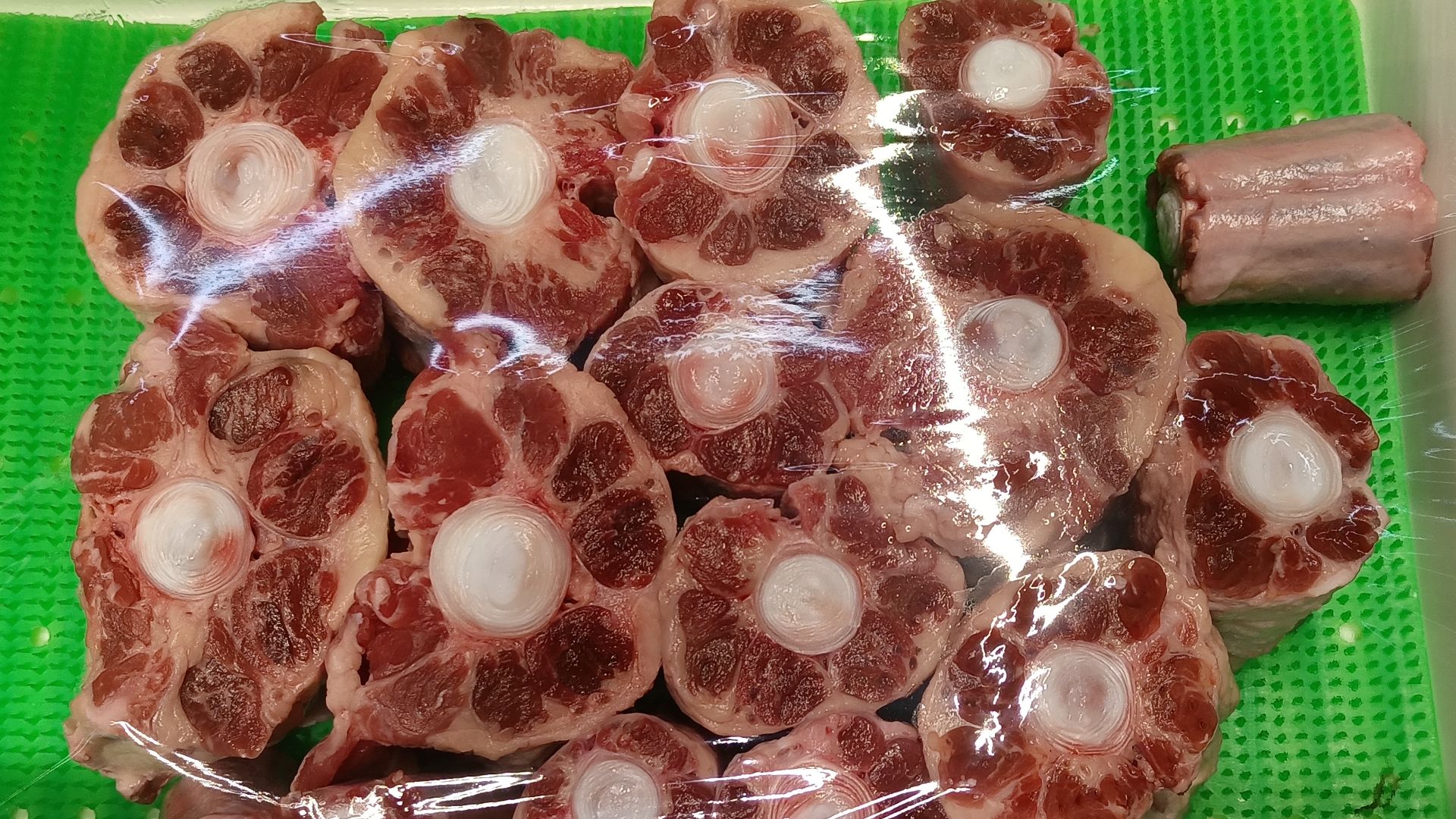 Fumikas Sagisavas on Wikimedia
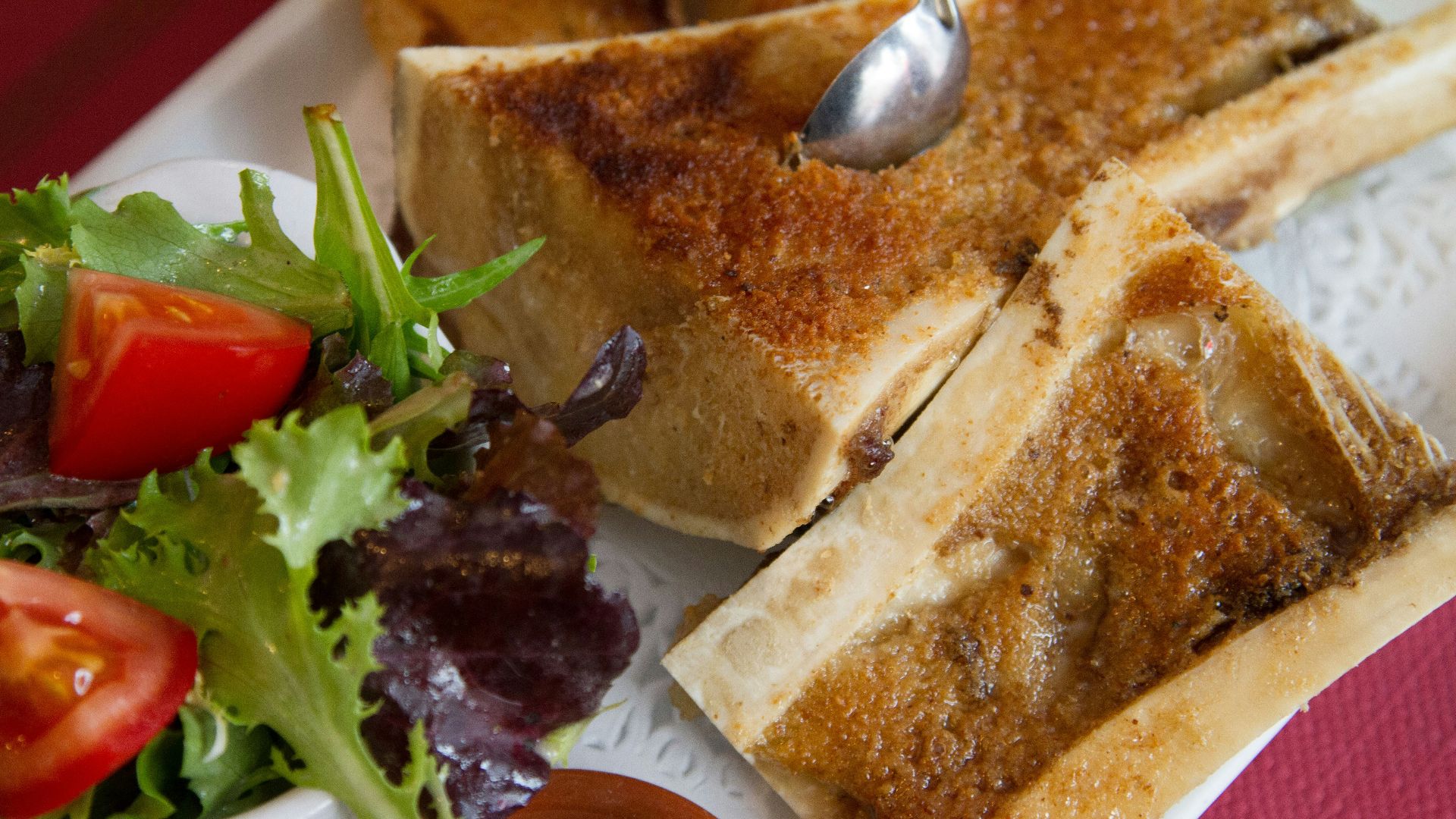
12. Bone Marrow
Marrow bones used to be nearly free, since most customers had no interest in cracking them open for the rich substance hidden inside. Poorer households roasted them at home because the bones cost almost nothing. Fine dining rediscovered the technique, and a plate of roasted marrow now often costs more than the meat the bone came from.
13. Sweetbreads
Sweetbreads, the thymus or pancreas of a calf or lamb, were once sold cheap or given away because most home cooks had no idea what to do with them. They became a staple in frugal and institutional kitchens that couldn't afford to waste any part of an animal. French technique eventually turned them into a pricey tasting-menu item.
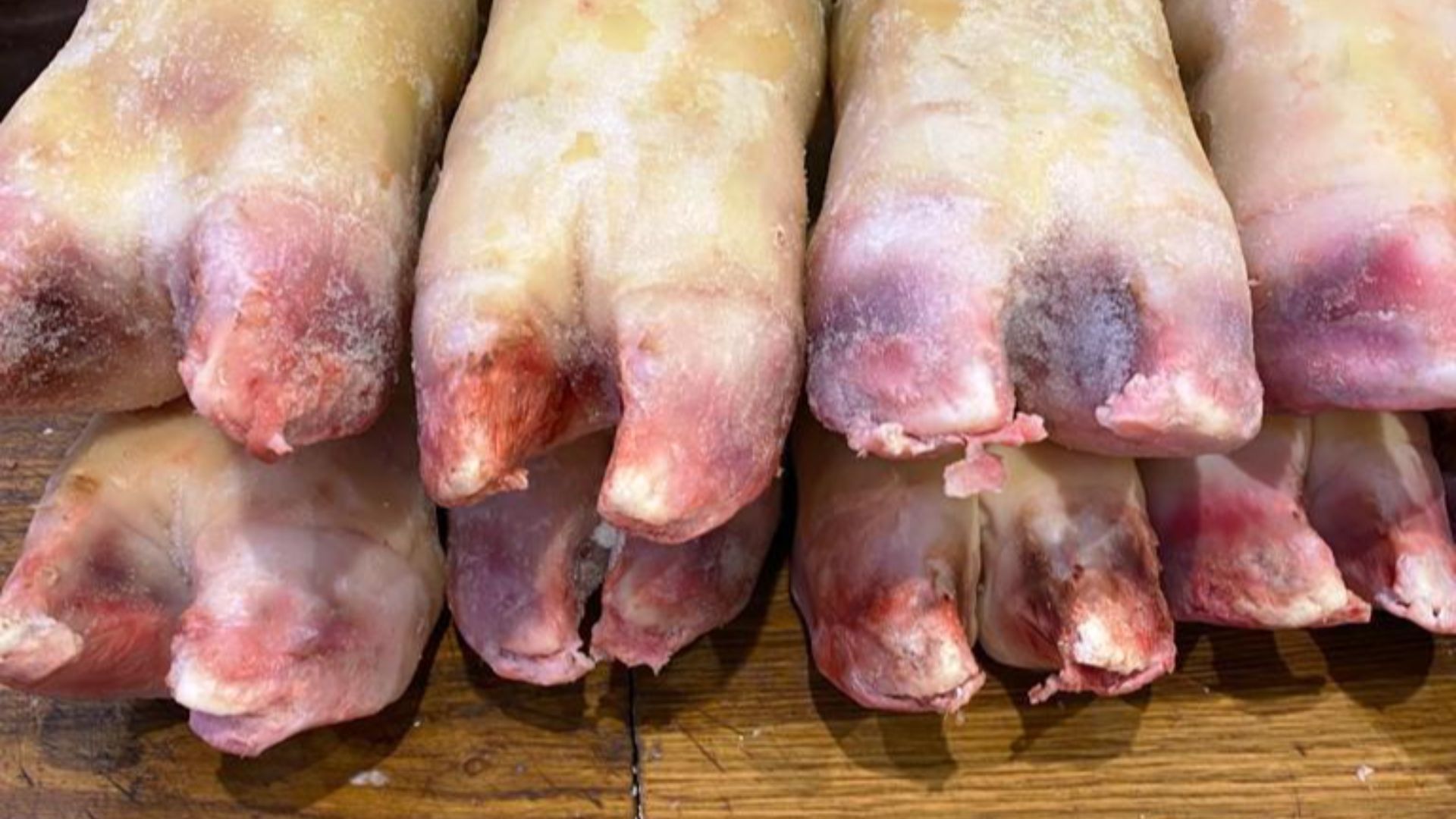
14. Pig's Feet
Trotters were historically a throwaway cut, cheap or free from butchers who assumed nobody wanted them. Southern and soul food kitchens built traditions around them because they stretched a meal for almost nothing. Modern chefs have since rediscovered the collagen-rich texture, and prices have climbed to match.
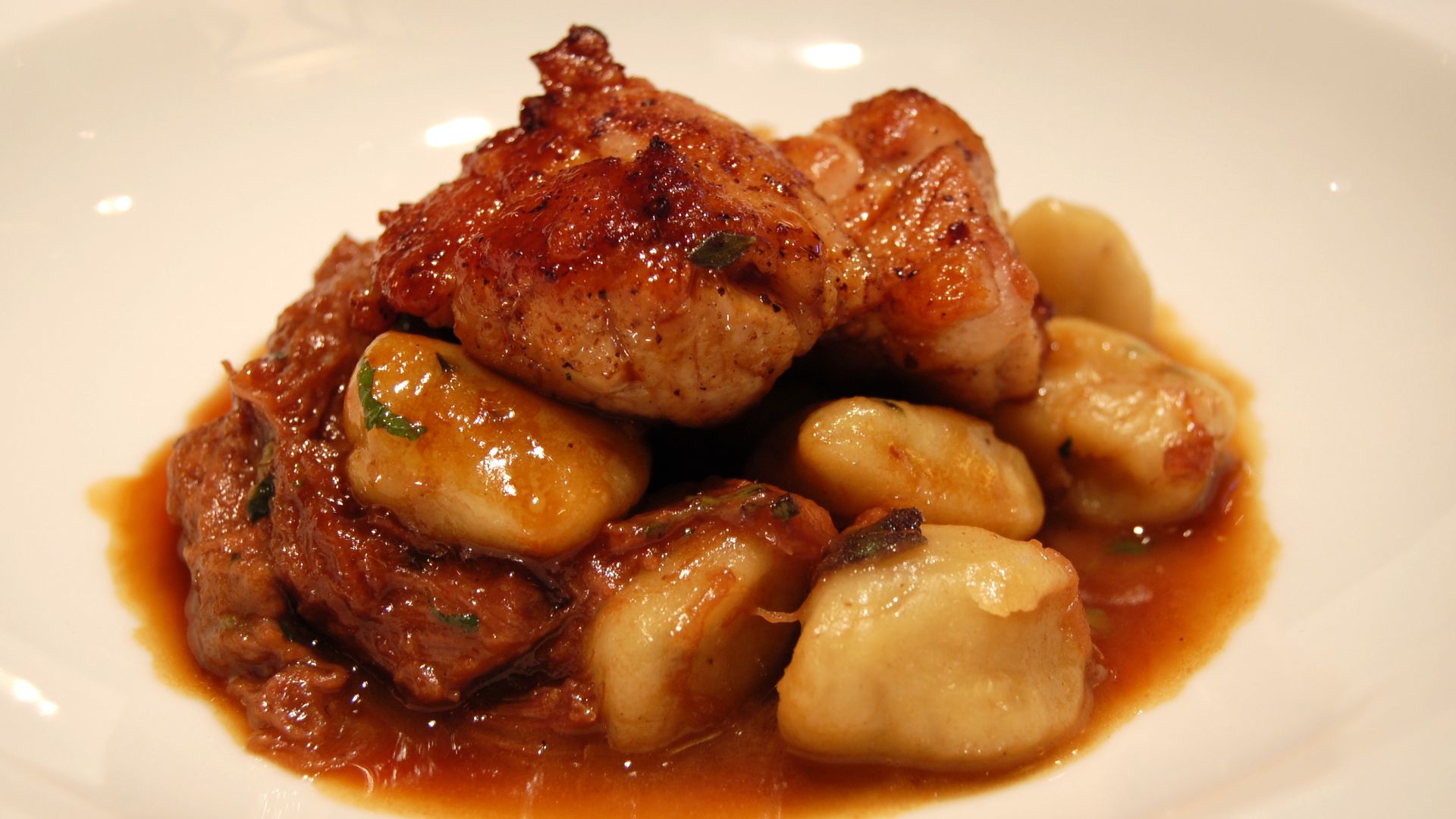
15. Rabbit
Rabbit has a long history as the protein of last resort during wartime shortages, since it was cheap to raise and needed none of the land cattle demanded. It carried a reputation across Europe and North America as subsistence food rather than a proper meal. Farm-to-table dining has since rebranded it as a refined choice that costs more per pound than chicken.
 Susanne Jutzeler, suju-foto on Pexels
16. Anchovies
Cured and packed in salt, anchovies were a staple of poor Mediterranean fishing villages that needed a way to preserve their catch through winter. For generations, they were considered a pungent, low-status pantry item rather than an ingredient worth featuring. High-quality anchovies now command a real premium among chefs.
17. Octopus
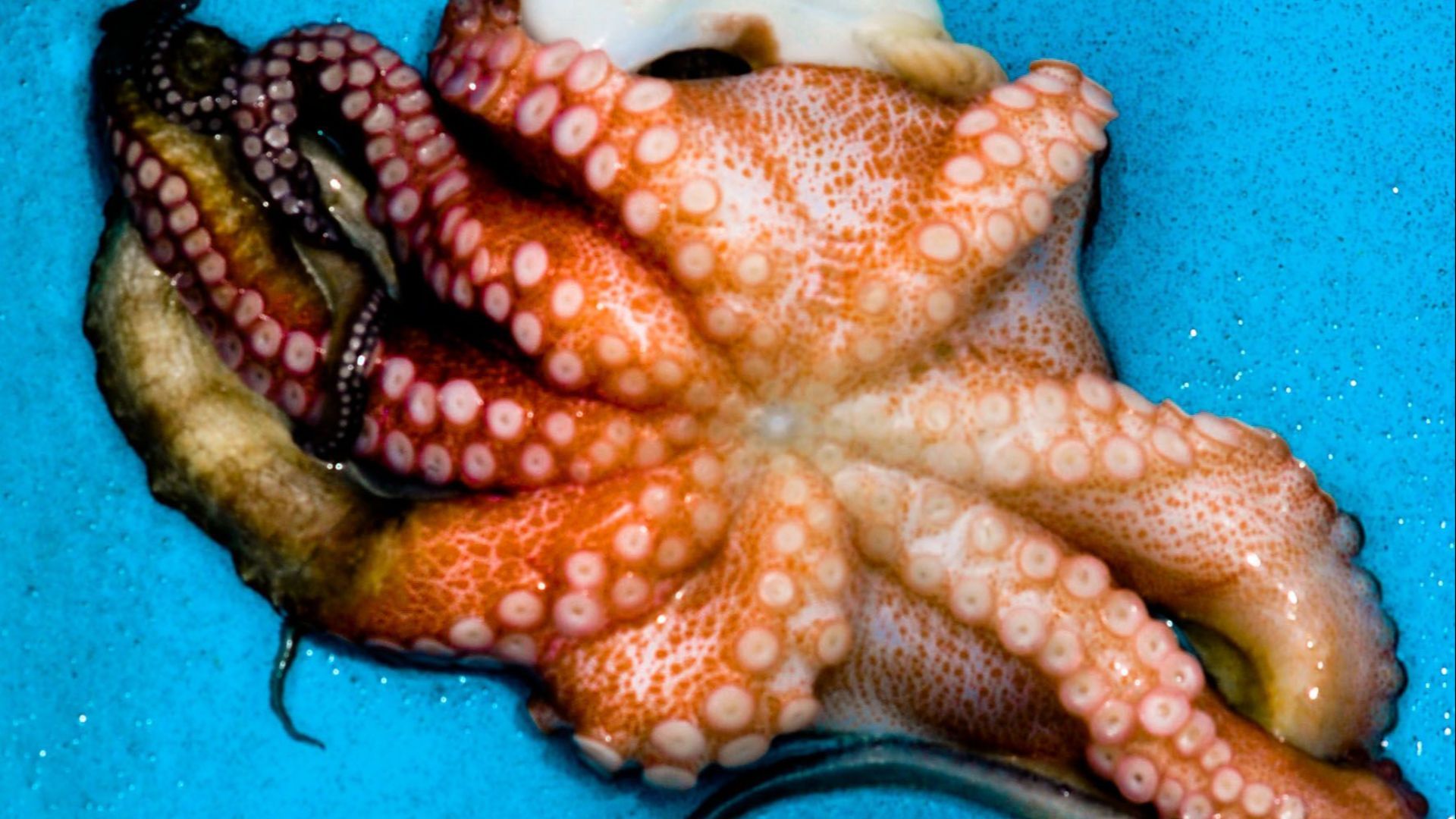
Fishermen across the Mediterranean and Pacific often discarded octopus or sold it for almost nothing, put off by its texture. It became a staple of poorer coastal households who learned how to tenderize it into something worth eating. Interest in Spanish and Japanese cooking has since turned grilled octopus into one of the pricier items on a seafood menu.
18. Crawfish
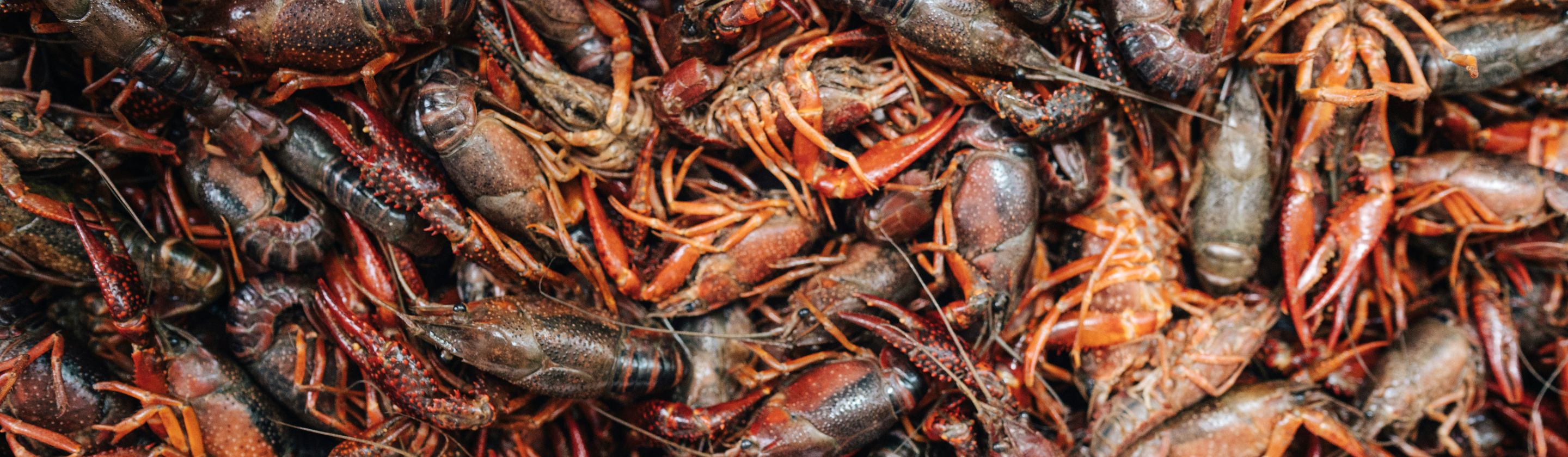
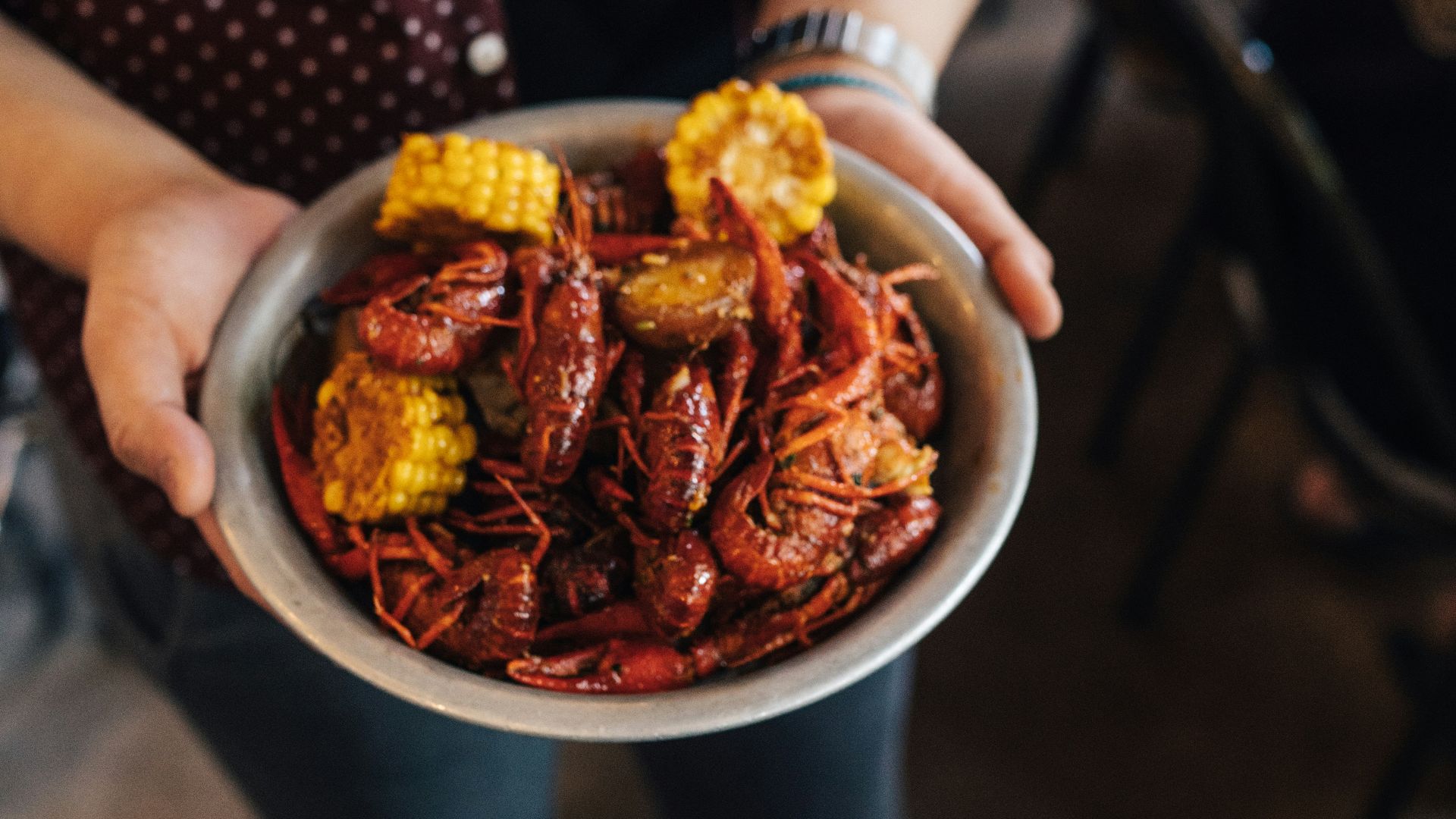
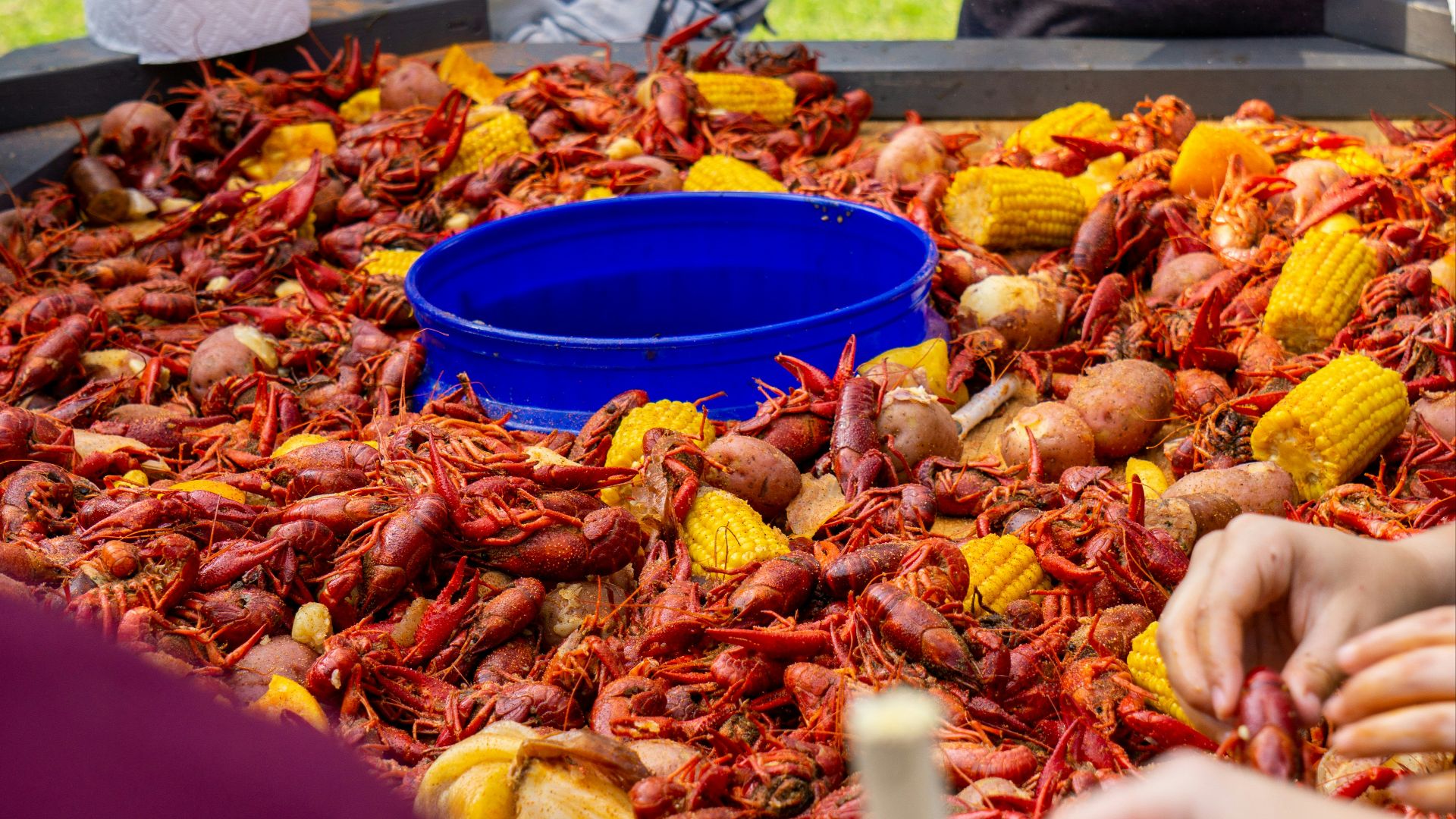
Louisiana's crawfish became a staple among enslaved and working-class communities partly because they were free for the taking in flooded fields and ditches. Cajun households built traditions around a creature that cost nothing but time. Crawfish boils have since become an event people pay real money to attend.
19. Tripe
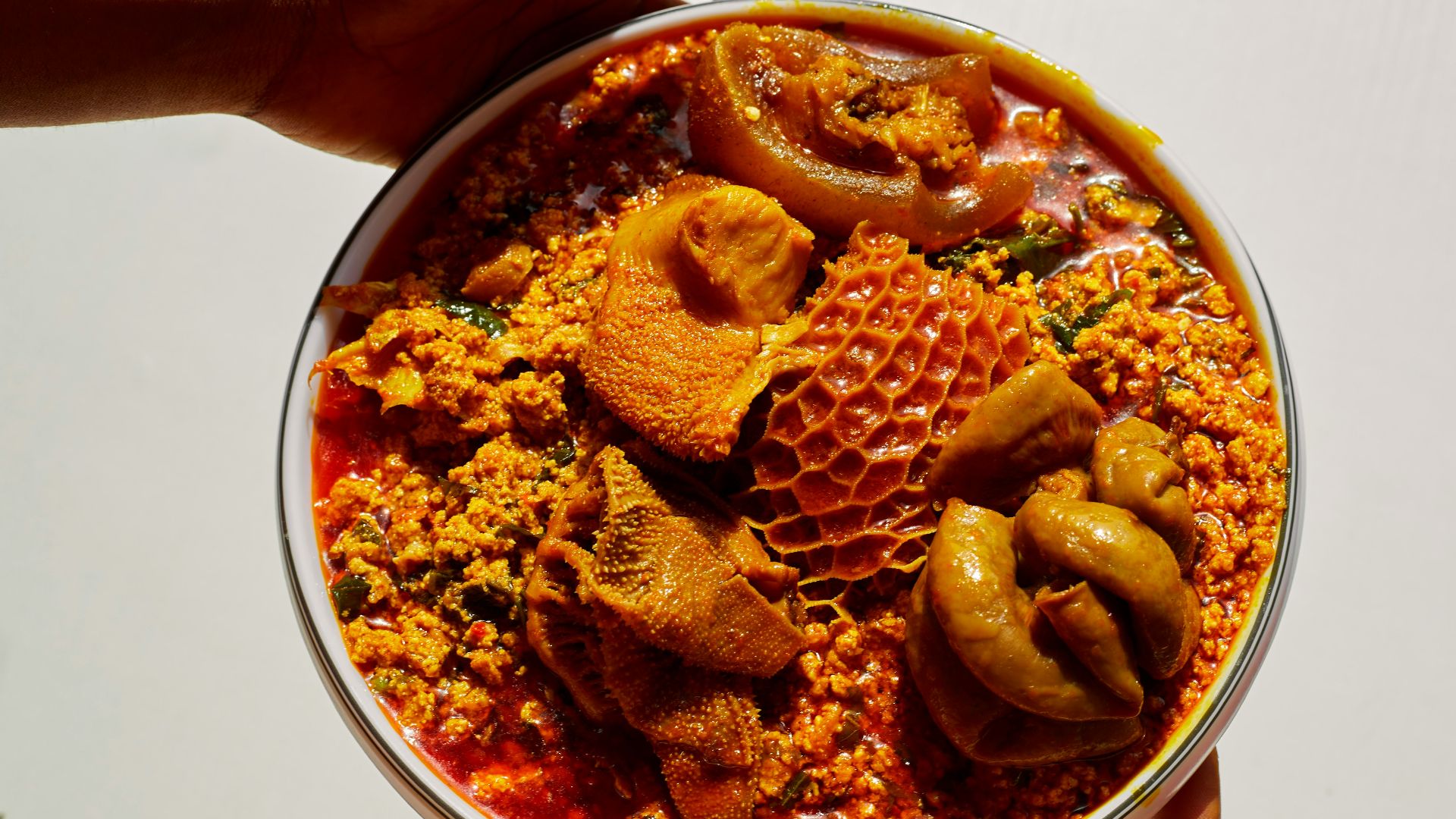
The lining of a cow's stomach, tripe was historically cheap enough to end up in workhouse kitchens across England, valued for its low cost rather than its flavor. It required long, slow cooking to become palatable, which made it common in households with more time than money. Tripe has since found a second life in upscale versions of dishes like Italian trippa alla romana.
20. Quinoa
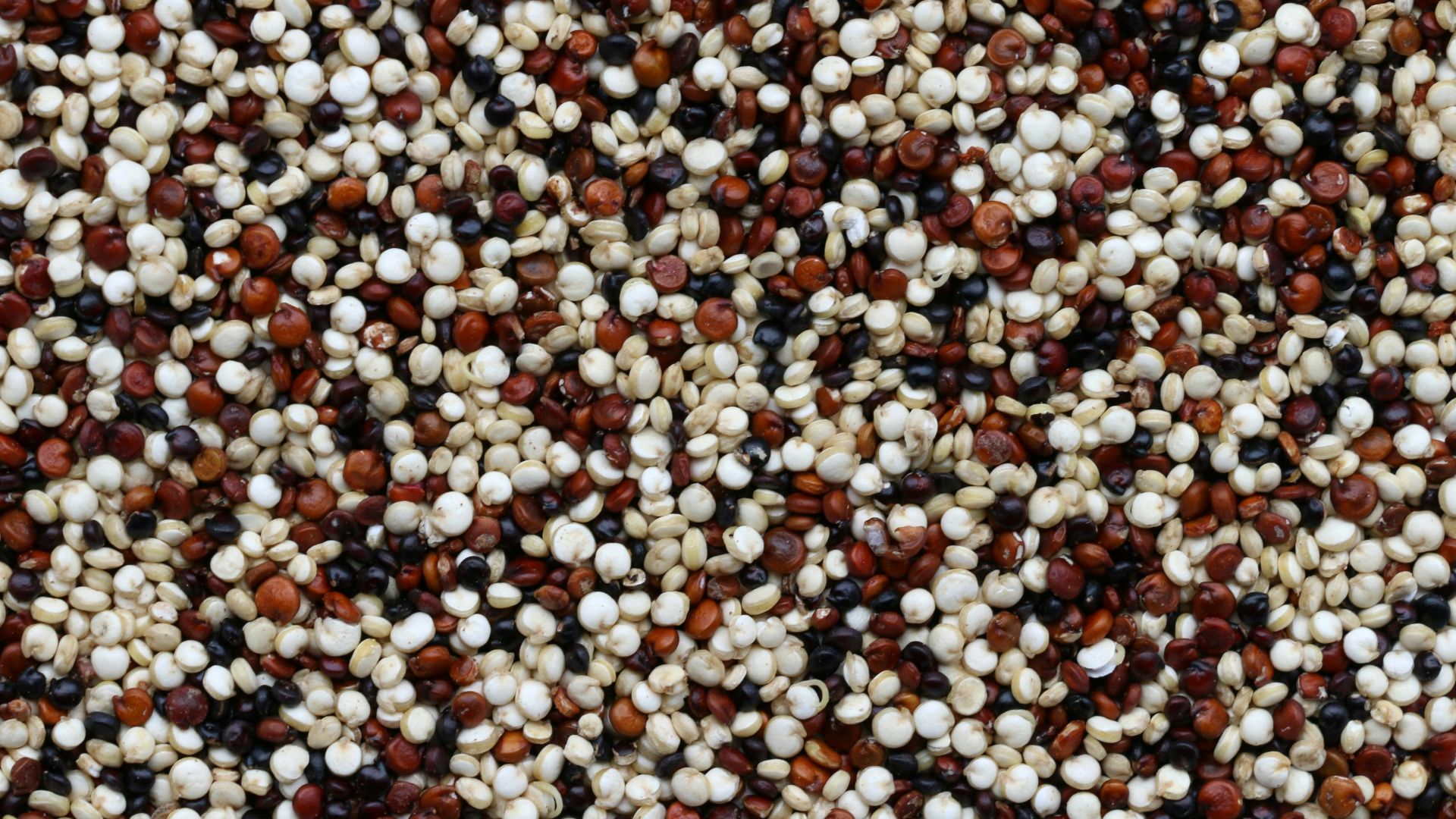
For centuries, quinoa was a staple grain for poor farming communities in the Andes, seen as too tied to subsistence living to interest wealthier households nearby. It carried none of the prestige of imported wheat or rice among those who could afford alternatives. A global health food boom in the 2000s flipped that reputation, pricing some of the communities that first grew it out of their own crop.
KEEP ON READING