 Rob Campbell from Toronto, ON, Canada on Wikimedia
Canada is best known for being home to millions of friendly citizens, but as far as their food goes, Canadian cuisine definitely doesn't receive the same international attention. Most people might be able to name popular foods like poutine or maple syrup, but they'll likely struggle to think of other Canadian specialties.
Having that limited reputation does give the country a hidden advantage, though: people who visit will be delightfully surprised by the diverse collection of tasty dishes shaped by Indigenous traditions, regional ingredients, immigration, and home cooking passed down for generations.
Not to mention, the country’s enormous size also means that its food culture varies considerably from one province to another. Coastal communities rely on fresh seafood, while inland regions are known for filling meals designed for colder weather. Turns out, Canada's got a lot to offer in the food department, and we're just going to cover three amazing ones today.
Tourtière
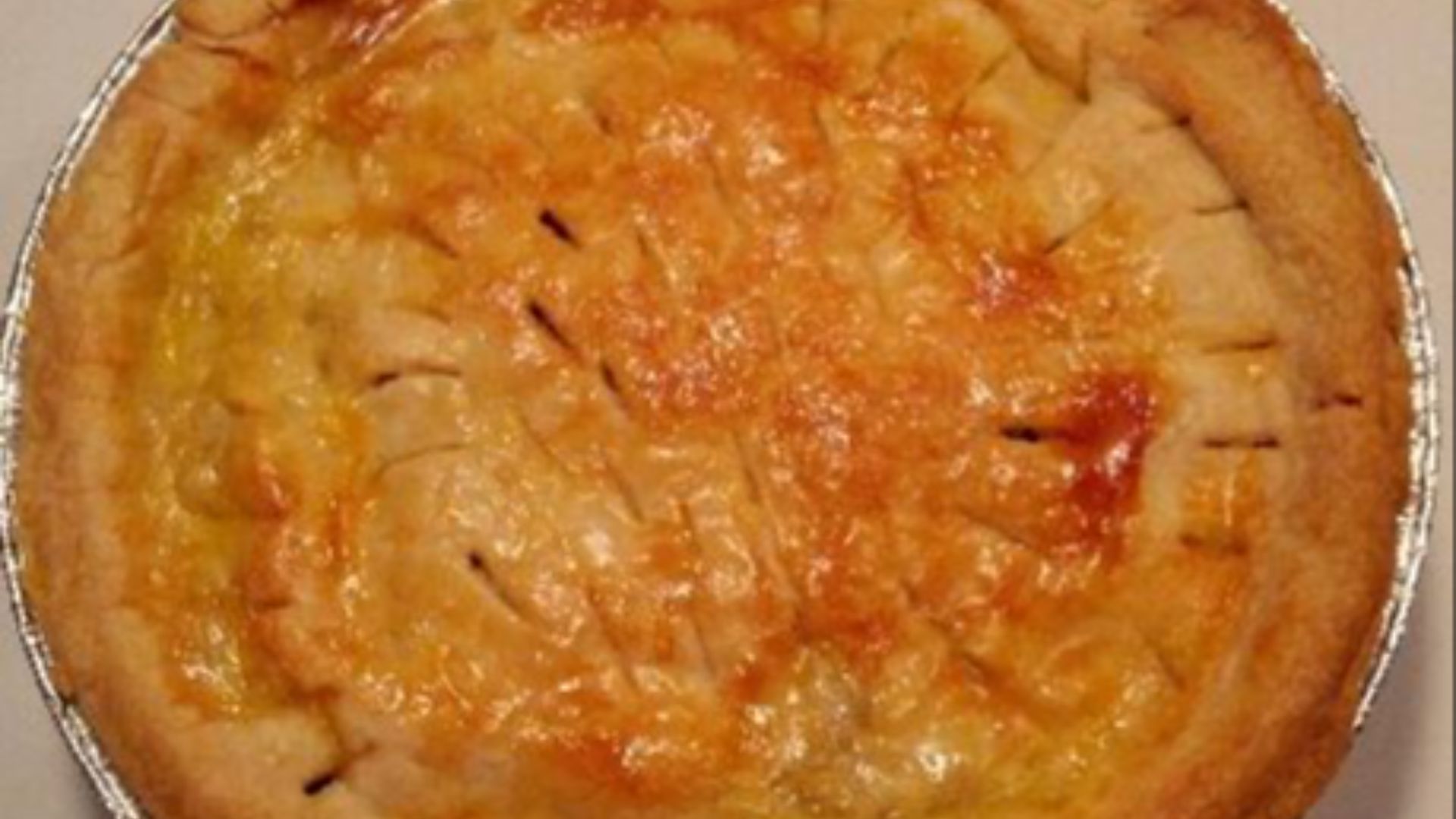
Tourtière might look difficult to pronounce, but just one bite is enough for you to remember it forever. This savory meat pie is closely associated with Quebec, though different versions can be found throughout Canada. The dish usually consists of a flaky pastry crust that's filled with seasoned ground meat, such as pork, beef, or veal. It’s a hearty food that explains why it's especially popular during the winter holidays, like Christmas Eve or New Year’s Day.
What makes tourtière memorable though is that effortless balance between its rich filling and warm spices. Recipes may include cinnamon, cloves, nutmeg, or allspice, giving the meat a much more complex flavor than your typical pot pies. Potatoes or breadcrumbs are sometimes added too, to help bind the filling and create a firmer texture.
Regional variations make the dish even more interesting to explore. In Montreal, tourtière often refers to a relatively shallow pie made with finely ground meat, while versions from the Saguenay–Lac-Saint-Jean region can be much deeper and larger. It's fun trying all the different versions across the country!
But regardless of where you eat it, tourtière is commonly served with ketchup, chutney, mustard, or a homemade fruit relish. These slightly sweet or tangy condiments help balance the richness of the pastry and meat, and give it even more flavor.
Although this dish is strongly connected to special occasions, it works equally well as an everyday comfort meal. It's the kind of food you crave when you're feeling down and need a pick-me-up, which explains why it's remained so popular all these years. That klnd of soul food can never be replaced.
Bannock
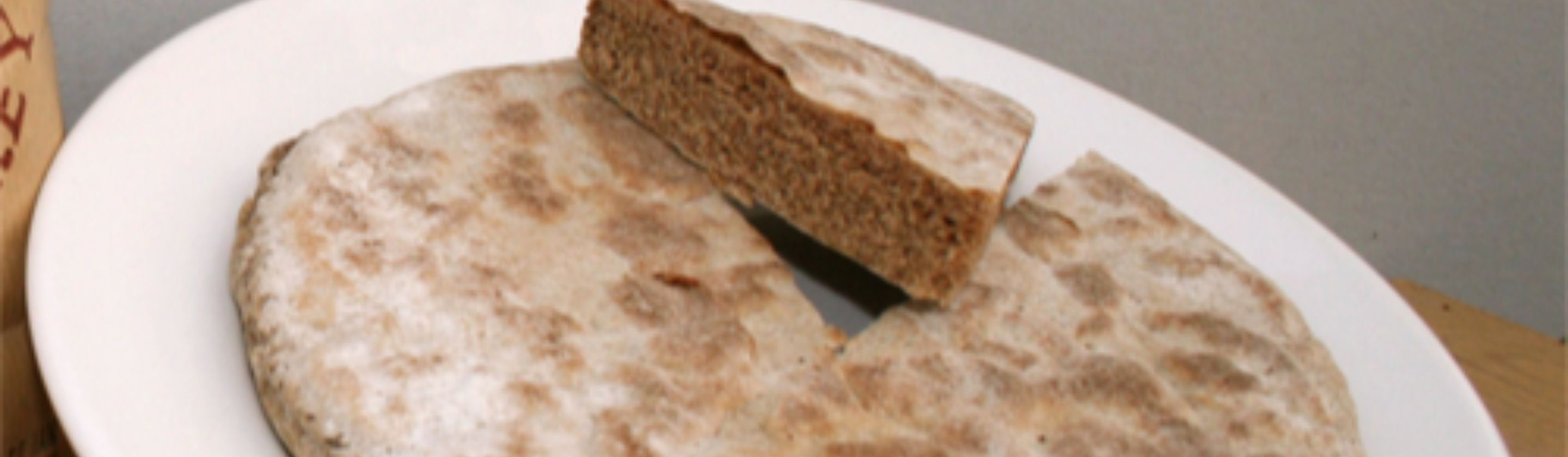
Bannock might be a simple bread, but it has a very significant place in Canadian food history. It’s commonly associated with Indigenous communities, and over time, Indigenous cooks adapted the bread using available ingredients and created different versions.
The basic recipe however, typically uses flour, baking powder, salt, water, and some type of fat. It can be baked, fried, or cooked over an open fire, and the finished result is a bread that can be soft and fluffy, crisp around the edges, or dense enough to accompany a hearty stew.
Modern bannock appears in many different forms across Canada. Some cooks add berries, dried fruit, herbs, cheese, or honey, while others like to keep the recipe plain and traditional. You might also find bannock used as the base for sandwiches, burgers, breakfast dishes, and even tacos at Indigenous-owned restaurants and food stands.
Bannock might not be the star of any dish, but its simplicity and versatility is what makes it so appealing. You don't need expensive ingredients or specialized baking skills to prepare it successfully, and it doesn't take a lot to enjoy it either; a warm piece served with butter, jam, soup, or smoked meat can feel complete already.
It's important to note though that bannock shouldn't be treated as a single recipe representing every Indigenous nation. Preparation methods and cultural meanings will differ between communities, and some traditions existed before the arrival of European flour. It's definitely the kind of dish with such a deep history that is worth exploring.
Butter Tarts
 Hisakazu Watanabe on Wikimedia
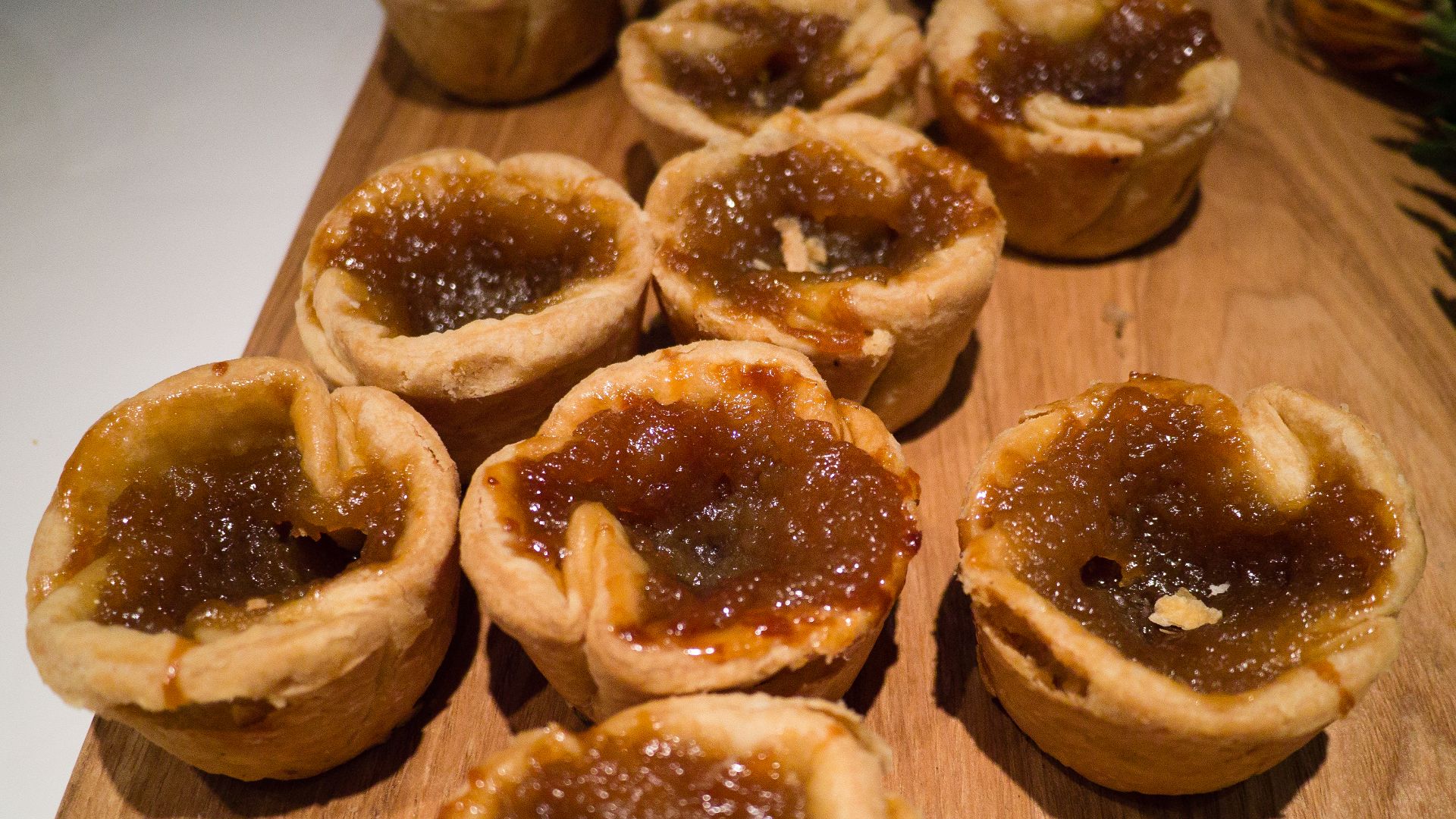
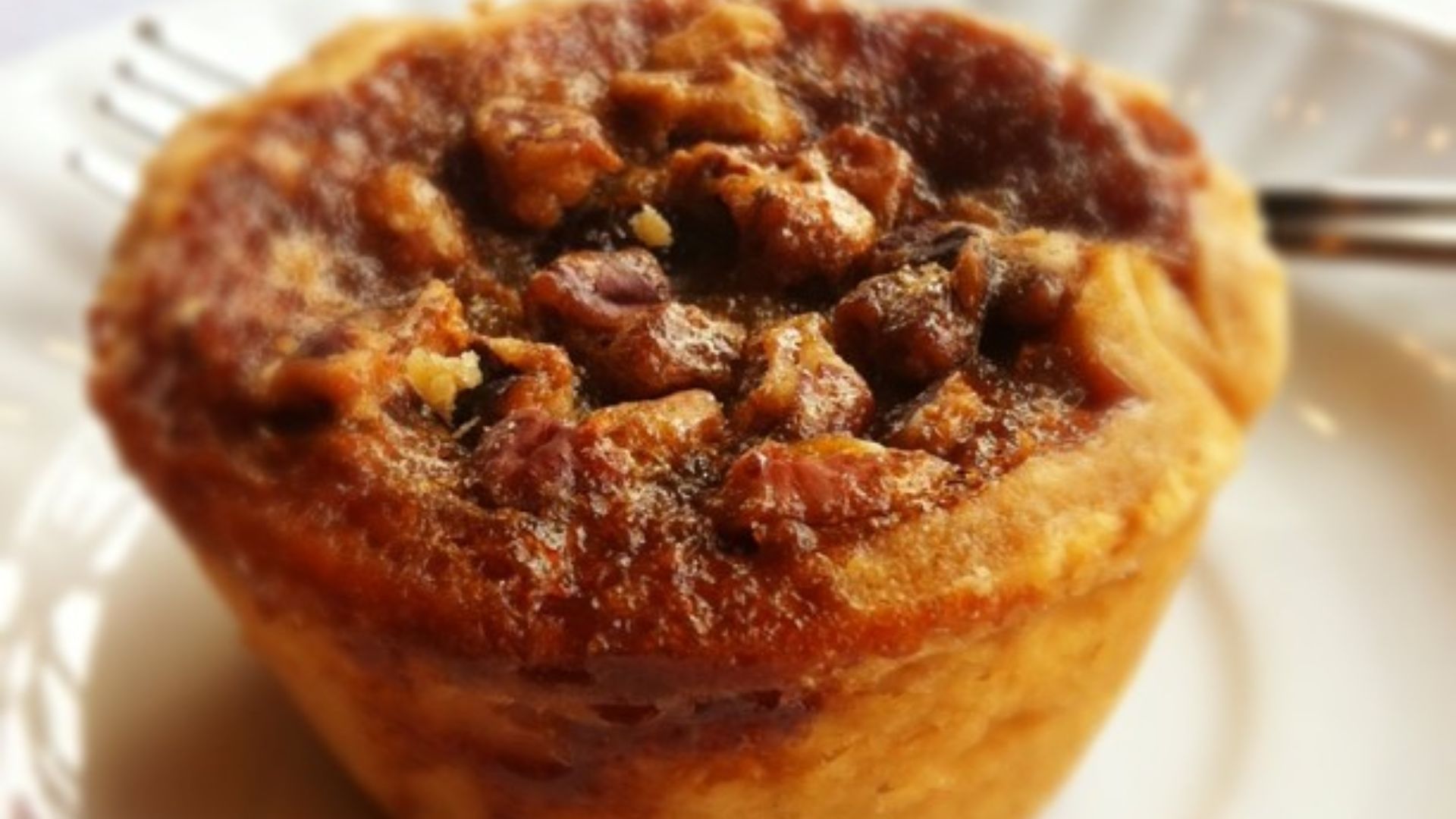
Butter tarts are one of Canada’s most recognizable desserts among locals, yet most people from other countries have likely never heard of it before! These tarts each feature a small pastry shell filled with a mixture of butter, brown sugar, syrup, and egg. After they're baked, the filling becomes sweet and glossy, and the texture can vary from firm to runny.
The earliest published Canadian butter tart recipes date back to the early 20th century, though similar desserts existed before then. Ontario is particularly proud of this sweet treat, and several communities hold festivals, competitions, and food trails dedicated to it. Definitely give it a try if you're in the province!
Interestingly, a major debate surrounding butter tarts that divides the room has to do with the optional addition of raisins. Some Canadians will insist that raisins are essential (and improve the baked good), while others consider them completely unnecessary. No matter what you think, there's no right or wrong answer!
Texture is another source of friendly disagreement here. Certain people prefer a firm center that holds its shape well, while others want the filling to be more runny and smooth. Depending on what you prefer, if you're making them yourself, you can easily make adjustments to the baking time and recipe to better fit your tastes.
Butter tarts are small, but they’re intensely rich, so one is usually enough for dessert. They pair well with coffee or tea and don't need frosting, whipped cream, or decorative toppings. That kind of straightforwardness proves its own deliciousness automatically, and shows exactly why Canada loves this national favorite pastry.
KEEP ON READING

The 10 Best Fried Chicken Sandwiches & The 10 Worst