One-bowl meals have existed for generations because they’re practical, flexible, and capable of turning modest ingredients into a complete dinner. Rice, noodles, grains, beans, vegetables, and flavorful broths provide dependable foundations, while sauces and seasonings give each combination a distinct regional character. Their appeal comes from bringing several satisfying textures and flavors together without requiring an elaborate presentation.
Modern home cooks can borrow these international approaches without attempting to reproduce every traditional dish exactly. A familiar bowl of rice or noodles can take on an entirely different personality through a carefully chosen condiment, a new cooking technique, or a combination of ingredients commonly used in another cuisine. The result can remain simple enough for a weeknight while offering more variety than the usual collection of separate sides.
Rice Bowls That Go Beyond Basic Toppings
Japanese donburi demonstrates how a few well-prepared ingredients can transform plain rice into a substantial meal. Different versions may include simmered beef, breaded meat, seafood, eggs, or vegetables, often with a savory sauce that soaks into the rice below. At home, leftover chicken and quickly cooked onions can create a practical variation without demanding a long ingredient list.
Korean-style mixed rice bowls take a more varied approach by arranging vegetables, protein, sauce, and sometimes an egg over rice. The ingredients are stirred together before eating, allowing spicy, savory, fresh, and pickled flavors to become evenly distributed. You can simplify the preparation by using two cooked vegetables instead of several and adding store-bought kimchi for acidity and crunch. A small amount of gochujang provides considerable flavor, so it’s best added gradually.
West African-inspired rice bowls can draw on the tomato, pepper, onion, and spice combinations commonly associated with jollof rice. Rather than treating the rice as a neutral base, this approach cooks seasoning directly into it, creating flavor throughout every spoonful. Roasted chicken, grilled fish, or seasoned beans can make the bowl more filling, while sliced cucumber adds freshness. Cooking extra rice also gives you an easy starting point for lunch the following day.
Noodles And Broths With Regional Character
Vietnamese-inspired noodle bowls often balance warm noodles and cooked protein with cool herbs, crisp vegetables, and a sharp dressing. This contrast makes the meal feel fresh without leaving it insubstantial, especially when rice noodles absorb the surrounding sauce. Shredded carrots, cucumber, mint, and leftover pork or chicken can produce a manageable home version. Chopped peanuts contribute texture, although they should be omitted or replaced when allergies are a concern.
A Japanese-inspired broth bowl can begin with noodles, stock, and a few toppings rather than a complicated restaurant-style preparation. Mushrooms, green onions, leafy vegetables, and a boiled egg all cook quickly or can be prepared in advance. Miso adds savory depth, but it should generally be stirred in after the broth has stopped boiling to preserve its flavor. Keeping the toppings limited allows each ingredient to remain noticeable instead of overcrowding the bowl.
Southeast Asian curry noodles offer another way to combine broth and noodles in a single satisfying serving. Coconut milk can soften the heat of curry paste, while lime juice and fresh herbs prevent the finished dish from tasting overly rich. Vegetables such as bell peppers, green beans, or spinach can be added according to what’s already in the refrigerator.
Grains, Beans, And Stews Built For Flexibility
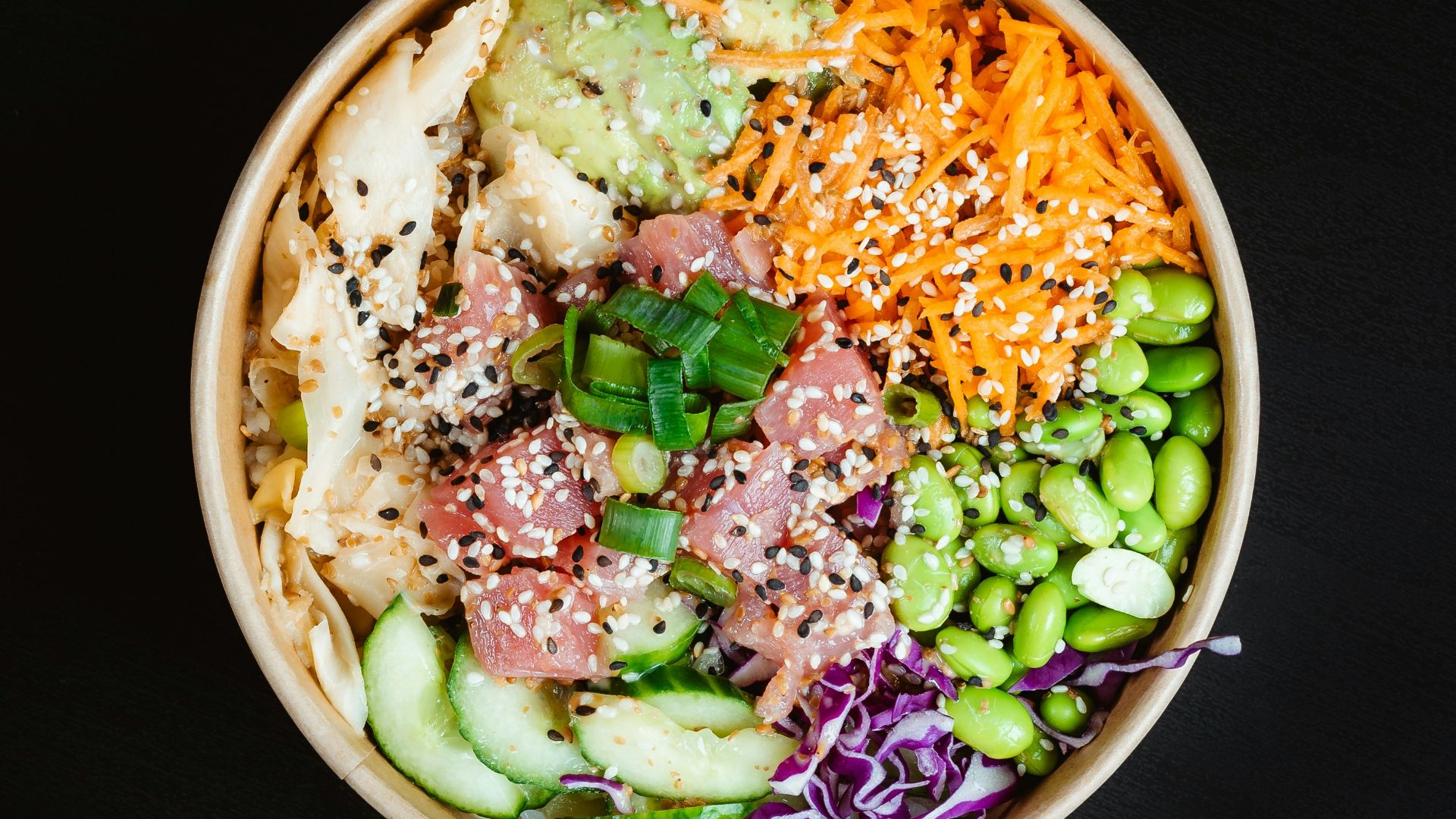
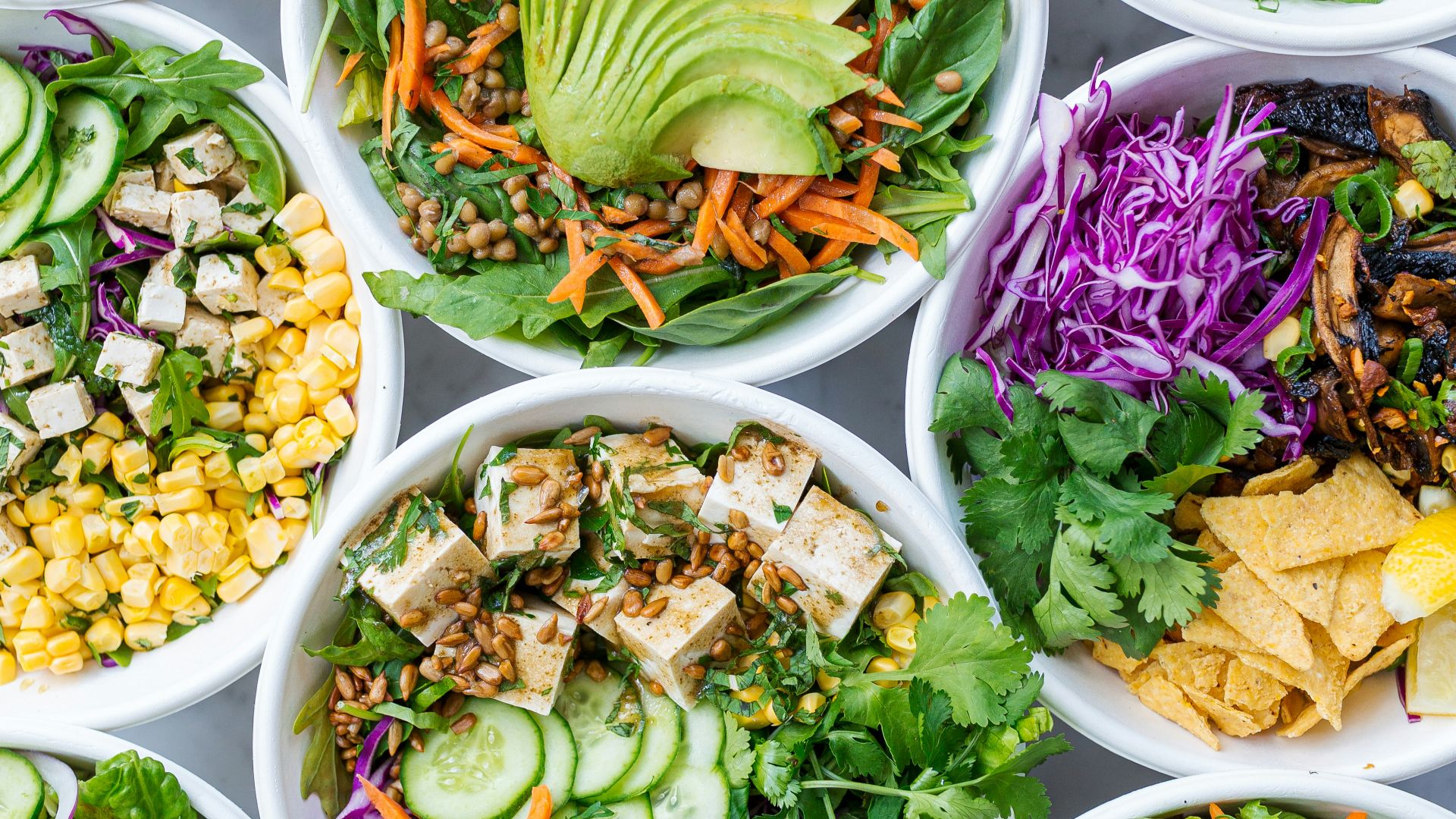
A Mediterranean-inspired grain bowl can combine cooked farro, bulgur, or couscous with chickpeas, vegetables, herbs, and a bright dressing. Tomatoes, cucumbers, parsley, and lemon create freshness, while feta or a spoonful of yogurt contributes creaminess. Roasted vegetables work equally well during colder months when raw produce feels less appealing.
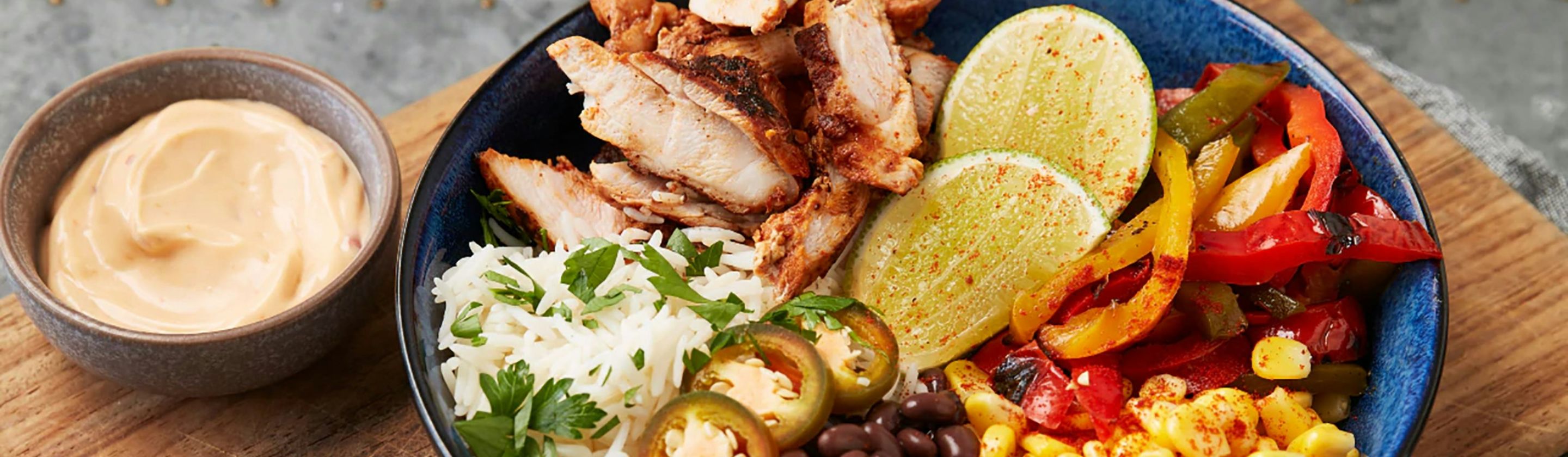
Mexican-inspired bowls replace the tortilla with rice, grains, or shredded lettuce while keeping familiar combinations of beans, vegetables, salsa, and avocado. Black or pinto beans provide protein and fiber, making meat optional rather than necessary for a substantial meal. Corn, cabbage, tomatoes, and pickled onions introduce color and texture without adding much preparation.
North African-inspired bowls can be built around couscous topped with chickpeas, roasted vegetables, and warmly seasoned sauce. Cumin, coriander, cinnamon, and paprika can create complexity, although using every spice at once isn’t required. Dried fruit offers sweetness in some combinations, while preserved lemon or a squeeze of fresh lemon supplies a sharper contrast.
The most successful bowl meals aren’t defined by how many toppings they contain, but by how well their basic elements work together. A sturdy base, a source of protein, vegetables, a flavorful sauce, and something fresh or crunchy usually provide enough variety for a complete meal. Exploring international cooking traditions can introduce useful combinations while still leaving room for personal taste, dietary needs, and ingredients that need to be used. With a thoughtful balance of flavors and textures, even an ordinary bowl can make dinner feel far less repetitive.
KEEP ON READING