Food We're Not Excited To Chow Down On
Some foods are downright challenging to even the most adventurous eaters. From traditional delicacies steeped in cultural heritage to modern culinary experiments gone awry, the world is full of "unique" eats that might just have you questioning what we consider to be food. Here are 20 of the world's most unappetizing dishes you probably won't want to ever try.
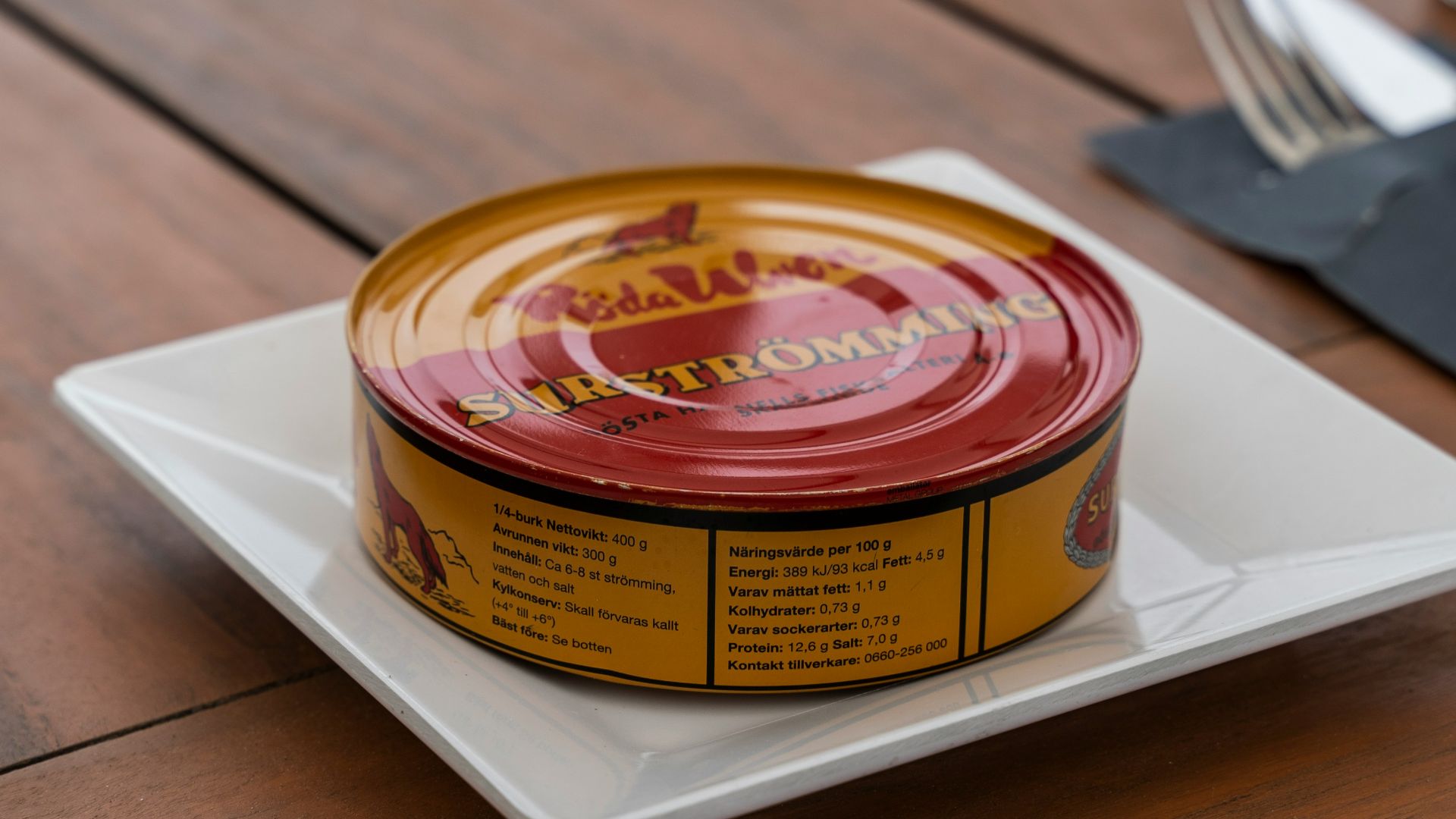
1. Surströmming (Sweden)
Coming from Sweden, this fermented herring dish comes packing with an exceptionally pungent aroma. So if you don't want to stink up the house, open it up outside! While its overpowering smell makes it one many stay away from, it continues to be a traditional Swedish dish best enjoyed with bread, potatoes, and onions.
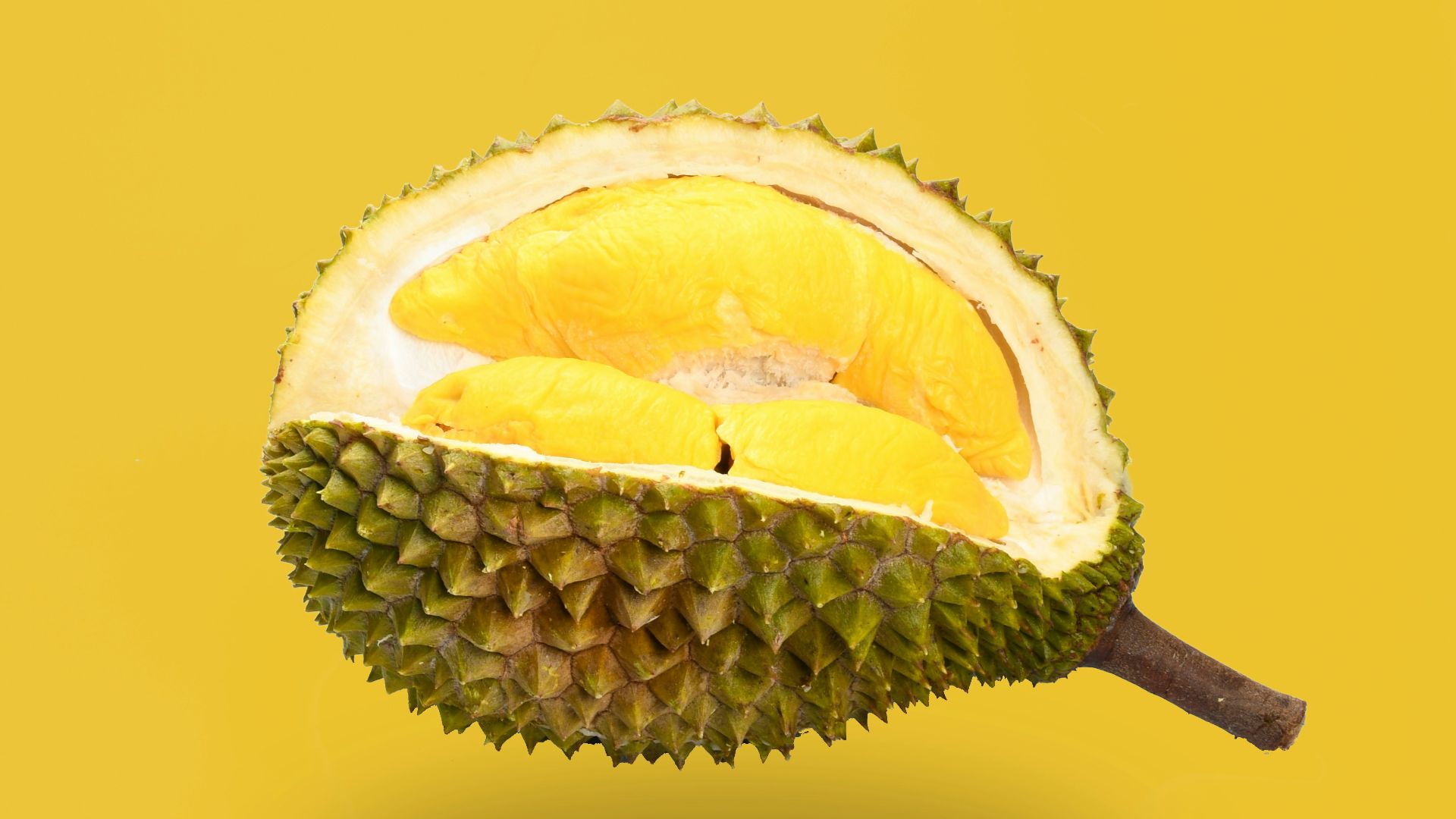
2. Durian (Southeast Asia)
Despite being dubbed "king of fruits," durian definitely isn't making the top of most people's favorite fruits list. With its creamy and soft texture clashing hard with its intensely strong smell, this food is sometimes banned in certain public spaces in Southeast Asia.
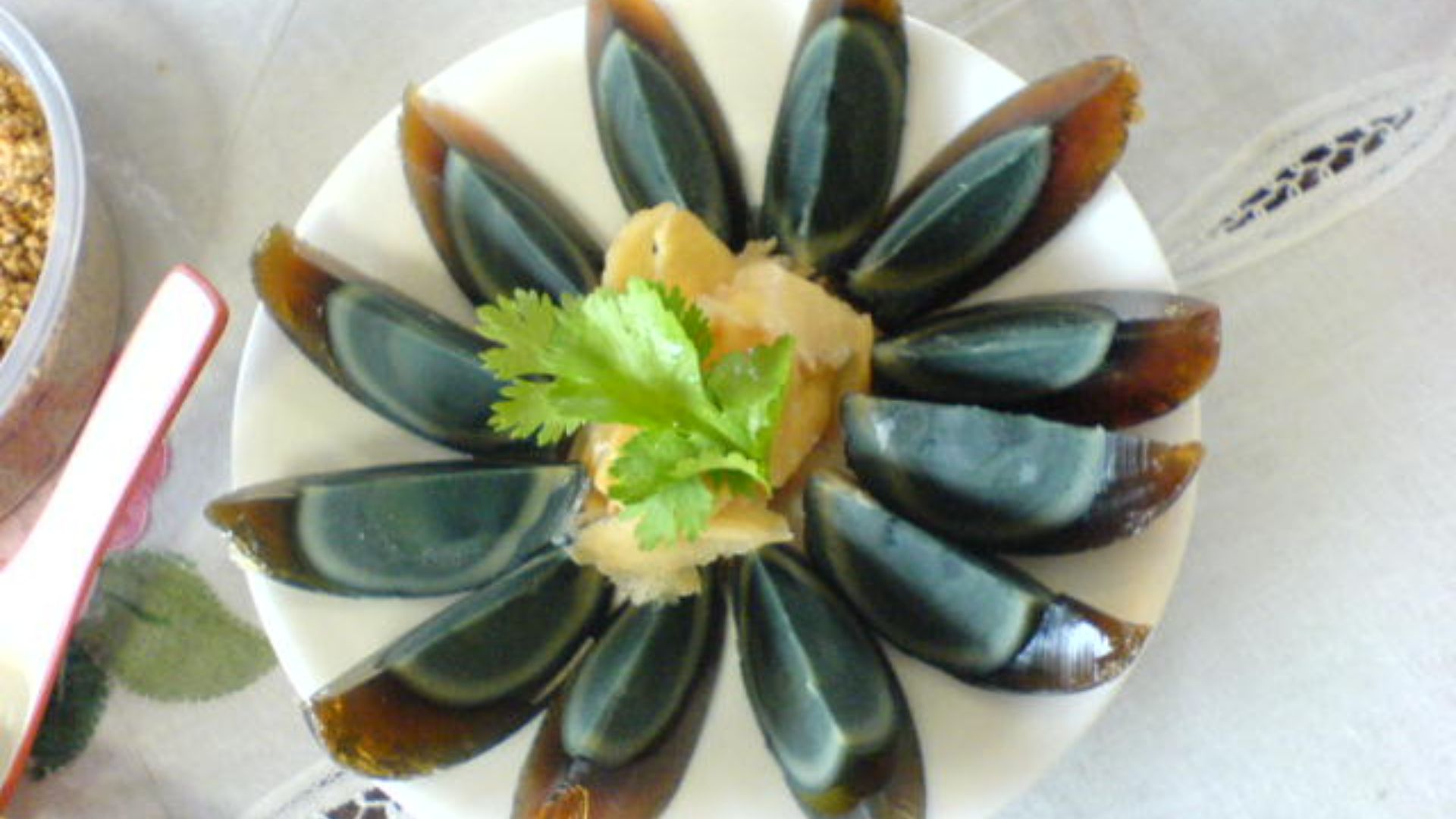
3. Century Egg (China)
With a name like that, it doesn't exactly sound like something you want to put in your mouth. These Chinese preserved eggs, also known as thousand-year eggs, undergo a long curing process that transforms the color into this unappealing brown. The flavor won't settle well with most people, but it's considered a delicacy in China and is commonly eaten with congee.
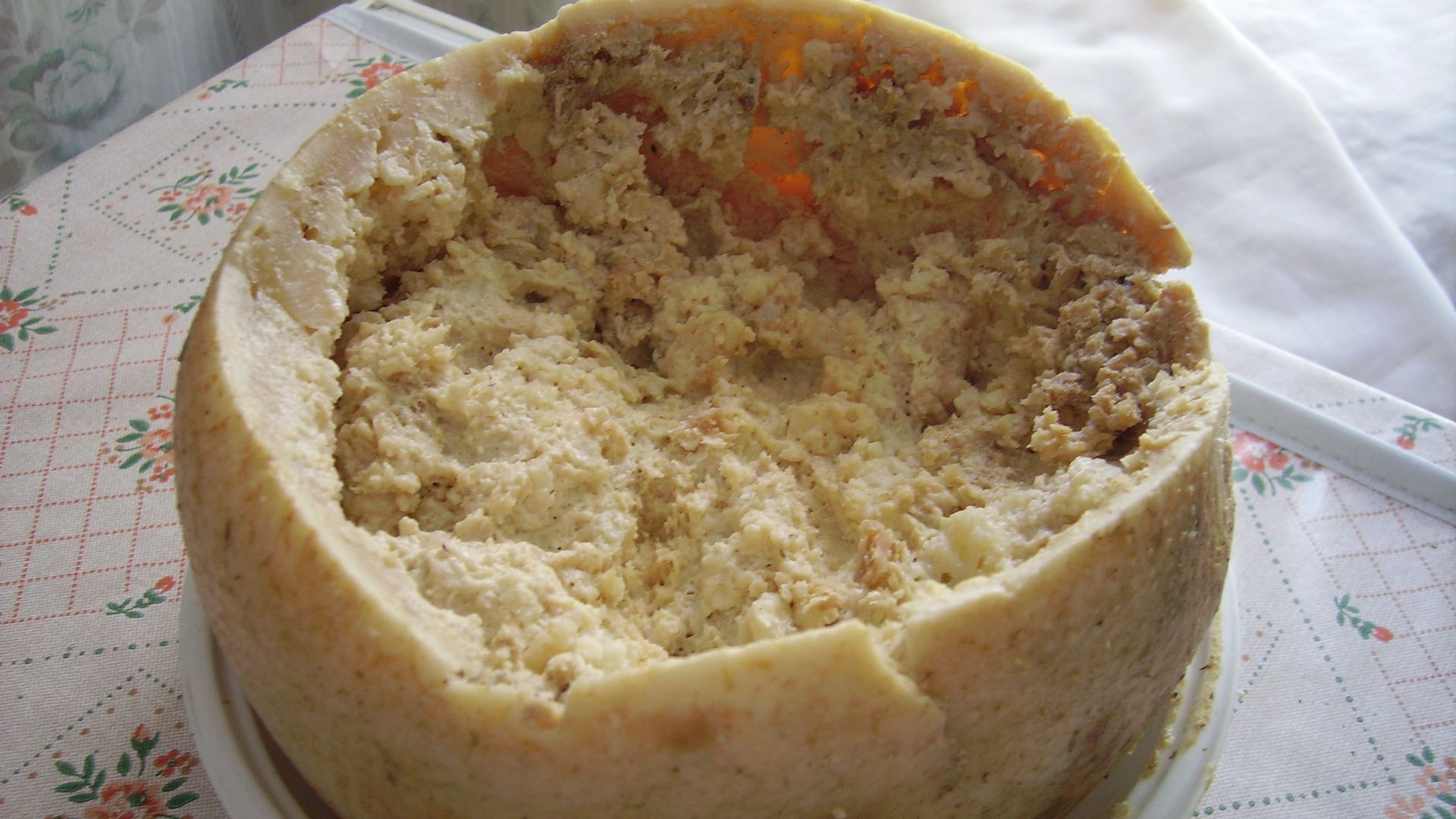
4. Casu Marzu (Italy)
If you thought you enjoyed all types of cheeses, you'll be proven wrong with Casu Marzu. Notorious for containing live insect larvae, this cheese made from fermented sheep's milk will have your stomach turning when you catch a glimpse of it. Though it's prized for its soft texture and rich flavor, we're not sure we can get past the whole bug situation.
5. Hákarl (Iceland)
If fermented shark already sounds unappealing to you, you're absolutely right. You're going to need to be a very adventurous eater to get past the strong fishy flavor and unappetizing smell that comes with Hákarl. Traditionally eaten in Iceland, give it a try only if you dare.
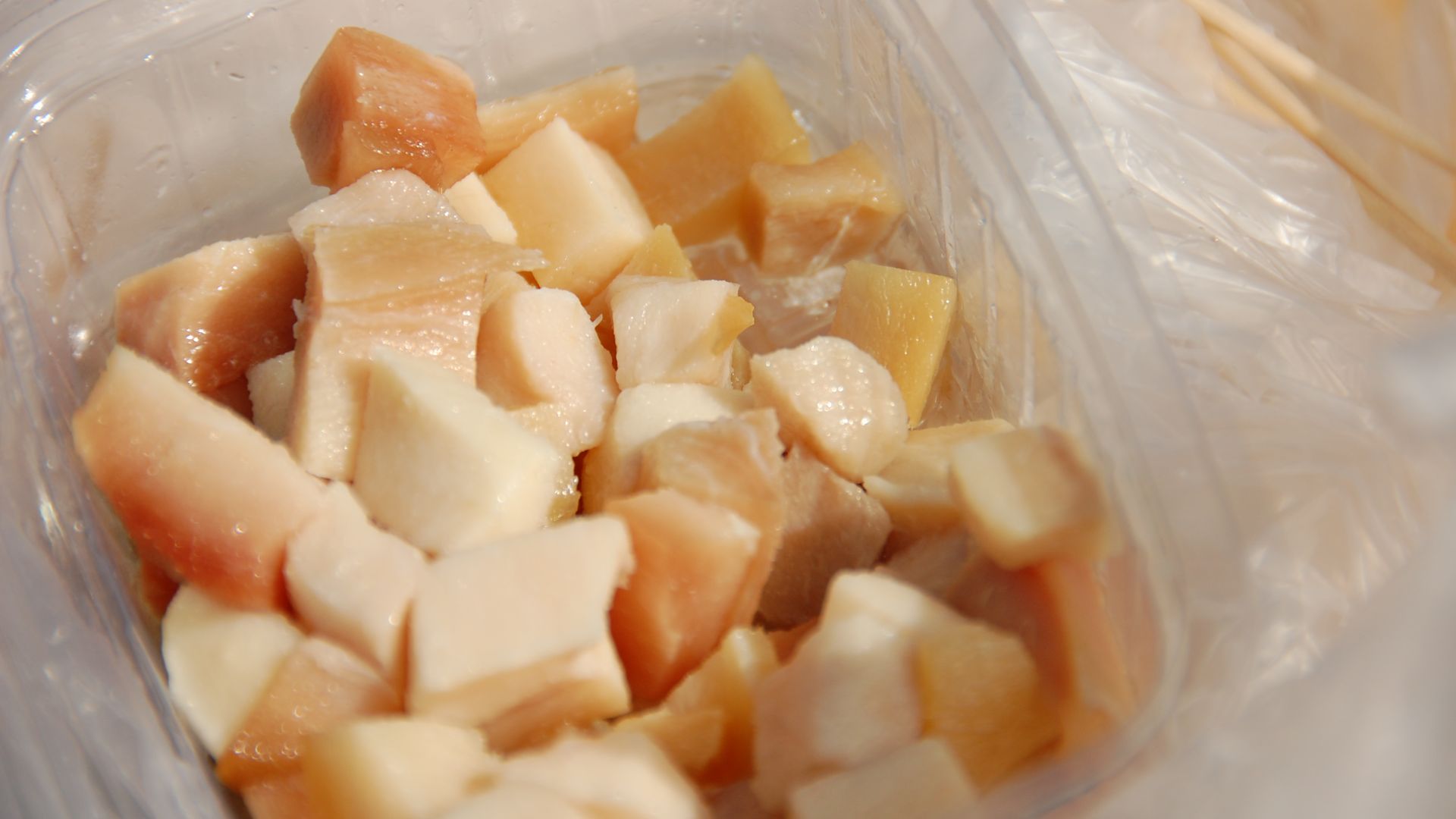 Audrey from Seattle, USA on Wikimedia
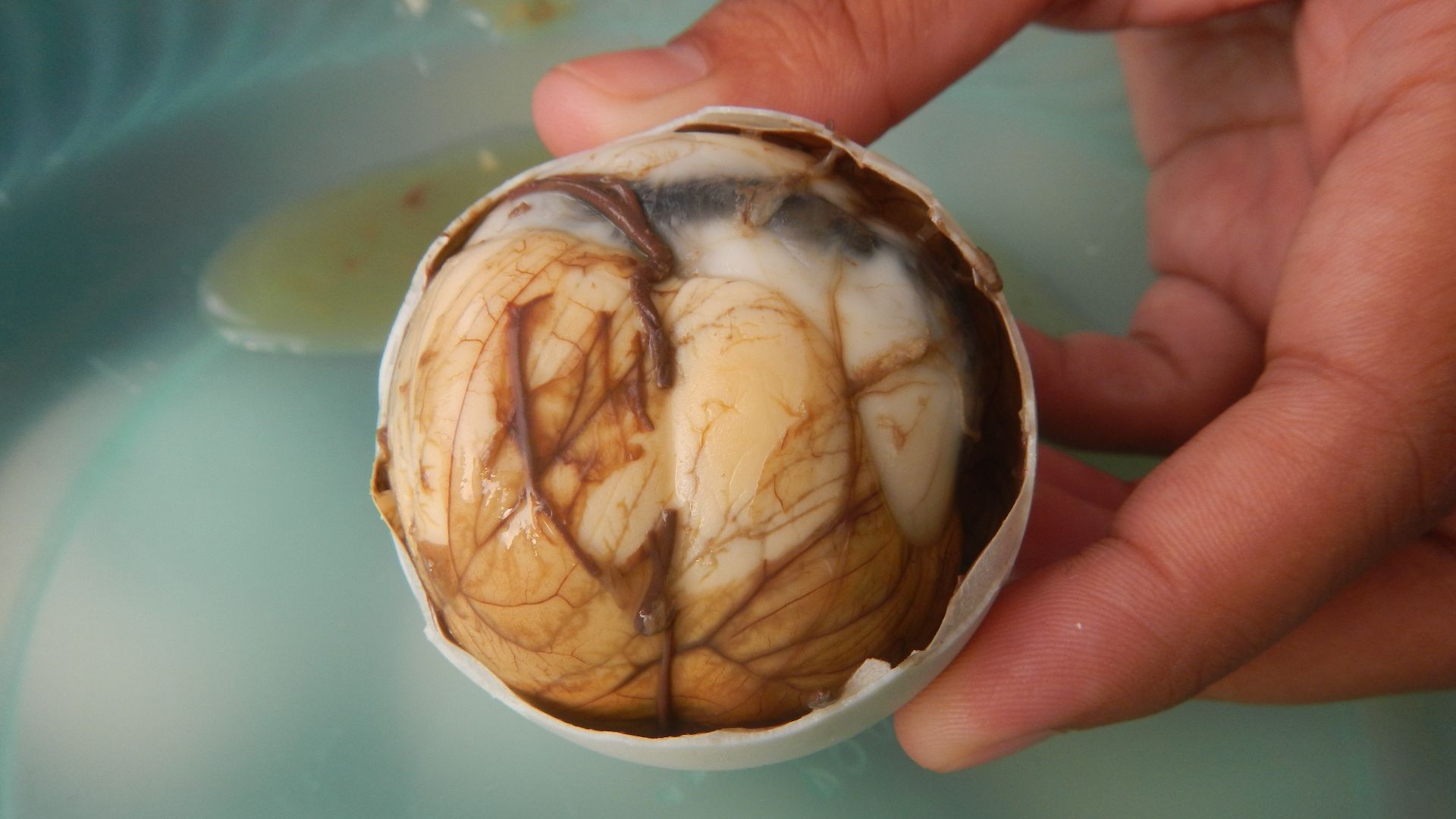
6. Balut (Philippines)
Already visually terrifying, balut is a fertilized duck egg with a partially developed embryo still inside (yes, that's how you eat it). It may be common street food in Phillipines, but for those unfamiliar with the dish, it tends to be a challenging eat even for the most bold of eaters.
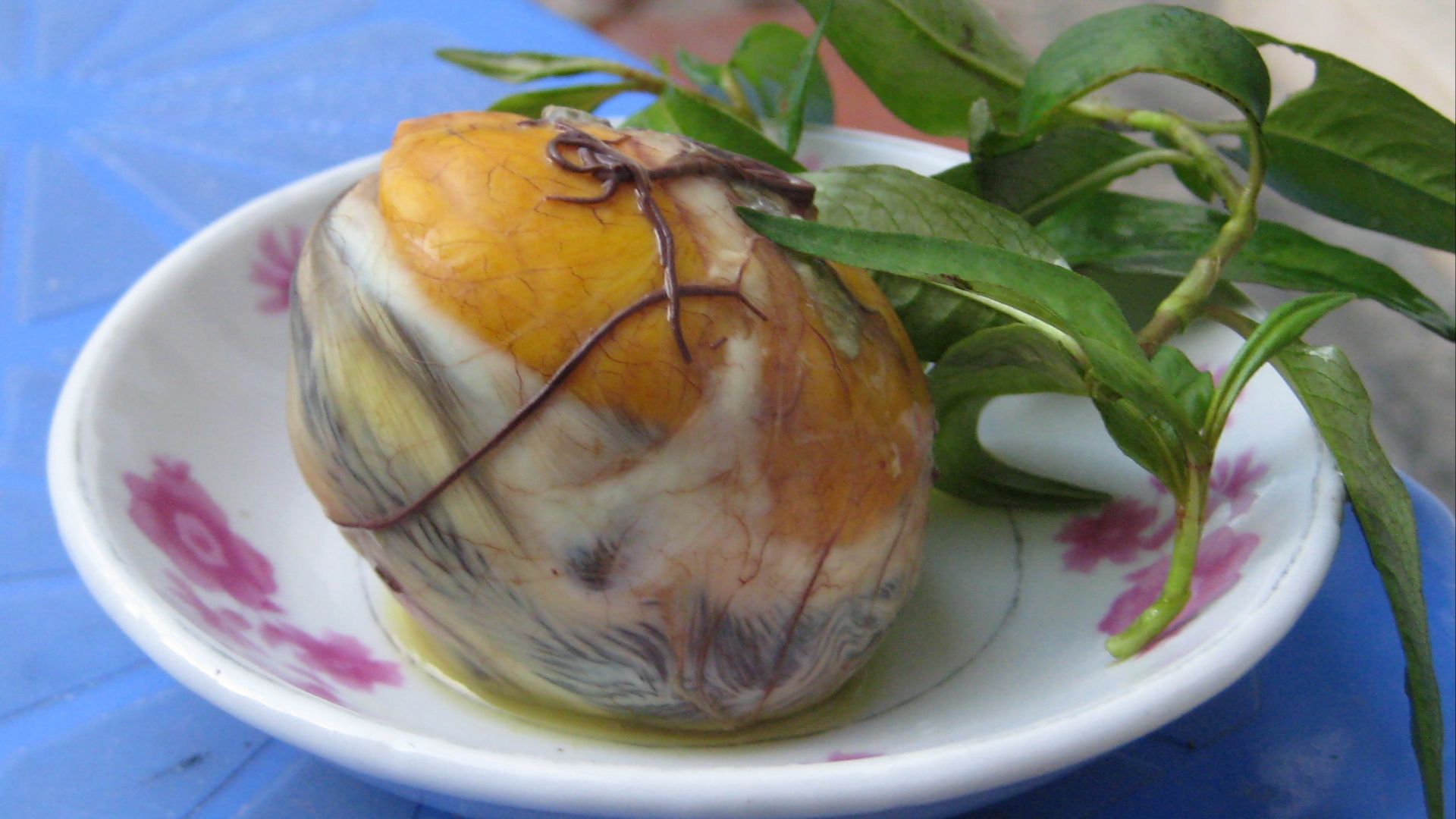 Aterux at Vietnamese Wikipedia on Wikimedia
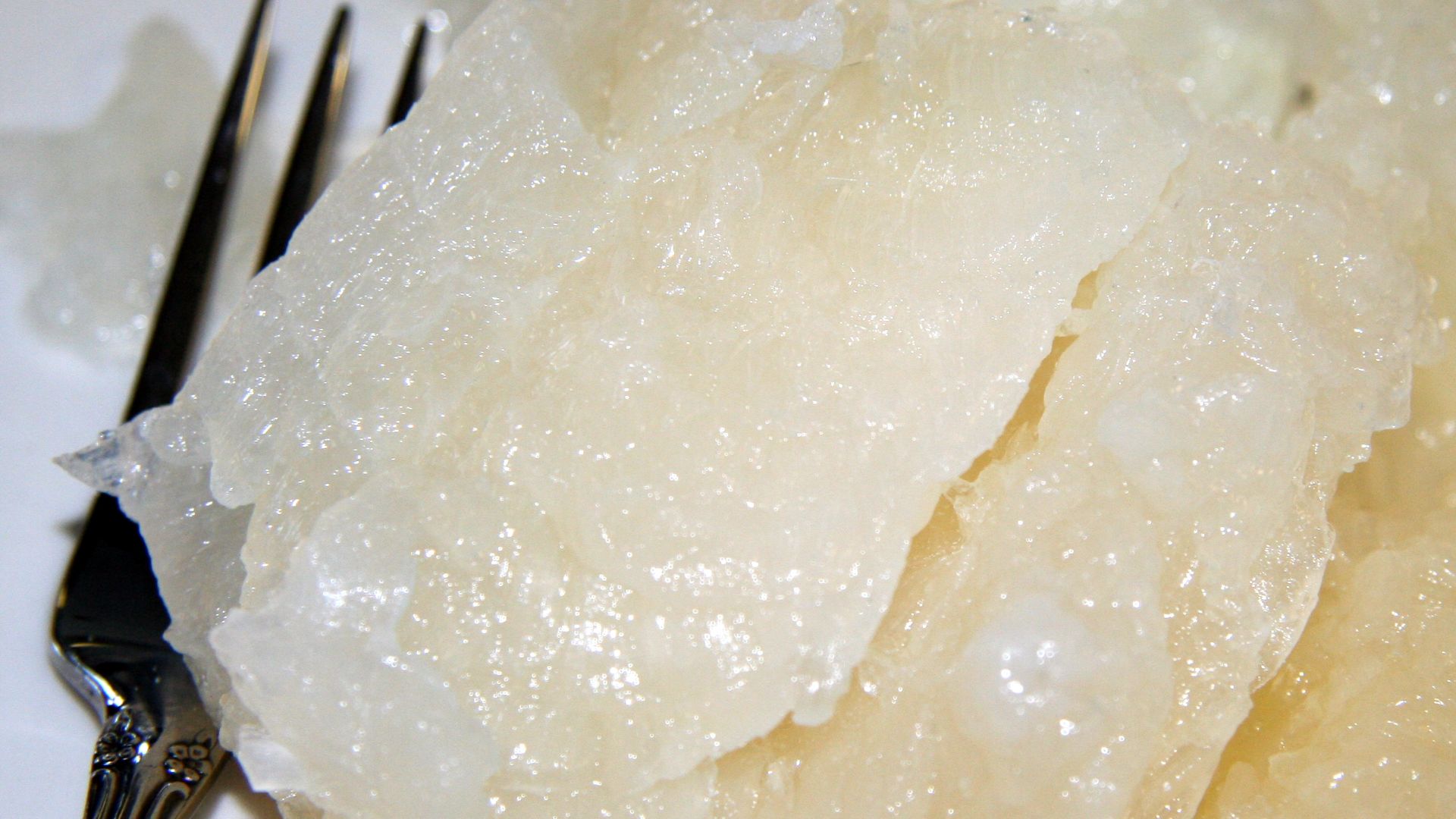
7. Lutefisk (Scandinavia)
Cured in lye and soaked in water to rehydrate, lutefisk is a dried whitefish (typically cod) that's known for having a strange gelatinous texture and somewhat soapy taste. Given that those are two things you likely don't associate with the delicate nature of fish, it makes this, unsurprisingly, a dish most don't attempt.
8. Stinky Tofu (Taiwan)
Calling a food stinky definitely isn't the way to go if you're trying to make something seem appetizing. But unfortunately, this dish was very aptly named. Stinky tofu from Taiwan is notorious for having a rotten, garbage-like smell despite its rather tasty nature. Crispy on the outside, soft and creamy on the inside, if you can get past the smell, you'll likely enjoy it.
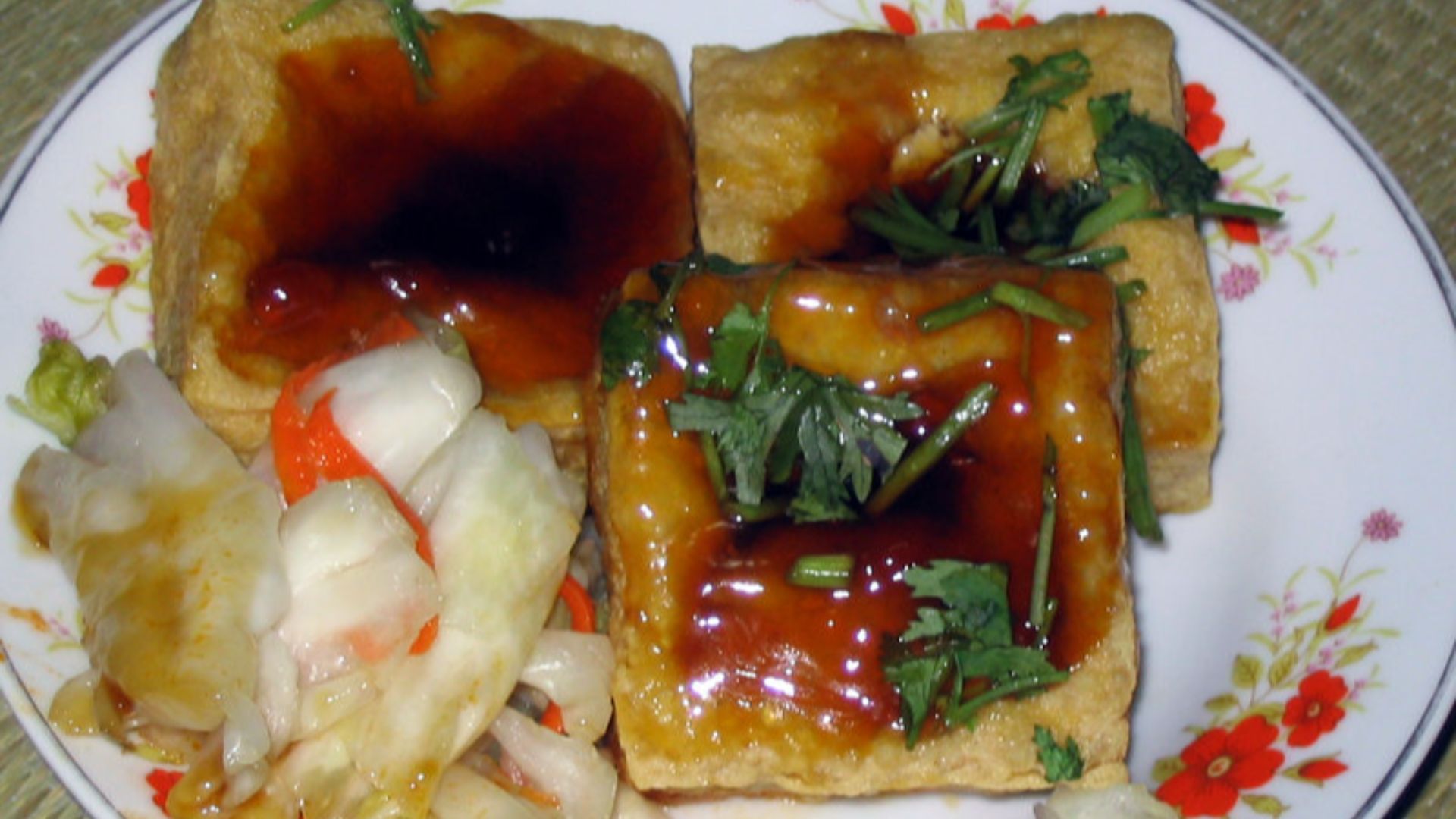 The original uploader was Richy at Chinese Wikipedia. on Wikimedia
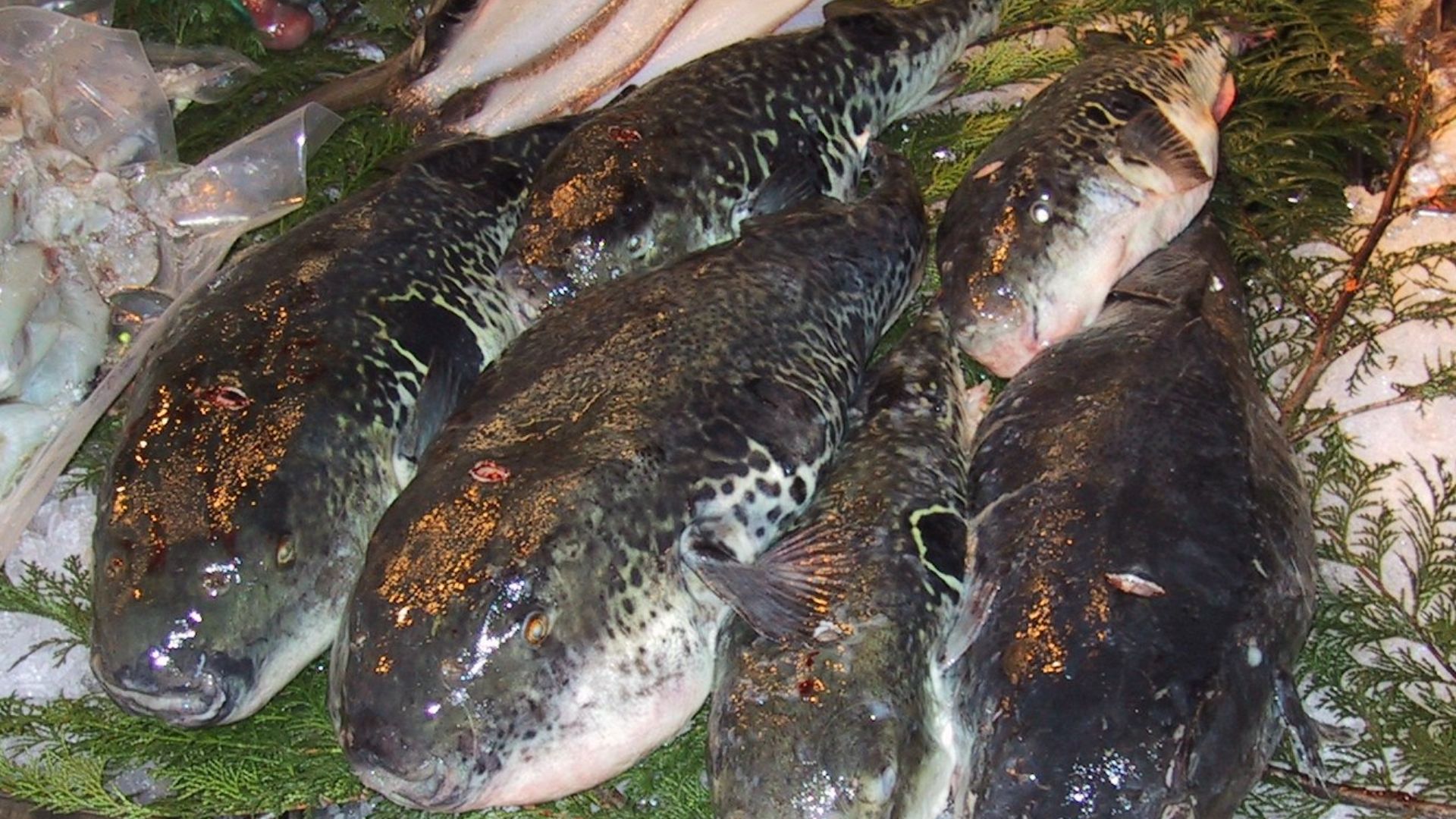
9. Fugu (Japan)
Though fugu might be considered a delicacy in Japan, it's certainly one you should stay away from. Because if we're talking unappetizing, there's nothing more unappetizing than a dish that can cause you potential harm. When not prepared properly, fugu can be lethal as its organs contain a dangerous toxin. In our eyes, it's not worth the risk.
10. Rocky Mountain Oysters (USA)
The name might seem innocent enough, maybe even tasty, but these "oysters" aren't what's being described. These are actually bull reproductive organs that are deep-fried and then served as a novelty dish. Does that change your opinion at all?
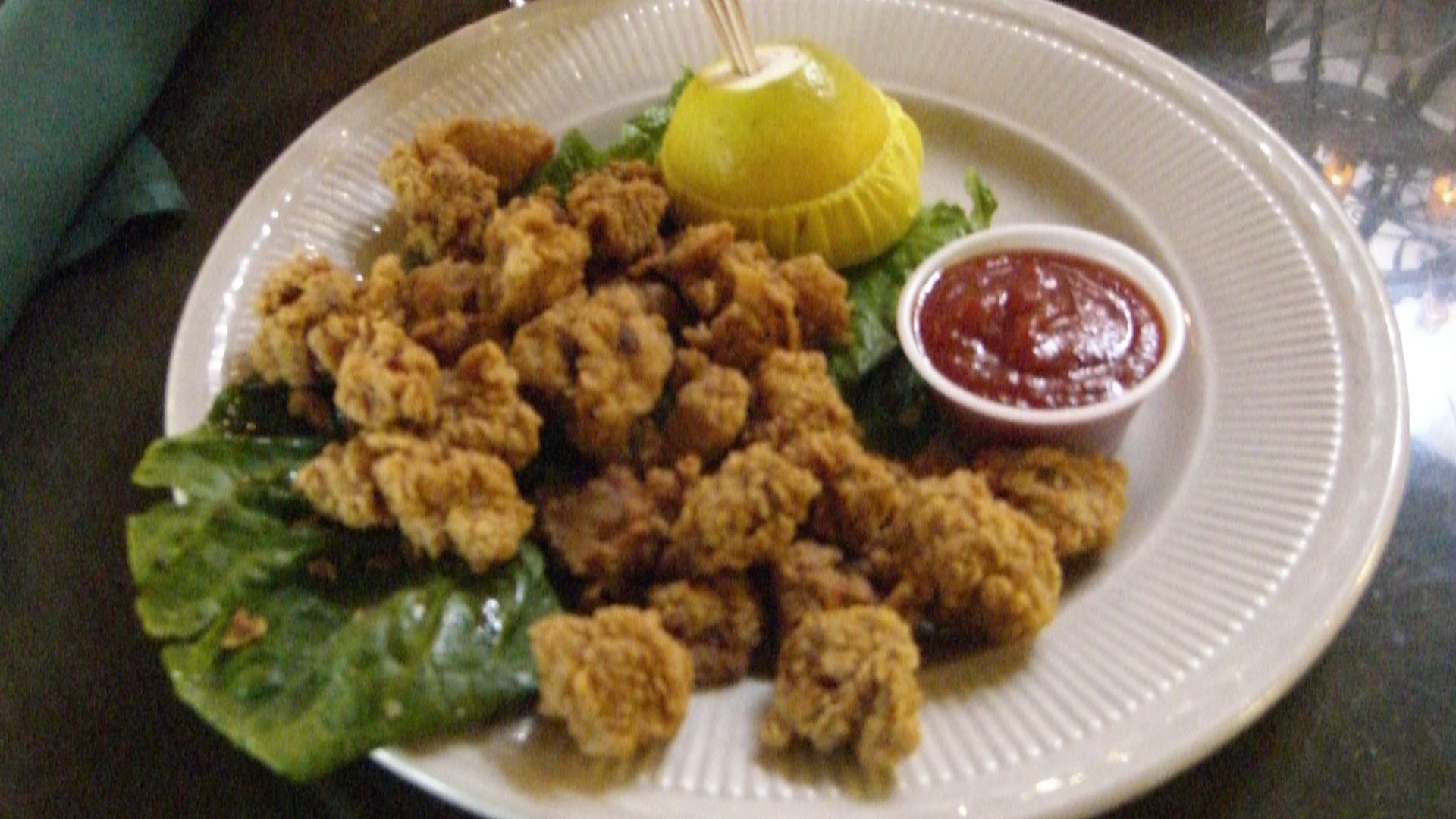 Vincent Diamante from Los Angeles, CA, USA on Wikimedia
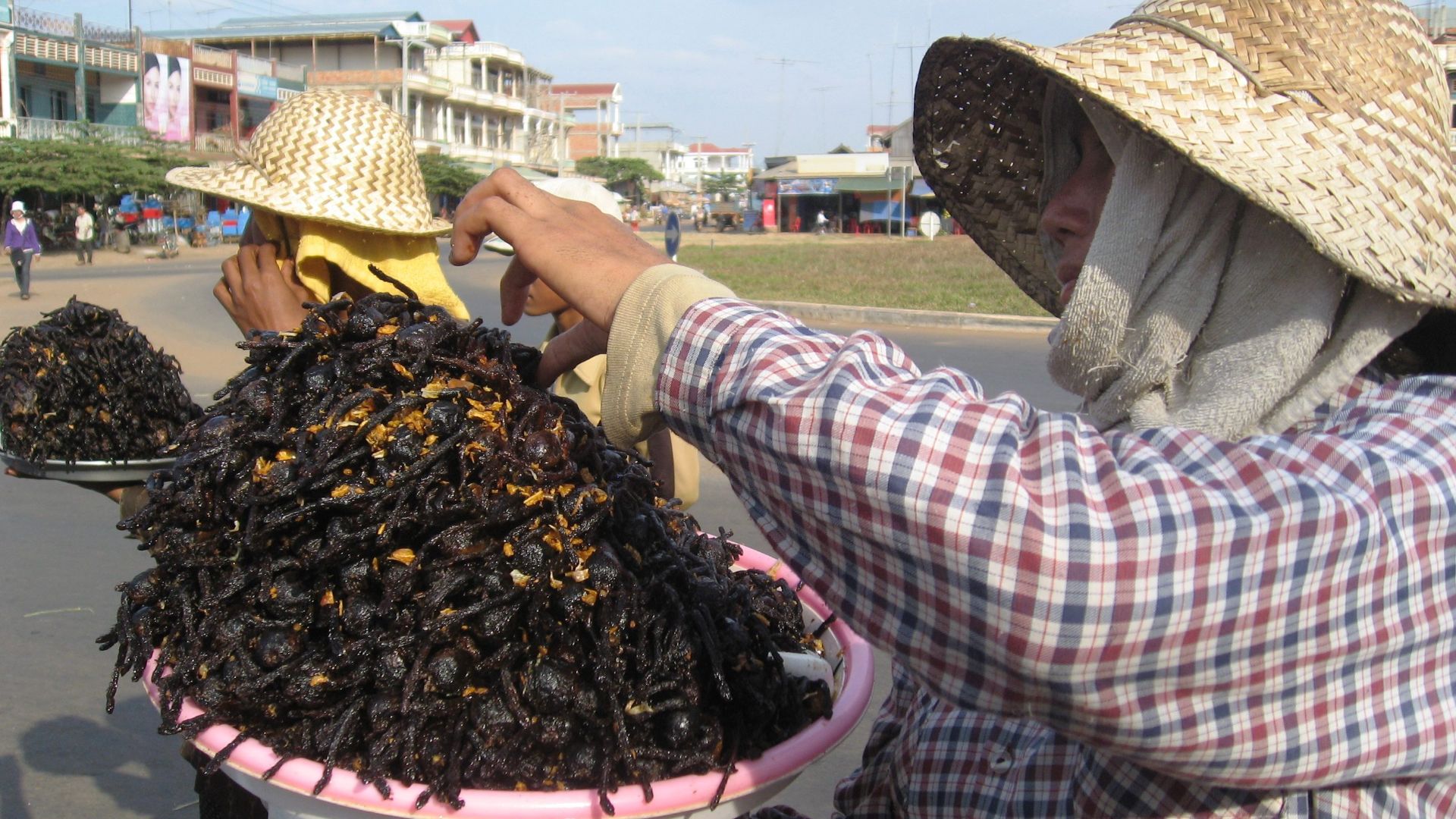
11. Fried Tarantulas (Cambodia)
Not for the faint of heart, fried tarantulas served in Cambodia are exactly what you're imagining. Take these creepy-crawlies, throw them in the deep-fryer until crispy, and voila. A snack? This one's going to take a lot more than courage to get down.
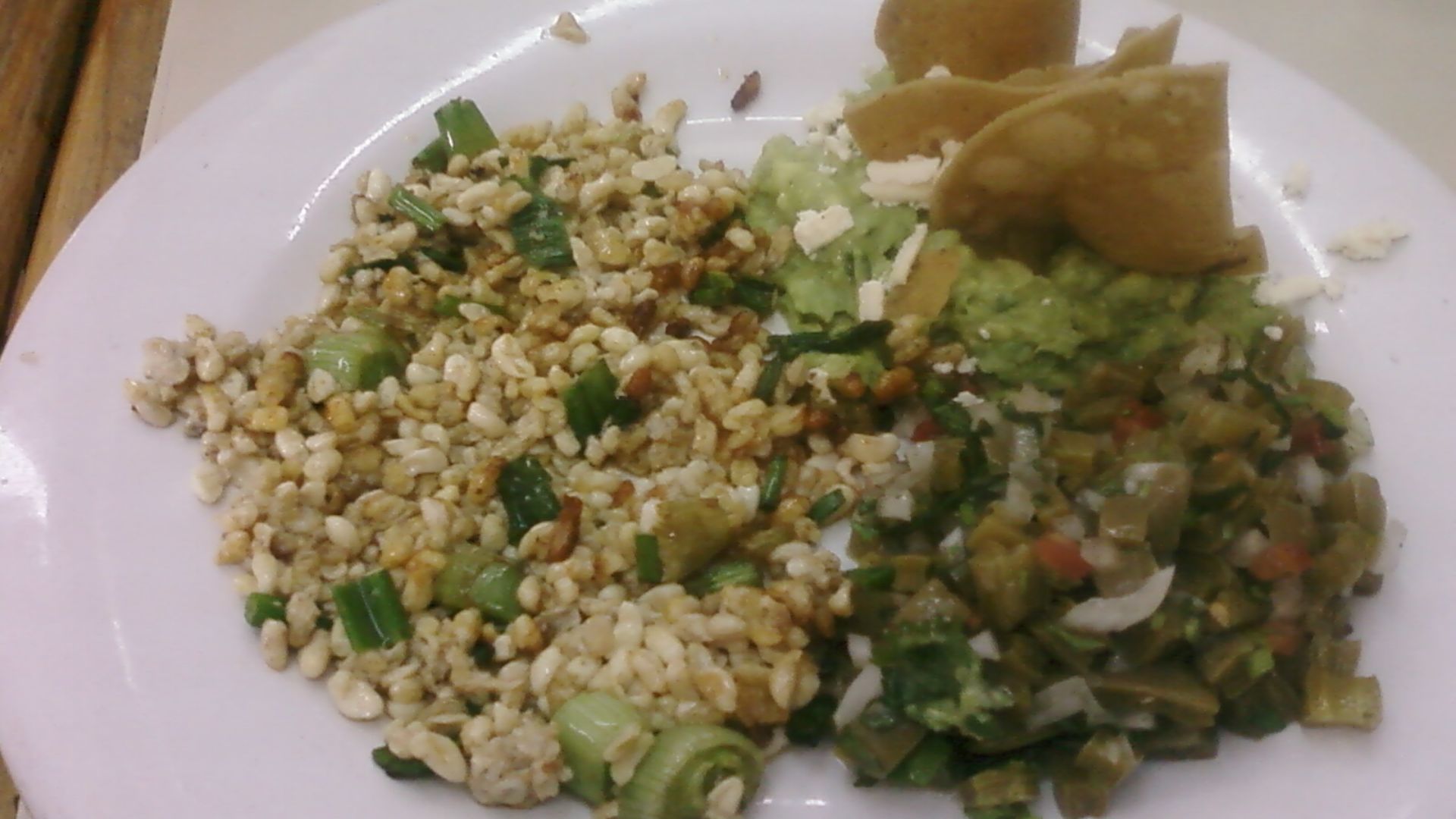
12. Escamoles (Mexico)
This Mexican dish may seem quite simple and normal, but it's actually made from the larvae of ants found inside the roots of agave plants. Which is why escamoles is often also called "insect caviar." Once you hear its true name, we're sure you're shuddering at the thought of it.
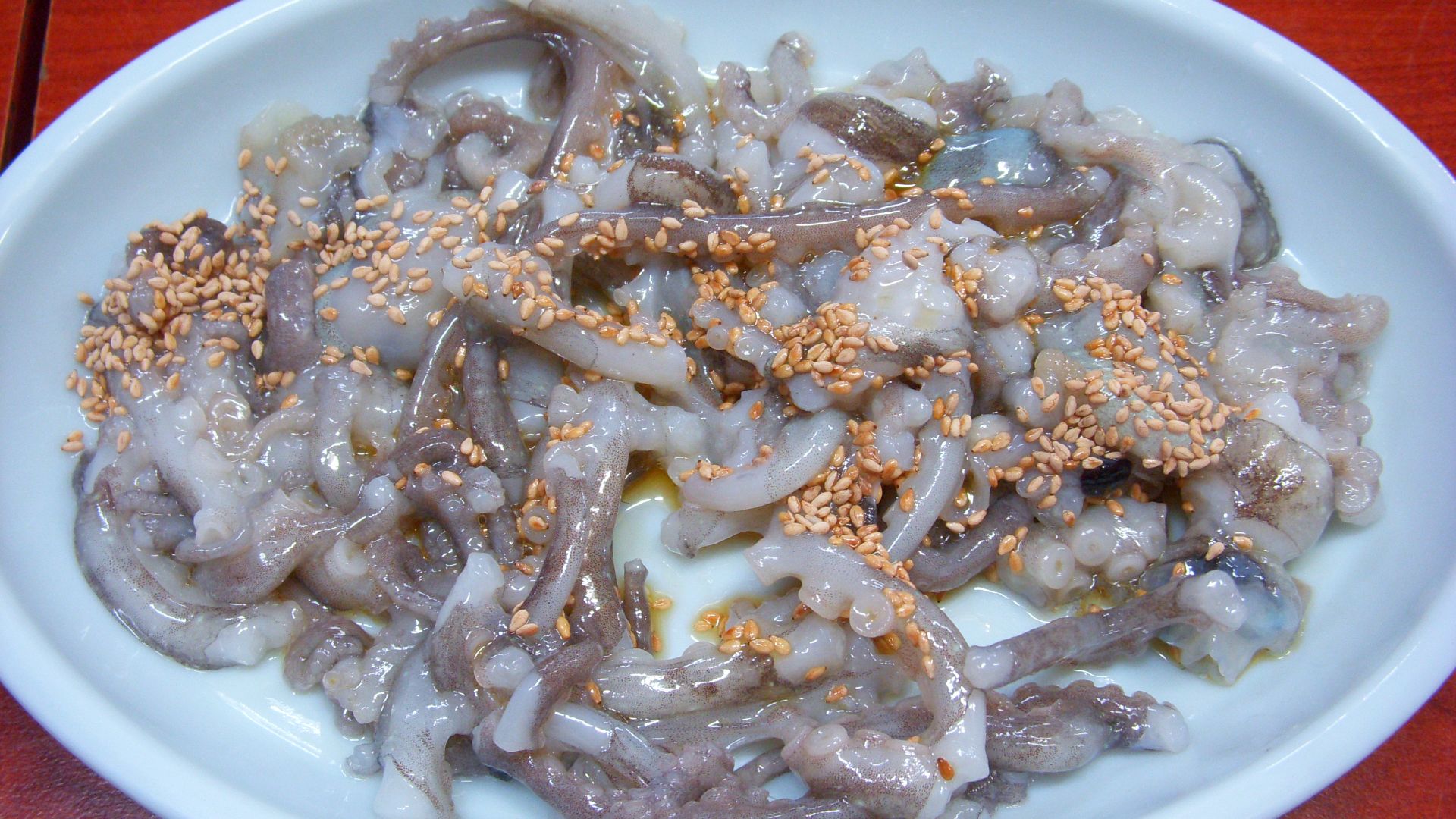
13. Sannakji (South Korea)
If you're not a fan of octopus, you're going to be terrified of this dish. That's because this Korean delicacy doesn't just feature this marine animal, it serves it raw. Wriggling around on your plate, part of the experience is supposedly getting to feel the sensation of the tentacles moving around your mouth.
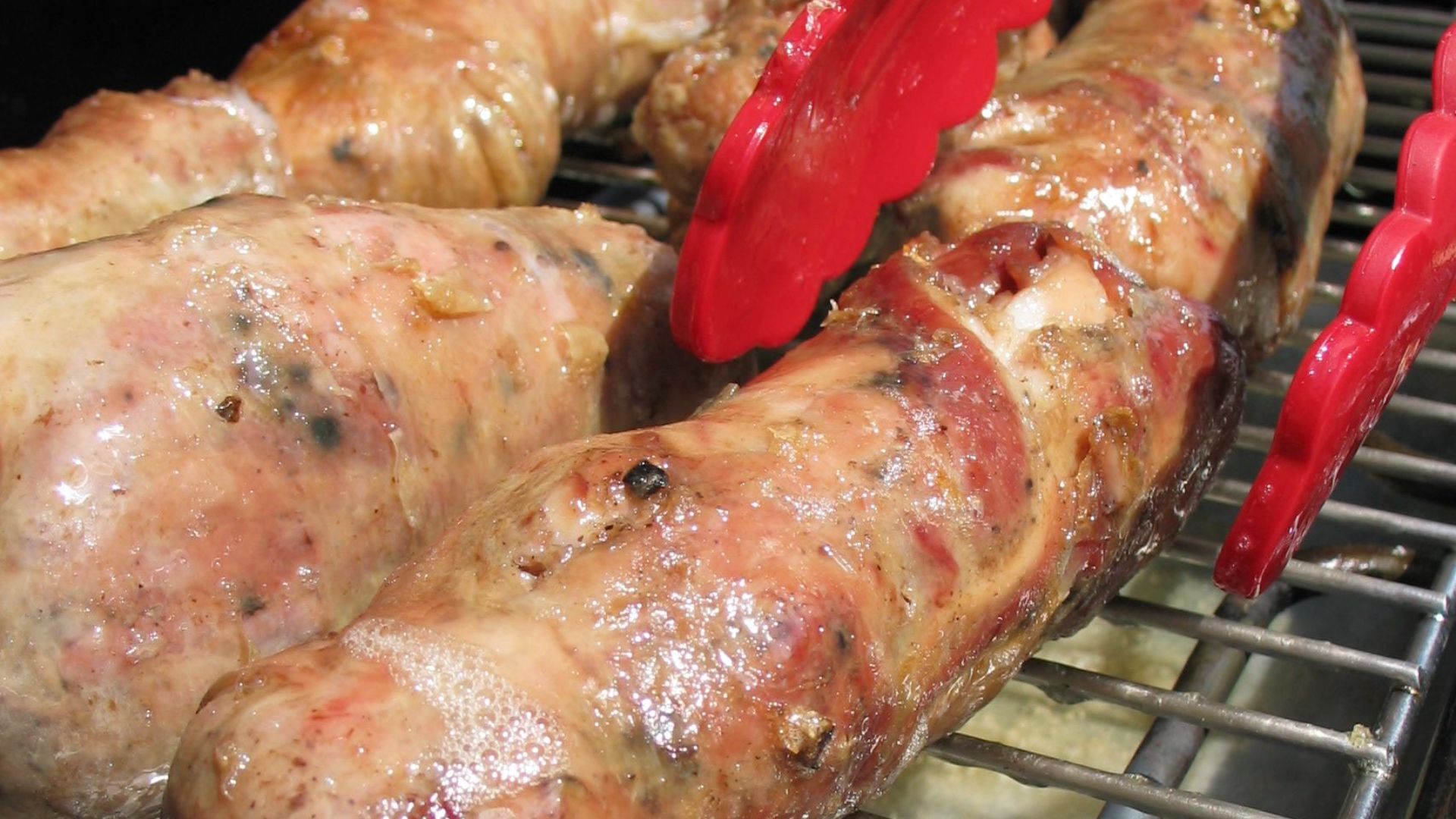
14. Andouillette (France)
If you're not a fan of foods with strong, distinctive aromas and flavors, andouilette won't be for you, even if it is a form of sausage. Made from the stomach and intestines of the pig, don't be fooled - not even the texture is all that similar to your classic sausage!
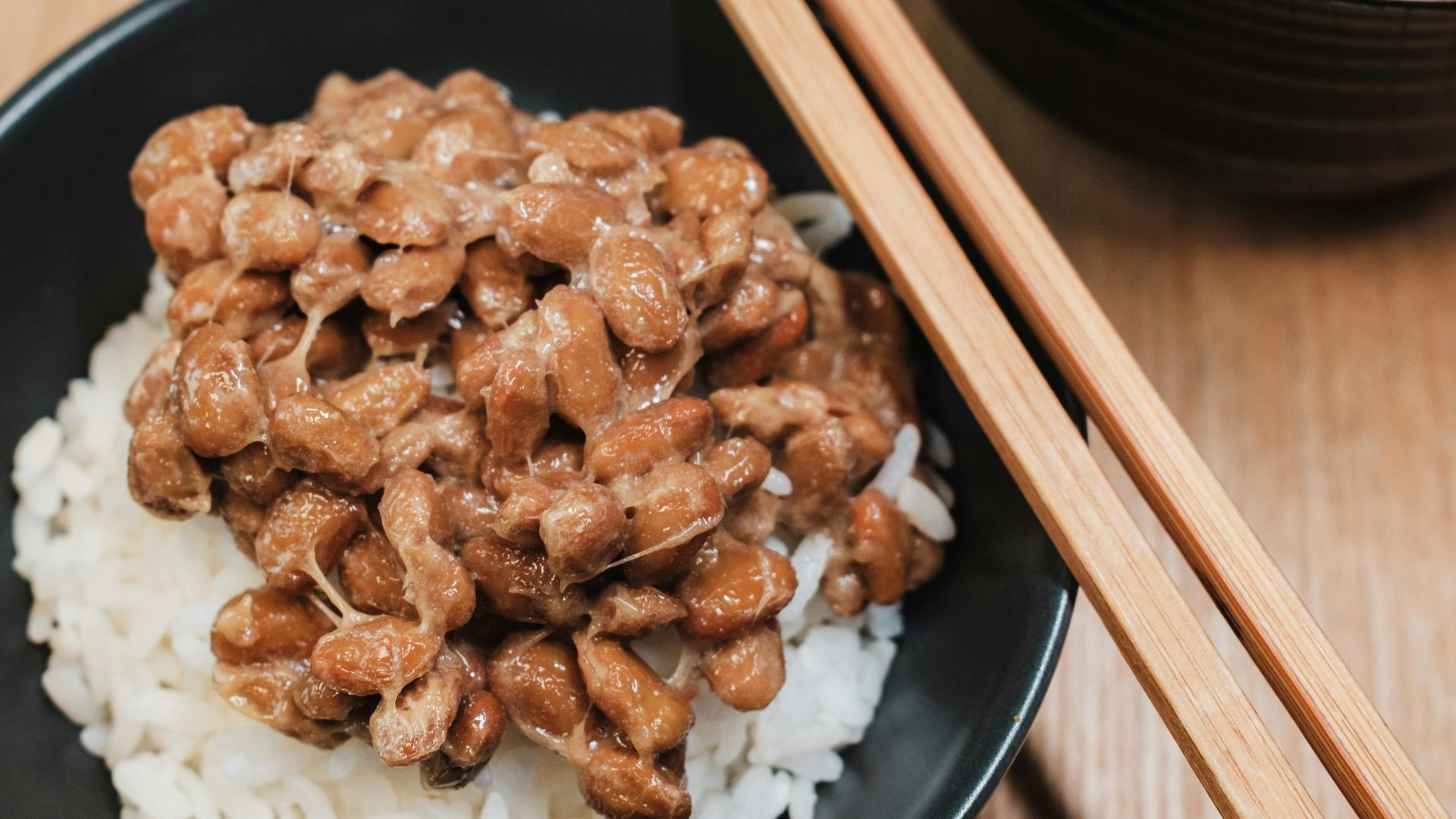
15. Natto (Japan)
If texture is important to you when it comes to food, you likely won't be impressed by natto's slimy texture. Because on top of that, these fermented soybeans also come with a powerful smell and intense flavor. It's a traditional Japanese breakfast food served over rice, but for the unfamiliar, it likely won't make it into your cereal rotation.
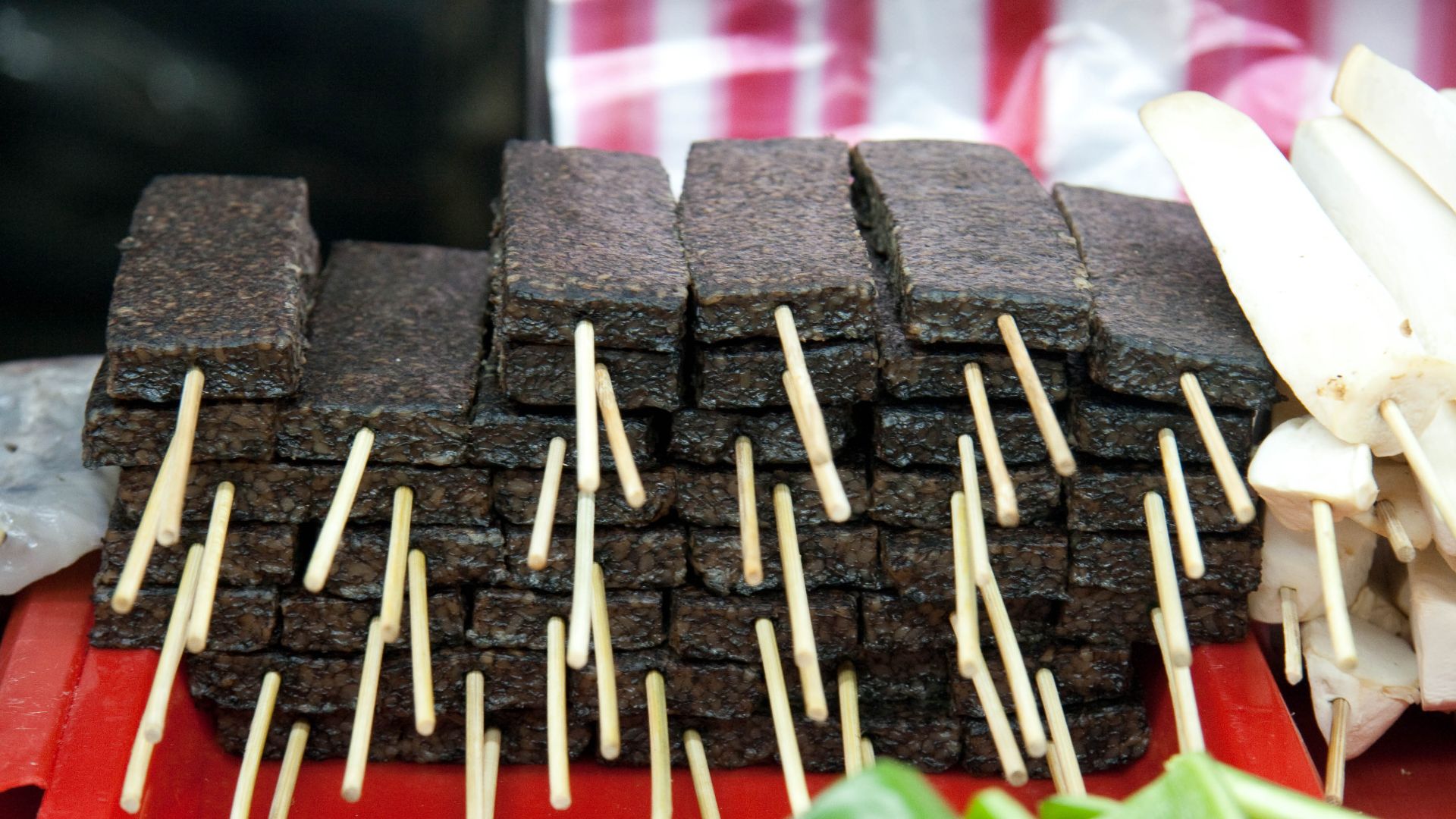
16. Pig's Blood Cake (Taiwan)
Though the taste itself is surprisingly mild and inoffensive, it's hard to not think about what it's made from when you learn what it's called. With its unique texture, pig's blood cake is a lot more commonplace than you'd think - it's served often in many night market stalls in Taiwan.
 Carrie Kellenberger from Banciao, Taiwan on Wikimedia
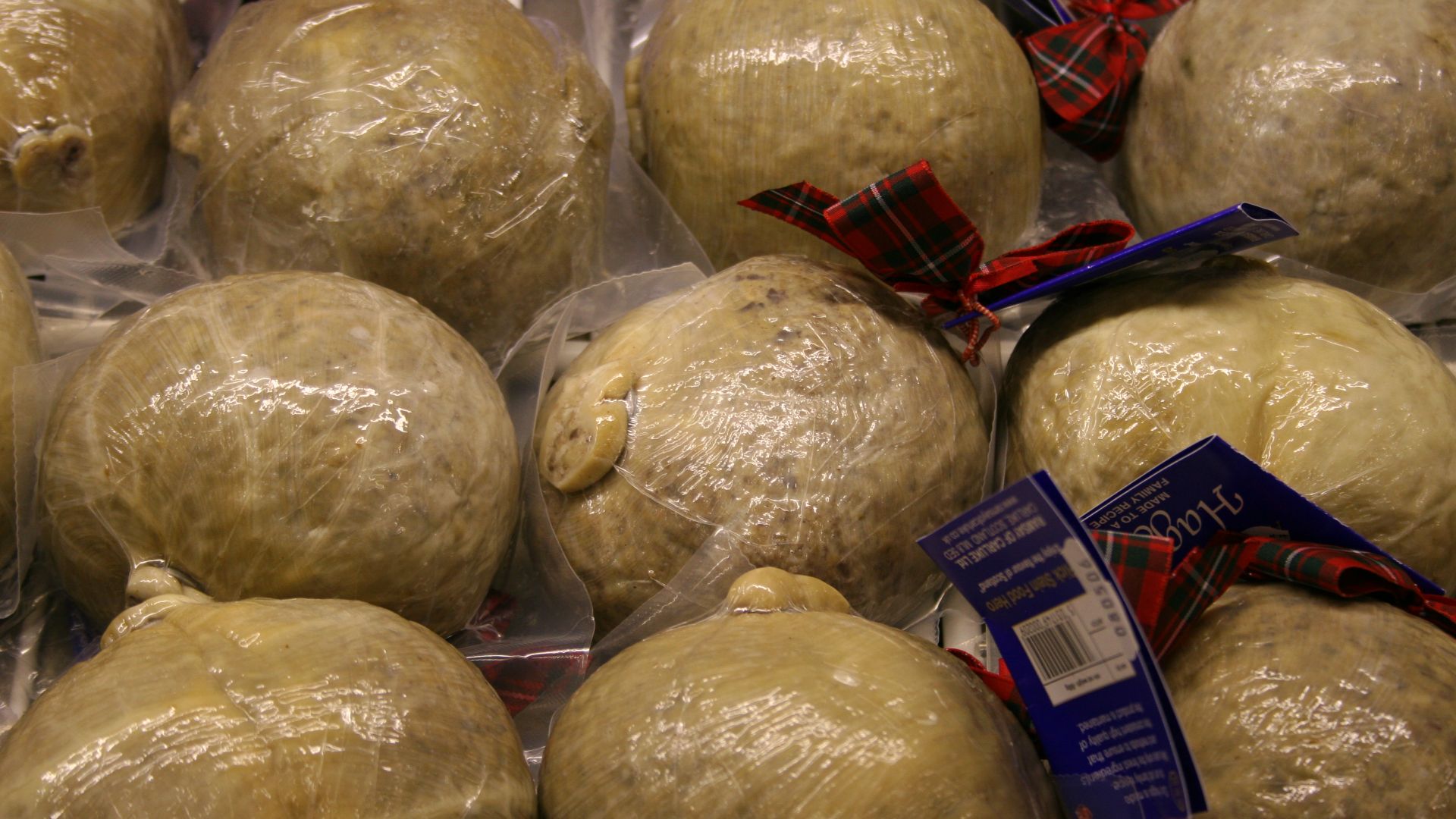
17. Haggis (Scotland)
Haggis has a pretty bad rep from around the world for being an unappetizing food. This savory pudding isn't something you'll want for dessert - it's made with sheep's heart, liver, and lungs, minced with onion, oatmeal, suet, spices, and salt, mixed with stock, and cooked inside the animal's stomach.
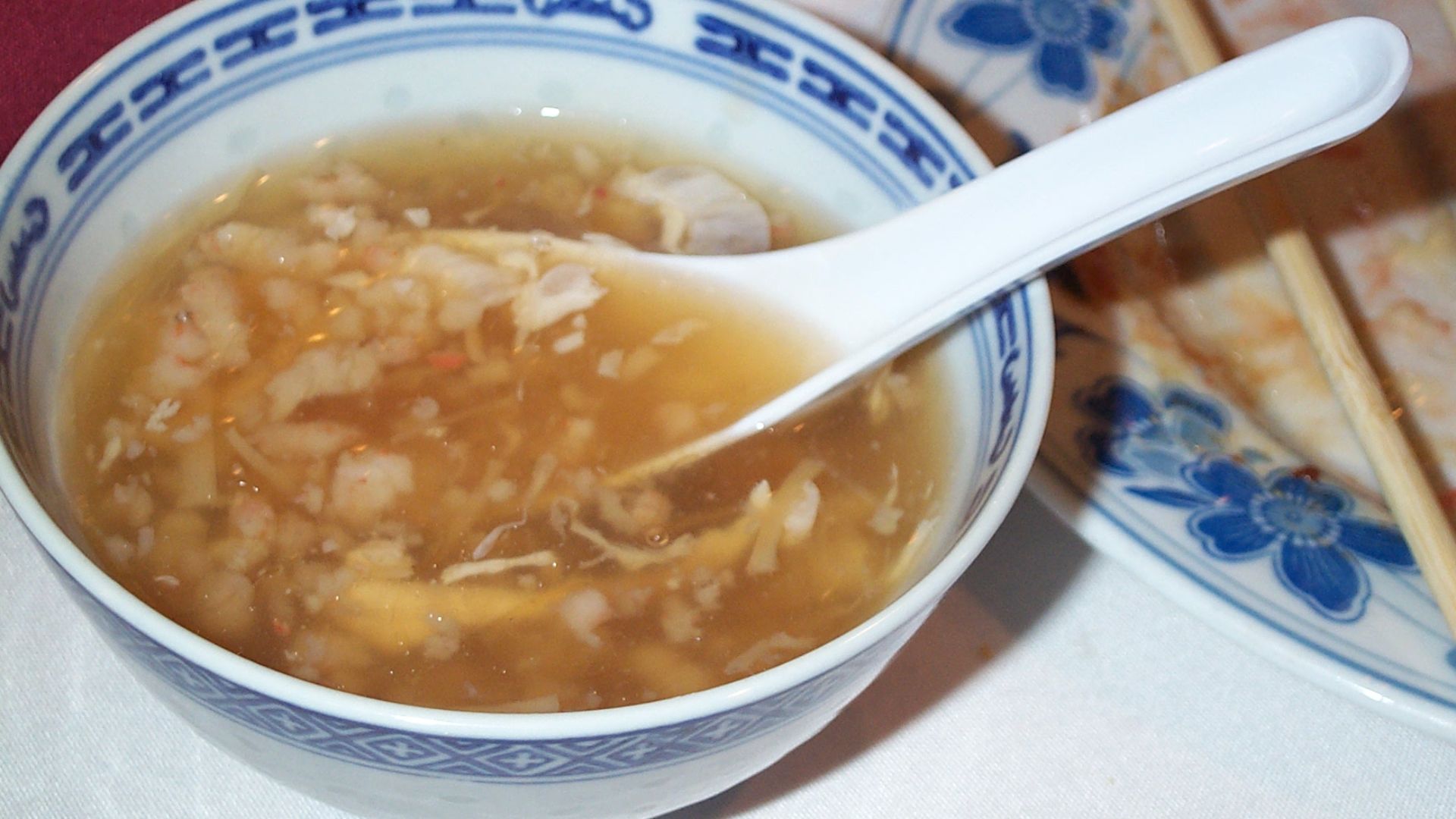
18. Bird's Nest Soup (Southeast Asia)
This dish may look rather innocent, but it's actually made from the saliva-based nests of swiftlets. In Chinese cuisine, this is considered a very prized delicacy, but to most who aren't familiar with it, it's anything but. Let's just say a soup with gelatinous texture doesn't sound all too appealing to us.
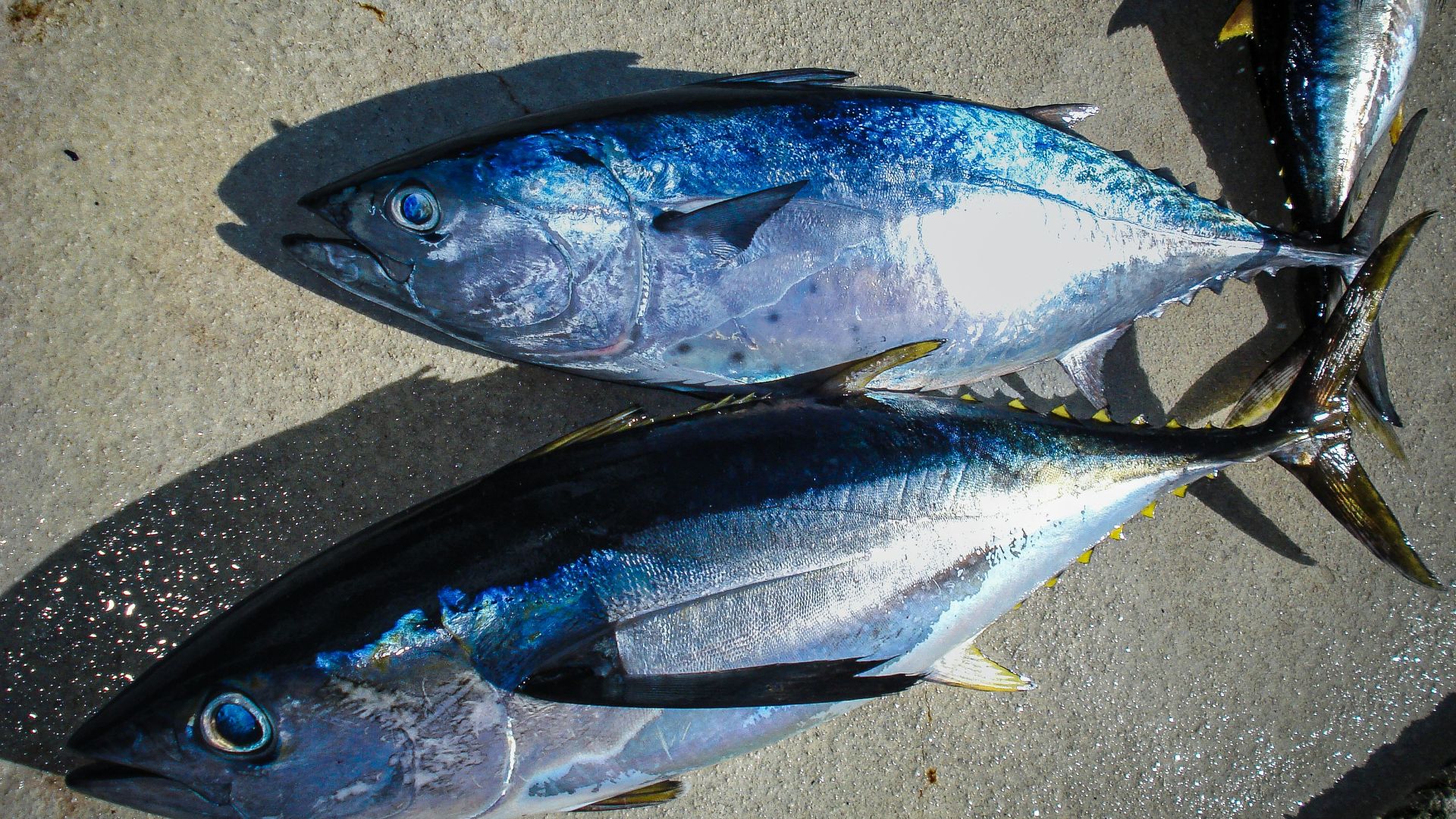
19. Tuna Eyeballs (Japan)
We're pretty sure the idea of eating any kind of eyeball is enough to make you want to run. Found in Japanese supermarkets and restaurants, tuna eyeballs are boiled or steamed before being served. Some say the taste is similar to squid or octopus, but the jelly-like consistency around the eye will likely be off-putting to many.
20. Kopi Luwak (Indonesia)
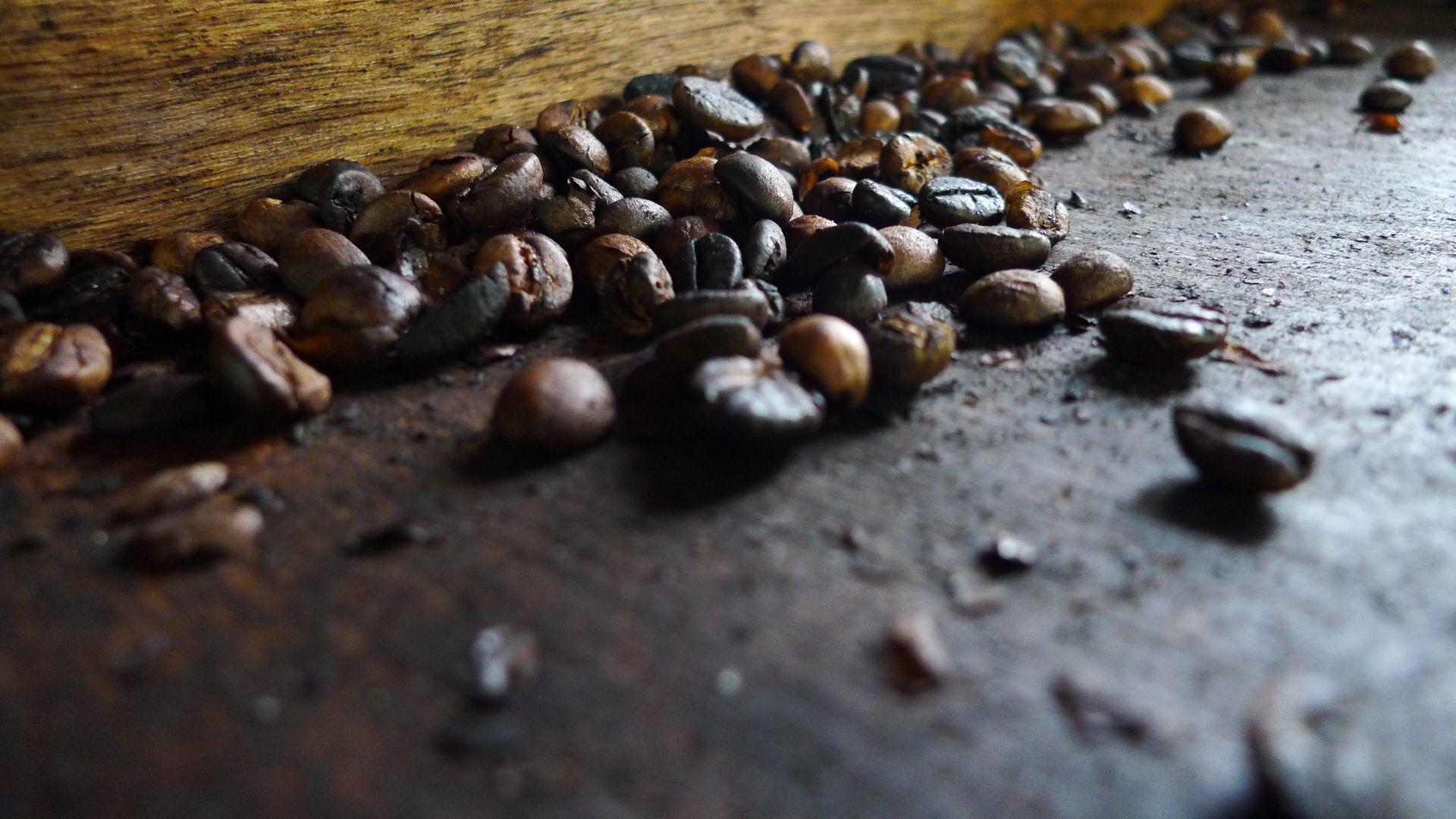
Interestingly also the world's most expensive coffee, kopi luwak from Indonesia is made in a rather unappealing way. This coffee comes from beans that have been eaten and excreted by the civet, a small mammal. The process supposedly improves the coffee's flavor by fermentation in the civet's digestive tract. It may be expensive, but it's certainly not glamorous.
KEEP ON READING


20 Food-Related Art Projects