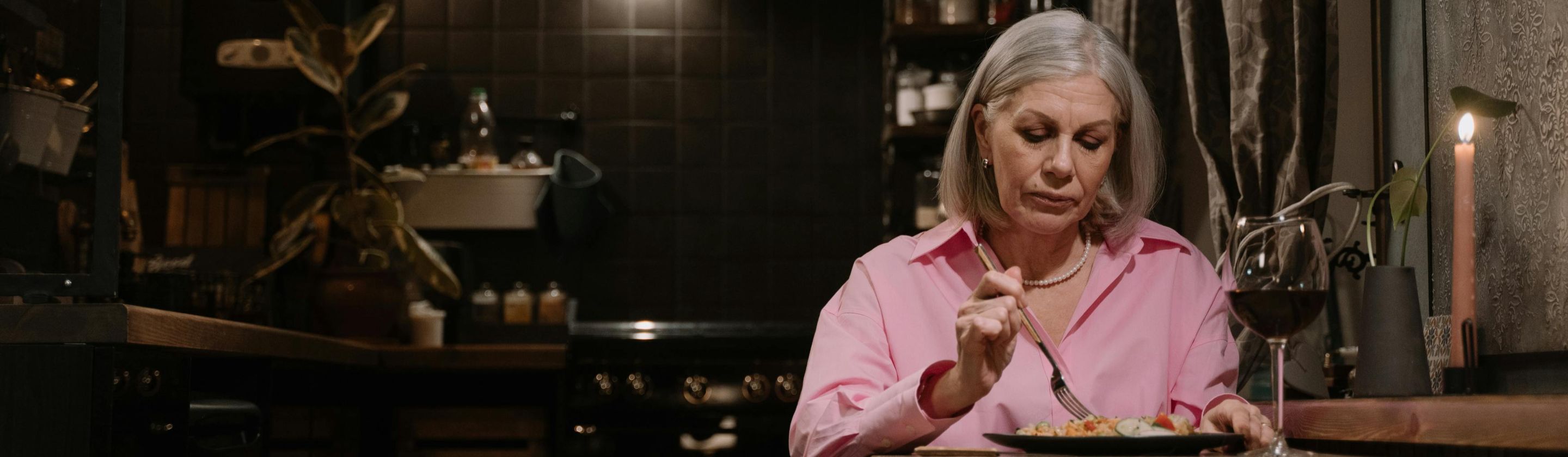

Eating alone can be a polarizing experience. Some days, it feels like freedom: no negotiating over where to go, no waiting for someone else's appetite to arrive, and no forced conversation when you just want soup and silence. Other days, the same meal can feel a little too quiet. The food hasn't changed, but the meaning around it has.
That's why solo dining is hard to label as simply good or bad. The experience depends on whether it's chosen, how often it happens, and what else is going on in someone's life. Research and expert commentary suggest that eating alone can support autonomy, mindfulness, and decompression, but frequent solo meals can also be linked with less steady meal routines and poorer nutrition in some groups. Let’s take a look at where you fall.
The Upside Of A Meal For One

One real benefit of eating alone is that it gives you a bit of control. Calm's clinically reviewed guide notes that solo dining can support autonomy because you get to choose where, what, and how long you eat without adjusting to anyone else's plans. That may sound small, but food, and eating food, is a personal experience. A quiet meal can become a way to remember that your own preferences count.
Solo meals can also make it easier to pay attention. Without table chatter, you may notice the crunch of toast, the heat in a bowl of curry, or the moment when you're comfortably full. Here, you also get a chance to practice mindfulness by tuning into food, body cues, and the quiet around you.
There's also a social-confidence angle worth mentioning. HuffPost's reporting on solo dining notes that eating alone in public has often carried a stigma, even though more people are now embracing it as a normal choice. Sitting at a table for one can feel awkward at first, but over time, it can also feel freeing to take up space without needing a companion.
When Solitude Starts Feeling Like Isolation
The same solo meal can feel very different when it isn't really a choice. There’s a distinction between intentional solitude and eating alone because of disconnection or lack of support. A quiet lunch after an overstimulating morning is one thing. Dinner alone every night while feeling cut off from people is another.
That difference matters because meals are often built into moments of connection. Shared eating can bring conversation, routine, and small acts of care, even if the conversation isn’t deep. When those moments disappear completely, the loss may be as emotional as it is nutritional. A person can be physically fed and still feel socially undernourished.
This concern comes up especially in research on older adults. Harvard Health summarized a Korean study of 590 women ages 65 and older that found women who often ate more than two meals by themselves each day were more likely to have symptomatic heart disease than women who more often ate with others. The same summary noted that frequent solo diners in the study also had less nutritional knowledge, ate less nutritious meals, and were more likely to be widowed or have a lower income. Eating alone doesn’t cause heart disease, but frequent solo dining may show up alongside other health and social risks.
Patterns, Not Panic
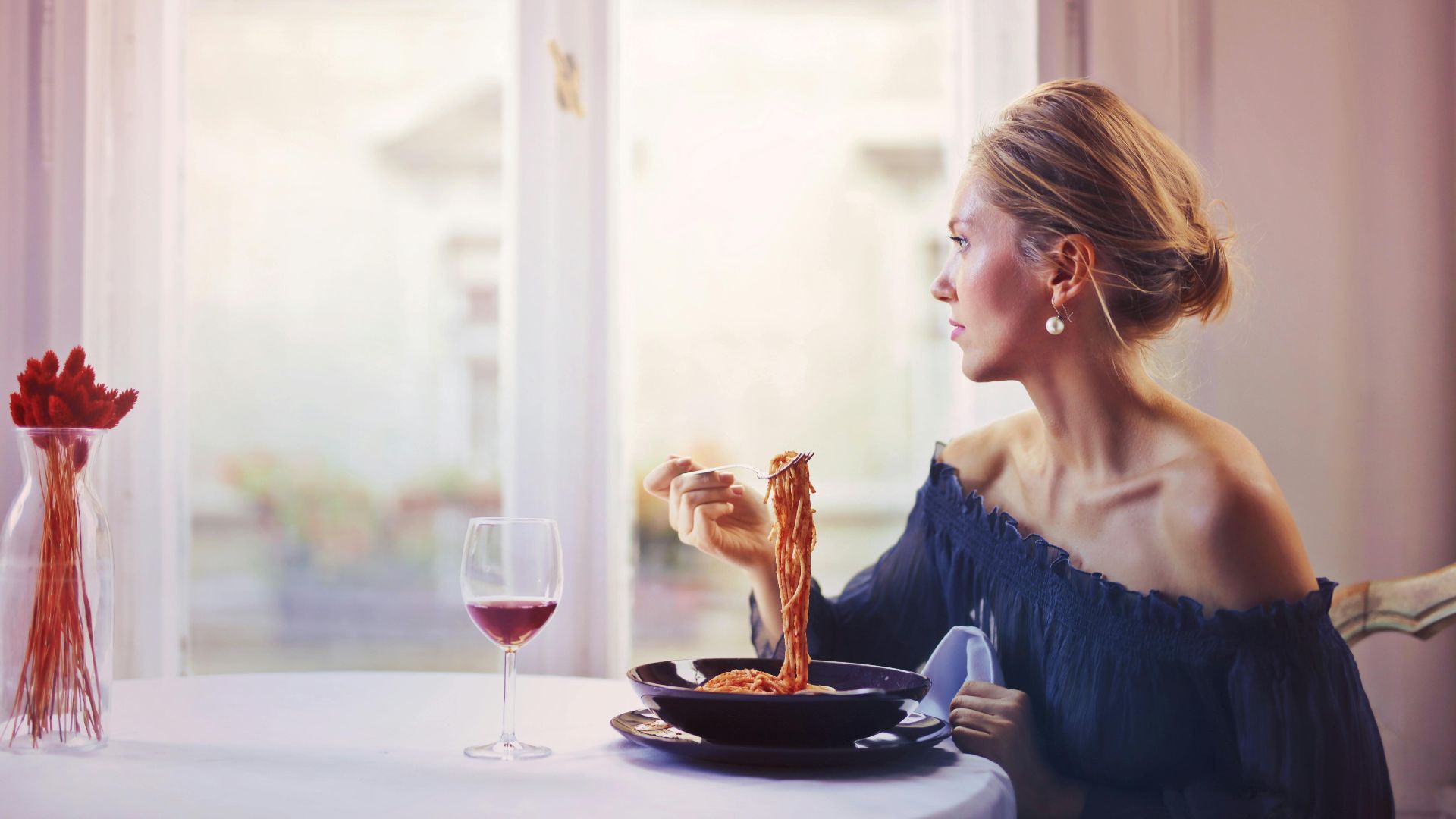
The takeaway here isn't that one solo dinner is a problem. The more useful question is whether eating alone changes the way meals are organized over time. A 2024 BMC Public Health study looked at community-living adults ages 70 to 75 in Sweden and found that people categorized as eating alone were less likely to report eating three meals a day, less likely to report higher vegetable intake, and more likely to report eating ready-made meals compared with those eating with others. That's not exactly shocking; cooking a full meal for one feels a little much from time to time.
That said, researchers also reported no association between eating alone and food index scores, BMI, fruit and berry intake, or fish and shellfish intake in that sample. They concluded that eating alone seemed to influence everyday eating routines more than overall dietary healthiness or weight status. The issue may be less about solitude itself and more about whether solo meals become rushed, skipped, repetitive, or overly reliant on convenience foods.
Other research points in a similar direction. A systematic review from Flinders University found that eating alone among community-dwelling older adults was associated with poorer diet quality and food diversity, lower intake of some foods, and increased risk of weight loss and frailty. A Korean study published in the International Journal of Environmental Research and Public Health found that eating-alone patterns were differentially associated with metabolic syndrome risk in Korean men and women, while also noting that its cross-sectional design could not establish cause and effect.
The most balanced approach is to treat solo meals as a tool rather than a warning sign. Eating alone can be restorative when it helps you slow down, choose satisfying food, and enjoy your own company. It may deserve more attention when it becomes the default, especially if meals start shrinking into snacks, quick bites, or skipping meals entirely. A reasonable middle ground is pretty simple: keep the peaceful solo lunches, protect a few shared meals when you can, and pay attention to whether eating alone leaves you feeling nourished or just unnoticed.
KEEP ON READING
The Most Popular Signature Dishes Around the World