How Scraps Became Splendor
Every cuisine has a class system, whether anyone admits it or not. Somewhere along the way, a dish invented to stretch a thin budget or use up the parts nobody else wanted got noticed by the wrong (or right) chef, and everything changed. The ingredients stayed humble, but the technique, and the price tag caught up to fine dining fast. What started in a farmhouse kitchen or a fisherman's galley now shows up on tasting menus with a wine pairing attached. Here's 20 dishes that made that exact climb, from necessity to luxury, without ever really changing their soul.
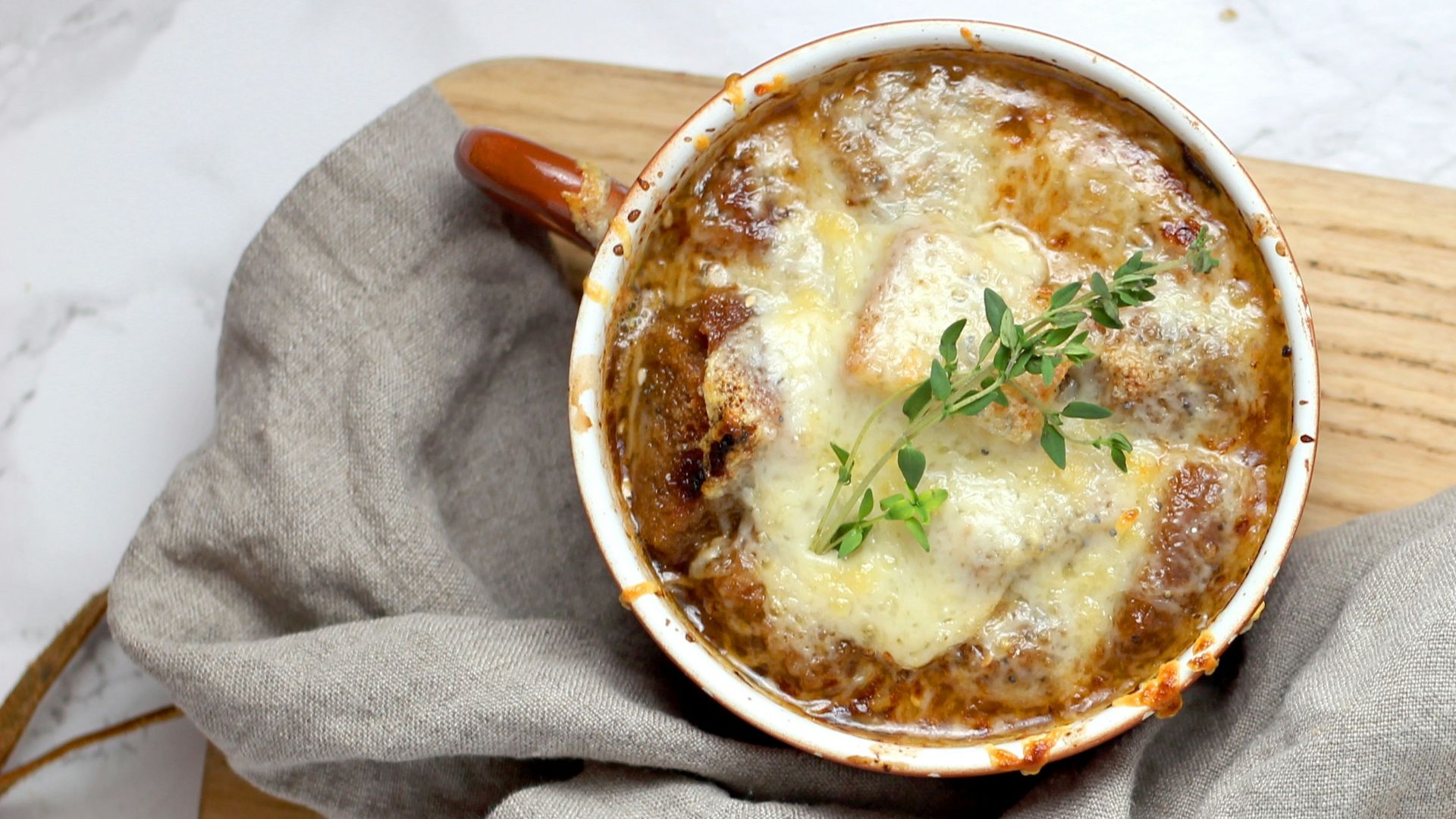
1. French Onion Soup
Onions were cheap, plentiful, and available even in lean seasons, which made this soup a staple for anyone without much else in the pantry. Someone eventually added a crust of bread and a blanket of melted Gruyère, and suddenly it belonged in a Parisian bistro with white tablecloths. The bones of the dish never moved. It's still just onions, patience, and broth.
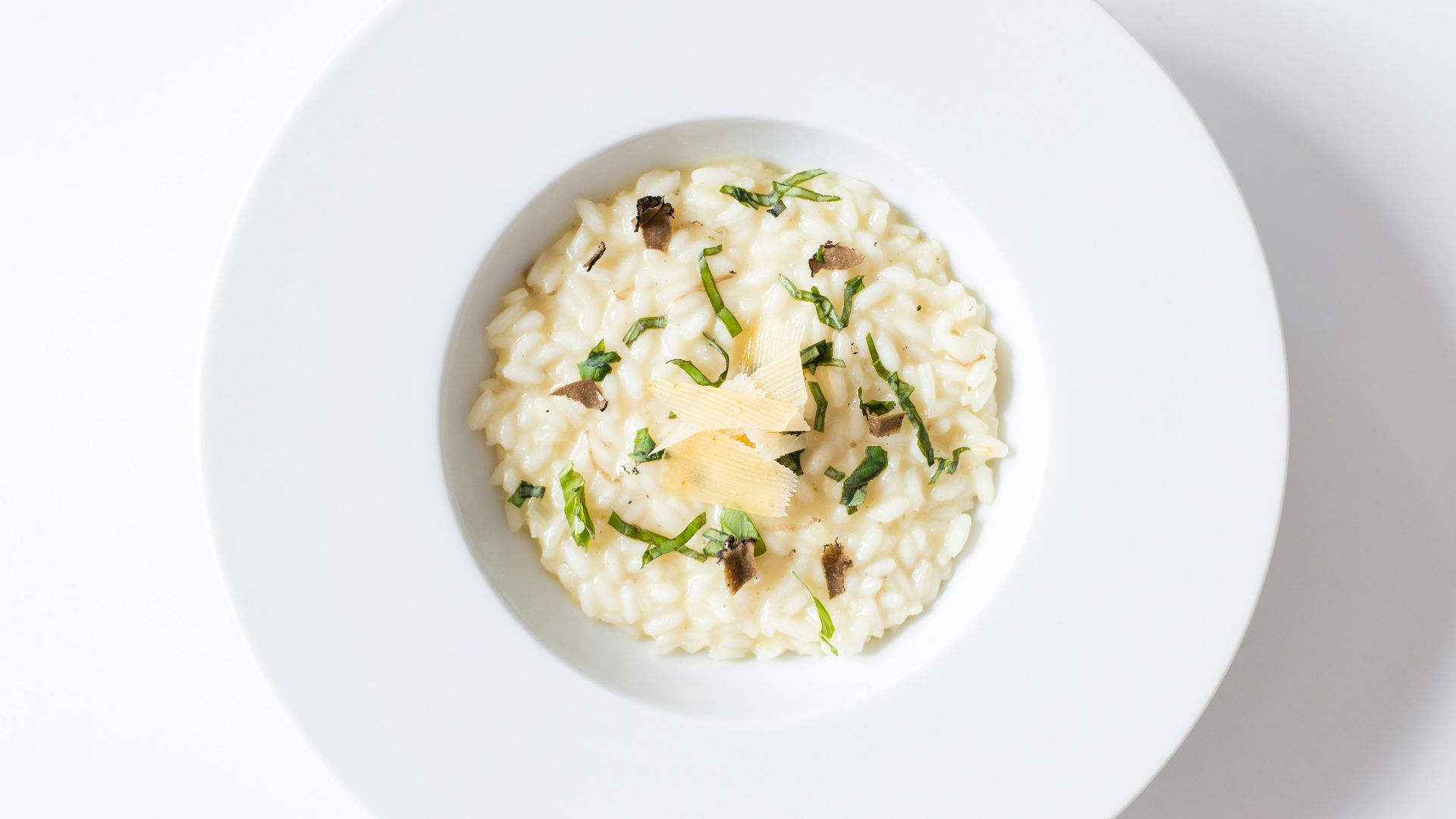
2. Risotto
Rice farmers in northern Italy needed something filling that didn't require much beyond a pot and constant stirring. That stirring turned out to be the whole trick, and chefs eventually realized the technique itself was worth showing off. Now risotto shows up with shaved truffle or saffron threads, but the base is still rice cooked low and slow until it turns creamy on its own.
3. Coq au Vin
This one started as a way to deal with an old rooster, tough and stringy, that needed hours of braising in wine just to become edible. French cooks figured out that the long cook time actually built flavor rather than just fixing a problem. Julia Child gets a lot of credit for bringing it into American kitchens, but the dish had already earned its stripes long before that.
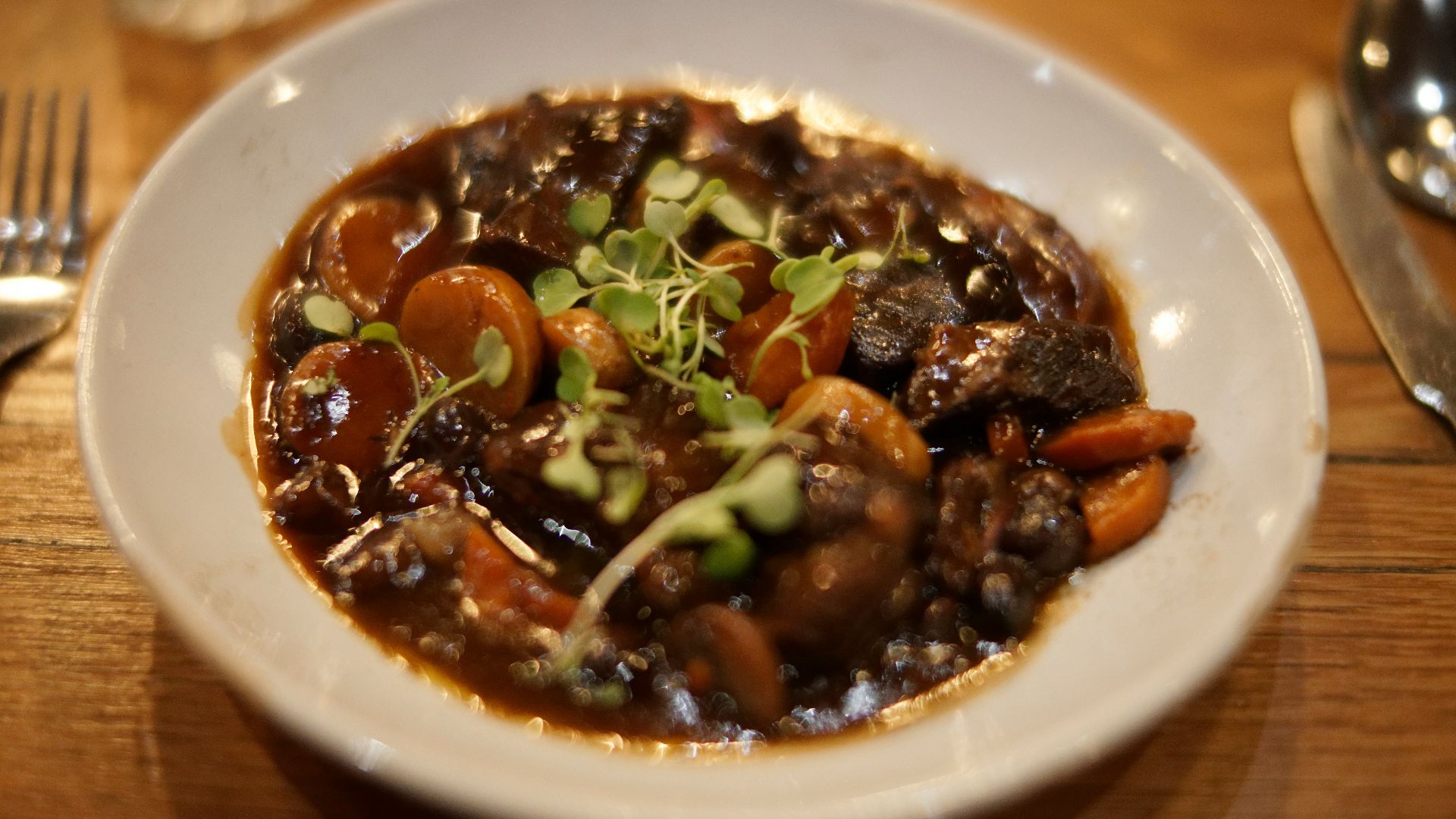
4. Paella
Farm laborers in Valencia cooked this over open fires using whatever was near the field: rabbit, snails, beans, and rice. It was lunch, not a statement. Somewhere along the way it picked up saffron and seafood and became the centerpiece of Spanish fine dining, though the good versions still get made in a wide, shallow pan over real heat.
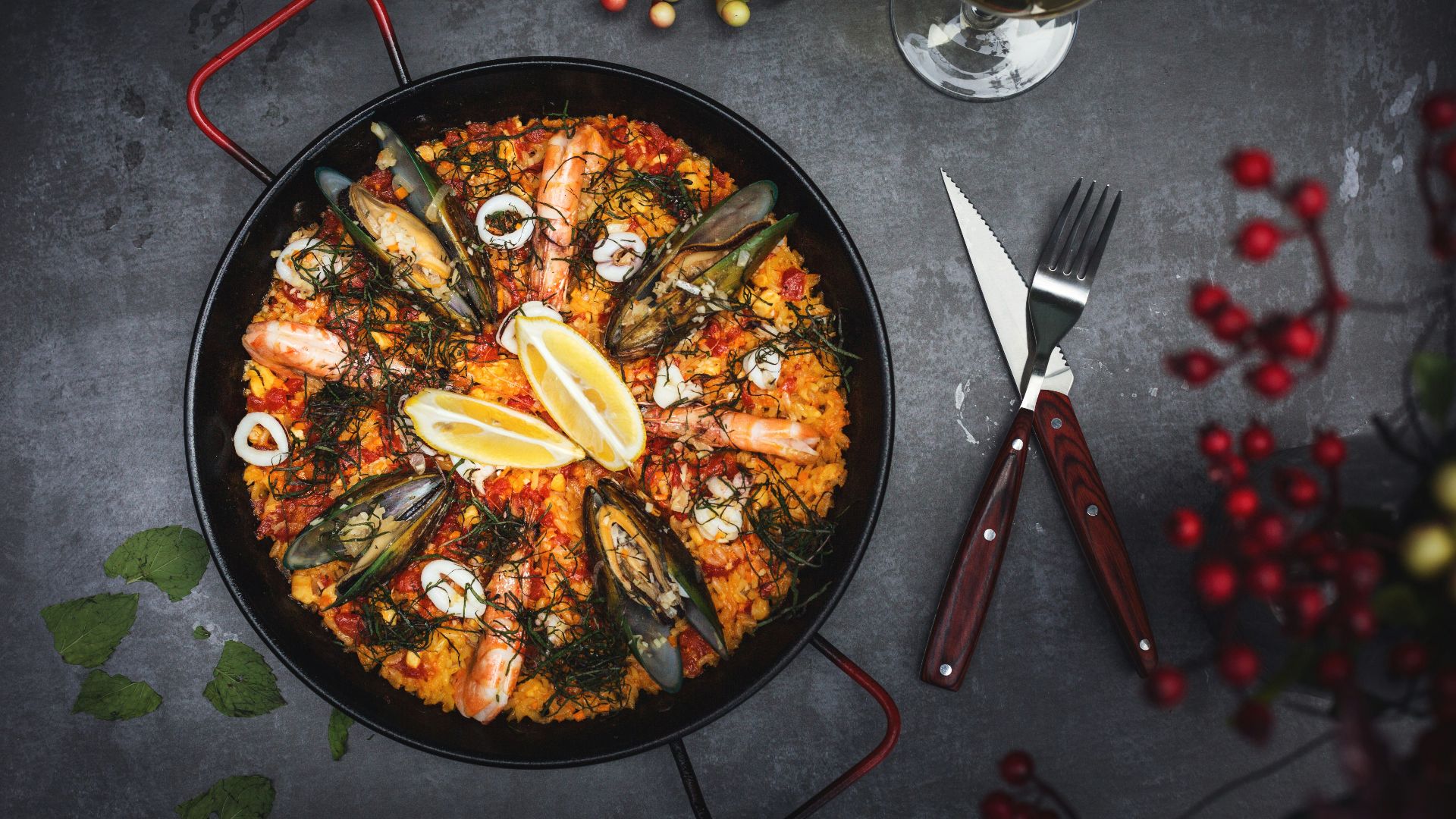
5. Ribollita
The name literally means "reboiled," which tells you everything about its origins as leftover soup made from stale bread and whatever vegetables were left in the garden. Tuscan cooks kept making it because it tasted better the second day than the first. Chefs now serve it with a drizzle of good olive oil and call it rustic, which is technically accurate.
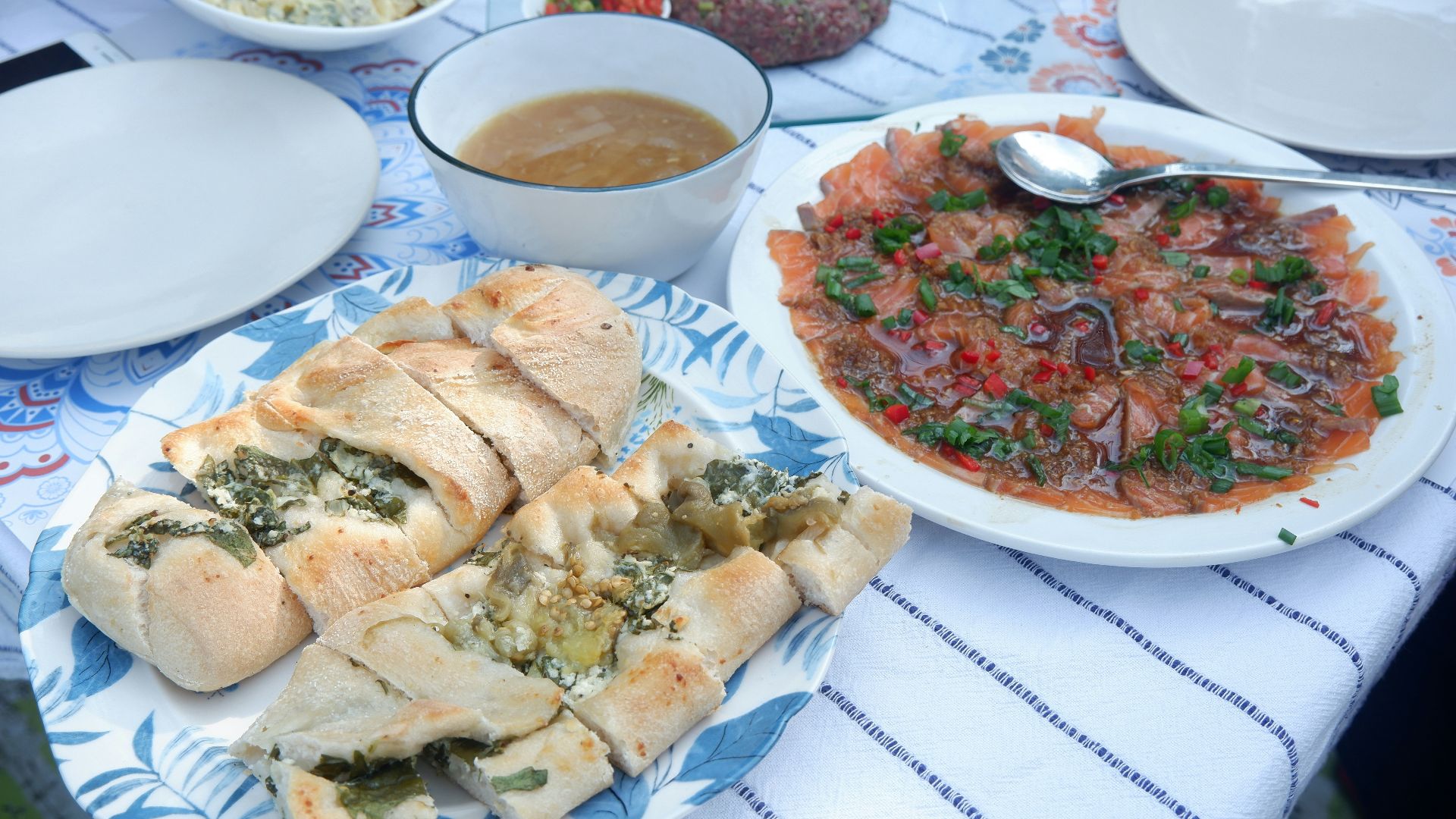
6. Bouillabaisse
Marseille fishermen made this with the fish too bony or too ugly to sell at market, tossed into a pot with whatever herbs grew nearby. It's a fish soup with an identity crisis, honestly, since half the pleasure comes from the broth and half from picking through the fish itself. Restaurants now charge a small fortune for it, served with rouille and a side of crusty bread.
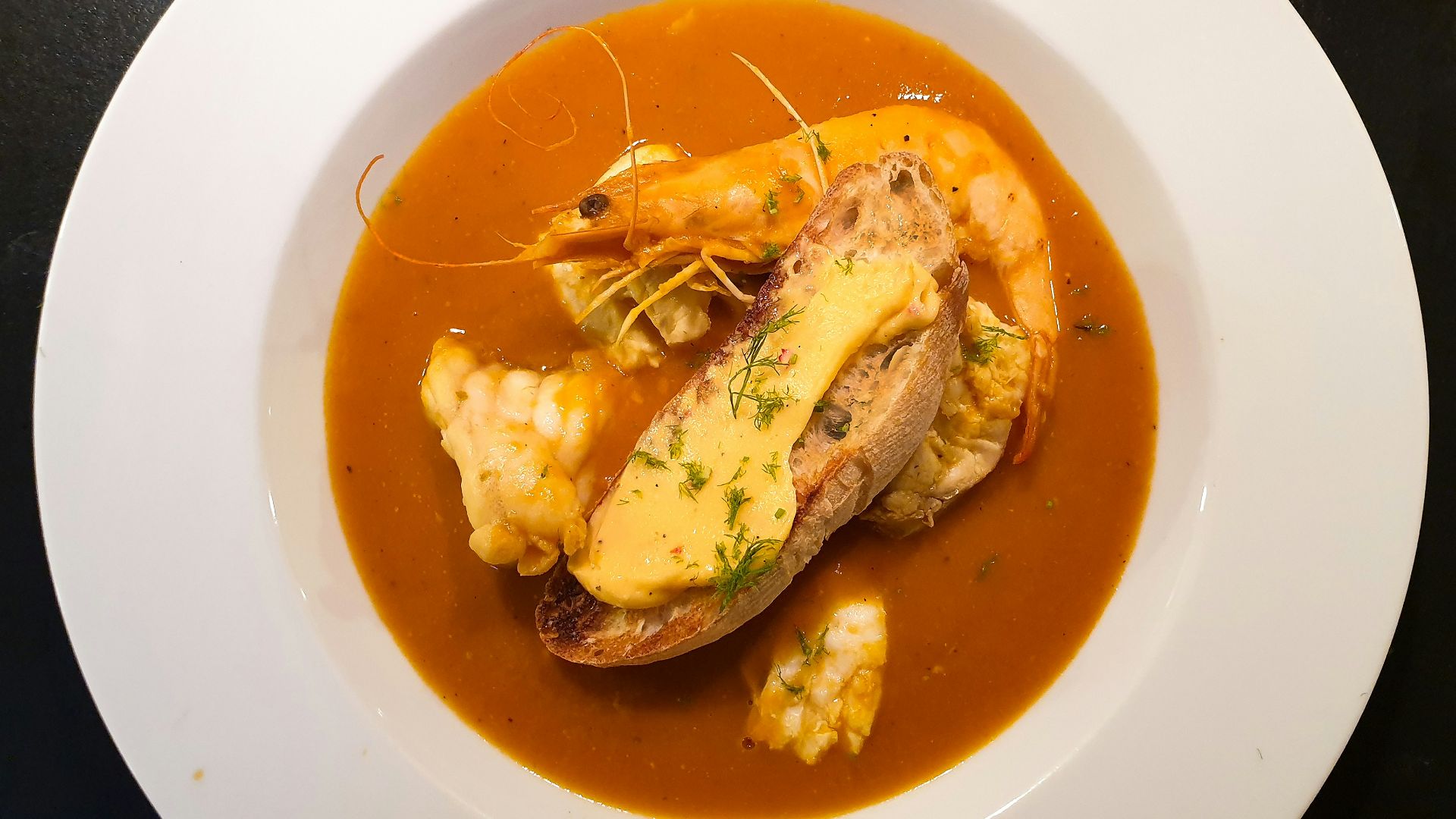
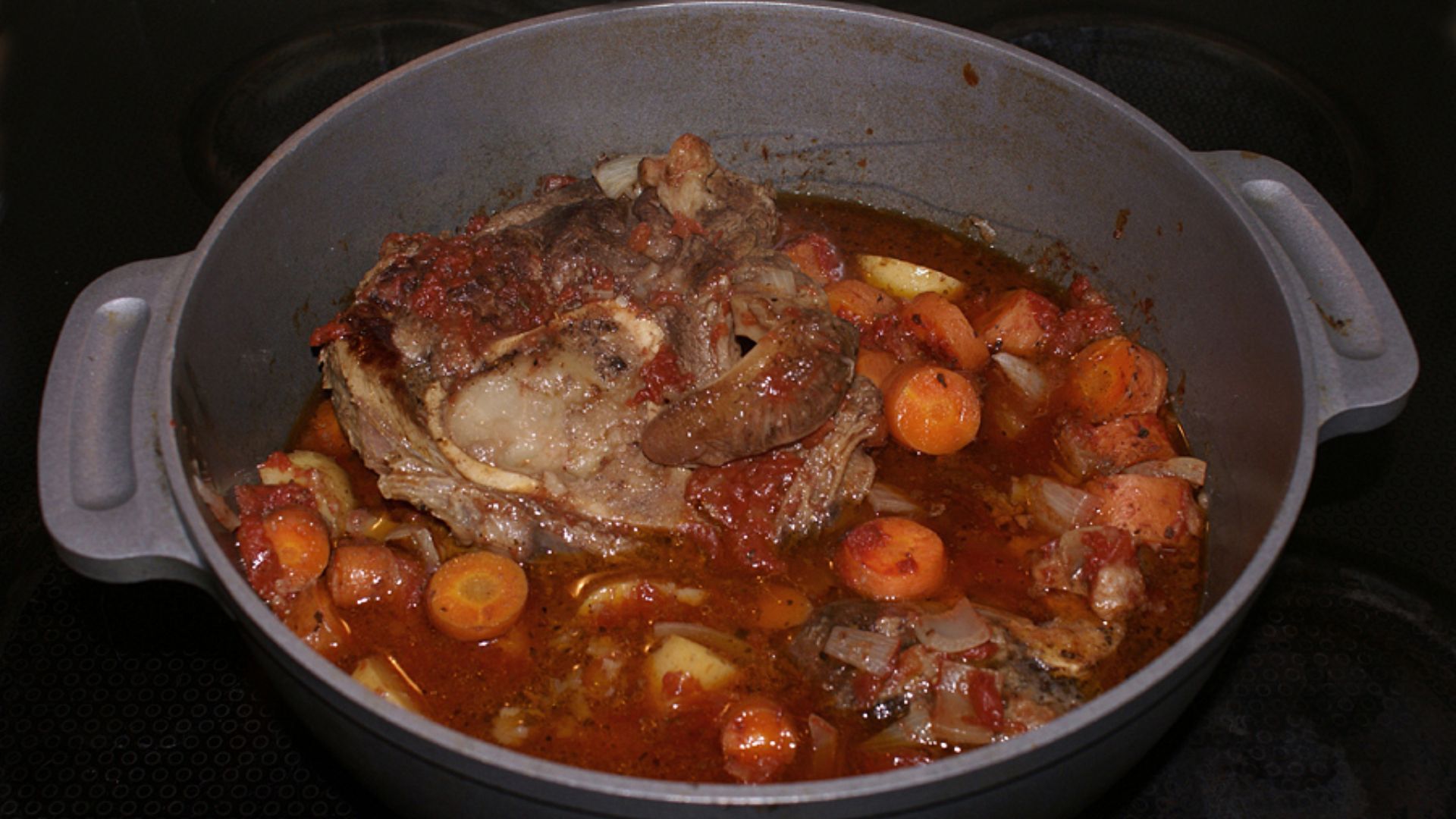
7. Osso Buco
Veal shanks were the cut nobody wanted, full of connective tissue and marrow, sold cheap because butchers assumed no one would bother. Milanese cooks braised it low and slow until the meat fell apart and the marrow turned to something worth fighting over. Today it's a signature dish at places where reservations run weeks out.
8. Cassoulet
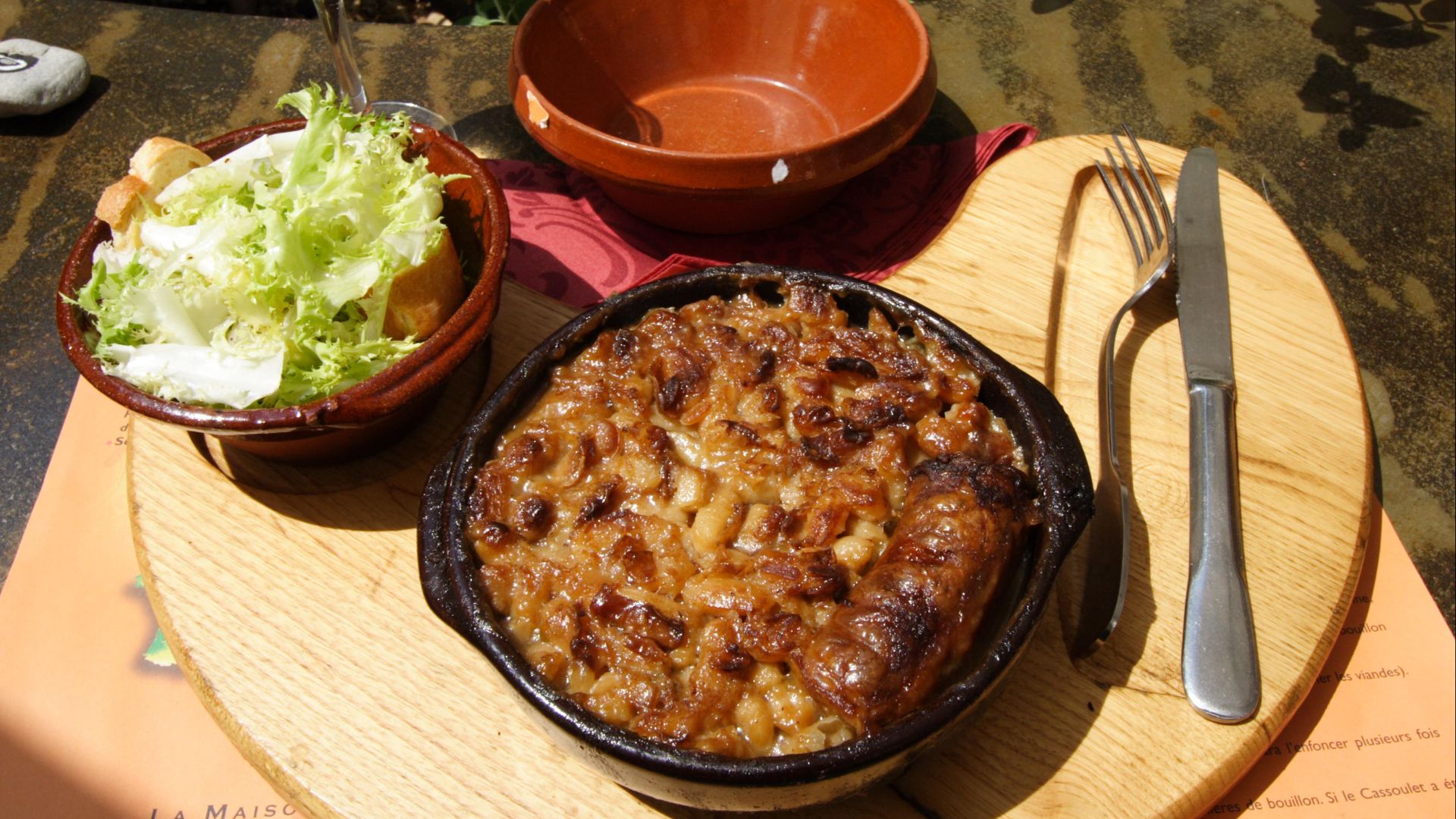
This is a dish built entirely around beans, because beans were what you had when meat was scarce. Over time, cooks in southwestern France started layering in duck, sausage, and pork, turning a thrifty stew into something that takes days to prepare properly. The slow-cooked crust on top is still the whole point.
9. Creamy Polenta
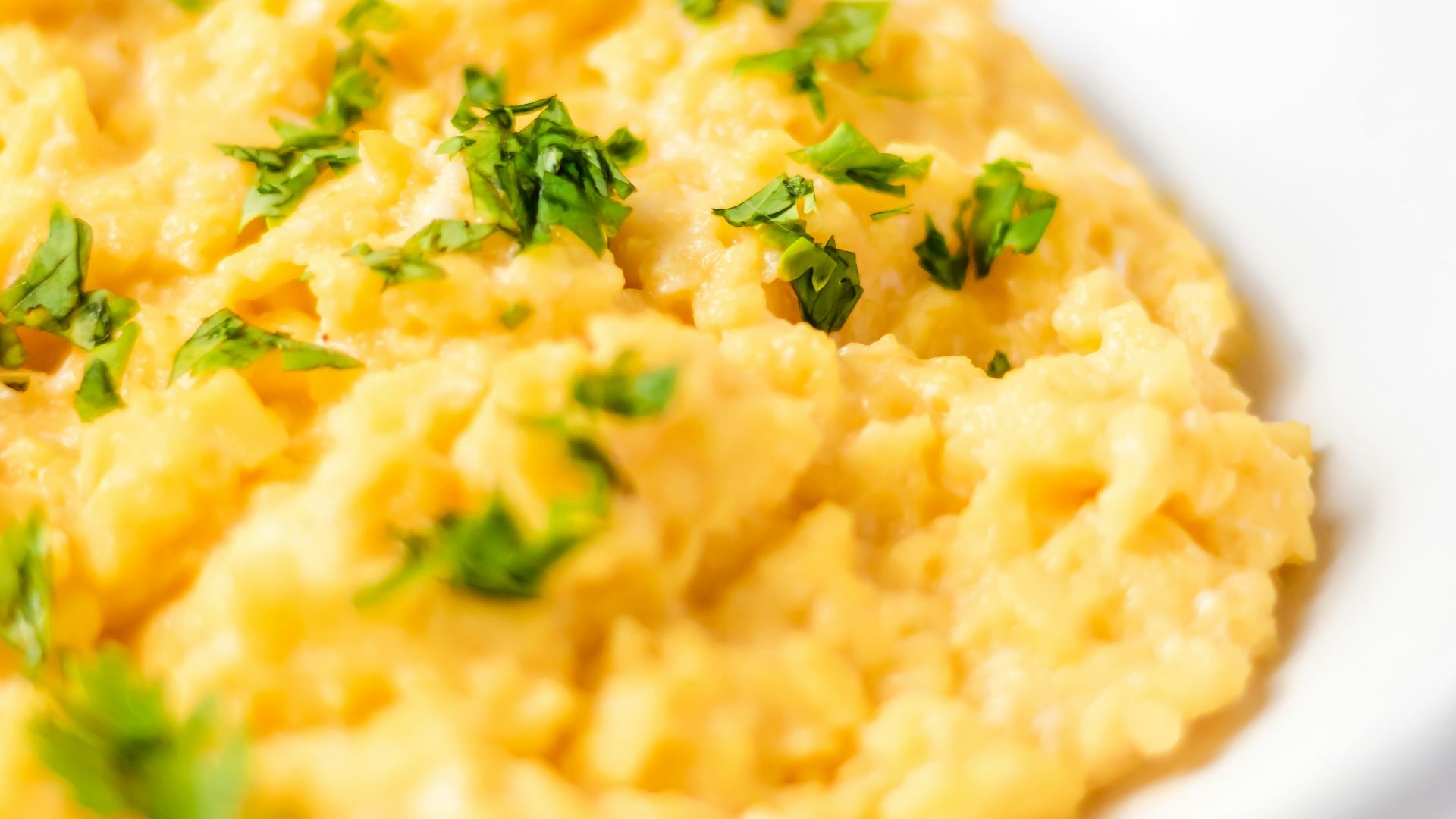
Cornmeal mush kept northern Italian farmers fed through winters when little else grew. It was cheap, filling, and honestly a little boring on its own. Add butter, Parmesan, and a soft egg on top, and suddenly it's the kind of thing you see next to a $40 short rib.
10. Tortellini in Brodo
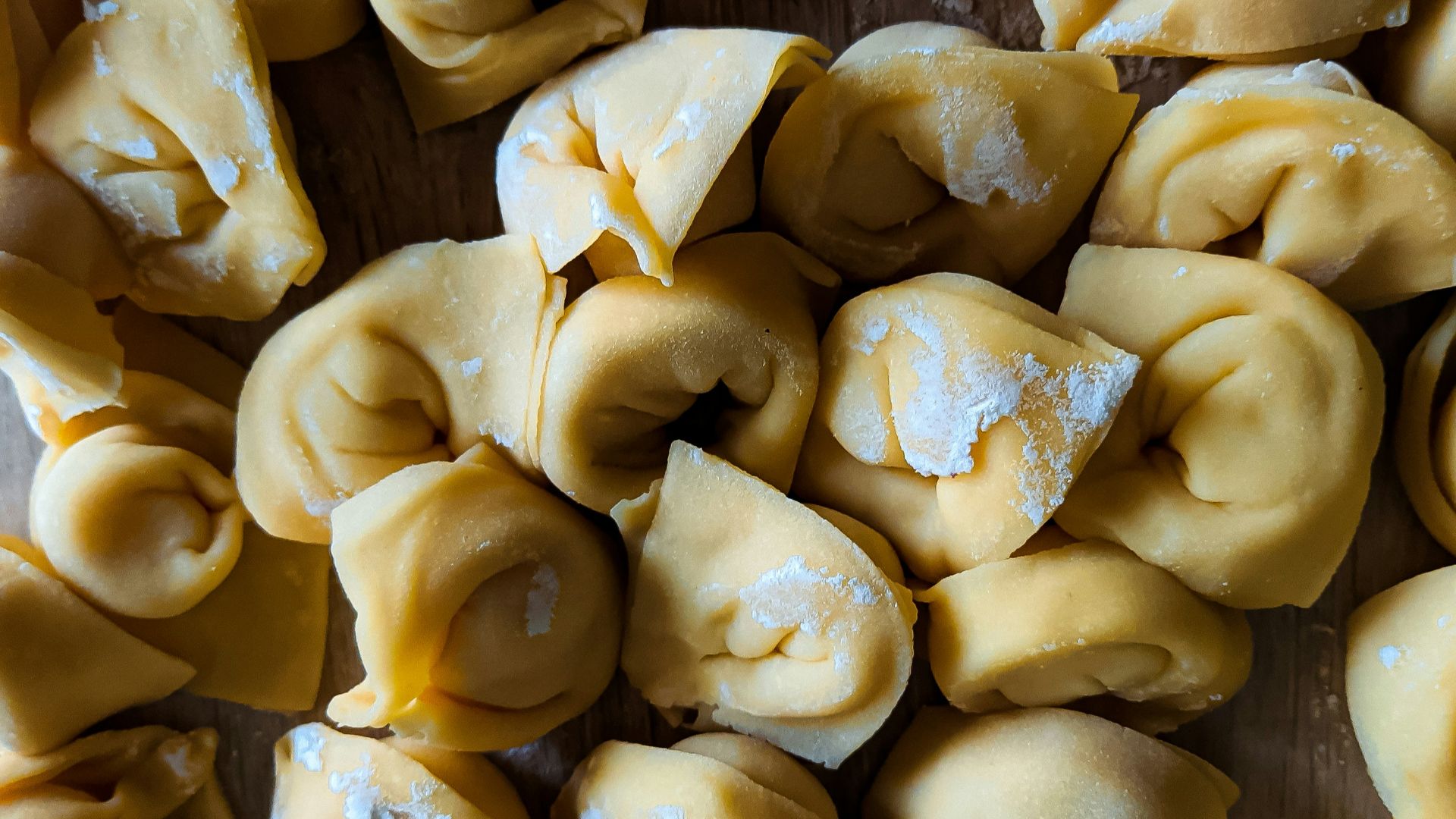
Legend says this shape was inspired by a woman's navel, spotted through a keyhole by an admiring innkeeper, though the real story is probably less romantic and more practical. Cooks stuffed small scraps of meat into pasta to make them stretch further in a simple broth. Now it's a delicate, labor-intensive starter that takes real skill to fold by hand.
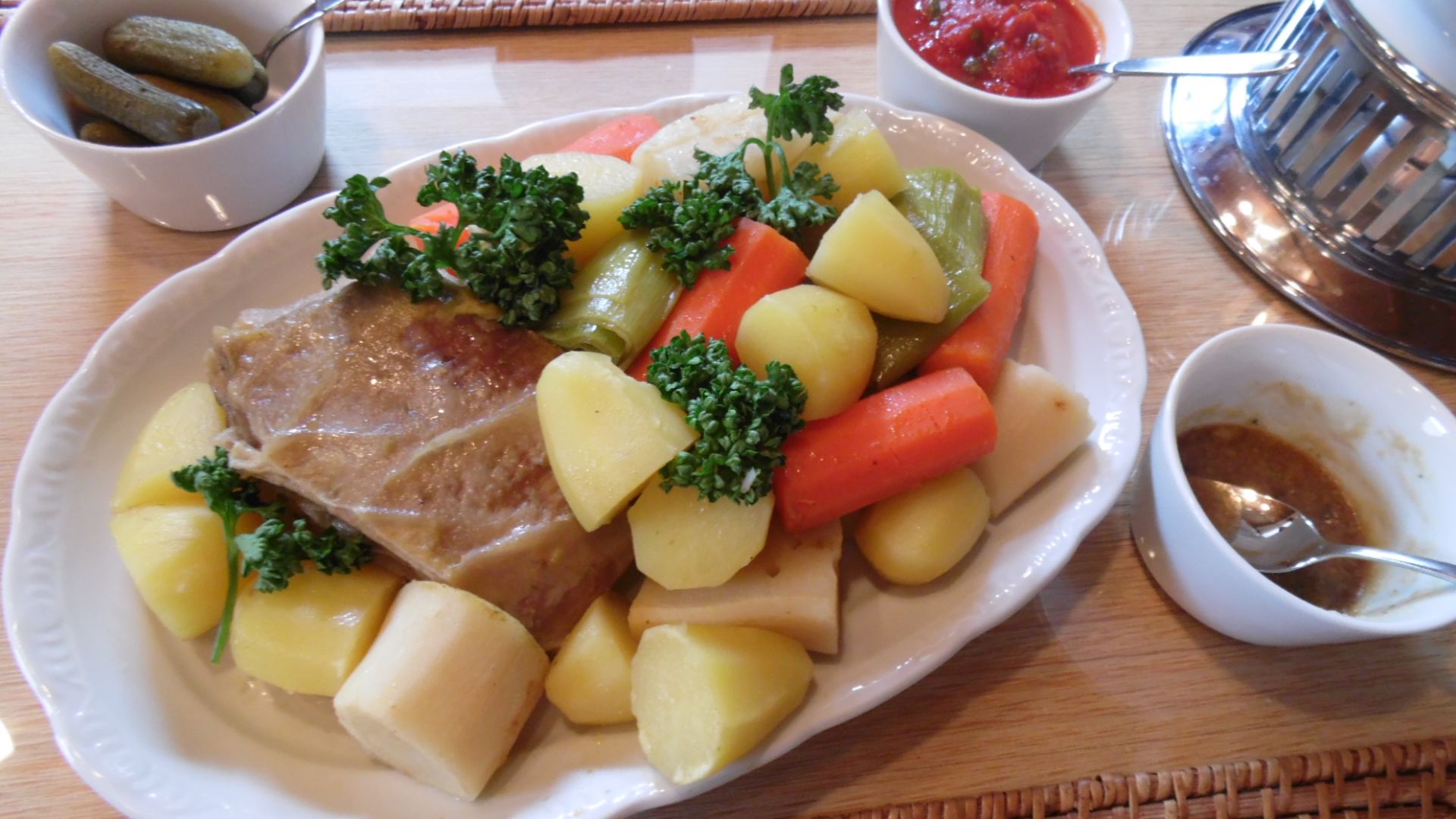
11. Pot-au-Feu
French farmers boiled tough cuts of beef with root vegetables for hours, producing both a broth and a meal in one pot. It was economical by design, feeding a family on cuts that needed time rather than money. Chefs now plate the beef and vegetables separately with the broth on the side, calling it a study in simplicity.
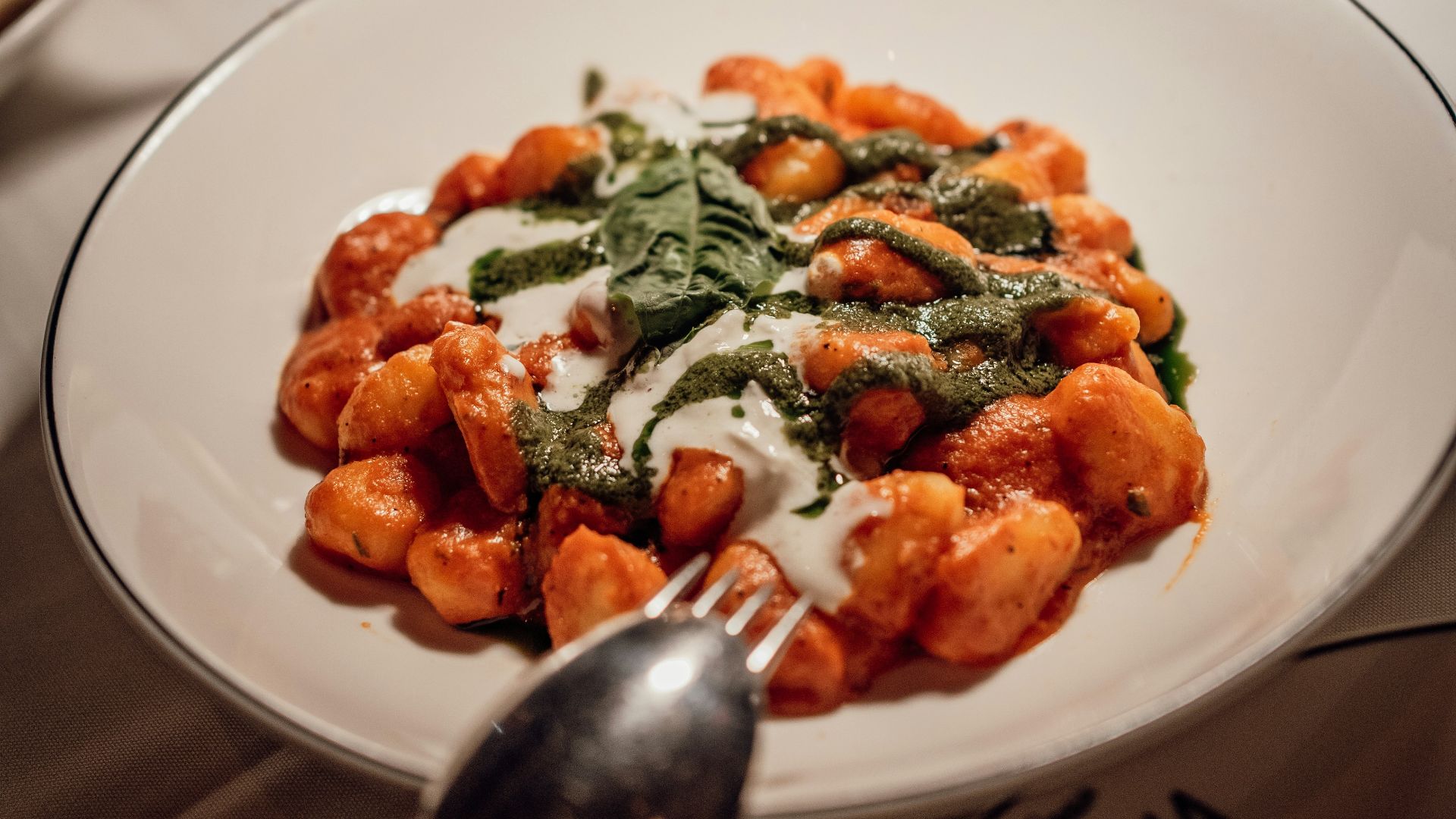
12. Potato Gnocchi
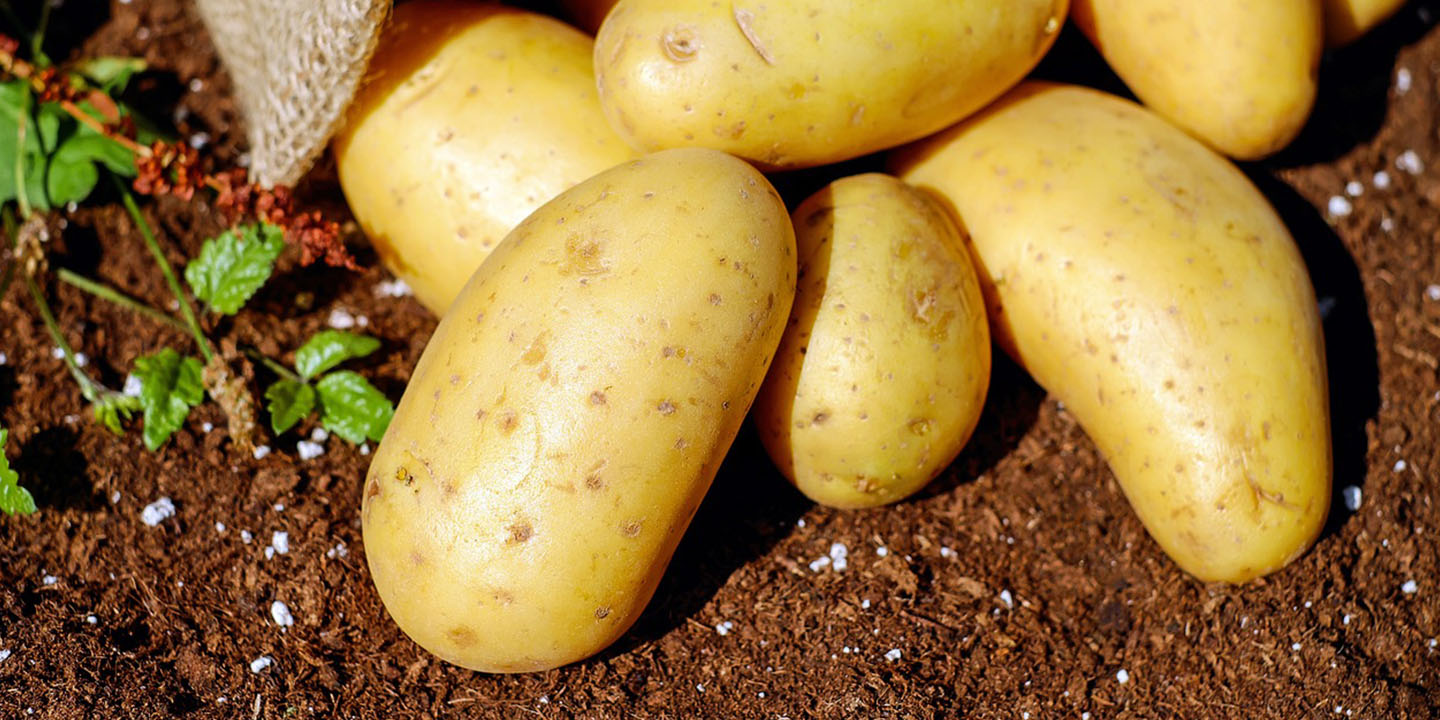
Potatoes filled bellies cheaply across much of Europe, and eventually someone mixed them with flour to make small, pillowy dumplings. It was a way to make a starch go further, nothing fancier than that. Now gnocchi shows up with brown butter and sage in restaurants where the portions are small and the prices are not.
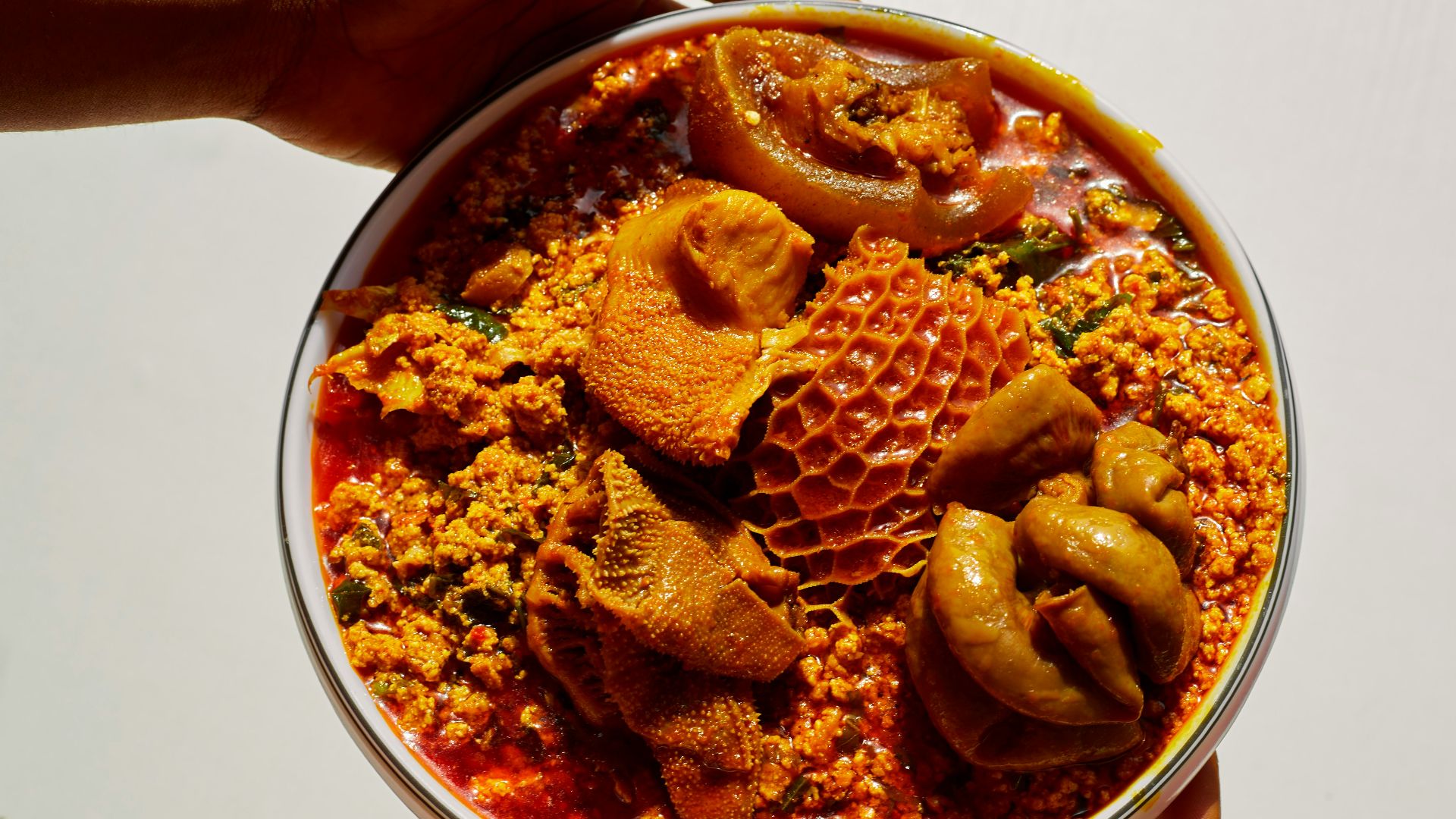
13. Tripe Stew
Tripe, the stomach lining of cattle, was about as unglamorous a cut as existed, and it landed in the pots of people who couldn't afford better. Long, slow cooking with wine, vegetables, and herbs turned something rubbery into something worth savoring. In Normandy, tripe à la mode de Caen is still considered a regional point of pride, served with real ceremony.
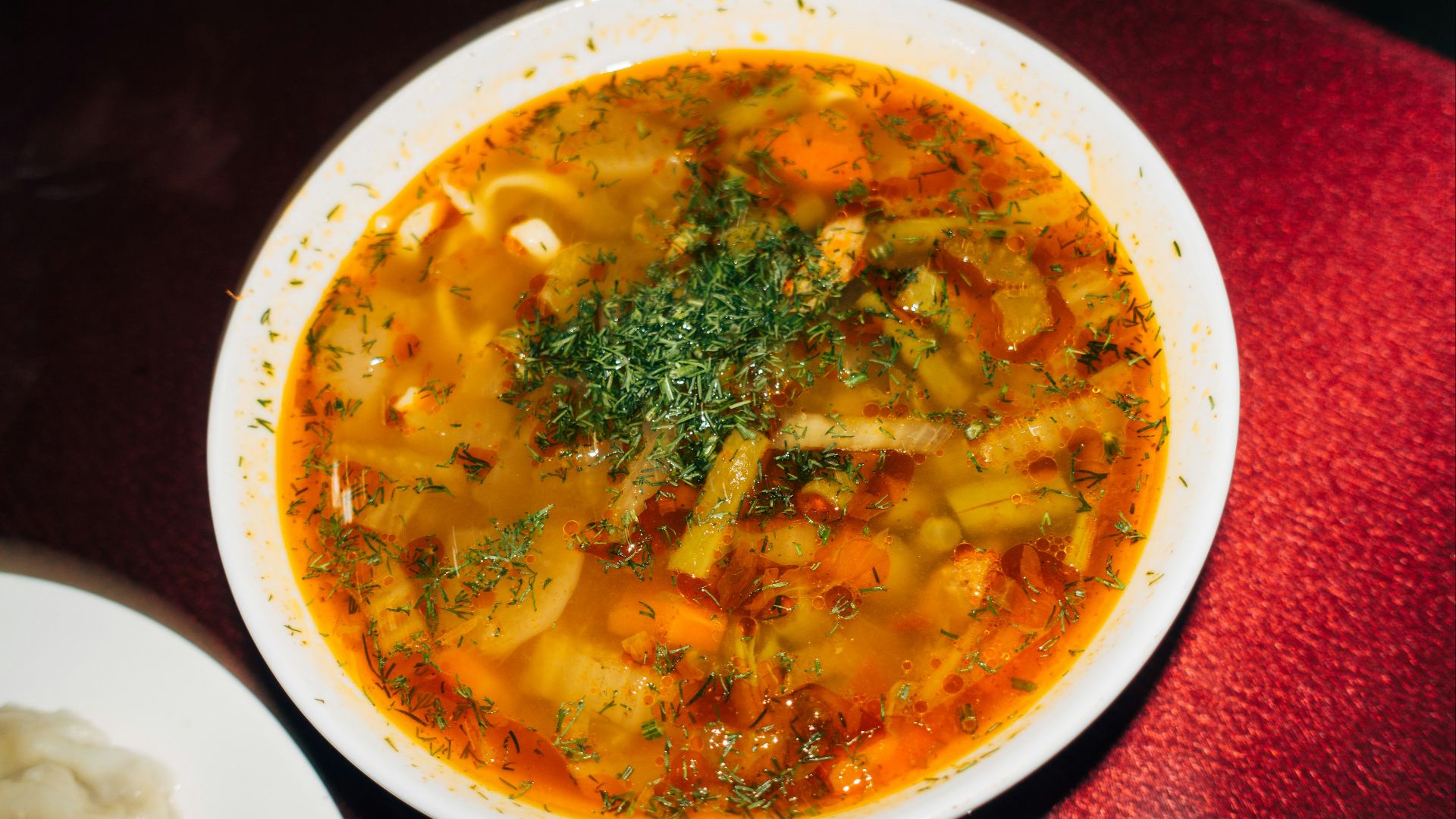
14. Borscht
Beet soup started as peasant food across Eastern Europe, made from root vegetables that survived cold storage through brutal winters. It's a dish built on patience and what was left in the cellar by February. Fine dining versions now arrive with a swirl of crème fraîche and a garnish that took someone twenty minutes to plate.
15. Goulash
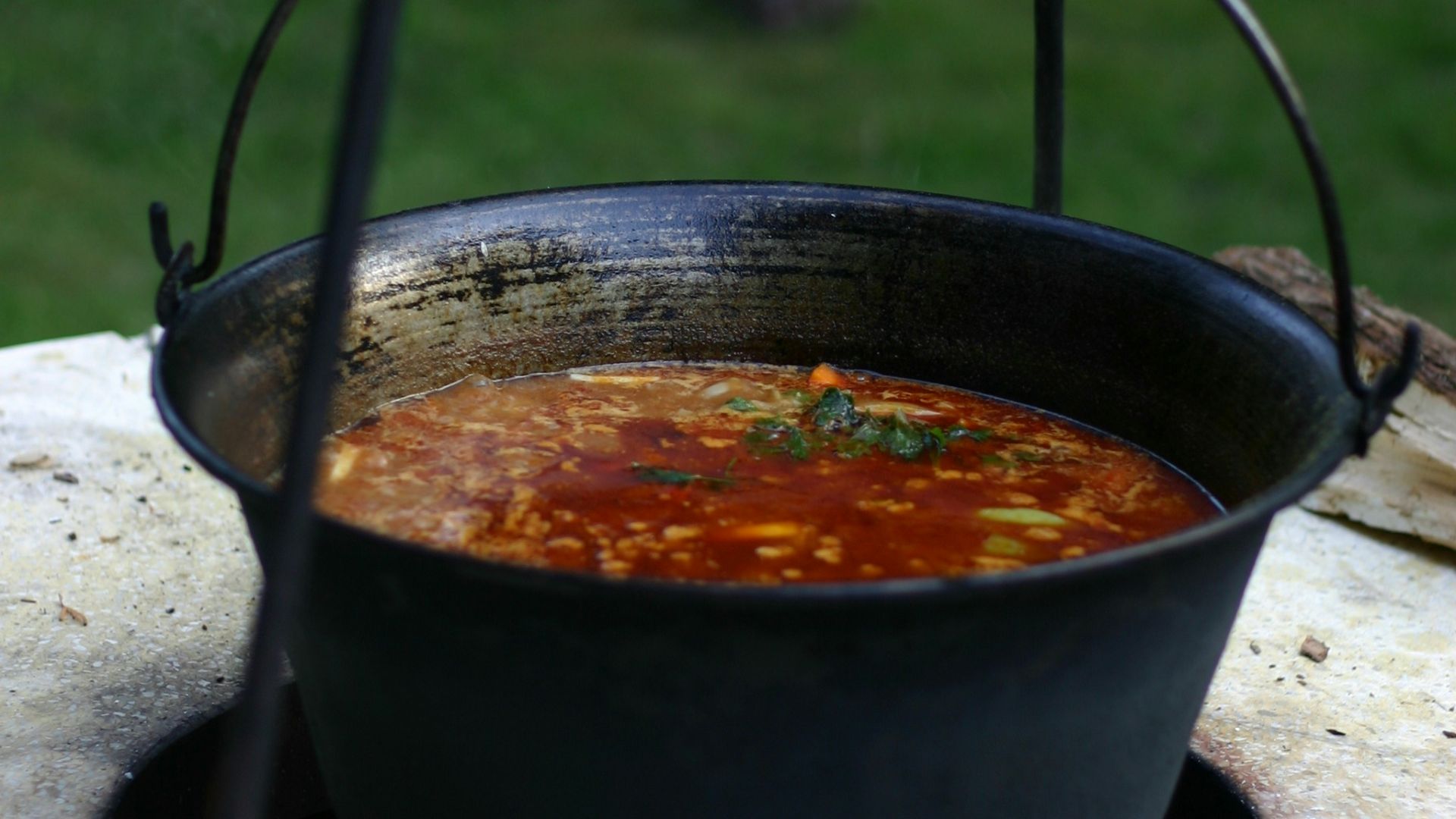
Hungarian herdsmen cooked this over open fires while tending cattle, using dried meat, paprika, and whatever vegetables traveled well. It was road food, essentially, made to survive long days outdoors. Modern versions have gotten richer and more refined, though the paprika-forward flavor still gives it away.
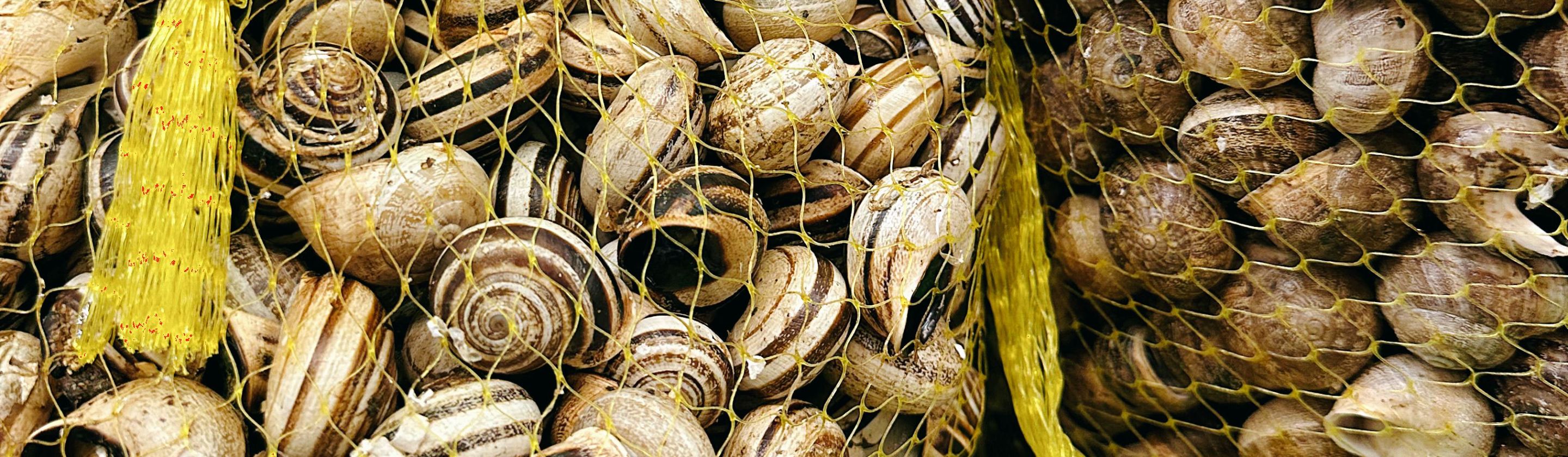
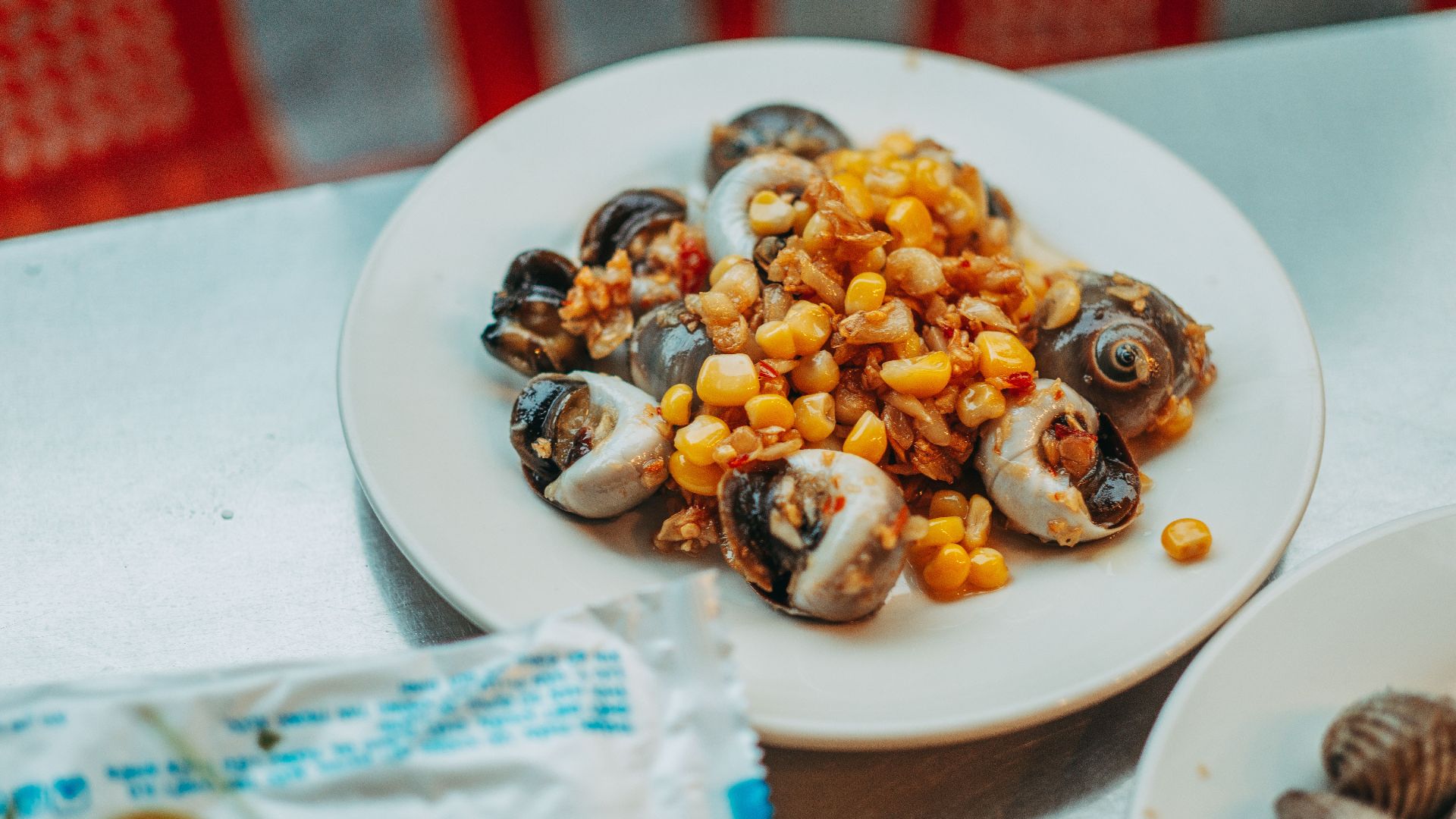
16. Escargot
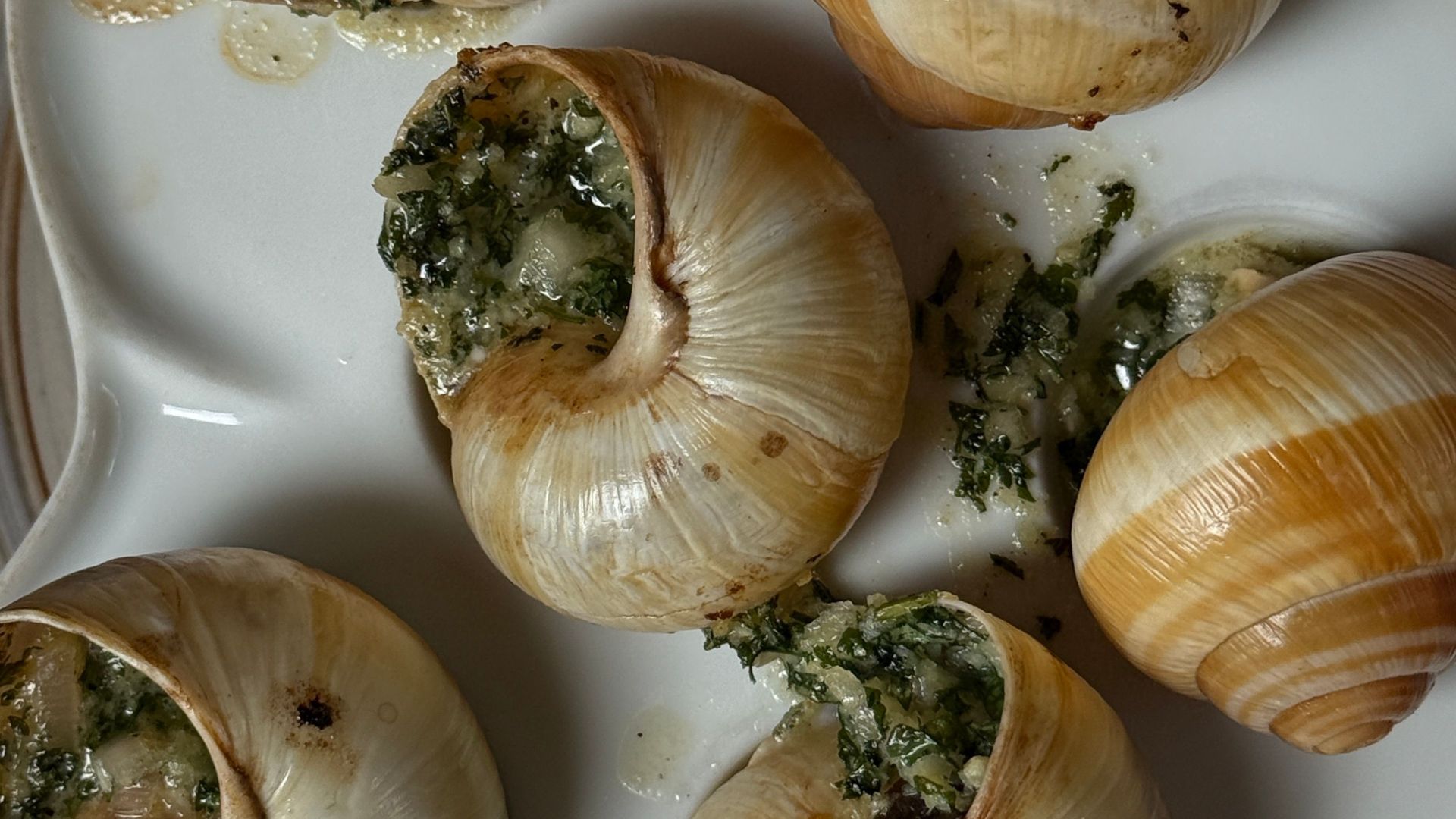
Snails were free if you had a garden and the patience to collect them, which made them a go-to protein for French farmers with little else on hand. Someone added garlic and butter, and the whole thing transformed into a menu item that now signals you're at a serious restaurant. The technique barely changed. The reputation did.
17. Shrimp and Grits
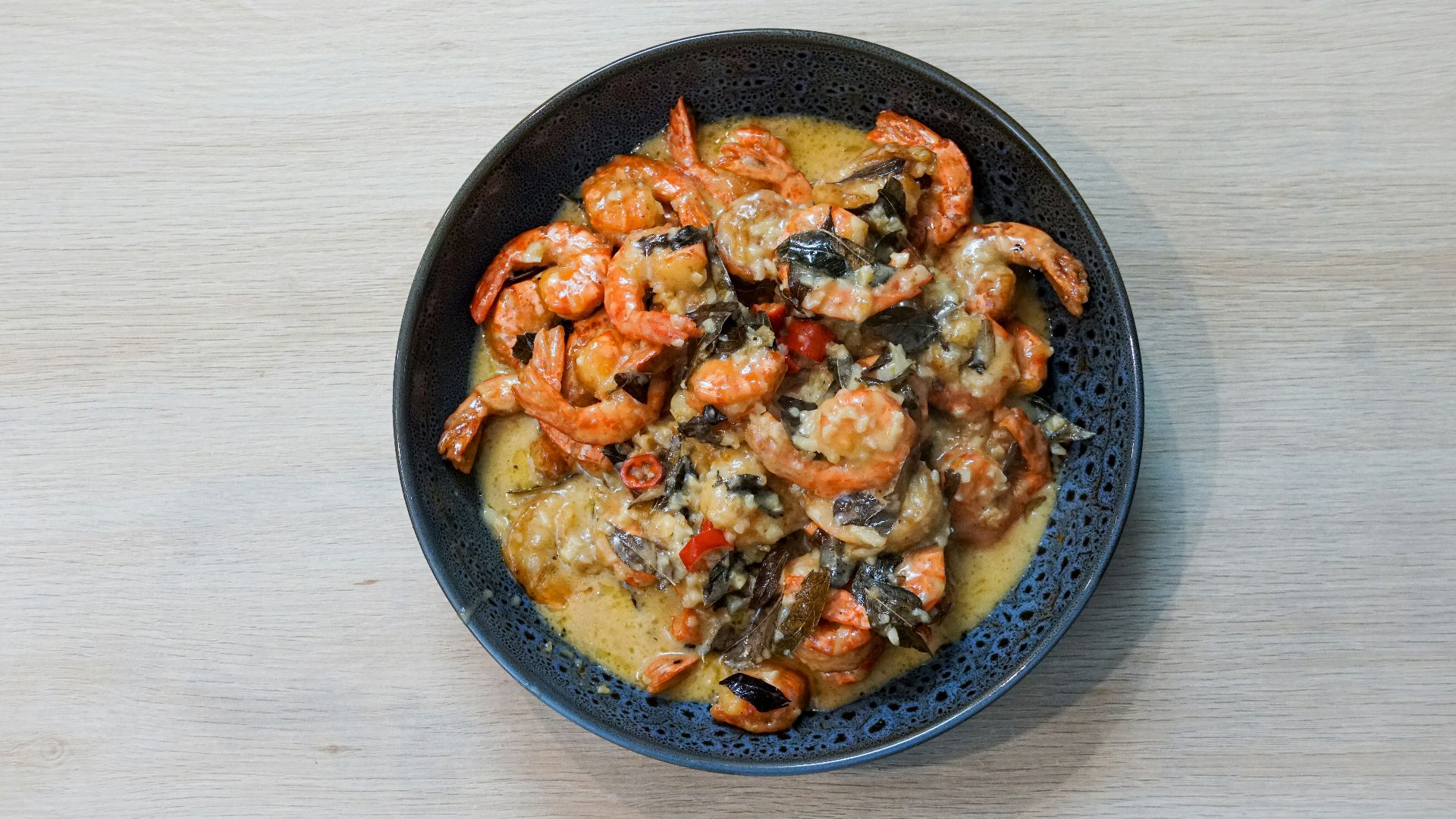
This started as breakfast for Lowcountry fishermen along the Carolina coast, using the morning's catch and a pot of corn grits already on the stove. It was practical, filling, and cheap to make. Southern chefs eventually dressed it up with tasso ham and sharp cheddar, and now it anchors brunch menus at restaurants with a wait list.
18. Pierogi
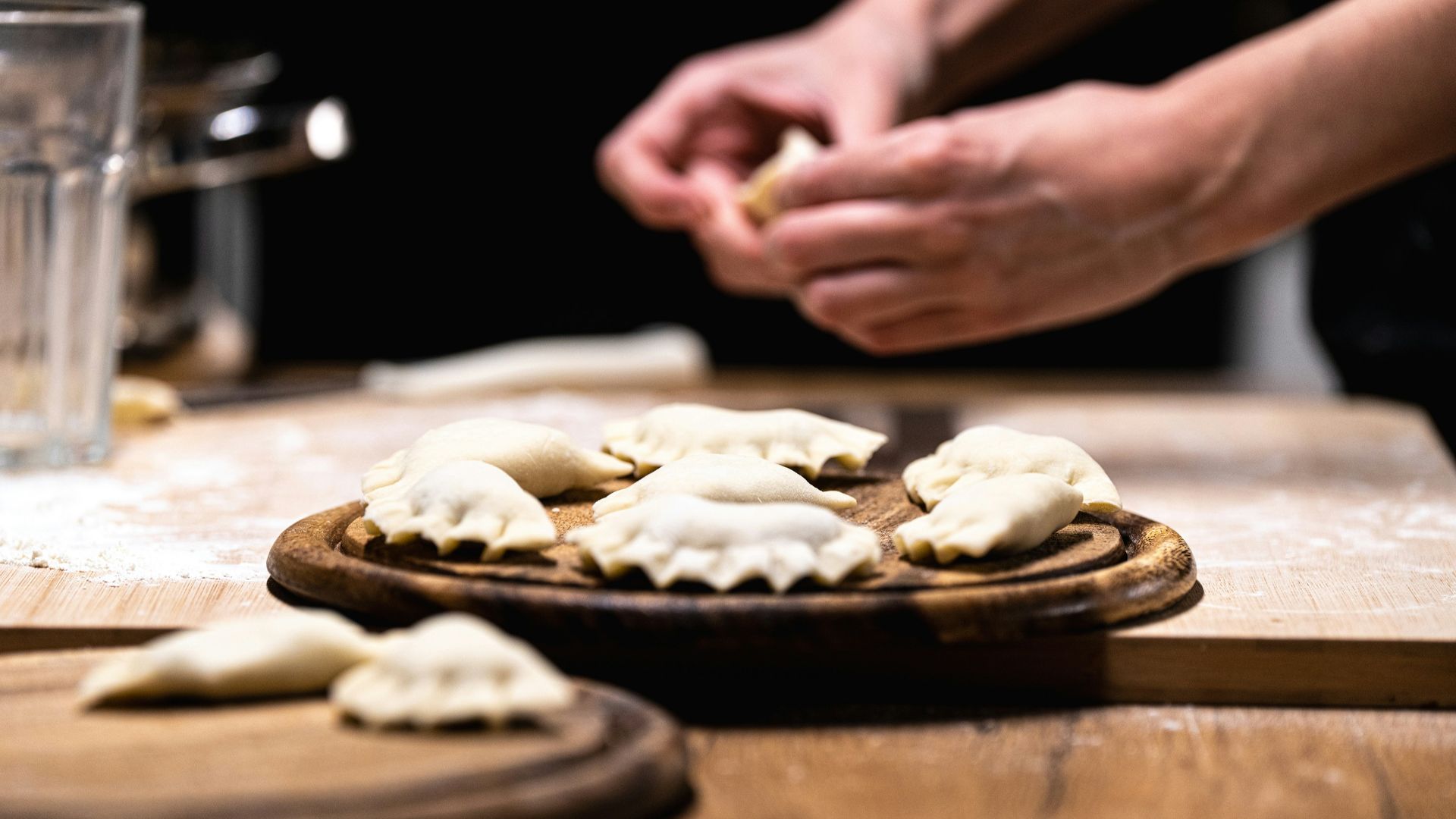
Polish and Eastern European households made these dumplings to use up bits of potato, cheese, or cabbage that wouldn't stretch far on their own. They were a way to feed a large family from a small amount of filling. Chefs now stuff them with foie gras or truffle and serve three on a plate for the price of a whole batch at home.
19. Ramen
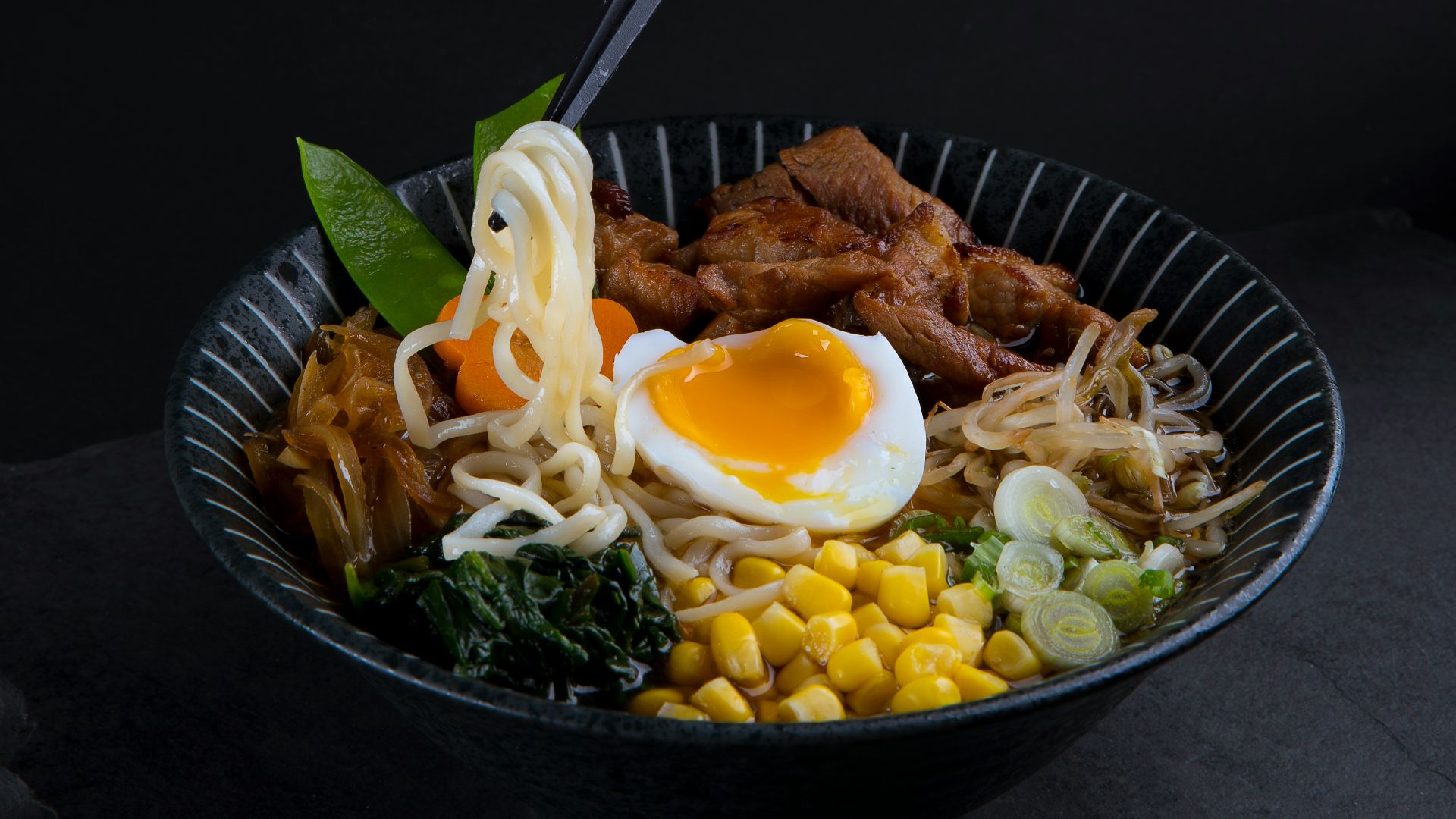
Ramen arrived in Japan as cheap, fast food, sold from carts to laborers who needed something hot and filling on a tight budget. The broth took hours, but the meal itself was built for speed. Now there are ramen tasting counters with a dozen seats and a months-long waitlist, built entirely around a bowl that used to cost pocket change.
20. Congee
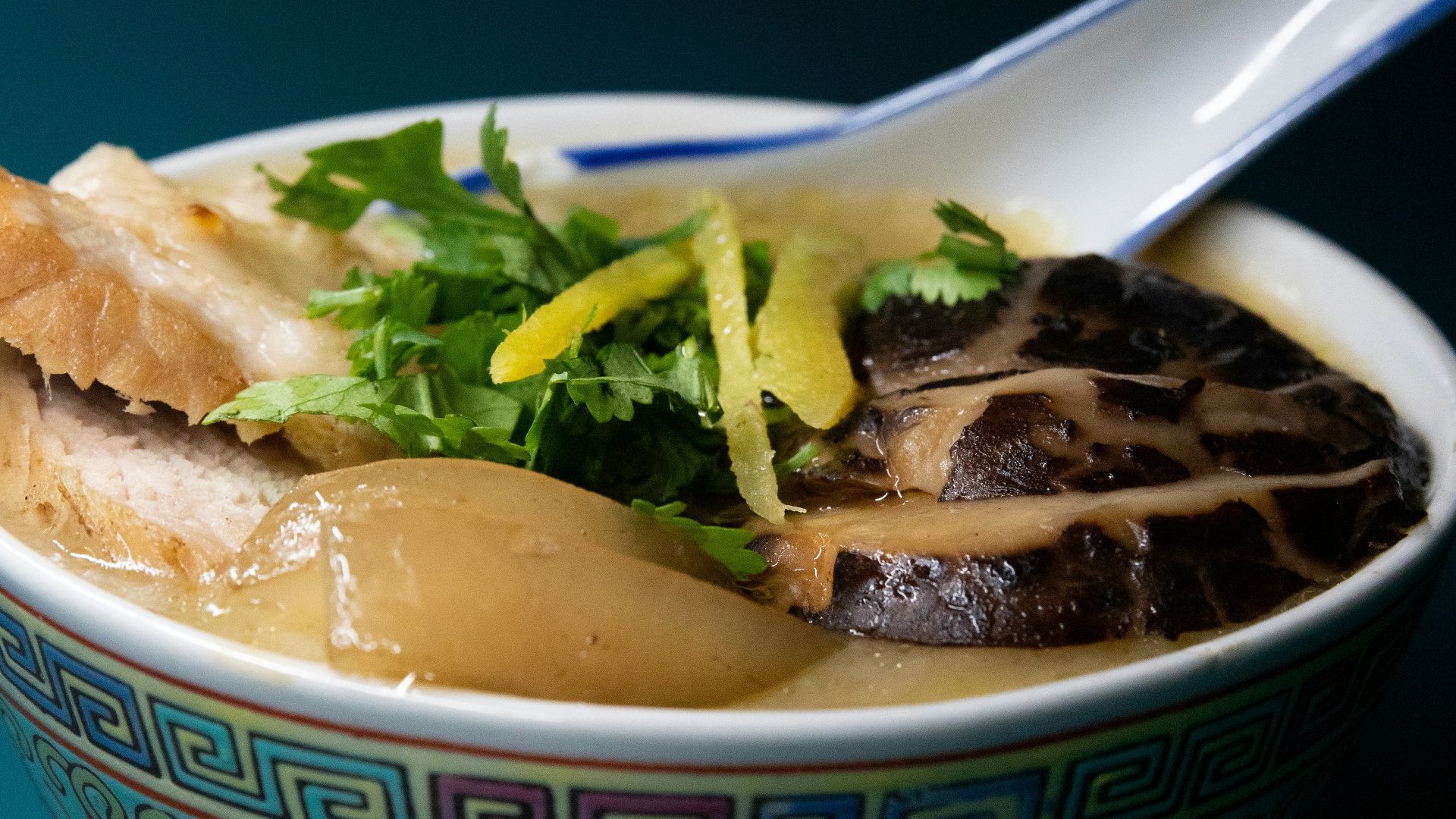
Rice porridge fed entire regions of Asia through famine and hard times, stretched thin with water when rice itself was scarce. It asked for almost nothing and gave back warmth and calories when little else was available. High-end restaurants now serve it with crab, century egg, or shaved truffle, treating a survival food like a delicacy worth lingering over.
KEEP ON READING

The 5 Most Consumed Foods in the Entire World