Love Them Or Hate Them, They’re Always Discussed
Food opinions are inherently personal. One person’s favorite snack can be another person’s hard pass, and a lot of those reactions go beyond simple pickiness. Some foods have real nutrition perks, along with a few details worth keeping in mind. Others are safe for most people, yet still tough to enjoy if the smell, texture, or flavor hits the wrong way. These are 20 polarizing foods that still leave plenty of room for debate.
 Magdalena Olszewska on Unsplash
1. Cilantro
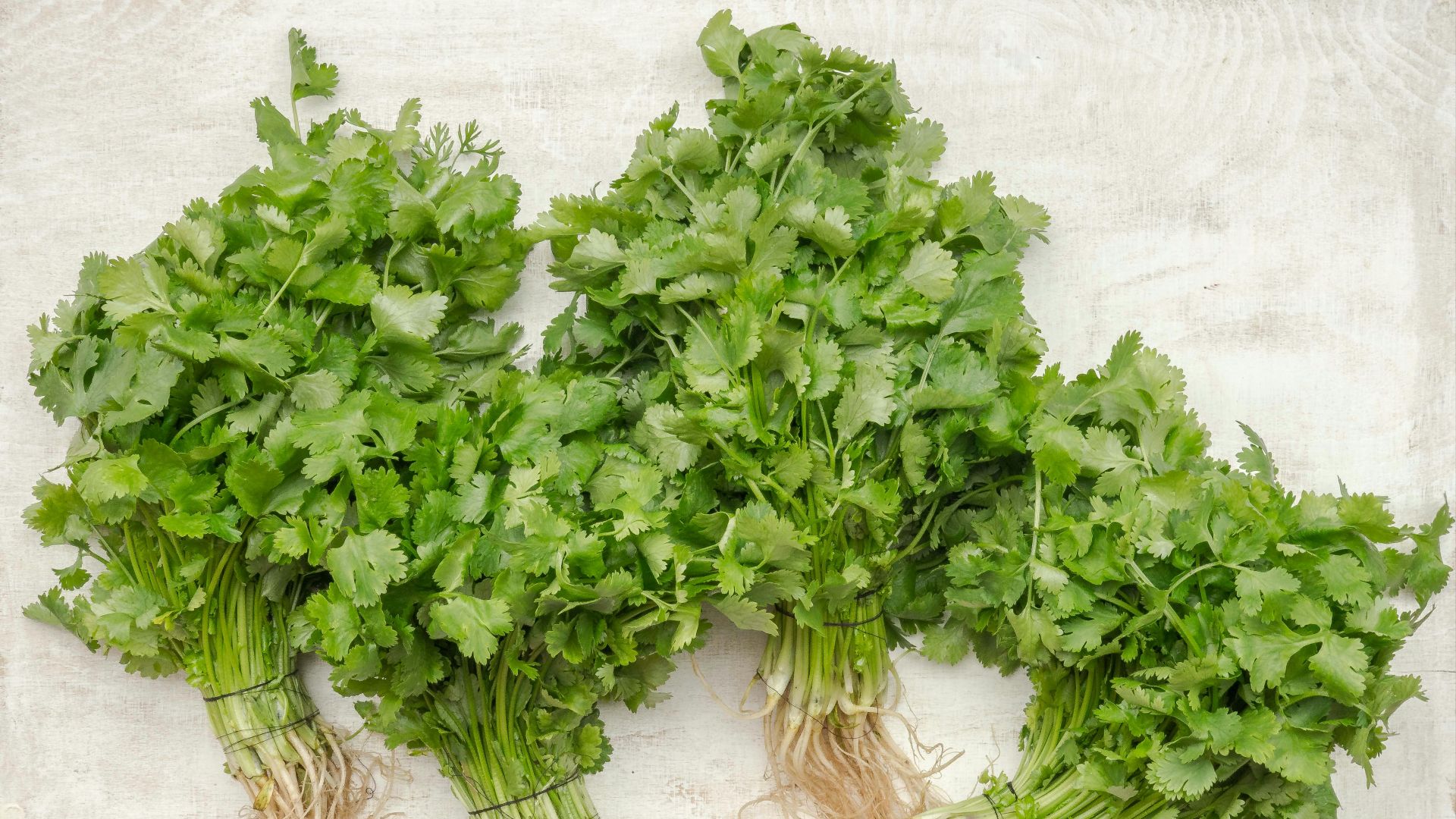
Cilantro tastes fresh, citrusy, and bright to plenty of people, which is why it tends to show up in salsa, curries, tacos, and noodle bowls. For others, those dubbed to have “the soap gene,” the herb just doesn’t taste quite right. This reaction may actually be linked to how people perceive specific aroma compounds.
2. Blue Cheese
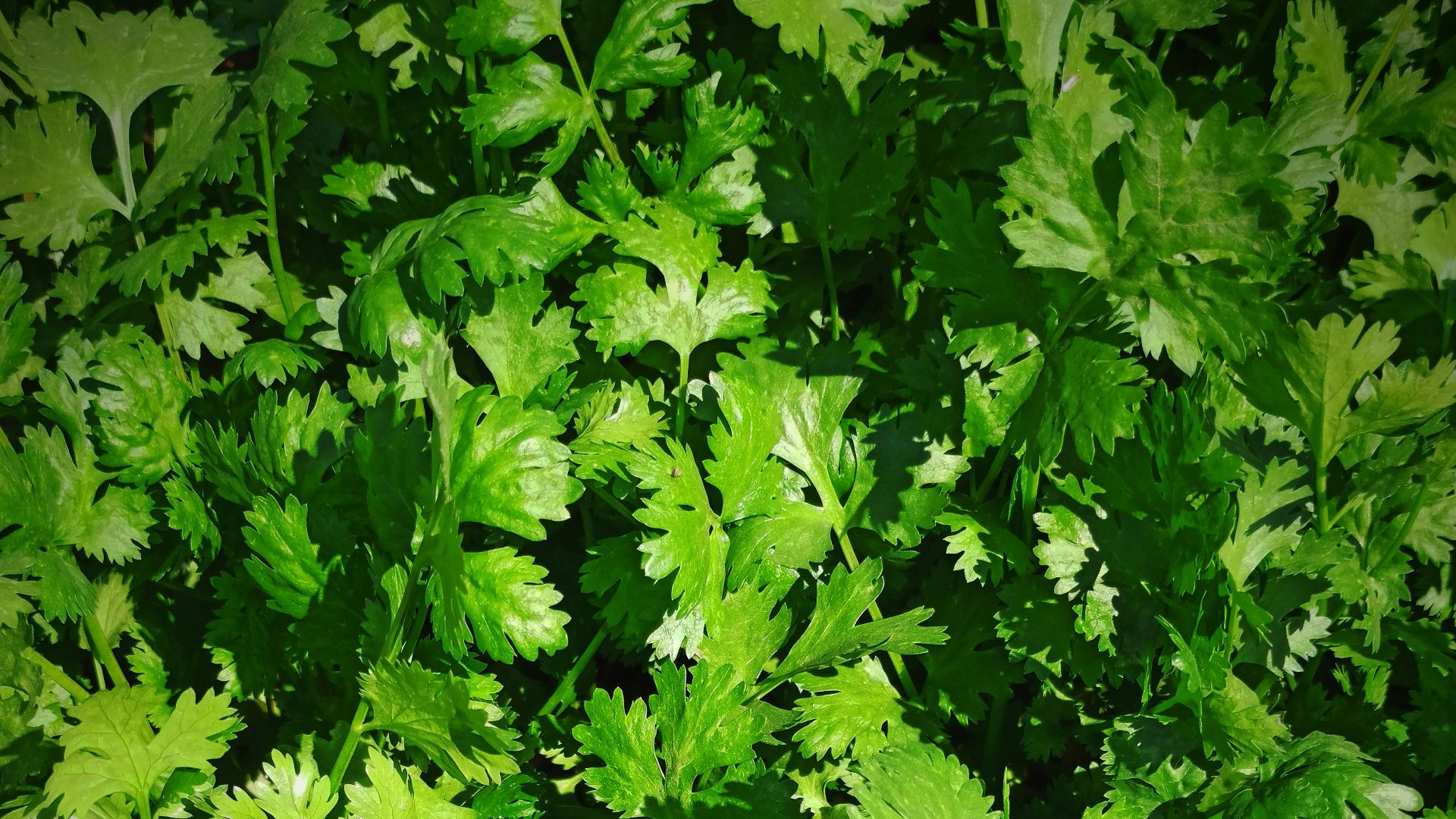
Blue cheese tends to get a strong reaction before anyone even takes a bite. The mold used in classic blue-veined cheeses is safe in that setting, but the sharp smell, salty flavor, and blue-green streaks still make it a tough sell for some eaters.
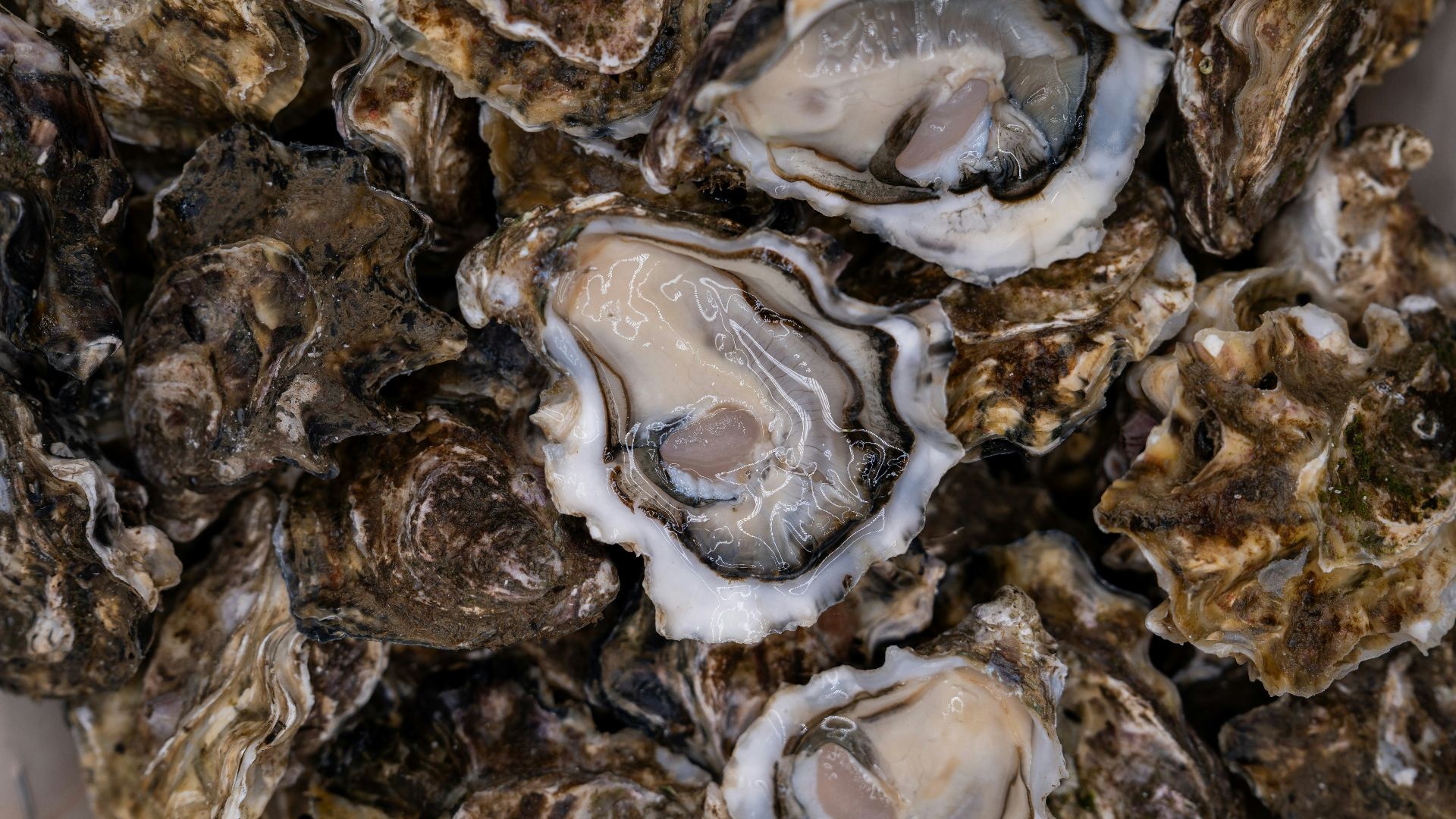
3. Raw Oysters
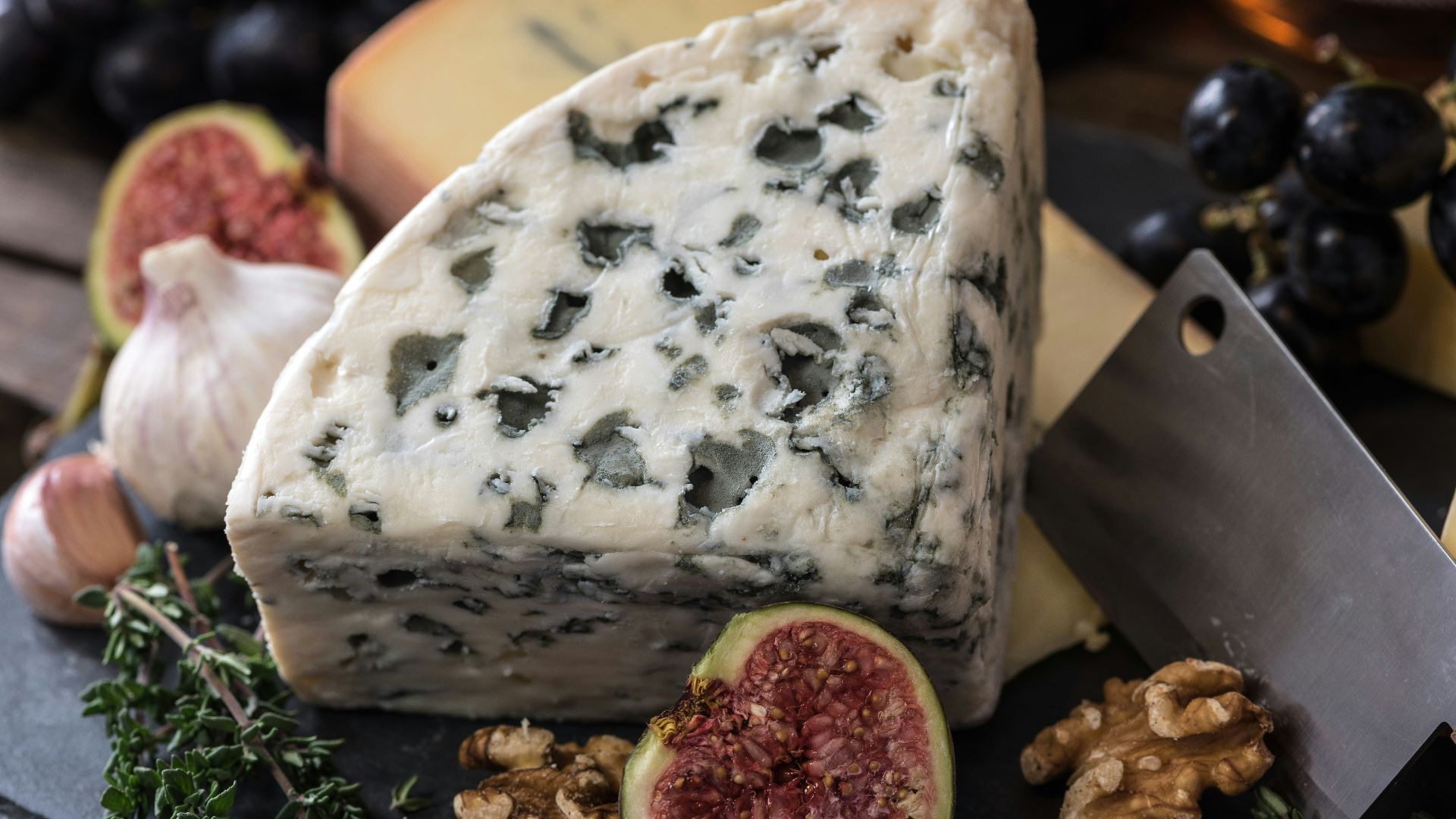
Raw oysters can feel fancy in the right setting, and for those who are fans of fishier flavors. Understandably, some folks are cautious about eating them, as raw oysters can carry harmful germs. However, this fancy finger food is an excellent aphrodisiac.
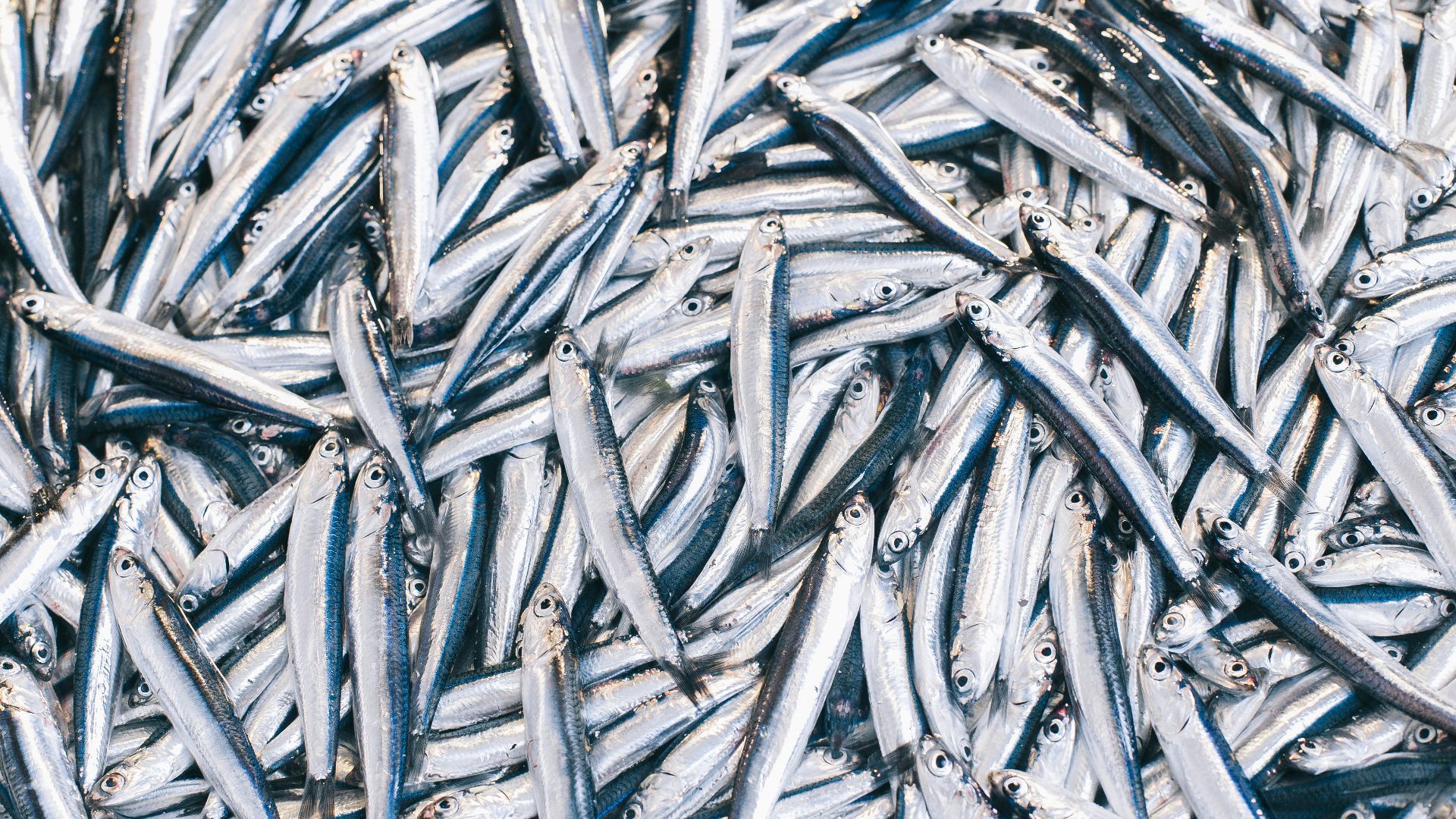
4. Sardines
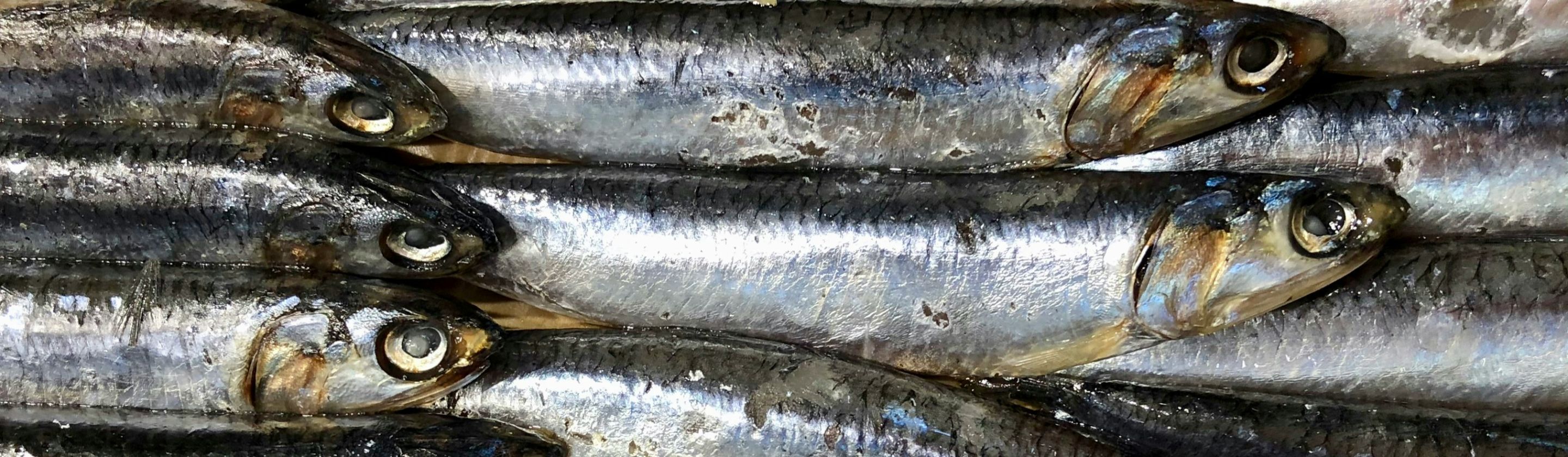
Sardines are small, oily, fishy, and pungent. They can be a nutrient-rich, lower-mercury seafood choice with protein and omega-3 fats, although the smell, soft bones, skin, and tin-can presentation still send plenty of people in the other direction.
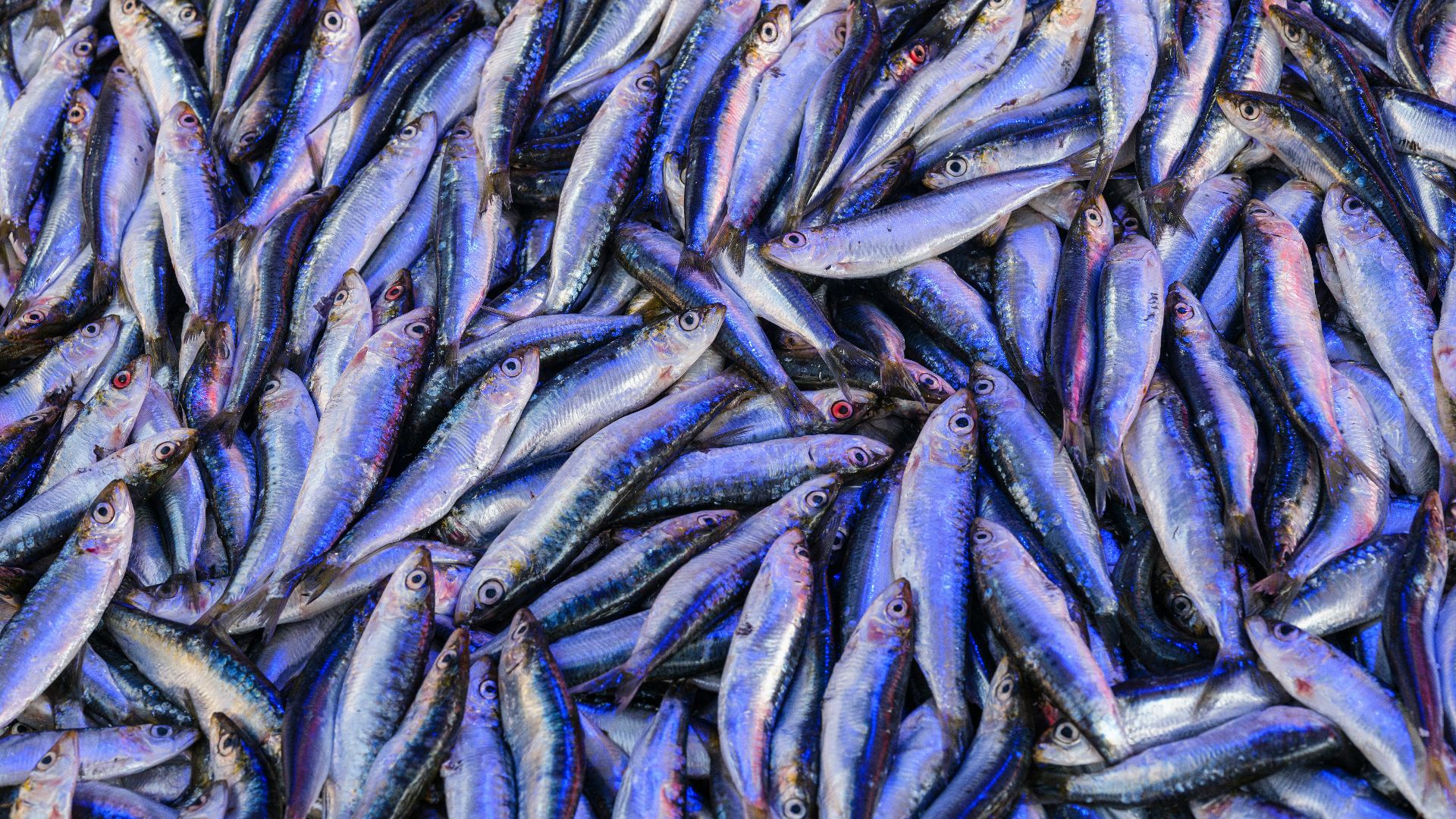
5. Anchovies
Anchovies have spent years being treated like a pizza problem, likely due to their salty and incredibly fishy flavoring. When they’re worked into sauces, dressings, or pasta, however, they often melt into the background and add a savory depth without taking over the whole dish.
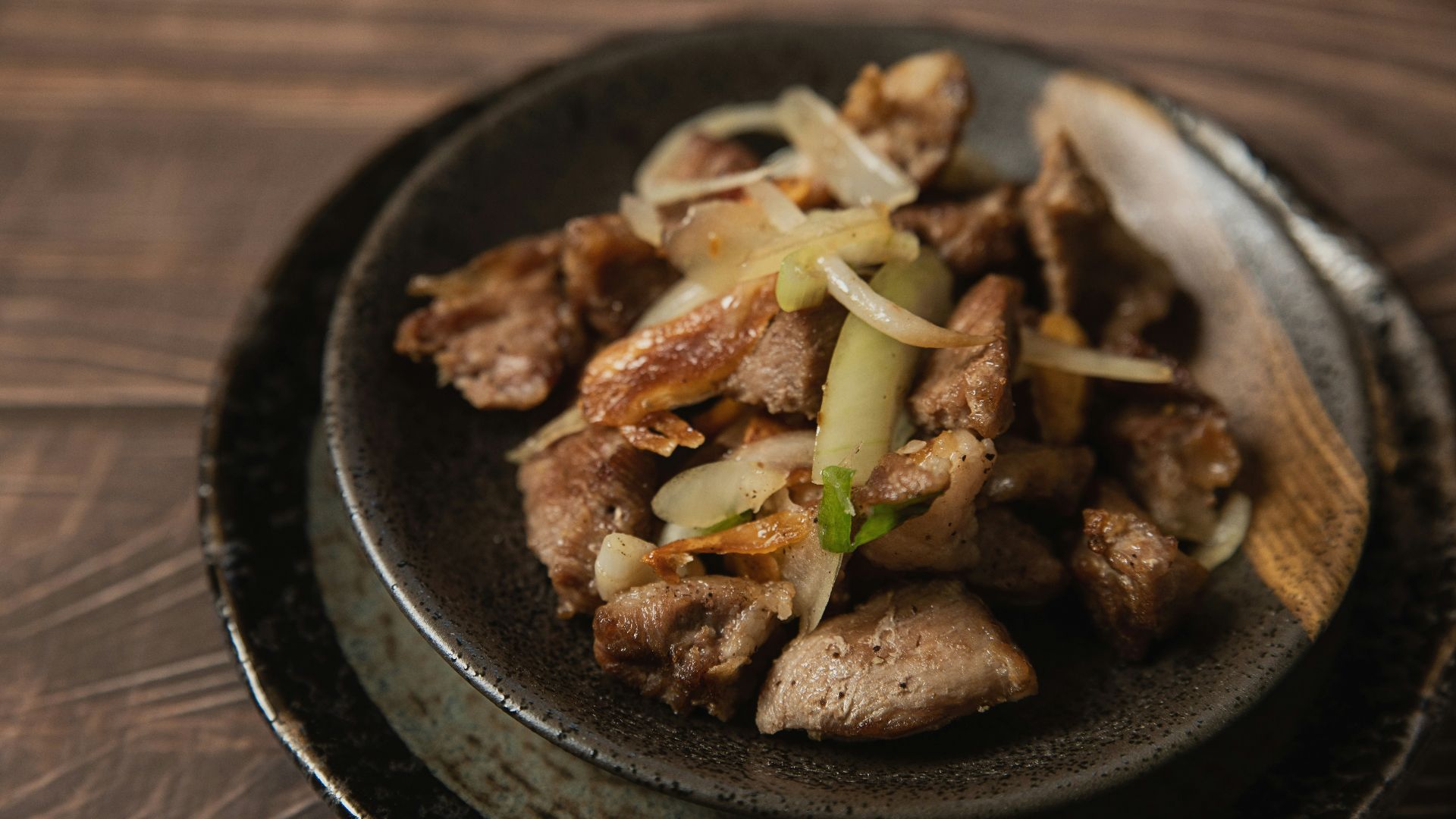
6. Liver
Liver keeps finding its way back into wellness conversations. It’s rich in nutrients such as vitamin A, iron, copper, and B vitamins. That said, very high intakes of some nutrients can cause problems, so the liver works better as an occasional food than a daily habit.
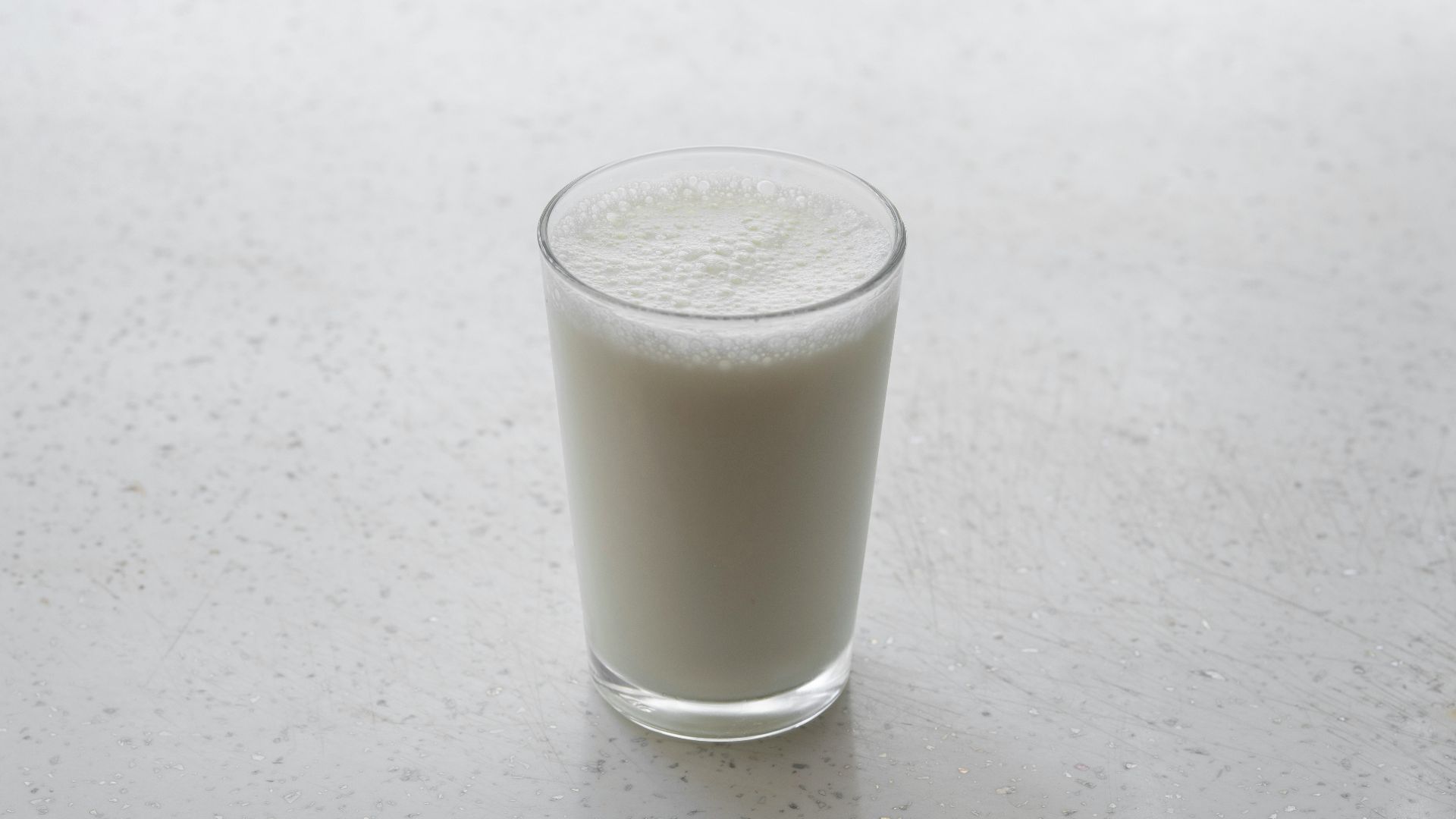
7. Raw Milk
Raw milk has devoted fans who like its taste, tradition, and less-processed image. However, it does come with some pretty serious safety concerns. Unpasteurized milk can carry germs such as Salmonella, E.coli, or Listeria.
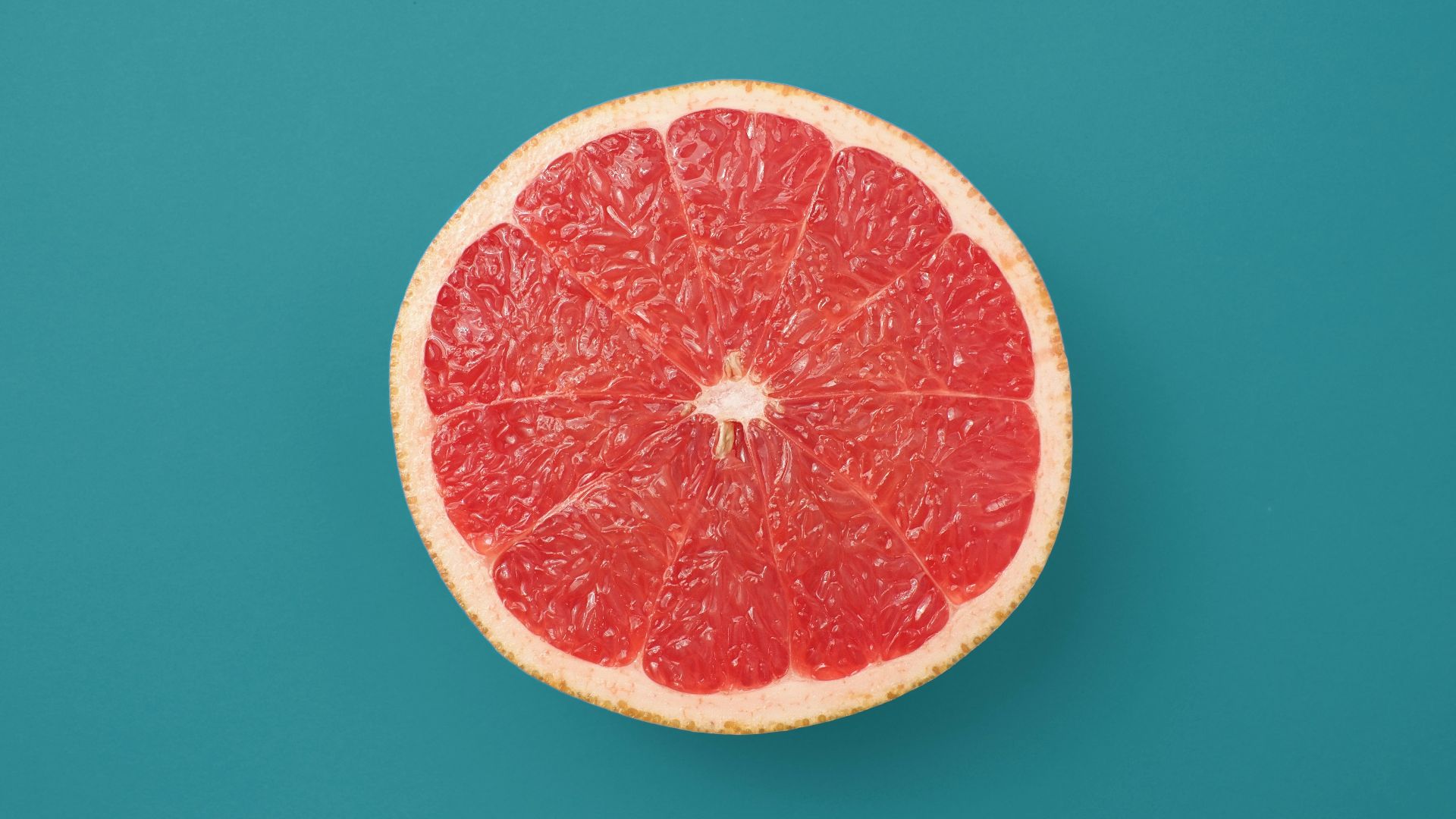
8. Grapefruit
Grapefruit has a sharp, tangy appeal, with a mix of tart, juicy, and slightly bitter flavor. The catch is that grapefruit and grapefruit juice can interfere with certain medications. If you take anything from blood pressure to migraine medication, it’s best to double-check if you can have this popular citrus.
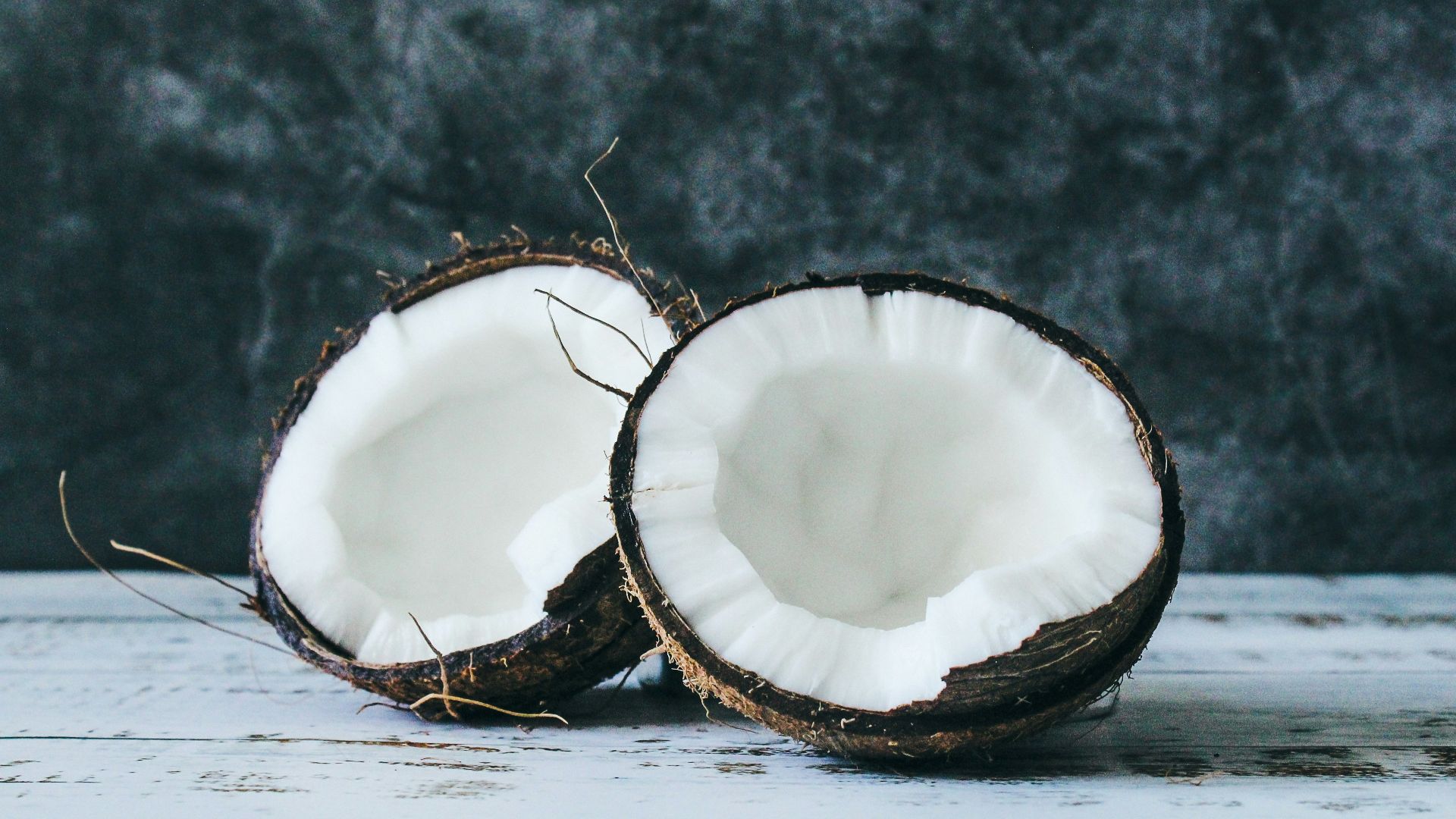
9. Coconut Oil
Coconut oil had a long run as a wellness favorite, popping up in coffee, smoothies, baking, and skincare routines. It still has a place in certain recipes, especially when the flavor works. However, it’s high in saturated fat, so treating it like a cure-all doesn’t really hold up.
10. Kombucha
Kombucha is fizzy, tart, fermented, and just vinegary enough to split the room. Some people like it as a soda swap, while others find the flavor too sharp. Some folks believe it helps with your gut biome, but the research behind these claims is still limited.

11. Bone Broth
Bone broth has a soothing, old-fashioned appeal, especially when it feels closer to something simmering on the stove than something pulled from a wellness shelf. It can offer protein, flavor, and comfort, although claims that it dramatically repairs joints, skin, or the gut are merely surface-level at this point.

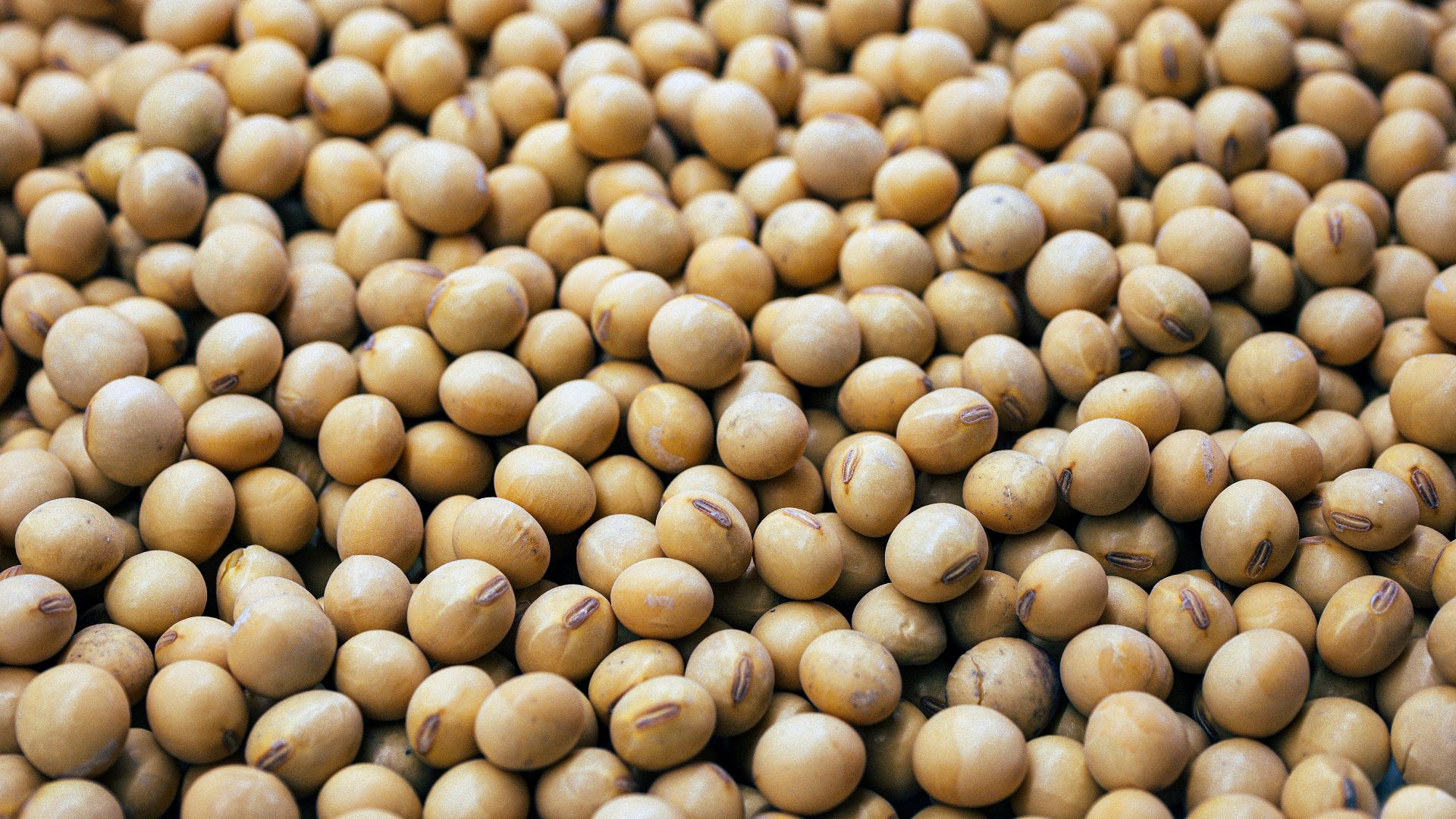
12. Soy
Soy has been praised, questioned, misunderstood, and defended for years. Whole or minimally processed soy foods like tofu, tempeh, edamame, and soy milk can fit into a healthy eating pattern. That said, the conversation gets murkier when those foods are grouped with heavily processed soy-based products.
 Daniela Paola Alchapar on Unsplash
13. Seaweed
Seaweed can be crisp, chewy, slippery, salty, or deeply savory, depending on the type and how it’s prepared. It can also be high in iodine, which the thyroid needs, although too much iodine can cause trouble for some people, especially when kelp-heavy foods or supplements become a regular thing.

14. Raw Sprouts
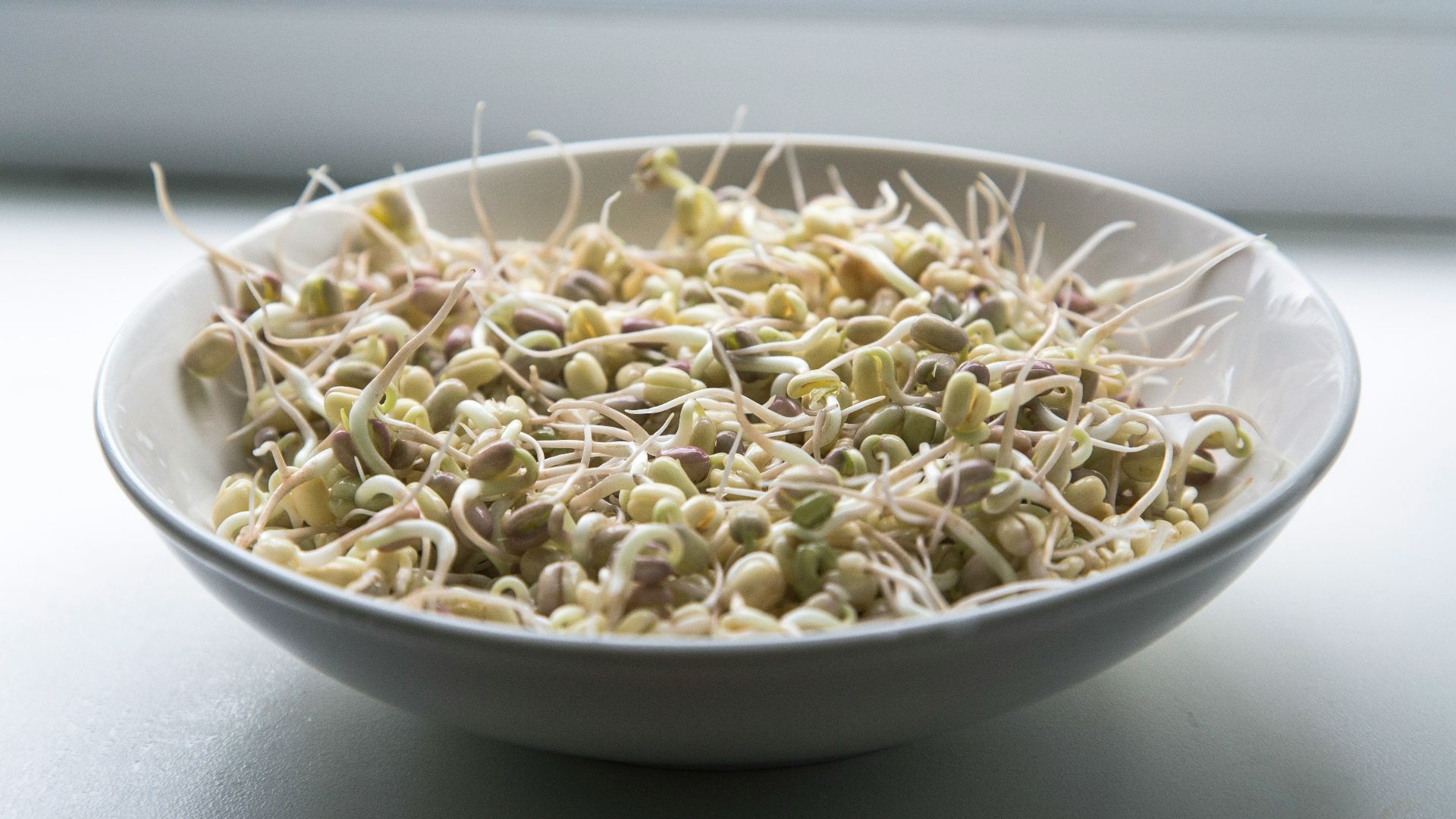
Raw sprouts look fresh and harmless, with their delicate crunch piled onto sandwiches, salads, and grain bowls. Their growing conditions can also encourage bacteria, which is why cooked sprouts are the safer option, particularly for people more vulnerable to foodborne illness.
15. MSG-Seasoned Foods
MSG still carries old baggage, even though it is technically just a seasoning used to boost savory flavor. For most people, the more practical concern is not fear of MSG itself, but how much sodium and heavily seasoned processed food shows up in the overall diet.

16. Natto
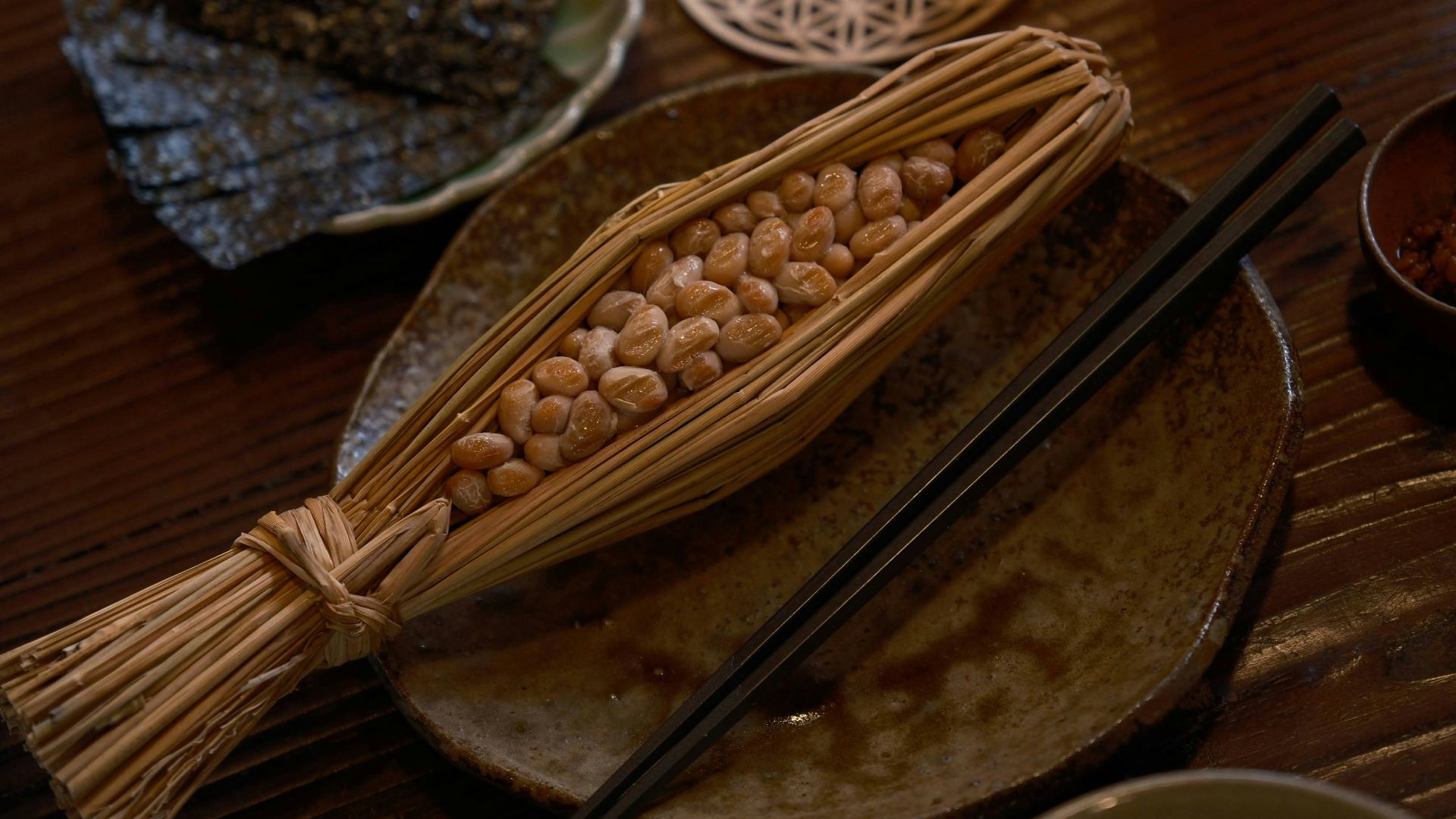
Natto is sticky, stringy, fermented, and pungent enough to stop a first-timer mid-bite. It’s nutritionally interesting, especially because it contains vitamin K2, but people taking blood-thinning medication should be careful with big changes in vitamin K intake.
17. Mushrooms
Mushrooms are loved for their earthy, savory flavor and disliked for that same spongy, earthy quality. As a food, they can be versatile and satisfying. Many wellness brands like to sell mushroom powders and supplements that promise major health benefits, but the science isn’t exactly straightforward on that either.

18. Beets
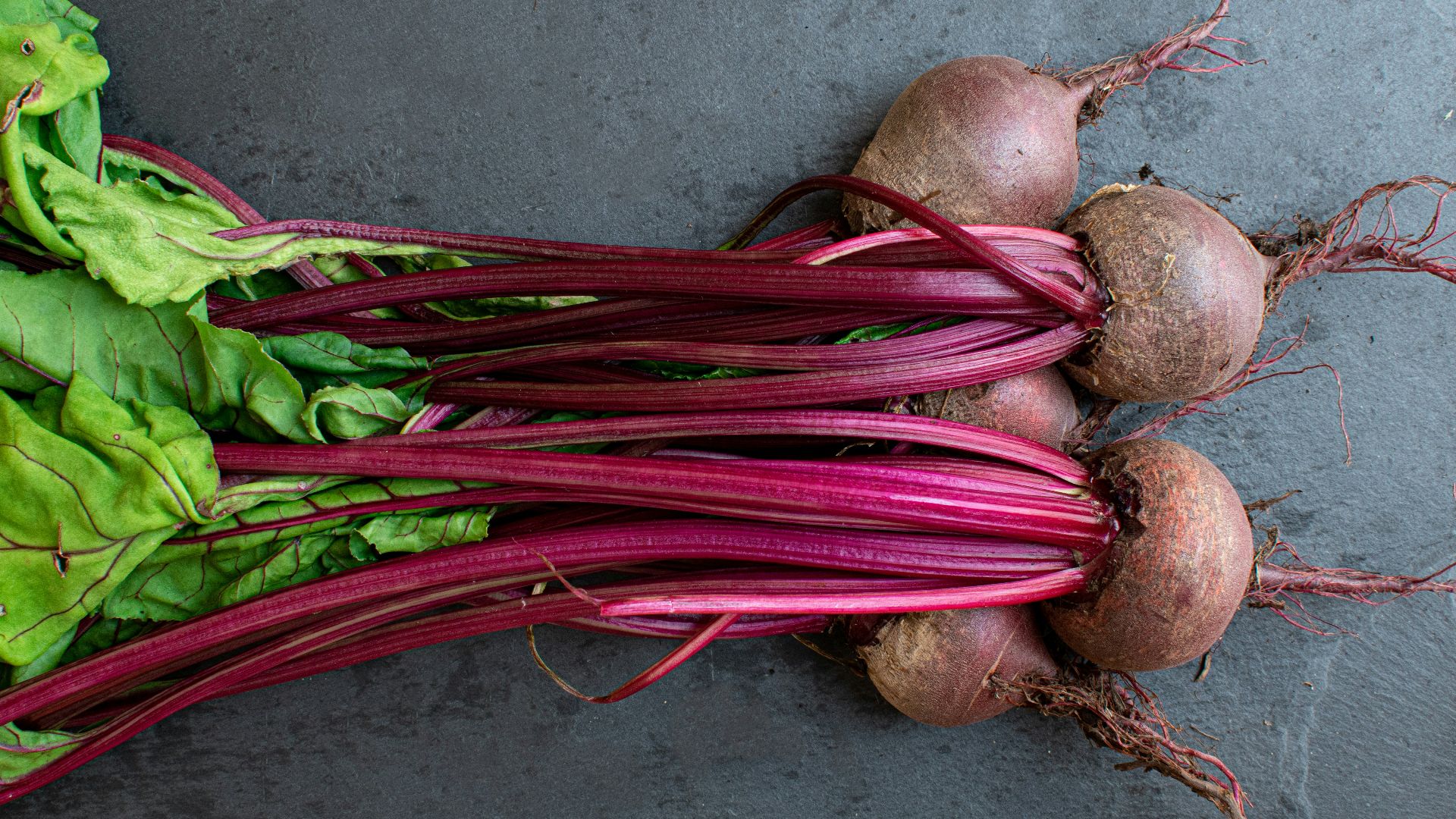
Beets are sweet, colorful, and earthy. The flavor is pleasant for some, but others may find they just taste like dirt. That earthy flavor comes from natural aroma compounds, and roasting, pickling, or adding citrus can make them more appealing, though beets are still a tough sell for many people.
19. Durian
Durian has passionate fans who describe it as rich, custardy, sweet, and complex. It also has an aroma tied partly to sulfur-containing compounds, which helps explain why the smell can feel so intense, even when the flavor wins people over.

20. Black Licorice
Black licorice has a dark, herbal flavor that people tend to defend fiercely or reject right away. The bigger concern is that real licorice root contains glycyrrhizin, and eating large amounts can affect potassium levels, blood pressure, and heart rhythm in some people.

KEEP ON READING


20 Food-Related Art Projects