There's a Whole World Past the Strip Mall
Most people assume they've got a decent handle on the world's food, mostly because the same dozen or so cuisines keep showing up on every corner. Step outside the usual rotation of Italian, Mexican, and Thai, though, and there's an entire universe of regional cooking that rarely gets its own storefront. Some of these restaurants only exist in a handful of cities, run by someone who moved here specifically because nobody else was cooking the food they grew up on. Here's 20 regional cuisines that quietly have their own restaurants, if you know where to look.
1. Uyghur
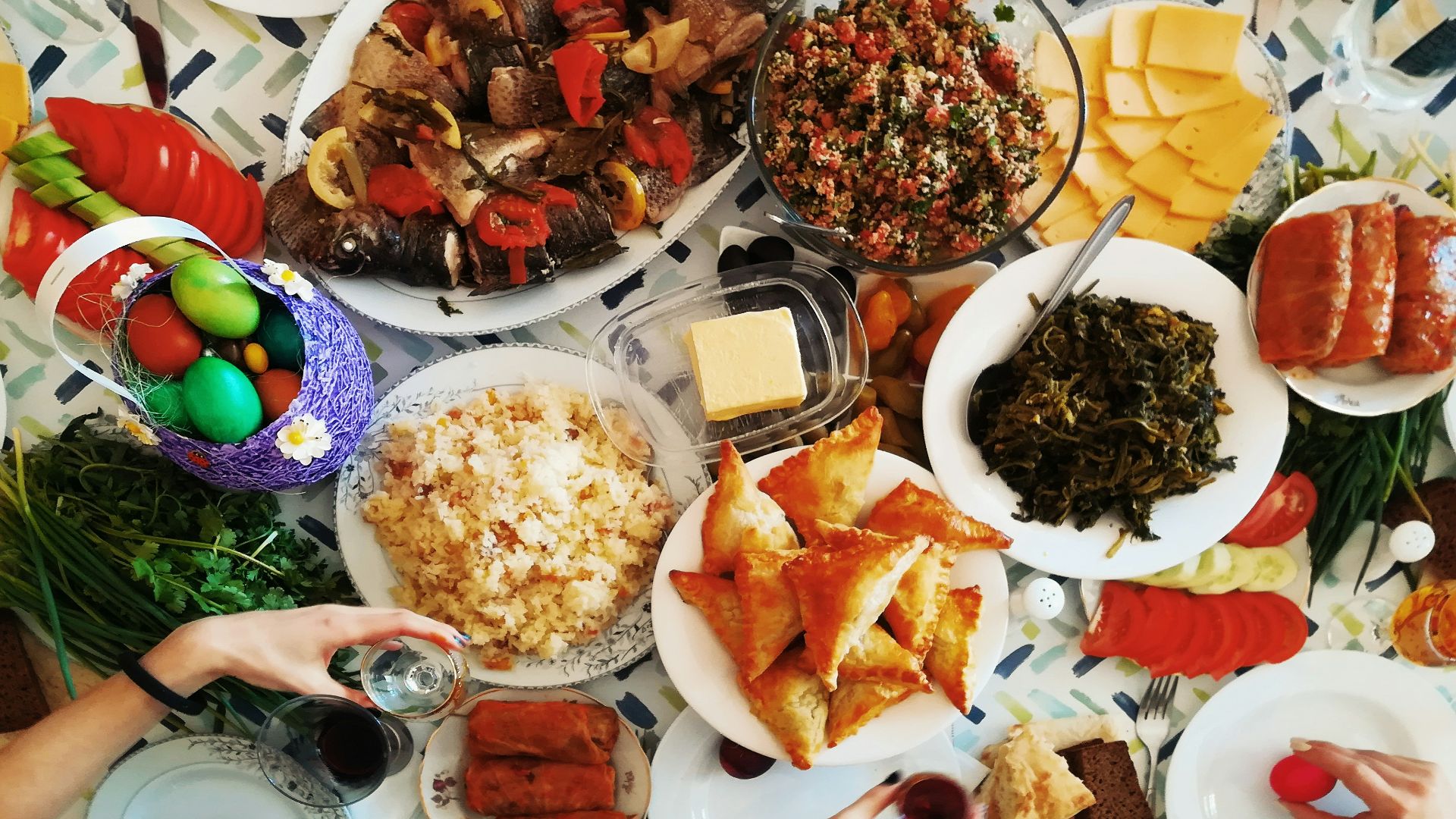
Uyghur food comes from the Xinjiang region of China, and it leans on hand-pulled noodles, lamb, and cumin in a way that doesn't taste like anything else labeled "Chinese." Most cities with a sizable Central Asian population have at least one spot, even if it's easy to walk past.
2. Oaxacan
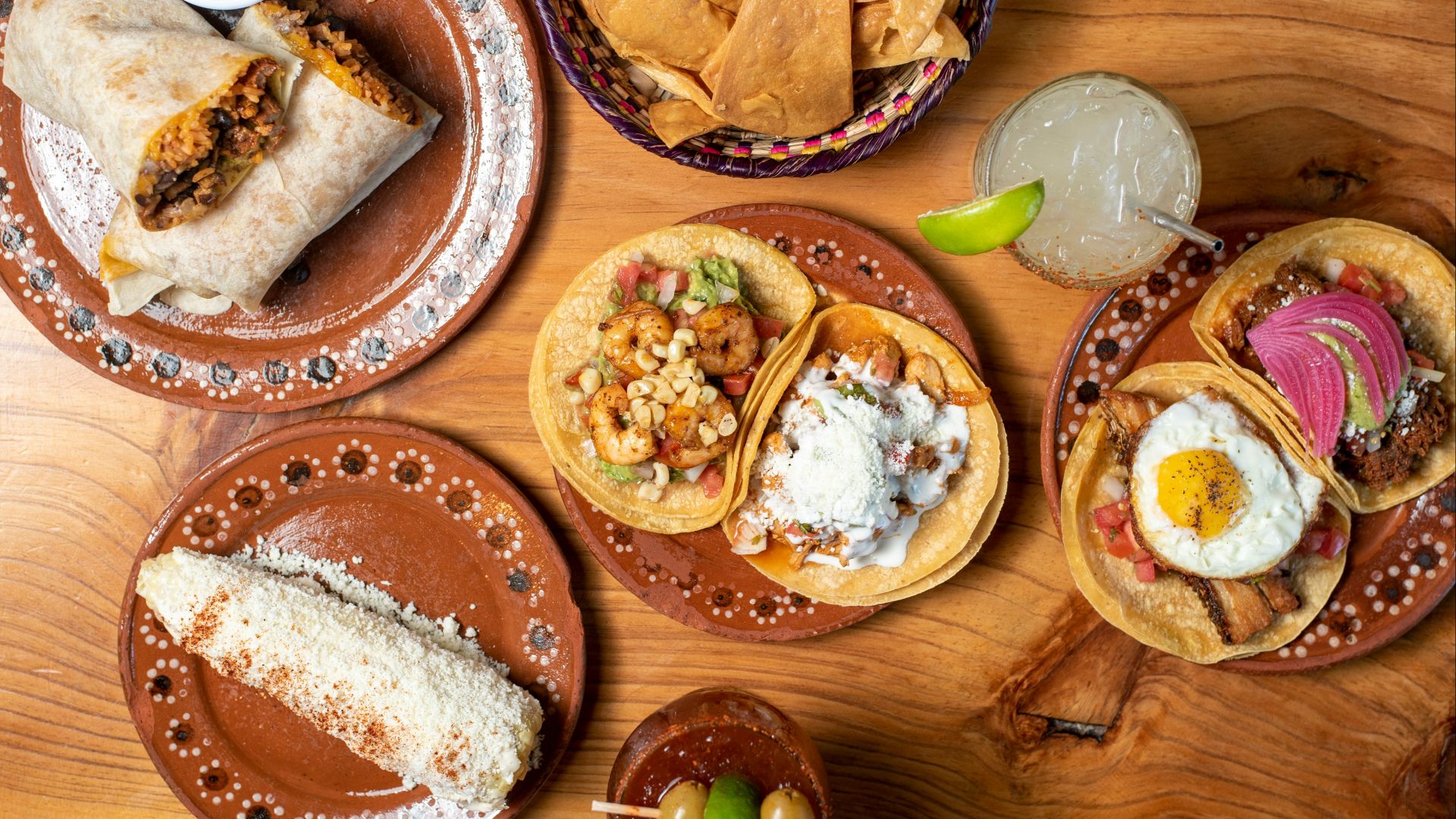
Oaxacan cooking gets lumped into "Mexican food" more than it should, especially once mole enters the picture as a whole family of sauces rather than one. Tlayudas, the giant crispy tortillas piled with beans and cheese, are basically the region's answer to pizza.
3. Basque
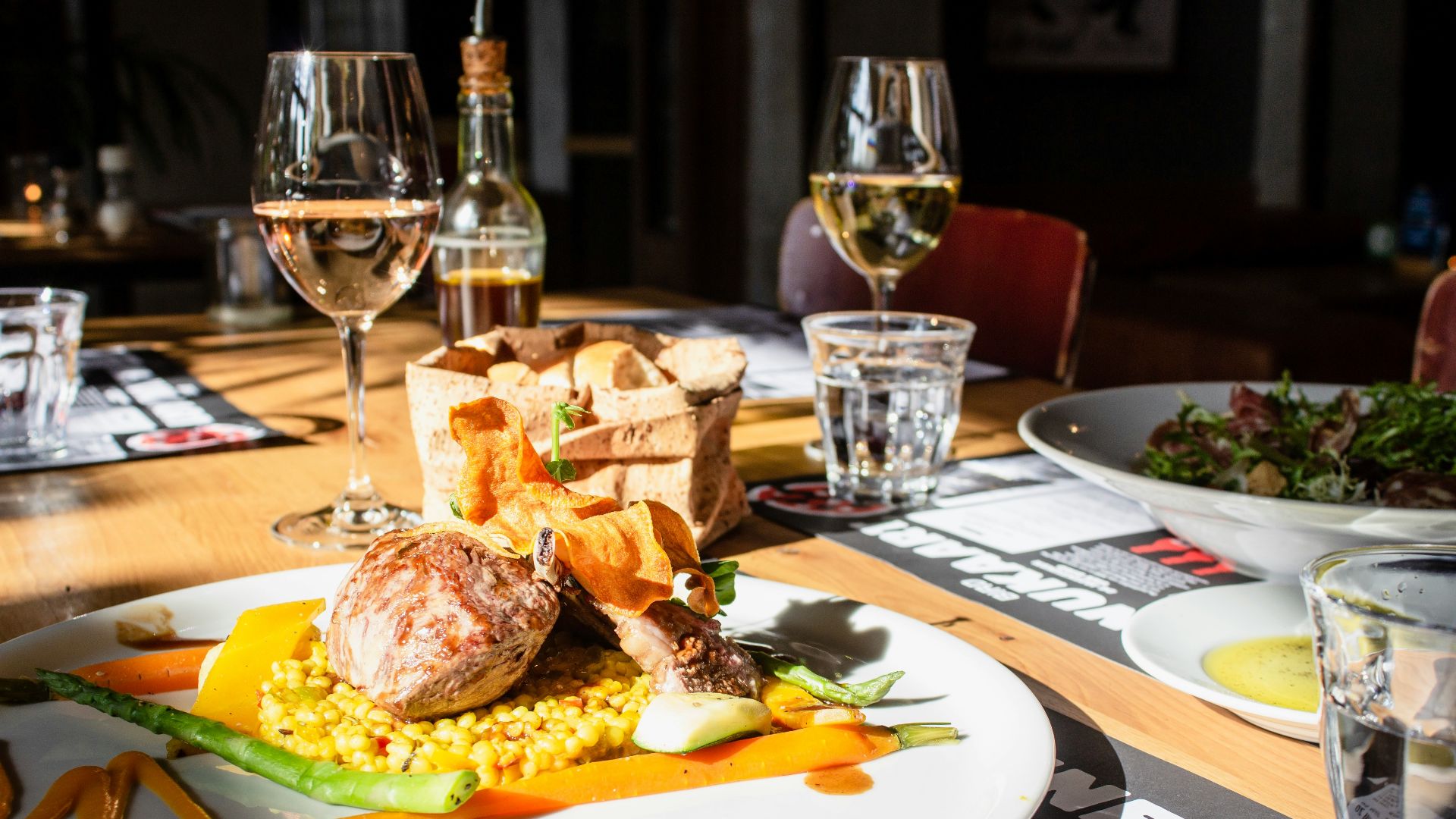
Basque food sits in that strange pocket between Spain and France without belonging fully to either, and restaurants built around it show up in unexpected places, including old sheepherding towns in the American West. Boise, of all places, has one of the more established Basque restaurant scenes in the country.
4. Hakka Chinese
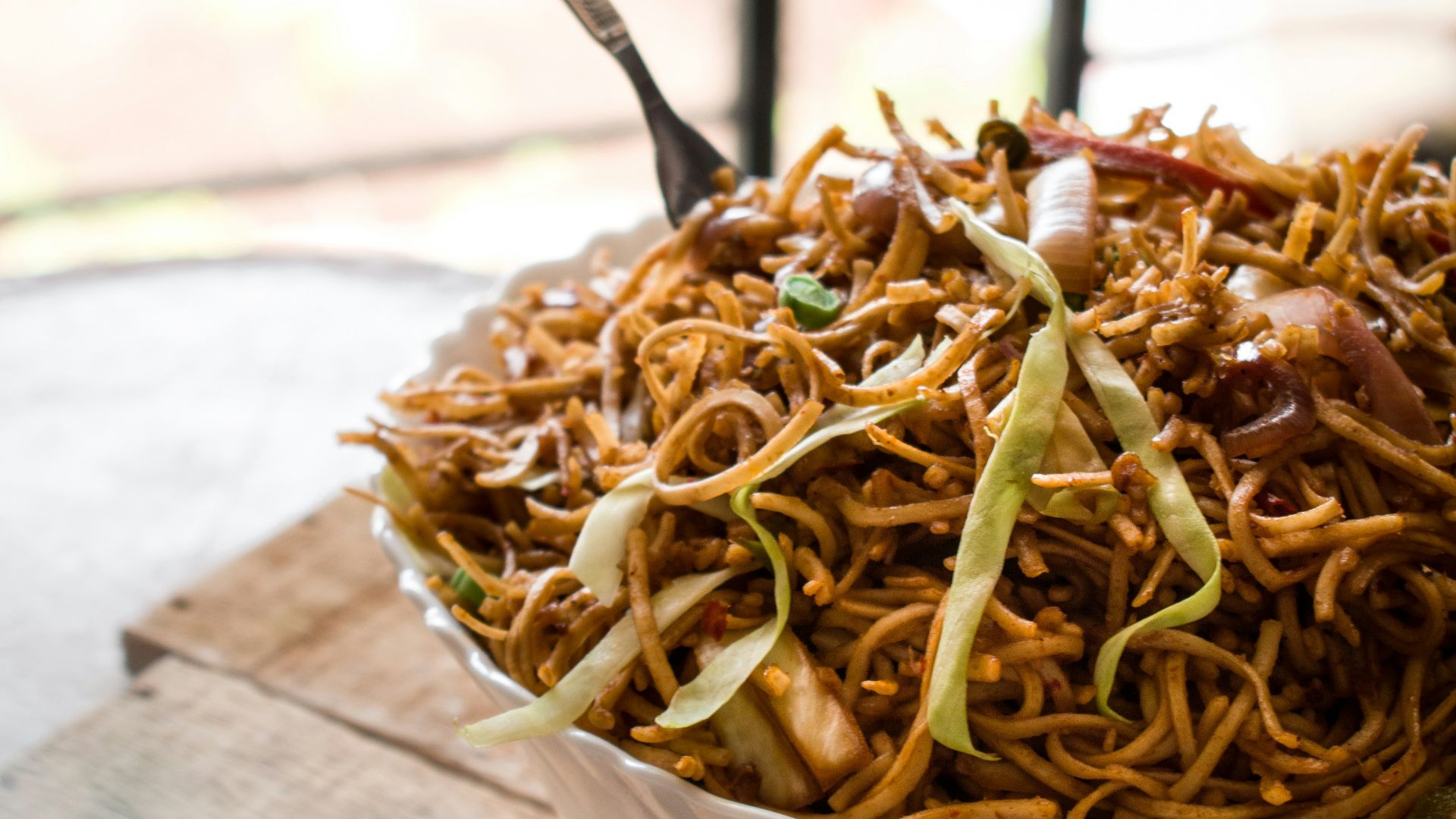
Hakka cuisine comes from a Chinese ethnic group that migrated across the country for centuries, picking up techniques wherever they settled, and the food leans salty and preserved as a result. Dishes like stuffed tofu and salt-baked chicken show up again and again, often quietly outperforming their fancier neighbors.
5. Nikkei
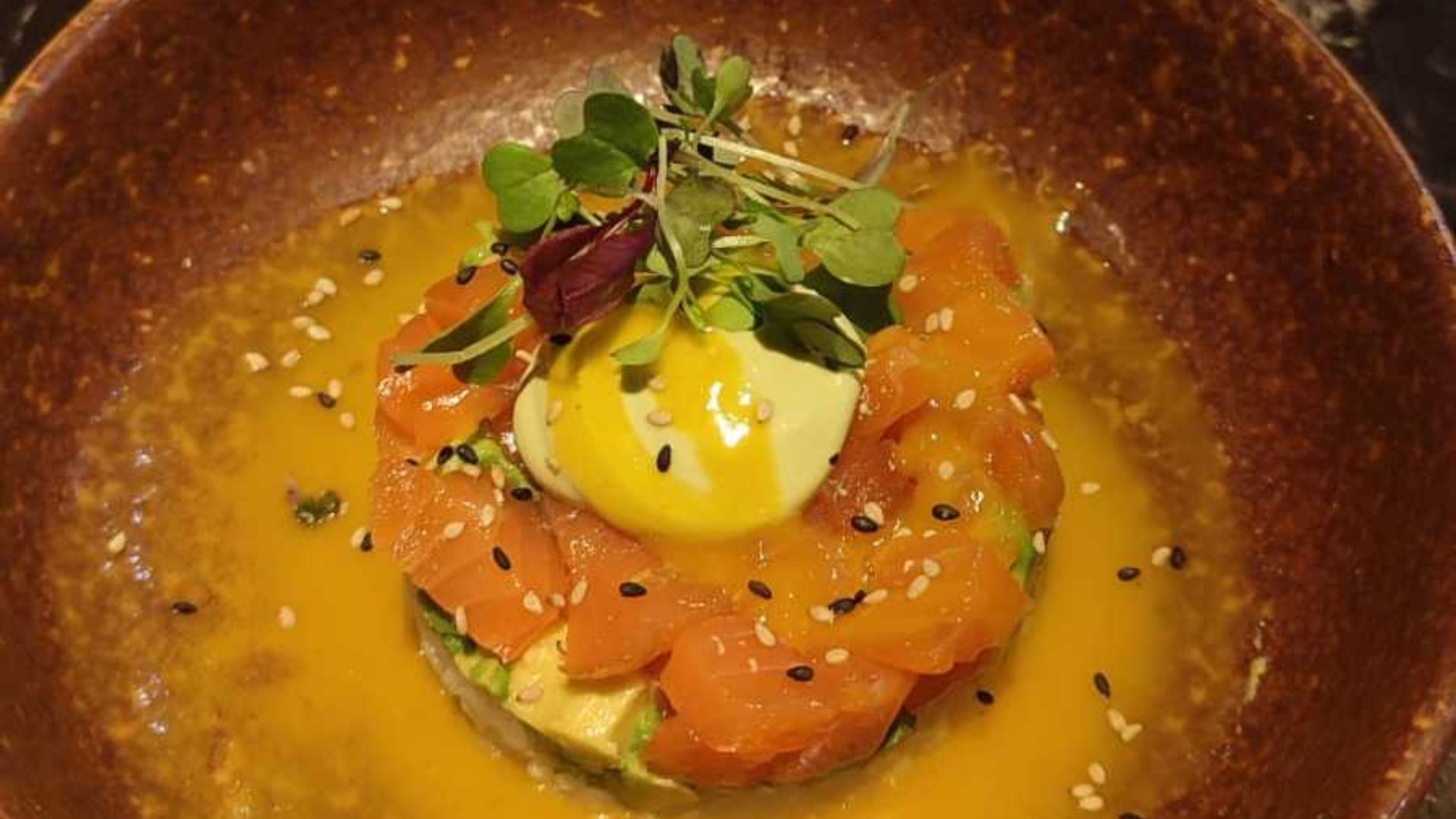
Nikkei cooking is what happened when Japanese immigrants settled in Peru generations ago and started blending both pantries without meaning to invent a new cuisine. Ceviche shows up with soy sauce and ginger worked into it, and a few ambitious restaurants in the U.S. have started carrying the torch.
6. Gullah Geechee
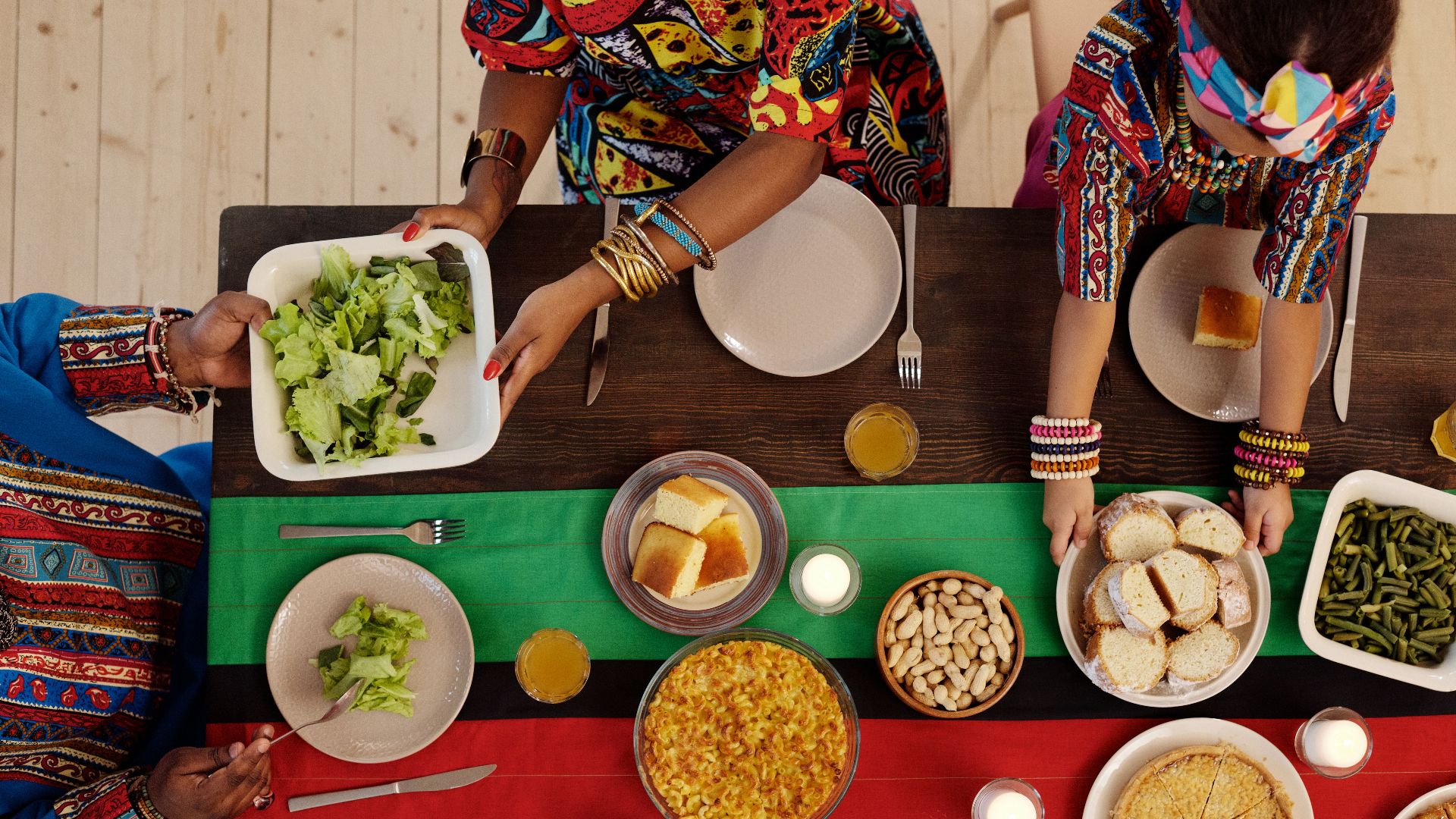
Gullah Geechee food comes out of the coastal communities of the American Southeast, built by descendants of enslaved West Africans who held onto their own language and cooking traditions along the Sea Islands. Rice sits at the center of almost everything, and a small but growing number of restaurants are finally getting credit for it.
7. Yunnan
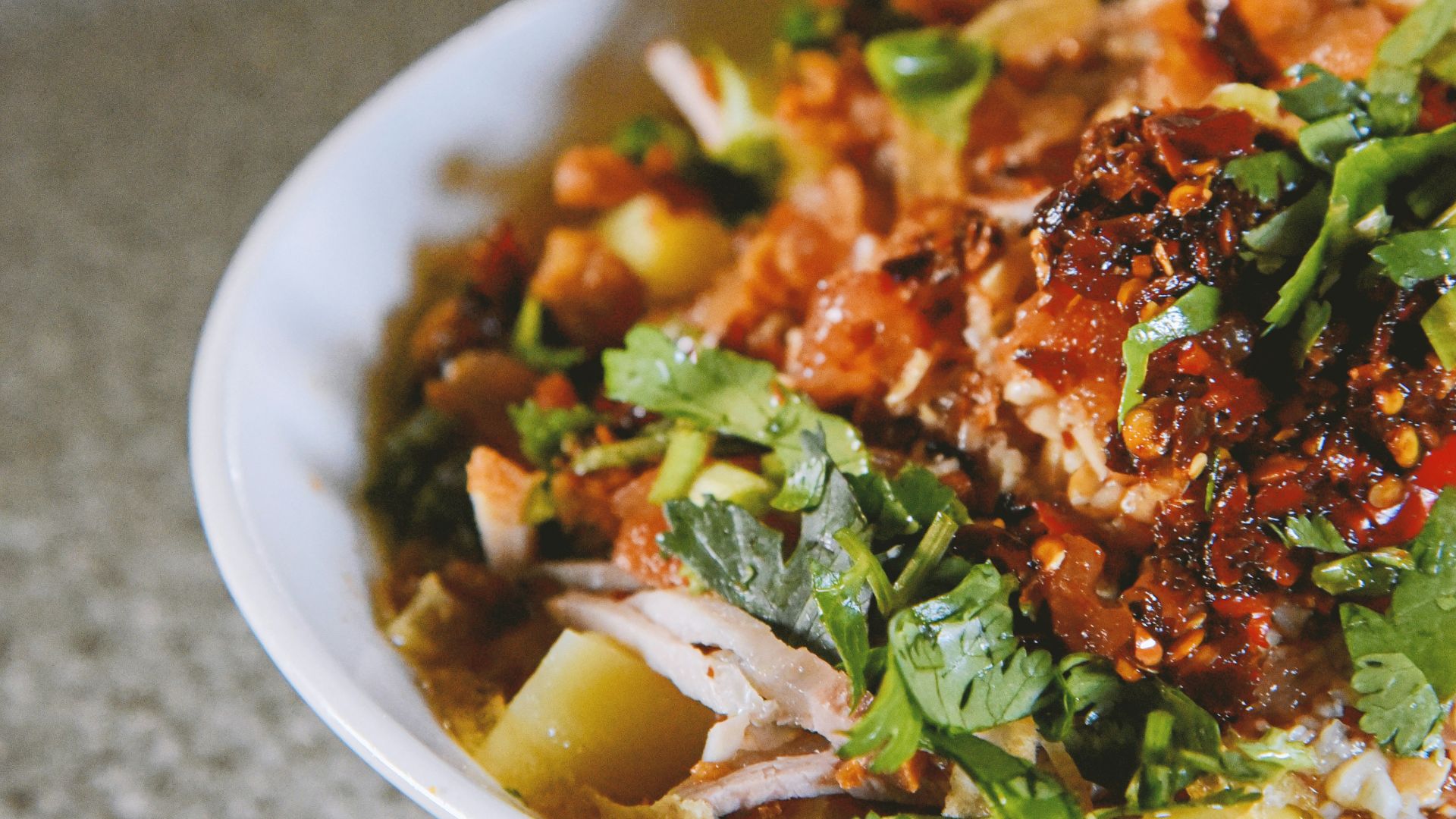
Yunnan sits in southwestern China, bordering Vietnam, Laos, and Myanmar, and the food picks up flavors from all three without losing its own identity. Mushrooms show up constantly, since the region is famous for foraging, and a few dedicated Yunnan restaurants have opened in bigger American cities.
8. Eritrean
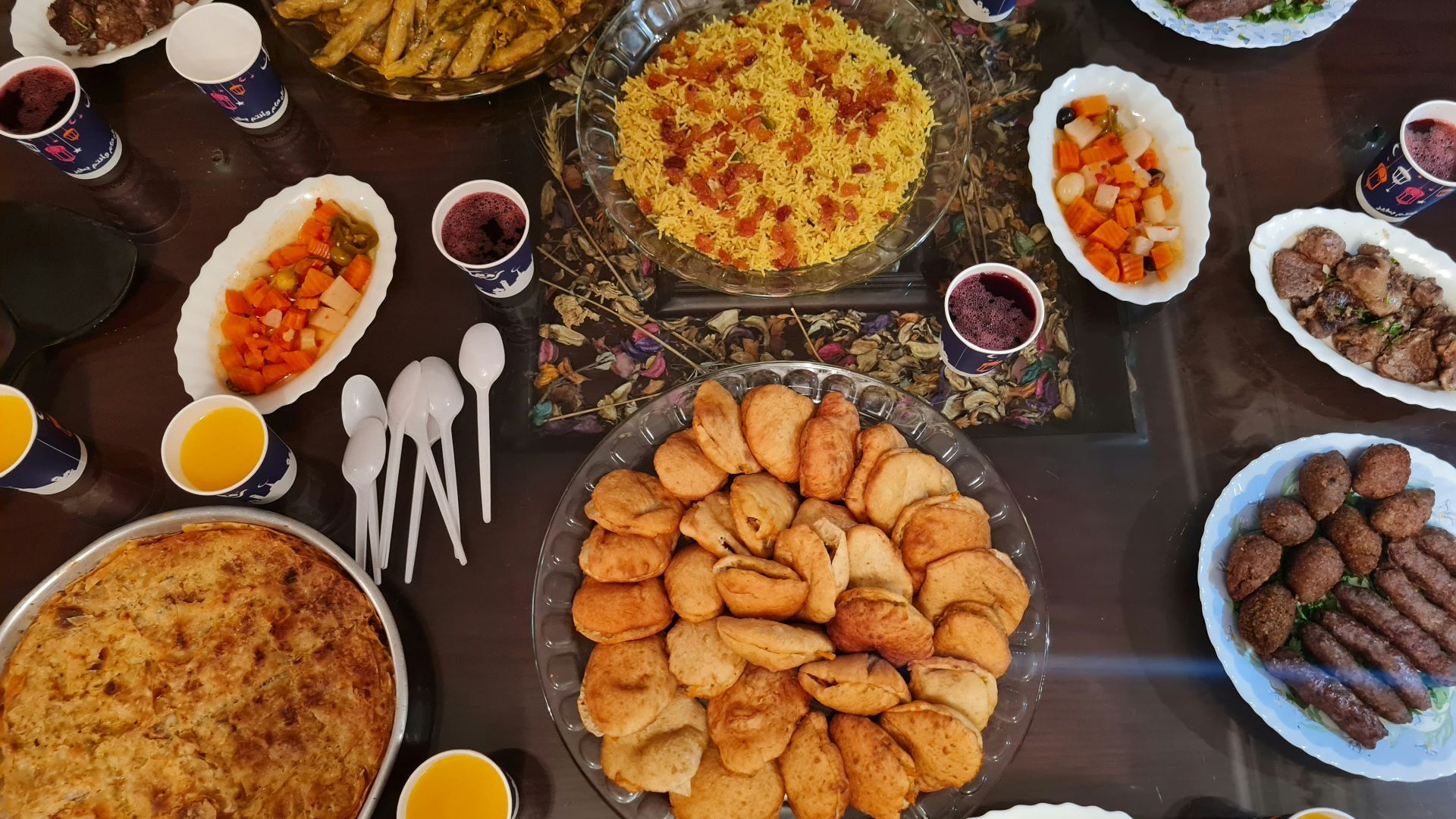
Eritrean food gets mistaken for Ethiopian constantly, and the two do share injera, but the flavors diverge more than people expect once berbere spice gets involved. Restaurants tend to be family-owned, often the only Eritrean spot in an entire city.
9. Kashmiri
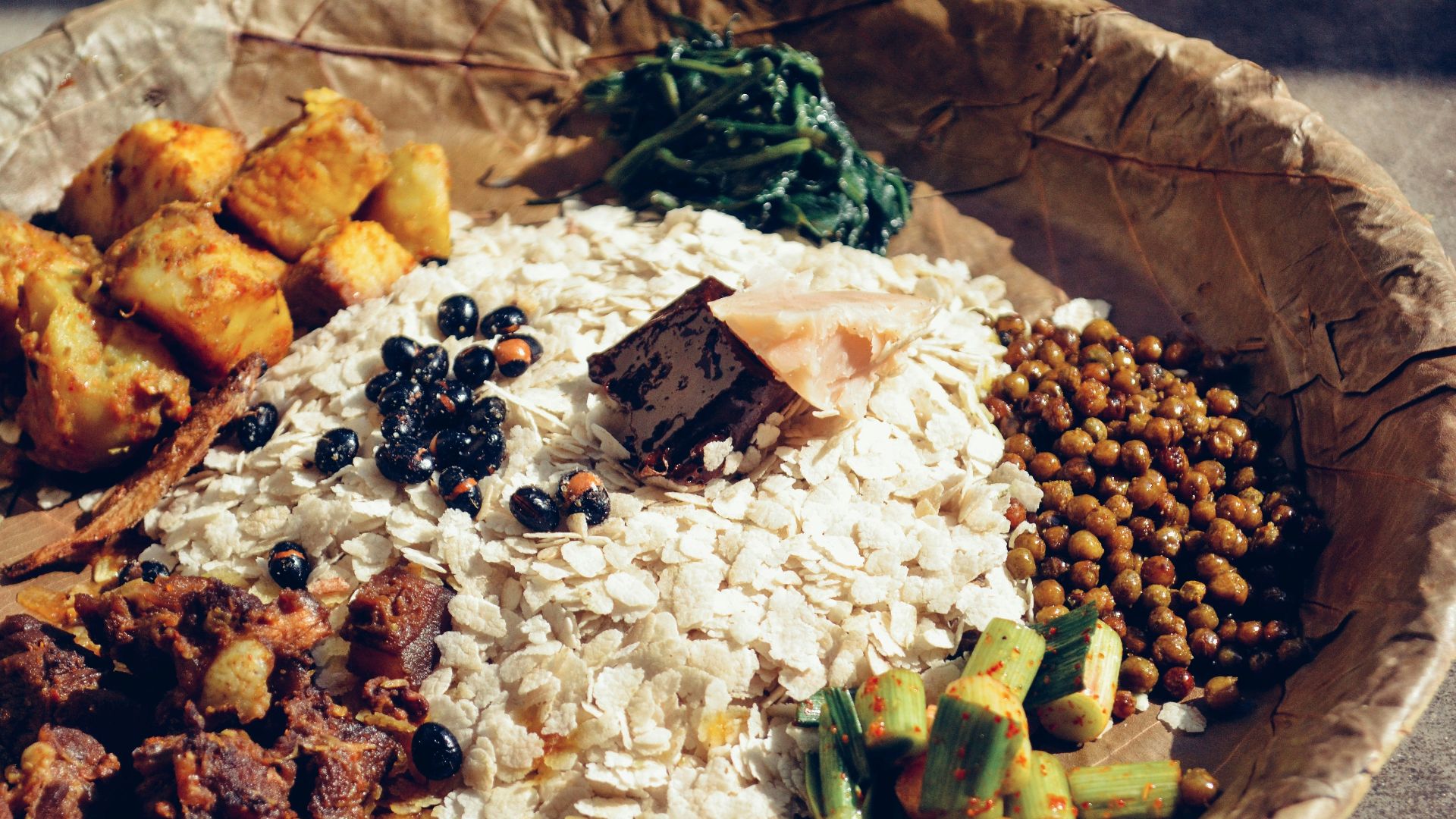
Kashmiri cooking comes out of the mountainous north of India, and it reads differently from the Indian food most restaurants serve, with less reliance on tomatoes and more on yogurt and dried fruit. Dedicated Kashmiri restaurants are rare enough that finding one usually means someone specifically wanted a place to eat like home.
10. Chettinad
Chettinad food comes from a small region in Tamil Nadu, South India, and it's known for being aggressively spiced in a way that can catch newcomers off guard. A restaurant serving actual Chettinad food, rather than a general South Indian menu, tends to announce it proudly.
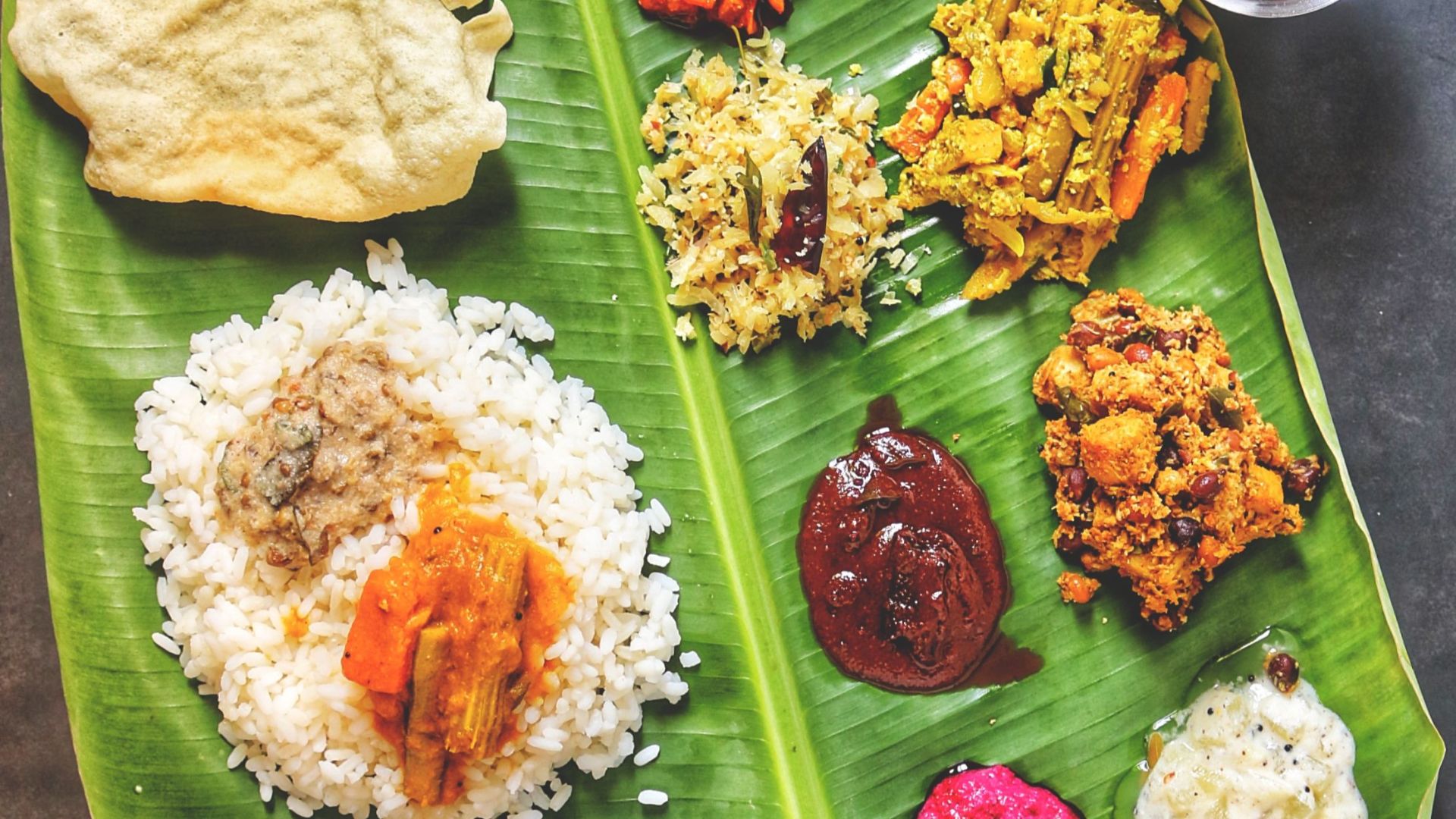
11. Georgian
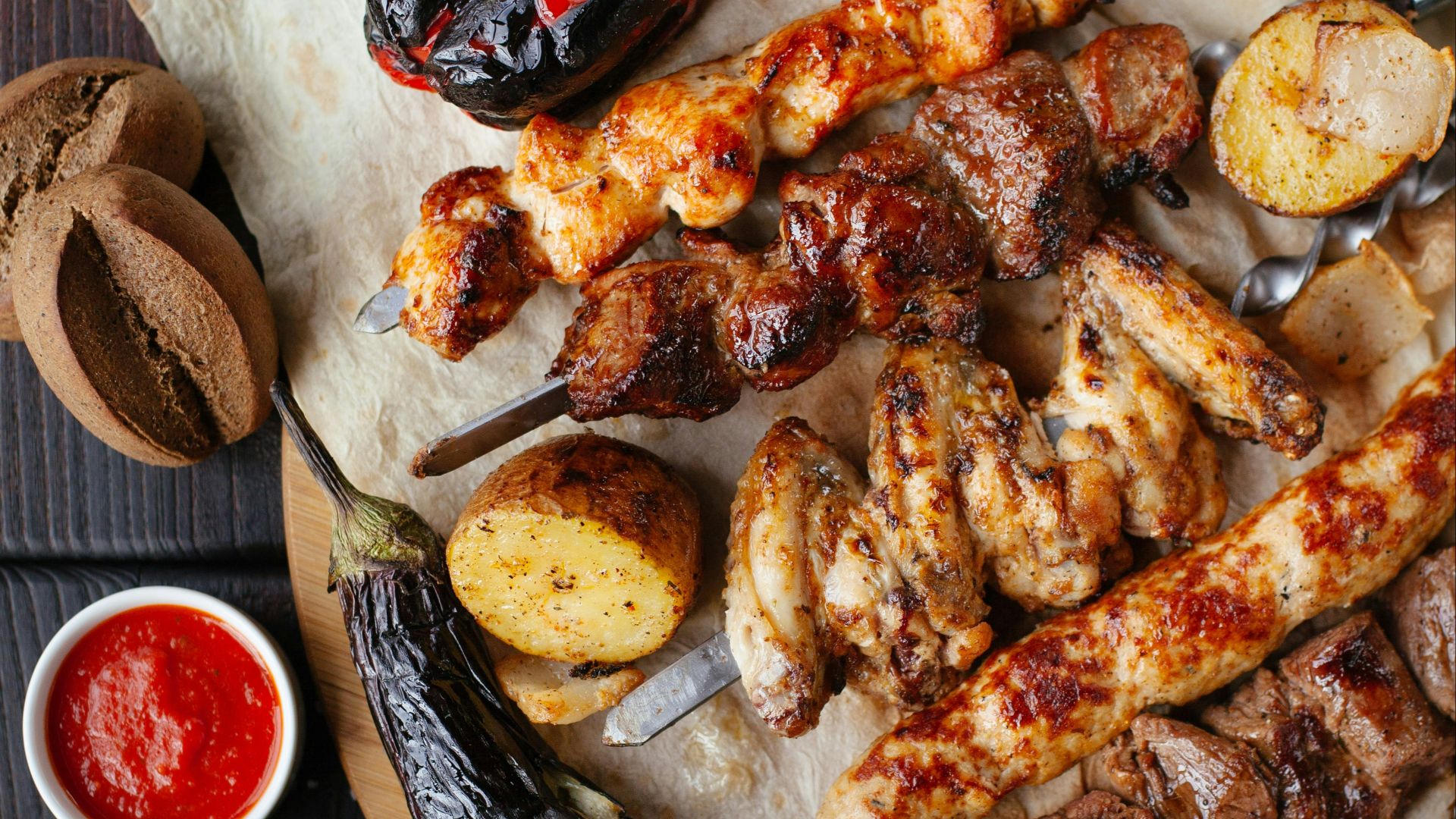
Georgian food, from the country wedged between Europe and Asia, doesn't get nearly the attention it deserves. Khachapuri, a cheese-filled bread topped with a raw egg, and khinkali, giant soup dumplings meant to be eaten by hand, are usually enough to build a loyal following fast.
12. Sicilian
Sicilian food gets folded into "Italian" so often that people forget it has its own identity, shaped by centuries of Arab, Greek, and Spanish influence. A genuine Sicilian restaurant will usually make a point of separating itself from the red-sauce spots down the block.
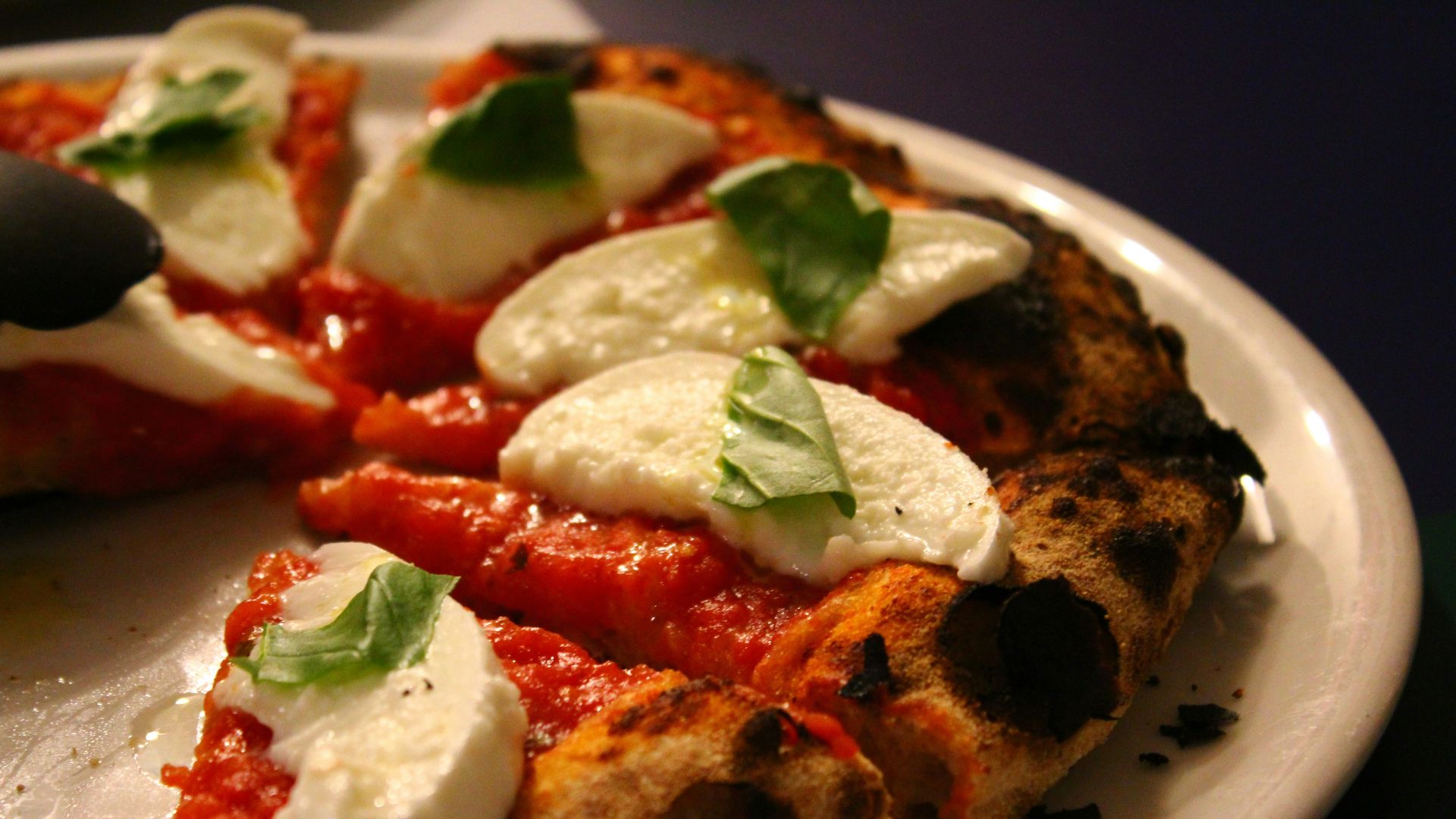 Roberto Vincenzo Minasi on Unsplash
13. Peranakan
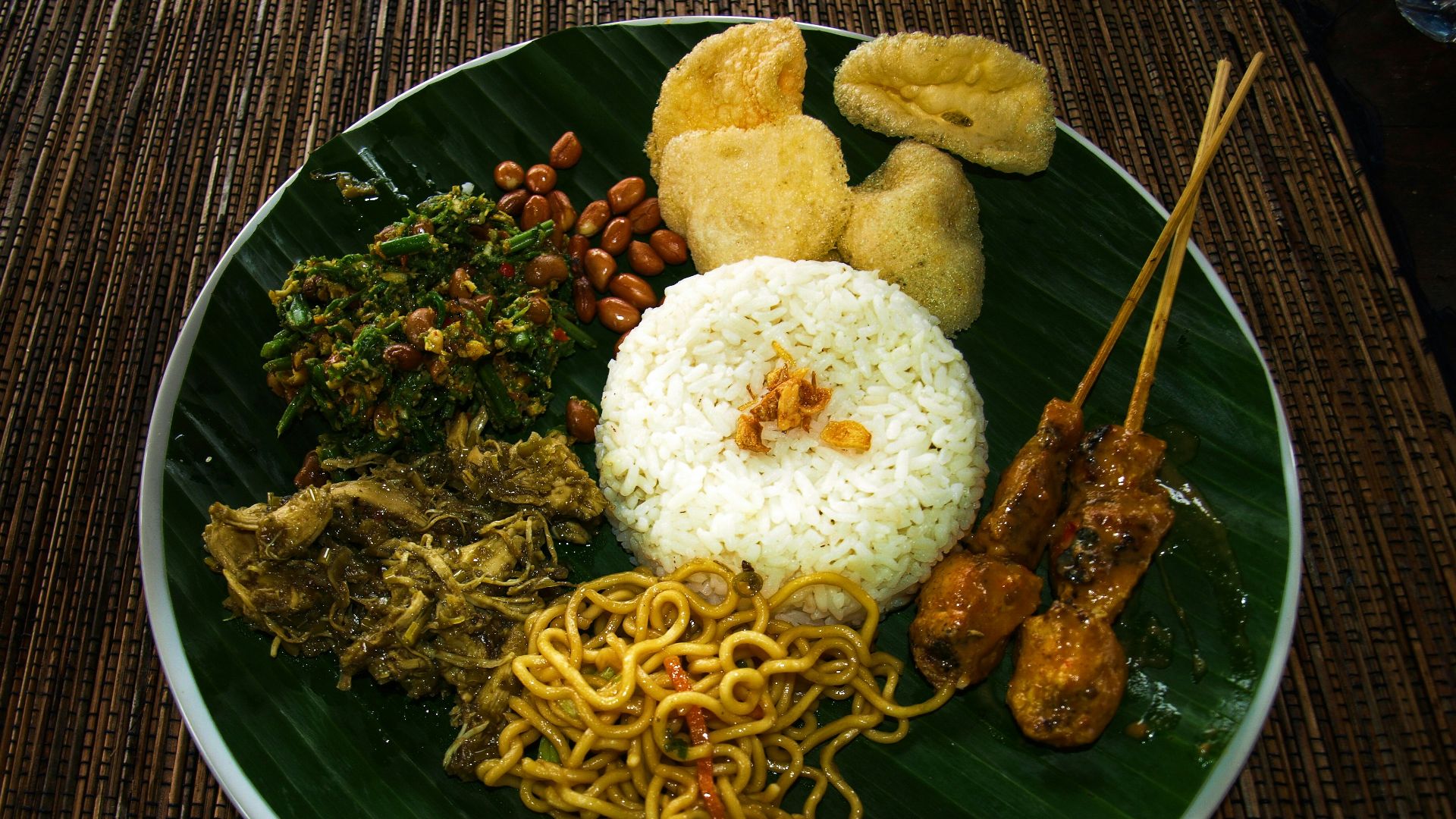
Peranakan, sometimes called Nyonya, cooking comes from the descendants of Chinese immigrants who settled in Malaysia and Singapore and married into local Malay communities. The blend shows up most famously in laksa, a coconut curry noodle soup, and restaurants built around it are still rare enough outside Southeast Asia to feel like a discovery.
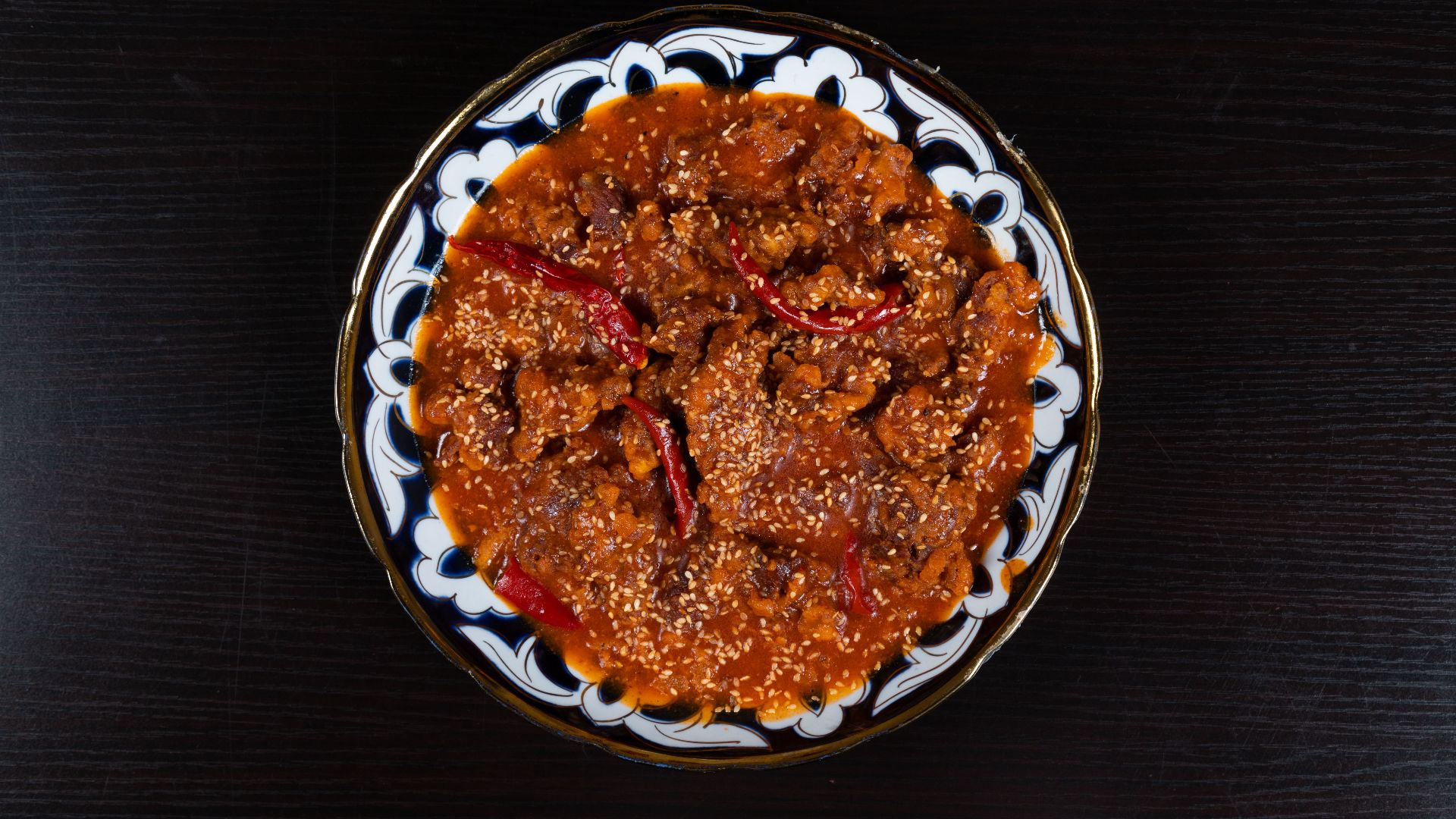
14. Uzbek
Uzbek food centers around plov, a rice pilaf loaded with lamb, carrots, and onions cooked in a massive cauldron called a kazan. Uzbek restaurants tend to cluster in cities with established Central Asian communities, and they're often more casual than the food itself suggests.
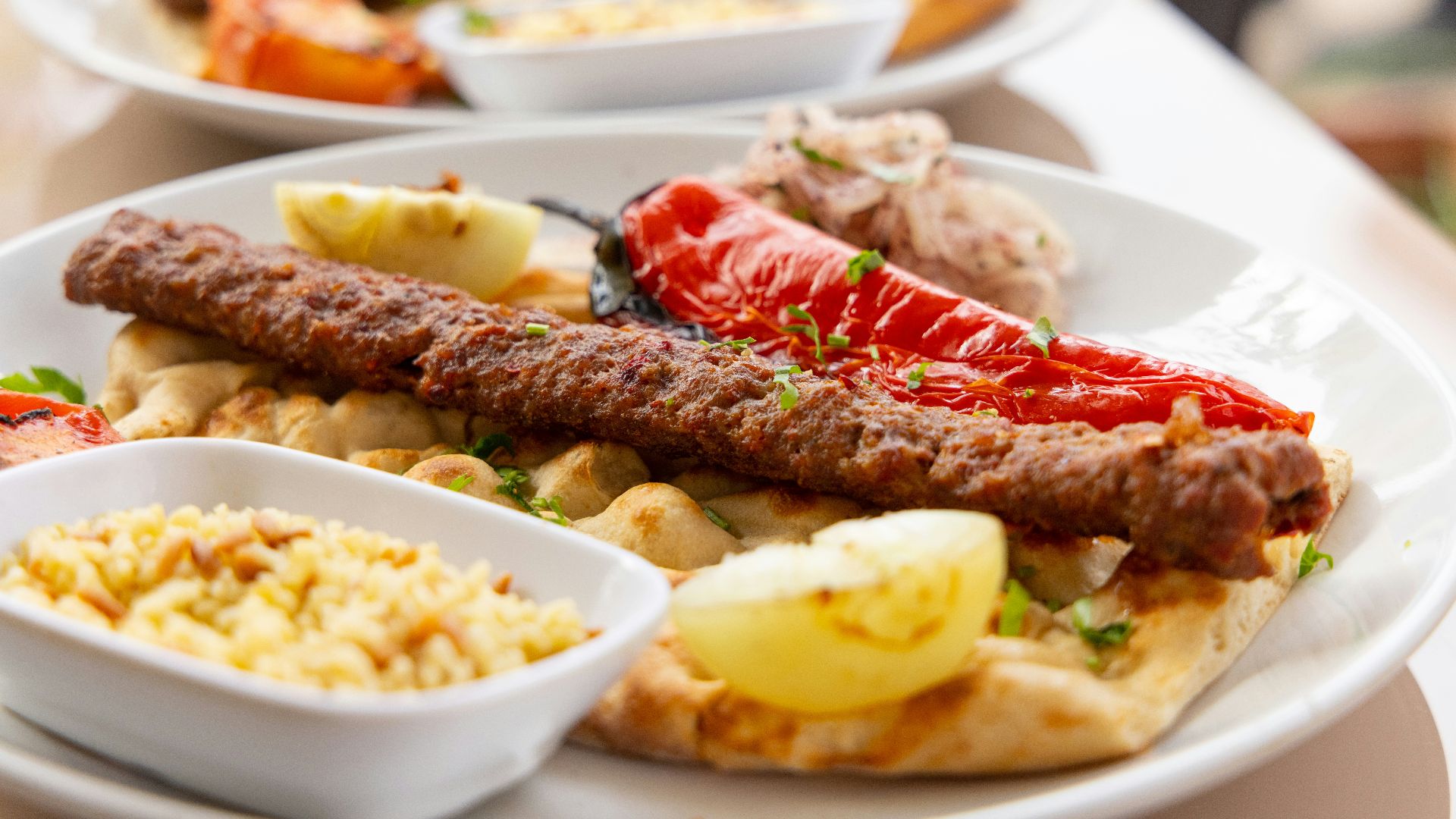
15. Sardinian
Sardinian cooking has its own identity separate from the rest of Italy, shaped by the island's isolation and its long history of shepherding rather than farming. Restaurants built specifically around it are rare even within Italy, which makes finding one abroad feel almost accidental.
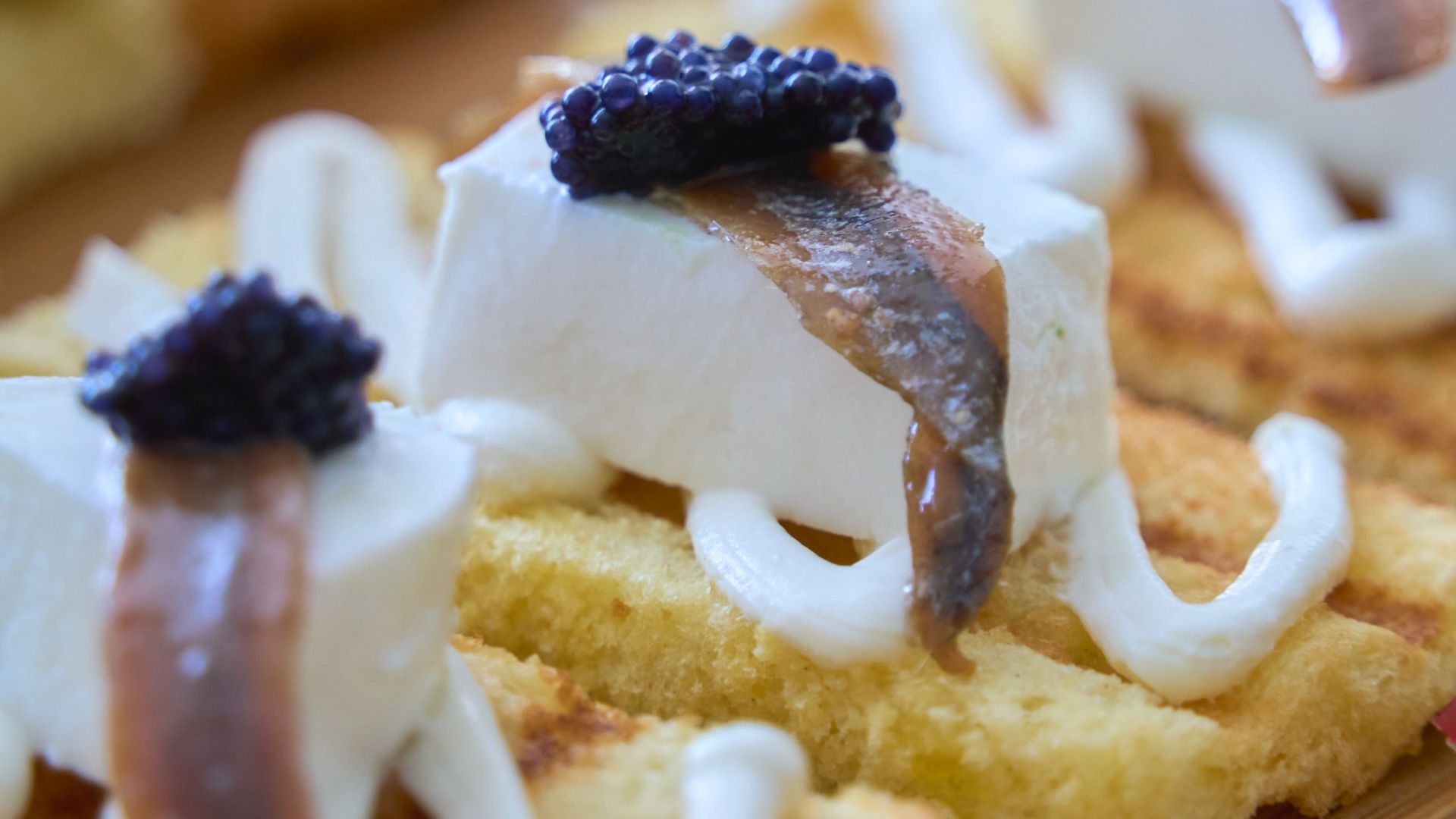 Mike Art 🎥 Visual Creator | Photography and Video 📸 on Pexels
16. Yucatecan
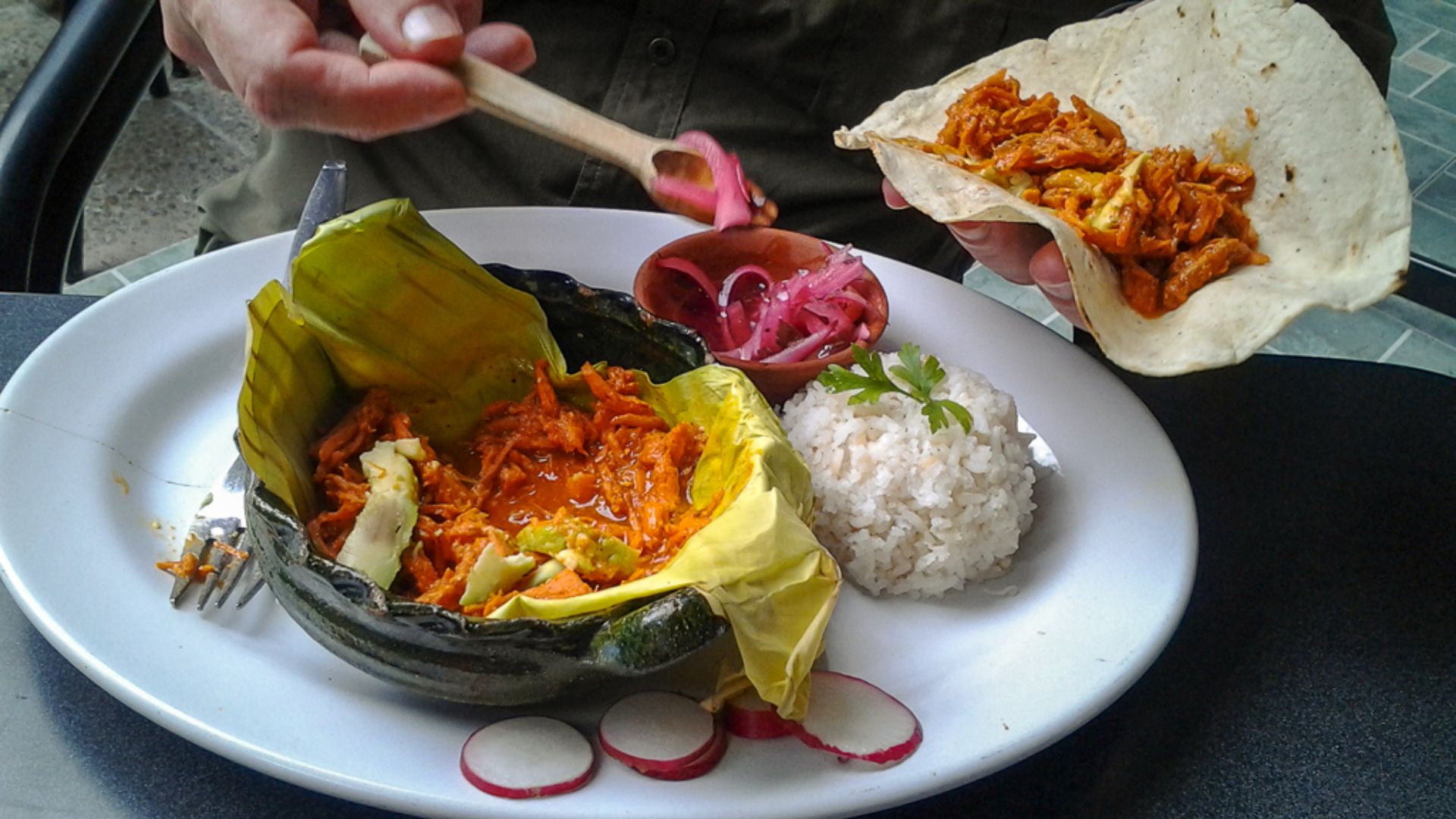
Yucatecan food comes from Mexico's southeastern peninsula, and it leans on Mayan technique more than the Mexican food most people already know. Cochinita pibil, pork marinated in achiote and sour orange, then slow-roasted in banana leaves, is the dish that tends to convert people immediately.
17. Alsatian
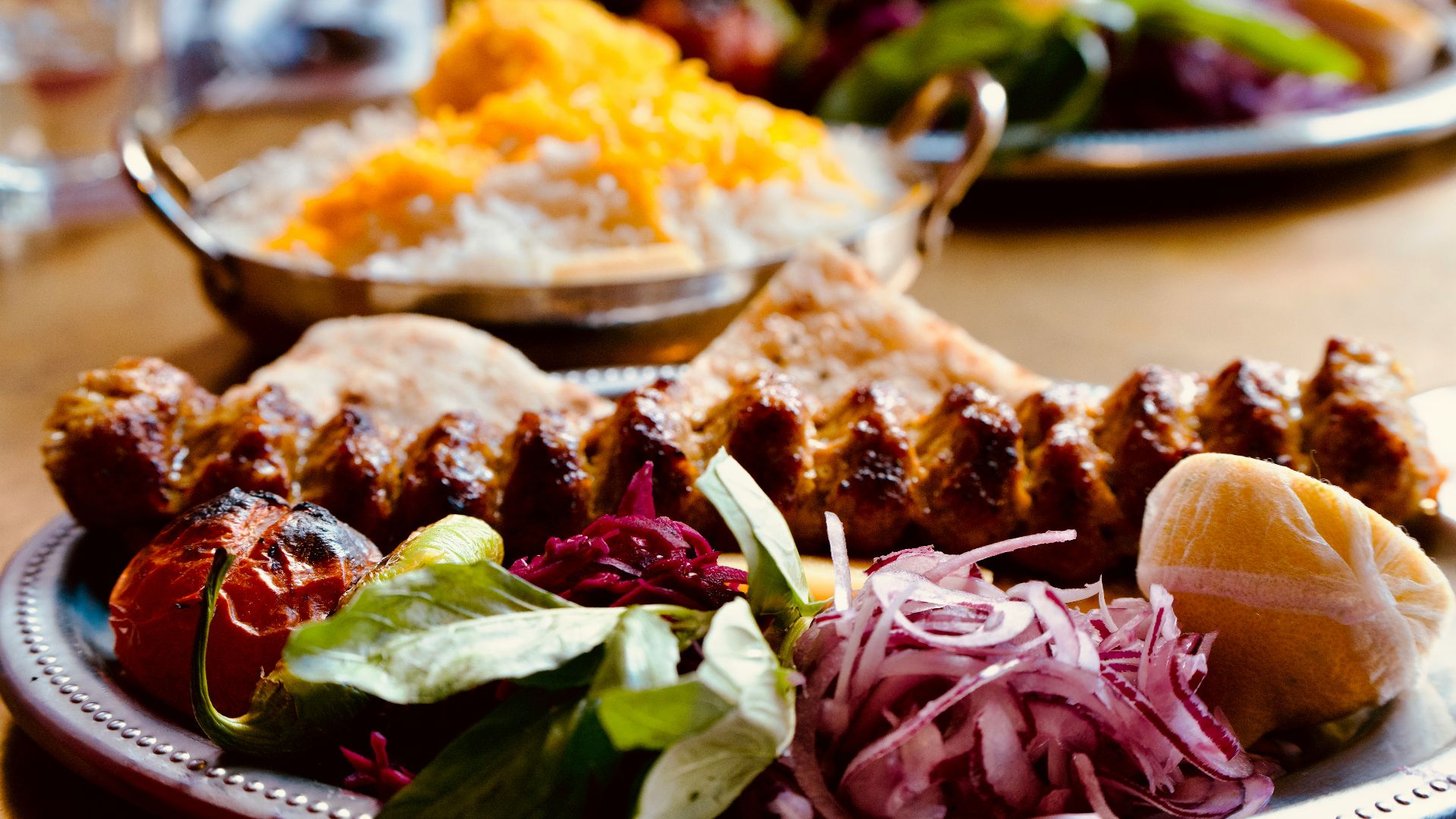
Alsatian food comes from the border region between France and Germany, splitting the difference between both in a way that confuses people expecting straightforward French cuisine. Choucroute garnie, a mountain of sauerkraut piled with several kinds of sausage, is the dish most associated with the region.
18. Trinidadian
Trinidadian food blends Indian, African, and Creole influences into something that doesn't taste quite like any of its parts on their own. Doubles, a curried chickpea sandwich served on fried flatbread, is the street food most people fall for first.
19. Sri Lankan
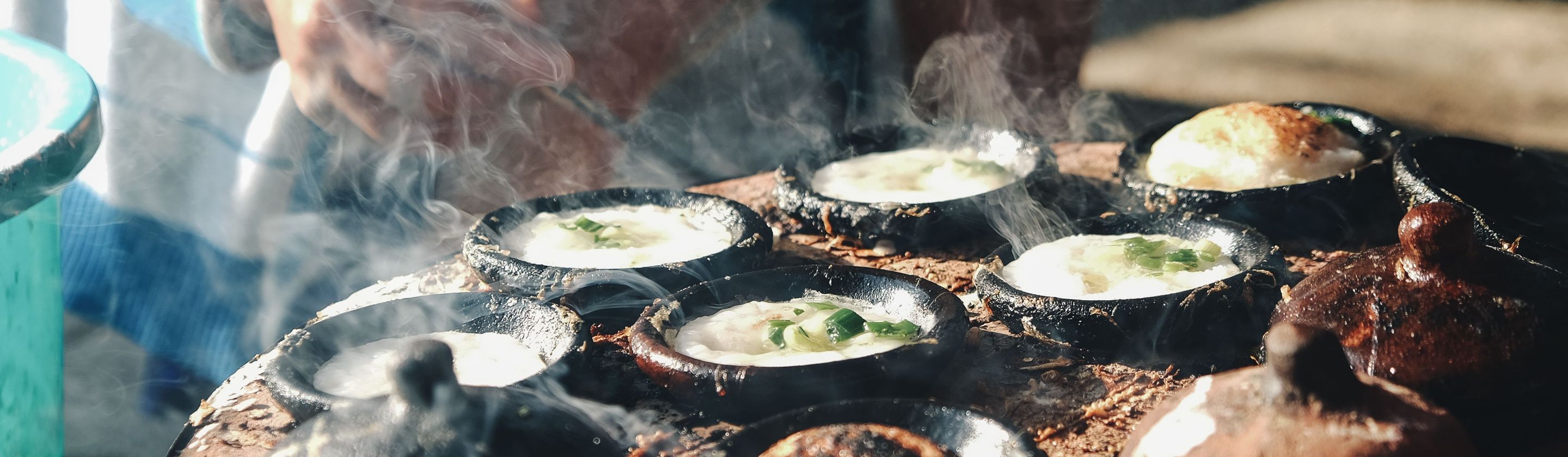
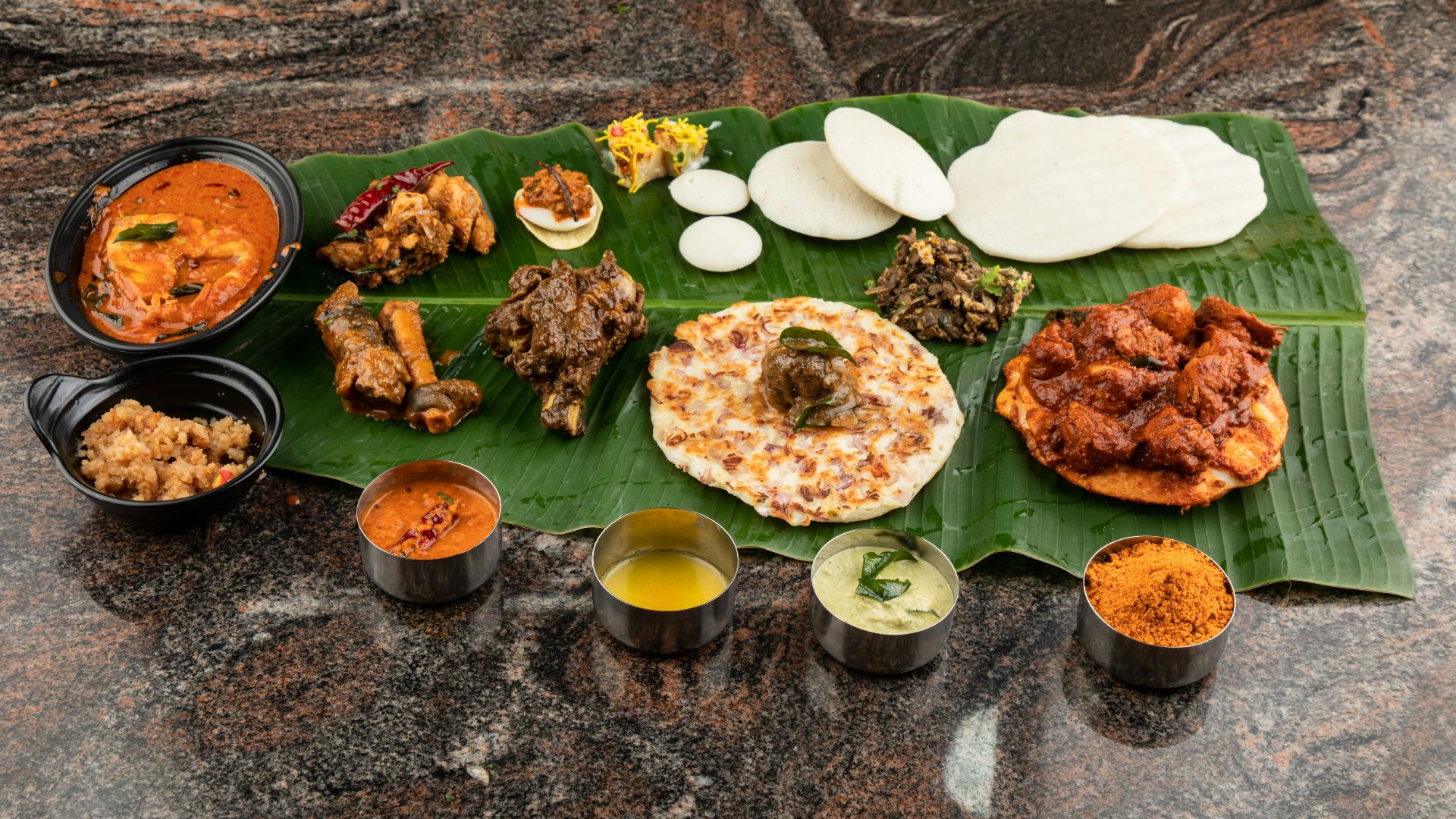
Sri Lankan cooking shares some DNA with South Indian food but goes its own direction fast, especially once coconut and curry leaves enter the picture. Hoppers, bowl-shaped fermented rice pancakes with a crispy edge, often get served with an egg cracked into the middle, and regulars tend to guard their favorite spot.
20. Hmong
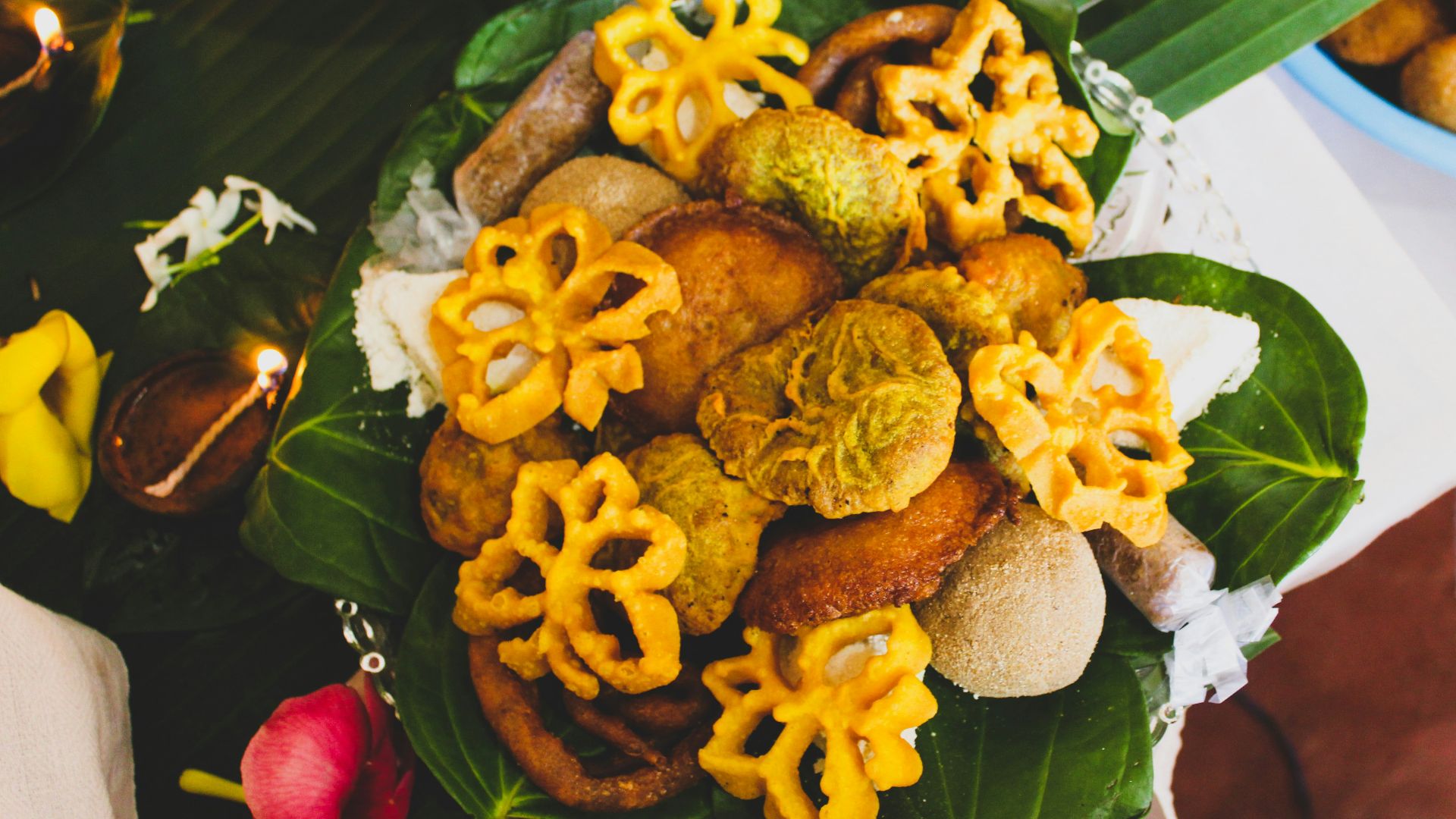
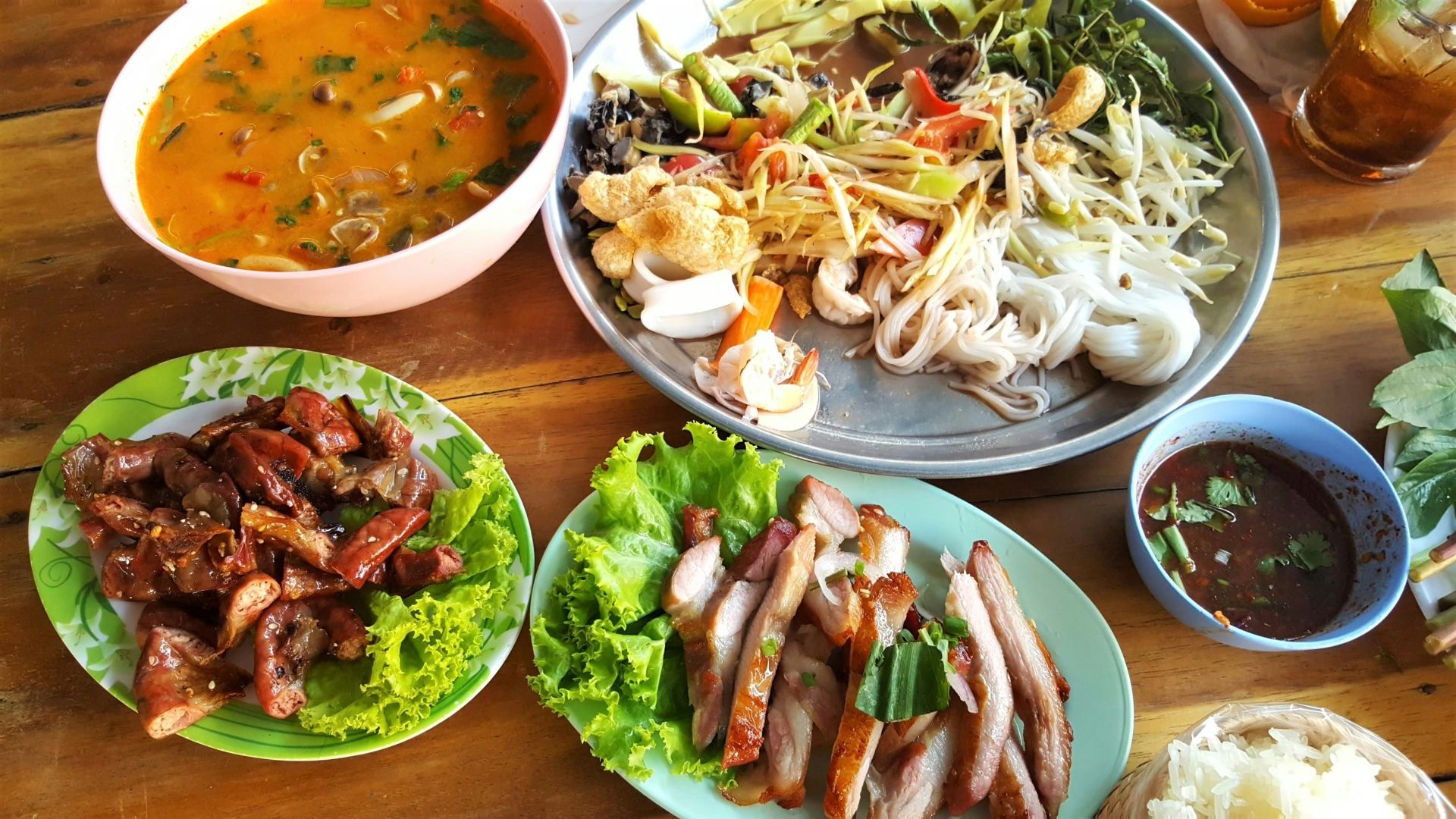
Hmong food comes from an ethnic group with roots across Laos, Vietnam, and southern China, and much of it arrived in the U.S. through refugee communities that settled in places like Minnesota. Larb, a minced meat salad loaded with lime and toasted rice powder, tends to be the dish that gets people hooked.
KEEP ON READING
You’re Storing Tomatoes Wrong in This Heat
You’re Storing Potatoes Wrong in This Heat
You’re Storing Peppers Wrong in This Heat
You’re Storing Carrots Wrong in This Heat