Surprise Fees No One Likes on Their Bill
If you've dined out recently, you're likely familiar with how costly it is. It seems like everywhere you go, no matter what you order or what format (eat-in or to-go), you're met with a bill that's higher than you expected. Sure, you get it: supplies and ingredients are expensive. But from takeout container fees to credit card surcharges and everything in between, it feels a little too much. Here are 20 annoying restaurant charges that feel more like daylight robbery than a fair cost of doing business.
1. Takeout Containers
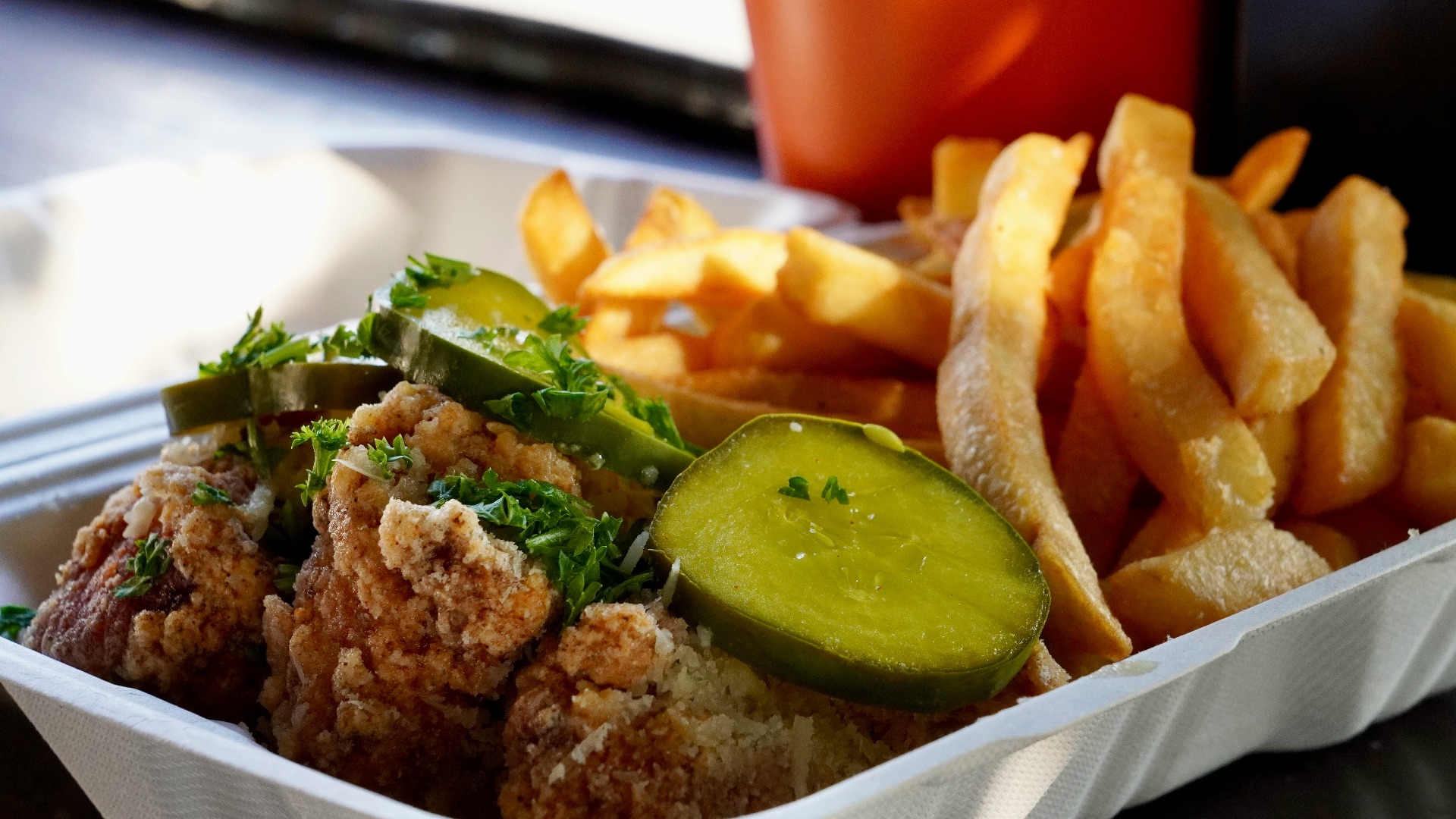
Asking to box up leftovers shouldn't come with a price tag attached to it. Plenty of restaurants now charge anywhere from fifty cents to a couple of dollars just to hand over a container you're using to prevent their own food from going to waste. Since the alternative is throwing away perfectly good food, charging for the box that saves it feels backward.
2. Plastic Utensils
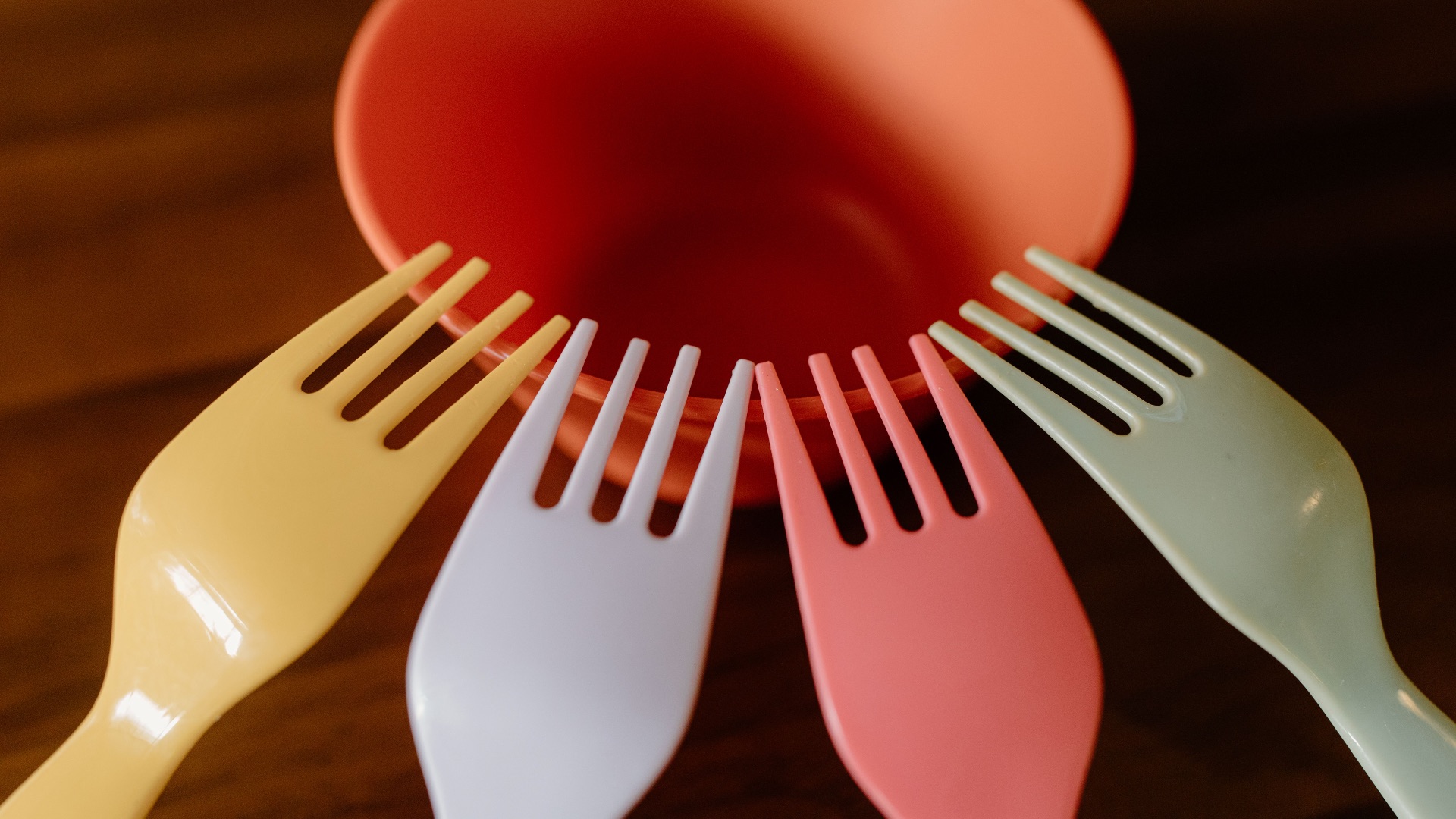
Ordering takeout or delivery sometimes means paying extra just to receive a fork to eat the meal you already purchased. It's a strange add-on considering the utensils cost the restaurant fractions of a cent and are necessary for the food to be edible in the first place. Charging separately for something so basic makes the whole transaction feel needlessly transactional.
3. Extra Sauce
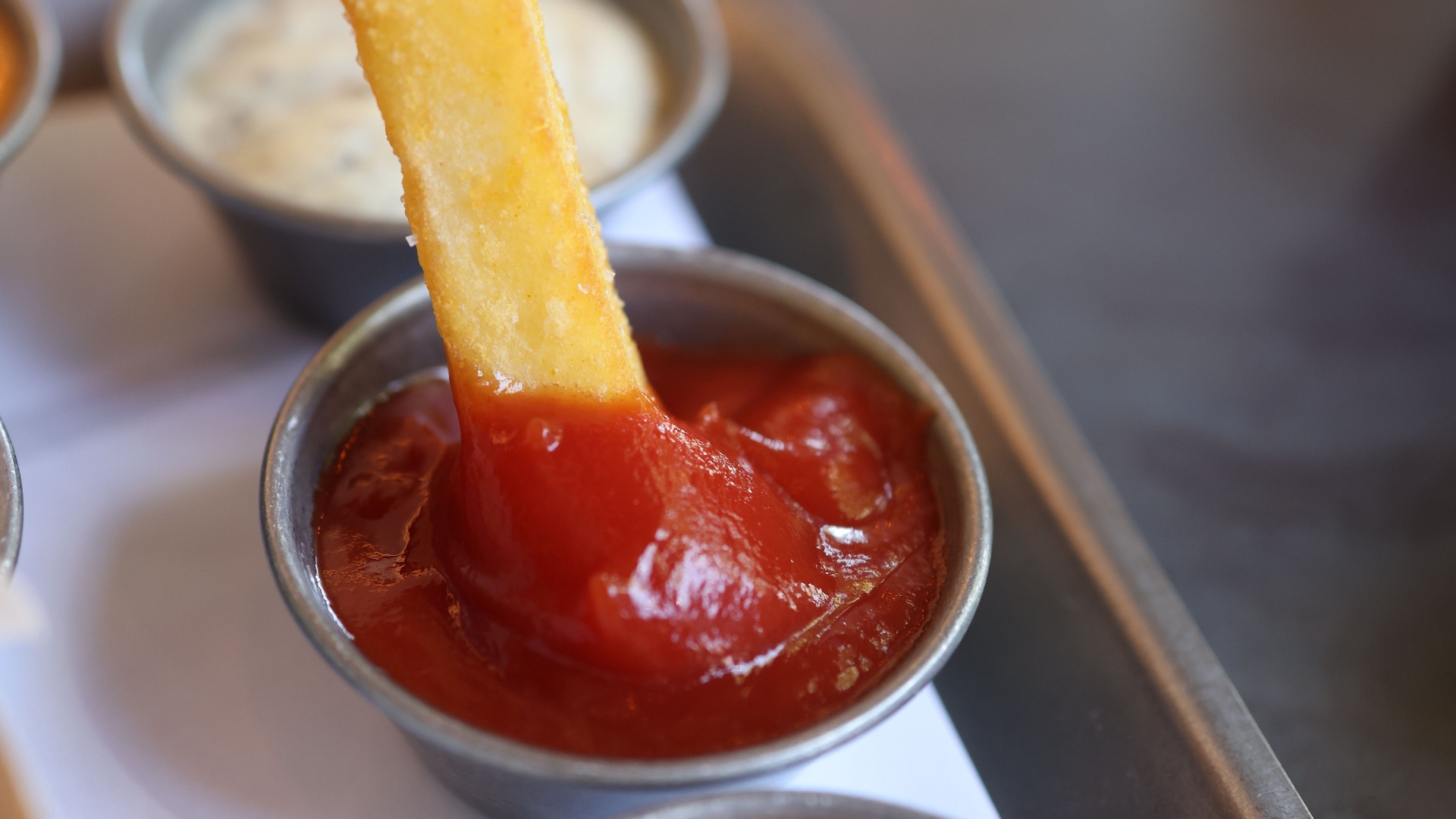
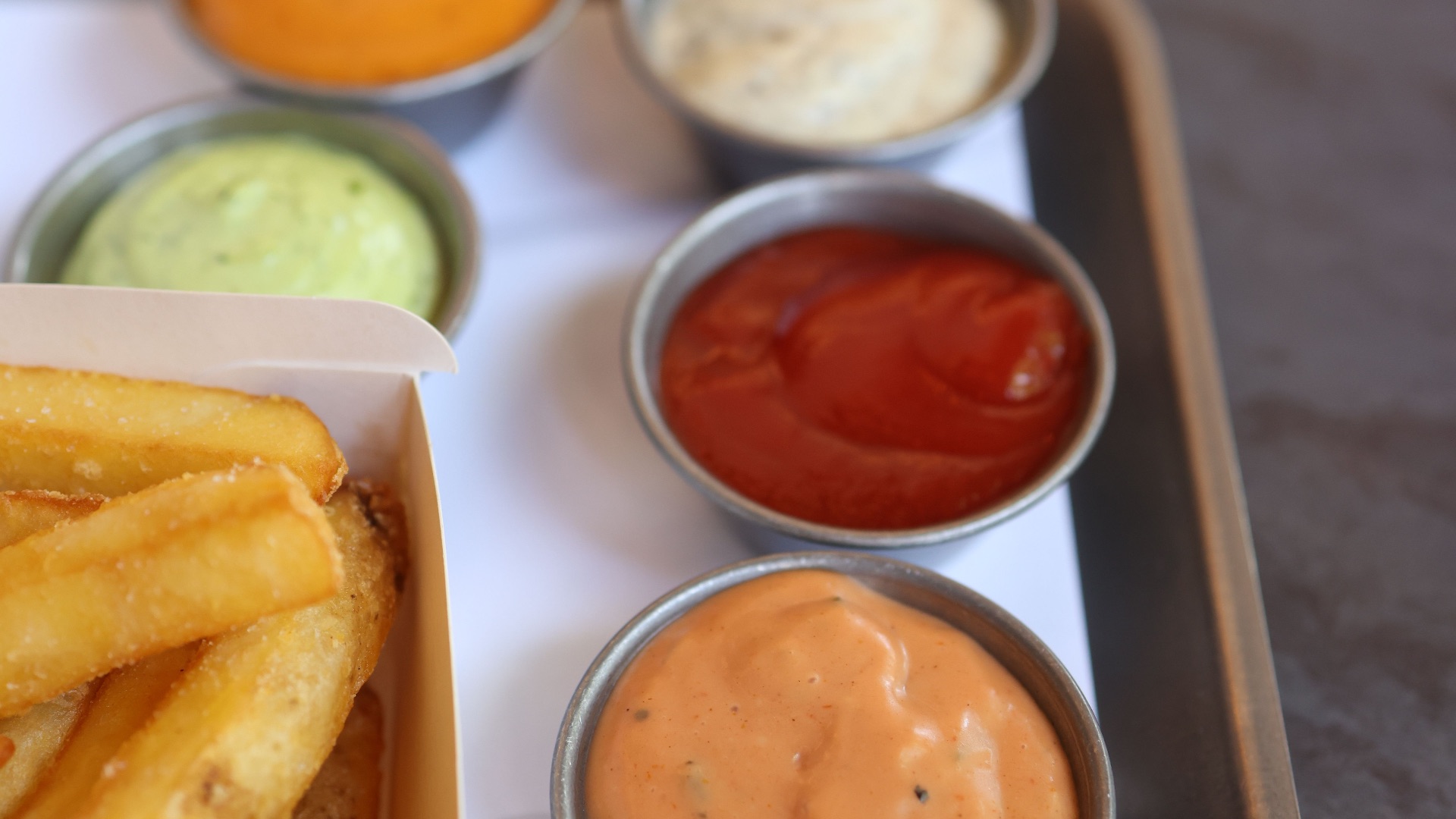
A few packets of ranch or a side of marinara used to be a given, but now many spots charge for anything beyond the first small portion. Sauce is often what makes a dish work, so treating it like a luxury add-on rather than a component of the meal doesn't sit right with most diners. Restaurants that skimp here risk making customers feel like they're being charged for flavor itself.
4. Ice in Drinks
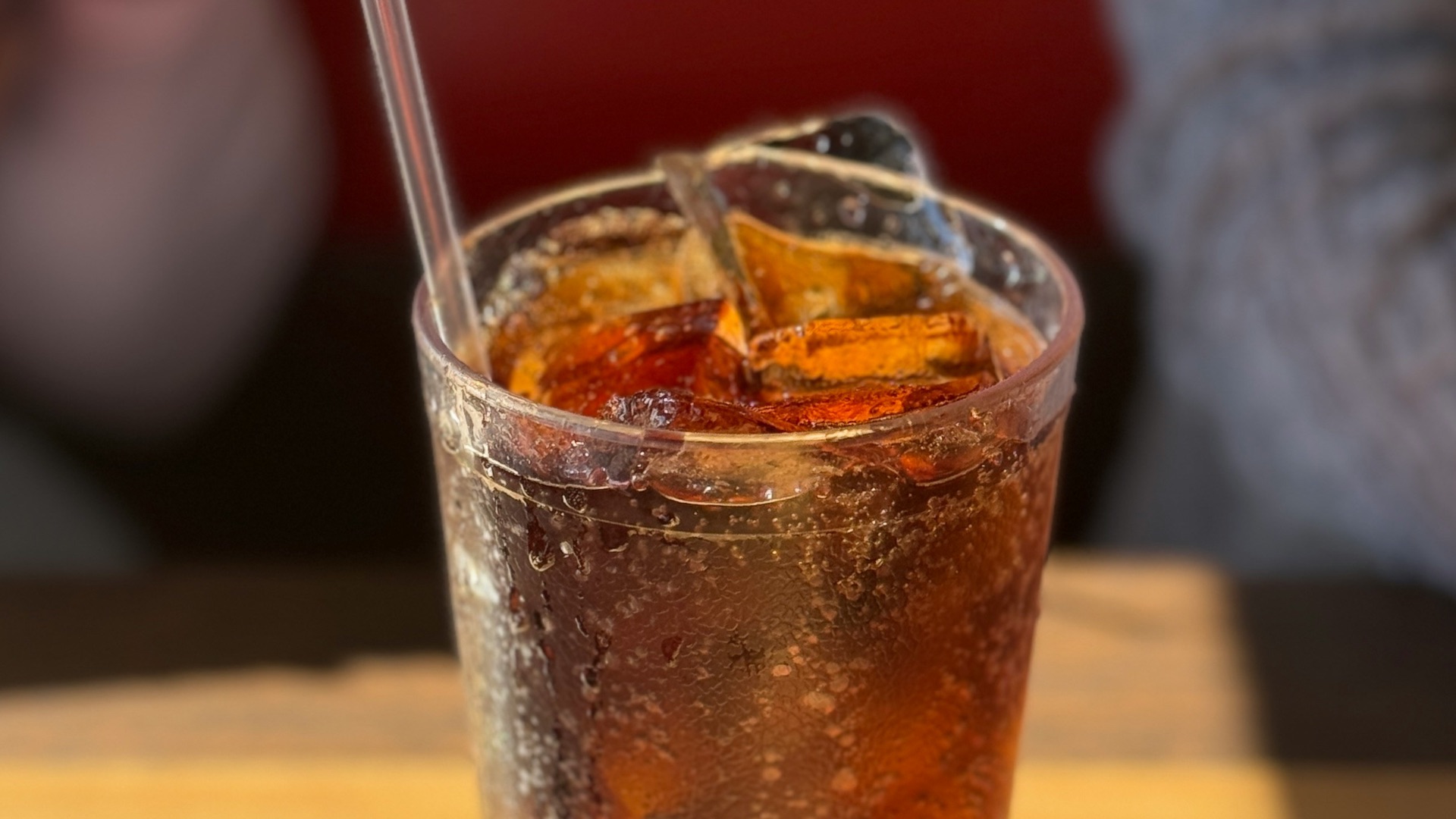
It sounds absurd, but some establishments actually tack on a fee for adding ice to a beverage. Ice is inexpensive, plentiful, and typically expected as part of any cold drink order. Some restaurants may even charge you for requesting your beverage to have less ice.
5. Napkins
Paper napkins are about as basic as restaurant supplies get, yet some delivery platforms and quick-service spots now list them as a separate charge. A napkin costs next to nothing and helps keep customers from making a mess of their car or their clothes. Treating them as a premium item rather than a basic courtesy feels like a step too far.
6. Water
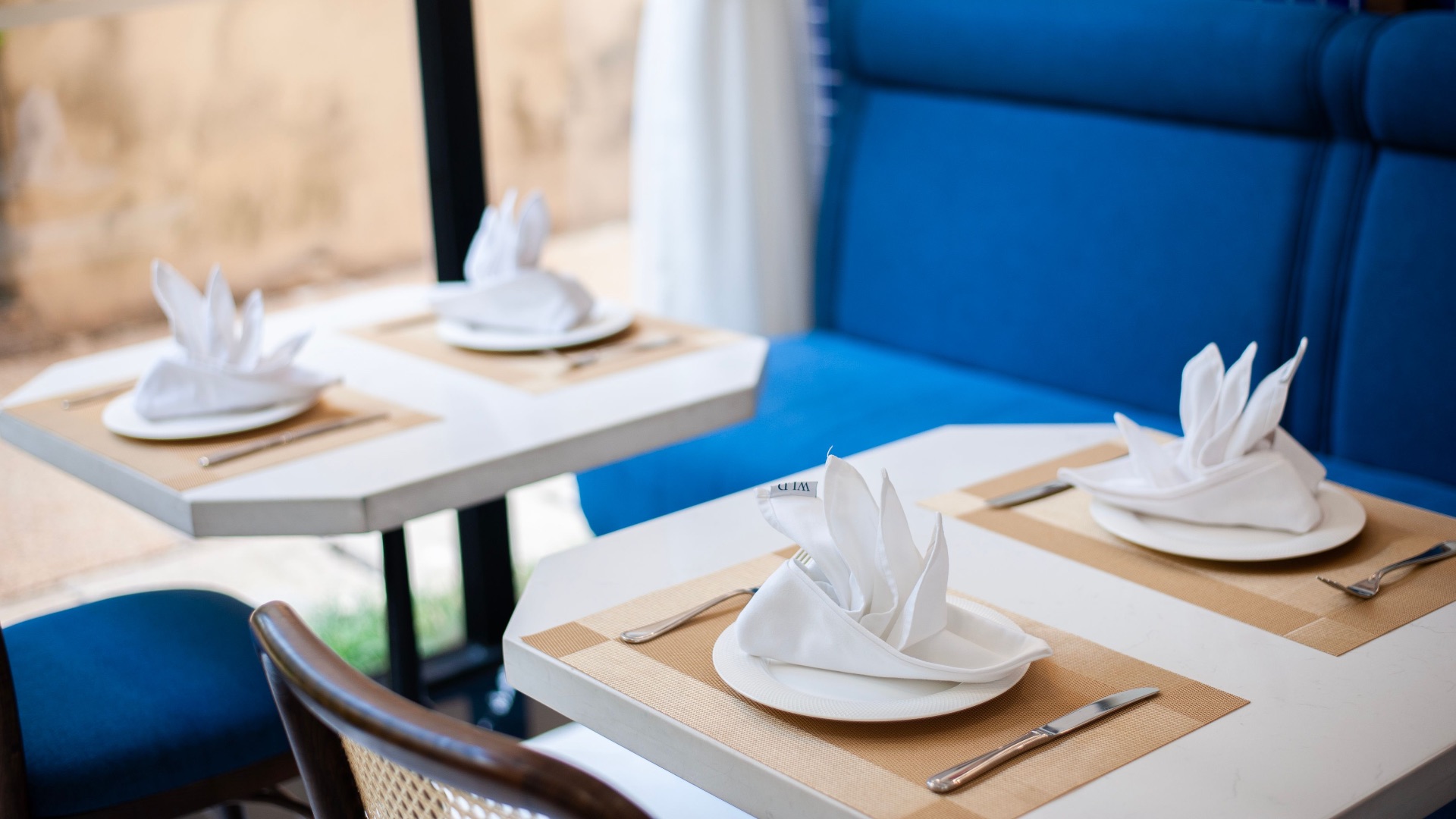
Charging for tap water, especially in regions where it's safe to drink, tends to frustrate customers more than almost any other fee on this list. Many diners view a glass of water as a baseline offering that any restaurant should provide without hesitation. When that expectation gets flipped into a paid item, it can sour the entire dining experience before the food even arrives.

7. Bread Baskets
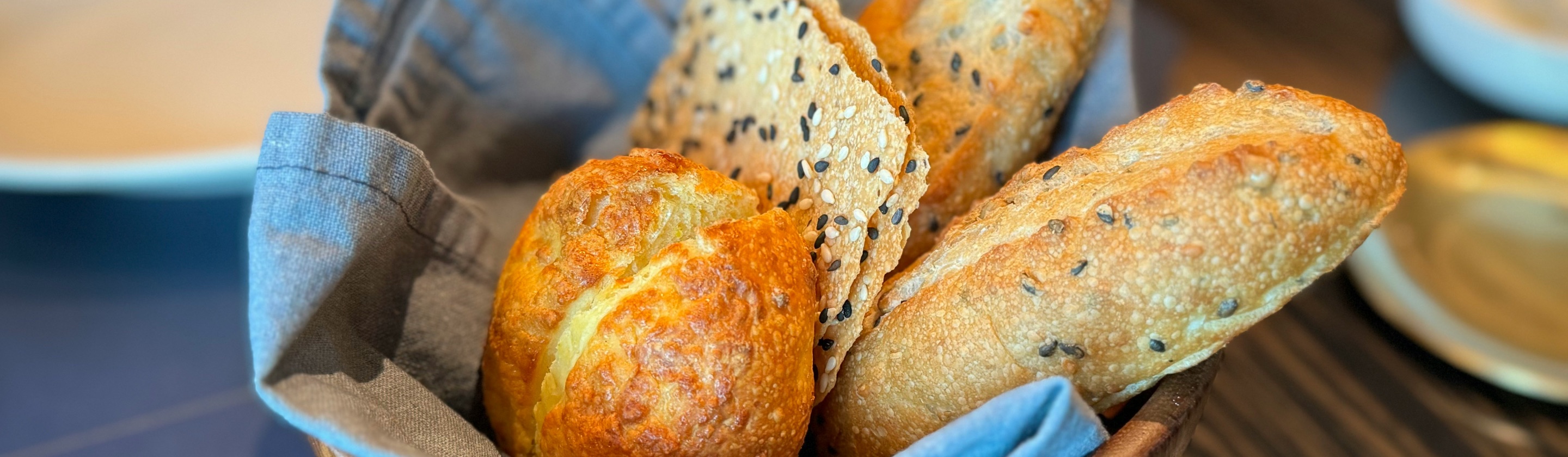
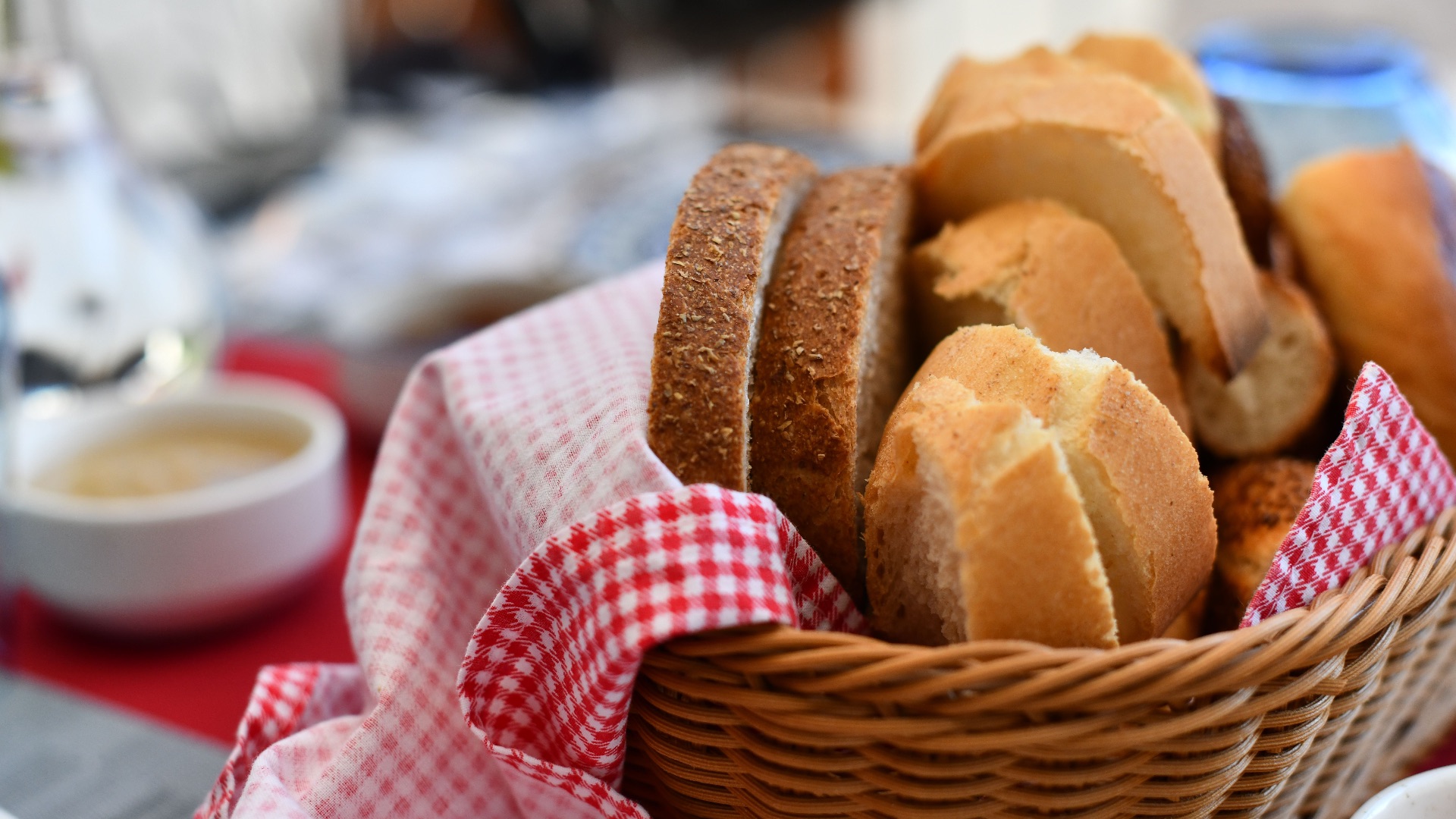
Restaurants that once offered a complimentary basket of bread before the meal have increasingly started charging for it, sometimes several dollars a basket. Bread is cheap to produce in bulk, and offering it for free used to be a small gesture that made guests feel welcome. Turning it into a paid appetizer changes the tone of the meal from generous to calculated.
8. Substitutions
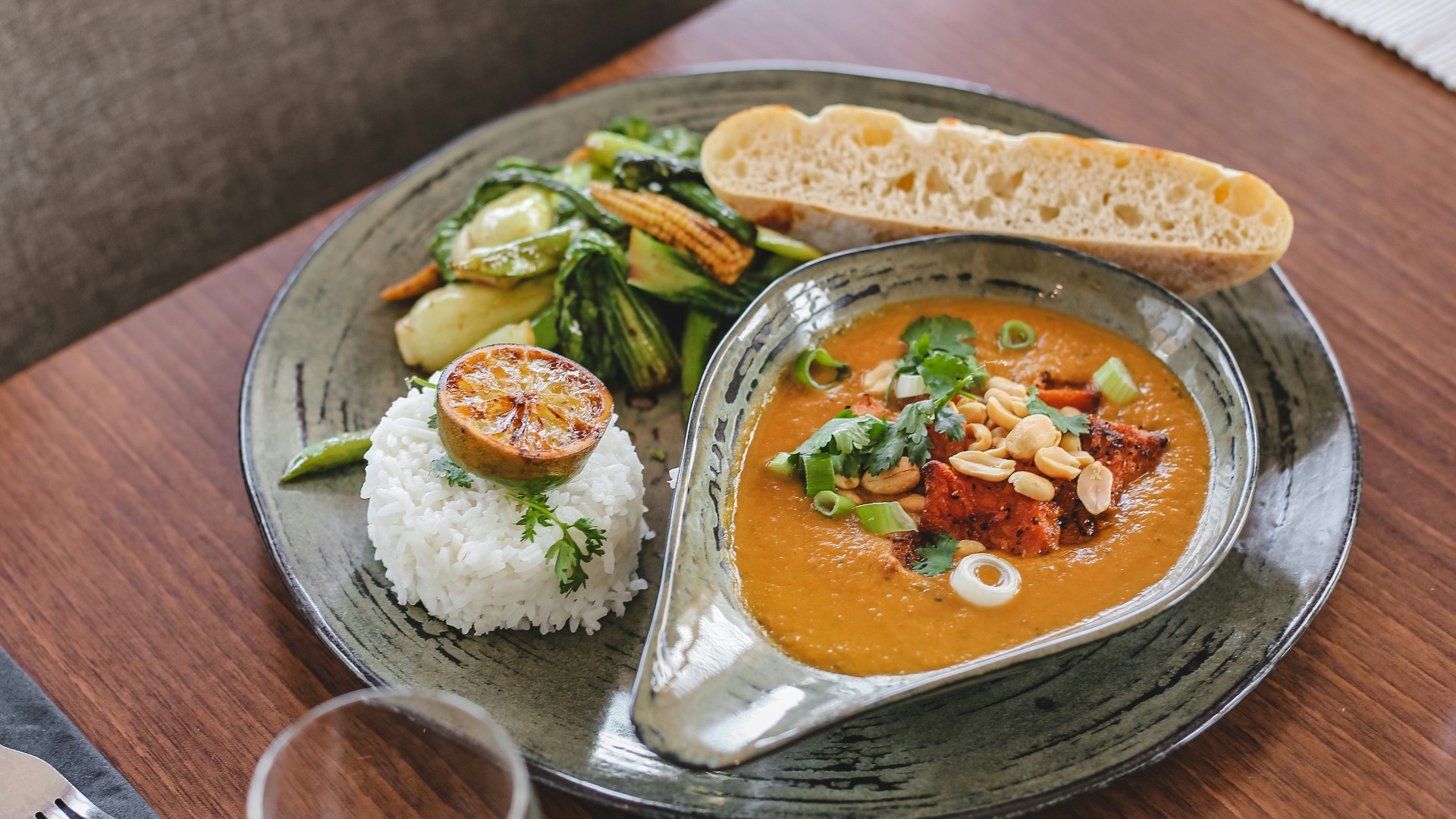
Swapping fries for a side salad or asking for a sauce on the side shouldn't automatically trigger an upcharge, especially when the substitution doesn't cost the kitchen anything extra. Some restaurants charge a flat fee for any modification, regardless of whether the new item is more or less expensive than the original. That approach punishes customers for having dietary preferences or simply wanting something different.
9. Splitting a Plate
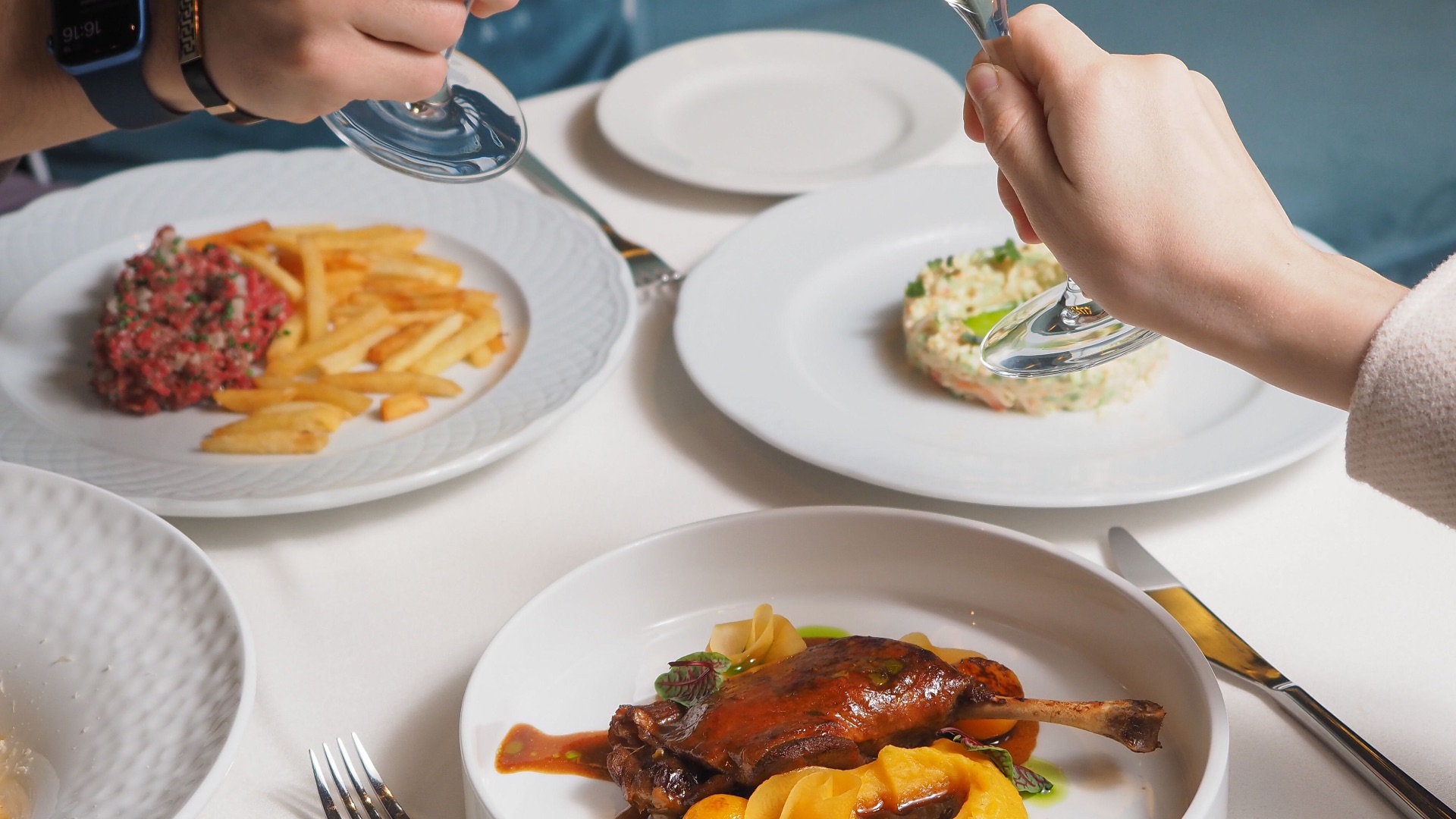
Asking the kitchen to divide one entrée onto two plates sometimes results in a "split plate fee" that can run several dollars. The labor involved amounts to grabbing an extra plate and using a knife, which hardly justifies the cost some restaurants attach to it. Friends and couples who want to share a meal shouldn't be penalized for not each ordering their own.
10. Cutting a Cake
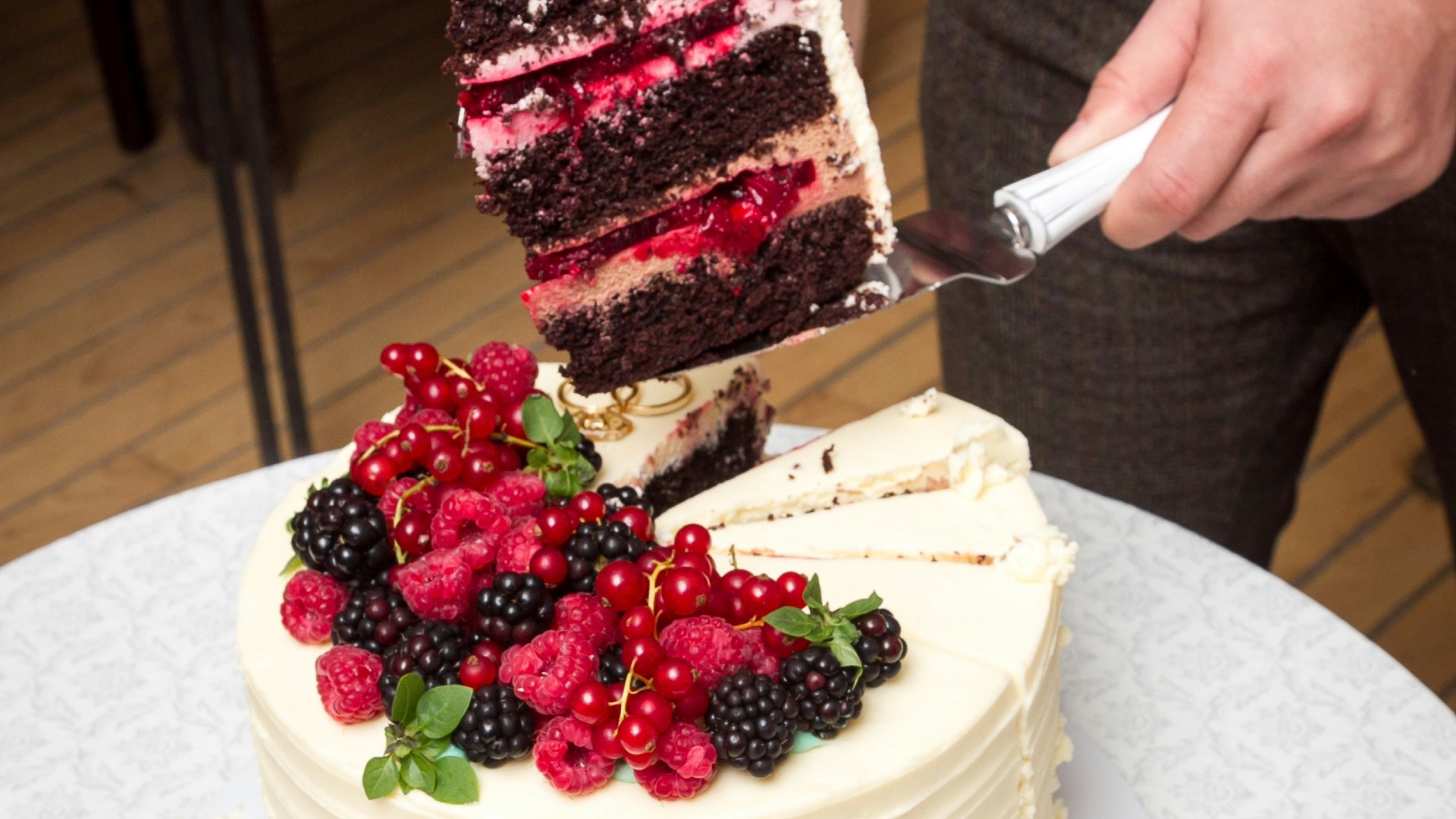
Some restaurants that allow customers to bring in a birthday cake will charge a cutting fee just to slice and serve it. The service typically involves a knife, some plates, and a few minutes of a server's time. Charging extra for something so minor can make a celebratory moment feel unnecessarily transactional.
11. Corkage Fees
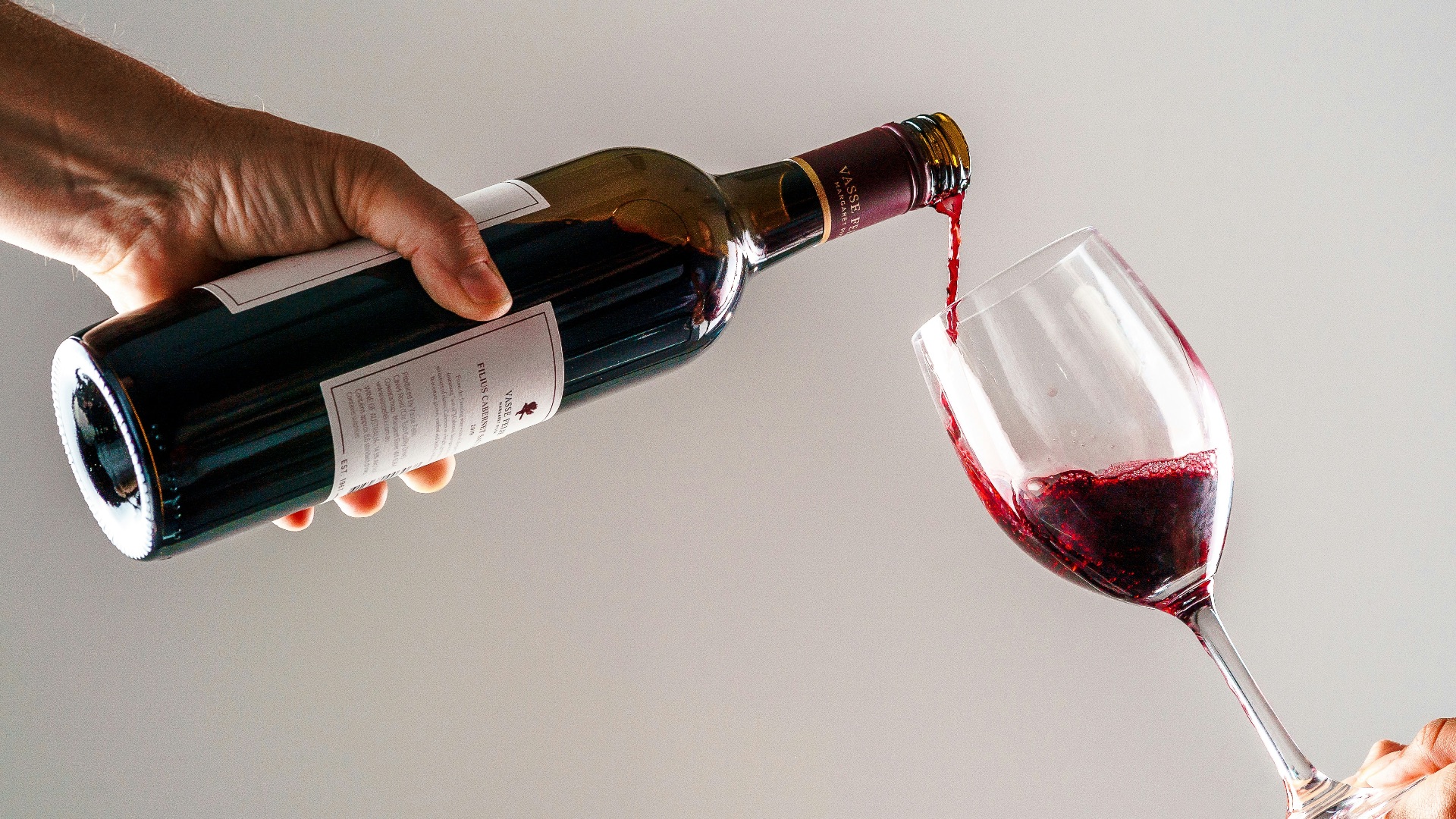
Bringing your own bottle of wine to a restaurant that allows it often comes with a corkage fee, which can range from a modest charge to a genuinely steep one, depending on the establishment. Restaurants justify this by pointing to lost wine sales, but the fee sometimes feels disproportionate to the service of simply opening a bottle. A lower or eliminated corkage fee would make BYOB policies feel like an actual perk instead of a loophole with a price attached.
12. Chips and Salsa Refills
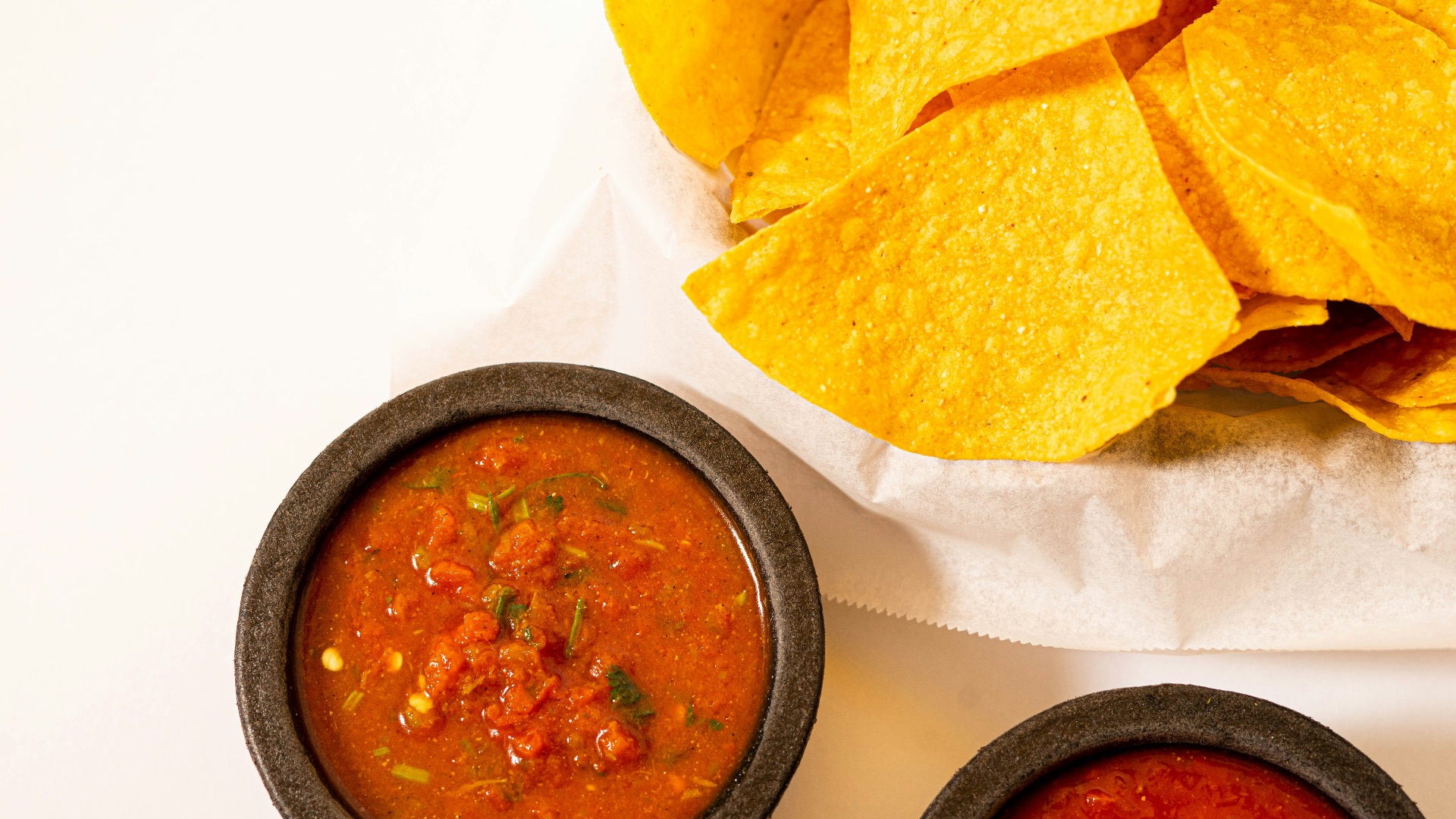
At some Mexican and Tex-Mex restaurants, the first basket of chips and salsa may be free while refills cost extra. That can catch diners off guard, especially in places where free refills have long been treated as standard. Restaurants can set limits, but customers should know upfront before the second basket lands on the table. A modest refill feels fair when the group is ordering meals, drinks, and other items.
13. Credit Card Surcharges
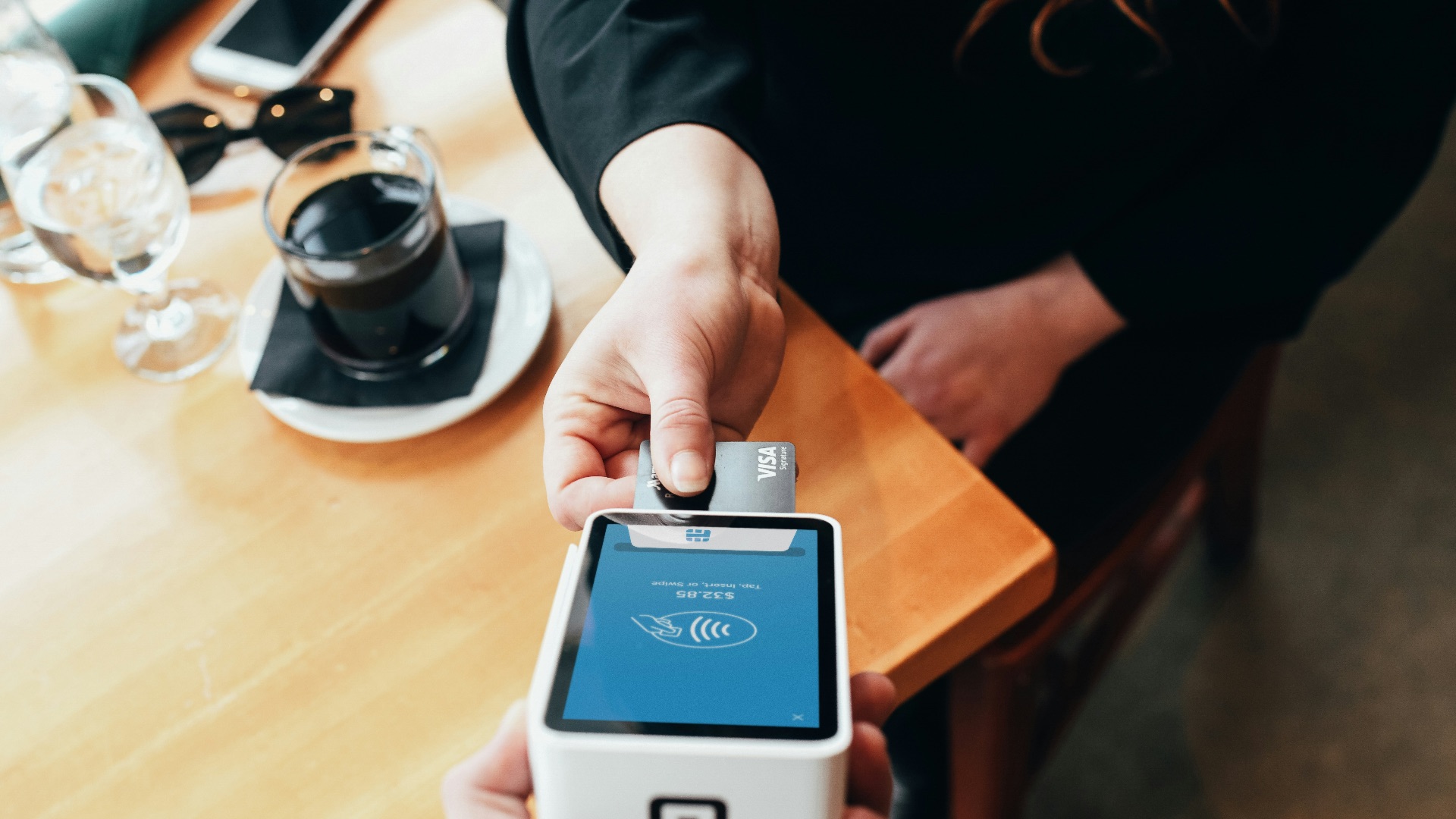
Some restaurants now add a percentage fee whenever a customer pays with a card instead of cash. While card processing does cost businesses money, most customers don't carry enough cash to cover a meal and shouldn't be penalized for using the payment method that's become the default almost everywhere. Building the cost of card processing into menu prices would feel far less like a surprise tax at checkout.
14. Reservation Fees
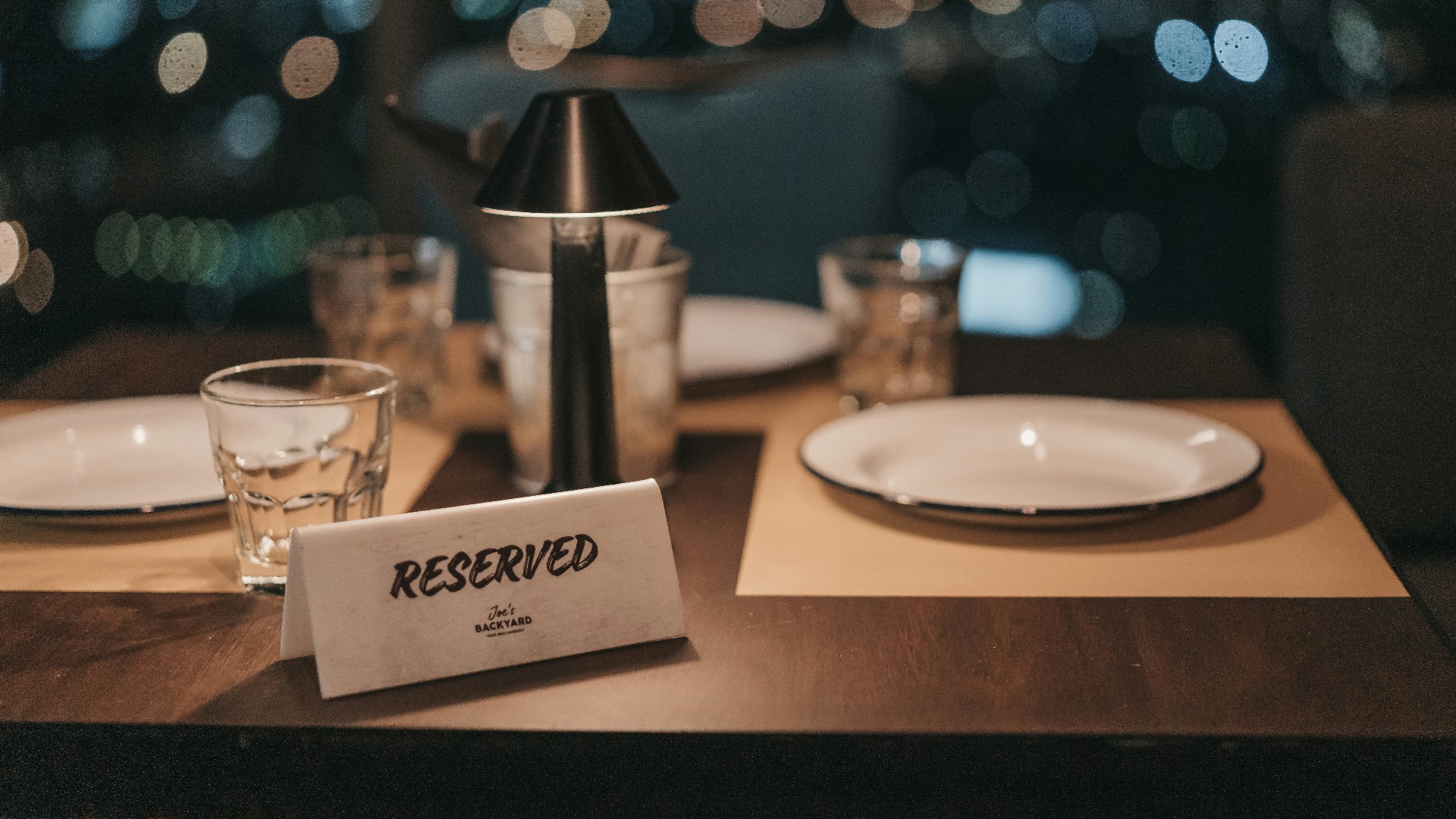
Certain high-demand restaurants have started charging a fee just to hold a table, sometimes applying it even if the reservation is honored and the meal proceeds as planned. This practice has become more common at trendy or exclusive spots looking to cut down on no-shows. A refundable deposit makes more sense than a flat fee that customers lose regardless of whether they show up.
15. Mandatory Gratuity for Small Groups
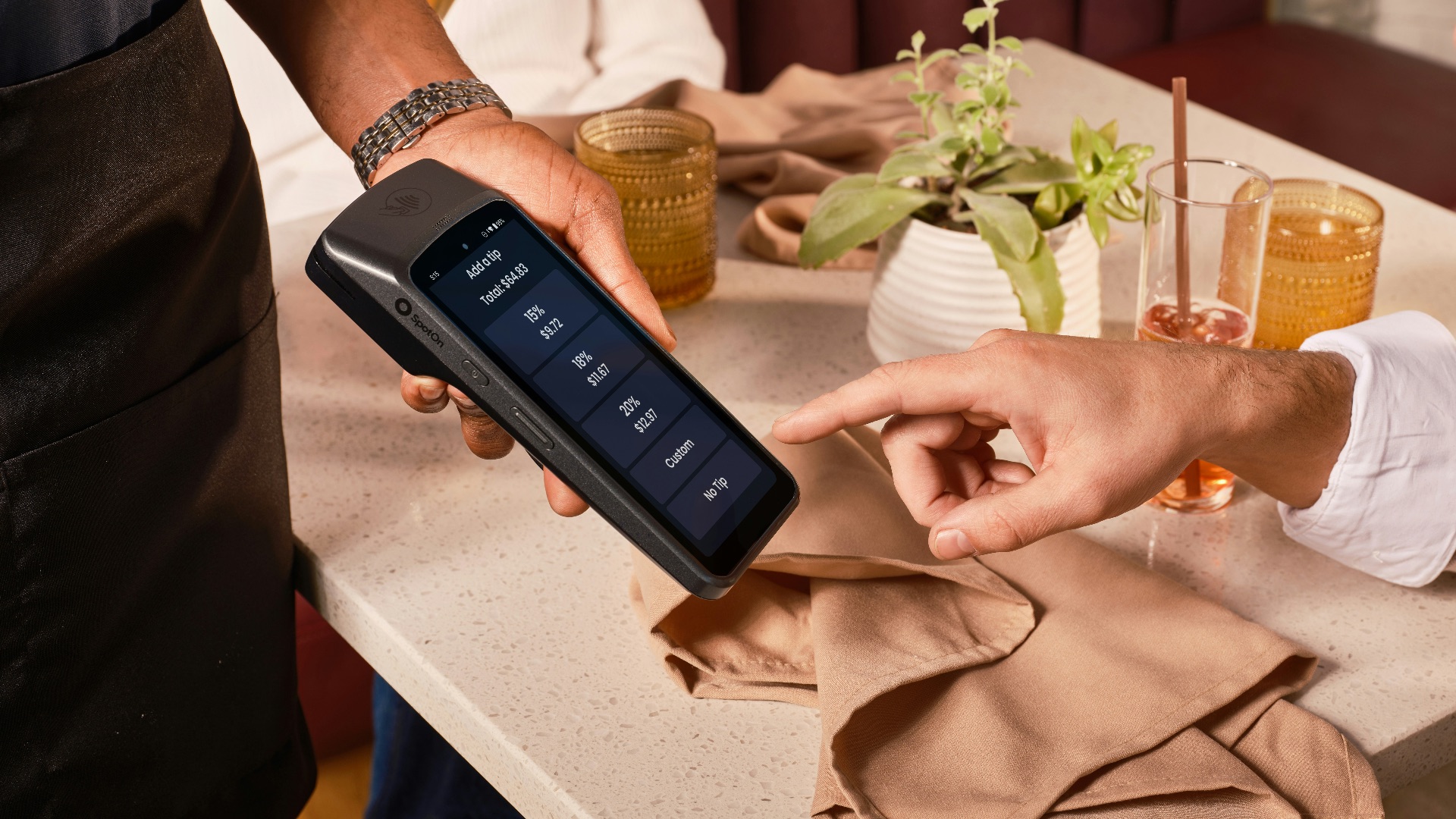
Automatically adding an 18 or 20% gratuity for parties as small as four or five people takes away a customer's ability to reward good service or express dissatisfaction with poor service. Tipping is meant to reflect the quality of the experience, and removing that choice changes the entire purpose of a gratuity. Reserving automatic charges for genuinely large groups would keep the practice fair without punishing smaller parties.
16. Minimum Spend Rules
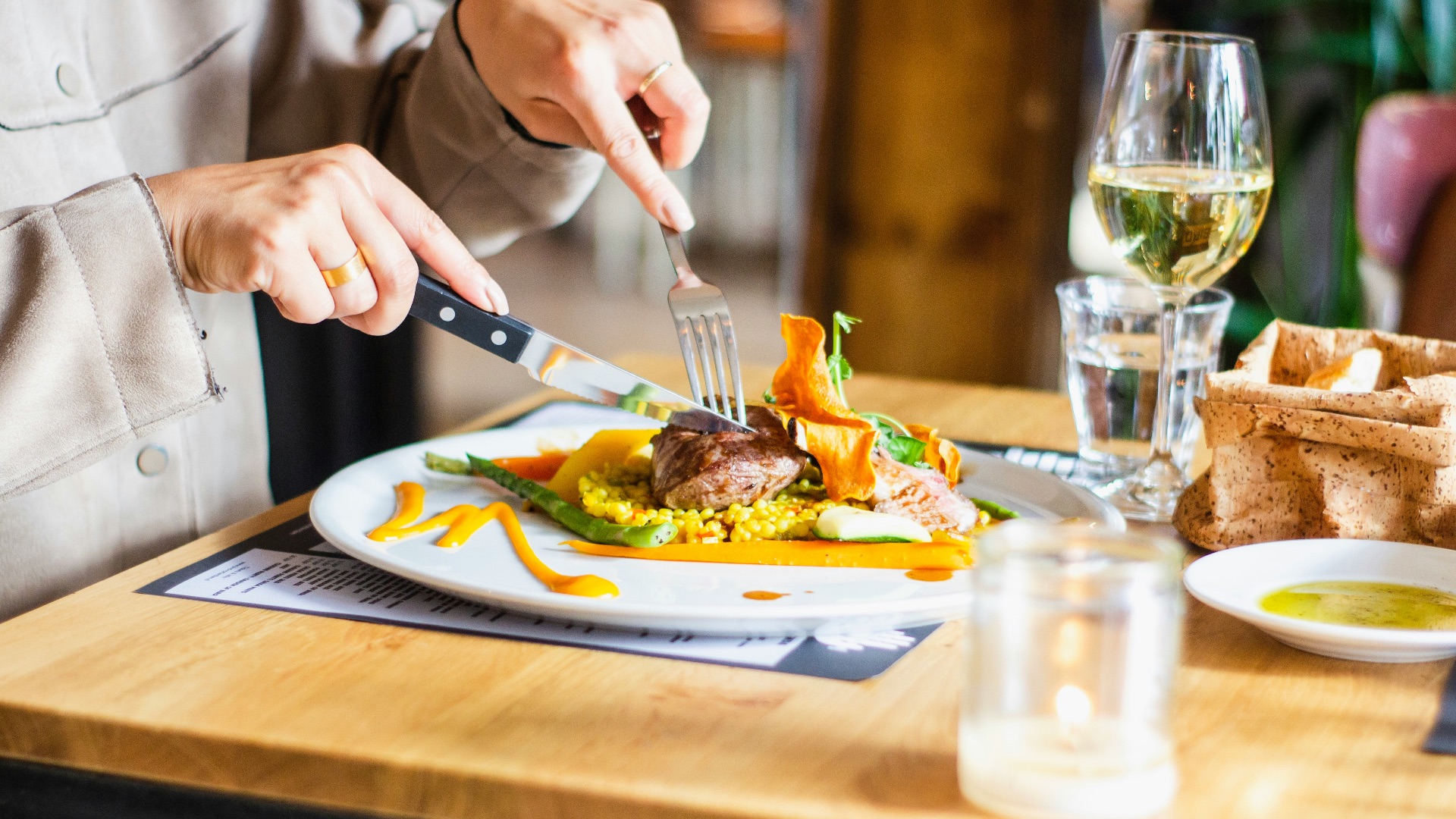
Some restaurants require every person at the table to order a dish, meet a minimum spend, or pay a sharing fee if two people want to split one entrée. That can feel unfair when diners aren’t very hungry and just want to share a small meal with a friend. Restaurants may use these rules to protect table turnover and revenue, especially in busy areas, but they can make a casual visit feel overly strict. If customers are already ordering something, they shouldn’t be pressured into buying more just to sit together.
17. To-Go Bags
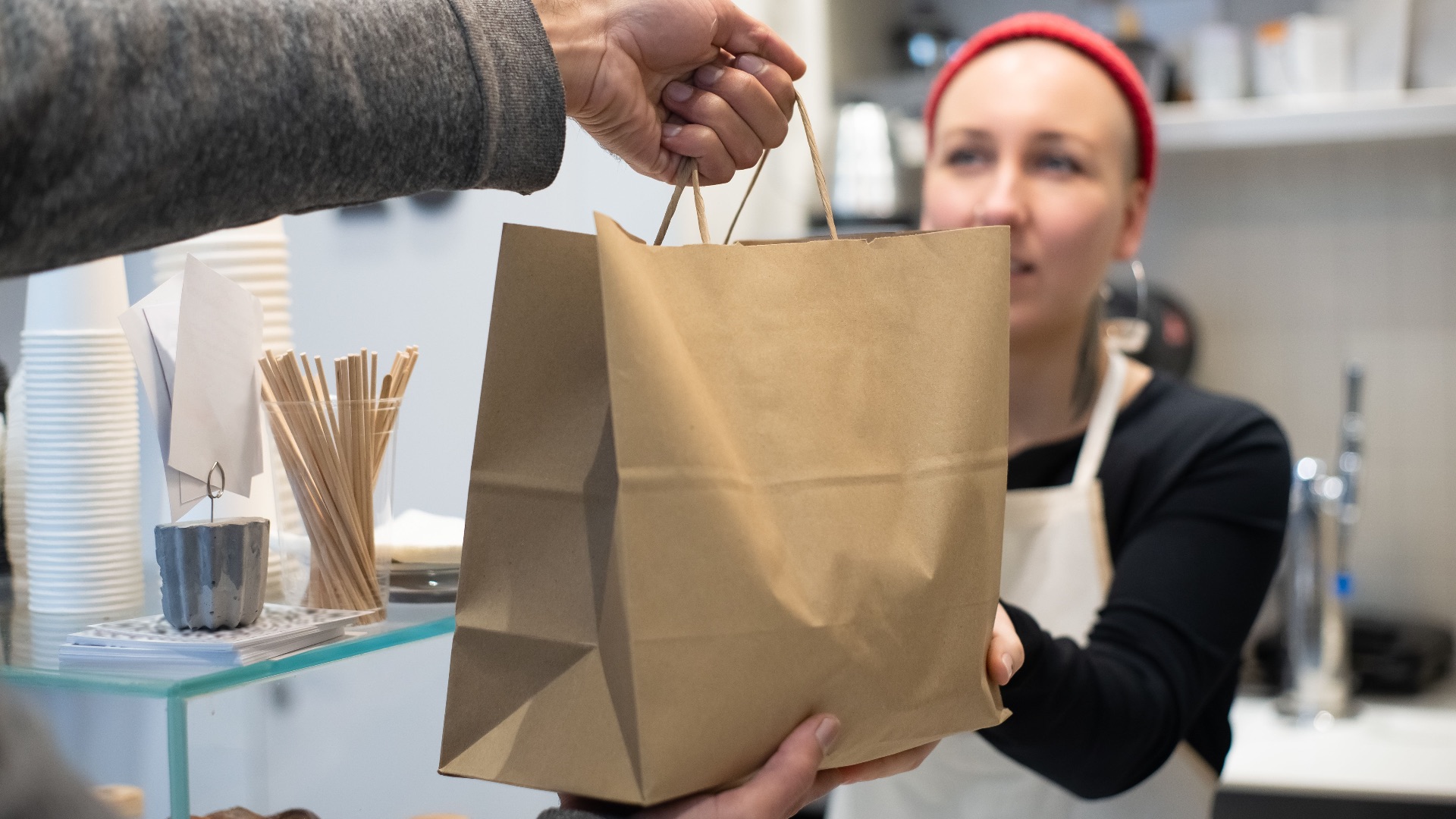
Some restaurants and delivery orders include bag fees, especially in places with local rules around disposable bags. While bag laws may explain the charge in some regions, it still feels odd when a customer has no practical way to carry a full order without one. If the restaurant is packaging food for takeout, the bag is part of completing the order. Customers shouldn’t feel penalized for not juggling containers by hand.
18. Kitchen Fees for Sharing
Beyond splitting a single plate, some restaurants charge a general "kitchen fee" whenever a table shares multiple dishes family-style. This fee punishes a style of dining that many cultures have practiced for generations without any added charge. Sharing food is often part of the appeal of eating out with a group, and it shouldn't come with a penalty attached.
19. Birthday or Celebration Charges
Restaurants that bring out a candle or a small dessert for a birthday sometimes slip a celebration fee onto the bill without mentioning it beforehand. What's meant to be a thoughtful gesture ends up feeling like a scripted upsell once the charge shows up unannounced. A restaurant that wants to celebrate a guest's special occasion should be willing to absorb the minor cost of a candle and a scoop of ice cream.

20. Menu Fees for Digital Ordering
Some restaurants that use QR code menus or tablet ordering systems have started adding a small technology fee to cover the cost of the software. Customers are essentially doing part of the ordering work themselves, yet they still end up paying more for the convenience. If a digital system saves the restaurant money on printed menus or staffing, that savings should be passed along rather than converted into another charge.
KEEP ON READING