20 Restaurant Foods That Cost Pennies to Make
Small Costs, Big Markups
Most of us probably head to restaurants to skip cooking at home. Sure, you could probably whip up some pancakes or make eggs and avocado toast yourself, but nothing beats a professional chef doing it, right? Well, you might want to think twice the next time you order a relatively simple dish on the menu. You likely know it already, but restaurants often charge two to three times as much, or more, for a plate that realistically costs nothing to make. That basket of garlic bread you ordered? Toast and garlic butter, both pretty inexpensive. That loaded baked potato? Cut a potato in half, season it, add some butter and cheese, and boom, baked potato. And don't get us started on the "soup of the day" or those breakfast plates with eggs, toast, and hash that you can easily fix up at home. The next time you're eating out, you might want to steer clear of these 20 relatively pricey restaurant foods that cost pennies to make.
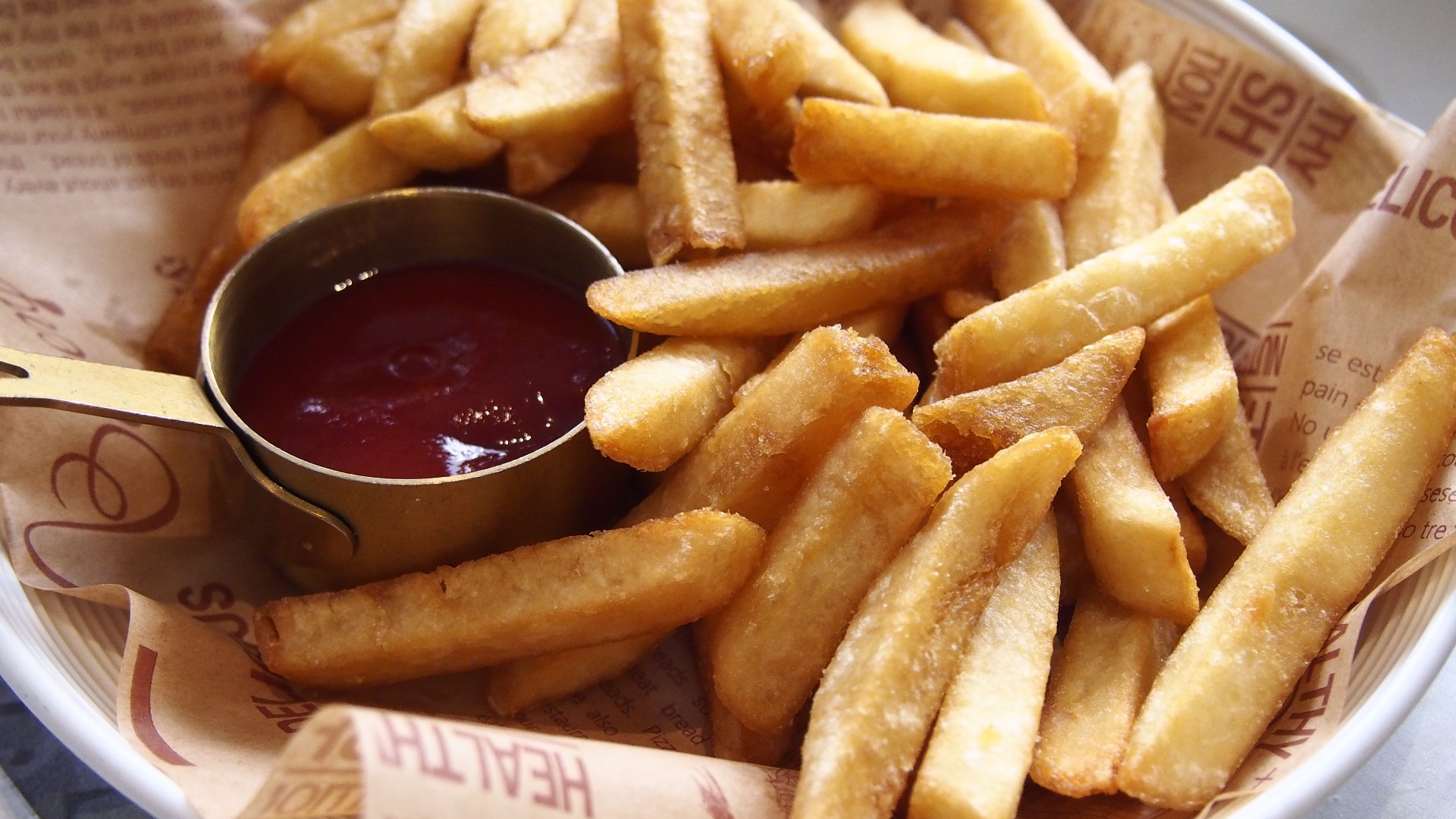
1. French Fries
Potatoes are one of the least expensive ingredients a restaurant can buy, particularly when they're purchased in bulk or as frozen prepared fries. A single serving requires only a modest amount of potato, frying oil, and salt, yet restaurants can charge several dollars for it. Even after accounting for oil and seasoning, the ingredient cost often remains very low compared with the selling price.
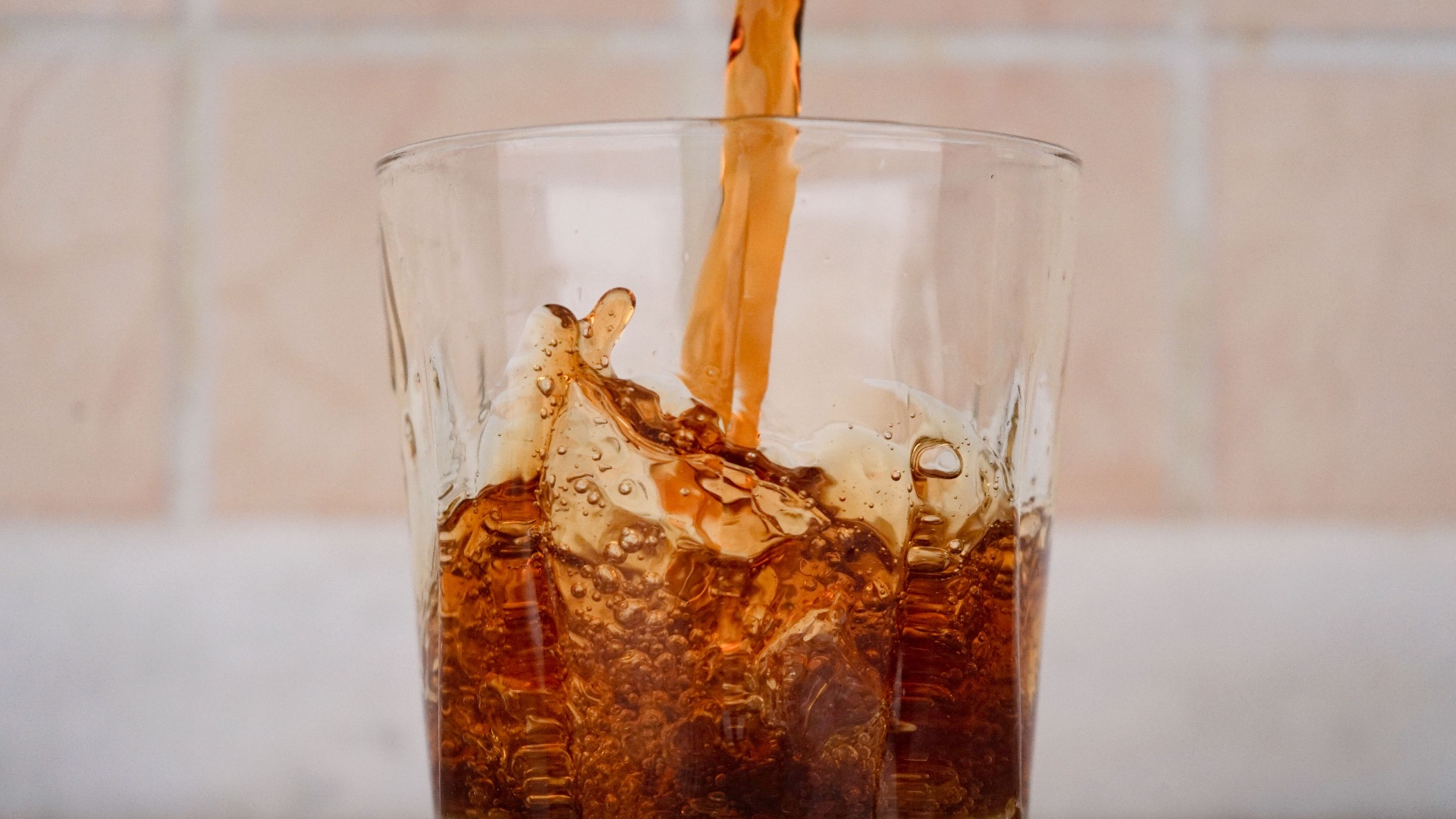
2. Fountain Soda
The cup, lid, straw, carbonated water, and flavored syrup that make up a fountain drink typically cost far less than the amount printed on the menu. Restaurants buy concentrated syrup in large containers and mix it with water at the dispenser, allowing many drinks to be produced from one package. That's why a soda selling for a few dollars can be one of the most profitable additions to an order.
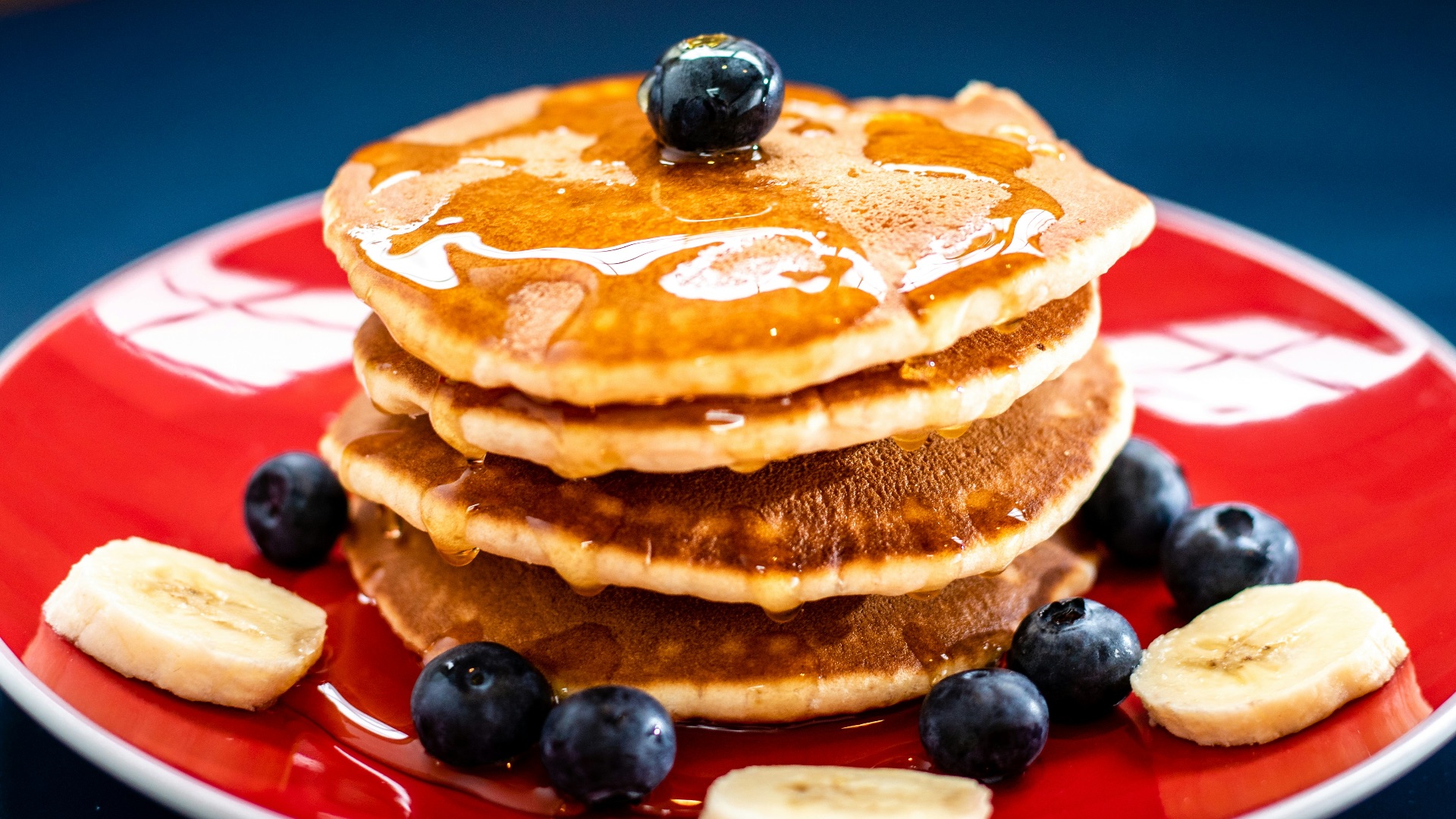
3. Pancakes
At their simplest, pancakes rely on inexpensive kitchen basics such as flour, milk, eggs, sugar, and leavening. Restaurants can prepare large batches of batter without spending much per portion, especially when the pancakes themselves are served with only butter and syrup. Add fruit, whipped cream, or other toppings and the price may climb quickly even though the pancake base remains inexpensive.
4. Mashed Potatoes
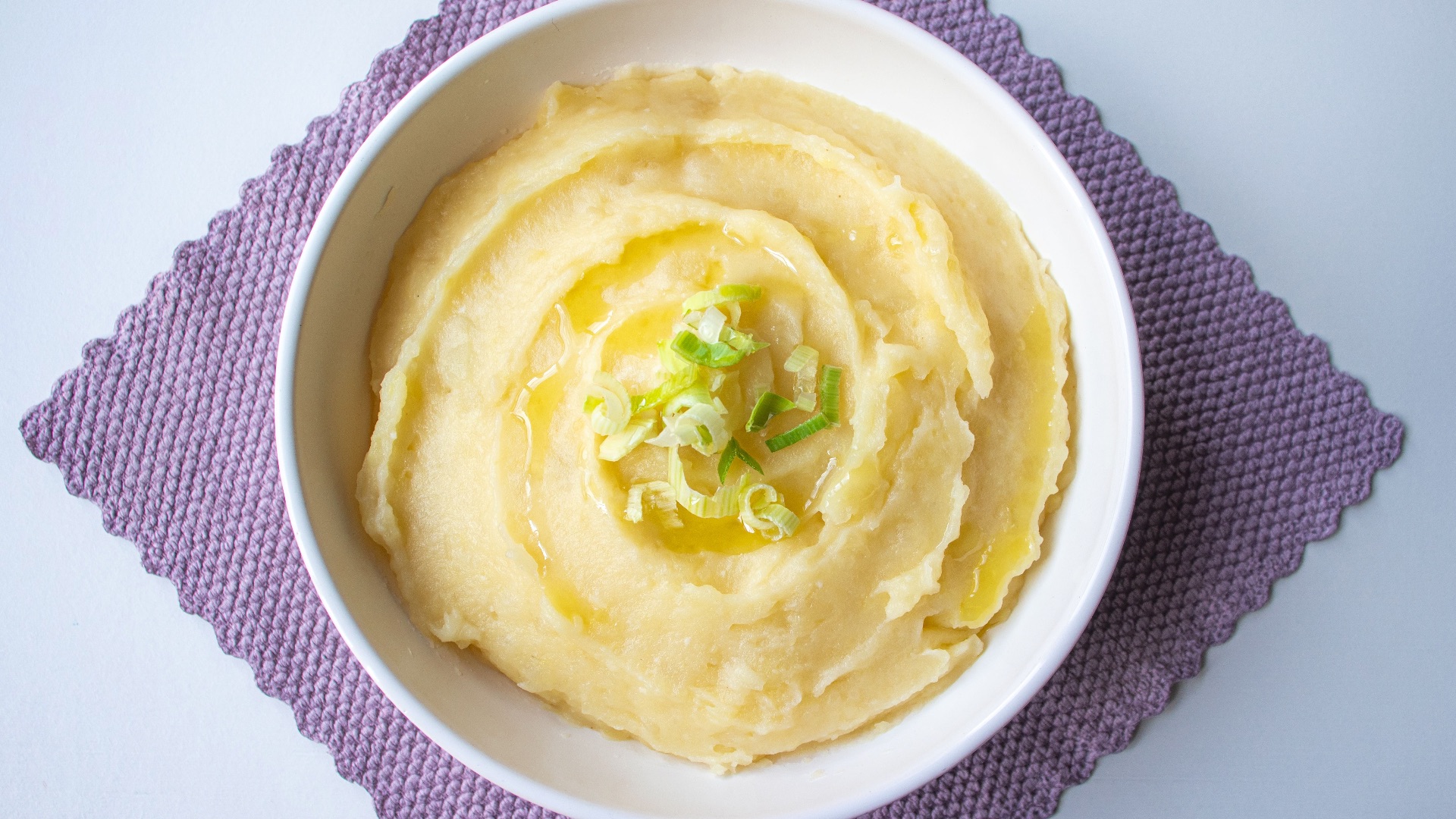
A side of mashed potatoes can look generous without requiring expensive ingredients. Potatoes, butter, milk, salt, and seasoning are all relatively economical, and the dish can be made efficiently in large batches. Restaurants may charge several dollars for a scoop even when the raw food cost for that portion is only a small part of the price.
5. Pasta with Marinara Sauce
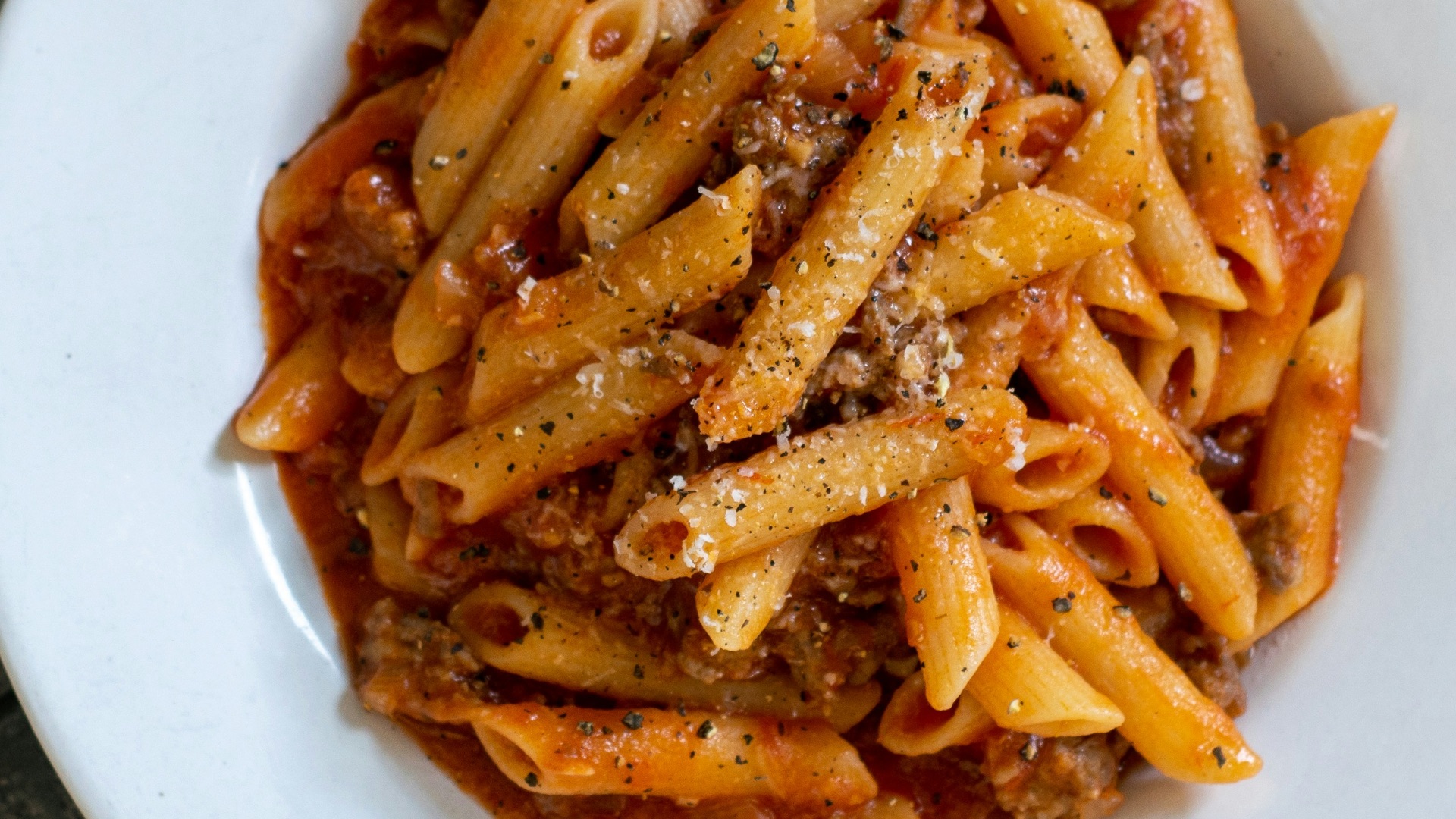
Dry pasta is inexpensive, stores well, and expands significantly when cooked, making it especially practical for restaurant kitchens. Marinara can also be produced cheaply from canned tomatoes, aromatics, oil, and seasonings when it's prepared in bulk. A plate that costs well into the double digits can therefore start with ingredients that cost only a modest amount.
6. Garlic Bread
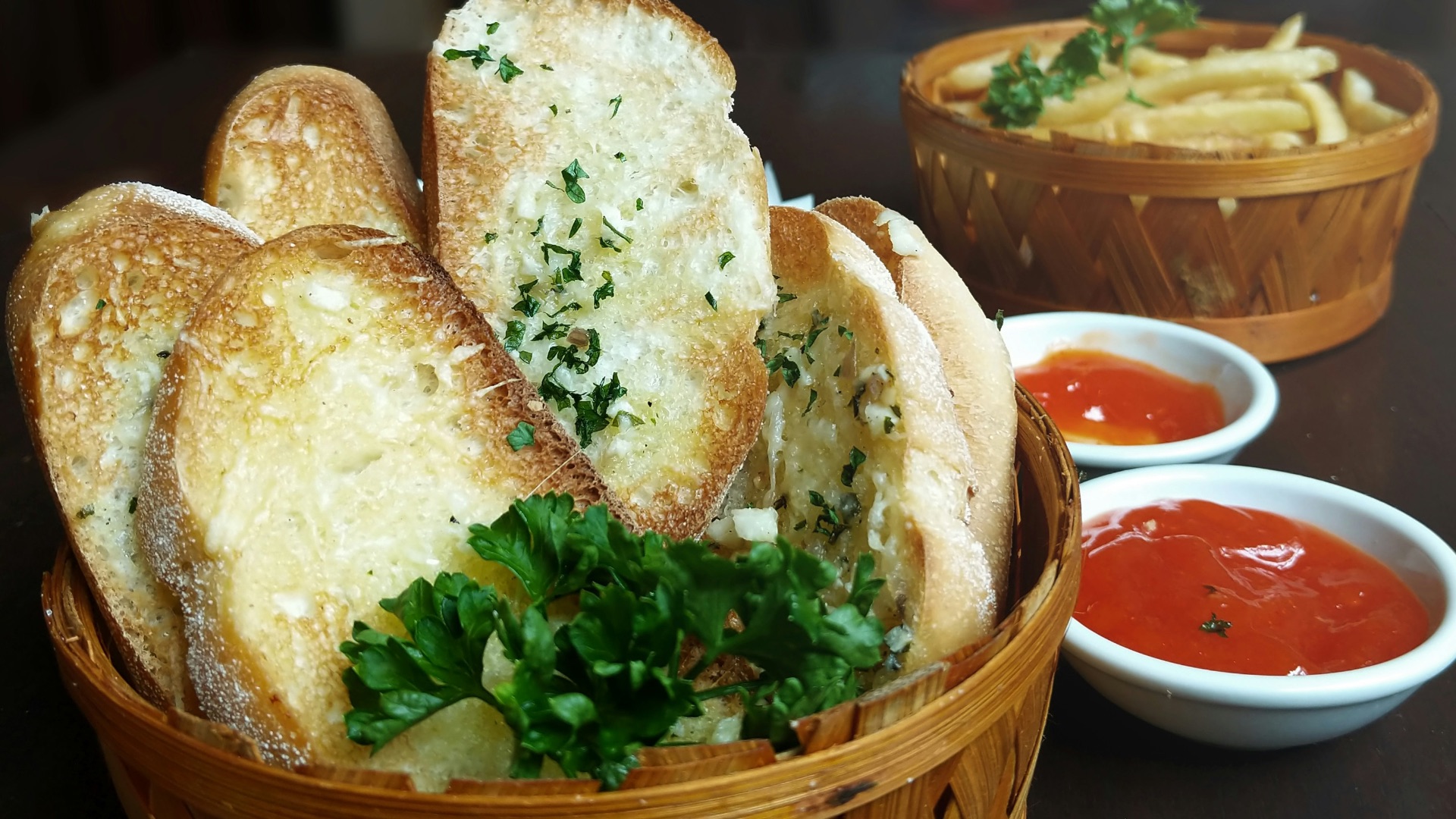
Bread, butter or oil, garlic, and herbs don't add up to much when purchased at restaurant scale. Garlic bread also gives kitchens a convenient way to turn a basic loaf or roll into an appetizer or premium side with very little additional expense. Once it's toasted and served in a basket, you may be paying several times what the ingredients themselves cost.
7. Scrambled Eggs
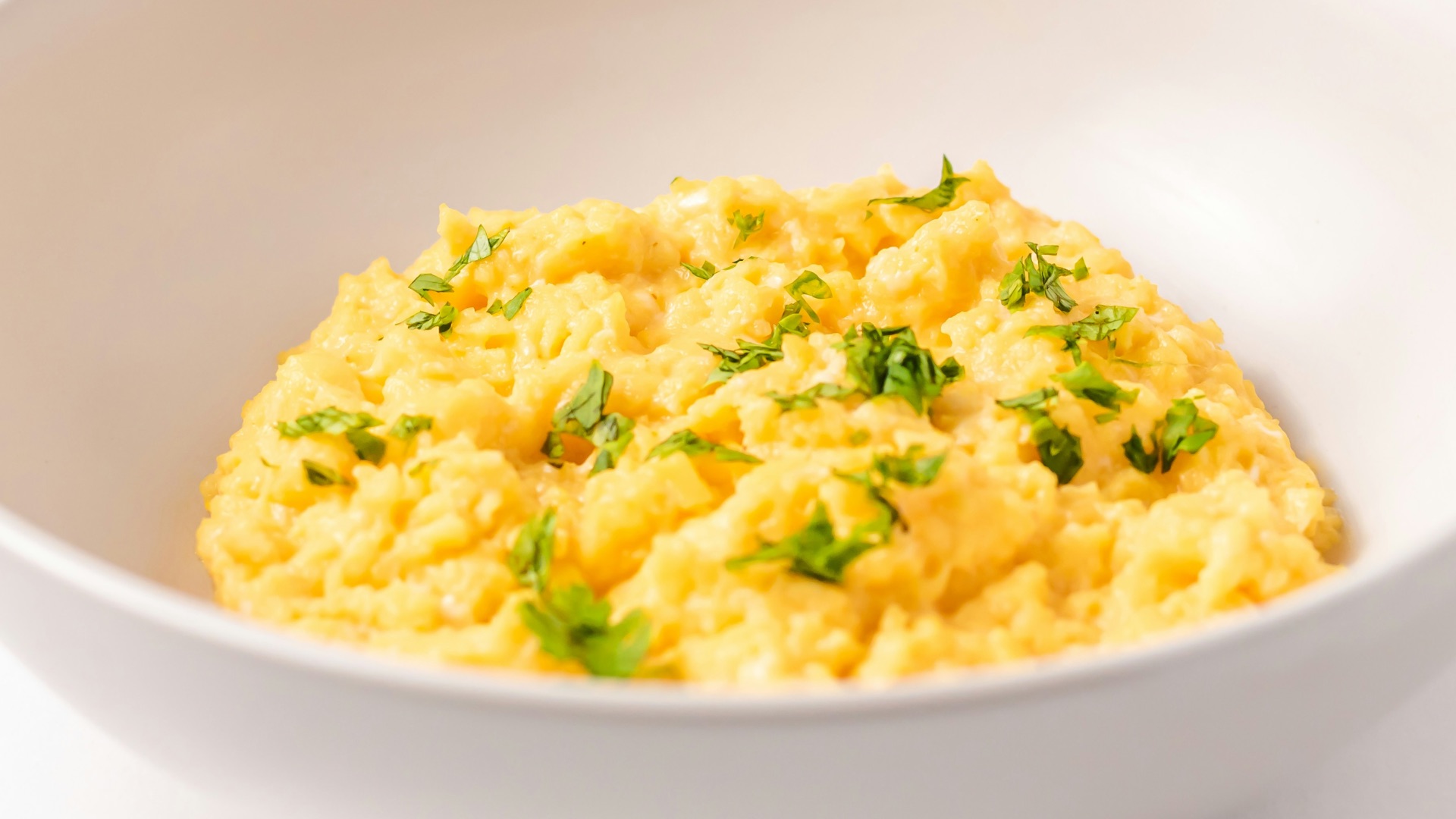
Egg prices fluctuate, but a basic serving of scrambled eggs still requires only a few eggs plus a little butter, milk, or seasoning. Breakfast restaurants can prepare them rapidly on equipment that's already in constant use, helping keep preparation straightforward. They're especially profitable when included as part of a breakfast plate whose other components are also inexpensive staples.
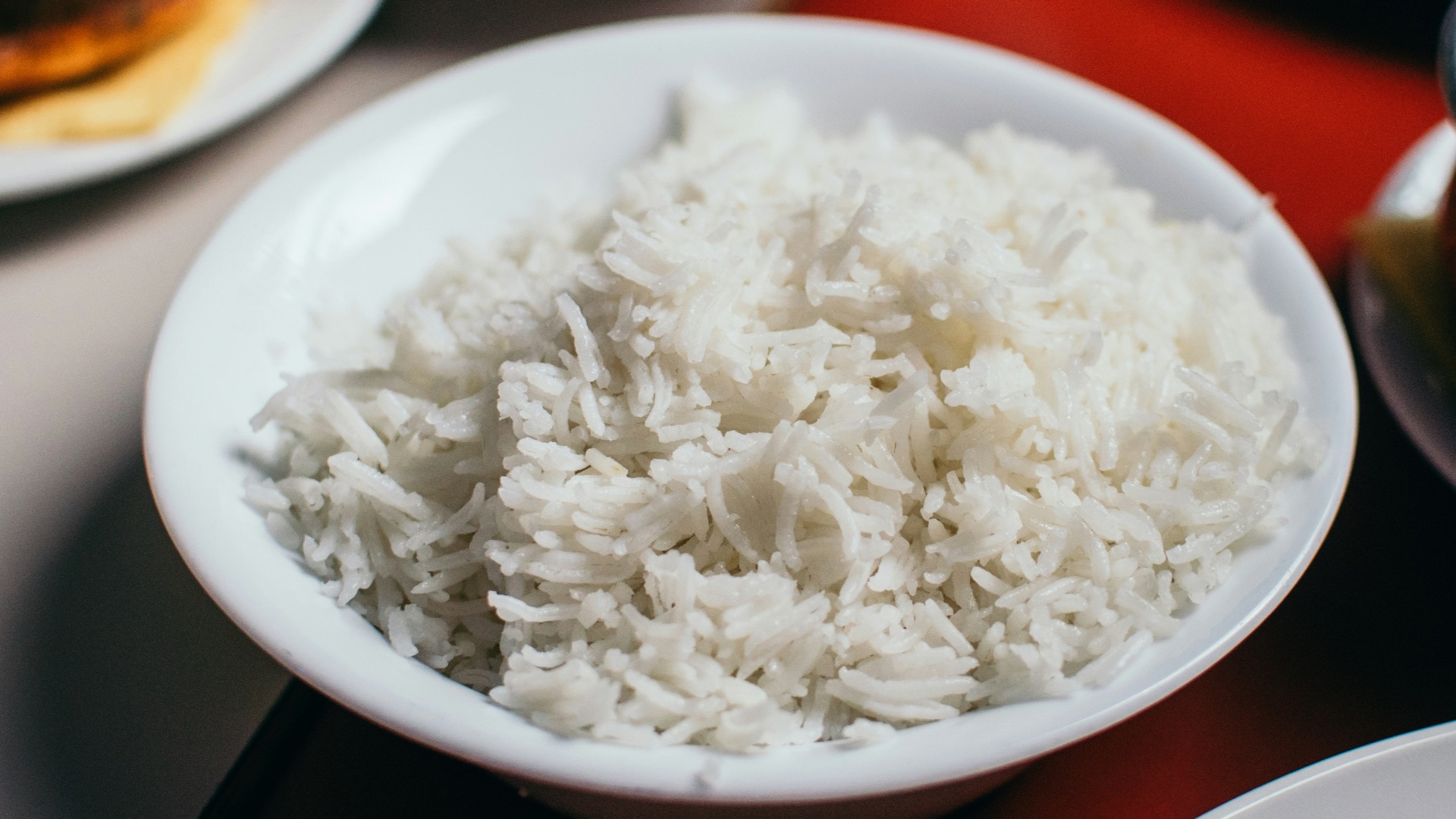
8. Rice
Few restaurant staples stretch a food budget as effectively as rice. A small amount of uncooked rice produces a much larger cooked portion, while seasoning it with stock, herbs, vegetables, or spices can make an inexpensive base feel far more substantial. When rice appears as a side or underneath an entrée, its ingredient cost is generally quite low.
9. Popcorn
Popcorn kernels are exceptionally inexpensive by portion, which helps explain why marked-up popcorn has long been associated with movie theaters and entertainment venues. Restaurants and bars that serve it can produce a large bowl with a relatively small quantity of kernels, oil, salt, and seasoning. Specialty flavorings may raise the cost somewhat, but the basic food itself remains cheap.

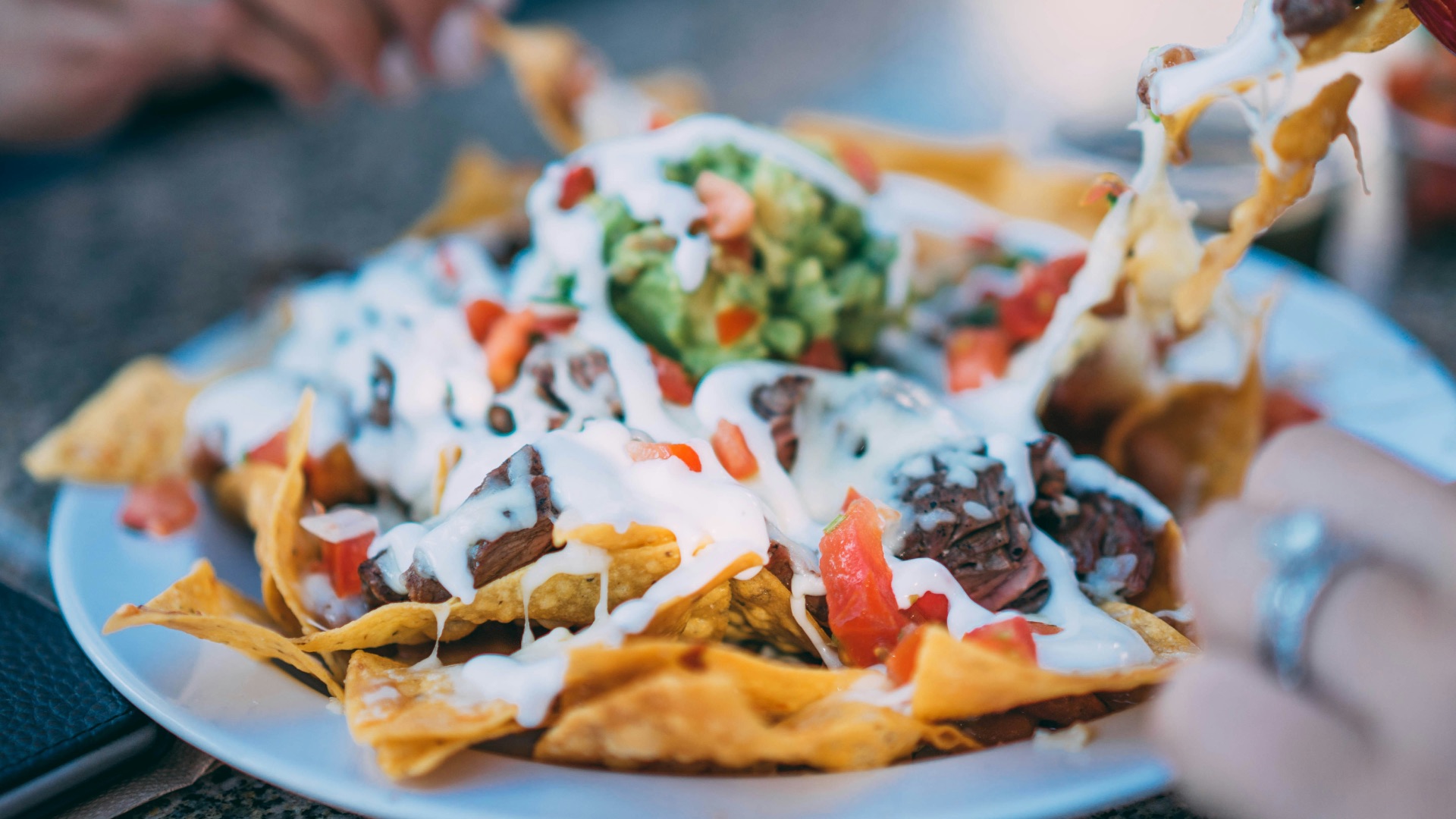
10. Nachos
Basic restaurant nachos can be made from tortilla chips and a cheese sauce that both have relatively low per-serving costs when purchased commercially. The plate may look large because chips take up plenty of space, yet they don't require much expensive food to fill a basket or tray. Once premium toppings such as meat, avocado, or specialty cheeses are added, though, the ingredient cost rises substantially.
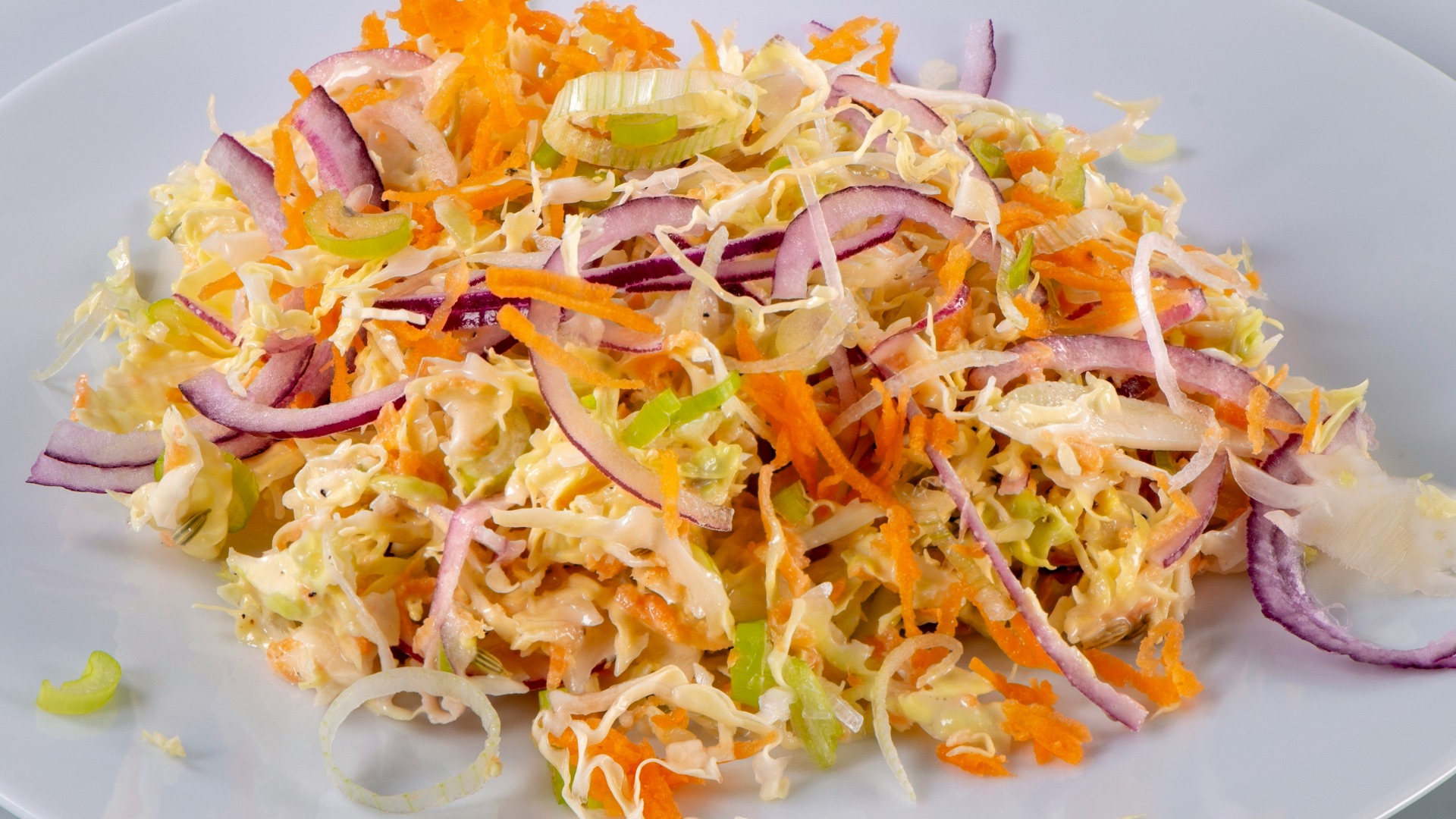
11. Coleslaw
Cabbage is inexpensive, keeps reasonably well, and produces a substantial volume once shredded. A simple dressing made with mayonnaise, vinegar, sugar, and seasoning doesn't add much to the cost of each portion either. That makes coleslaw an economical way for restaurants to add another component to barbecue plates, sandwiches, and combo meals.
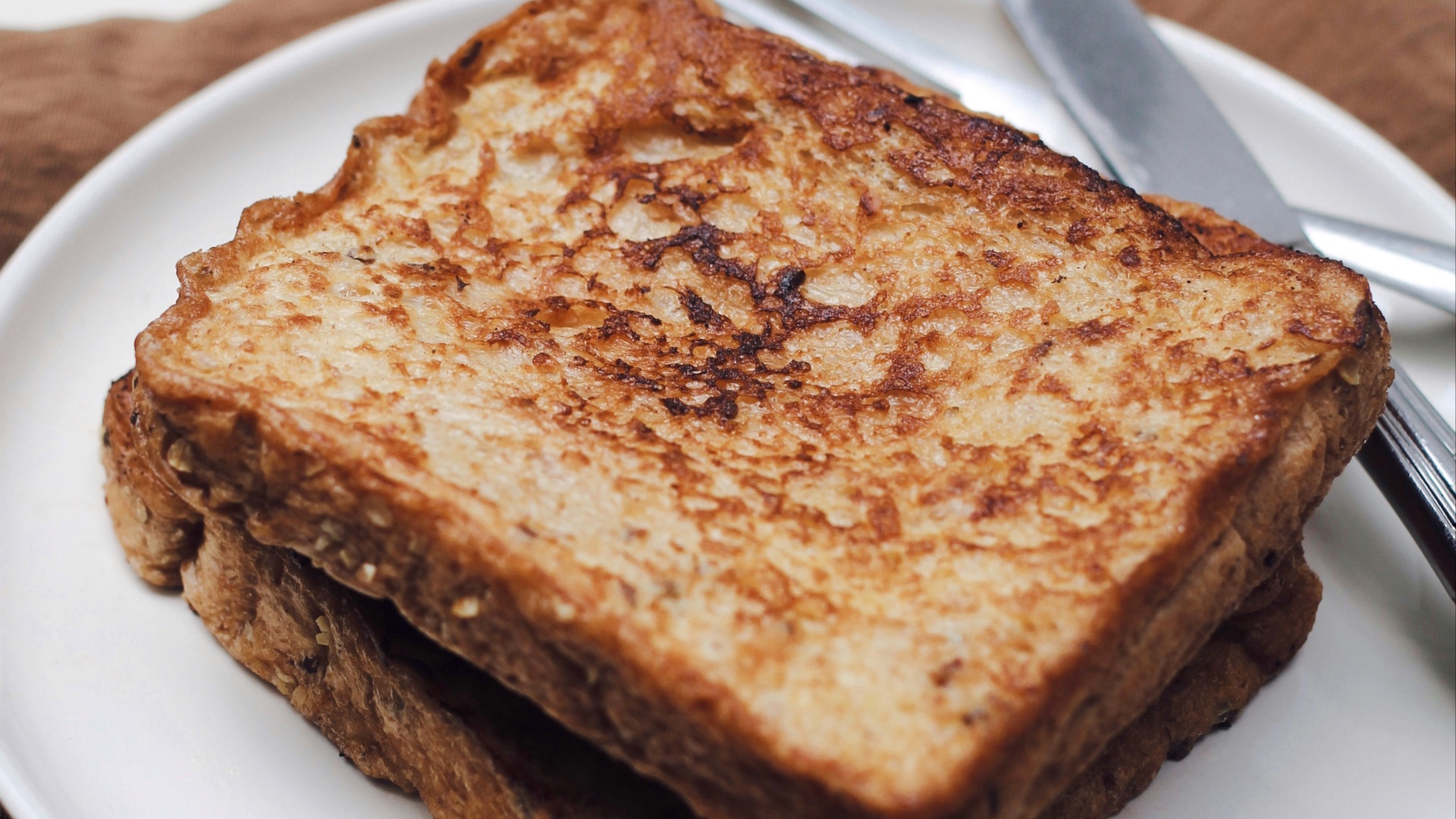
12. French Toast
French toast turns inexpensive slices of bread into a breakfast dish that can sell for considerably more than its ingredient cost. The egg-and-milk mixture used for soaking the bread is cheap to make in bulk, while cinnamon, powdered sugar, and syrup add only a modest amount per plate. Fruit, whipped cream, or specialty sauces can raise the cost, but a basic order remains relatively inexpensive for a restaurant to prepare.
 montatip lilitsanong on Unsplash
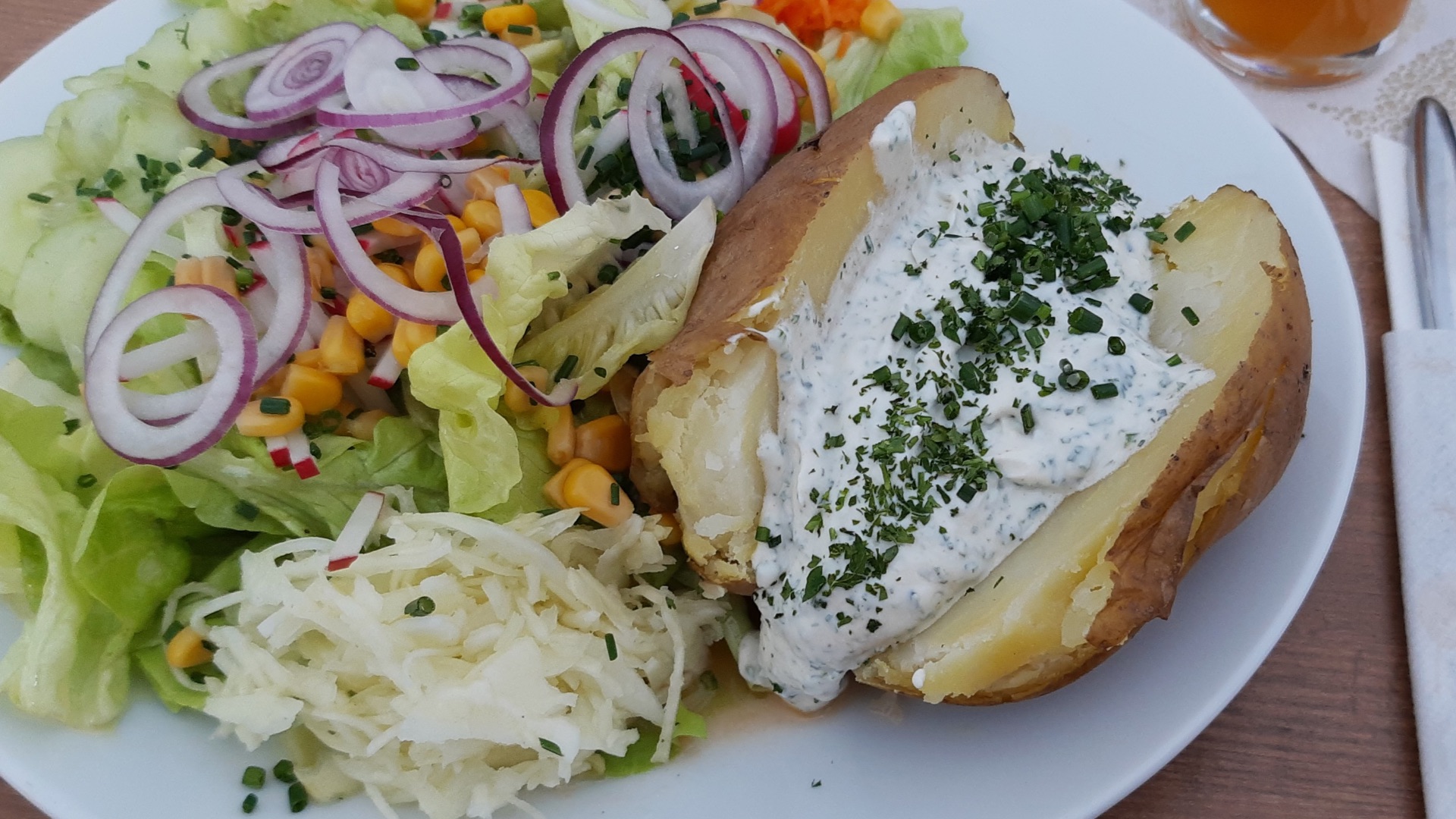
13. Baked Potatoes
A whole potato is cheap enough that restaurants can serve a filling side while keeping ingredient expenses low. Baking requires time and oven space, but the basic version needs little more than a potato, salt, and perhaps butter or sour cream. Customers usually pay more when cheese, bacon, chili, or other toppings turn it into a loaded version.
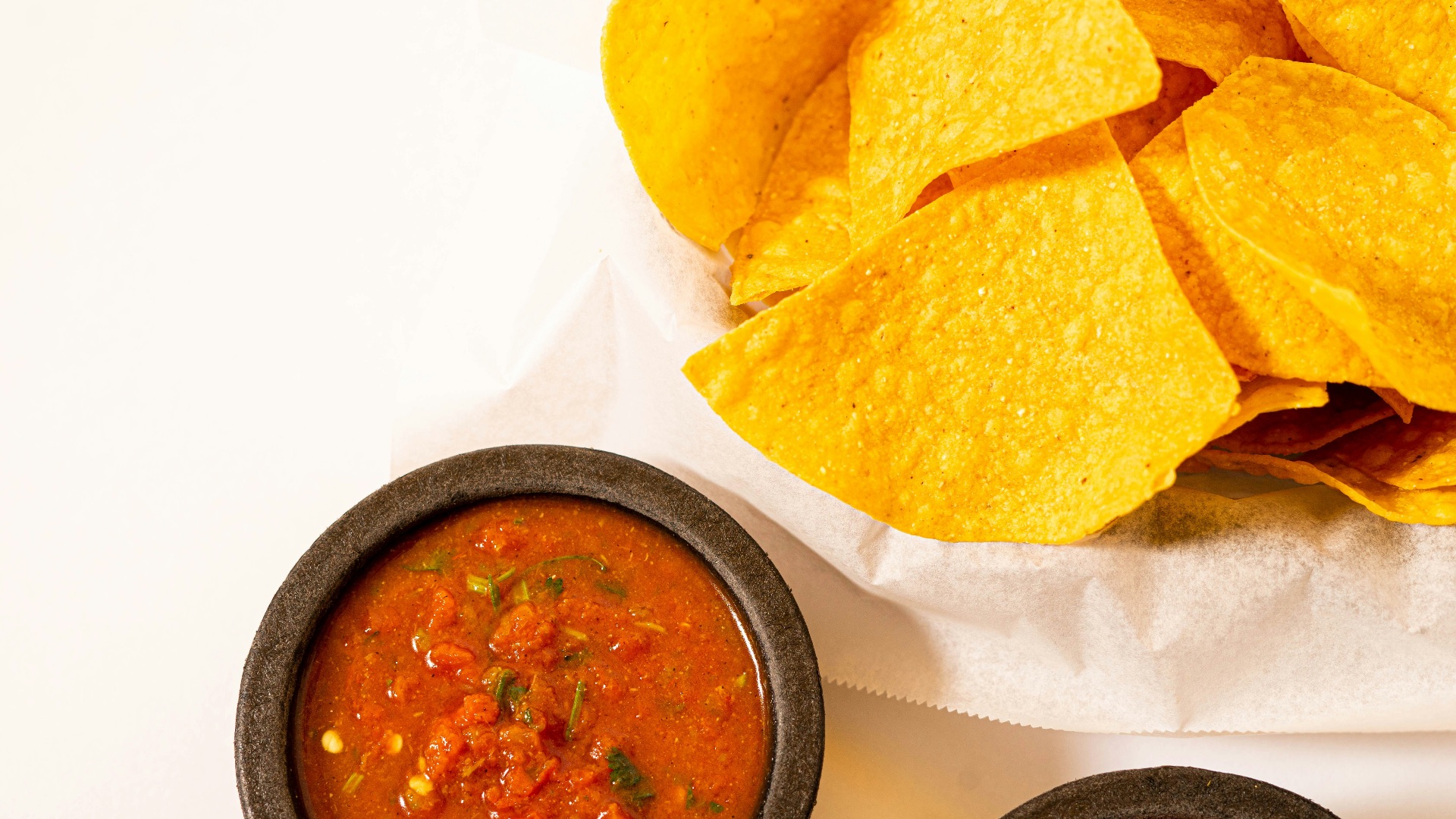
14. Tortilla Chips and Salsa
A basket of chips and salsa can feel like a generous start to a Mexican restaurant meal, even though its basic ingredients aren't particularly costly. Tortilla chips can be bought inexpensively or made from tortillas, while a house salsa often relies on tomatoes, onions, peppers, herbs, and seasonings. Refills can add to the restaurant's expense, but an individual basket generally starts with a low food cost.
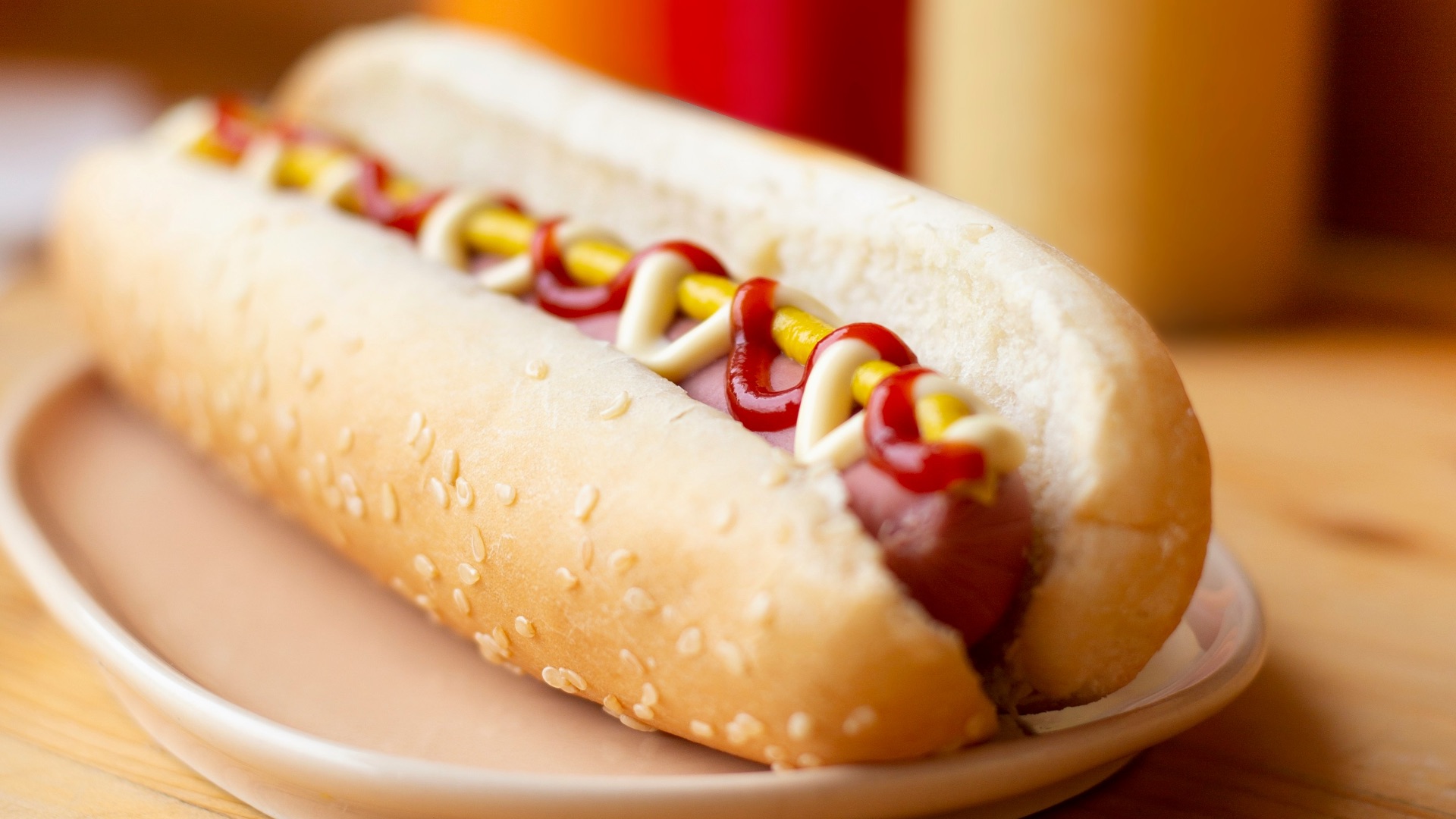
15. Hot Dogs
A basic hot dog is built from ingredients that restaurants can often buy very cheaply in bulk, including the frank, bun, and simple condiments. Mustard, ketchup, relish, and chopped onions add only a small amount to the cost of each serving. Even with those extras, the ingredient total can remain low compared with what you might pay at a diner, concession stand, or casual restaurant.
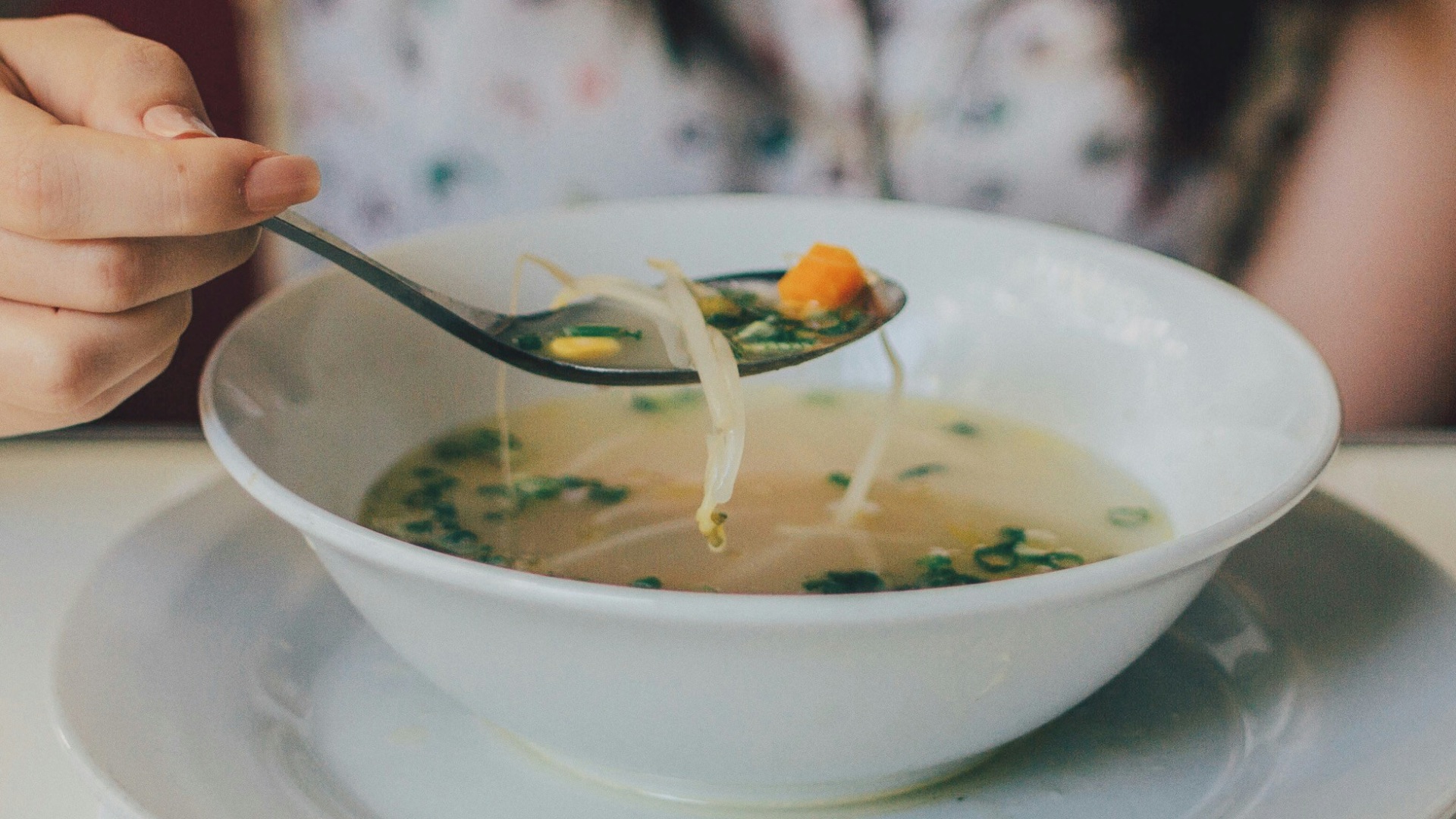
16. Soup of the Day
Many soups are designed around affordable ingredients such as stock, beans, lentils, pasta, potatoes, or vegetables. Making a large pot spreads the cost across numerous servings and can also help a kitchen make practical use of ingredients already on hand. Cream-heavy soups or versions packed with premium meat can be more expensive, but a basic vegetable or bean soup can cost relatively little per bowl.
17. Hash
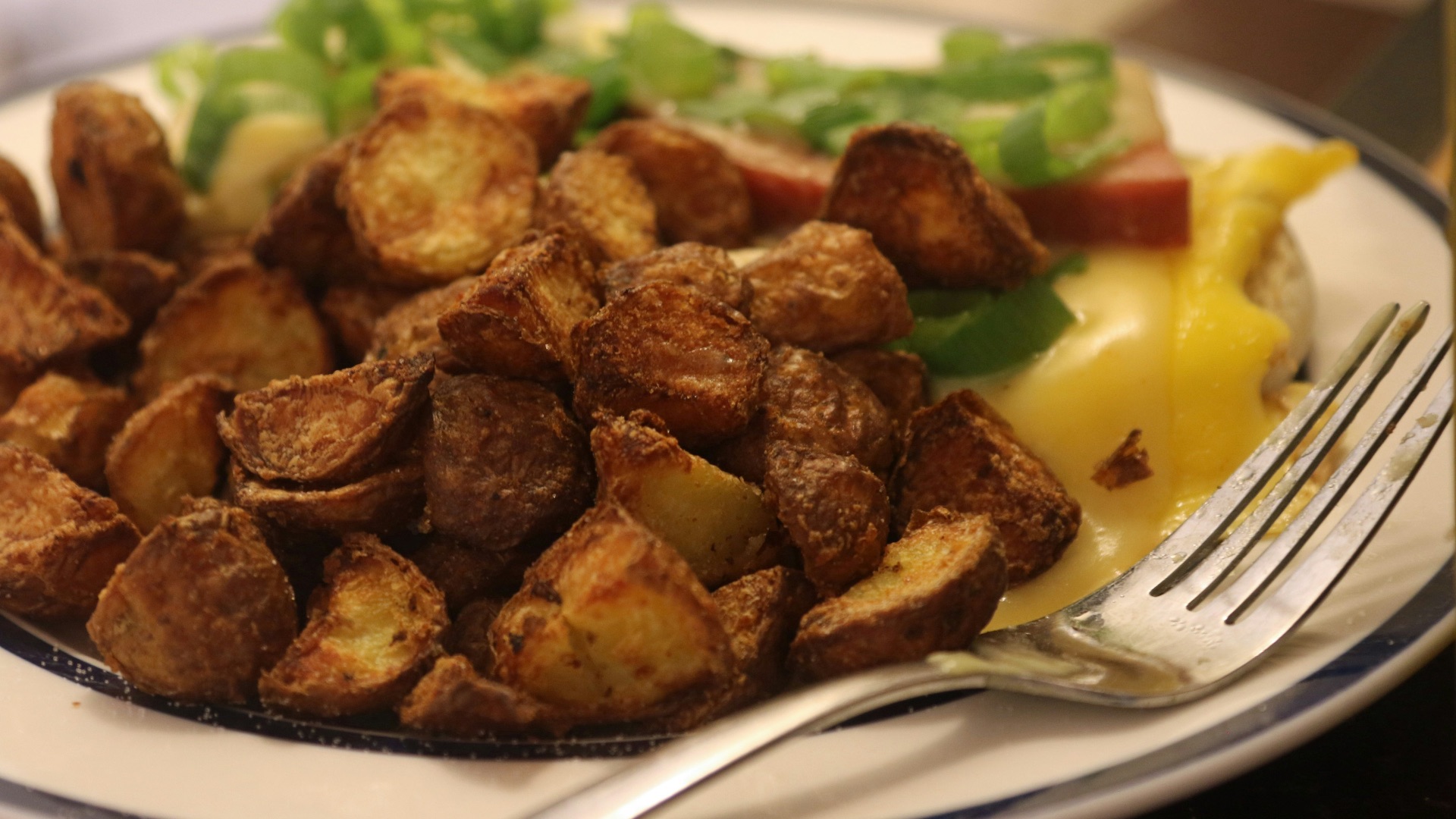
Breakfast hash is usually built around inexpensive potatoes, onions, and whatever small amounts of meat or vegetables the kitchen chooses to add. Because potatoes make up most of the portion, restaurants can serve a hearty-looking plate without relying heavily on pricier ingredients. Even versions with corned beef, sausage, or bacon can keep costs controlled by using those additions more sparingly.
18. Biscuits and Gravy
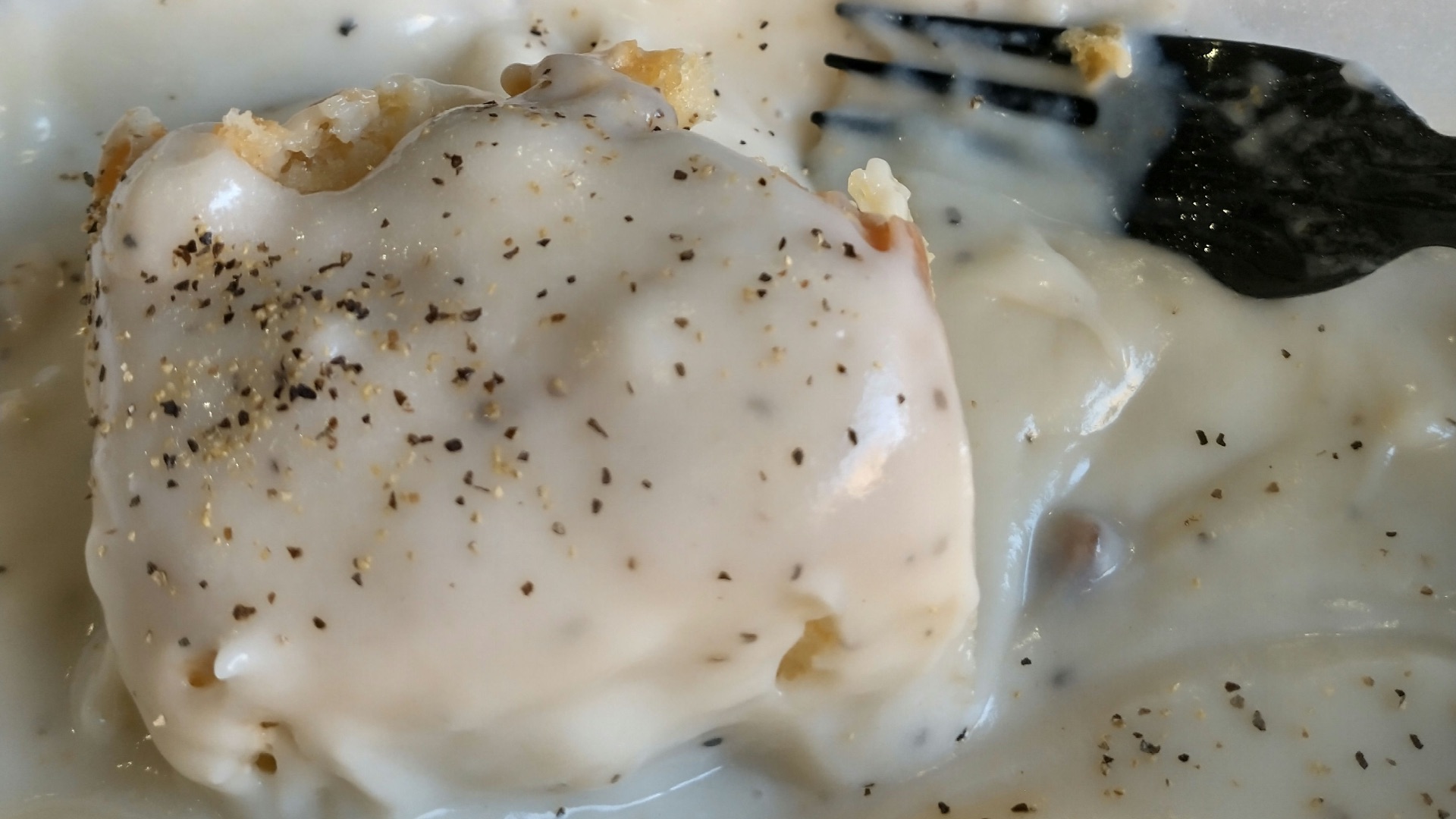
Biscuits and gravy rely on some of the cheapest staples in a restaurant kitchen, including flour, milk, fat, and basic seasonings. The gravy may include crumbled sausage, but it usually doesn't take much meat to flavor an entire batch. Since both the biscuits and gravy can be prepared in quantity, a filling plate can cost relatively little in ingredients compared with its menu price.
19. House Salad
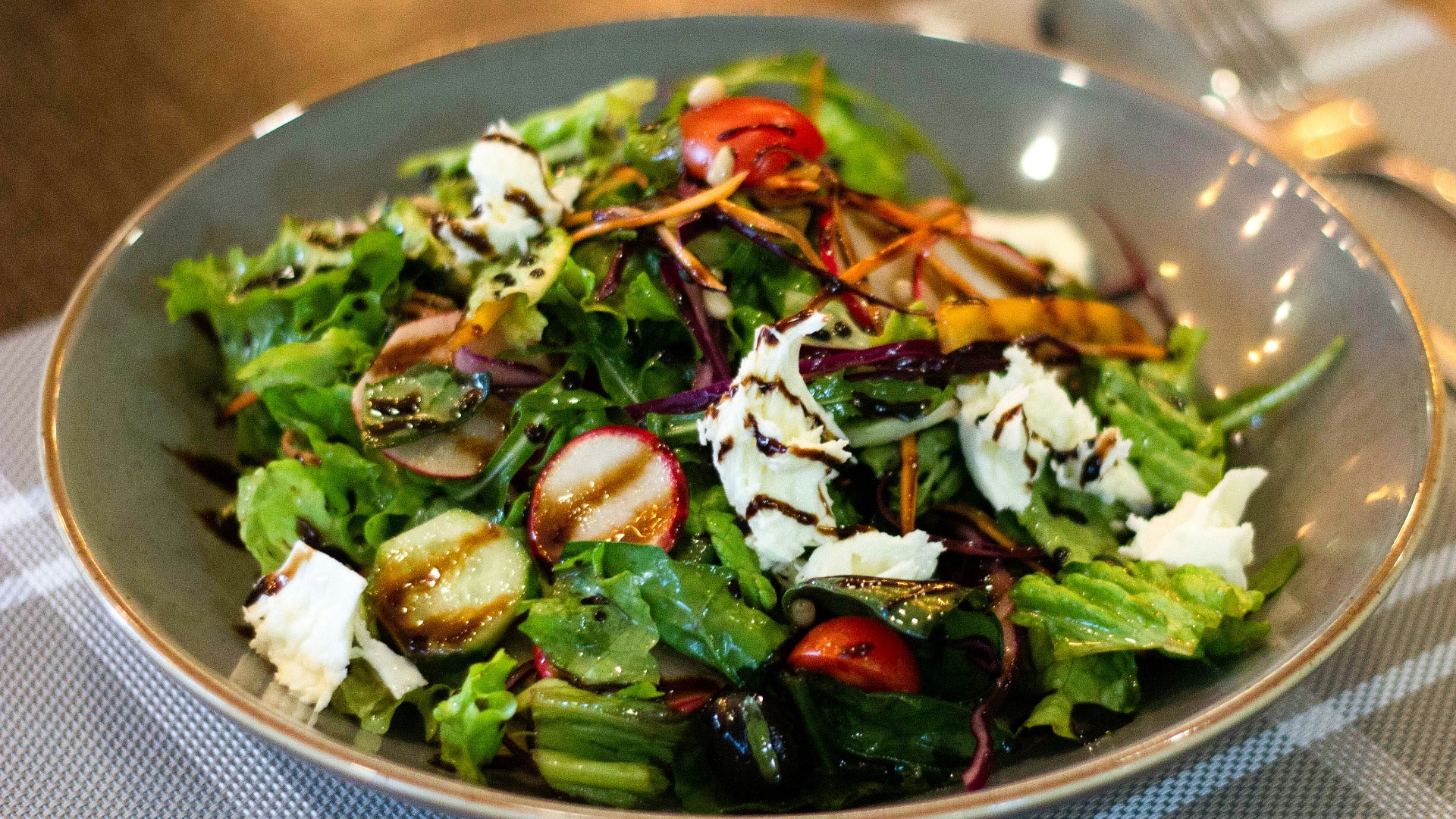
A basic house salad can be surprisingly inexpensive when it consists mostly of lettuce, cabbage, carrots, cucumber, and a small amount of tomato. Those ingredients can be portioned efficiently, while bulk or house-made dressing adds relatively little to the cost of the plate. Once cheese, meat, avocado, nuts, or other premium toppings are added, the math changes, but a simple side salad can still carry a substantial markup.
 Christine Isakzhanova on Unsplash
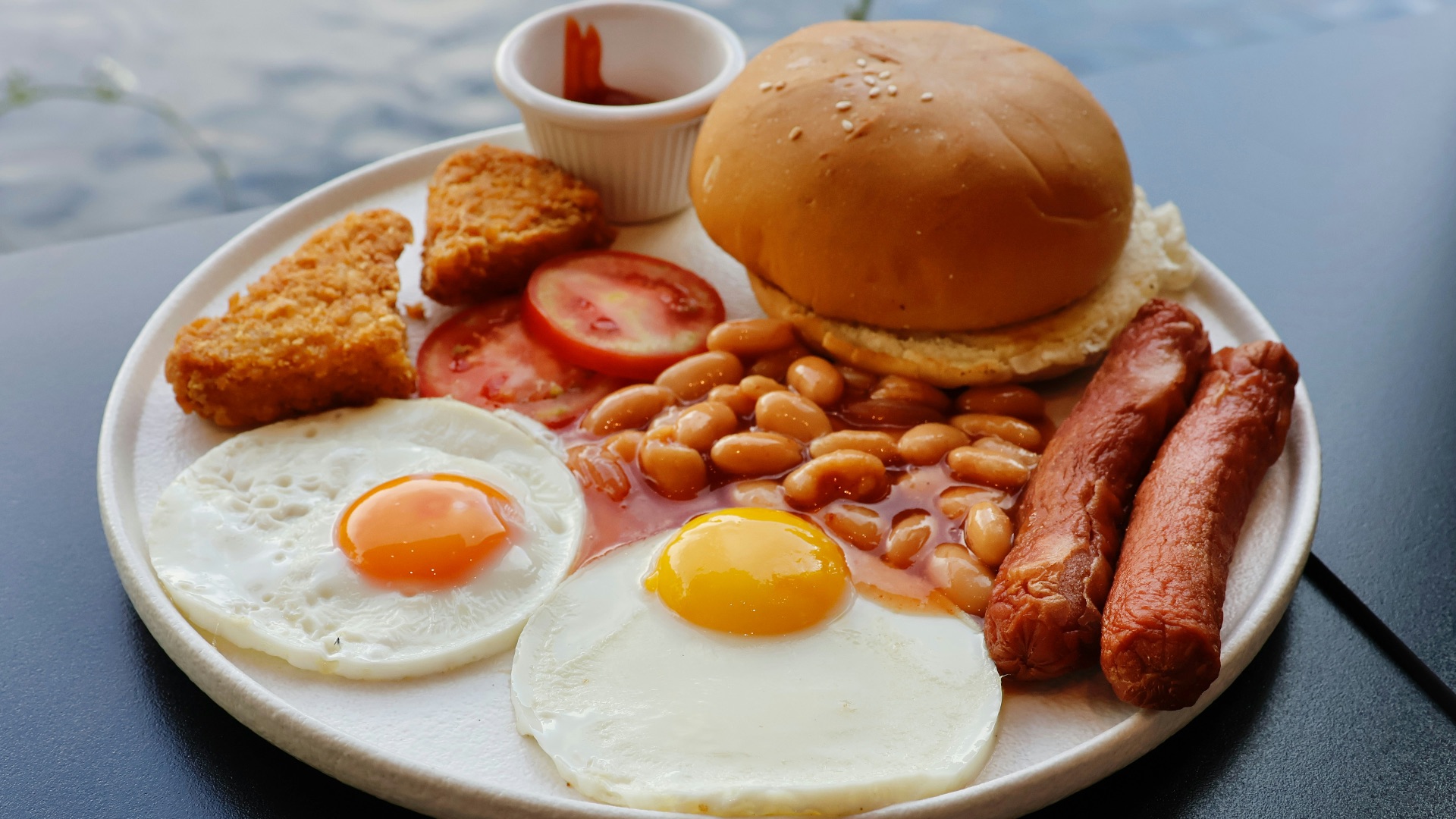
20. Breakfast Plate
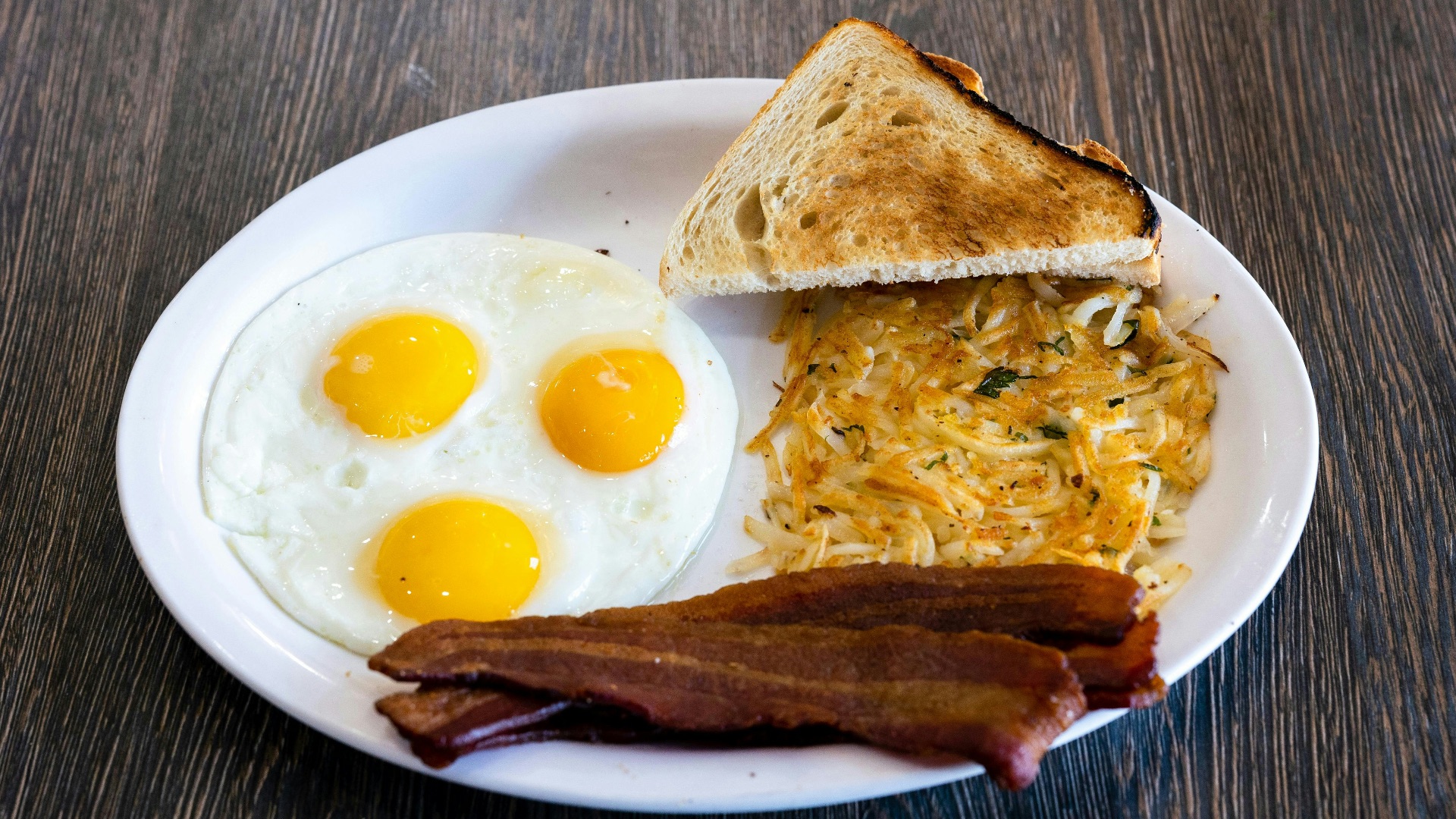
Classic breakfast plates often combine several relatively inexpensive ingredients into a meal that feels generous on the table. Eggs and toast cost little per serving, while bacon or sausage is usually portioned carefully to keep the more expensive part of the plate under control. Add hash browns or home fries made from low-cost potatoes, and restaurants can serve a filling breakfast without spending nearly as much on ingredients as the menu price might suggest.
KEEP ON READING

20 Food-Related Art Projects