20 Words Used On Menus That Instantly Make Food Sound Better
A Few Menu Words Can Do a Lot of Heavy Lifting
Menus are full of tiny little tricks, and one of the most effective is simply choosing the right word. A dish can go from ordinary to oddly irresistible just by sounding richer, fresher, slower-cooked, or a little more special than it really needs to. You know this works because nobody gets excited about “chicken with sauce,” but suddenly people are very interested in “roasted chicken with a velvety pan sauce.” Here are 20 menu words that instantly make food sound better.
1. House-Made
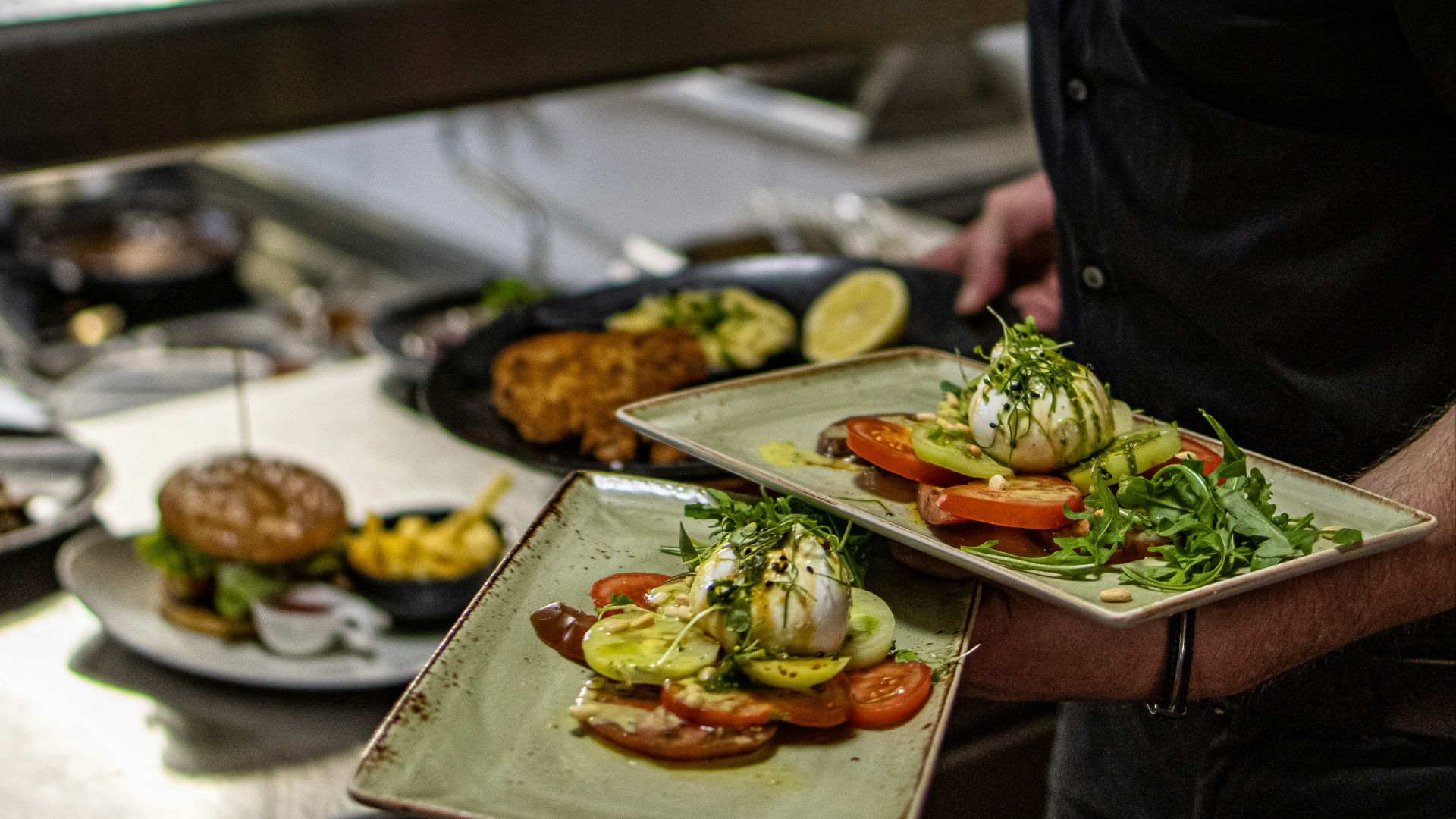
“House-made” gives a dish immediate credibility because it suggests someone in the kitchen actually cared enough to make it instead of opening a package and hoping for the best. It makes the food sound fresher, more personal, and a little less generic. Even if you know perfectly well that restaurants love this phrase, it still works.
 Stefan Schauberger on Unsplash
2. Roasted
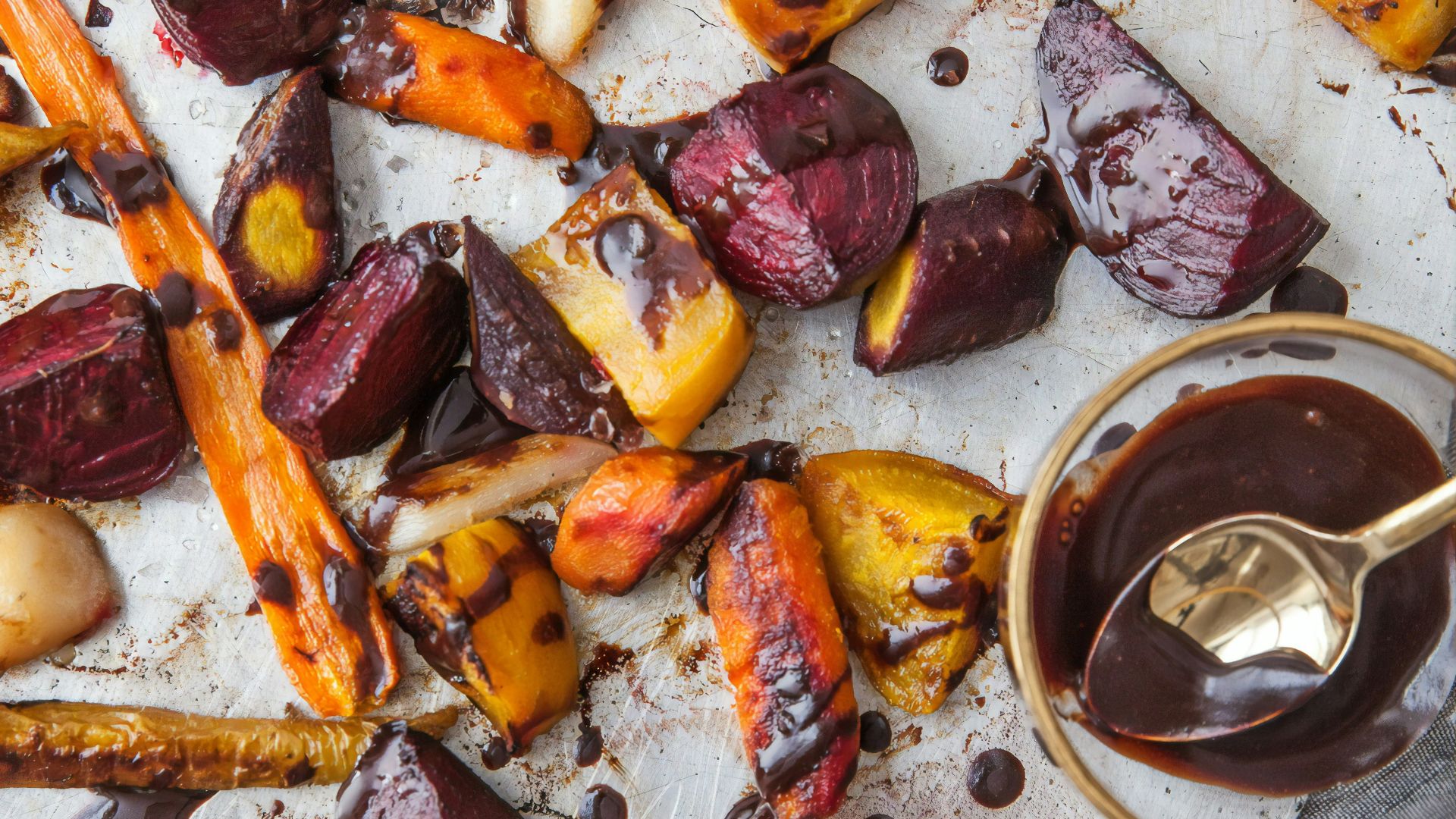
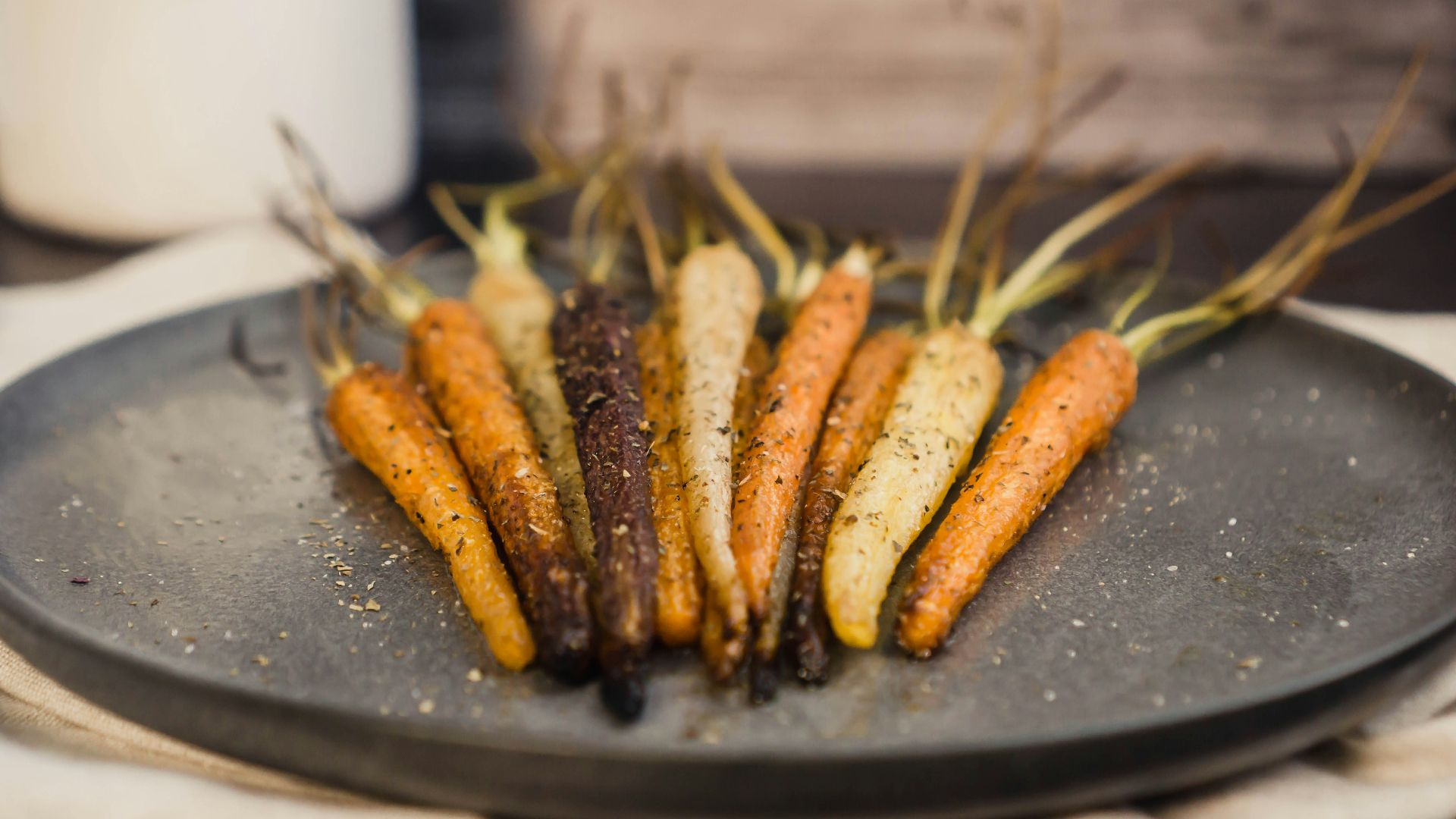
“Roasted” makes almost anything sound deeper, warmer, and more flavorful. Vegetables, chicken, potatoes, and even fruit suddenly seem more thoughtful once that word enters the description. It hints at caramelization, richness, and actual cooking instead of something rushed. You can see why “roasted” usually beats “cooked” by a mile.
 American Heritage Chocolate on Unsplash
3. Crispy
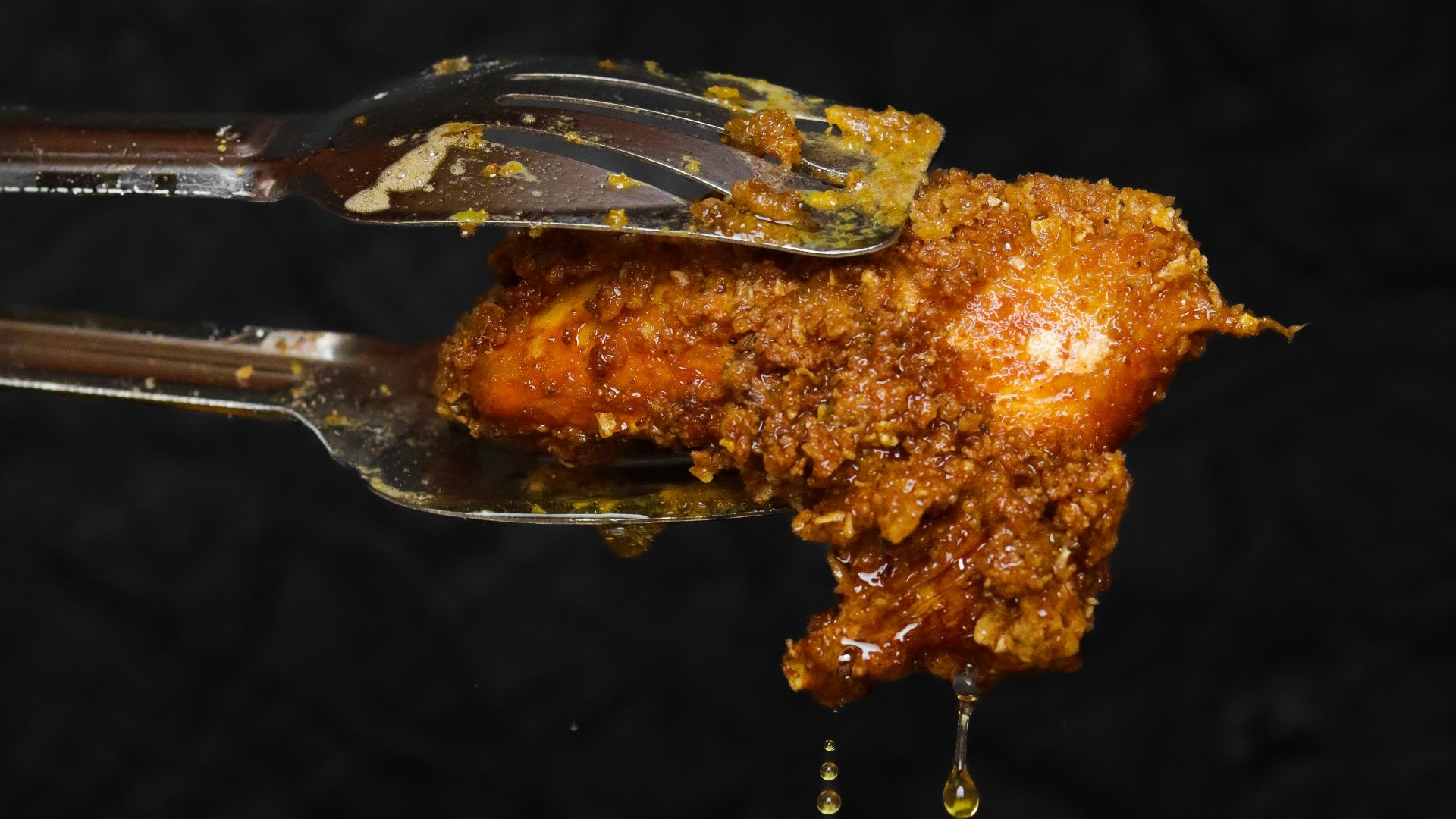
There's something about “crispy” that makes people stop and pay attention instantly. It promises texture, contrast, and the kind of satisfying crunch that makes you salivate much before the food comes out of the kitchen. Even a very simple item gets a little upgrade from it. If a menu says something is crispy, your brain already assumes it is going to be more fun to eat.
4. Charred
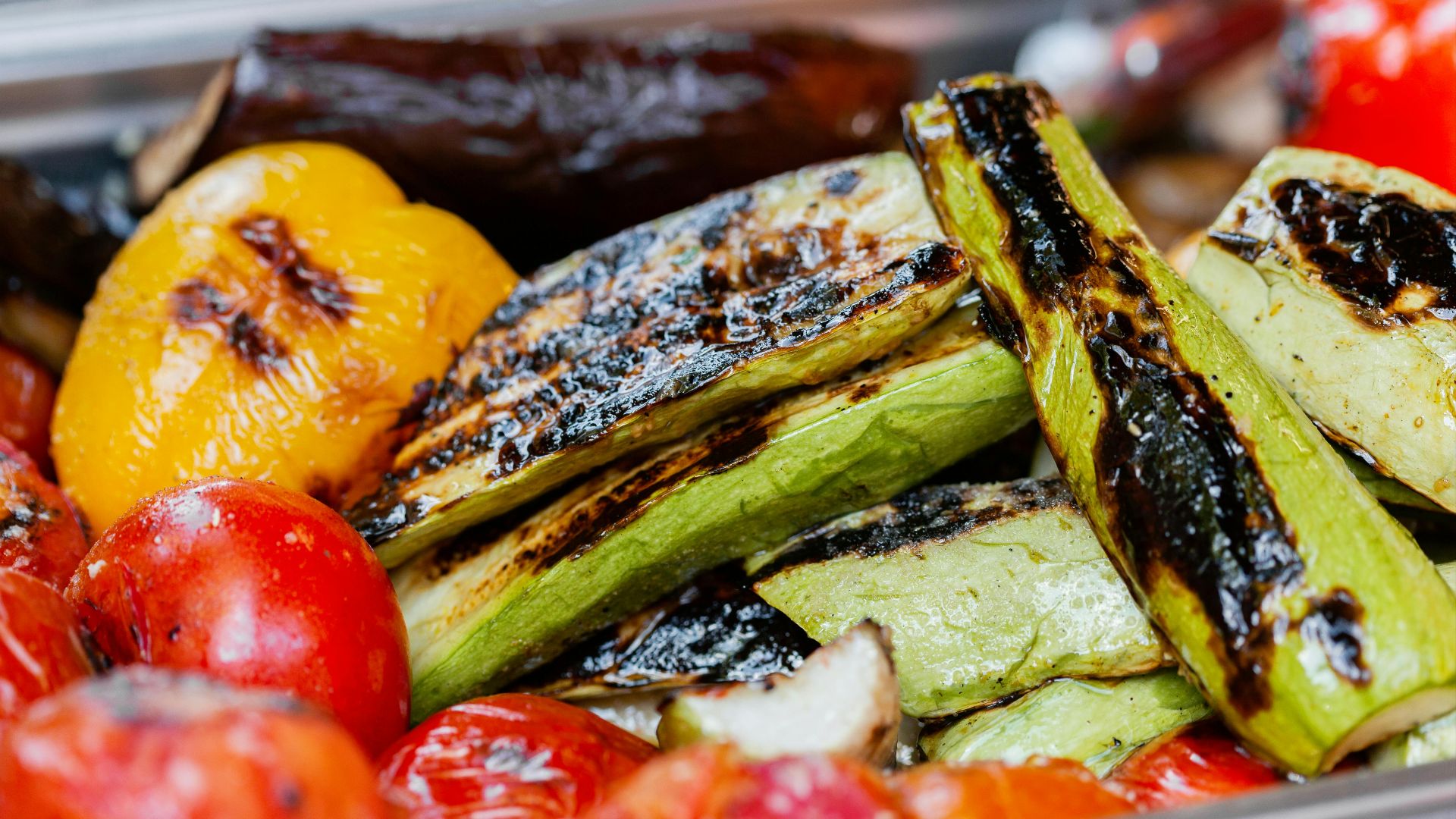
Restaurants love this word. “Charred” adds a little edge to a dish in a way that sounds intentional instead of overdone. It suggests smoky flavor, a bit of bitterness in the best sense, and that slightly dramatic finish restaurants know people like, even if it's really just setting food on fire in a controlled way.
5. Slow-Braised
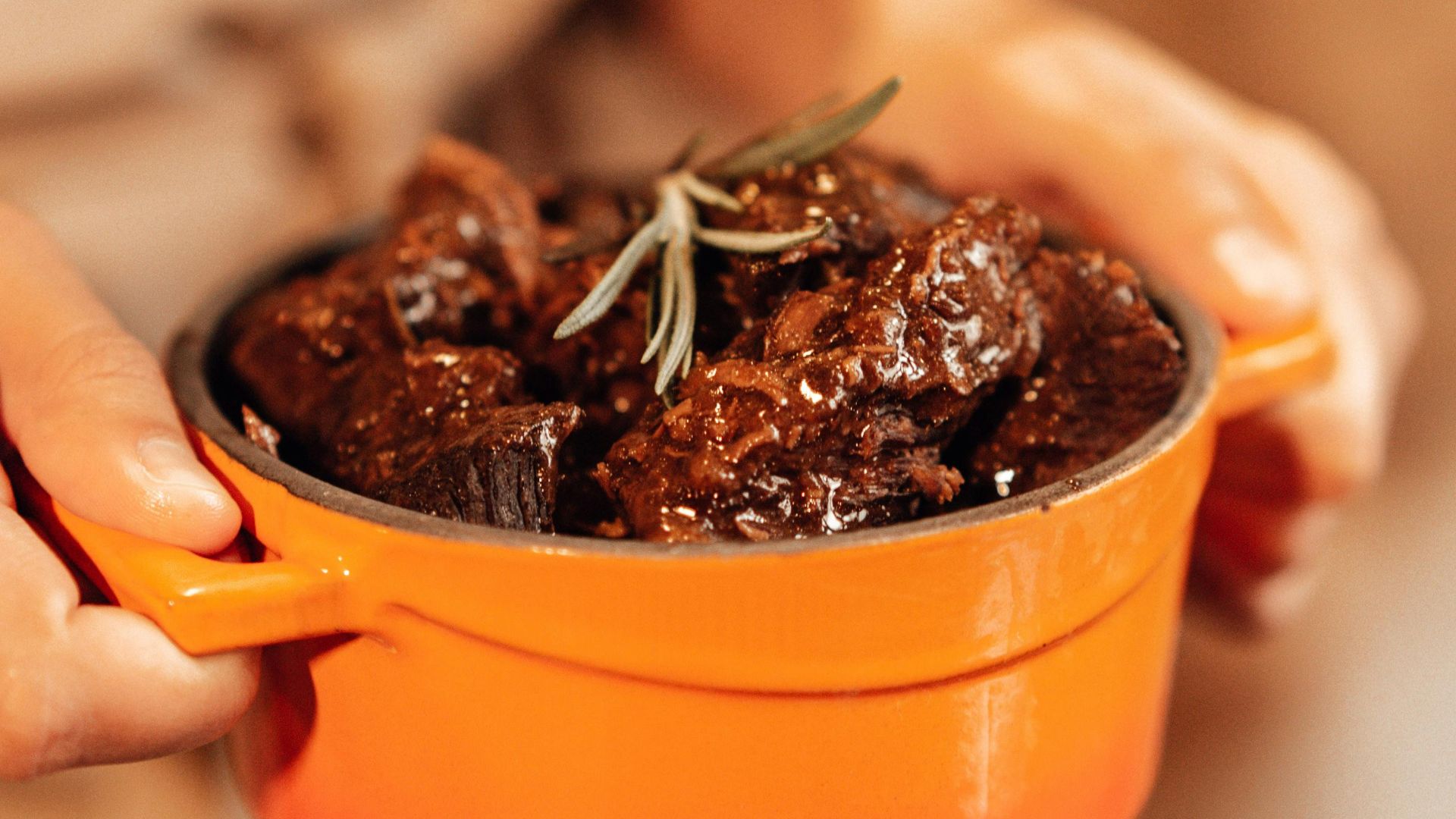
“Slow-braised” tells you the kitchen wants credit for patience, and honestly, that is fair. The phrase makes meat sound tender, rich, and worth the wait, even if you're reading the menu in under a minute. It also creates the feeling that the dish has depth and seriousness. Nobody hears “slow-braised” and expects something careless.
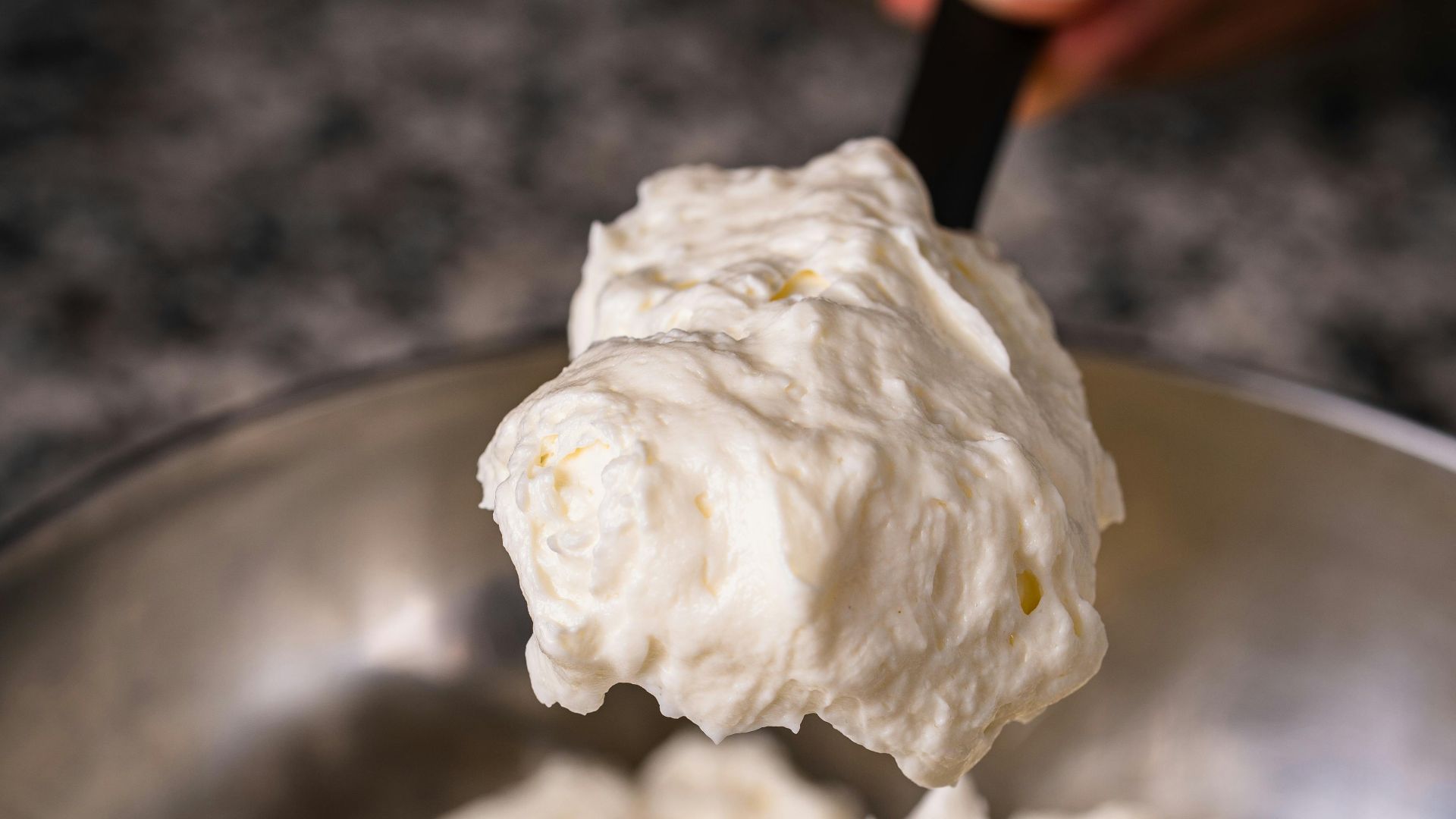
6. Whipped
“Whipped” does wonderful things for foods that might otherwise sound ordinary. Potatoes, ricotta, butter, feta, and even desserts all become lighter and more elegant with that one word attached. It makes an ingredient sound less like a side note and more like a feature.
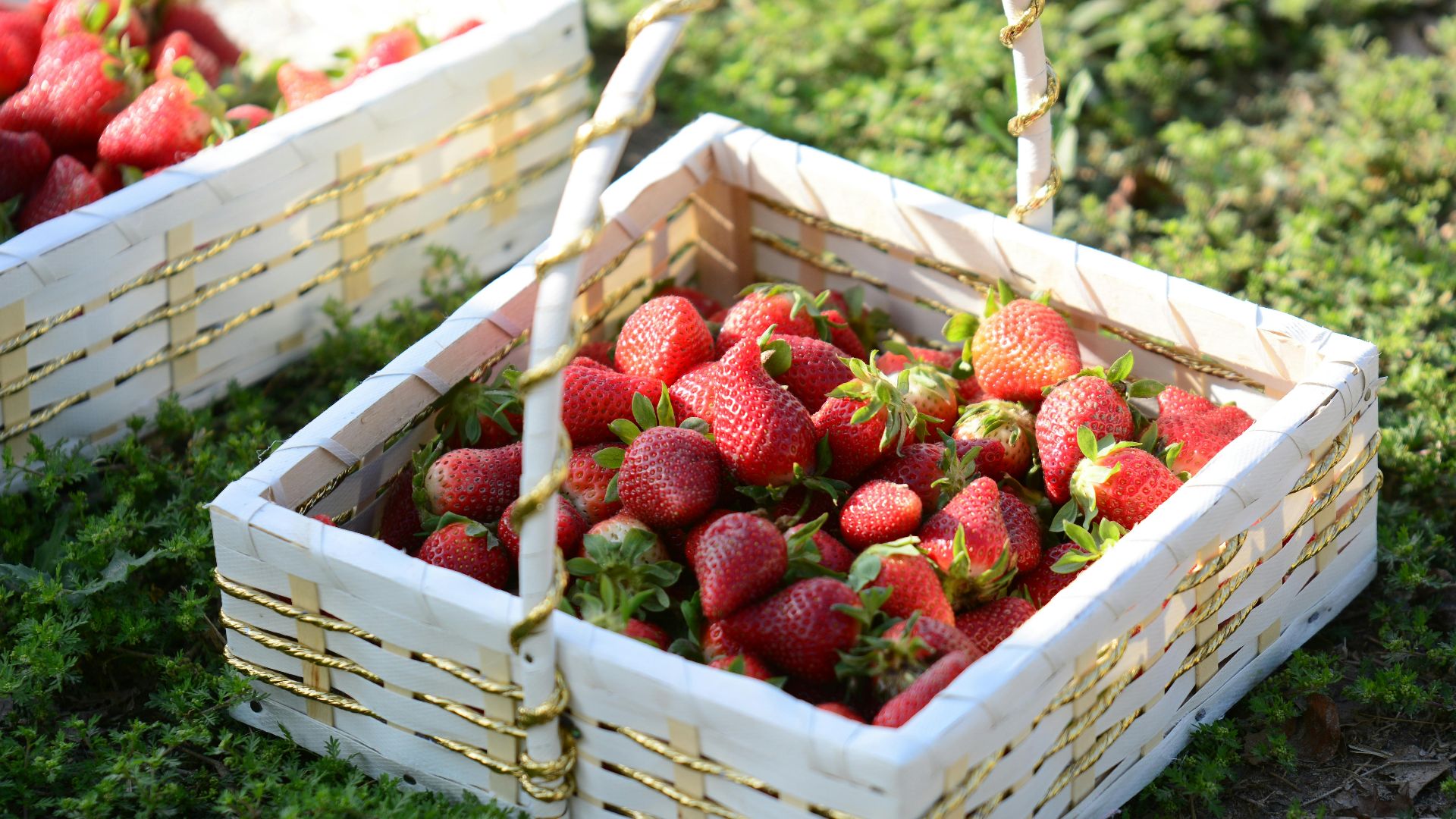
7. Fresh
“Fresh” may be basic, but it still works because it speaks directly to what people want food to feel like. Herbs, pasta, mozzarella, salsa, and fruit all benefit from sounding like they were prepared within the hour, just for you. It's one of those words that isn't fancy, but always improves the mood.
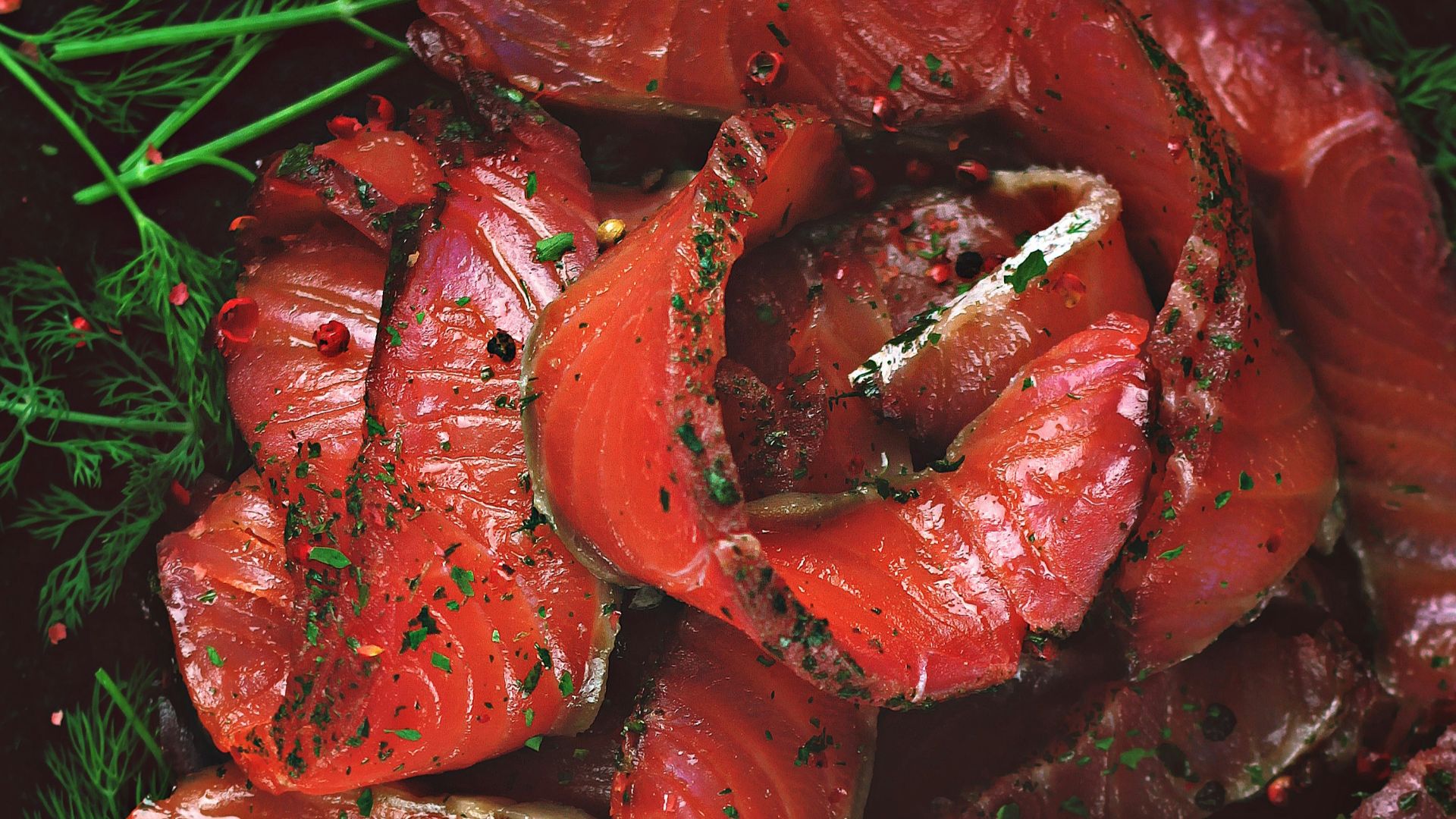
8. Smoked
“Smoked” gives food an instant sense of complexity and depth. It tells you there is flavor here that goes beyond salt, butter, and wishful thinking. Whether it's salmon, gouda, brisket, or aioli, the word adds a mood that sounds richer than the plain version ever would. Menus love it because diners usually do too.
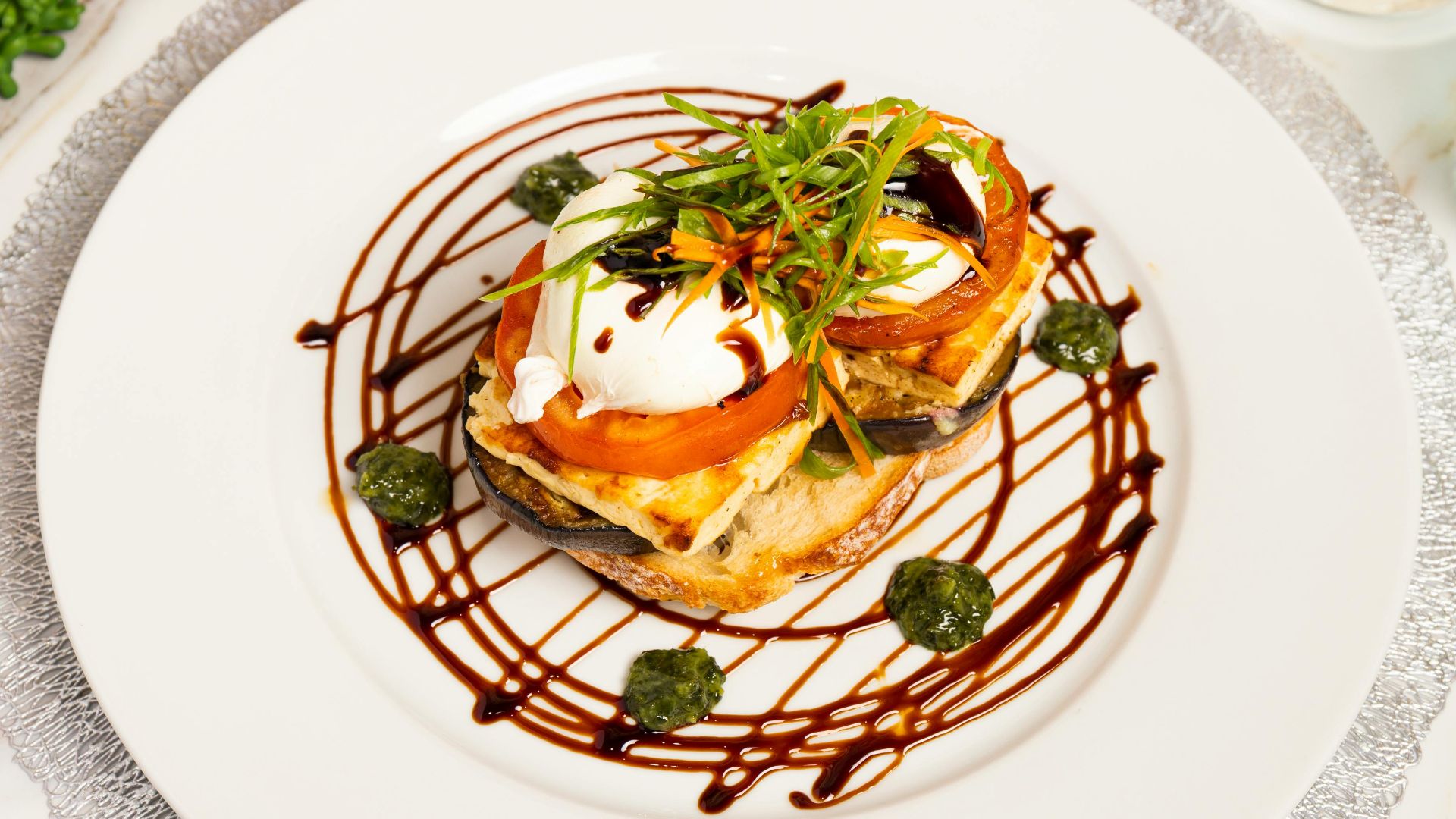
9. Reduction
“Reduction” is a slightly unexpected one because usually consumers want more, more, more, not a reduced version of something, but it works because it implies time was taken to cook this sauce down into something really special. Even when you're not entirely sure what's being reduced, the word still sounds impressive. Menus love it because “balsamic reduction” simply has a lot more charm than “thick, sticky balsamic.”
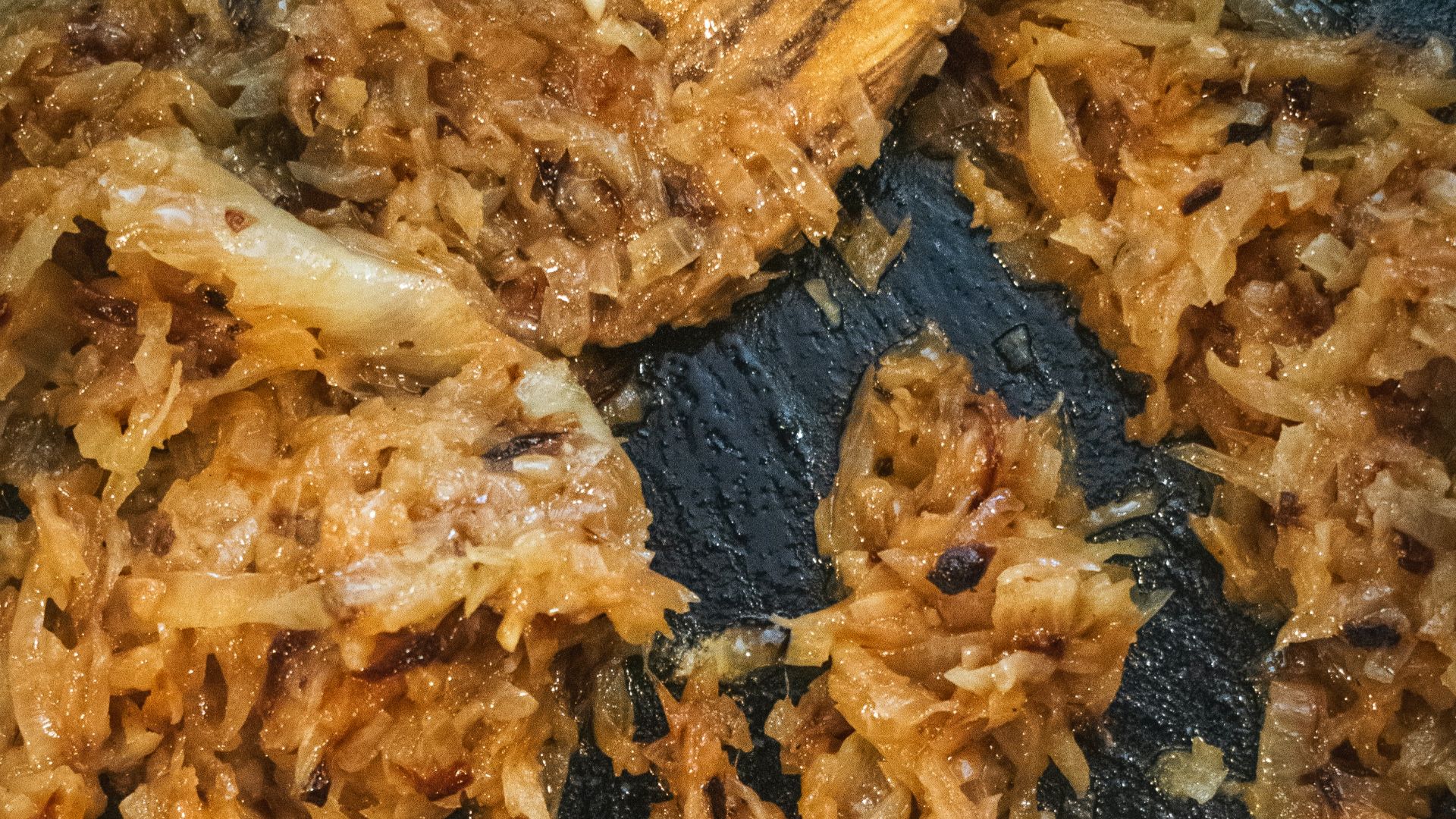
10. Caramelized
“Caramelized” makes ingredients sound sweeter, more developed, and much more restaurant-worthy. Onions especially owe a lot to this word, because “caramelized onions” sound luxurious while “cooked onions” really don't. The term adds a sense of care and transformation to the dish.
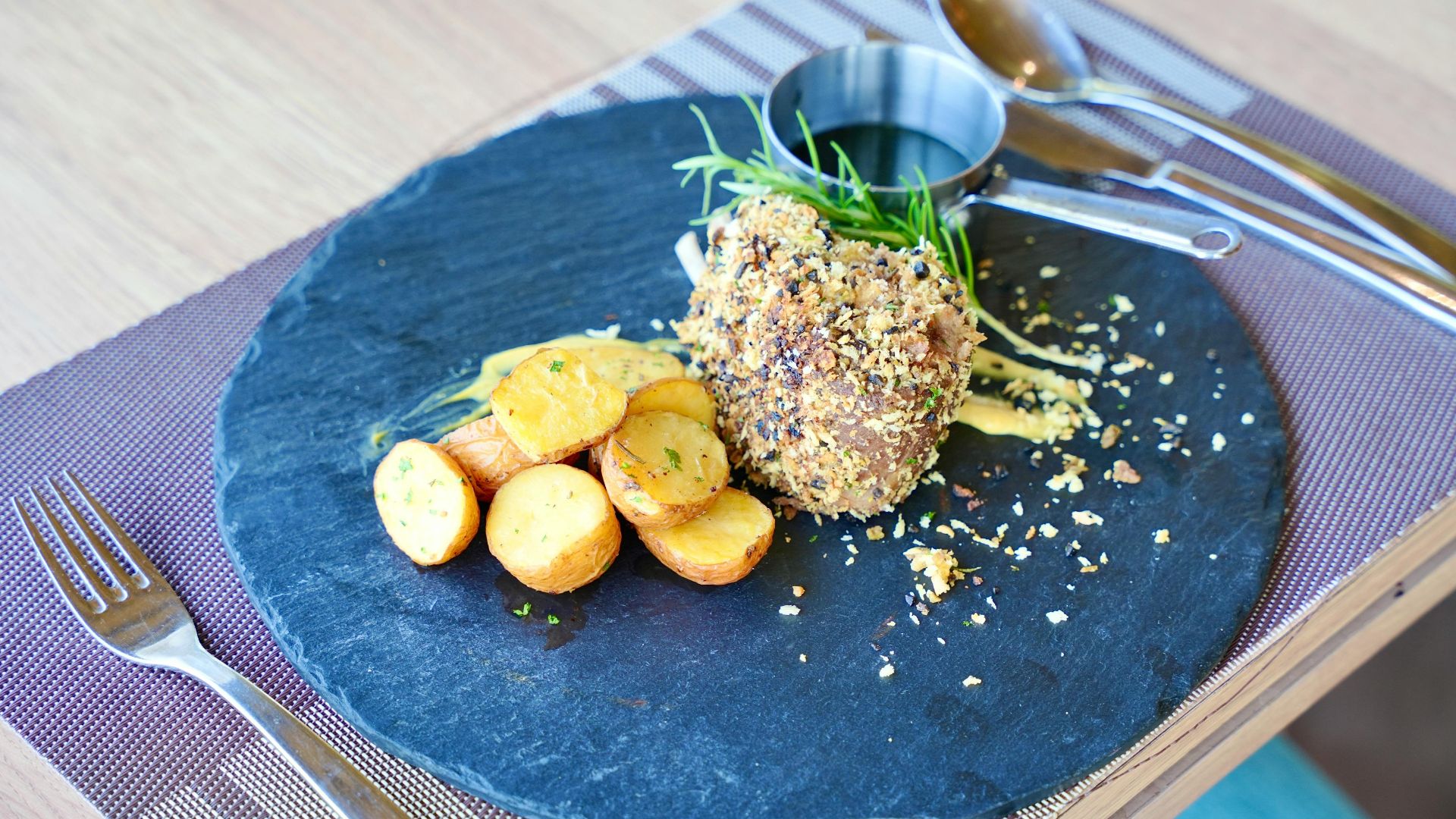
11. Herb-Crusted
“Herb-crusted” makes a piece of meat or fish sound dressed up without becoming fussy. It gives the impression of flavor, texture, and just enough sophistication to justify a higher menu price. The word “crusted” also helps because it implies a deliberate outer layer that makes the dish more interesting. This is menu language doing a very solid job.
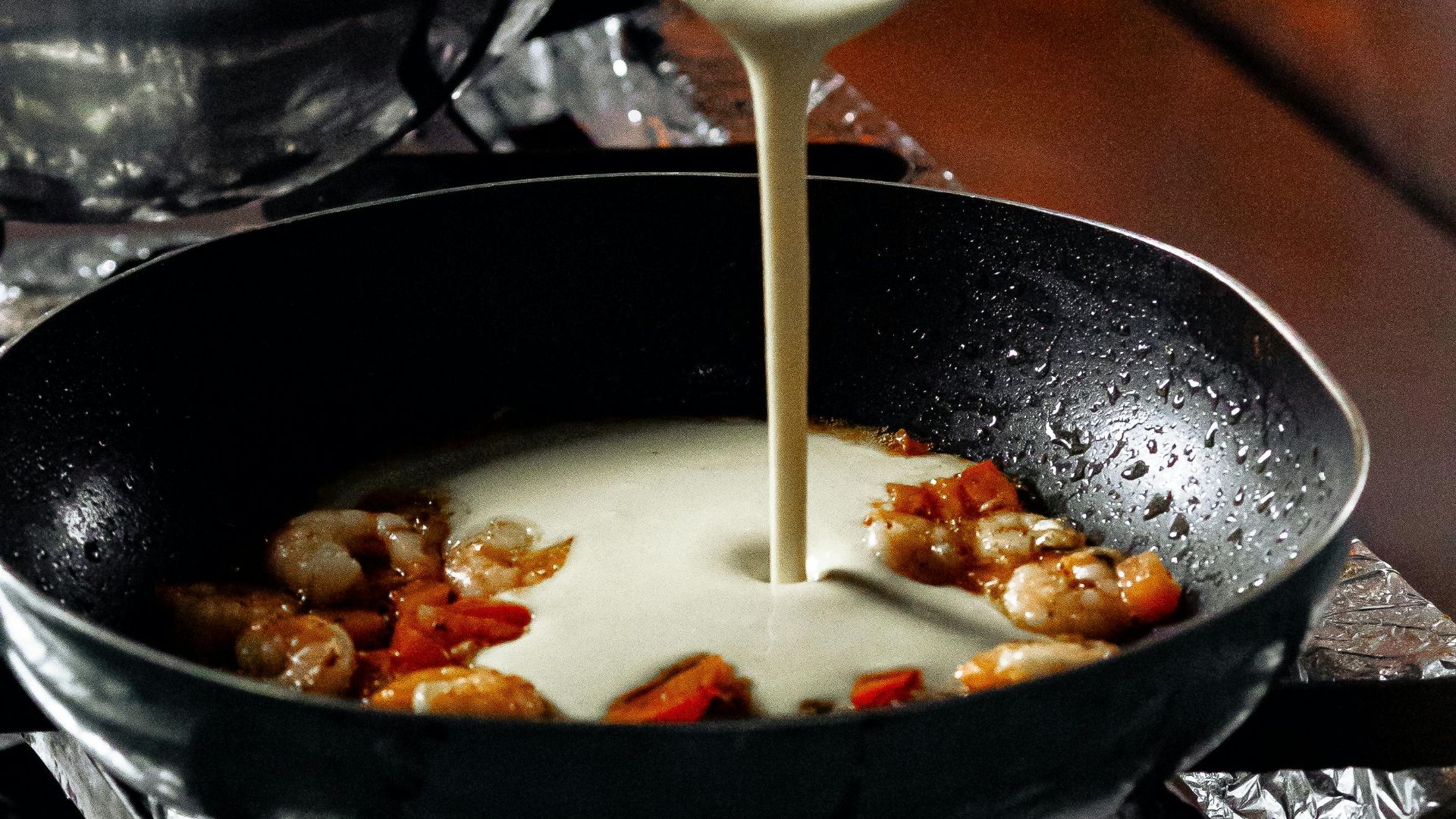
12. Velvety
“Velvety” is one of those words that exists almost entirely to seduce you into ordering soup, sauce, or dessert. It tells you the texture will be smooth and luxurious in a way that “creamy” can't always manage on its own. That little extra elegance matters more than it probably should.
13. Rustic
“Rustic” is a brilliant menu word because it somehow makes food sound both simple and special at the same time. It suggests comfort, tradition, and a kind of unfussy quality that still feels intentional. Bread, tarts, stews, and pasta all seem friendlier with it attached. It implies that no machines were used in the making of this food, and a "fine dice" is not our style.
14. Buttery
“Buttery” is the kind of word that can make almost anything sound more comforting within seconds. It suggests richness, softness, warmth, and a level of pleasure that nobody would describe as restrained. Even if the food is simple, “buttery” gives it a kind of irresistible confidence.
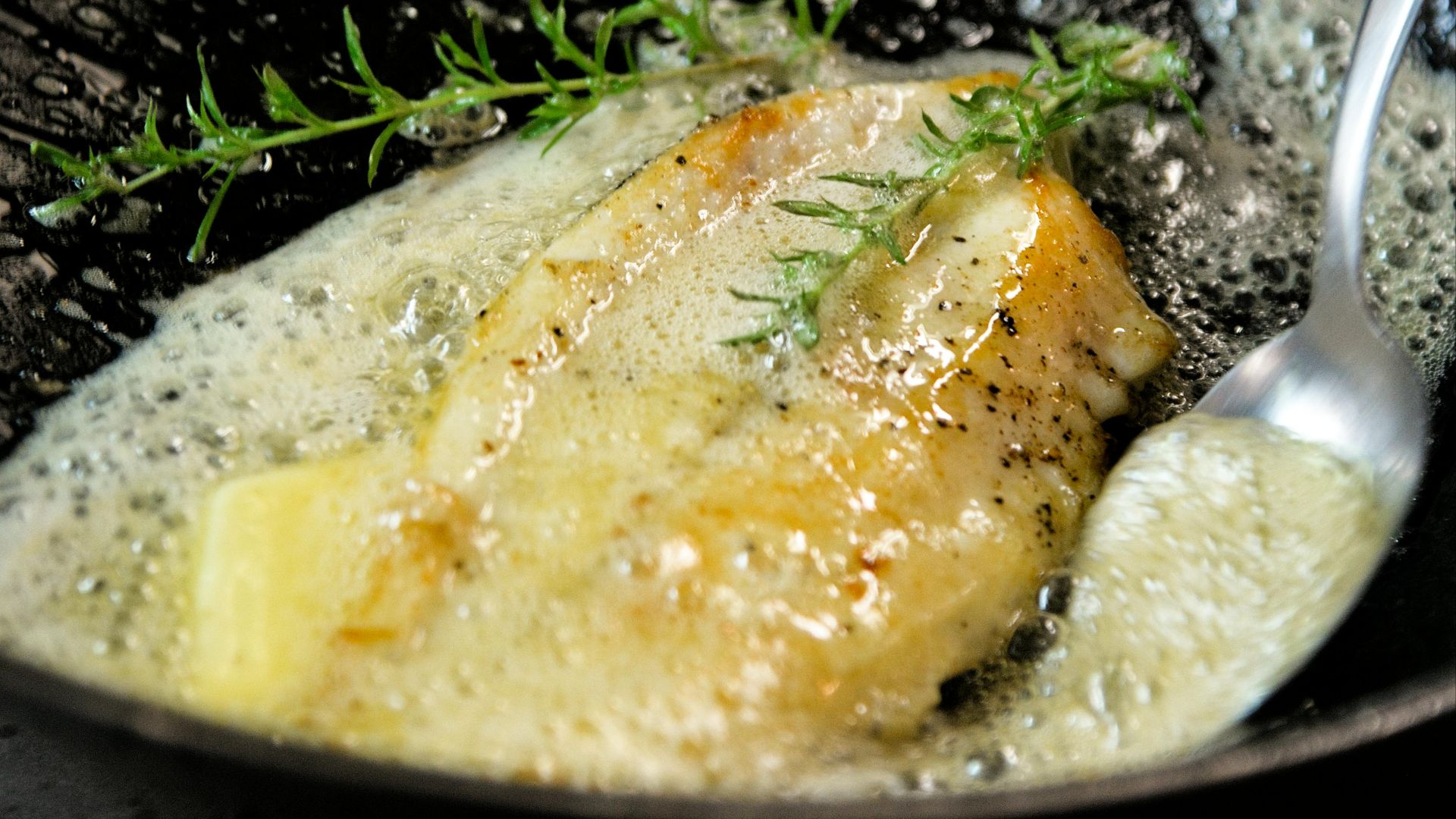
15. Golden
“Golden” gives food a visual advantage before you have even seen it. It makes you imagine crisp edges, warm color, and that very specific kind of doneness people actually want. Potatoes, crusts, fritters, and pastries all benefit from sounding golden.
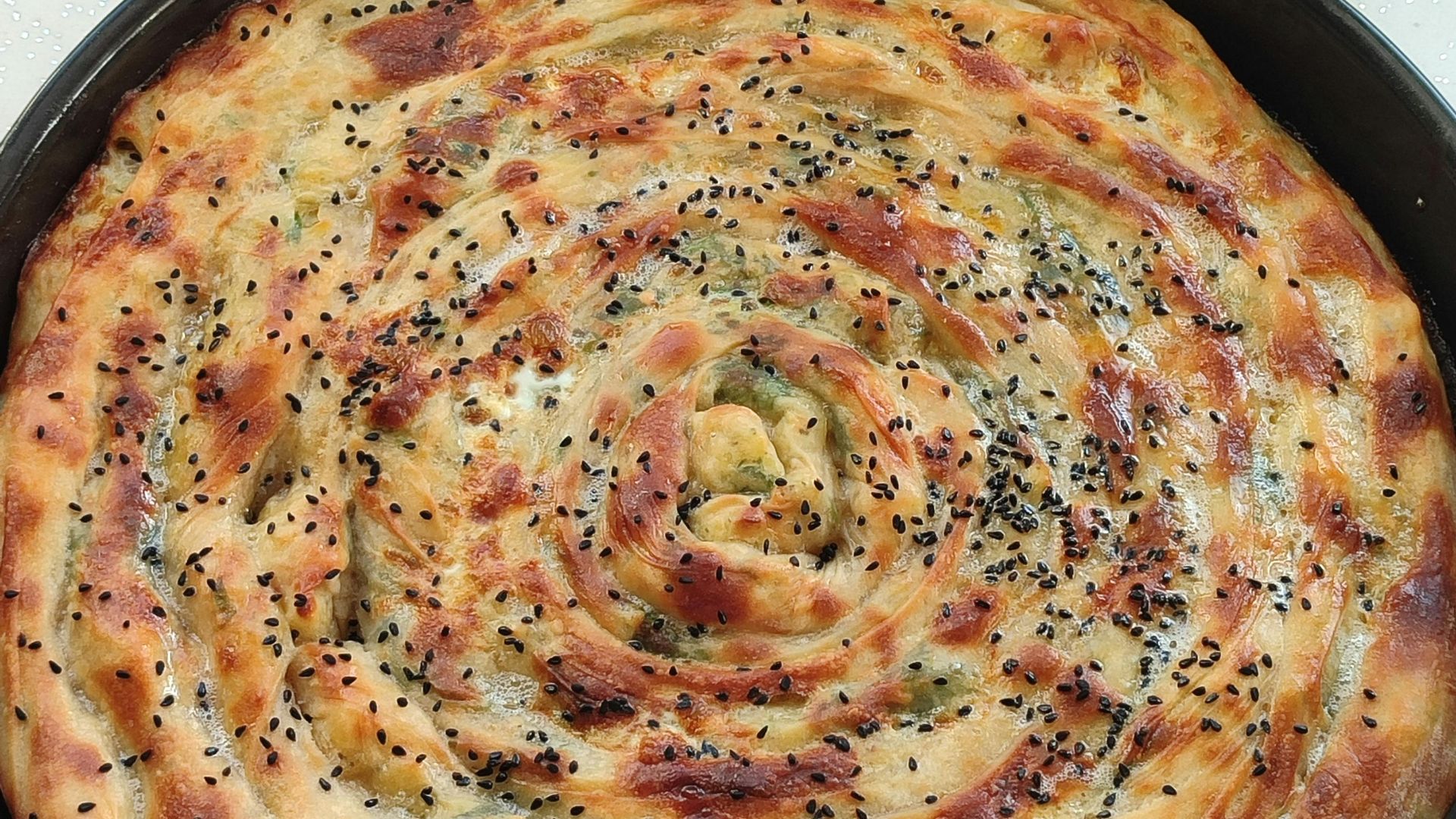
16. Hand-Cut
“Hand-cut” makes a dish sound less industrial and more personal right away. Fries, pasta, chips, and even steaks get an instant bump from the suggestion that a real human being had something to do with shaping them. It adds craftsmanship, even if only in your mind.
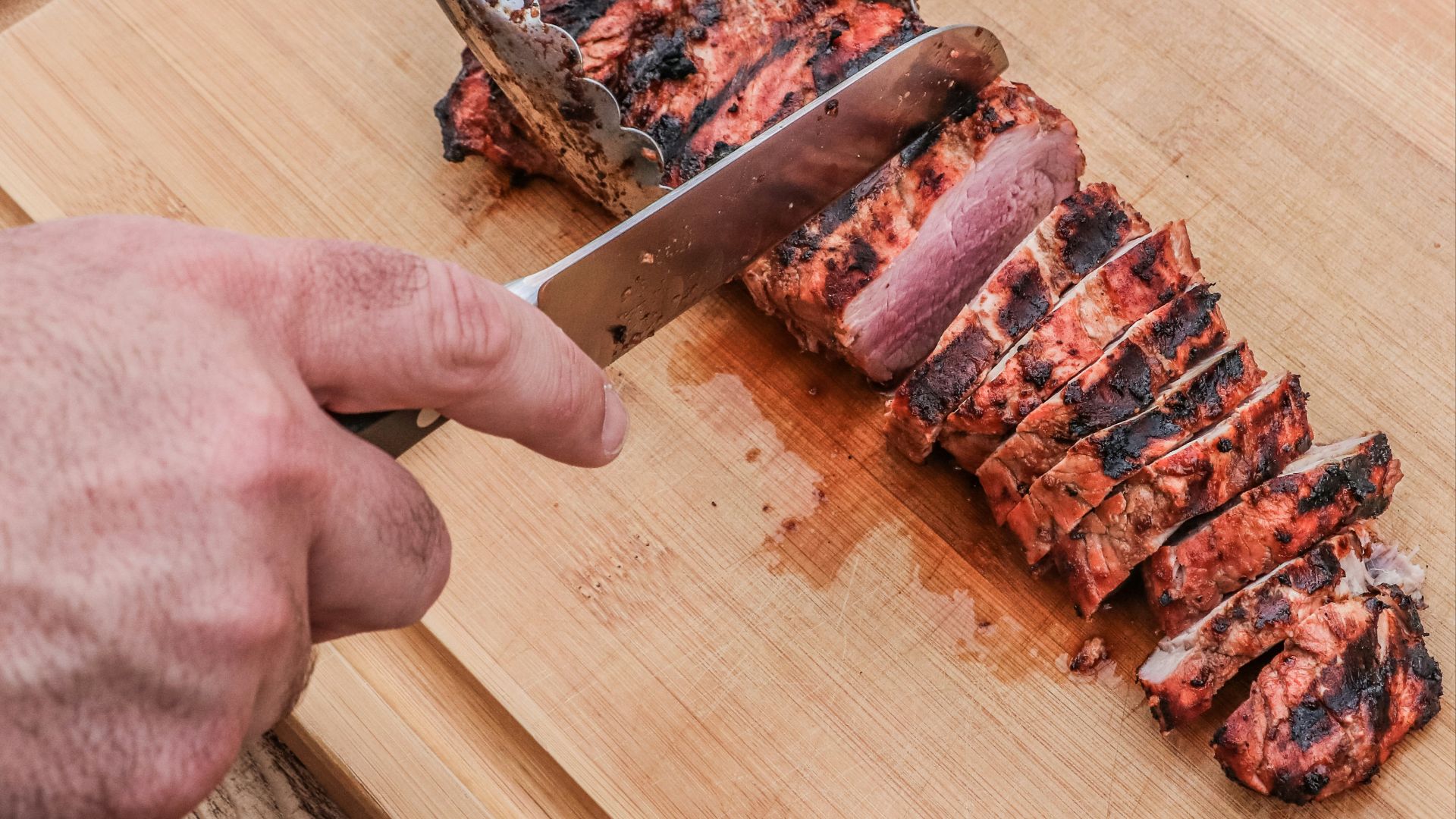
17. Blackened
“Blackened” makes food sound bold, spicy, and a little more dramatic than average. It suggests heat, seasoning, and a lot more character than a plain grilled or sautéed version might offer. Even if you're not exactly sure what the technique involves, it still sounds exciting.
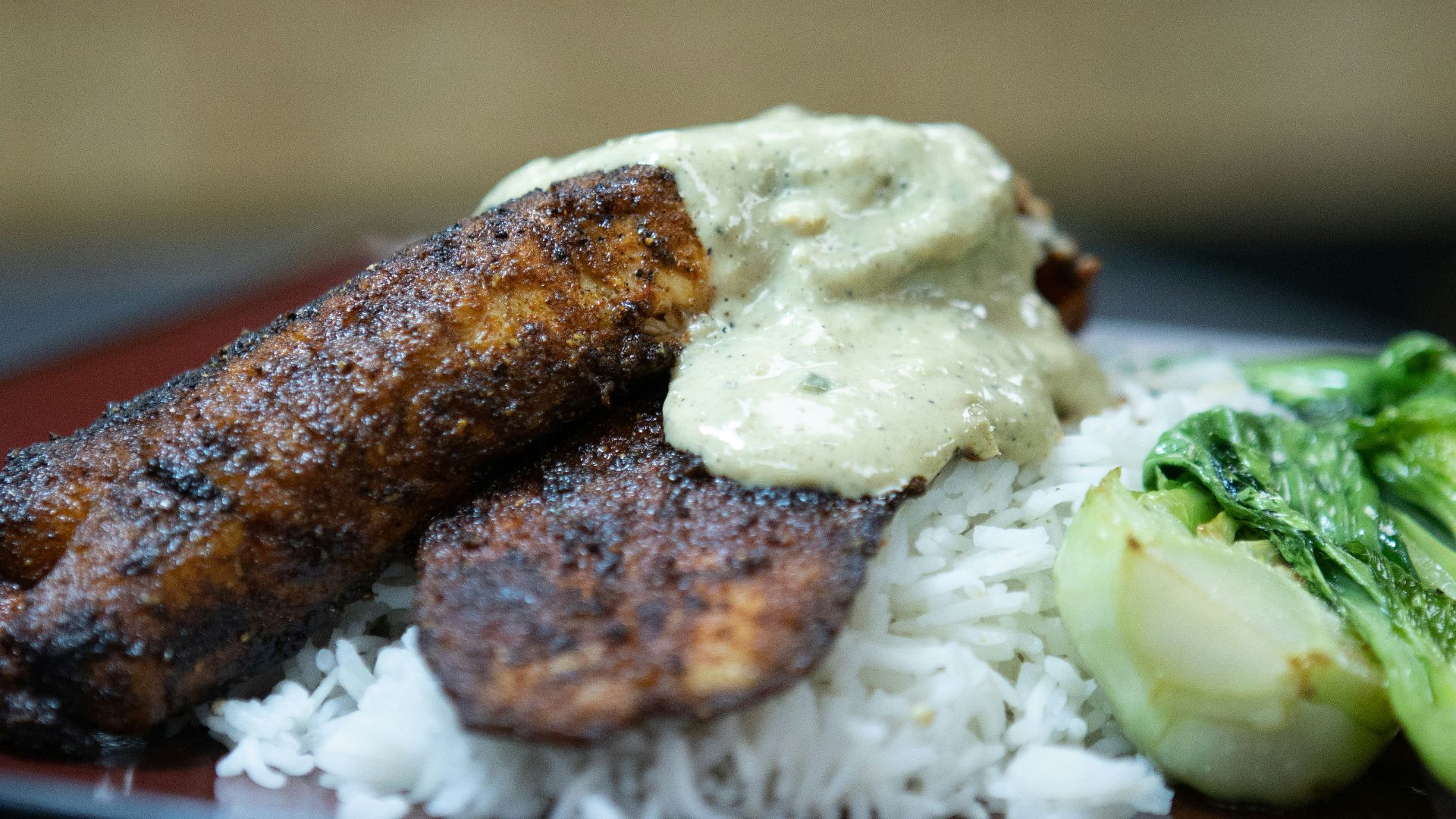
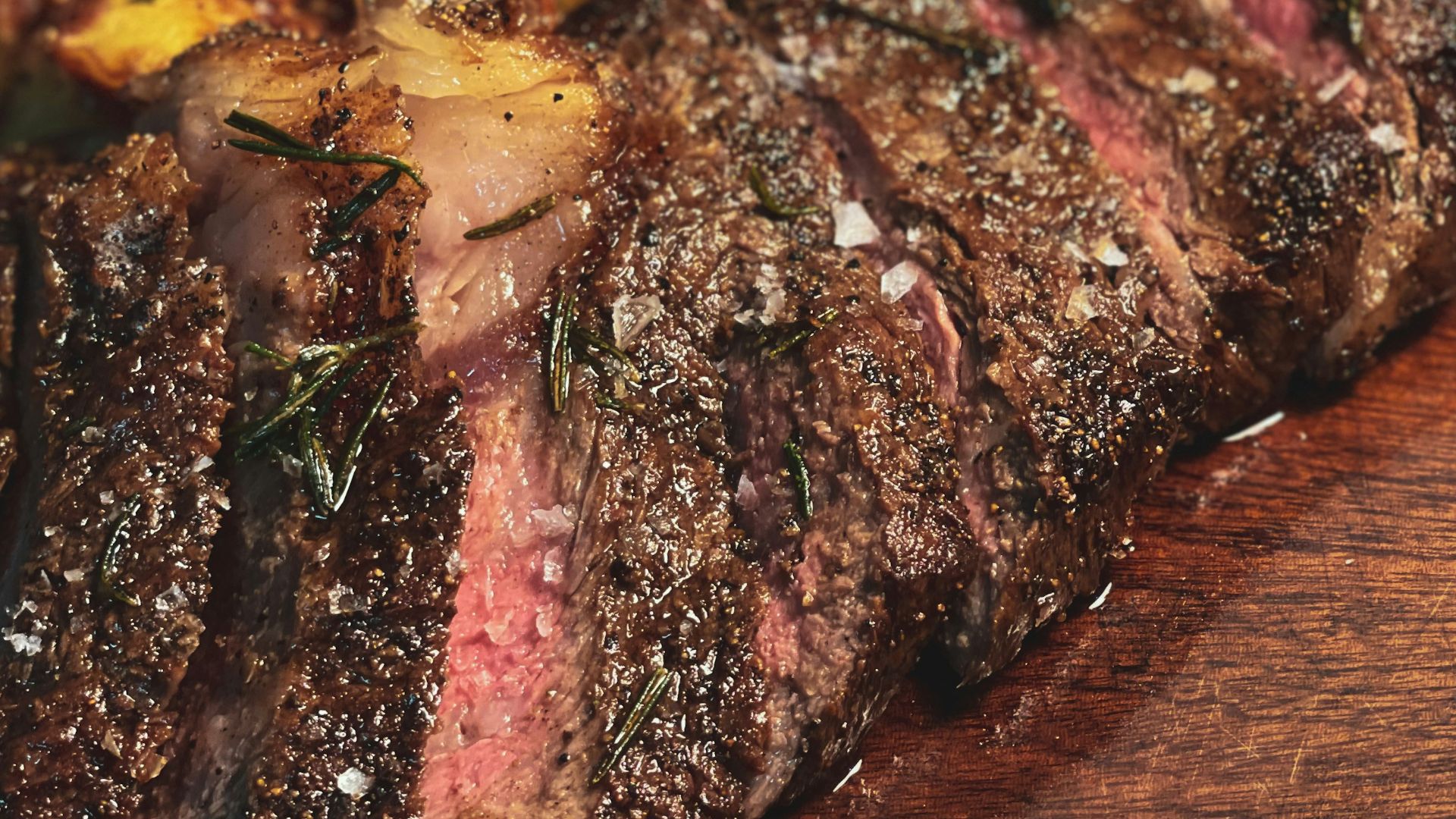
18. Pepper-Crusted
“Pepper-crusted” makes steak, tuna, and other proteins sound immediately more refined. It tells you there will be texture and assertive flavor. The word “crusted” returns her,e doing excellent work again. A basic protein just sounds much more intentional with a pepper coat around it.
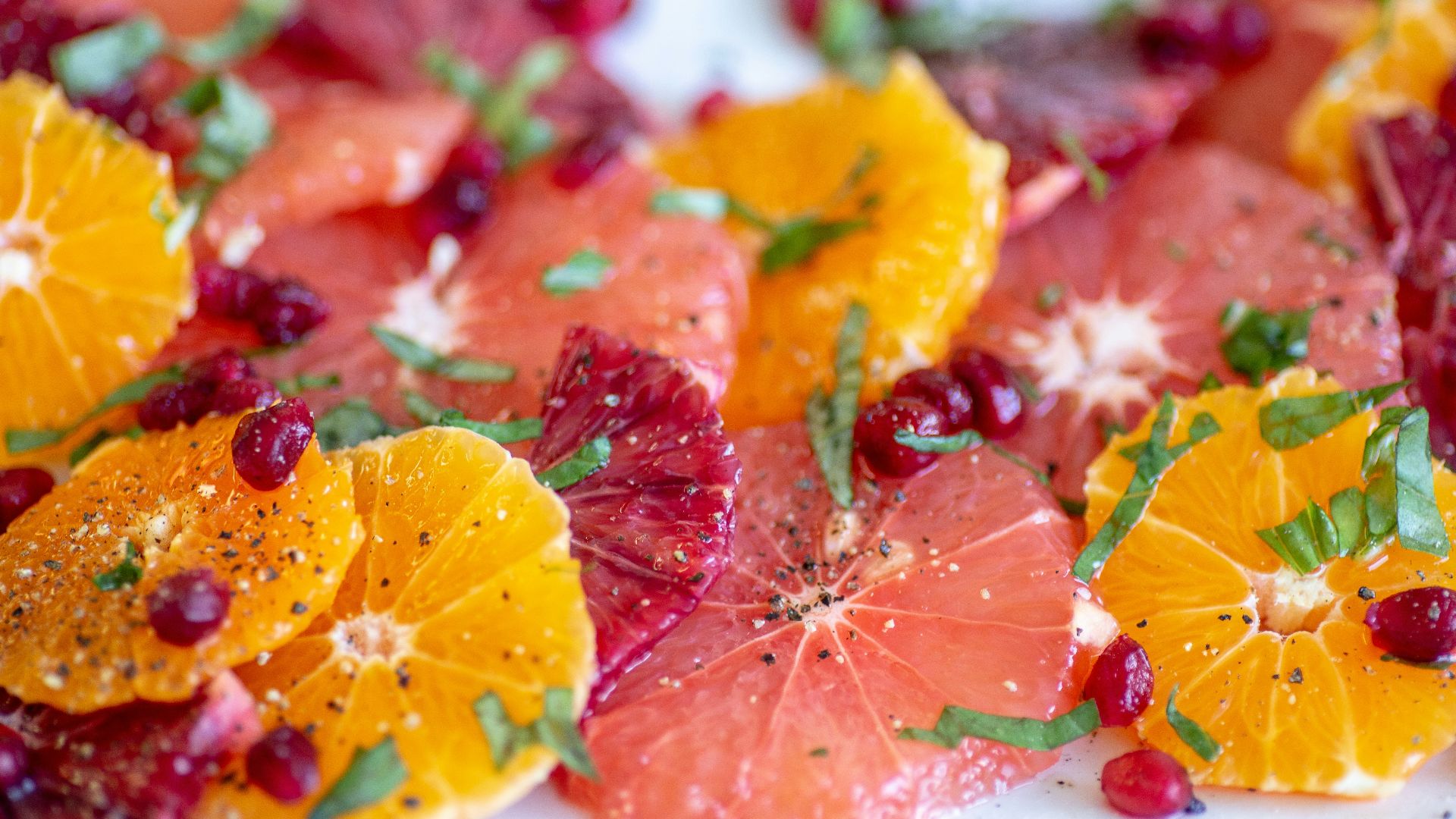
19. Seasonal
“Seasonal” is menu language for “trust us, this is the good stuff right now.” It makes ingredients sound fresher, smarter, and more connected to actual timing instead of random supply. That gives the dish a kind of temporary appeal, which is very helpful if you're trying to make people order quickly.
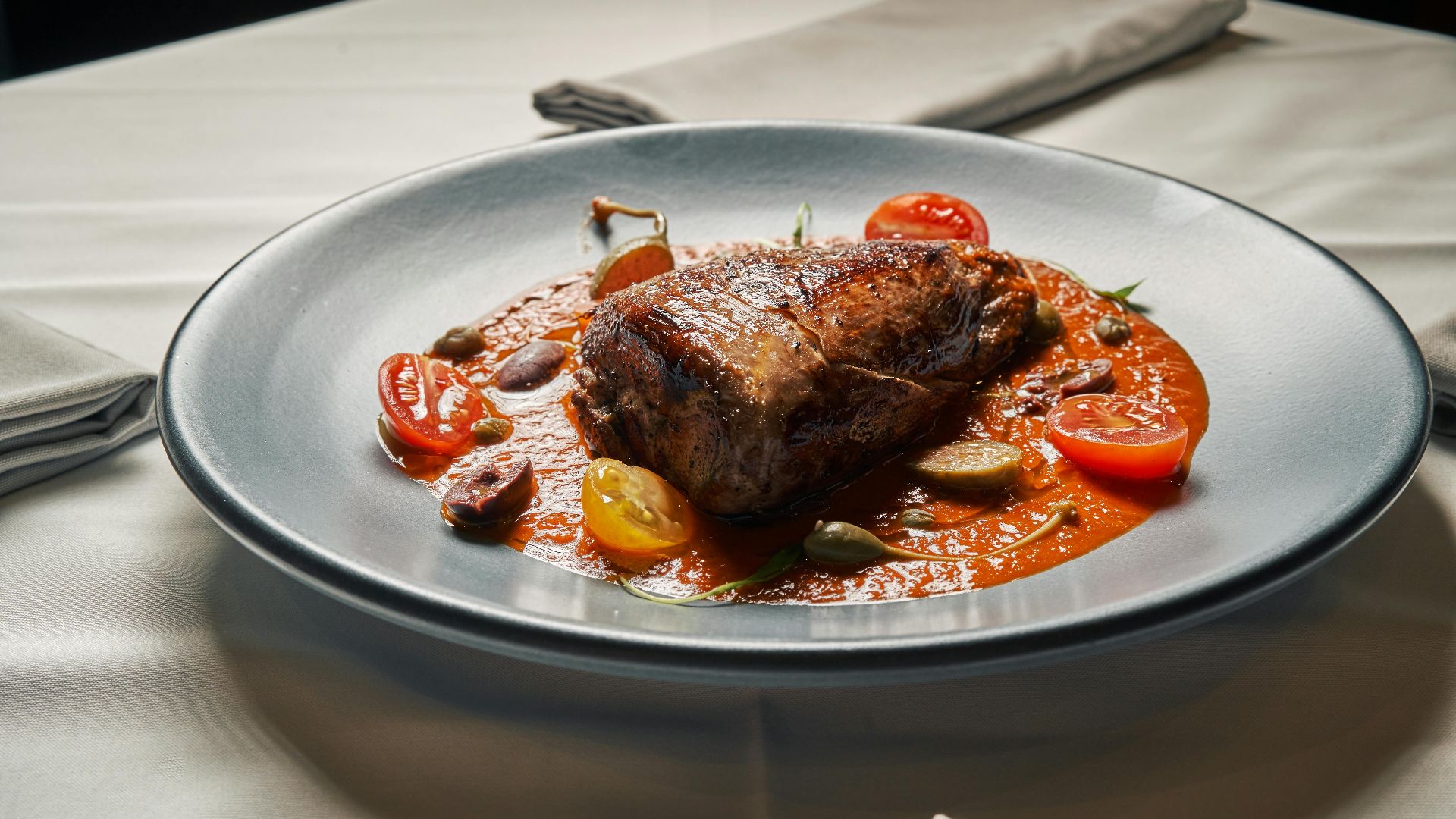
20. Signature
“Signature” is a classic closer because it makes the dish sound like the restaurant knows exactly what it's proud of. It adds confidence, personality, and a sense that this isn't just another item filling space on the menu. Even when diners know the term is a little theatrical, it still works remarkably well.
KEEP ON READING
20 Fast Food Items With Surprisingly Weird Origins
20 Foods Only Rich Kids Ate Growing Up