The narrative around the Iran war settled fast into familiar grooves. Oil prices, energy markets, geopolitical maneuvering, the Strait of Hormuz as a chokepoint for crude. What slipped past that framing is quieter and slower-moving, and will eventually land harder on more people than any energy disruption will. The fertilizer crisis set off by the closure of the strait is a hunger story dressed in commodity language.
Fertilizer, specifically nitrogen-based varieties like urea and ammonia, is manufactured using natural gas as a primary input, and the Gulf region has spent decades building production capacity to match its enormous gas reserves. Gulf countries accounted for 36% of global urea exports between 2023 and 2025, with Iran and Qatar the largest regional exporters. When the Strait of Hormuz effectively closed on February 28, roughly a third of all seaborne fertilizer trade was cut off at once.
The Strait of Hormuz Is a Food Pipeline, Not Just an Oil Route
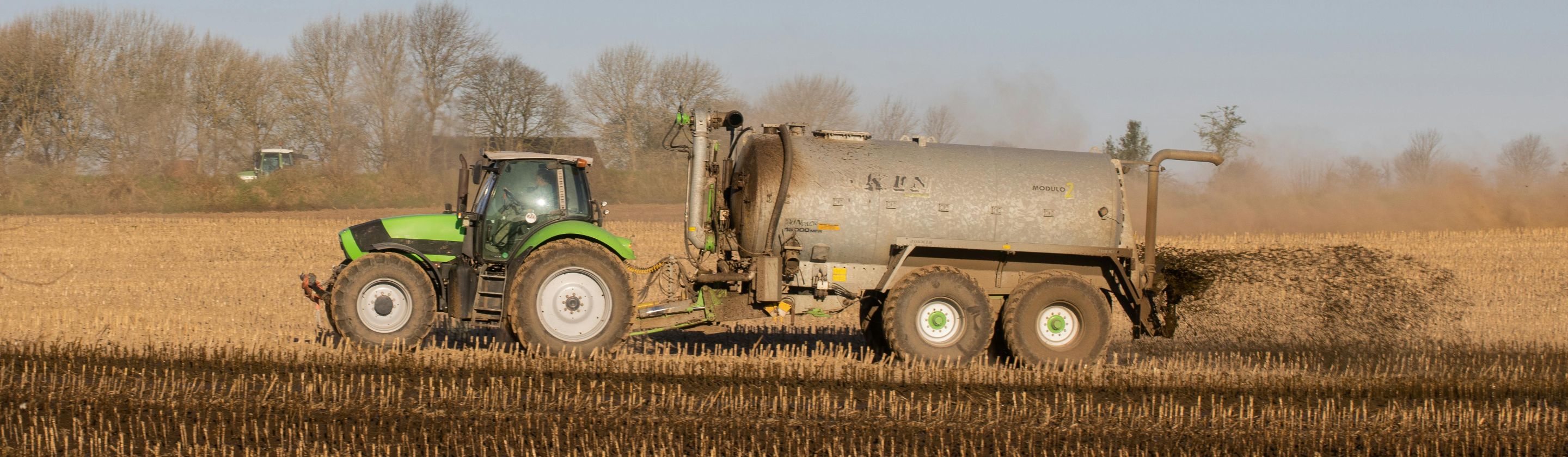
Urea is the most widely traded fertilizer in the world, and it is the input that converts a field into a meaningful yield. Without it, or with far less of it, crops don't fail overnight; they just produce less. Six weeks into the Hormuz closure, fertilizer prices had risen sharply—including urea up more than 50% in some markets—according to StoneX Group fertilizer analyst Josh Linville and other reports.
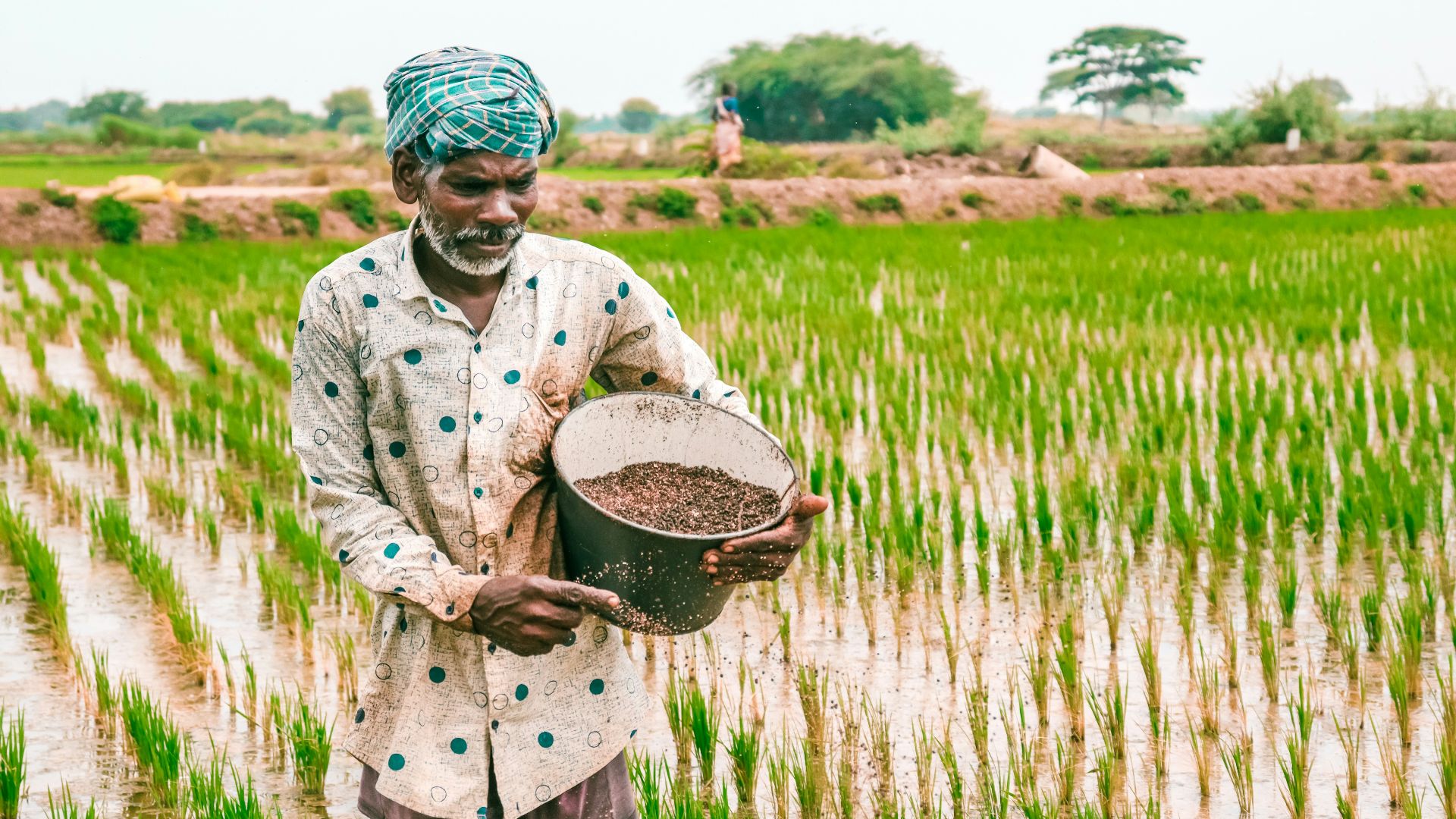
The second-order effects are where the situation gets genuinely complicated. Fertilizer producers outside the Gulf rely on imported ammonia as a feedstock for their own operations. Cutting off Gulf exports doesn't only reduce the supply of finished product; it also undermines manufacturing capacity elsewhere that many assumed was insulated from the disruption. India's fertilizer manufacturers have already been cutting urea output as high LNG prices drive up production costs, with these pressures arriving at a critical juncture, since India's monsoon season begins in June and fertilizer demand typically peaks in the months before it.
Saudi Arabia exports about a fifth of the world's phosphate fertilizer, and the region exports more than 40% of the world's sulfur, a key ingredient and byproduct of oil and gas refining. Sarah Marlow, global head of fertilizer pricing at Argus, told CNBC that the Iran crisis is more consequential than the 2022 Russia-Ukraine war in some respects, because it is affecting multiple producers simultaneously, including Saudi Arabia, Kuwait, Qatar, Iran, and the United Arab Emirates, rather than disrupting a single country's exports. You're not dealing with one fractured chain; you're dealing with several overlapping ones.
The Countries That Will Go Hungry First
The countries that feel the shortage earliest and most severely are the ones least able to absorb it. Ethiopia imports over 90% of its nitrogen fertilizer from the Gulf through Djibouti, a supply route that was strained even before the war began in February, according to Raj Patel, a food systems economist at the University of Texas. Patel was direct about the timing: the planting season is now, and the fertilizer isn't there. When you miss a planting window, you don't get a second one. That gap shows up in harvests months later and in food prices months after that.
The 2022 Russia-Ukraine crisis offered a preview of exactly this dynamic. Analyses of recent fertilizer crises highlight sharp drops in use across African nations including Côte d'Ivoire, Kenya, Nigeria, and South Africa.Sri Lanka provided the starkest case study. After its president banned synthetic fertilizer in 2021, local agriculture collapsed within a year, the government fell, and the president fled the country. That was self-inflicted. What the current crisis imposes on vulnerable nations is externally driven and far harder to reverse.
Brazil imported about 49 million metric tons of fertilizer in 2025, making it the world's largest importer, with key suppliers concentrated in the Middle East. Brazil's soybean farmers depend heavily on Gulf urea, and soybeans are what China and other major markets rely on to feed livestock. A production shock in Brazil ripples into meat and dairy prices in countries that never imported a kilogram of Gulf fertilizer directly, which is how a regional war quietly becomes everyone's grocery bill.
Why the Timing Makes Everything Worse
Agricultural disruptions don't respect the pace of diplomacy or ceasefire negotiations, and the timing of this one is close to worst-case. Fertilizers are applied just before or at planting, and if supply isn't there at that specific moment, the season is compromised regardless of what follows. Carl Skau, deputy executive director of the World Food Program, framed it plainly, saying that in the worst case, the shortage means lower yields and crop failures next season, and in the best case, higher input costs will be passed along in food prices next year.
High fertilizer prices from the Hormuz crisis have left many U.S. farmers still deciding on spring 2026 inputs, per USDA cost data and analyst warnings. A new American Farm Bureau Federation survey of 5,700 farmers, conducted April 3 to 11, found that 70% cannot afford all the fertilizer they need this season, and nearly 60% say their finances have deteriorated due to rising fertilizer and fuel costs. Only 19% of farmers in the South had prebooked fertilizer before the war started, compared to 67% in the Midwest, leaving 78% of southern farmers unable to afford what they need.
CSIS analysis drawing on FAO estimates finds that a one-month conflict primarily affects Southern Hemisphere farmers who haven't yet purchased fertilizer, while a three-month war could affect production and planting decisions across both hemispheres, and a conflict extending into 2027 could affect economies' broader growth trajectories. The world entered 2026 with decent buffer stocks of major food commodities, which is why this isn't unfolding as a visible collapse. The crisis is building slowly, as it almost always does, and by the time it fully shows up in harvest data and grocery prices, the window to intervene at the source will already be closed.
KEEP ON READING

The Most Popular Signature Dishes Around the World