
The Menu Gets a Lot Less Intimidating Once You Know the Language
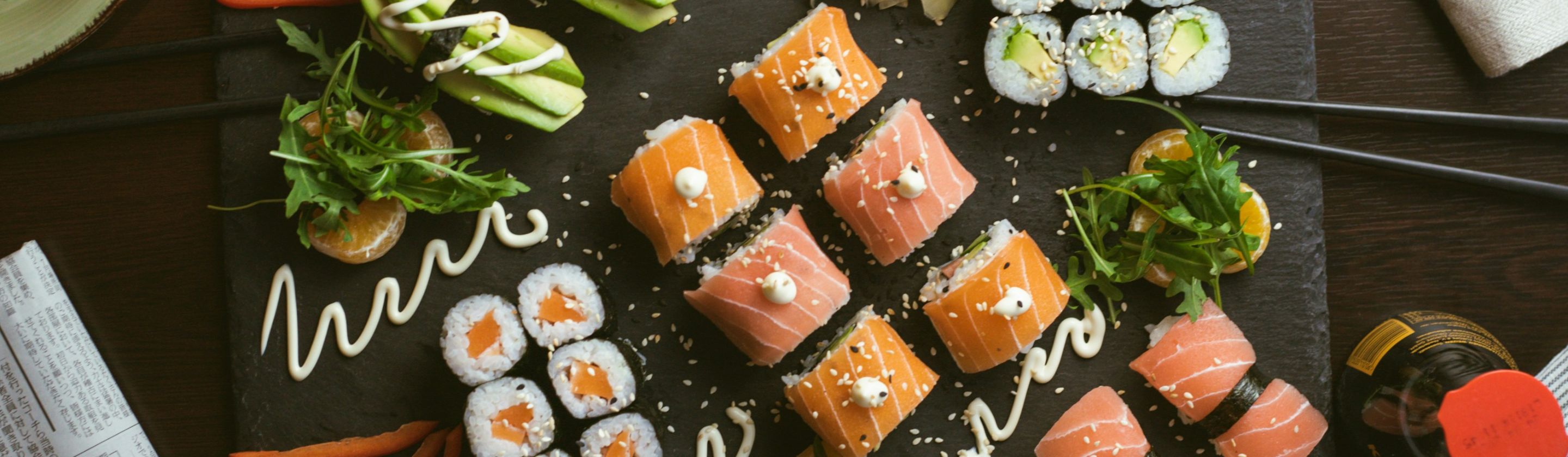
Ordering sushi can feel oddly high-pressure when the menu is full of words you sort of recognize but don't fully understand. The good news is that you do not need to become a sushi scholar to order with confidence. Once you know a few key terms, the whole experience gets much easier, and you stop feeling like you have to stay in your California roll comfort zone. These are 20 words that help you read the menu better, ask smarter questions, and sound like you actually know what you're doing.
1. Sushi
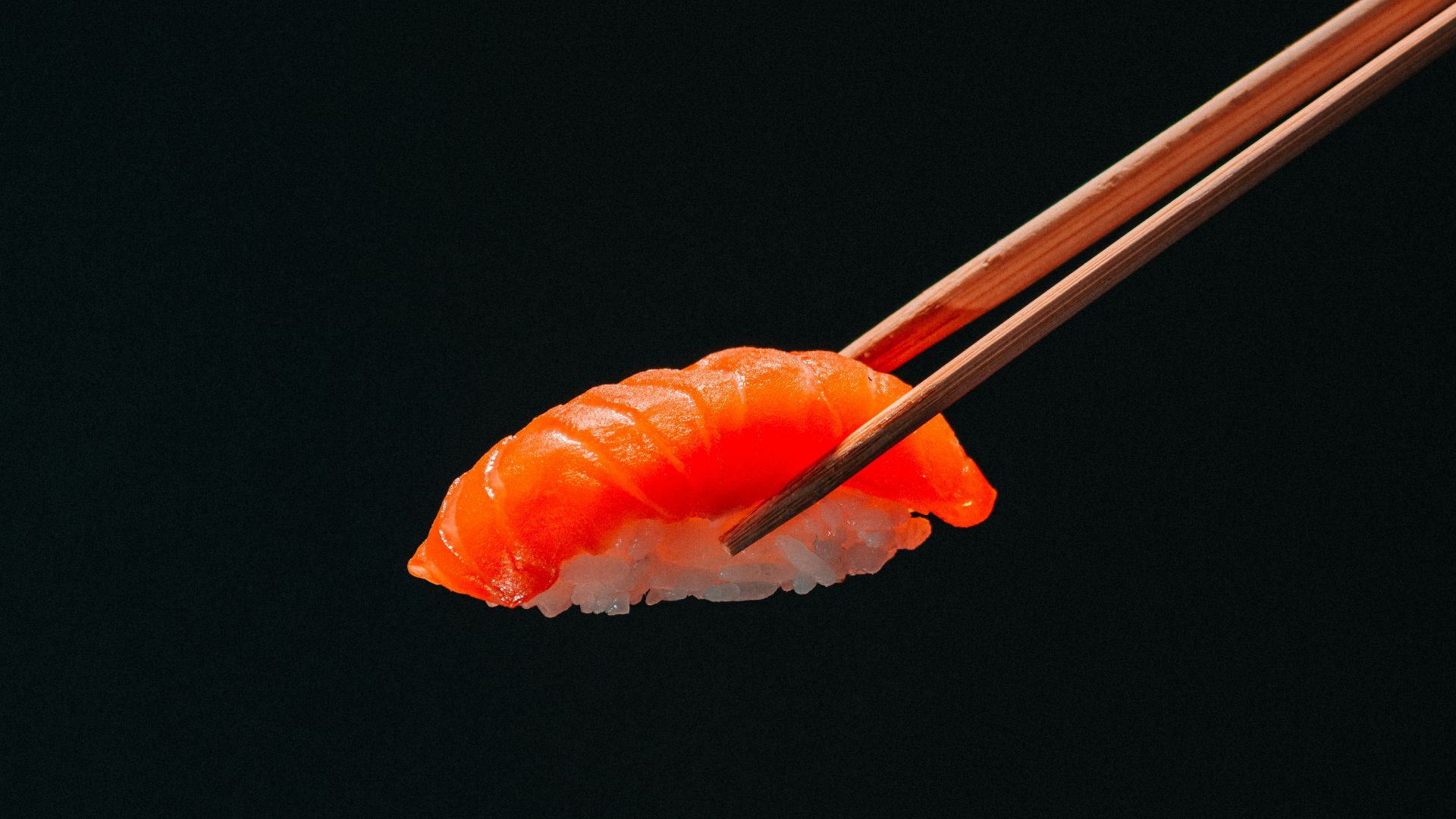
A lot of people use “sushi” as an umbrella term for any Japanese dish involving raw fish, but that's not quite right. Sushi actually refers to vinegared rice paired with different toppings, fillings, or preparations. That means sushi can include raw fish, cooked seafood, vegetables, or egg. If you know that from the start, the menu starts making a lot more sense.
 Riccardo Bergamini on Unsplash
2. Sashimi
Sashimi is sliced raw fish or seafood served without rice. If you want the fish by itself without any extra structure around it, this is the word you need. It's usually a cleaner, more direct way to taste the ingredient. Ordering sashimi tells the chef you're here for the seafood, not just the maki rolls.
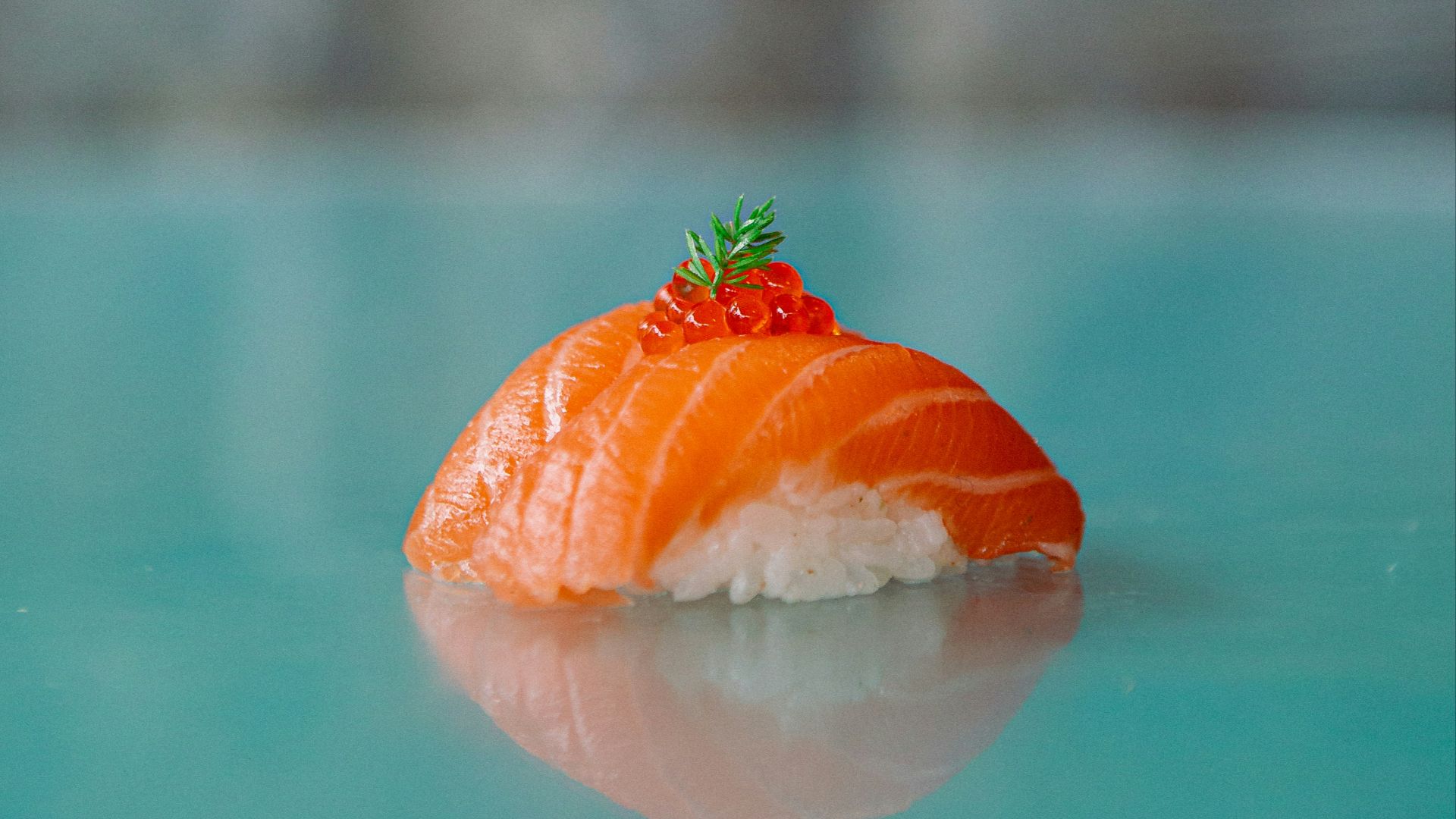
3. Nigiri
Nigiri is one of the most classic forms of sushi you can order. It usually consists of a small hand-formed mound of vinegared rice topped with a slice of fish or another ingredient. Sometimes there's a tiny dab of wasabi tucked underneath the topping, depending on the restaurant. If you want something simple and traditional, nigiri is often a great place to start.
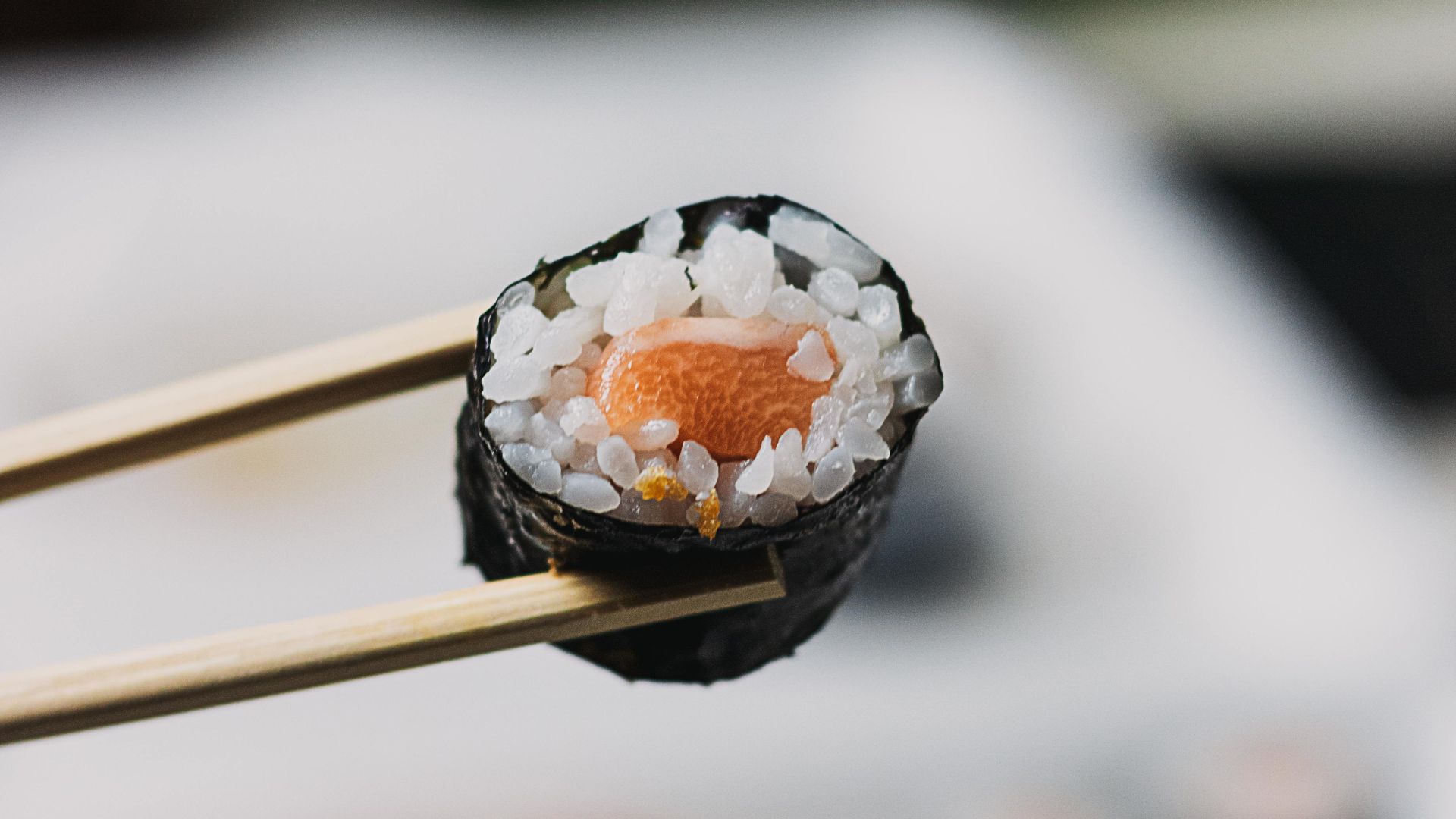
4. Maki
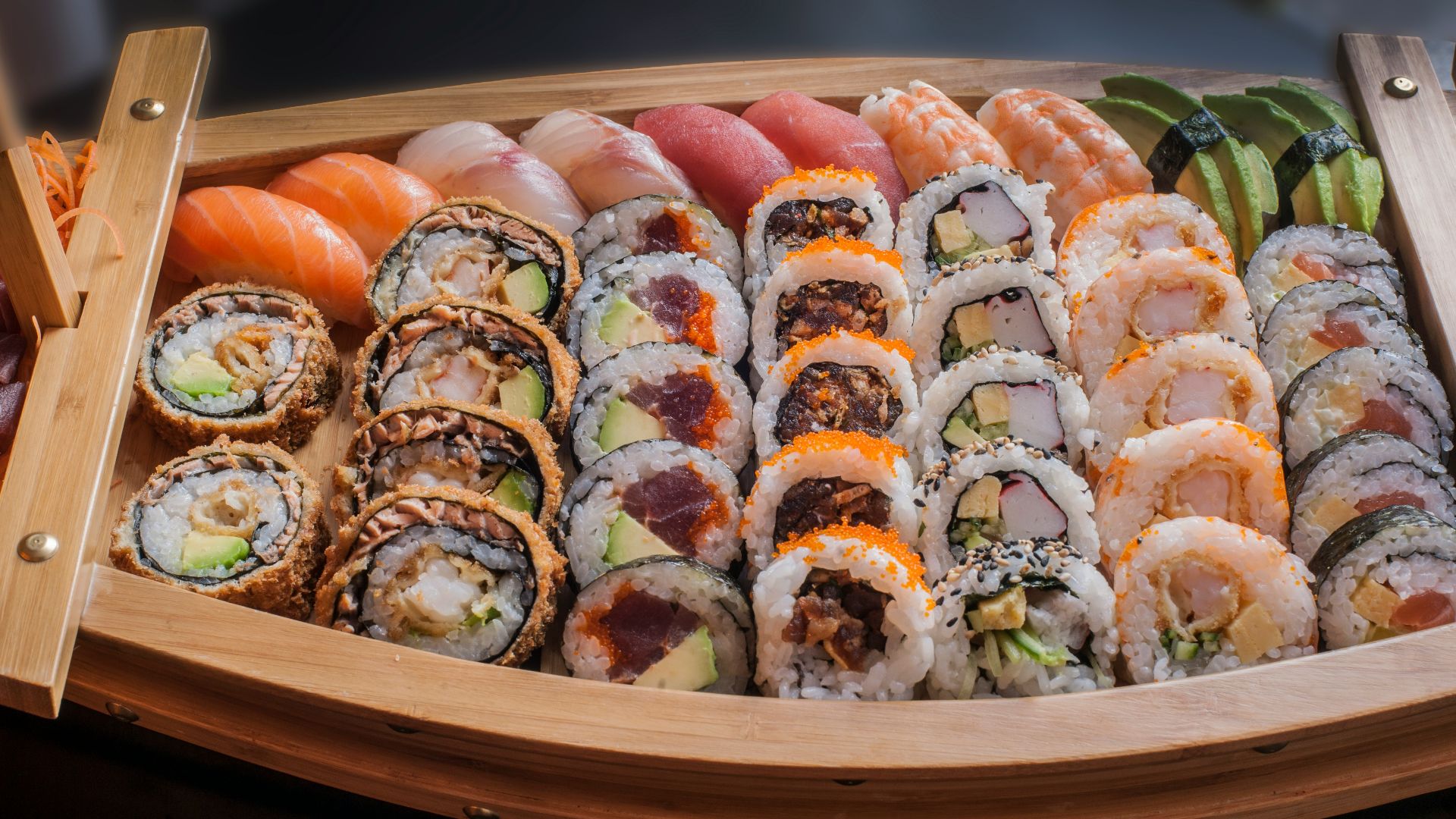
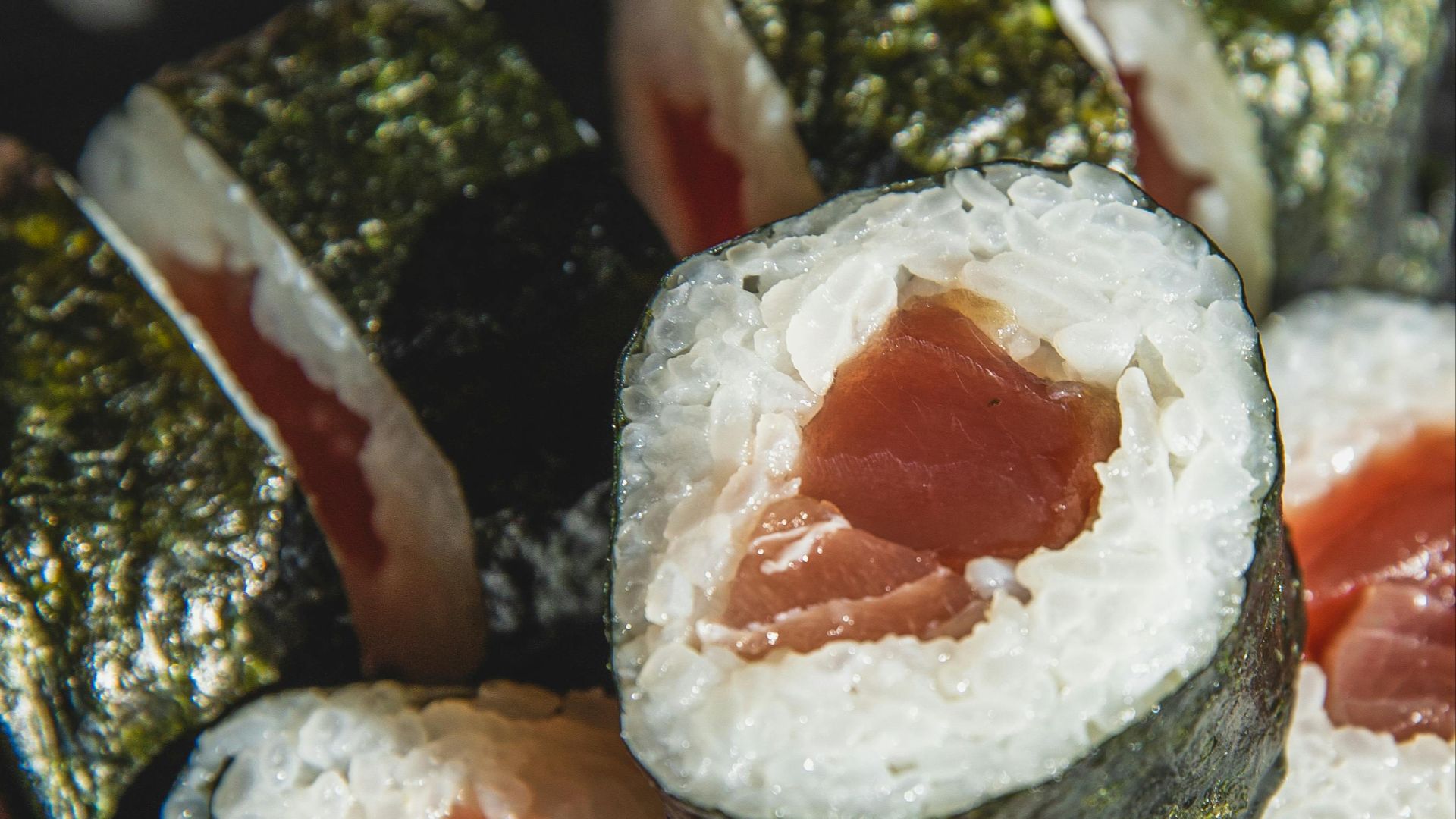
Maki refers to rolled sushi, the kind many people picture first. It's made by wrapping rice and fillings in seaweed, then slicing the roll into bite-sized pieces. This is the category that includes lots of familiar restaurant rolls. When you see “maki” on the menu, you're looking at sushi rolls rather than individually topped pieces.
 Luiz Fernando Maciel on Pexels
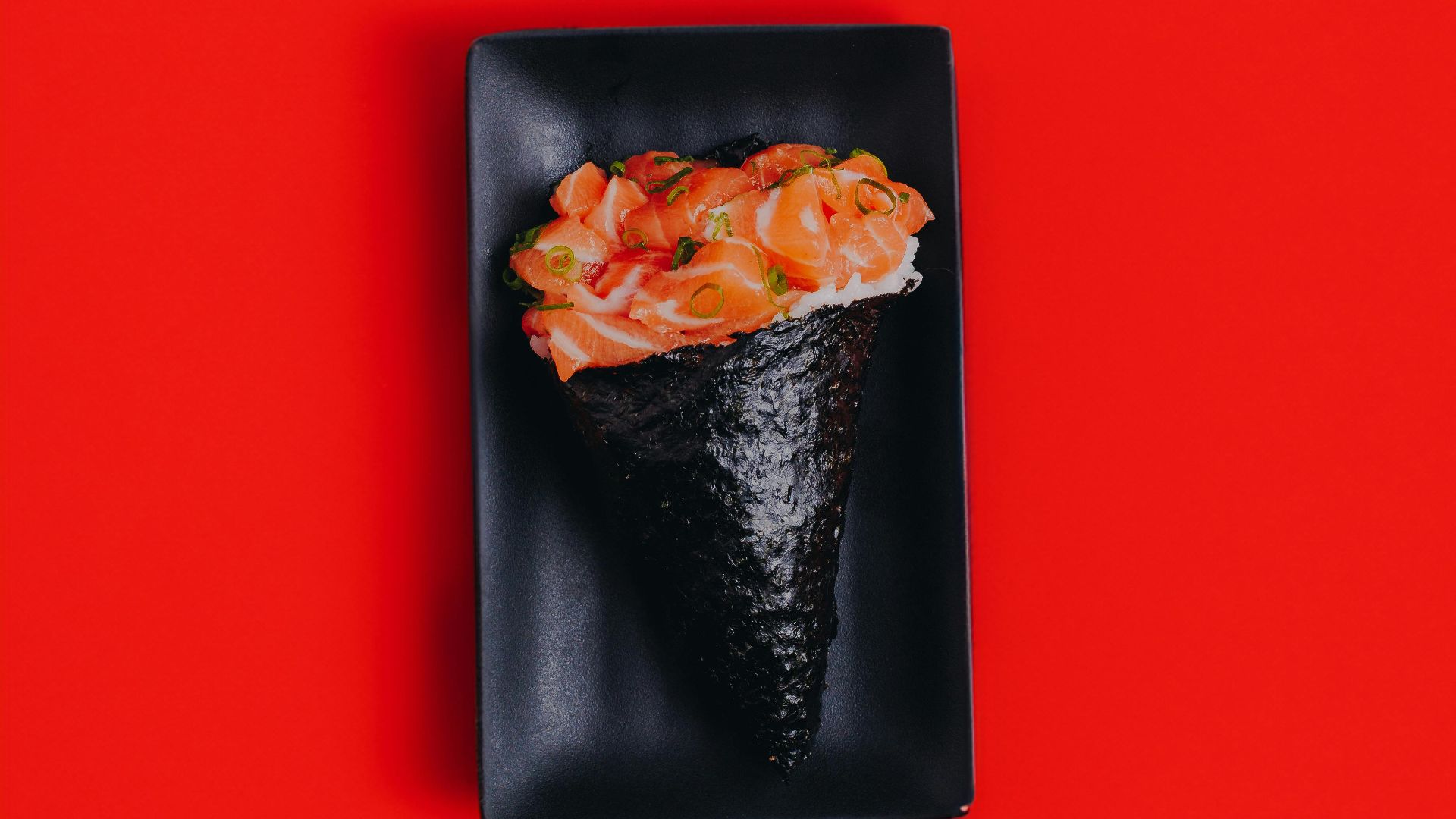
5. Temaki
Temaki is hand roll sushi, and it looks very different from the sliced rolls you may be used to. It's shaped like a cone of seaweed filled with rice, fish, and other ingredients. Because of the shape, it is usually meant to be eaten with your hands rather than chopsticks. It is a little more casual, but still very much part of the sushi world.
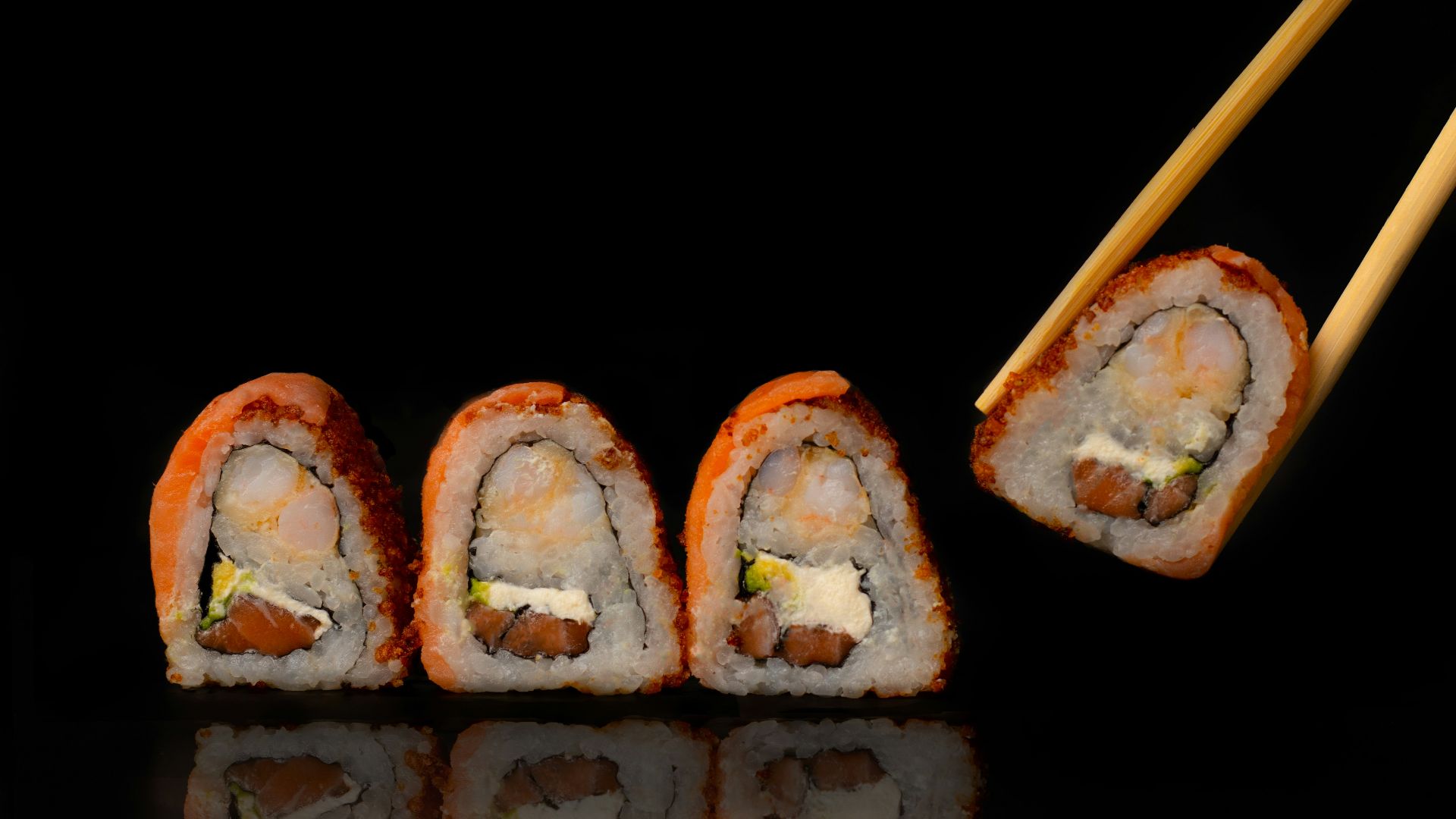
6. Uramaki
Uramaki is an inside-out roll, meaning the rice is on the outside, and the seaweed is on the inside. This style is especially common in many American sushi restaurants. A California roll is one of the most familiar examples. If you are ordering somewhere with lots of modern rolls, uramaki will probably show up often, and even if the menu doesn't call it that directly.
7. Nori
Nori is the sheet of seaweed used in many sushi rolls and hand rolls. It adds structure, a slightly briny flavor, and that unmistakable sushi look. It's also a popular snack by itself in Japan.
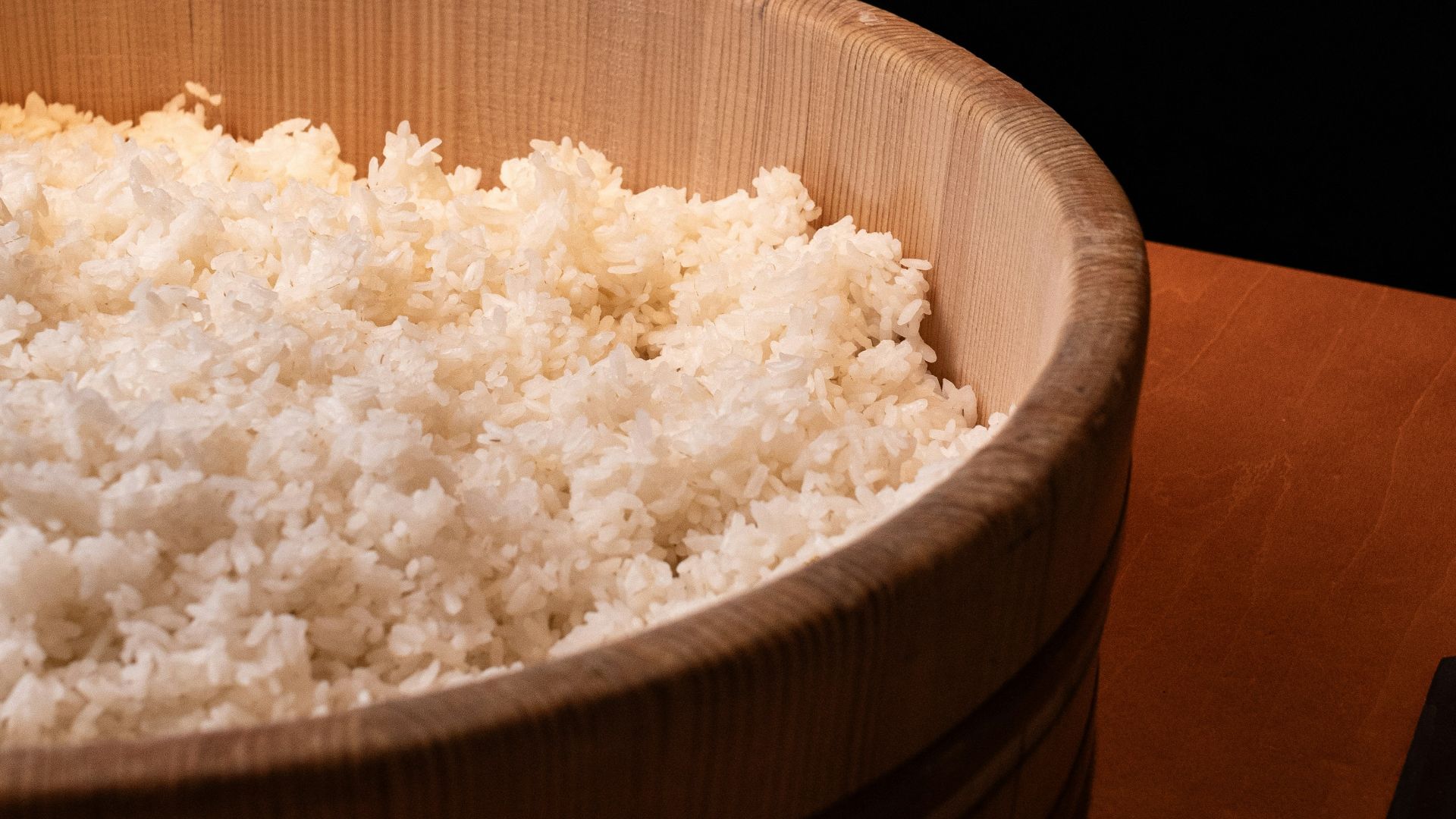
8. Shari
Shari is the seasoned sushi rice itself, and it matters more than people realize. Great sushi is not just about the fish, because the rice is a huge part of the experience. It should be properly seasoned, shaped well, and balanced in temperature and texture. If the shari is bad, the whole piece usually suffers.
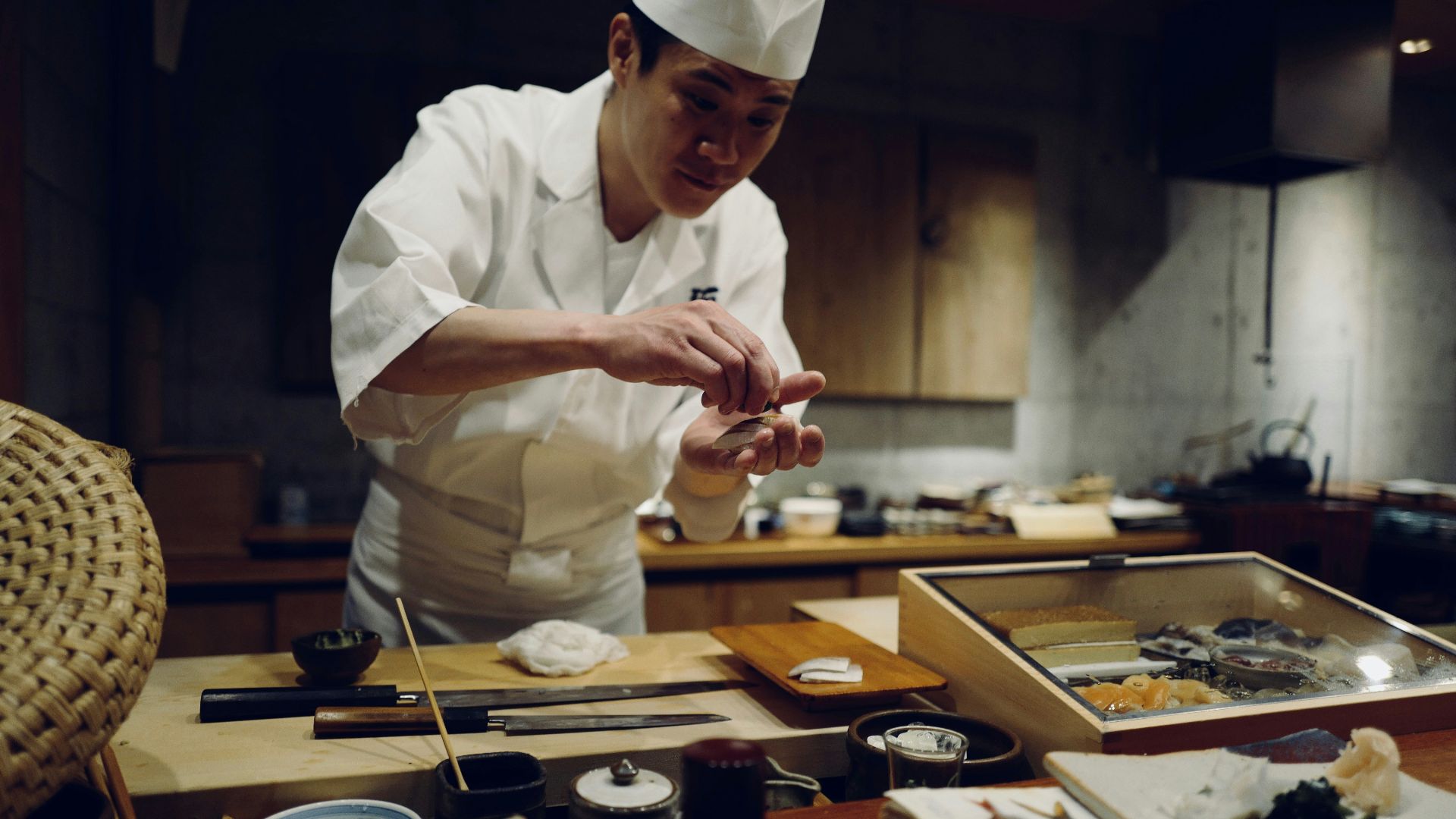
9. Omakase
Omakase basically means you're leaving the choices up to the chef. Instead of ordering item by item, you're trusting the chef to serve what they think is best, often based on seasonality and quality. It can be a fun way to try excellent pieces you may not have chosen on your own, but it's usually more of an expensive, tasting menu type of experience.
10. Toro
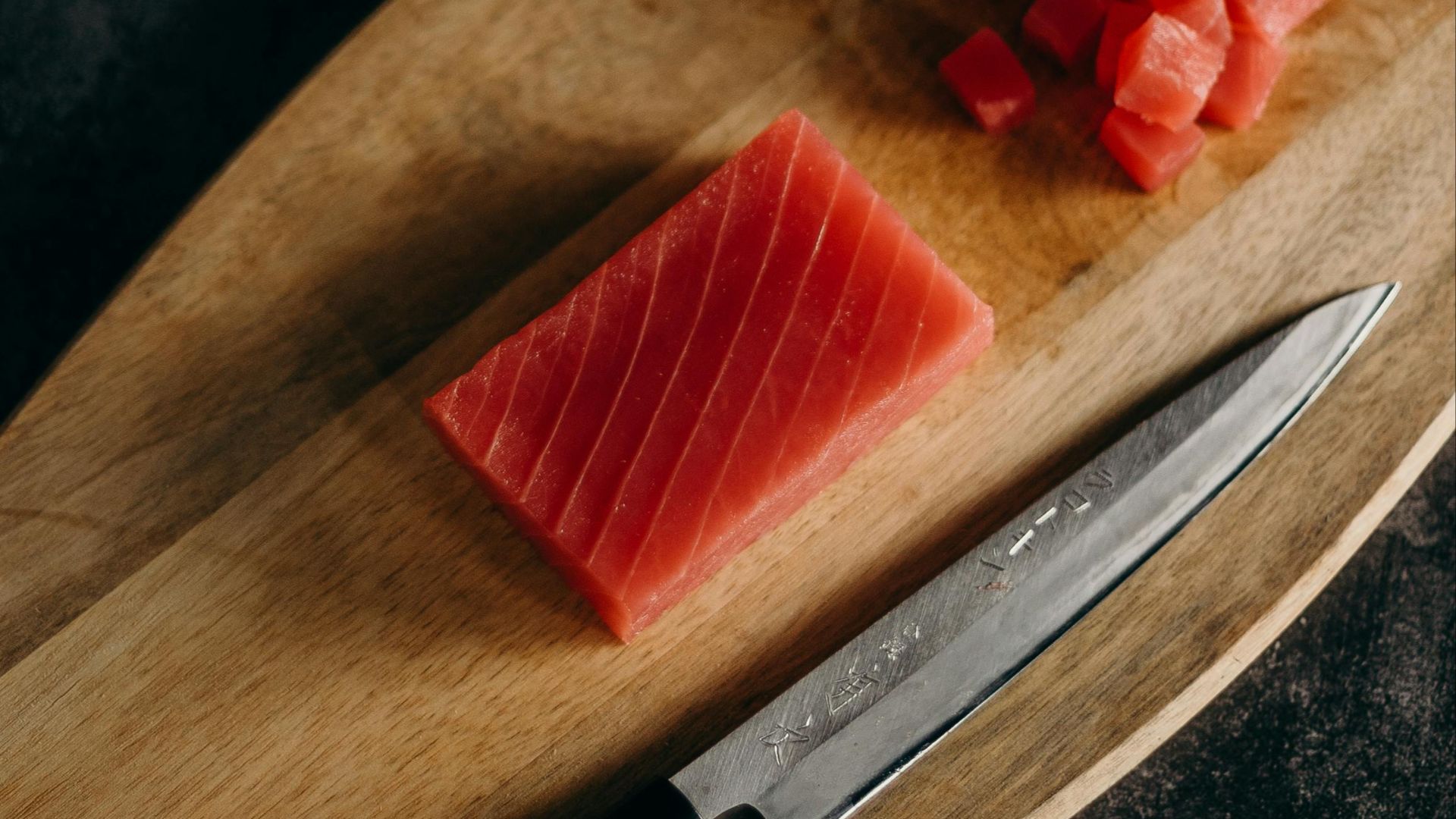
Toro refers to fatty tuna, and it's one of the most prized sushi ingredients. It's rich, soft, and more luxurious than the leaner cuts of tuna you may know better. If you see toro on the menu, it's usually something special rather than everyday sushi filler. People who love buttery textures tend to get very excited about it.
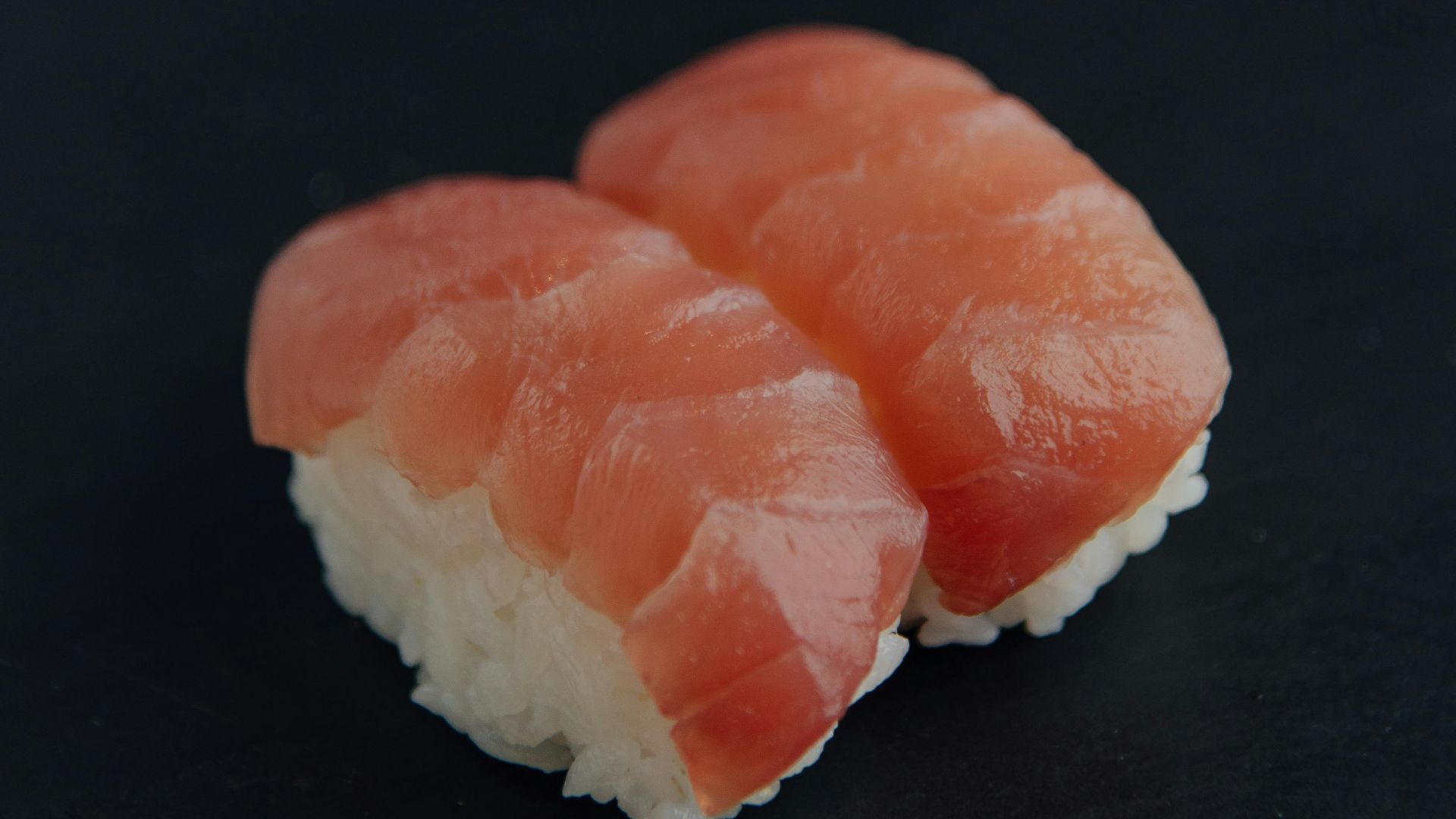
11. Maguro
Maguro is the more standard lean red tuna you will see on sushi menus. It's one of the most recognizable fish choices and a common entry point if you're new to sushi. Compared with toro, maguro is cleaner and less fatty.
12. Sake
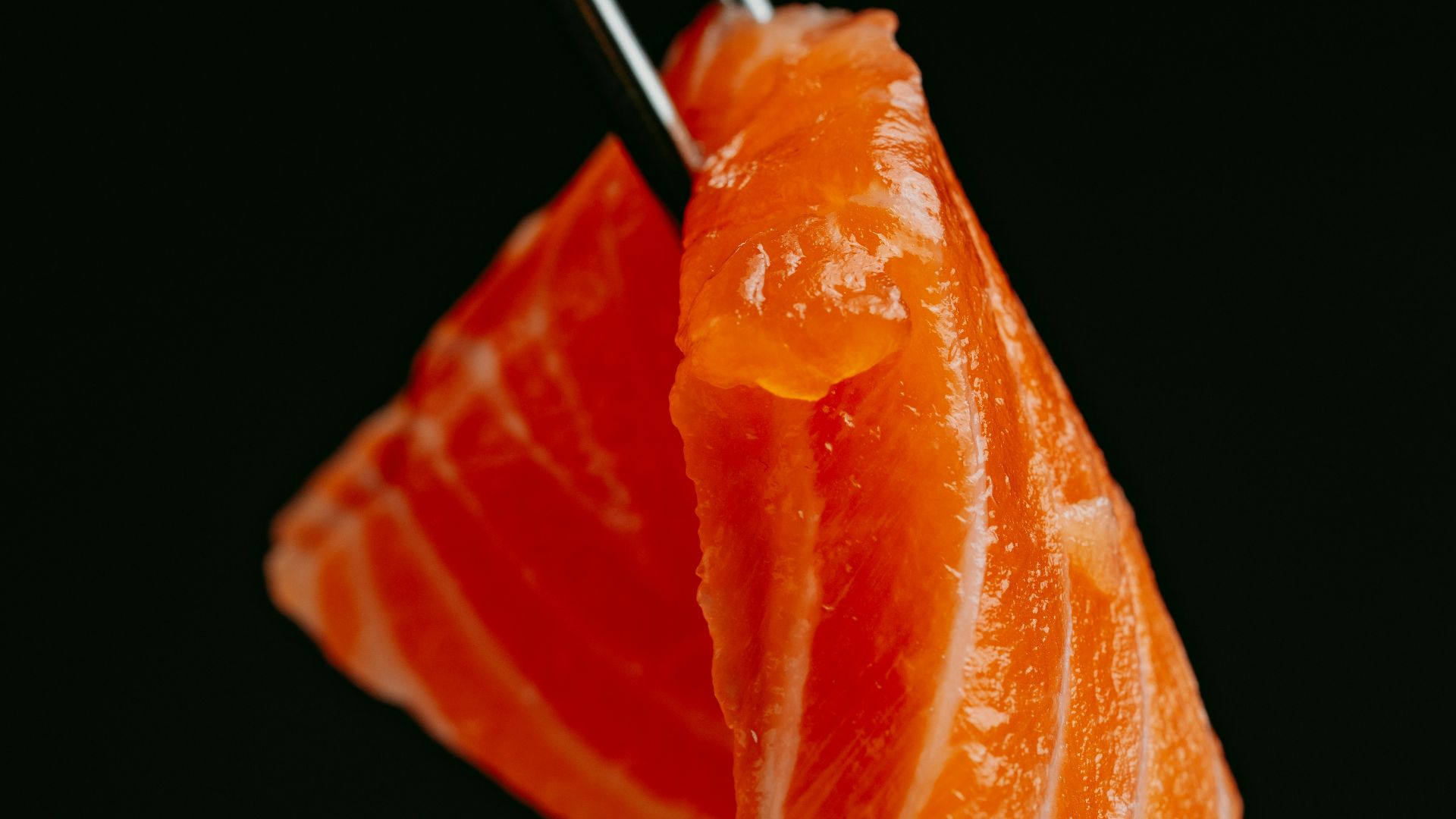
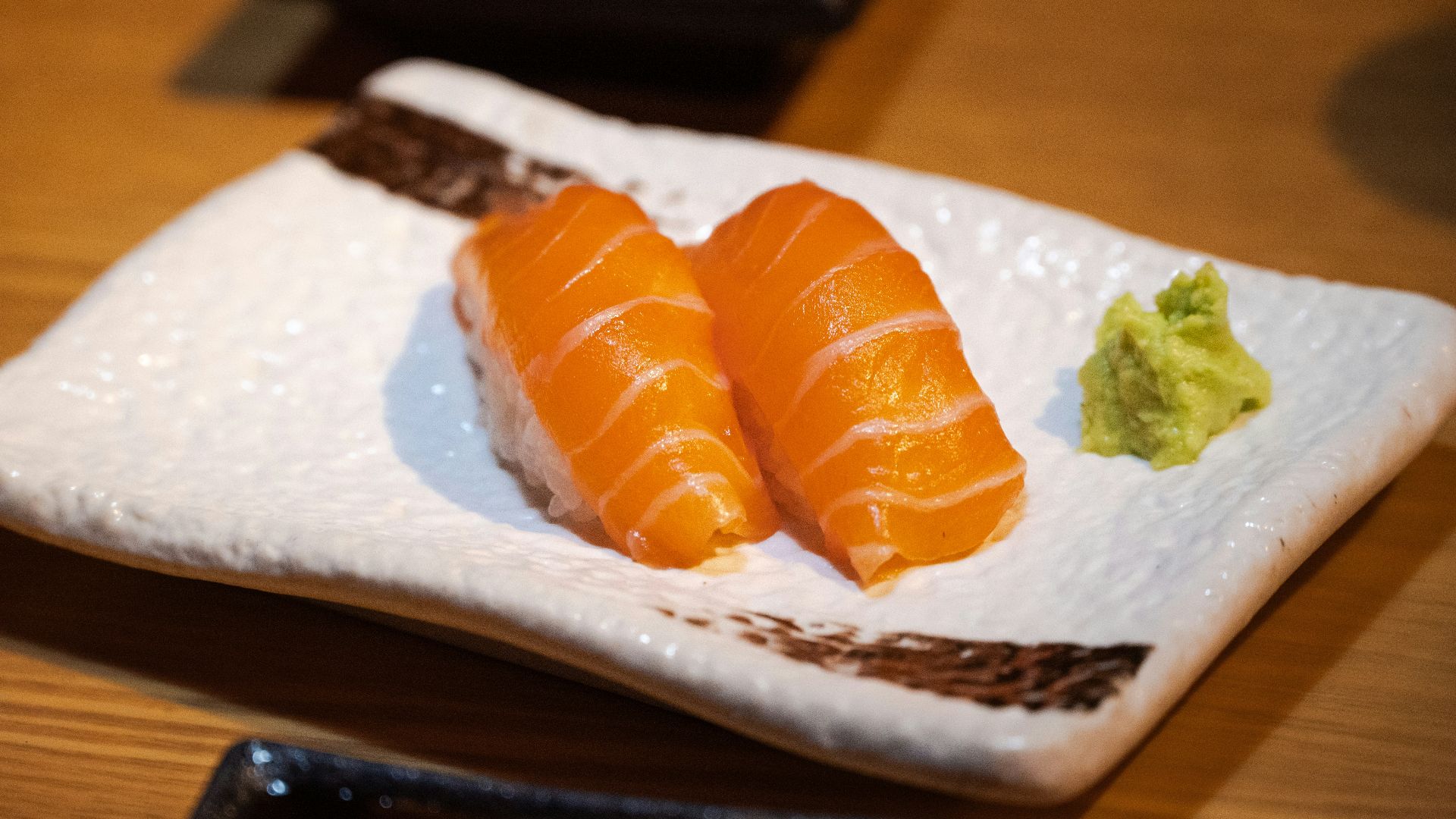
On a sushi menu, “sake” usually means salmon, not the drink. This is one of those little details that can save you from brief but real confusion. Salmon is a popular sushi choice because it's rich, familiar, and easy for many people to enjoy. If you like salmon nigiri or sashimi, this is the term to watch for.
13. Hamachi
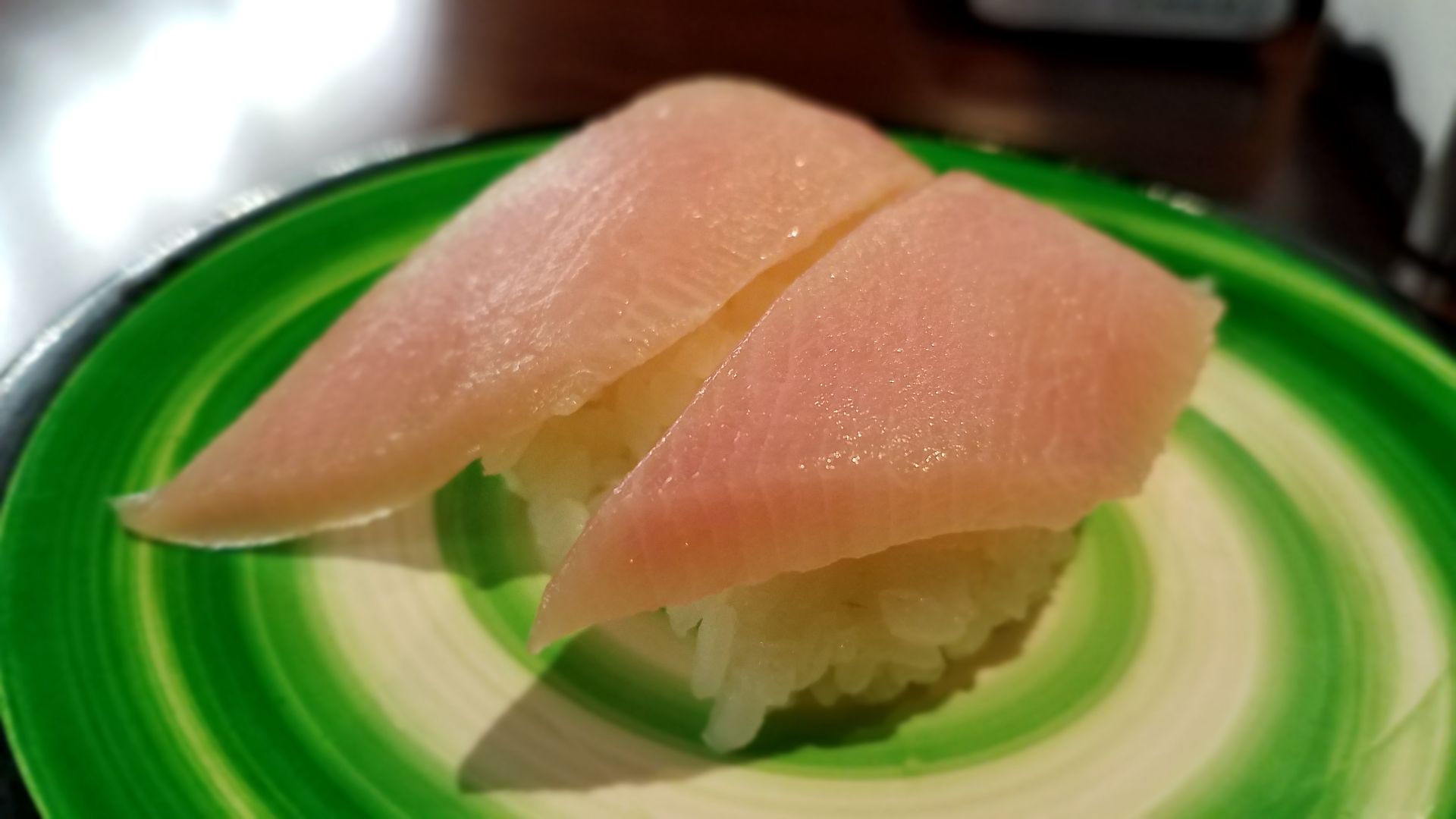
Hamachi refers to yellowtail, a fish known for its rich but clean flavor. It's often a favorite for people who want something softer and more buttery without jumping straight to the fattiest cuts. On many menus, it's one of the most approachable premium choices.
 RightCowLeftCoast on Wikimedia
14. Uni
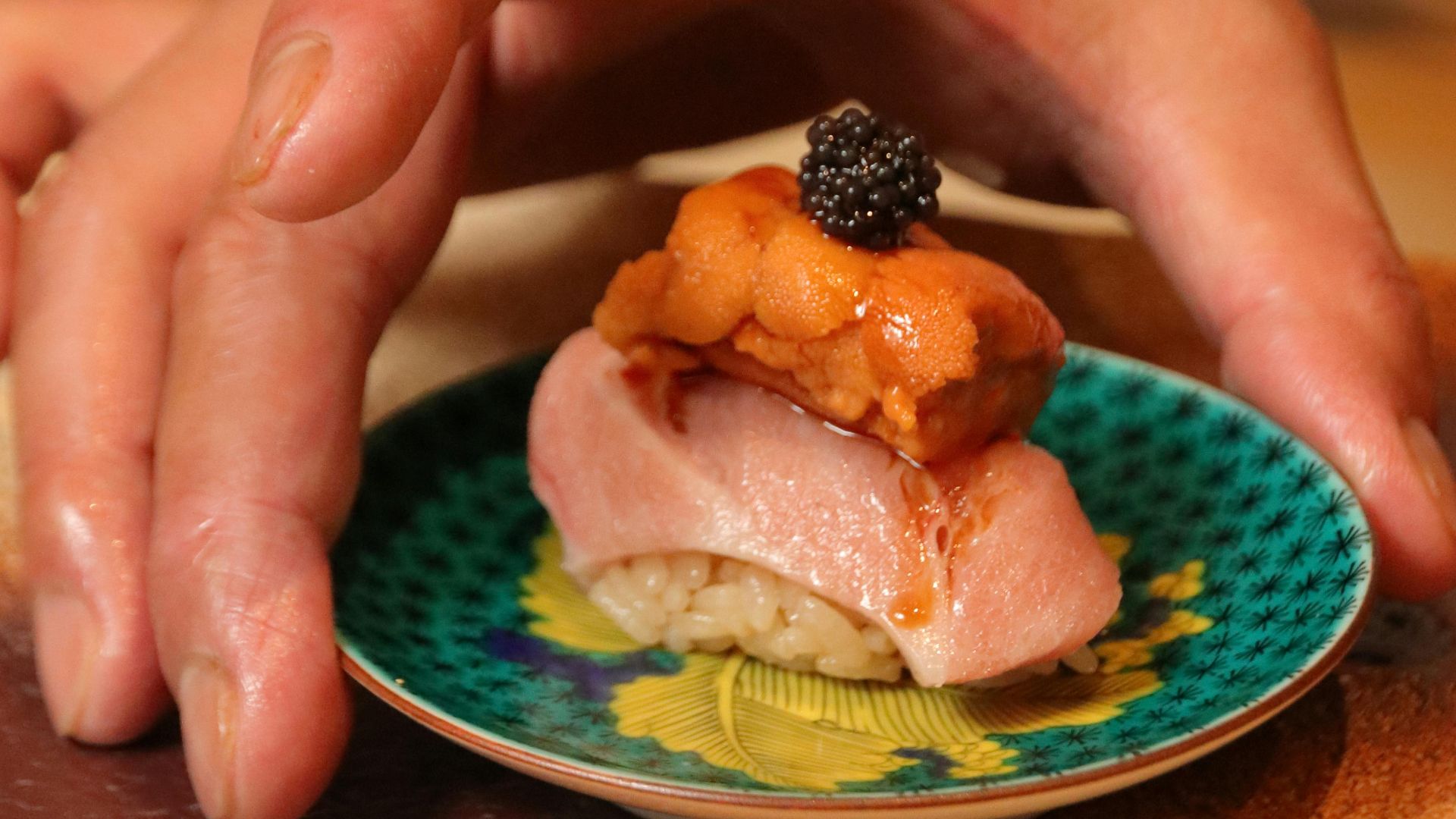
Uni is sea urchin, and it has a very distinct reputation. Its texture is creamy and delicate, and the flavor can taste briny, sweet, and deeply oceanic all at once. Some people love it immediately, while others need a moment to process what's happening in their taste buds.
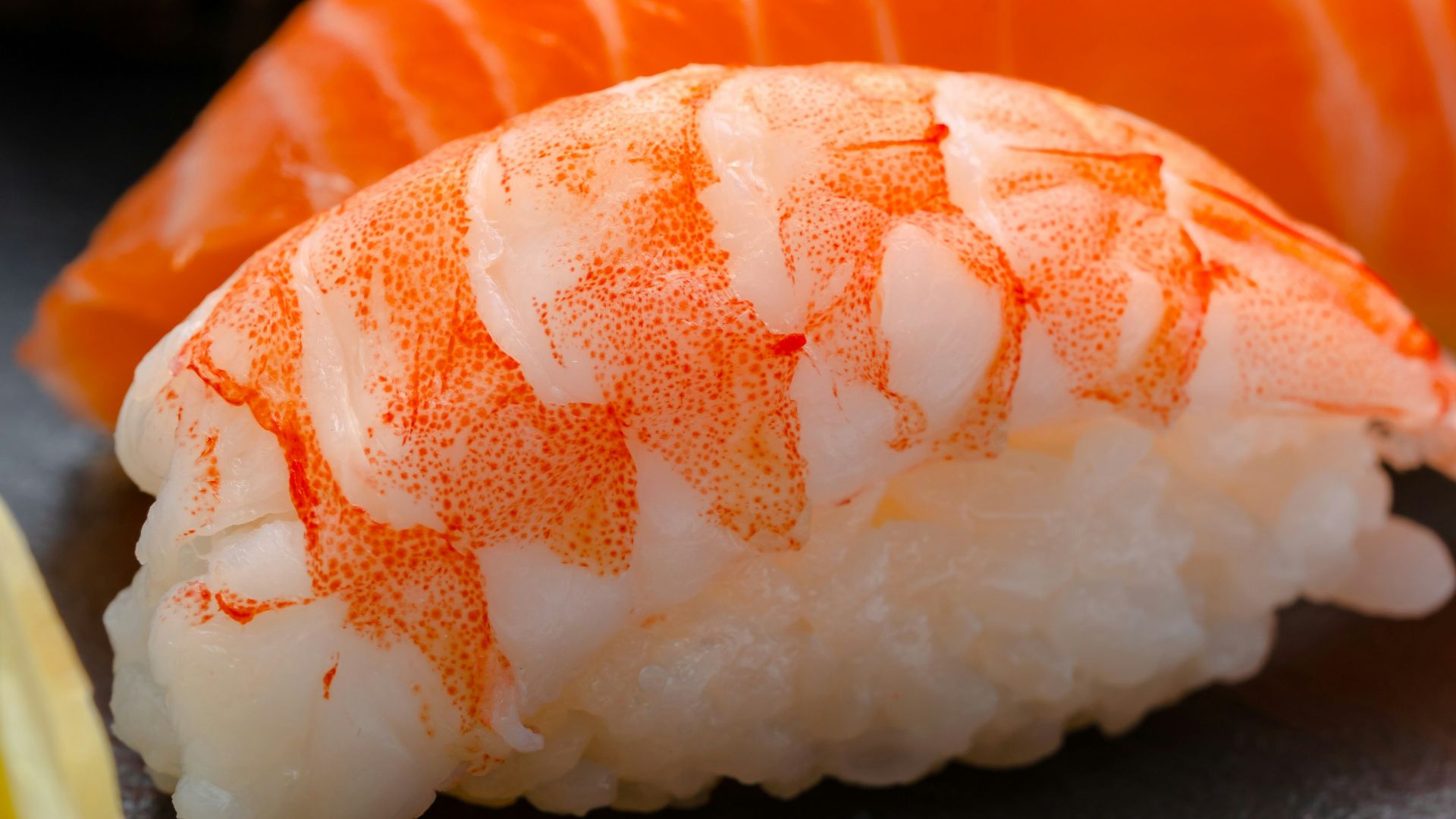
15. Ebi
Ebi means shrimp, usually cooked shrimp in sushi contexts. It's a good option if you want something mild, familiar, and not raw. Because it's less intimidating for many beginners, it often appears on first-time sushi orders.
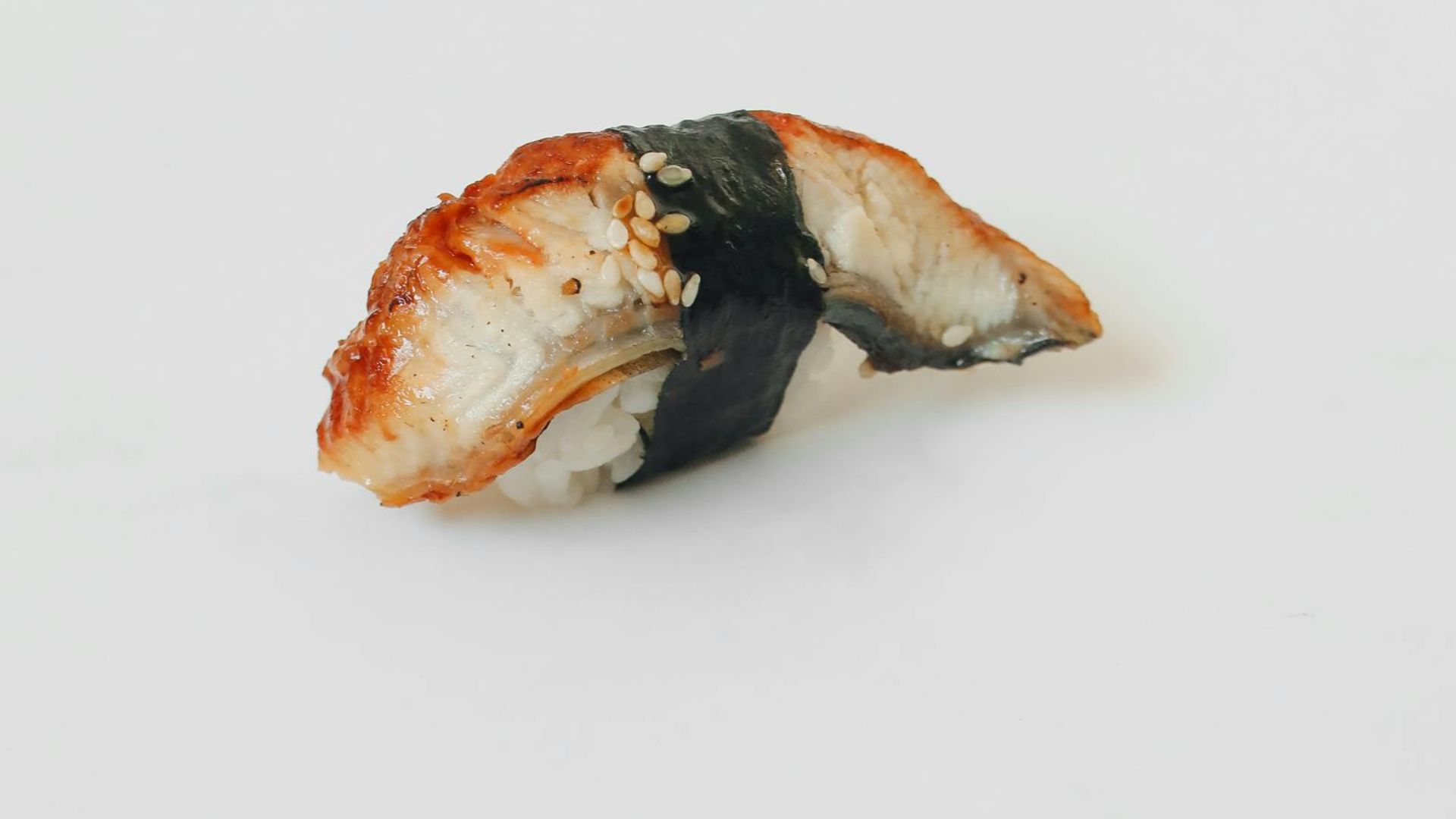
16. Unagi
Unagi is freshwater eel, and it's usually served cooked rather than raw. It often comes with a sweet-savory glaze that makes it one of the more approachable items for people who are unsure about sushi or eating an animal that basically looks like an underwater snake. The flavor is rich and satisfying, and it feels a little different from the lighter fish choices.
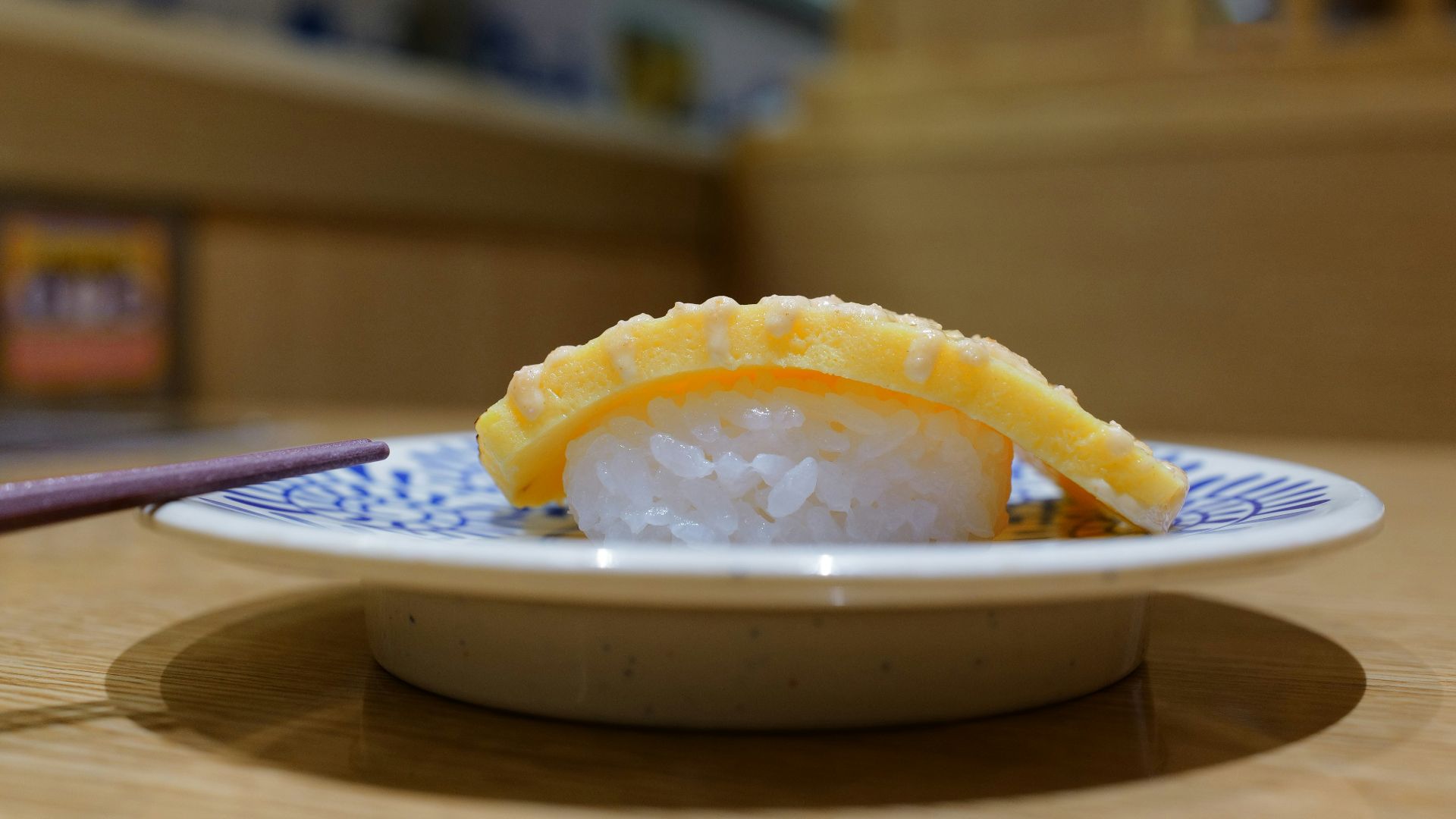
17. Tamago
Tamago is a Japanese-style sweet egg omelet often served over rice as nigiri. It may sound simple, but it's a classic sushi item and a good reminder that sushi isn't only about fish. Ordering tamago can be a smart move if you want something gentle or a break from seafood.
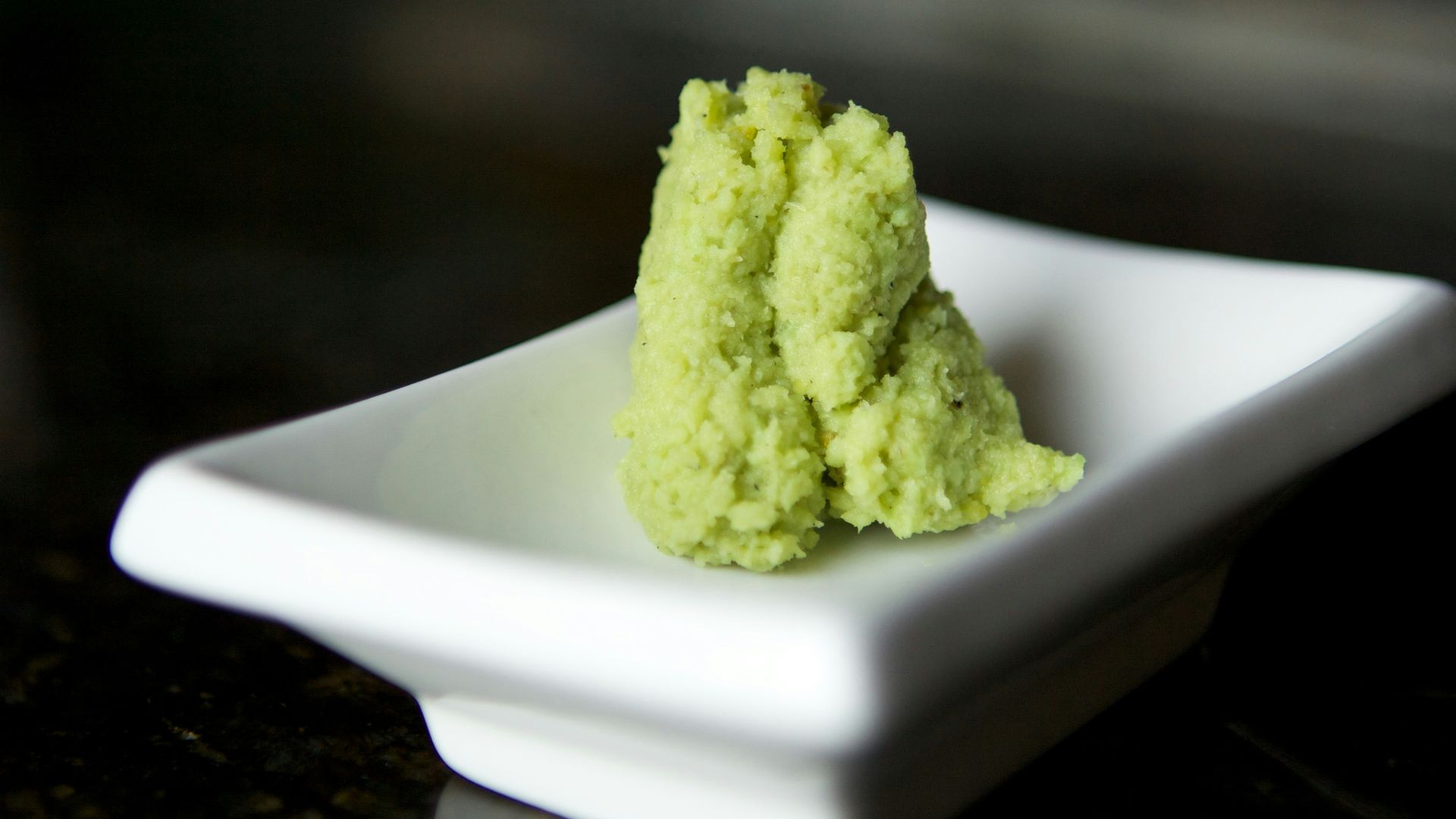
18. Wasabi
Wasabi is the green condiment that people often treat like a dare. It has a sharp heat that hits you straight in the nose, fast, makes you tear up, and then fades quickly, which is very different from chili pepper burn. A little goes a long way, and many sushi pieces are already balanced with the right amount if the chef has added it.
 David Todd McCarty on Unsplash
19. Gari
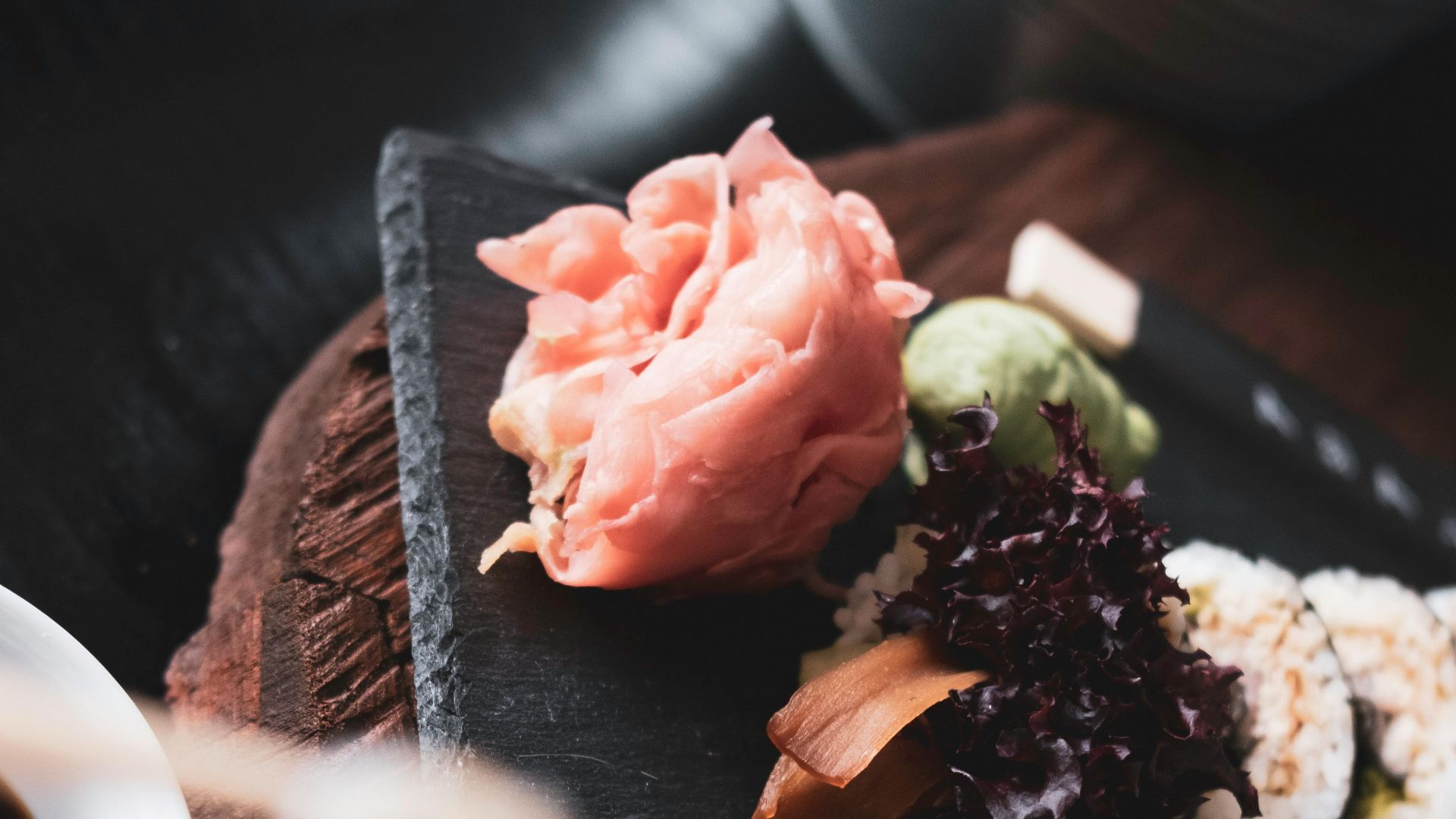
Gari is the pickled ginger served alongside sushi. Its job is not just to sit there looking decorative: it's meant to refresh your palate between different bites. That helps you taste each piece more clearly instead of letting one strong flavor linger through the next.
20. Soy Sauce
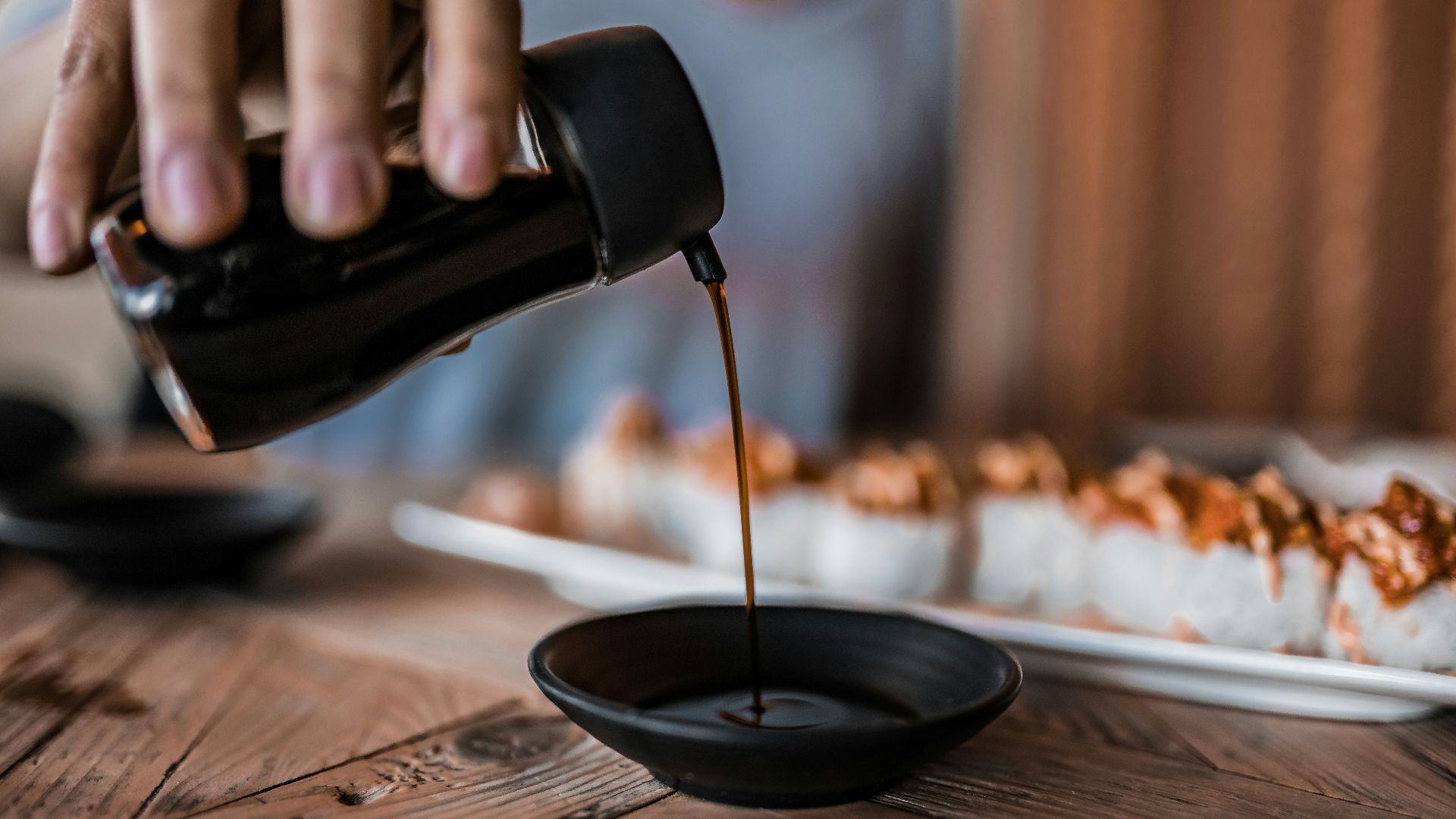
This one may sound too obvious to include, but it still matters because a lot of people use it badly. Soy sauce is there to complement sushi, not drown it, and many chefs would prefer you use it lightly. If you are eating nigiri, it's often better to dip the fish side instead of soaking the rice. A little restraint makes you look like you know exactly what you are doing.
KEEP ON READING