Bacon & Butter: 10 Foods Americans Are Weirdly Obsessed With & 10 They Refuse to Eat
Bacon & Butter: 10 Foods Americans Are Weirdly Obsessed With & 10 They Refuse to Eat
A Country Full of Strong Opinions
From deep-fried butter to bacon-wrapped pigs in a blanket, American food culture is, probably unsurprisingly, pretty predictable. Some foods show up time and time again, and sometimes, the obsession with certain dishes goes so deep that Americans will create recipes of their own by mashing everything together into a Frankenstein casserole. And yet, they aren't always so adventurous. Here are 10 foods Americans are weirdly attached to—and 10 they refuse to touch with a 10-foot pole.

1. Ranch Dressing
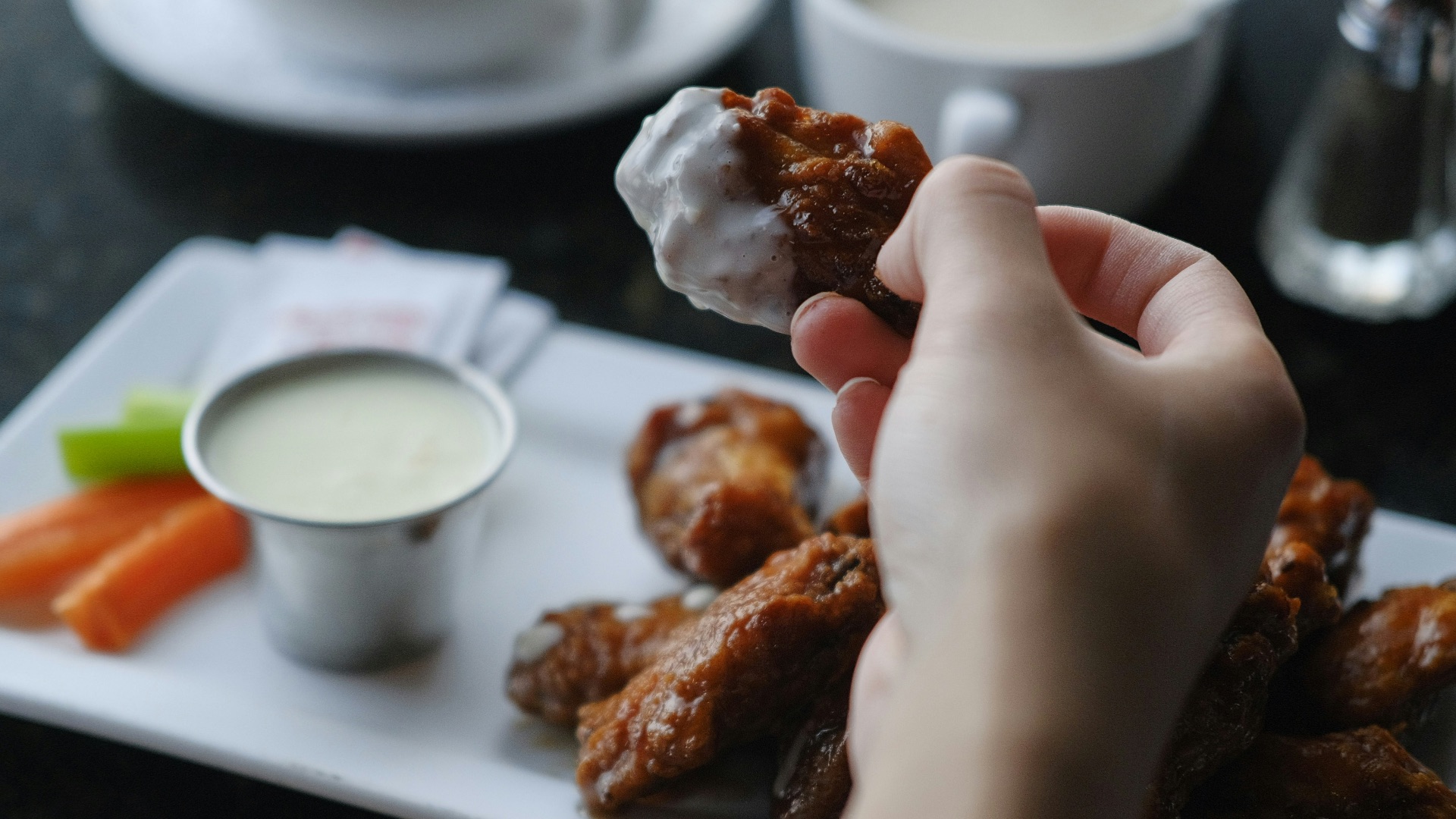
Ranch dressing has expanded far beyond salad in American eating habits. People dip pizza crusts, fries, wings, vegetables, sandwiches, and almost anything fried into it. Its creamy texture and herby flavor make it feel like a safe, reliable upgrade when a food needs more moisture or tang. In some parts of the country, ranch isn’t treated as a condiment so much as a default companion.
2. Macaroni and Cheese
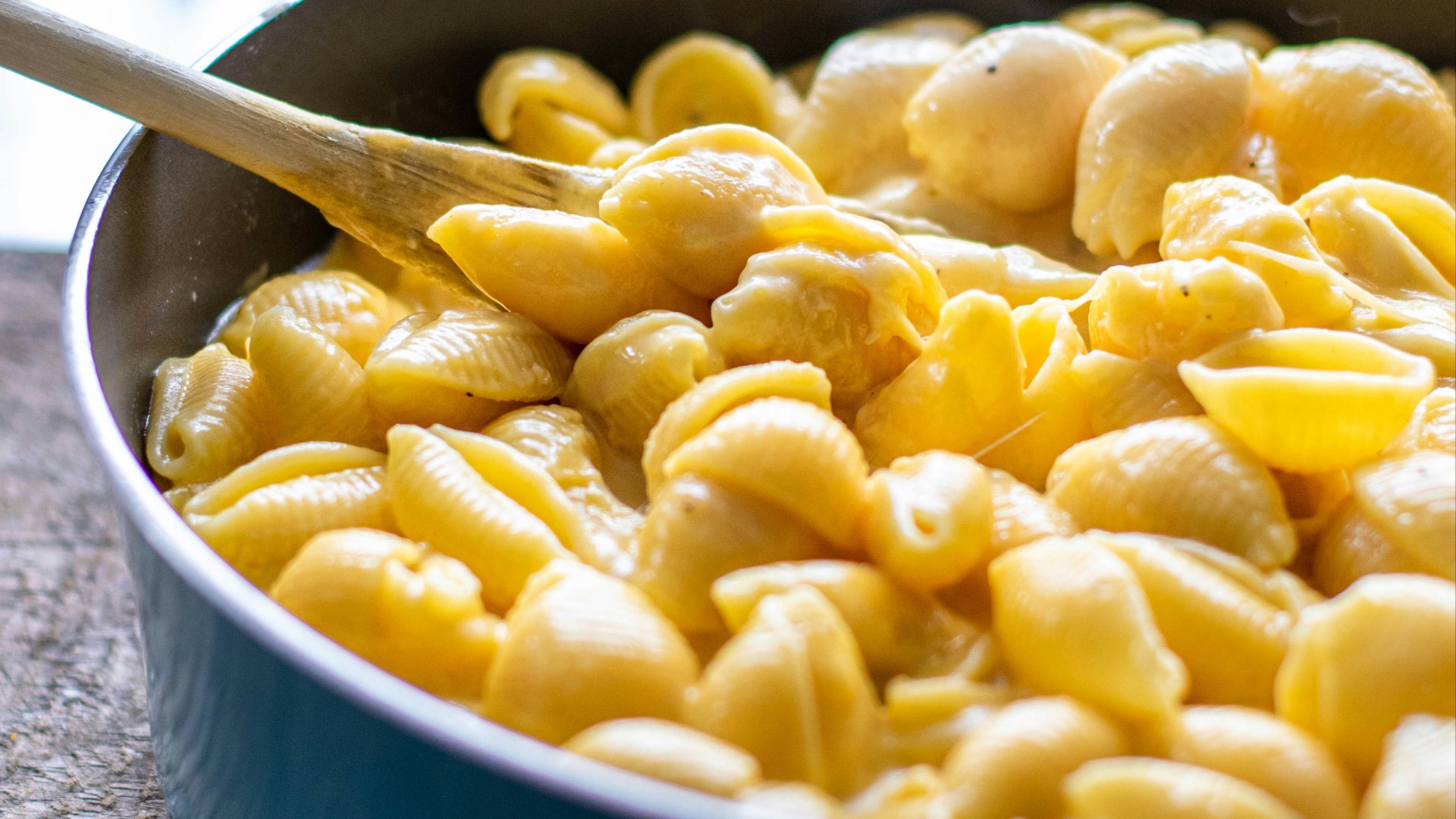
Macaroni and cheese has a firm hold on American comfort-food culture. Some people prefer the boxed version they ate as kids, while others want baked mac and cheese with a browned top and several kinds of cheese. The dish works because it’s simple, soft, creamy, and easy to personalize with toppings, proteins, or spices. Even when it’s served as a side, it often gets treated like the most important thing on the plate.
3. Barbecue
Barbecue in America isn’t just one food; it’s a collection of regional traditions that people defend with real intensity. Texas brisket, Carolina pulled pork, Kansas City ribs, and Memphis-style barbecue all have loyal fans who care deeply about smoke, sauce, seasoning, and cooking time. The obsession comes from both the flavor and the ritual, since barbecue often involves patience, gatherings, and great local pride. You’re not just eating meat; you’re stepping into a debate that’s been going on for generations.

4. Bacon
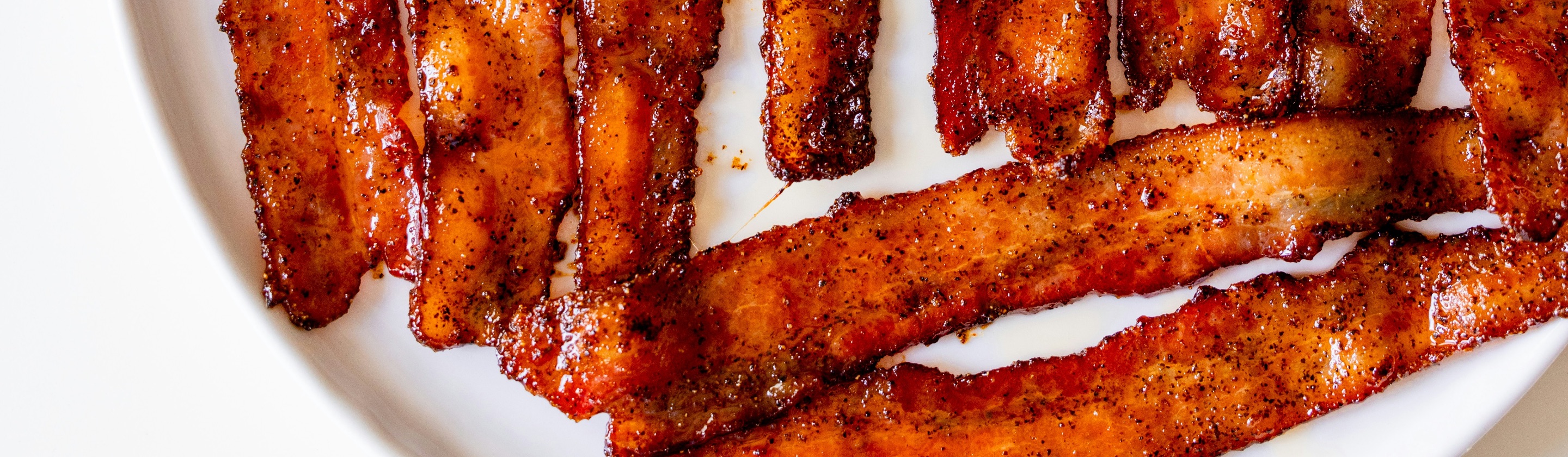
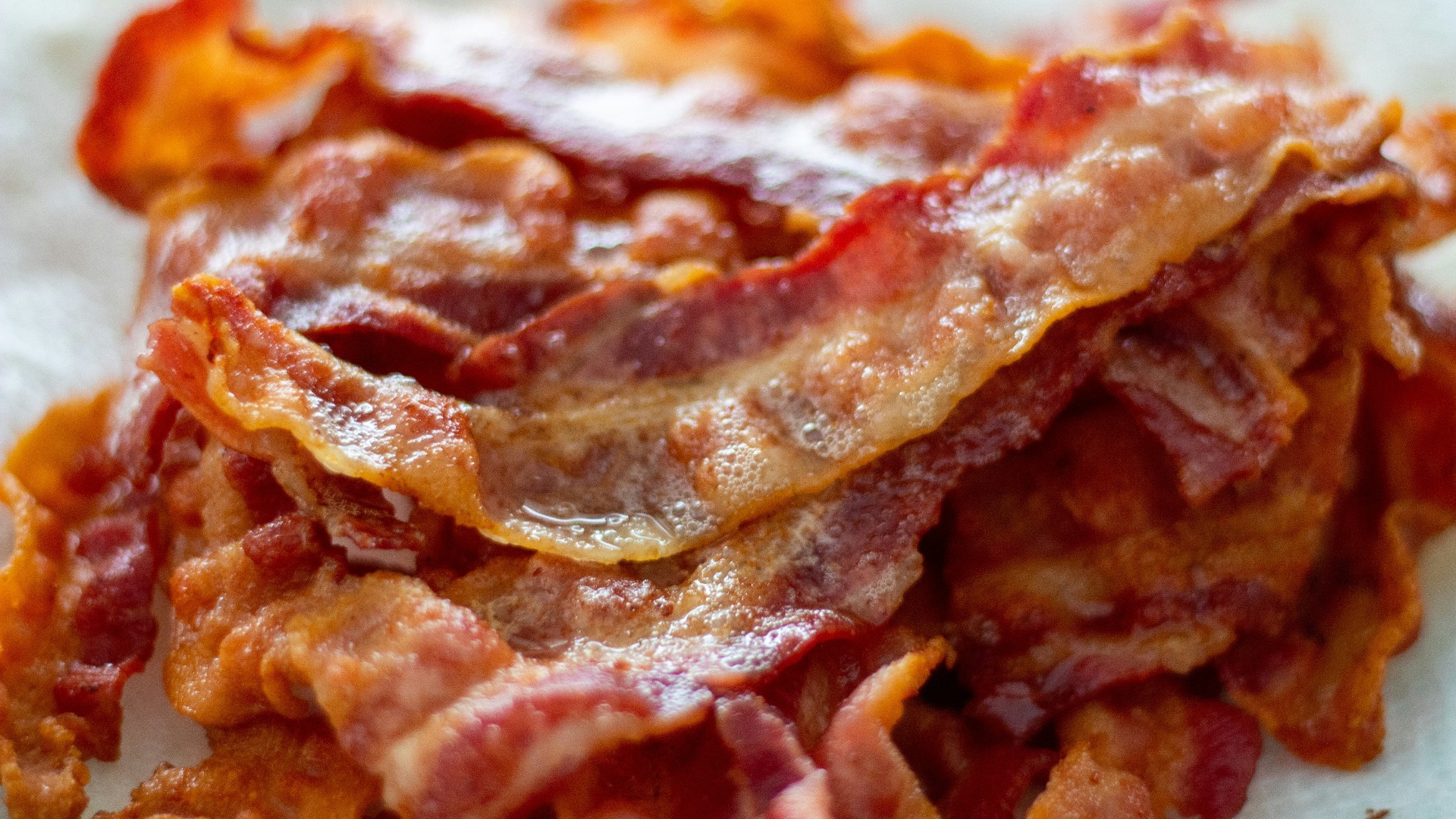
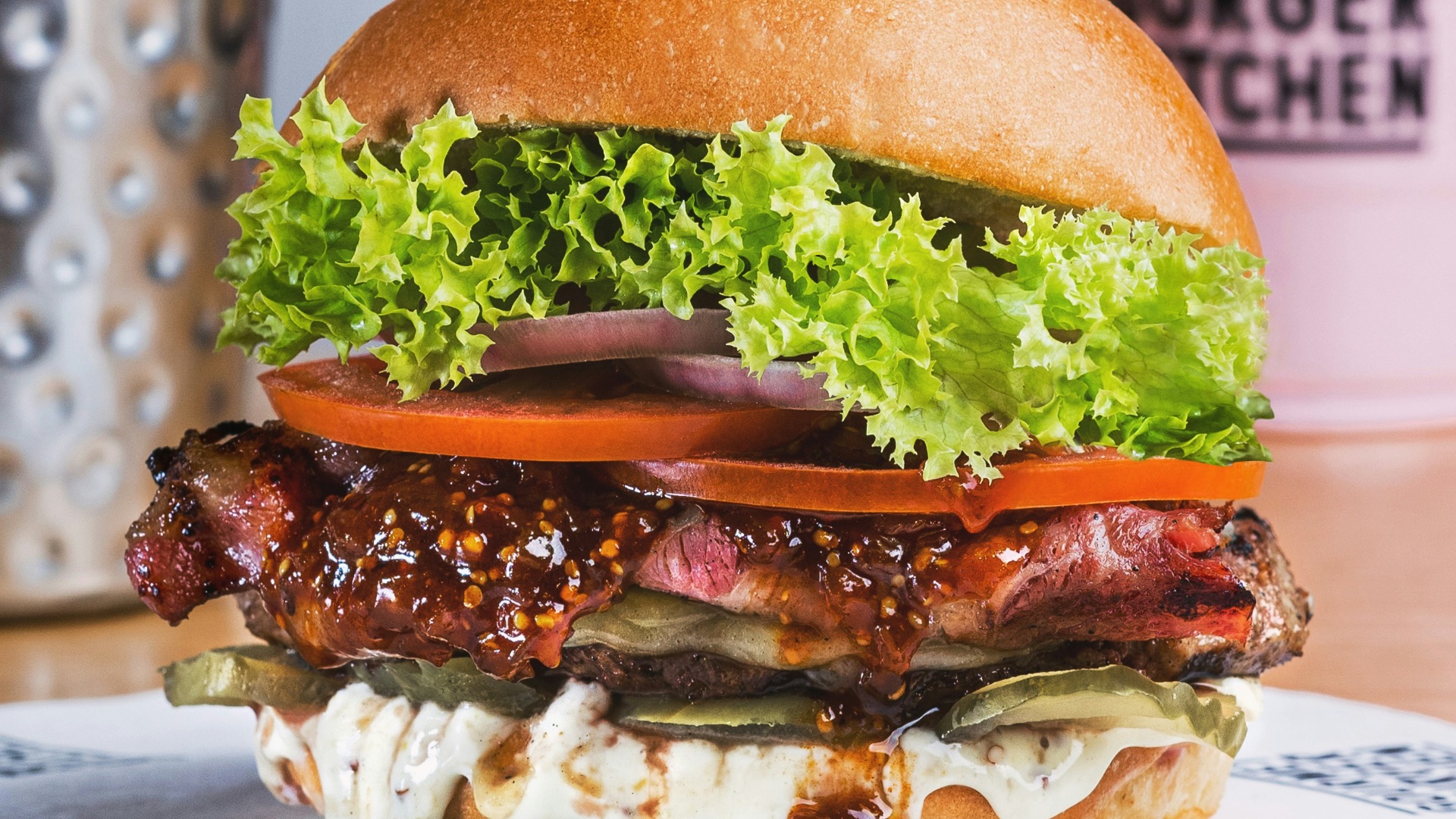
Bacon has become more than a breakfast side in the United States. You’ll find it wrapped around appetizers, crumbled over salads, stacked on burgers, stirred into mac and cheese, and even worked into desserts. Part of the obsession comes from its salty, smoky flavor, but a lot of it also comes from how easily it makes ordinary foods feel more indulgent.
5. Fried Chicken
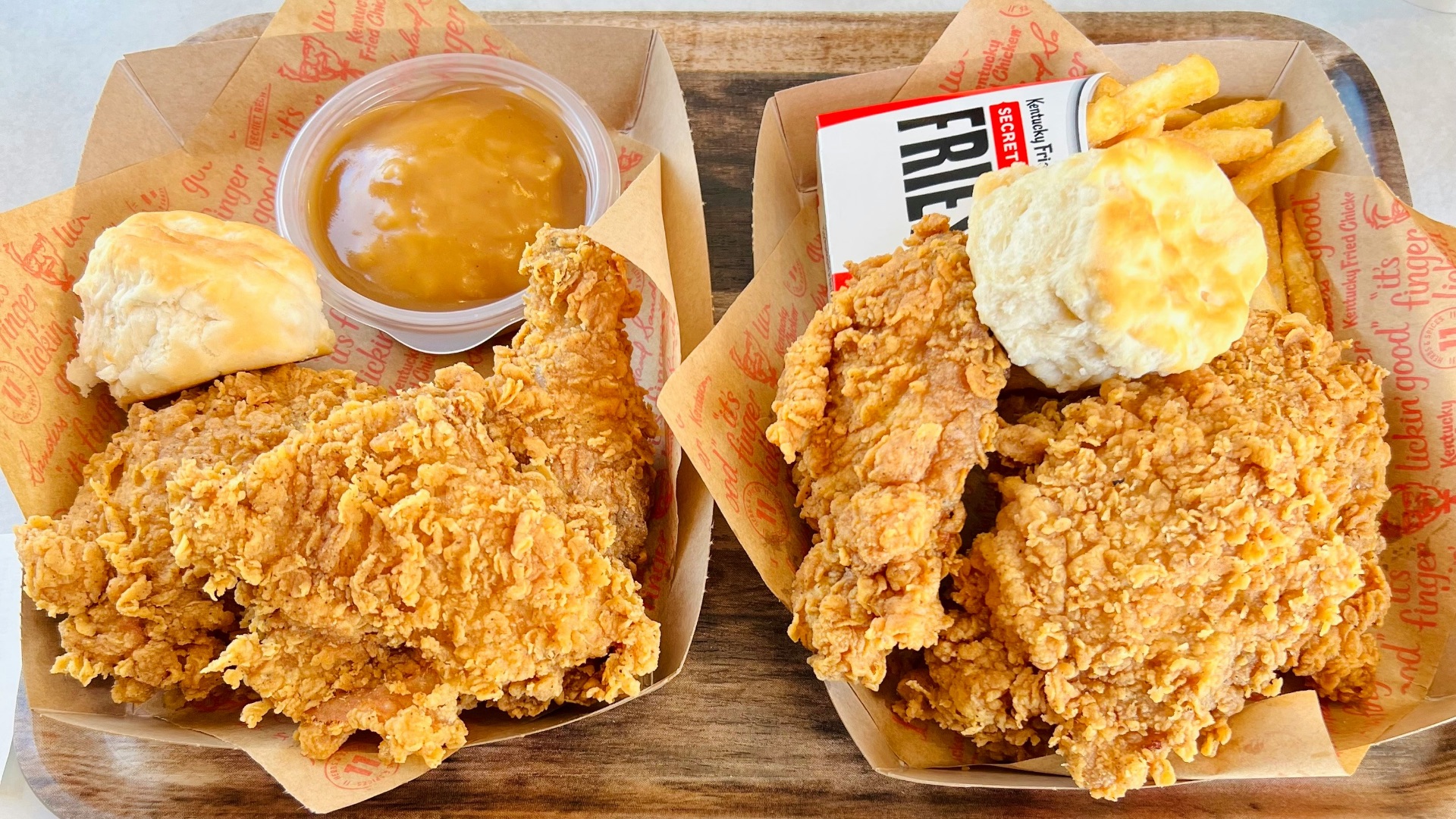
Fried chicken inspires a level of loyalty that few foods can match. Americans debate regional styles, seasoning blends, crust texture, spice levels, and whether the best version comes from a restaurant, a gas station, or someone’s grandmother’s kitchen. The draw is easy to understand because good fried chicken combines crisp skin, juicy meat, and bold seasoning in one bite. It’s casual food, celebration food, and comfort food all at once.
6. Butter
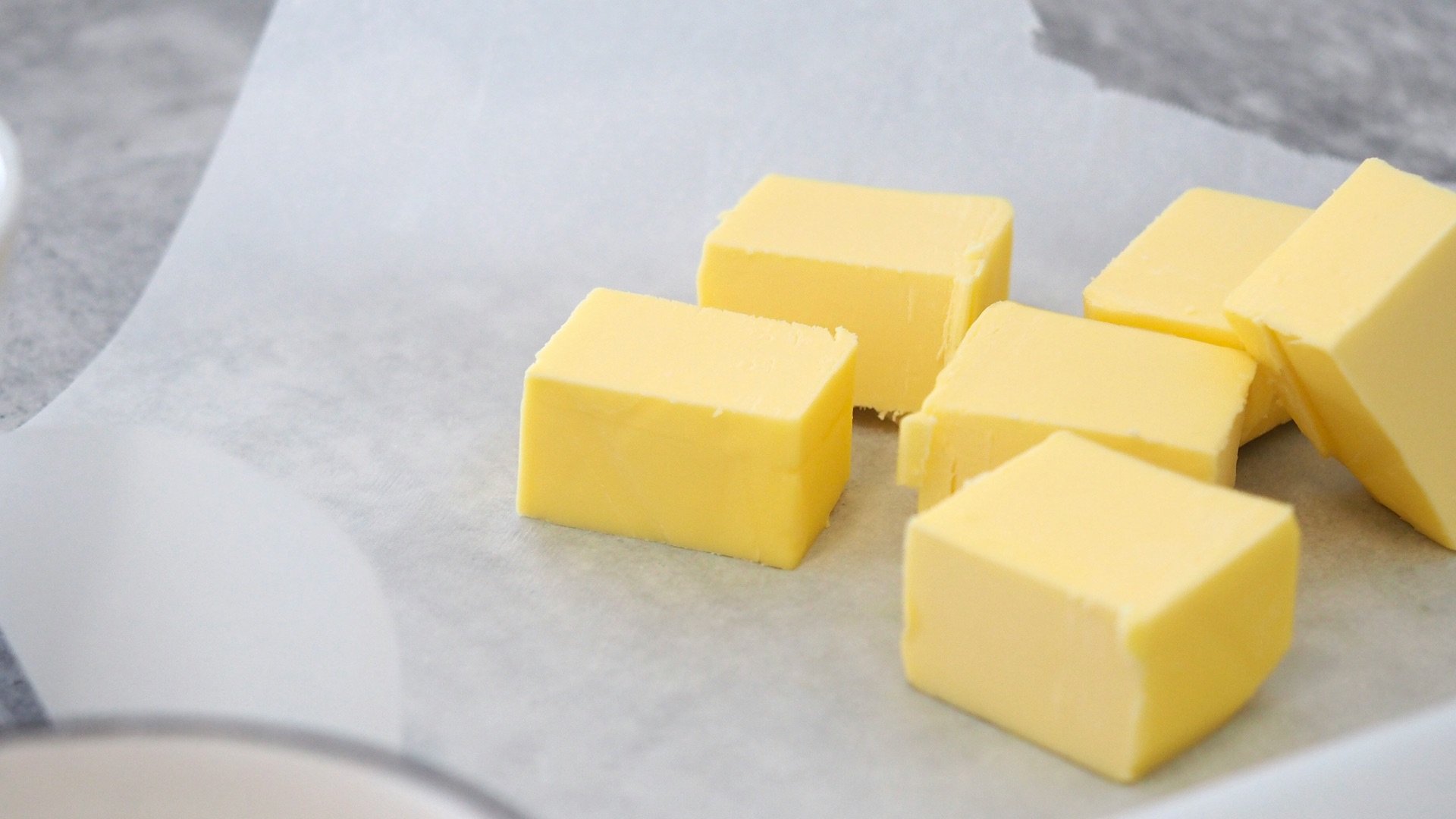
Butter has a special place in American cooking because it makes food taste richer without asking much from the cook. It shows up in biscuits, mashed potatoes, corn on the cob, toast, pancakes, baked goods, and countless comfort-food recipes. For many people, butter signals homemade warmth even when the dish itself is simple. That’s why it remains one of those ingredients Americans keep reaching for, even when lighter options are available.
7. Pizza
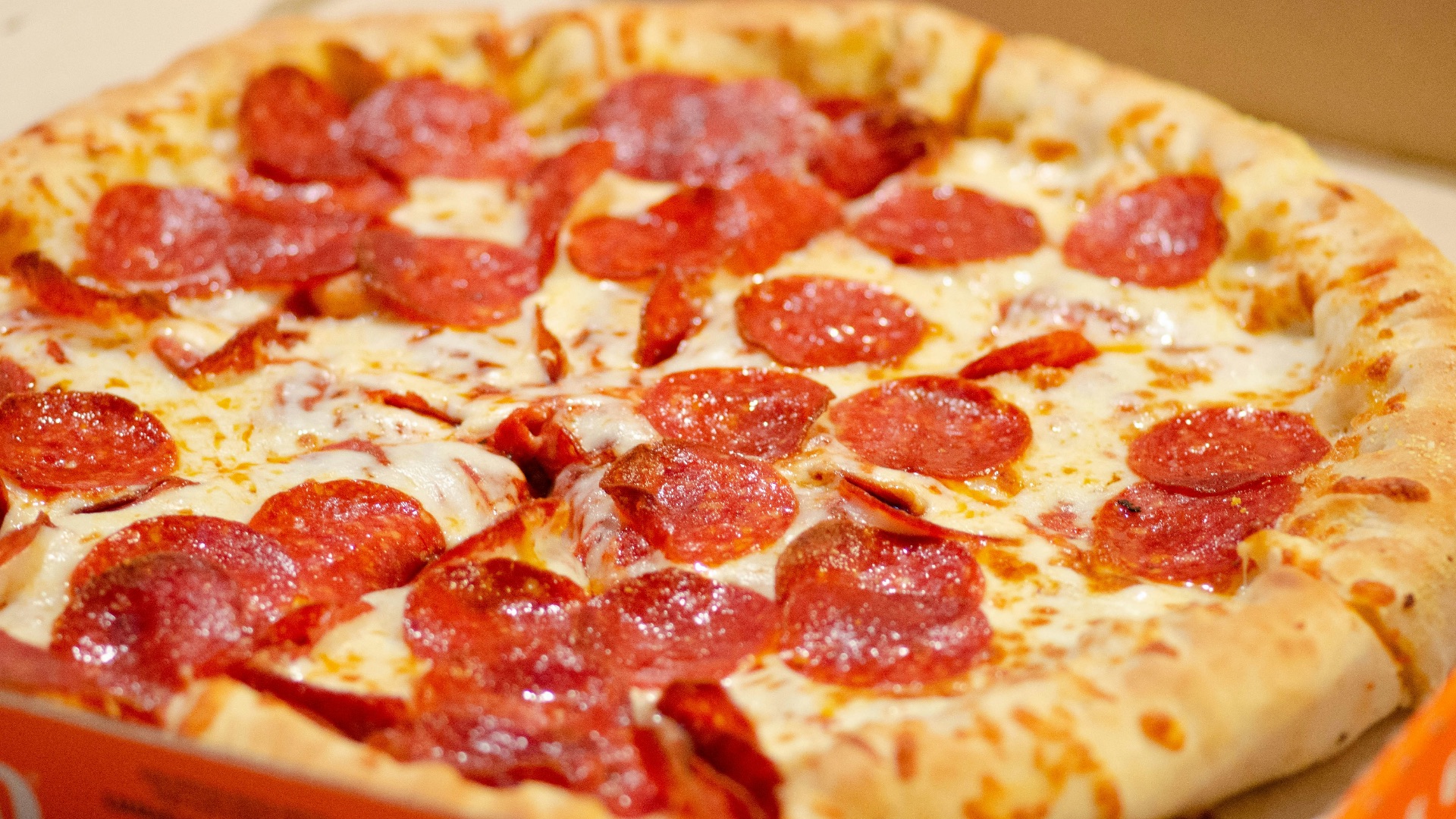
Pizza holds a permanent spot in American food culture, showing up at parties, game nights, school events, and late-night cravings. People love how easy it is to customize, whether you prefer classic cheese, loaded toppings, or something more creative. It’s convenient, shareable, and widely available, which makes it a go-to option for just about any occasion. Even with endless food choices out there, pizza remains one of those meals Americans never seem to get tired of.
8. Cheese
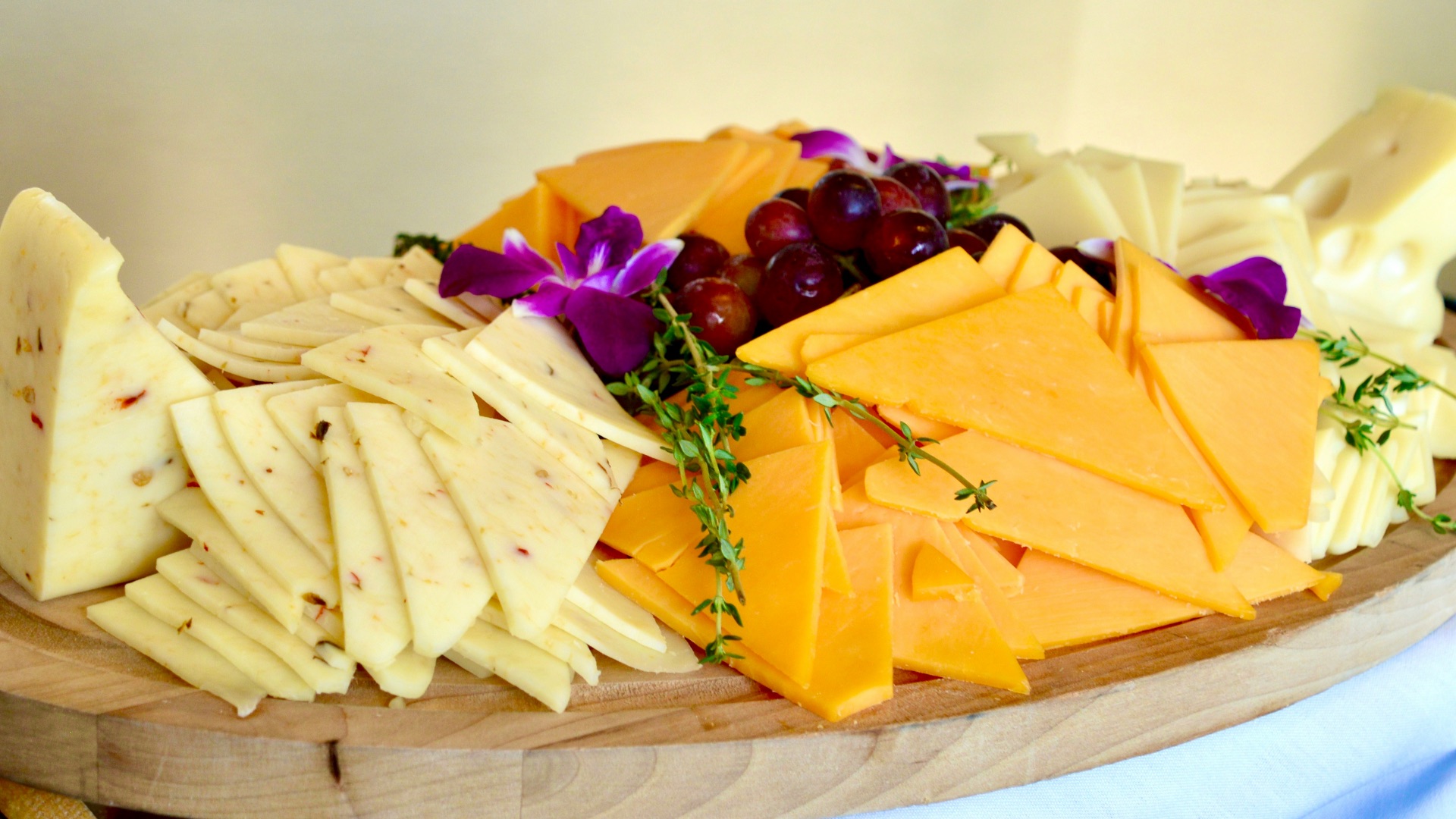
Americans have a deep attachment to cheese in nearly every form, from sharp cheddar and mozzarella to processed slices and spray cans. It gets melted onto burgers, folded into casseroles, stretched across pizza, poured over nachos, and layered into sandwiches. The obsession is partly about flavor, but it’s also about texture, since melted cheese can make food feel heartier and more comforting. Even dishes that are already rich often get extra cheese because, for many Americans, more seems better.
9. Hot Dogs
Hot dogs are a classic American staple that show up everywhere from backyard cookouts to baseball games and street carts. They’re simple, affordable, and easy to customize with toppings like mustard, ketchup, relish, onions, and chili. Part of their appeal comes from the nostalgia tied to summer gatherings and casual meals. Even though they’re basic, hot dogs continue to hold a strong place in American food culture.

10. Burgers
Burgers remain one of America’s most dependable food obsessions because they’re endlessly customizable. You can find them at fast-food chains, backyard cookouts, diners, upscale restaurants, and sports bars, each with its own idea of what makes the perfect version. The basic structure is simple, but toppings, sauces, cheeses, buns, and cooking styles give people endless room for opinions. For many Americans, a burger feels familiar without ever having to be boring.
Of course, American enthusiasm has its limits. The same culture that celebrates bacon on everything can become surprisingly cautious when offered unfamiliar food, and these 10 will probably never make it into their mouths.
1. Organ Meats
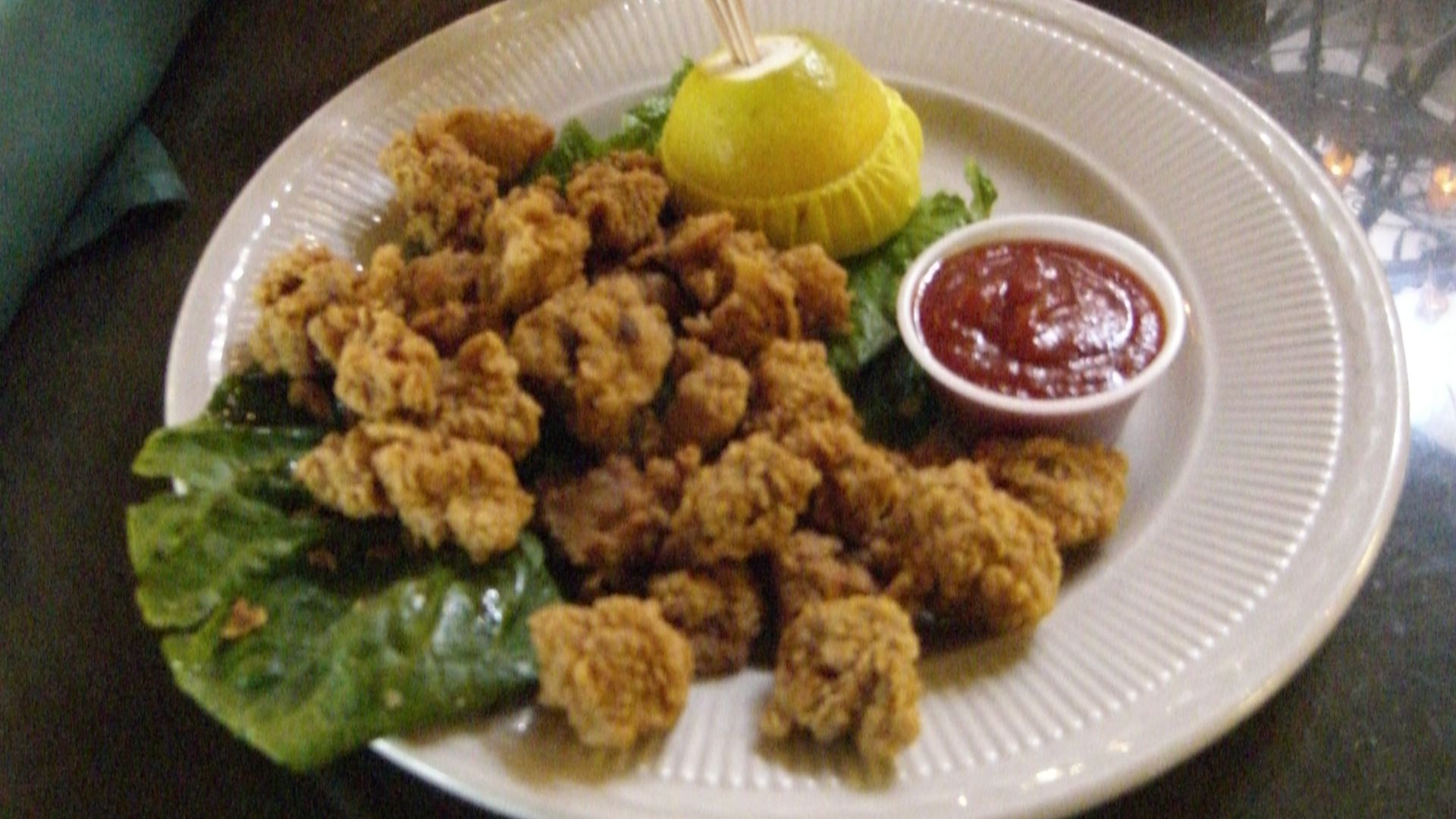
Many Americans avoid organ meats, even though liver, heart, kidney, and other cuts are valued in cuisines around the world. The hesitation usually comes from the idea of what the food is rather than the actual flavor. Texture and smell can also make people uncomfortable if they didn’t grow up eating these dishes. For diners used to steaks, burgers, and chicken breasts, organ meats can feel like too big a leap.
 Vincent Diamante from Los Angeles, CA, USA on Wikimedia
2. Sardines
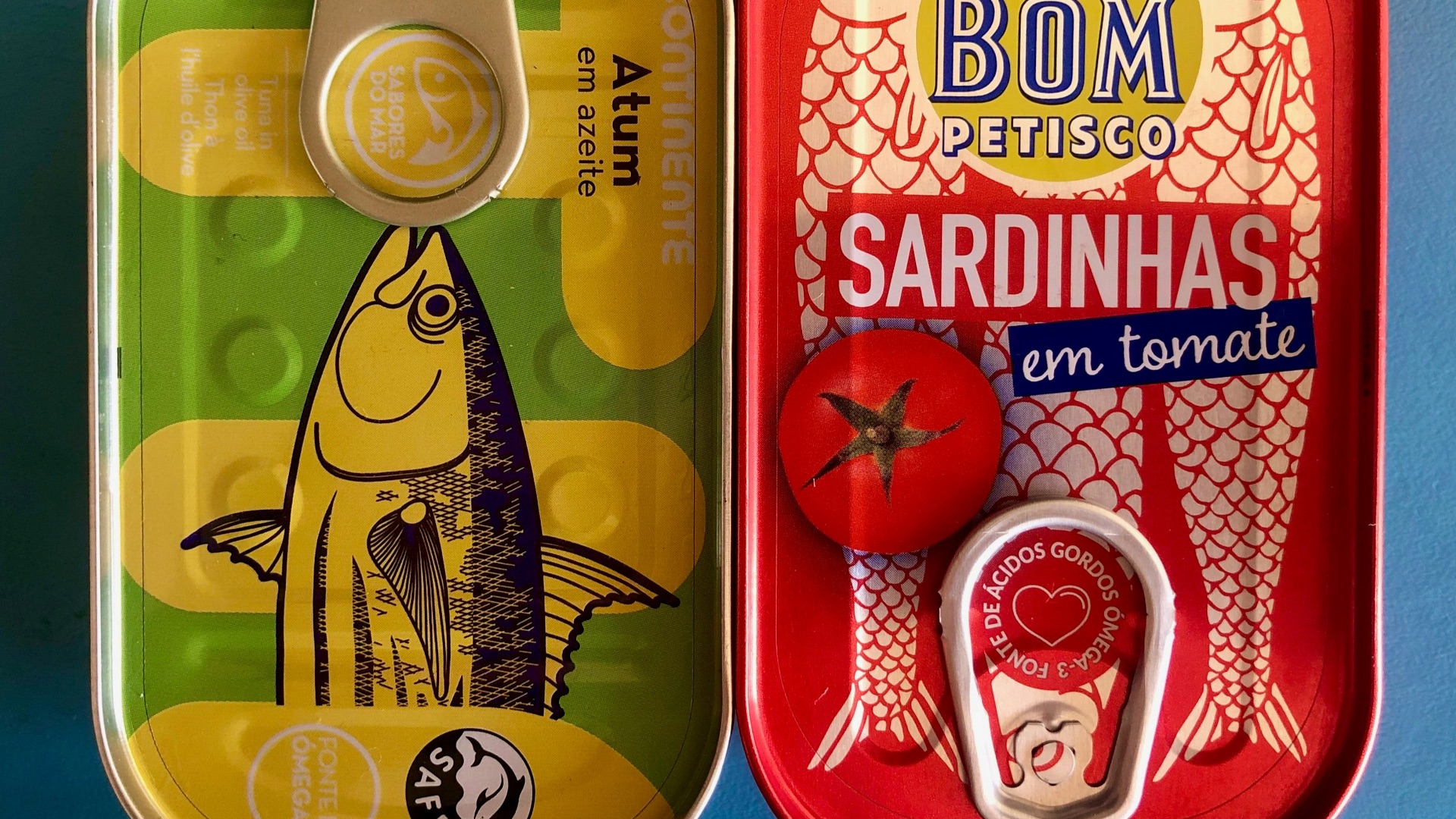
Sardines have a loyal following, but plenty of Americans still refuse them on sight. The small whole-fish appearance, strong smell, and oily texture can make people decide they dislike them before they taste them. Canned fish in general often carries a reputation that doesn’t help, especially among people who associate it with emergency pantry food. Even so, sardines remain a nutritious and flavorful option for those willing to get past the first impression.
3. Black Pudding
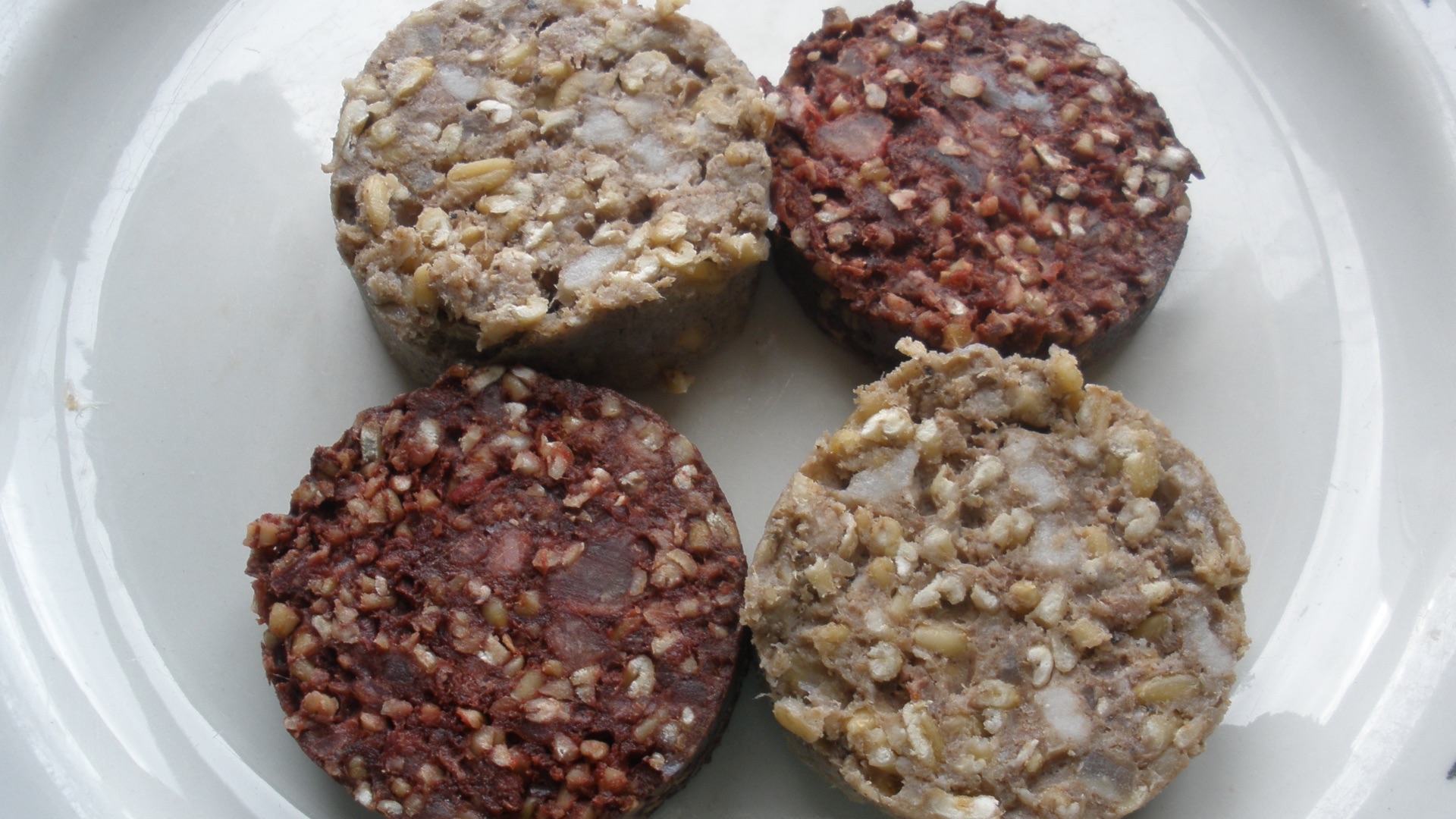
Black pudding is common in parts of the United Kingdom and Ireland, but many Americans struggle with the idea of eating blood sausage. The name alone can make it a hard sell because it tells you exactly what ingredient many people would rather not think about. Its dark color and dense texture can also feel unfamiliar to anyone used to milder breakfast meats. While fans appreciate its savory depth, hesitant eaters often stop at the description.
4. Durian
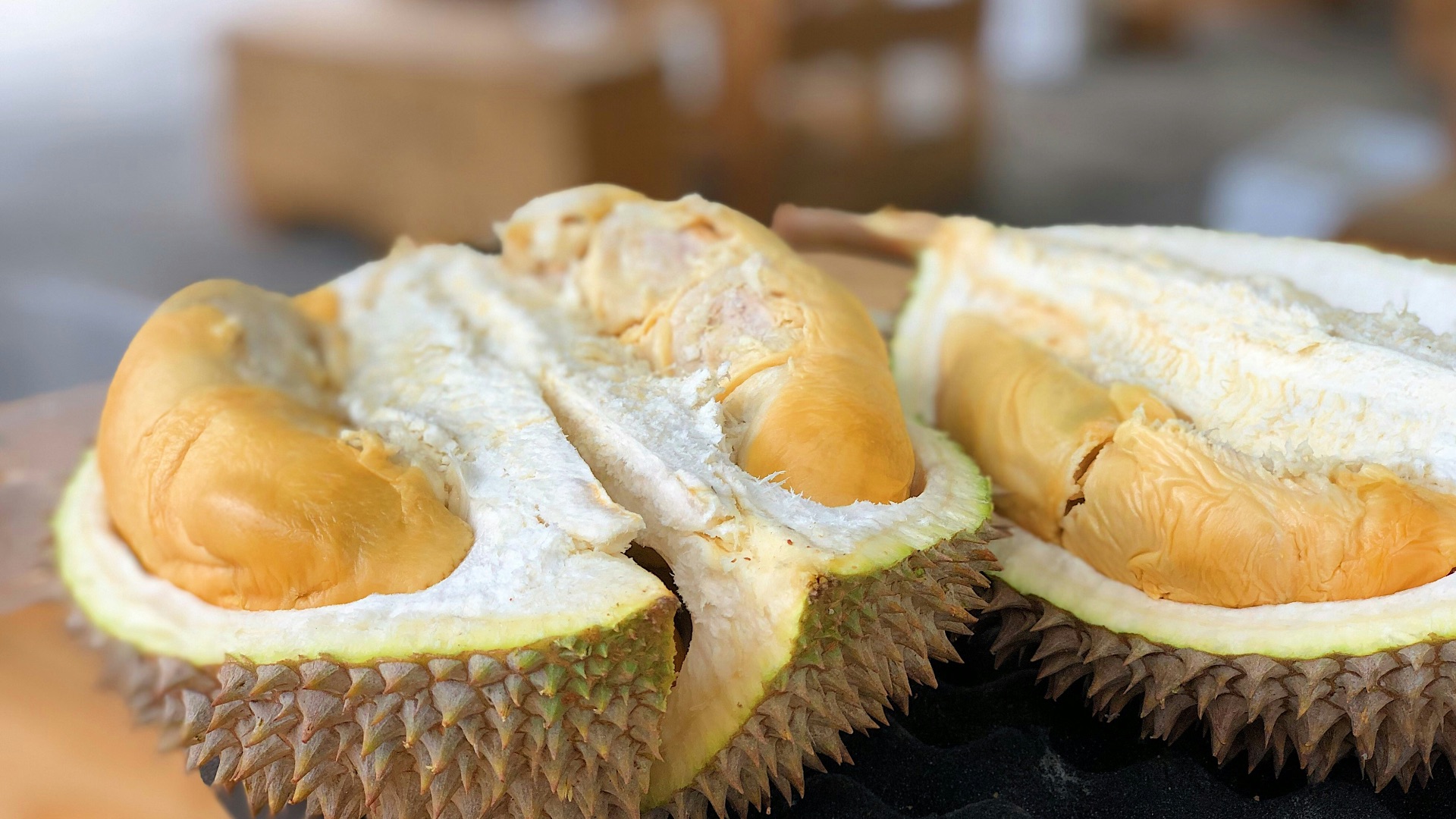
Durian is famous for its powerful smell, which is enough to scare off many Americans before they even consider tasting it. People who love it often describe the flavor as rich and custardy, but the aroma can be difficult for newcomers to separate from the experience. Since American fruit preferences usually lean toward fresh, sweet, and mild scents, durian can feel especially challenging. It’s one of those foods where curiosity and caution often collide.
5. Head Cheese
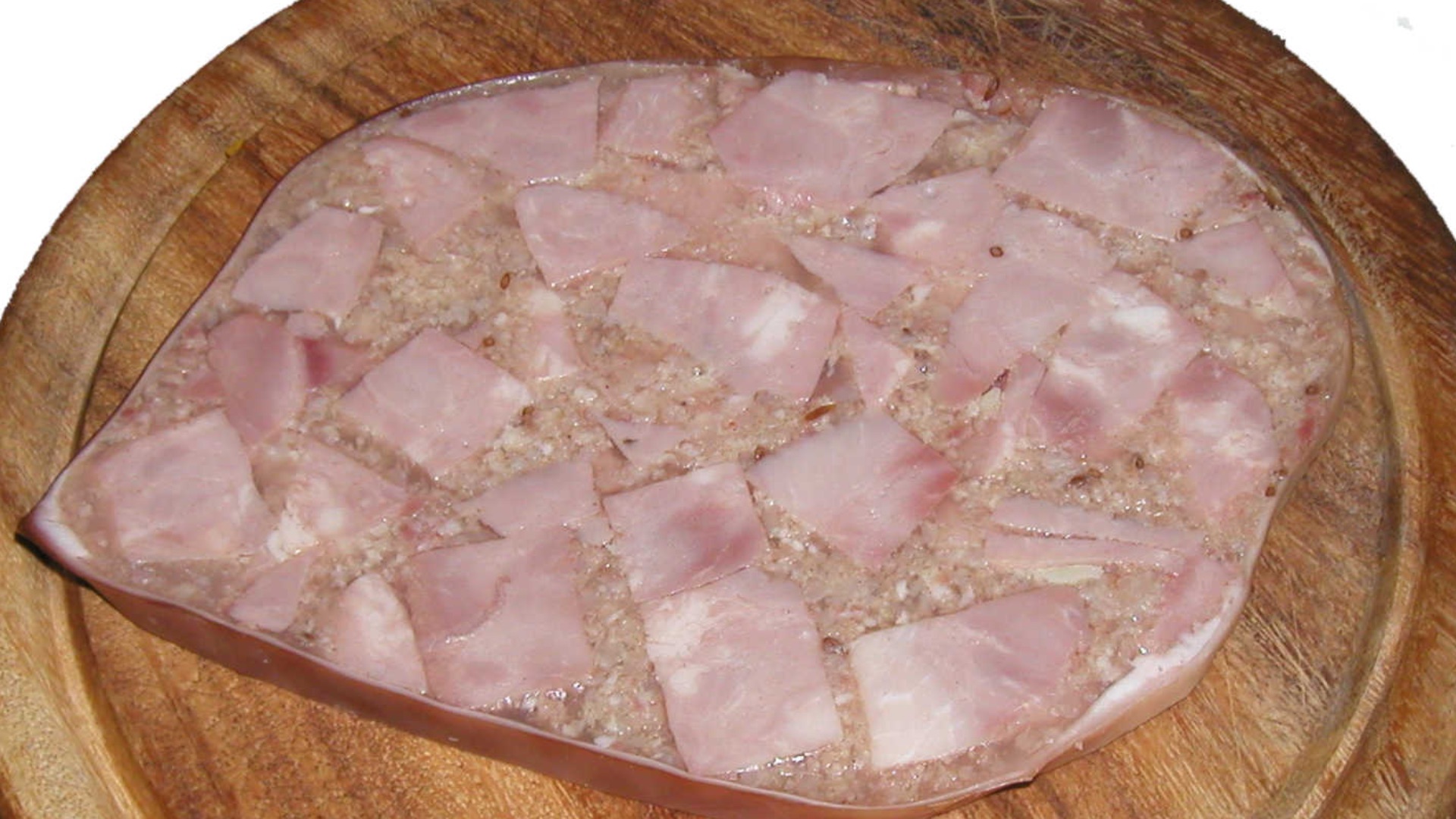
Despite the name, head cheese isn’t cheese, and that detail doesn’t exactly make it easier for many Americans. It’s made from meat from the head of a pig or calf, set into a loaf with gelatin, which can be a difficult texture for unfamiliar eaters. The appearance may remind people of deli meat, but the ingredients and structure make some diners uneasy. Those who enjoy it often appreciate its old-world practicality, but it remains a tough sell in many American households.
 The original uploader was Schorle at German Wikipedia. (Original text: Schorle) on Wikimedia
6. Snails
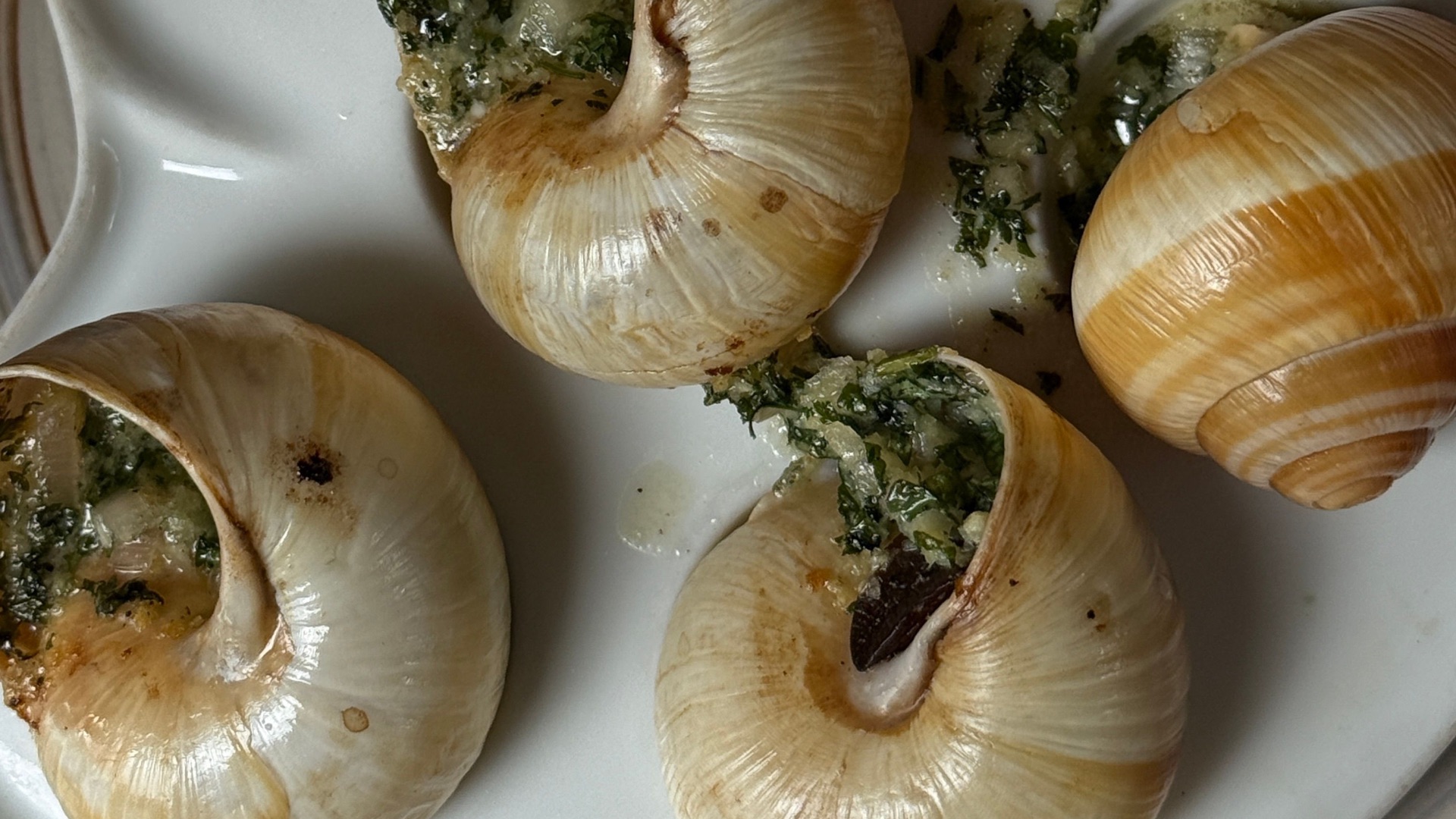
Escargot may sound elegant on a French menu, but many Americans still think of snails as garden creatures rather than food. The mental hurdle can be stronger than the taste itself, especially since snails are often served with garlic butter, which Americans usually enjoy. Texture plays a major role, too, since chewy or slippery foods can cause immediate resistance. Even when prepared well, escargot asks some diners to move past a very specific discomfort.
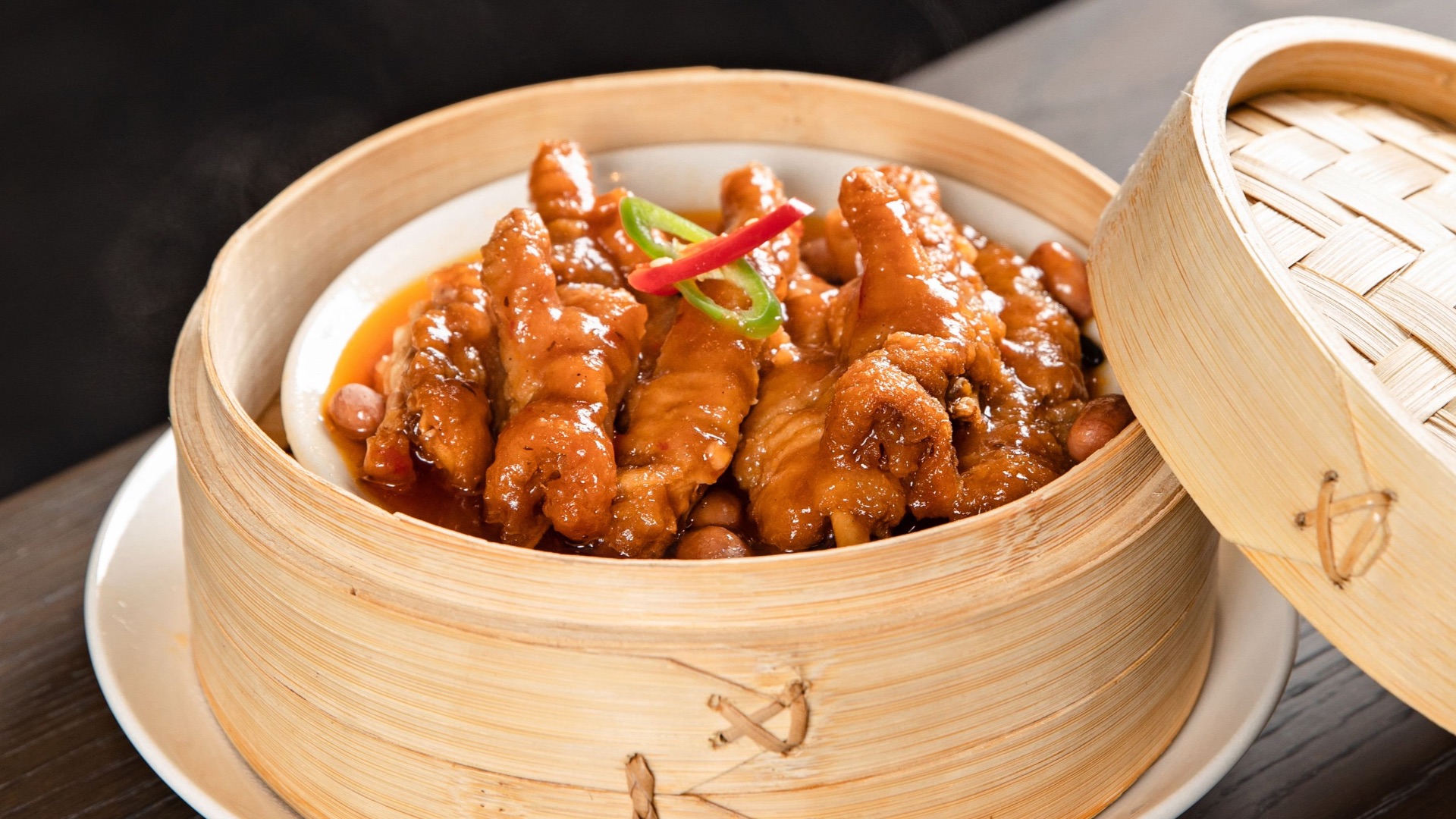
7. Chicken Feet
Chicken feet are enjoyed in several cuisines, especially in dim sum, but many Americans are hesitant because the food looks exactly like what it is. The shape, bones, skin, and cartilage make it very different from the boneless cuts many people are used to eating. Instead of a meaty bite, the appeal is mostly in the texture and sauce, which can surprise first-time diners. For Americans raised on nuggets and breasts, chicken feet can feel unfamiliar from every angle.
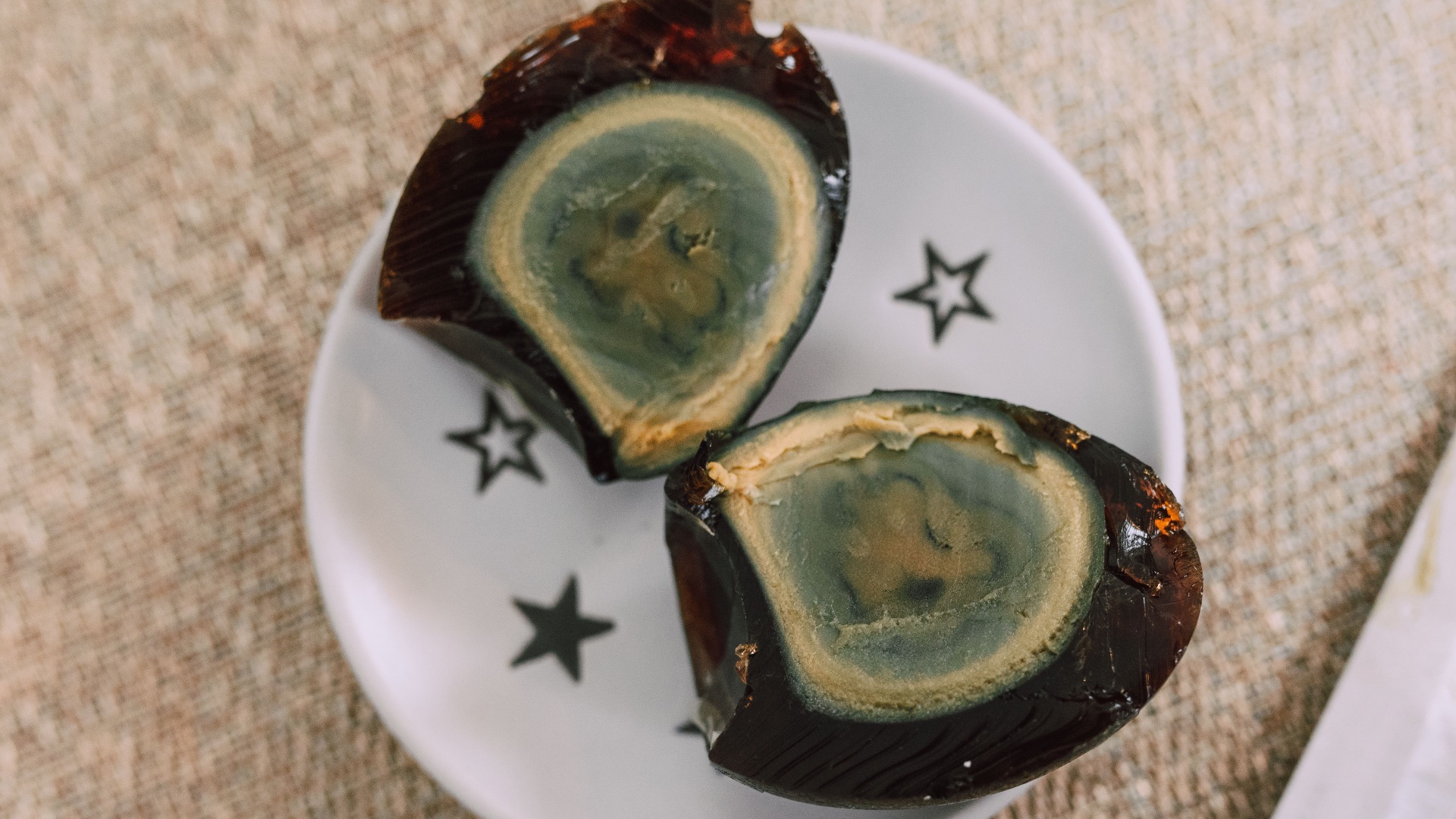
8. Century Egg
Century eggs, also known as preserved eggs, can be a tough sell for many Americans because of their dark color and strong aroma. The egg whites turn translucent and jelly-like, while the yolk becomes creamy with a bold, savory flavor that can surprise first-time eaters. Even though they’re a staple in several Asian cuisines, the unfamiliar appearance often makes people hesitate before trying them. Those who enjoy century eggs appreciate their depth, but for others, the visual alone can be enough to pass.
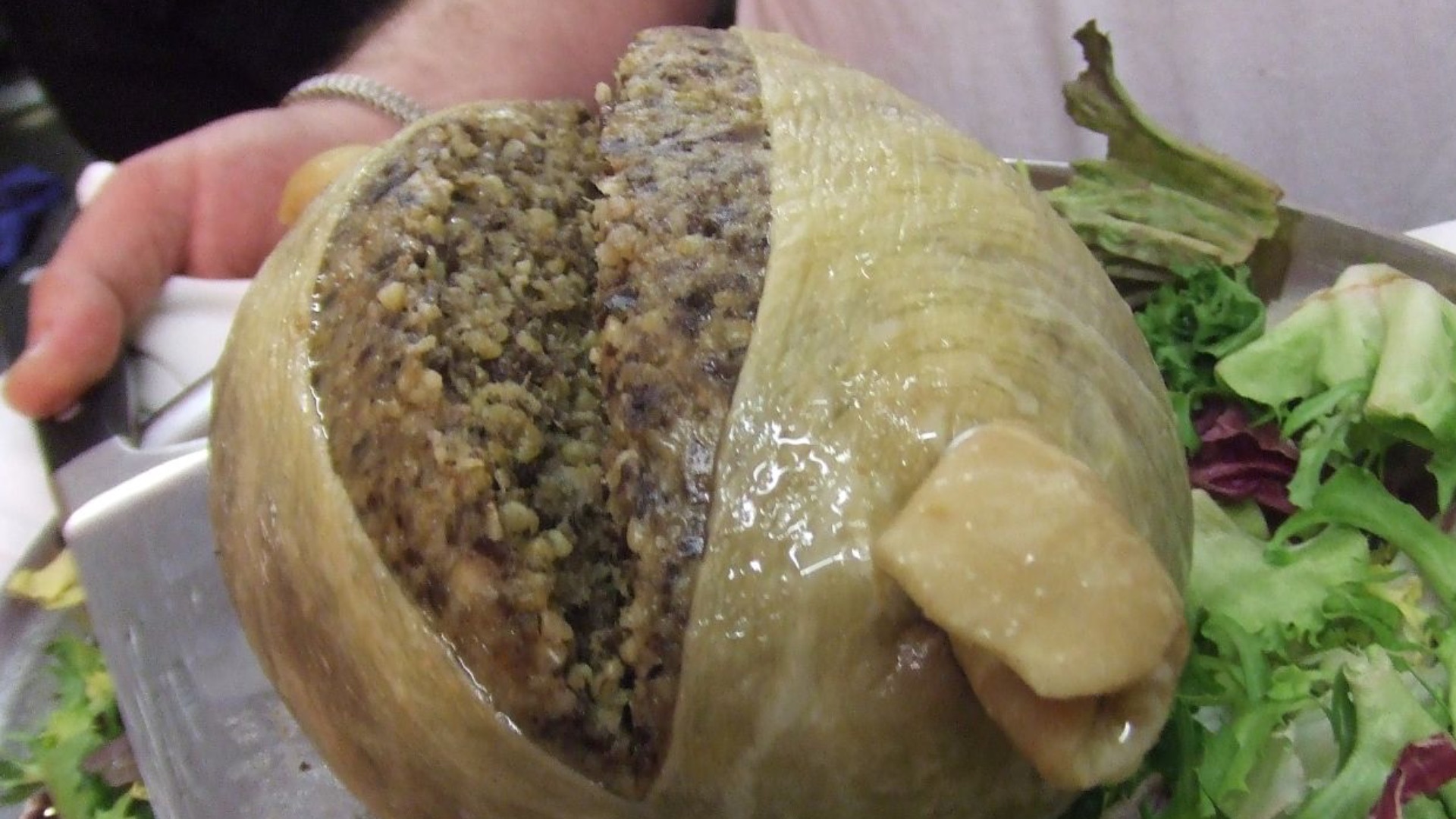
9. Haggis
Haggis is a traditional Scottish dish that many Americans hesitate to try, largely because of its ingredients and preparation. It’s made from sheep’s organs mixed with oats and spices, then cooked inside a casing, which can sound intimidating if you’re not familiar with it. The texture and the idea of eating organ meats together can make people pause before taking a bite. While those who try it often find it flavorful and hearty, it still faces a strong mental barrier for many diners in the United States.
10. Insects
Edible insects are eaten in many parts of the world, but most Americans remain deeply reluctant to treat them as food. The hesitation comes from cultural conditioning, since insects are usually associated with pests rather than protein. Even when roasted, seasoned, or ground into flour, they can still trigger discomfort because people know what they’re eating. For now, insects may be sustainable and practical, but they’re still far from mainstream on the American plate.

KEEP ON READING