These Regional Side Dishes Have Been Playing Second Fiddle Long Enough
A lot of the best food on an American table never gets top billing. It’s the scoop tucked beside the roast, the casserole sitting off to the side, the beans soaking up all the good stuff while the centerpiece gets the attention.
Regional side dishes are especially good at pulling off that trick. They’re practical, tied to local ingredients, and shaped by weather, thrift, church suppers, and even ranch cooking. Tater Tot hotdish, pinquito beans, and cheese grits come from different corners of the country, though they share one very obvious quality: they do way more work than the word 'side' gives them credit for.
The Potluck Legend
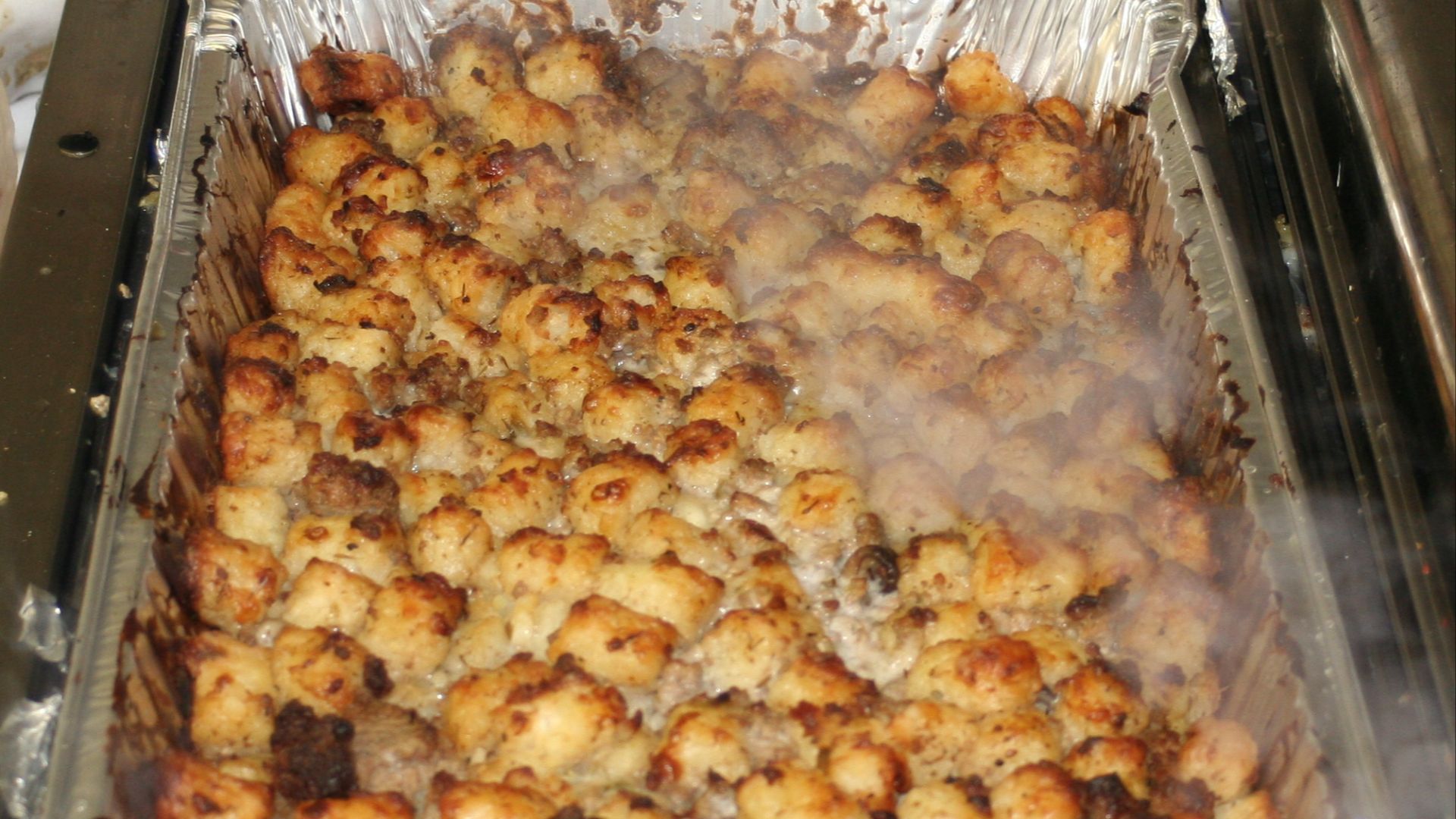
Tater Tot hotdish has spent a long time flying under the radar, even though it's considered one of Minnesota's most iconic foods. The Oregon Encyclopedia notes that Tater Tots first popped up in 1953 in Ontario, Oregon. They first appeared in grocery stores in 1956, and later became central to Minnesota’s unofficial state dish.
The beauty of hotdish is that it doesn’t pretend to be anything other than what it is. Taste of Home describes a classic version built with meat, vegetables, condensed soup, and Tater Tots baked until bubbly. That combination alone tells you a lot about why people stayed loyal to it. It’s filling, creamy in the middle, crisp on top, and built for cold weather and crowded tables.
There’s also something lovable about the way the dish became a regional badge of honor. A frozen potato product invented in Oregon got folded so completely into Minnesota life. It's become a staple of home cooking, church-basement comfort, and winter survival all at once. That’s a pretty good run for a casserole people still like to joke about, that is, until they’re going back for seconds.
The West-Coast Barbecue Side
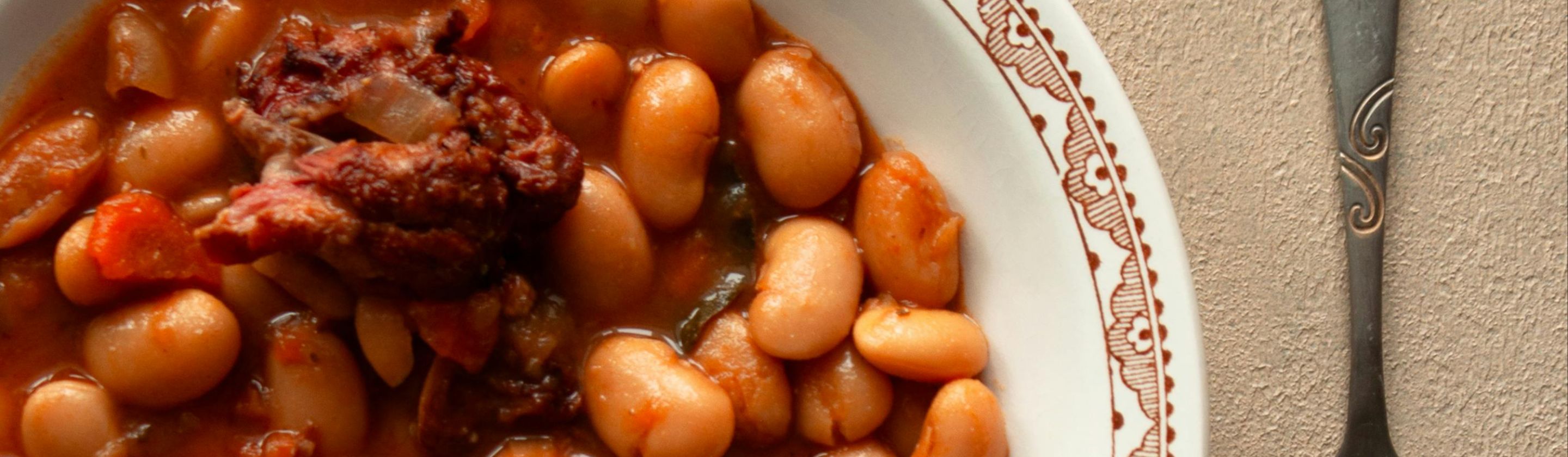
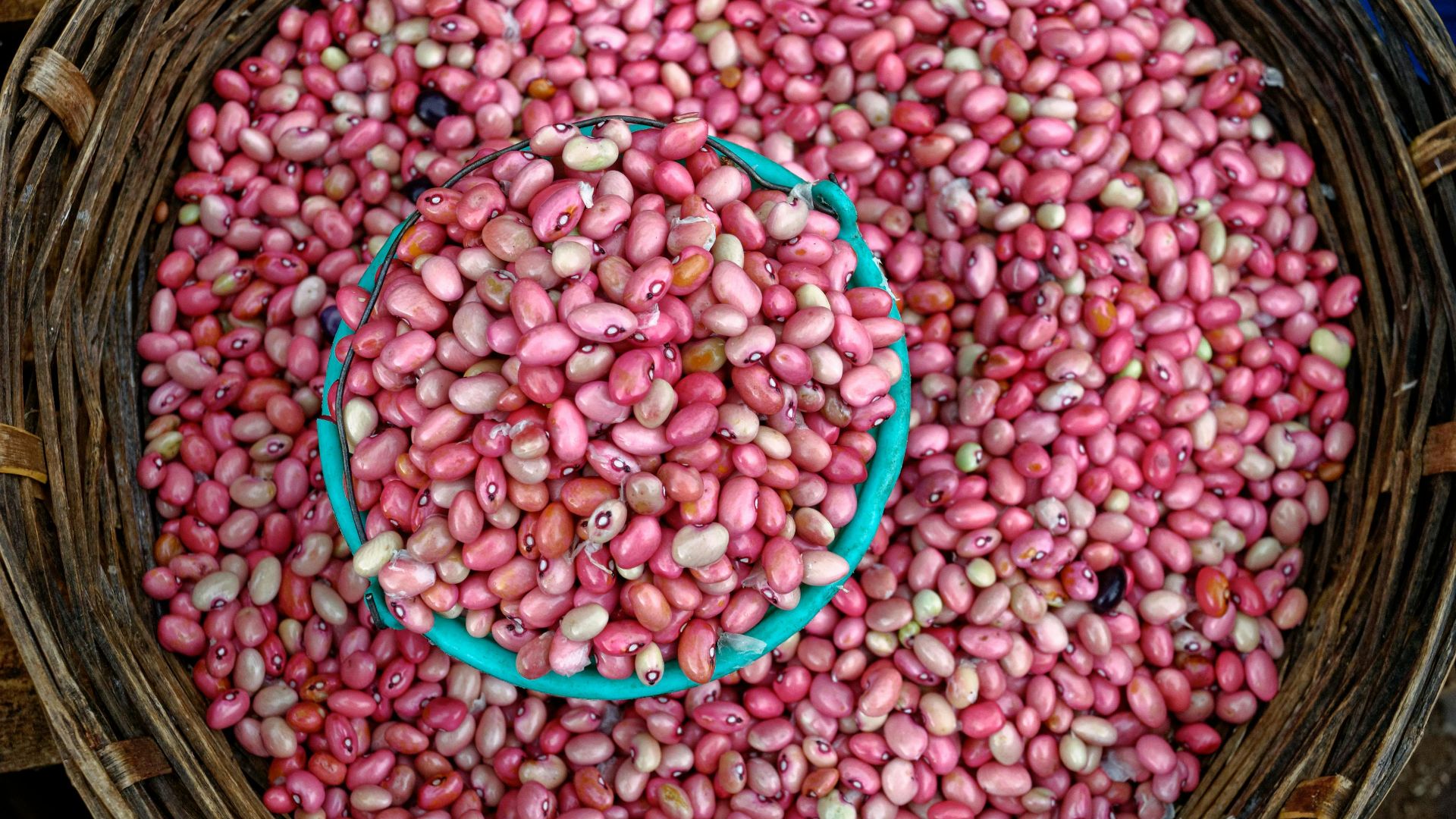
Pinquito beans don’t get enough attention outside California, which is a little strange when you see how central they are to Santa Maria. Santa Maria Valley says pinquitos remain a commercial crop exclusive to the Central Coast. They're considered an essential part of the Santa Maria barbecue menu. Visit California says much the same thing in fewer words, calling them the locals’ favorite side dish.
These beans bring a lot more personality to the plate than people outside the region might expect. Pinquito beans are often described as small and pink, with a firm, plump bite. The region's official recipe includes bacon, onion, tomato puree, green chiles, garlic, and seasonings. That gets you something smoky, savory, and a little tangy, with just the right amount of texture.
The history matters here, too, as the dish has ties to something much older than a cookout side. Santa Maria Valley traces Santa Maria-style barbecue back to the mid-1800s, when local rancheros hosted Spanish-style barbecues for their vaqueros over red-oak coals, and pinquitos became part of that larger regional plate.
The Southern Comfort You Keep Underestimating
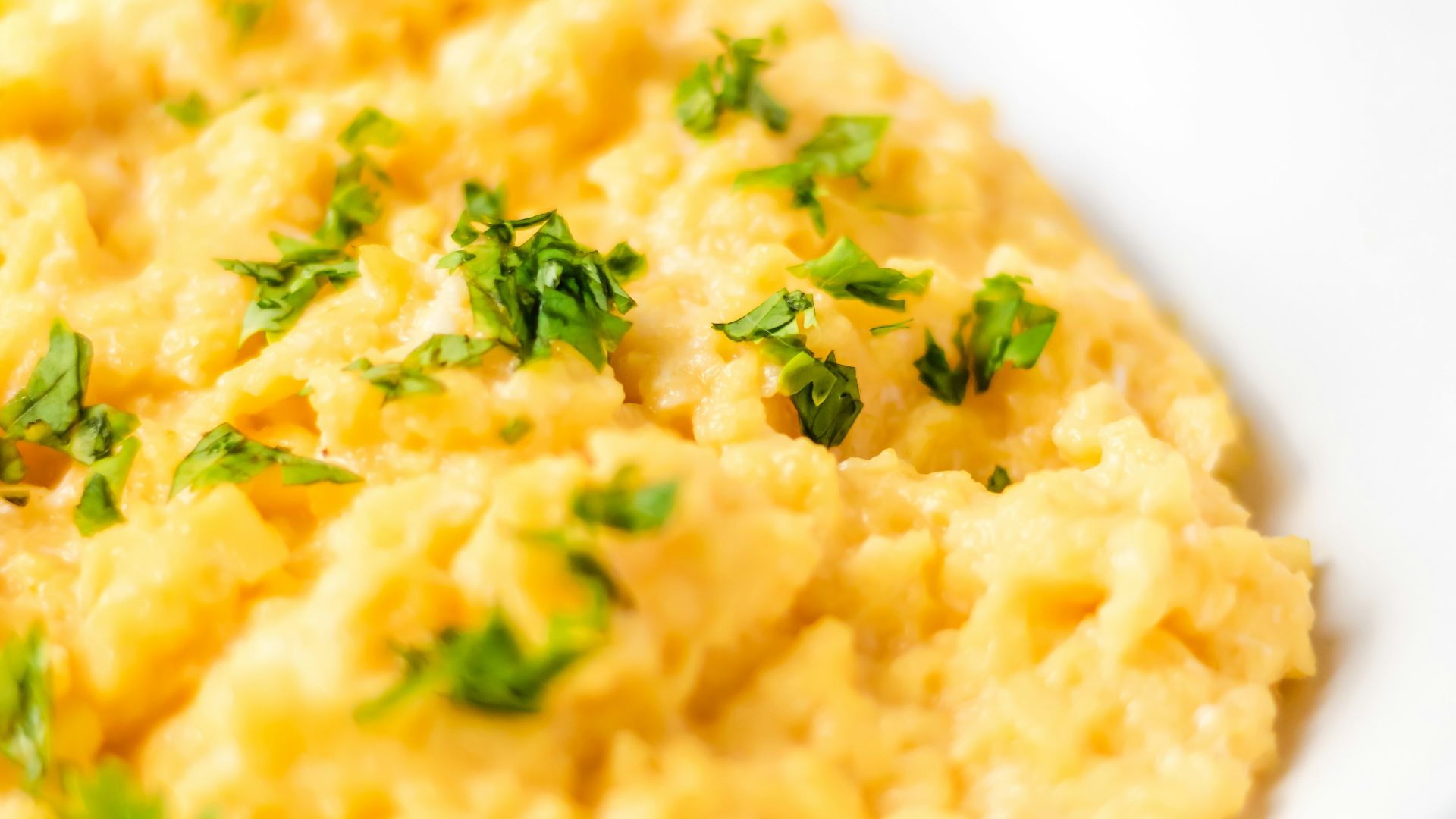
Cheese grits have spent years as a supporting player, which makes no sense if you've ever had really, really good ones. The South Carolina Encyclopedia calls grits one of the South’s most beloved signature foods. It traces them through hominy, a Native American word tied to dried corn and early corn-processing traditions in the region. A related entry adds another important detail, noting that maize was grown in South Carolina before Europeans and Africans arrived.
Once cheese got involved, it brought the recipe to a whole other level. Discover South Carolina shares a cheese grits casserole recipe. Stone-ground grits, eggs, Parmesan, pimento cheese spread, Worcestershire sauce, garlic powder, and cayenne make up this popular dish. It's often framed as the “main breakfast event” on Christmas morning.
What people outside the South fail to understand is that cheese grits don’t need a glamorous partner to taste good. Shrimp and grits gets a lot of the national spotlight, and fair enough, that dish has earned it. Even so, a good pan of cheese grits has enough richness, warmth, and savory depth to carry the whole meal on its own.
That’s what ties these dishes together, even though they come from very different places. They’re practical, local, a little humble on paper, but mean a whole lot to the communities they serve. Tater Tot hotdish, pinquito beans, and cheese grits have been earning their place for a long time now, and they’ve done it without much fuss. Still, it feels fair to say they’ve been playing second fiddle long enough. The rest of the country can stop acting surprised and start giving them the credit they’ve already earned.