
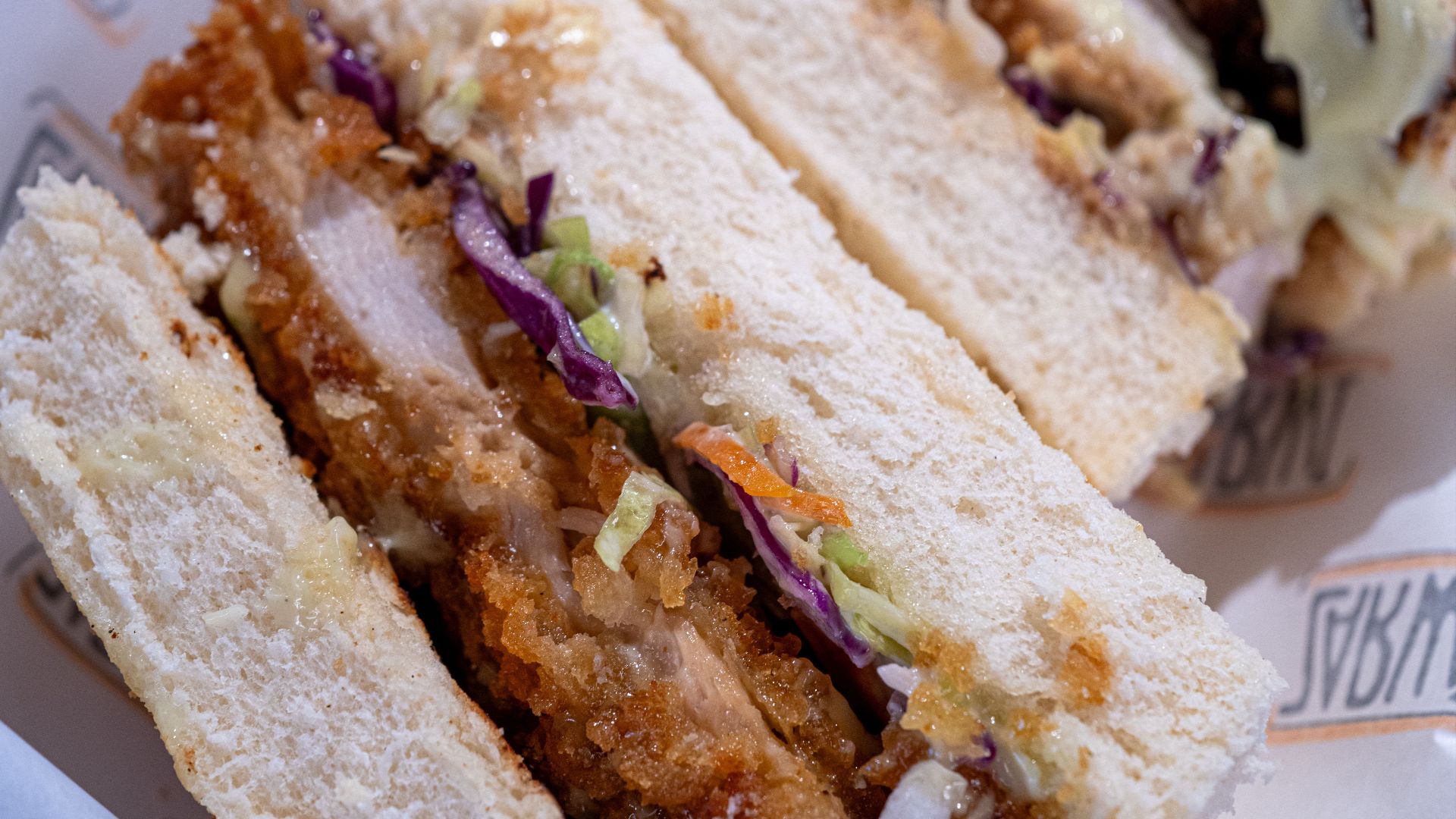
Sandwiches are a familiar part of everyday life in both Japan and the United States, but the way each country approaches them is surprisingly different. American sandwiches are often known for generous portions, substantial fillings, and regional specialties that have become cultural institutions. Japanese sandwiches, meanwhile, frequently emphasize soft bread, carefully prepared ingredients, and a presentation that makes even a simple lunch feel thoughtfully assembled.
Neither country has a monopoly on excellent sandwiches, and both have developed plenty of delicious variations. However, when you compare their most recognizable creations, it's easy to understand why Japanese convenience-store sandwiches and specialty sandwich shops have attracted so much international attention.
Japan Prioritizes Texture and Presentation
Something you will notice about most Japanese sandwiches is their look and feel. Sandwiches are usually made with shokupan, which is a very soft Japanese milk bread. If you're familiar with the egg salad sando, the bread used has a very delicate consistency. It's much softer than the bread you would normally see in an American deli.
Japanese egg salad sandwiches are a great example. With smooth and creamy egg filling between two slices of bread (usually without the crust), the sandwich can be extremely delicious. Simple ingredients, but very enjoyable.
Another type of Japanese sandwich is the fruit sando. Fruits that are used can vary from strawberries to kiwi and oranges. A light whipped cream will be used on both halves of the bread, then the two halves are closed to create a fruit-filled sandwich. Somewhere between a snack and dessert, if you're into sweets, then I would highly recommend giving them a try.
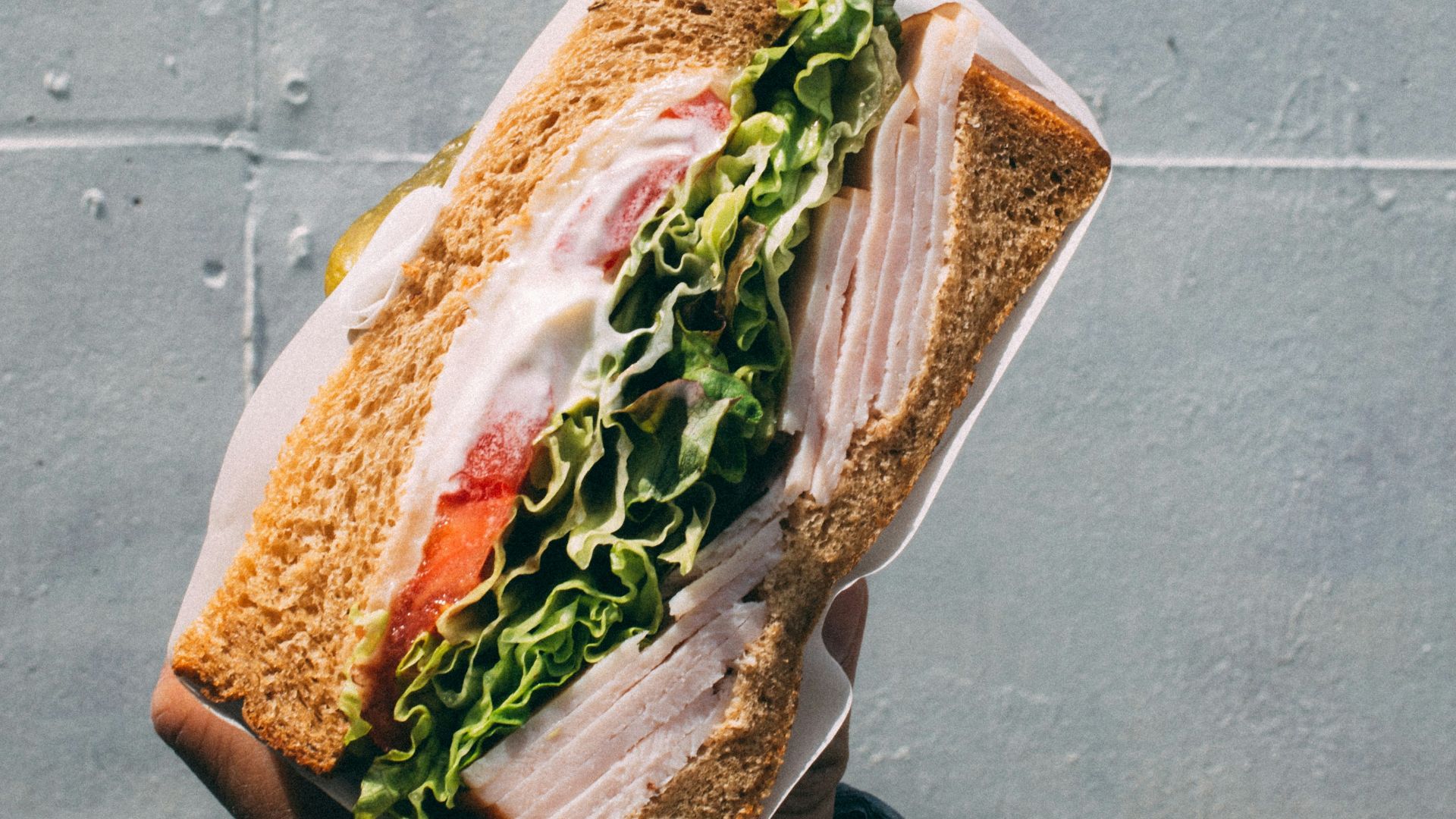
Sandwiches in America come in a wide variety that people enjoy. Whether it be a Philly cheesesteak or a New Orleans muffuletta, there are tons of sandwiches that are packed with meat, cheese, sauces, and vegetables. Not only that, you're able to build your own by choosing bread types and sandwich fixings.
The classic American deli sandwich is particularly difficult to compete with when it comes to variety. A properly prepared Italian sub, for example, combines cured meats, provolone, lettuce, tomatoes, onions, and dressing in a substantial roll. Reubens, pastrami sandwiches, and turkey clubs offer completely different flavor combinations, giving customers plenty of options depending on what they're craving.
America also has a strong tradition of regional sandwich specialties that reflect local ingredients and cultural influences. The lobster roll is closely associated with New England, while the Cuban sandwich has deep connections to Cuban communities in Florida. These dishes demonstrate how American sandwich culture has developed through immigration, regional food traditions, and local culinary preferences.
So, Which Country Actually Does It Better?
Japan arguably has an advantage when it comes to consistency, presentation, and the quality of simple convenience-store sandwiches. Its famous konbini stores offer neatly packaged sandwiches that are widely available and designed for convenient everyday meals. Popular choices include egg salad, ham and cucumber, and fruit sandwiches, with many products emphasizing soft bread and carefully balanced fillings.
If you're talking about a wider variety, I'd say America. There is so much to choose from in America when it comes to sandwiches. From local delis to restaurant chains, there is no shortage.
If you like your sandwiches big and with many toppings, America is your spot.
It really just depends on what you're looking for. Japan can take very simple ingredients and make them taste great, whereas America has a wider variety of food to choose from. If you enjoy your sandwich with soft bread and light toppings, Japan could take you away from America. But if you're trying to find a giant cheesesteak or Reuben, you're going to stay with America.
KEEP ON READING
The Most Popular Chocolate Bars in the USA

The Most Popular Candies in the USA