 Natalia Gasiorowska on Unsplash
Modern supermarkets offer an impressive selection of fruit, yet the displays often feature the same dependable choices throughout the year. Apples, bananas, oranges, and grapes deserve their popularity, but their dominance can make older regional varieties seem stranger than they really are. Many fruits faded from everyday diets because they bruise easily, ripen unpredictably, require cooking, or don’t travel well enough for large distribution systems.
Rediscovering overlooked produce doesn’t mean rejecting familiar favorites or filling the kitchen with ingredients nobody knows how to prepare. It simply creates an opportunity to explore distinctive flavors, support greater crop diversity, and recover foods that once held an ordinary place in gardens and home cooking. Pawpaws, medlars, and quinces each offer something unusual without requiring cooks to abandon recognizable desserts, preserves, or snacks. Together, they show why forgotten fruits are ripe for rediscovery.
Pawpaw Deserves a Wider American Audience
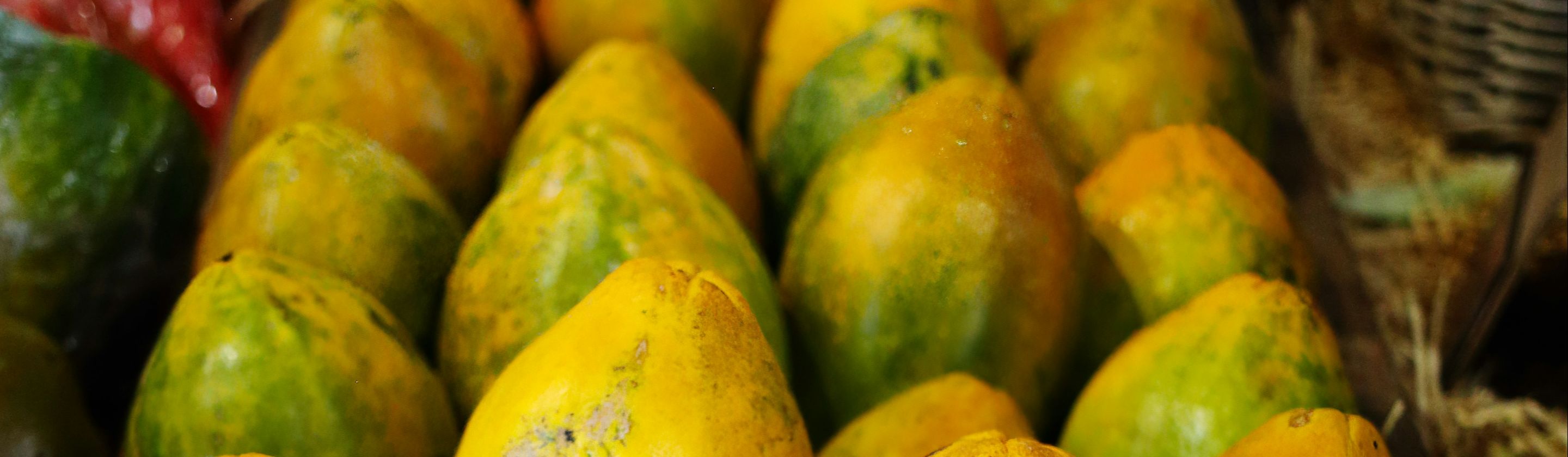
The pawpaw is native to eastern North America and produces the largest edible fruit native to the United States. Beneath its green skin, the ripe flesh develops a soft, custard-like texture with flavors commonly compared to banana, mango, or melon. Its tropical character seems surprising because the tree grows naturally in temperate woodlands rather than warm island climates. Large dark seeds run through the center, so the pulp must be separated before eating or cooking.
Fresh pawpaws can be enjoyed with a spoon once they’re fully ripe, although their short shelf life helps explain why they rarely appear in ordinary supermarkets. The delicate fruit softens and bruises quickly, making it difficult to ship through long commercial supply chains. Farmers markets, local orchards, festivals, and backyard trees are often better places to find it.
Its creamy pulp works particularly well in chilled desserts and recipes that don’t require prolonged heating. Home cooks use it in ice cream, smoothies, puddings, quick breads, and cheesecake, where its natural texture contributes richness. The skin and seeds aren’t eaten, and only ripe pulp should be used as food. With more interest from small growers and curious shoppers, this native fruit could become a seasonal pleasure instead of a regional secret.
Medlar Rewards a Little Patience
Medlars were once familiar in parts of Europe, but their unusual appearance and ripening process have pushed them far outside mainstream shopping habits. The small brown fruits are harvested in autumn while they’re still firm, astringent, and unsuitable for eating. They must then undergo a natural softening process called bletting, which usually takes several weeks.
A properly bletted medlar can look overripe to someone encountering it for the first time, which isn’t especially helpful in a culture trained to avoid browned fruit. Its softened flesh has a flavor associated with cooked apple, dates, citrus, and warm dessert notes. Diners can scoop it from the skin, though the seeds shouldn’t be eaten.
Cooking gives medlars an easier route back into modern kitchens because they’re especially suited to jelly, fruit cheese, sauces, and desserts. Their natural flavor pairs comfortably with autumn foods, including baked apples, pears, nuts, spices, and rich cheeses. The trees also offer ornamental value through spring flowers, attractive foliage, and late-season fruit.
Quince Transforms Through Cooking
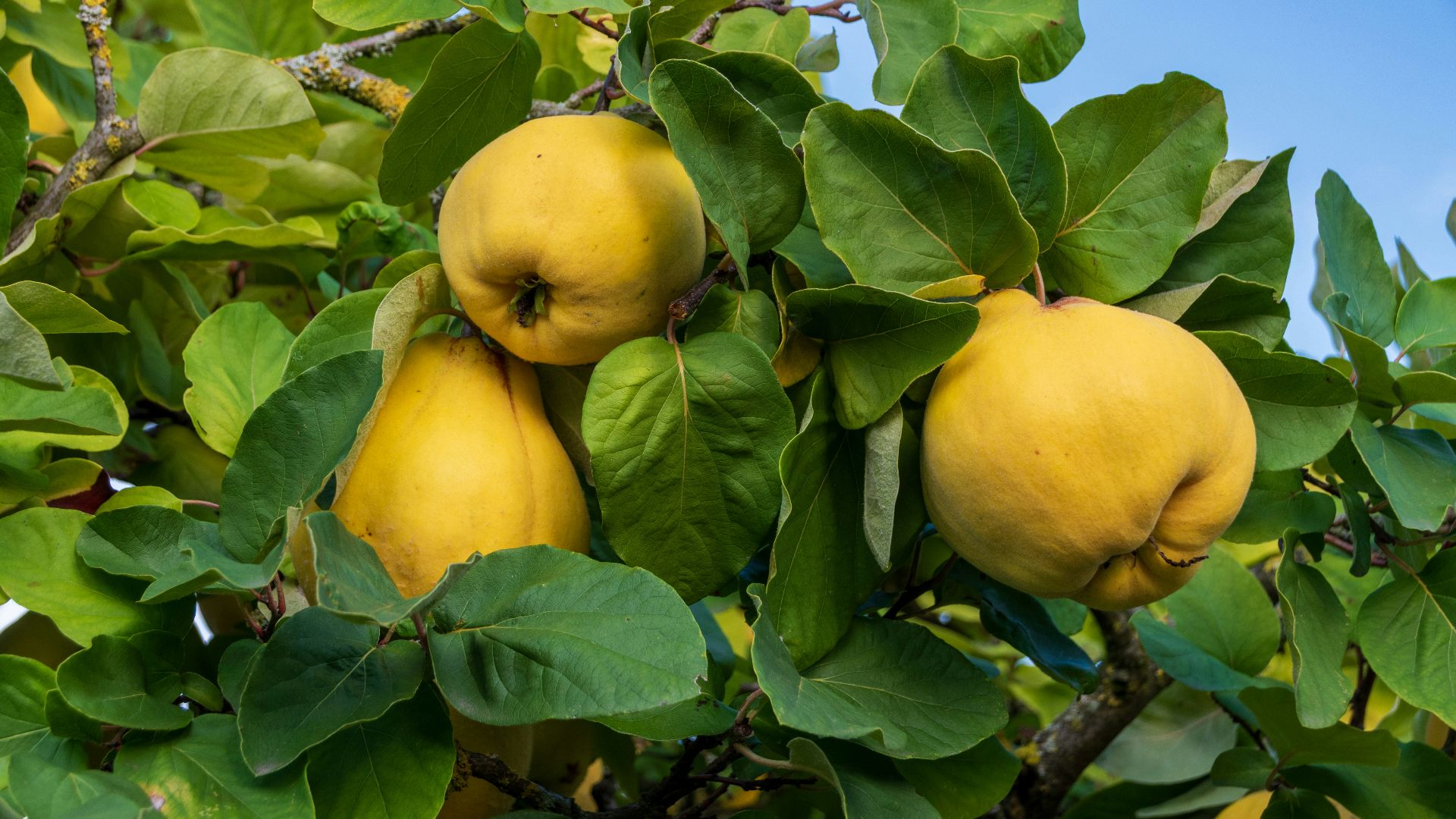
A ripe quince looks somewhat like a firm, golden cross between an apple and a pear, yet biting directly into most varieties isn’t recommended. The raw flesh is generally hard, dry, and strongly astringent, especially in cooler growing regions. Its fragrance, however, can be remarkably floral and intense before the fruit is even cut.
Heat changes the experience because slow cooking softens the flesh, reduces its harshness, and allows its fragrance to spread through the dish. Depending on the variety and preparation, the pale fruit may also turn pink, coral, or deep red as it cooks. Quinces can be poached in syrup, baked, added to pies, or simmered beside apples and pears.
Quince is perhaps best known for jelly and membrillo, a firm fruit paste traditionally served with cheese. Its high natural pectin content makes it particularly useful for preserves, although recipes still need reliable measurements and safe processing methods. The tree itself produces attractive spring blossoms and can fit into many home landscapes where the climate is suitable.
Forgotten fruits don’t need to replace the dependable produce people already enjoy. Their value lies in expanding what’s available, preserving regional food traditions, and giving growers alternatives to a narrow selection of commercial crops. Pawpaws offer fresh seasonal richness, medlars turn careful ripening into a rewarding experience, and quinces prove how dramatically cooking can improve an ingredient. Making room for even one of them could add variety to the garden, kitchen, and fruit bowl.
KEEP ON READING


The Most Popular Chocolate Bars in the USA

The Most Popular Candies in the USA

20 Annoying Foods That Get Stuck In Your Teeth