Some Dishes Belong In Your Kitchen, While Others Don’t
Cooking at home gives you control over ingredients, portions, seasoning, and cost, but not every meal rewards the effort equally. Some dishes are easy to personalize and taste better fresh from your own oven, while others require specialized equipment, hard-to-find ingredients, or hours of careful preparation. These 10 meals that are better made at home and 10 that are better left to restaurants show that choosing not to cook can sometimes be just as sensible as preparing everything from scratch.
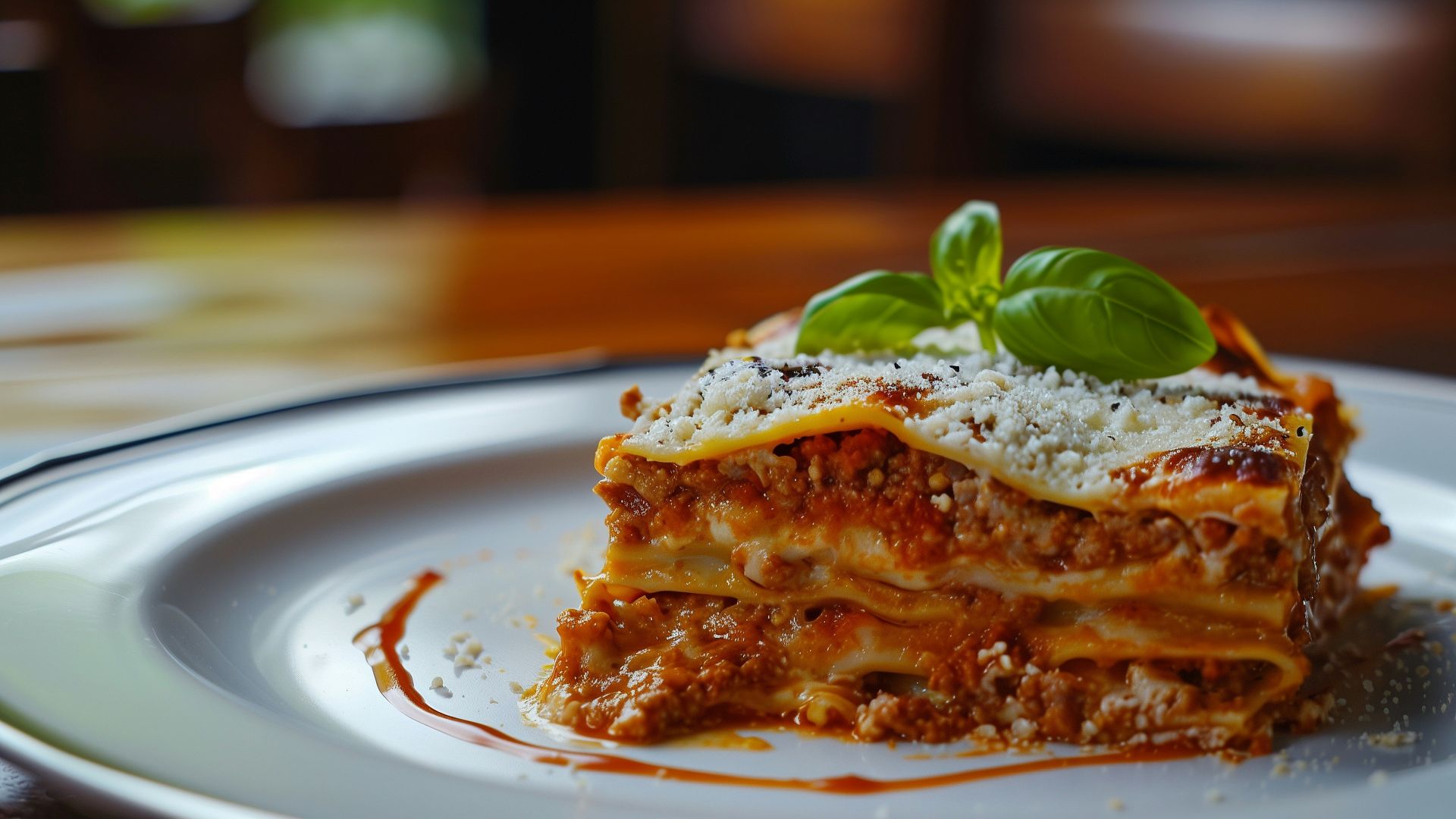
1. Lasagna
Homemade lasagna lets you adjust every layer to your preferences, from the sauce's richness to the amount of cheese. You can add more vegetables, choose leaner meat, or prepare a smaller version that doesn’t feed an entire neighborhood. Since lasagna reheats and freezes well, the time spent assembling it can also provide several future meals.
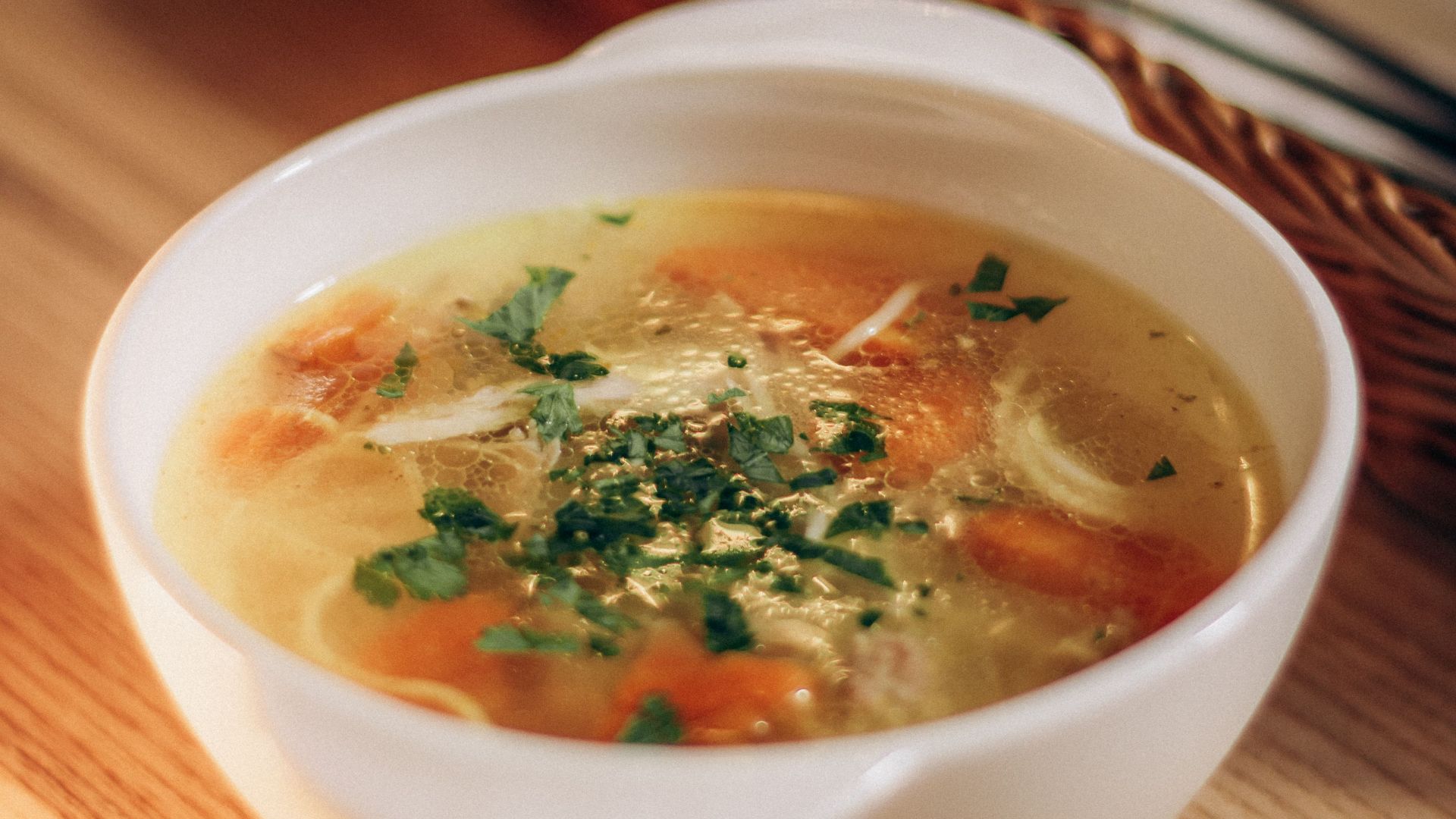
2. Chicken Soup
A pot of chicken soup is usually more satisfying at home because you can build the broth gradually and season it exactly as you like. Leftover roasted chicken, vegetables, herbs, and noodles can all be used without requiring an expensive shopping trip. Restaurant versions are often heavily salted, while homemade soup gives you complete control over sodium and portion size.
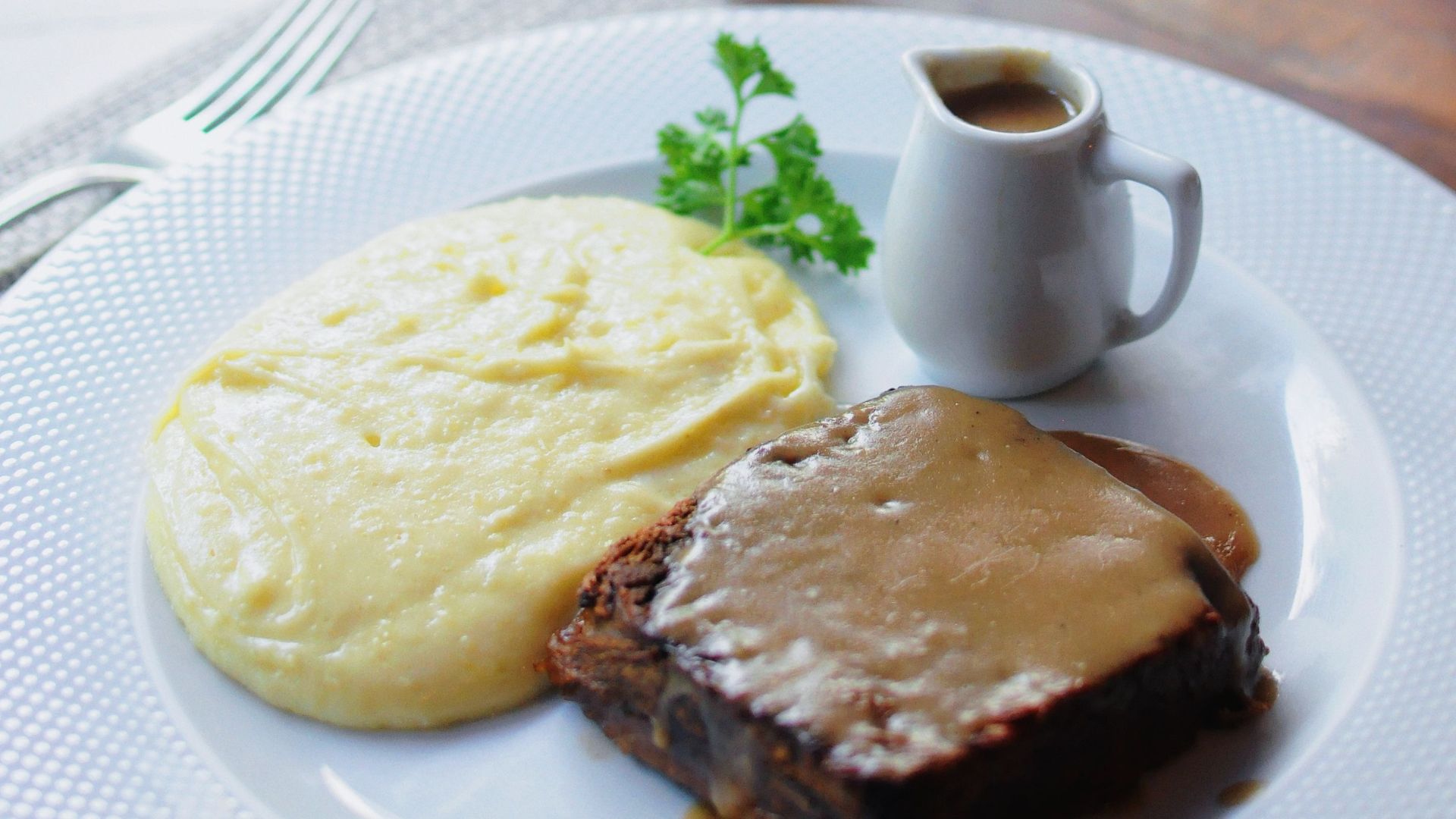
3. Meatloaf
Meatloaf may not be the most glamorous menu item, but it’s inexpensive, filling, and highly adaptable in a home kitchen. Breadcrumbs, vegetables, herbs, and different ground meats can be combined to produce the texture and flavor you prefer.
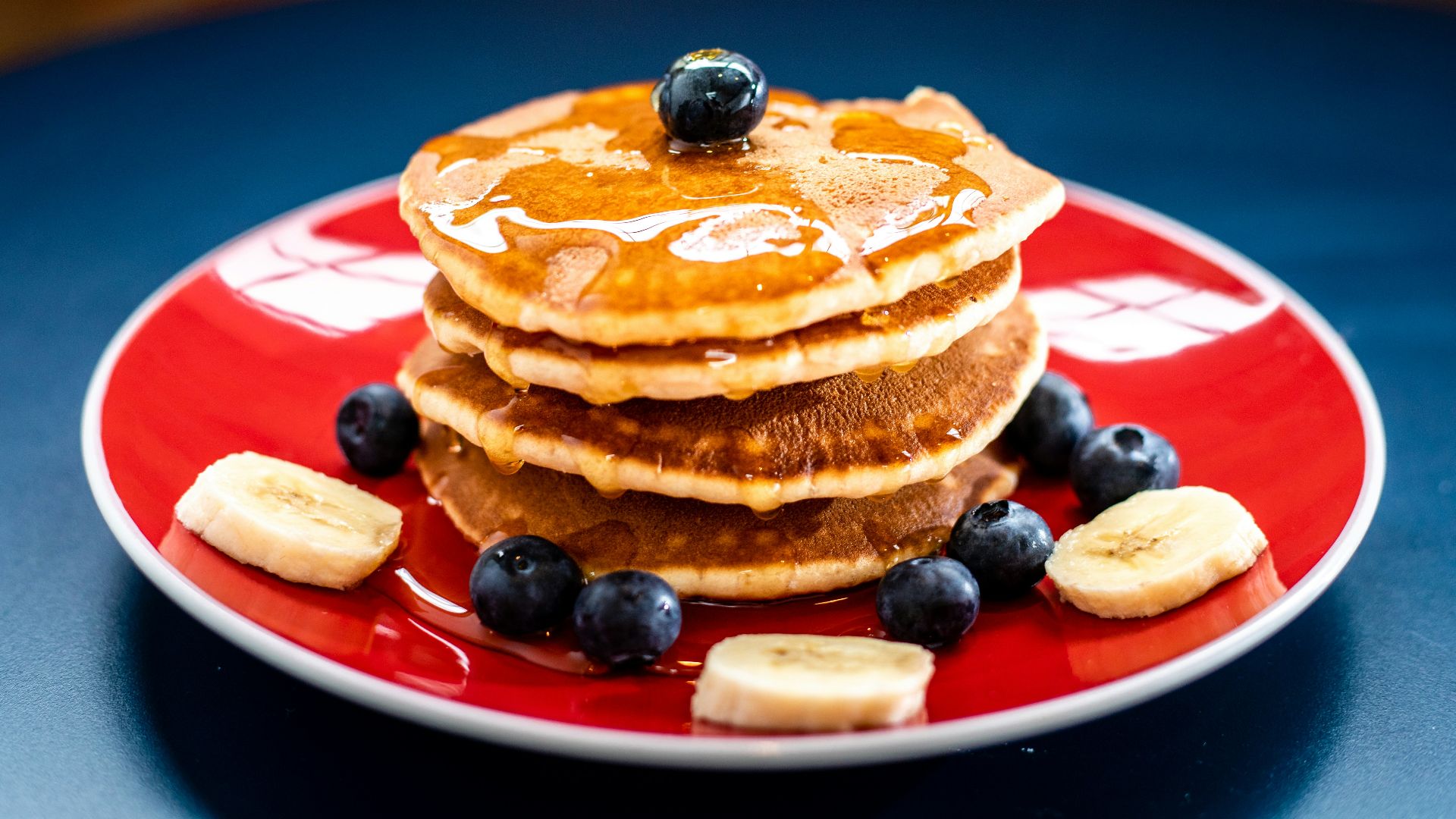
4. Pancakes
Fresh pancakes are quick to prepare, and the basic ingredients are inexpensive staples that many households already keep on hand. At home, you can add fruit, chocolate chips, nuts, or spices without paying extra for every topping.
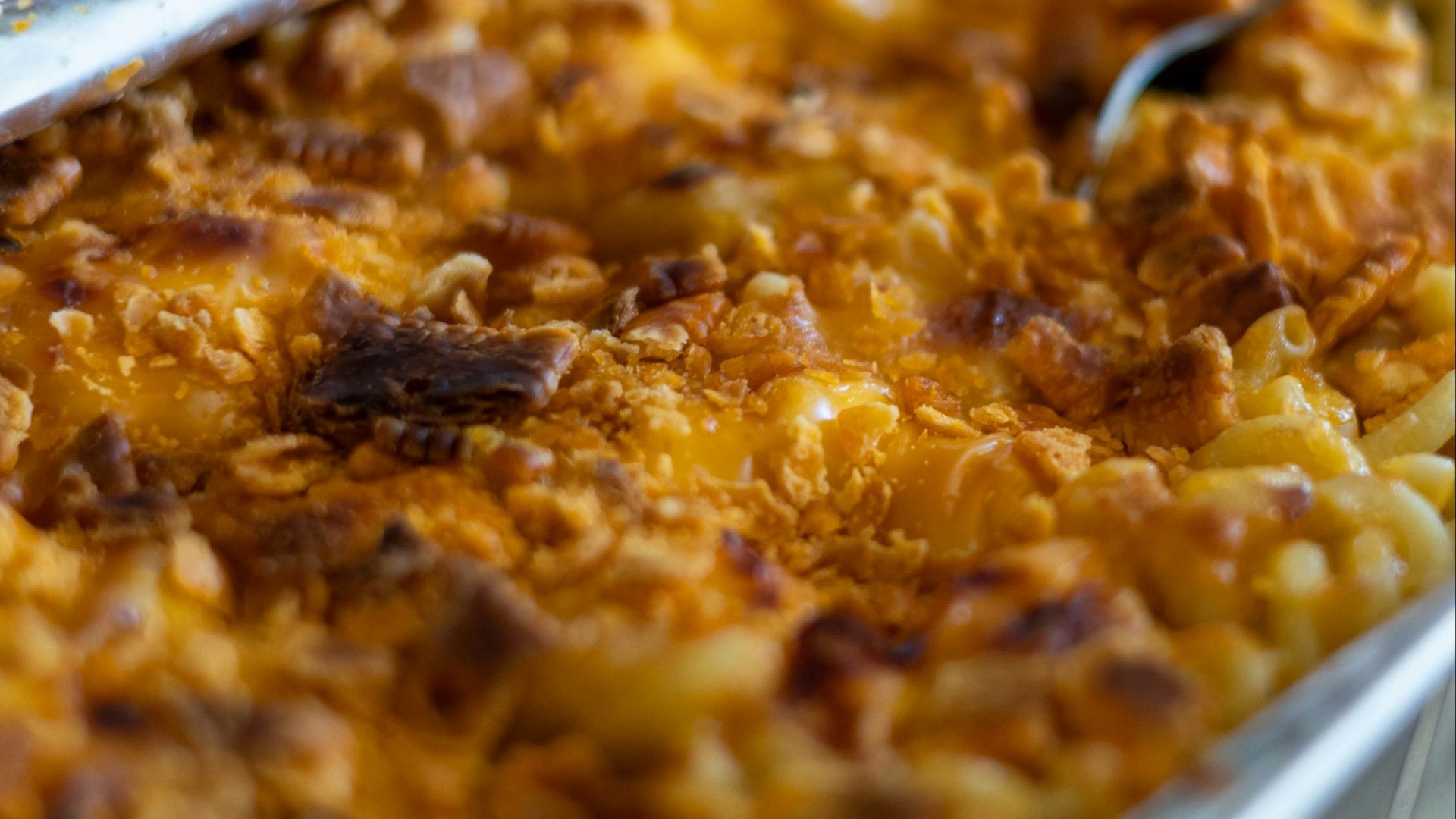
5. Baked Macaroni And Cheese
Making baked macaroni and cheese yourself allows you to select cheeses that melt smoothly and deliver more flavor than a processed sauce. Homemade portions are generally more generous, and you can easily add broccoli, bacon, or seasoned breadcrumbs.
6. Chili
Chili benefits from slow simmering, which is easy to manage at home with a large pot or slow cooker. You can control the heat level, bean-to-meat ratio, and thickness instead of accepting a restaurant’s standard recipe.
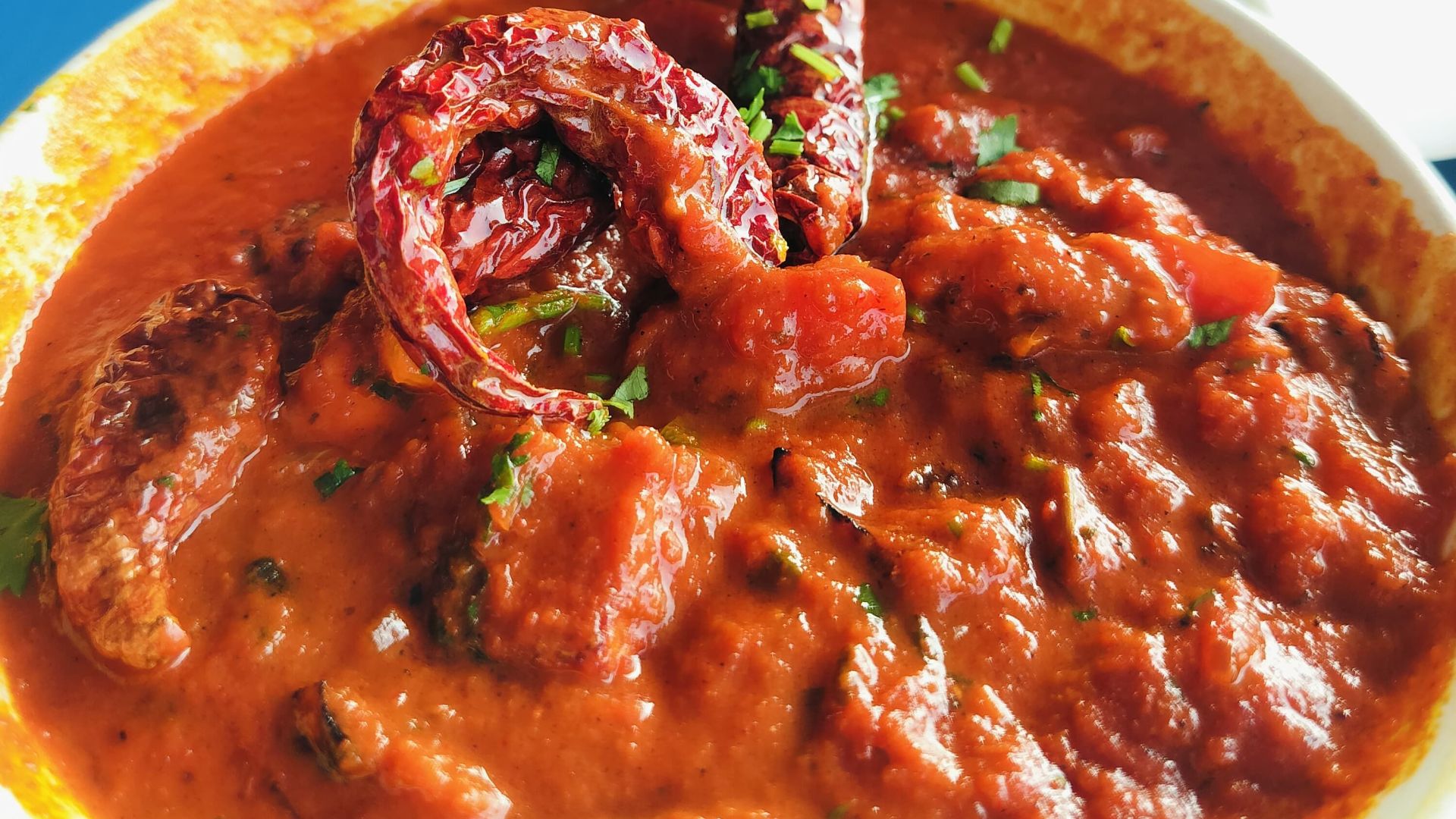
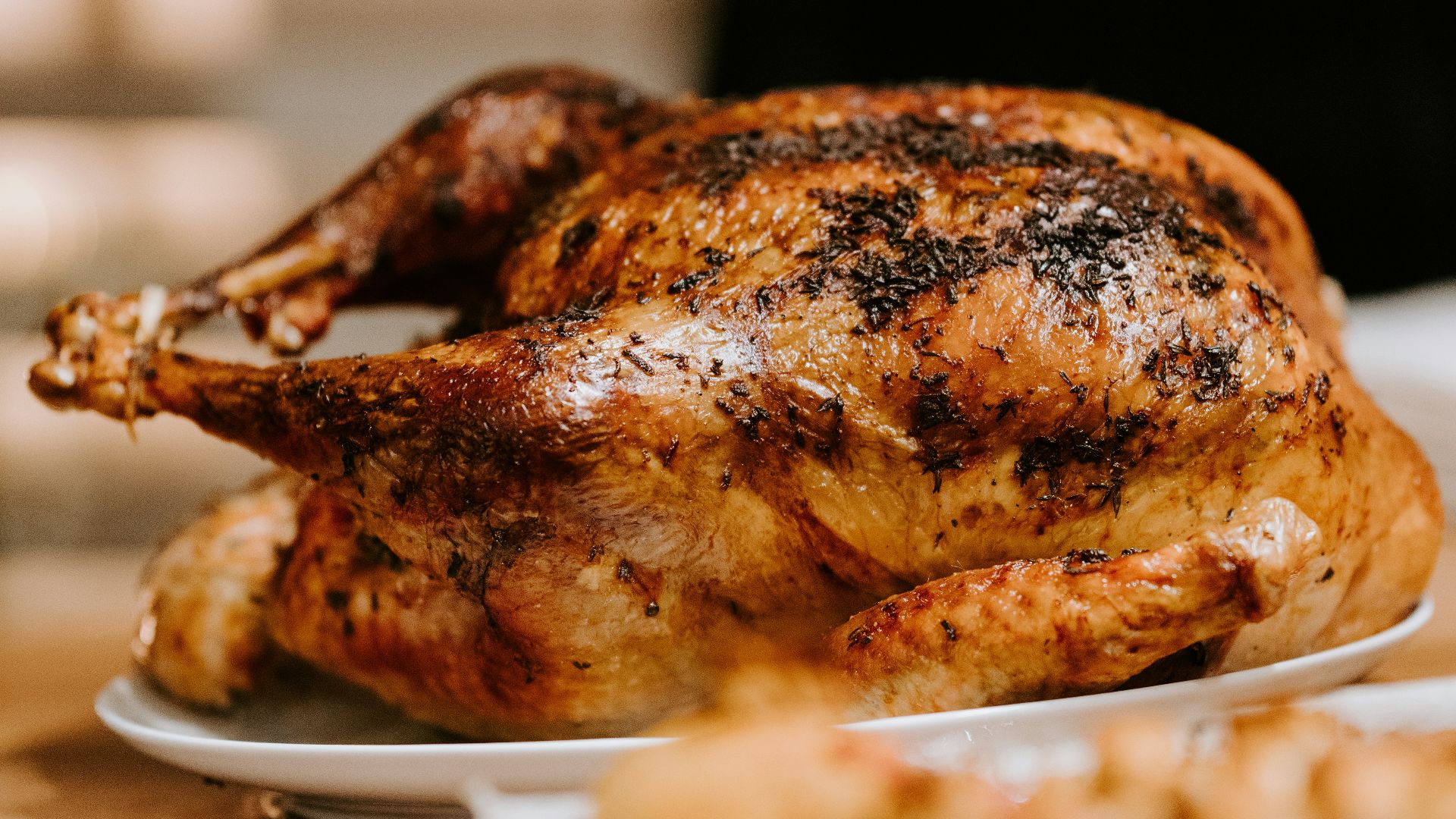
7. Roast Chicken
A whole roast chicken usually costs less than ordering individual chicken dinners, and the preparation is simpler than it appears. Seasoning the skin, adding aromatics to the cavity, and roasting it to a safe internal temperature can produce crisp skin and juicy meat.
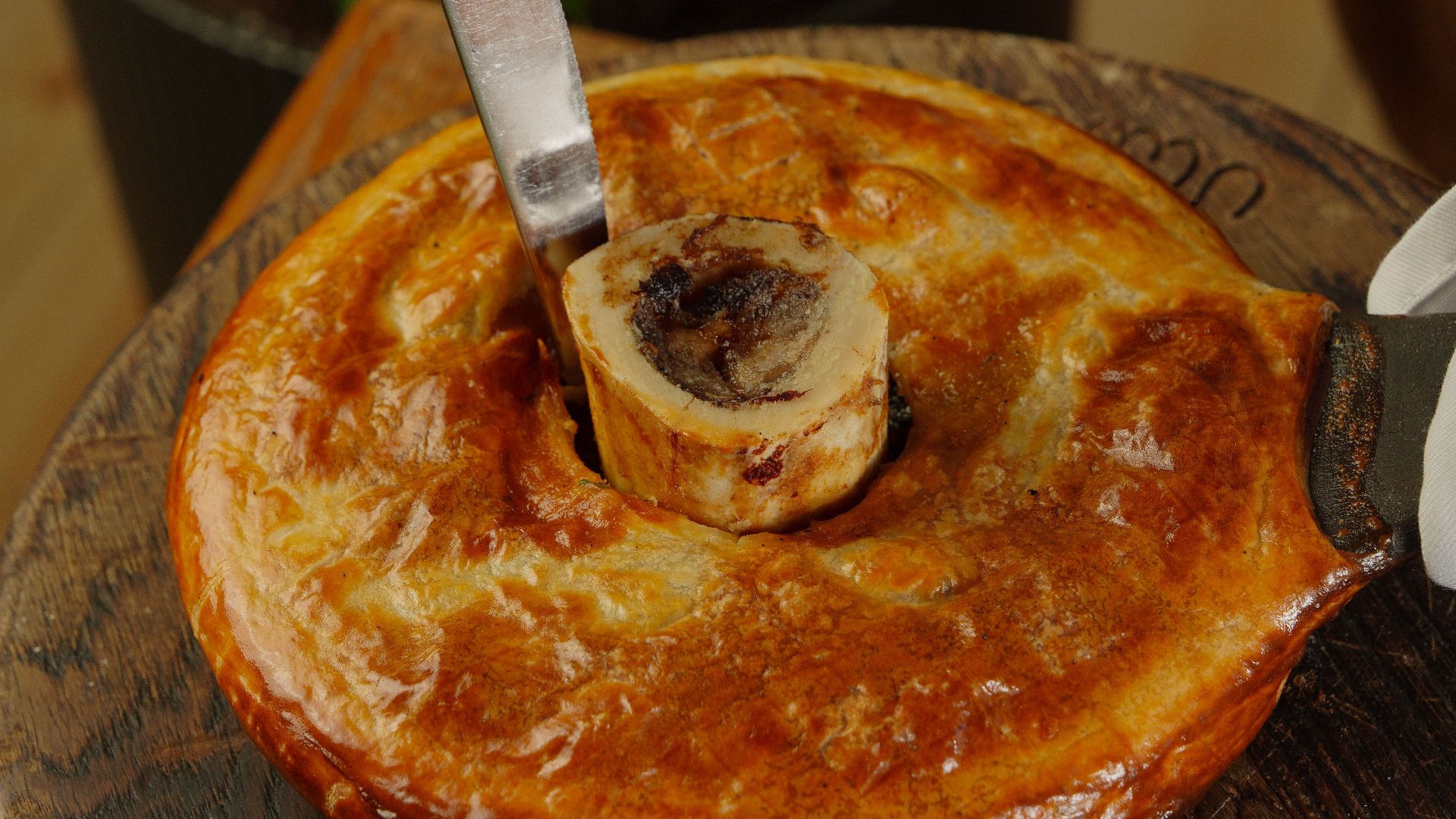
8. Shepherd’s Pie
Shepherd’s pie is particularly well suited to home cooking because it turns ordinary ingredients into a complete meal. Traditional versions use lamb, while similar dishes made with beef are technically called cottage pie, although the names are often used interchangeably. Preparing it yourself lets you adjust the vegetables, gravy, and mashed potato topping without affecting the basic method.
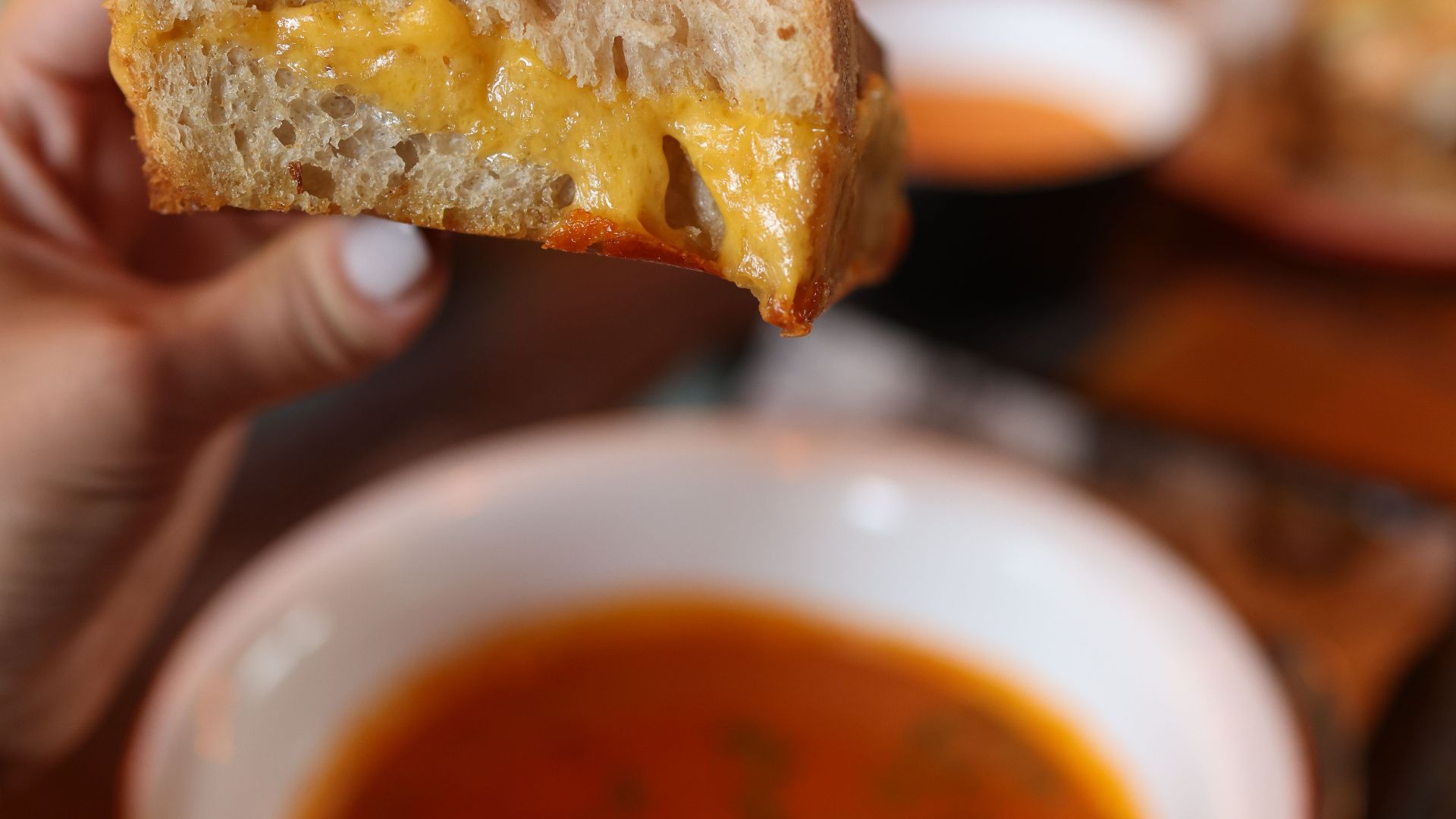
9. Grilled Cheese And Tomato Soup
This familiar combination rarely justifies restaurant pricing because both components are easy to make with affordable ingredients. A sturdy bread and a good melting cheese can produce a crisp sandwich in only a few minutes.
10. Chocolate Chip Cookies
Few restaurant desserts improve upon chocolate chip cookies eaten shortly after they leave your own oven. Making the dough at home lets you choose the chocolate, control the cookie size, and decide whether the centers should be soft or fully baked.
 Food Photographer | Jennifer Pallian on Unsplash
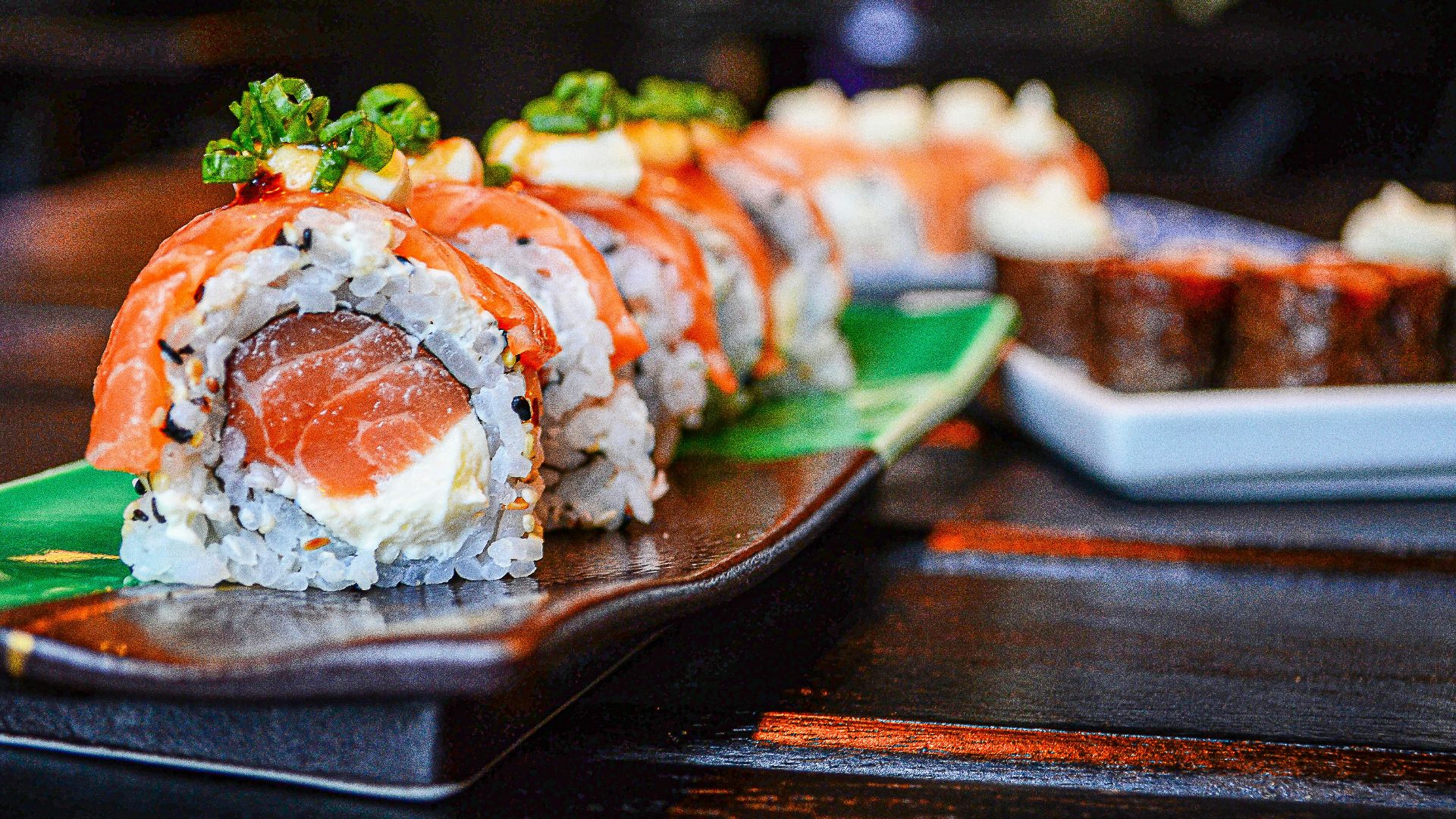
1. Sushi
Sushi demands more skill than simply placing raw fish on seasoned rice, especially because texture, slicing, temperature, and balance all matter. Restaurants typically have access to properly handled seafood and chefs trained to prepare it safely and precisely.
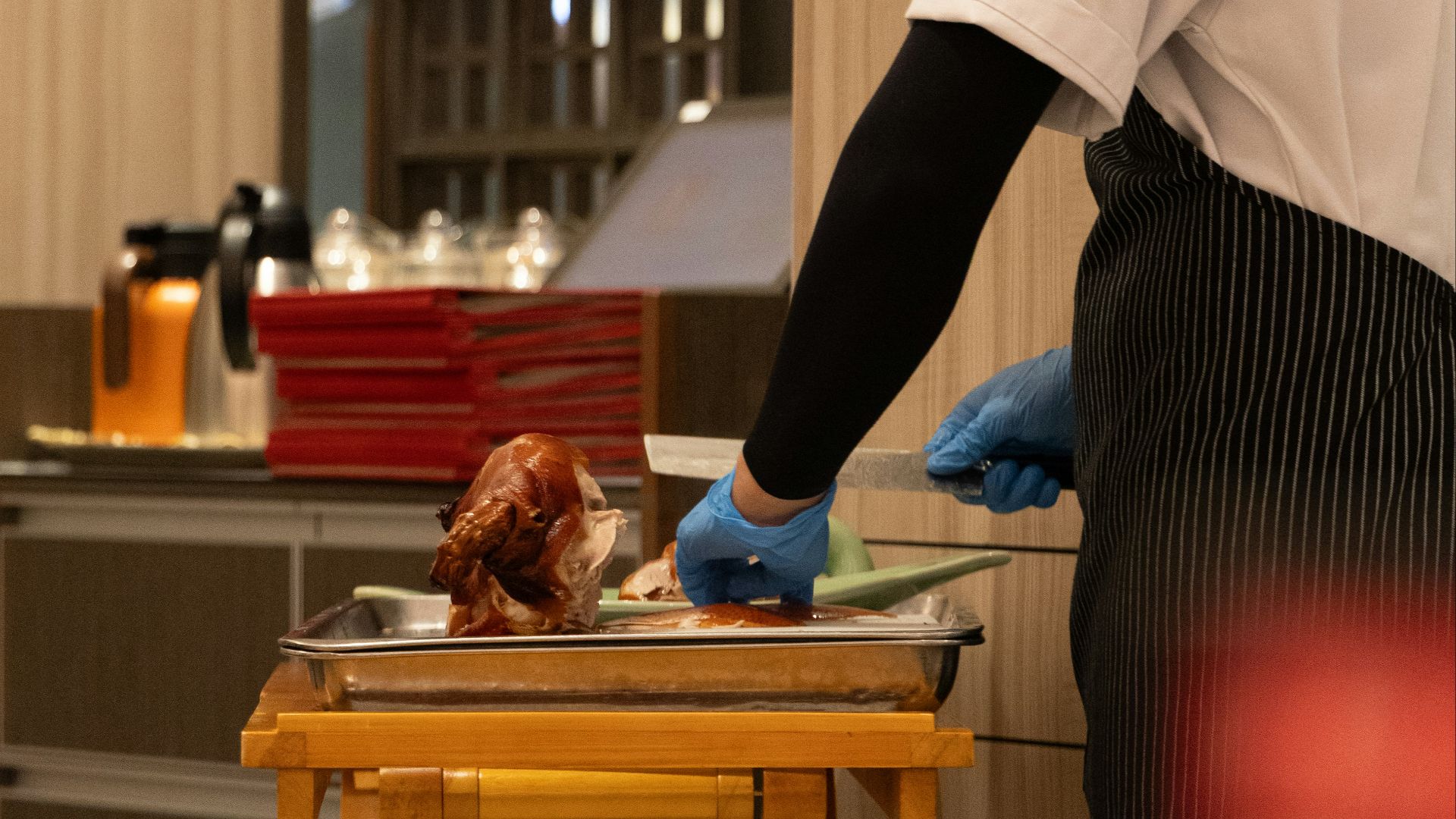
2. Peking Duck
Traditional Peking duck involves drying the skin, controlling moisture, and roasting the bird so the exterior becomes exceptionally crisp. Many restaurants use specialized ovens and preparation methods that are difficult to reproduce in an ordinary kitchen.
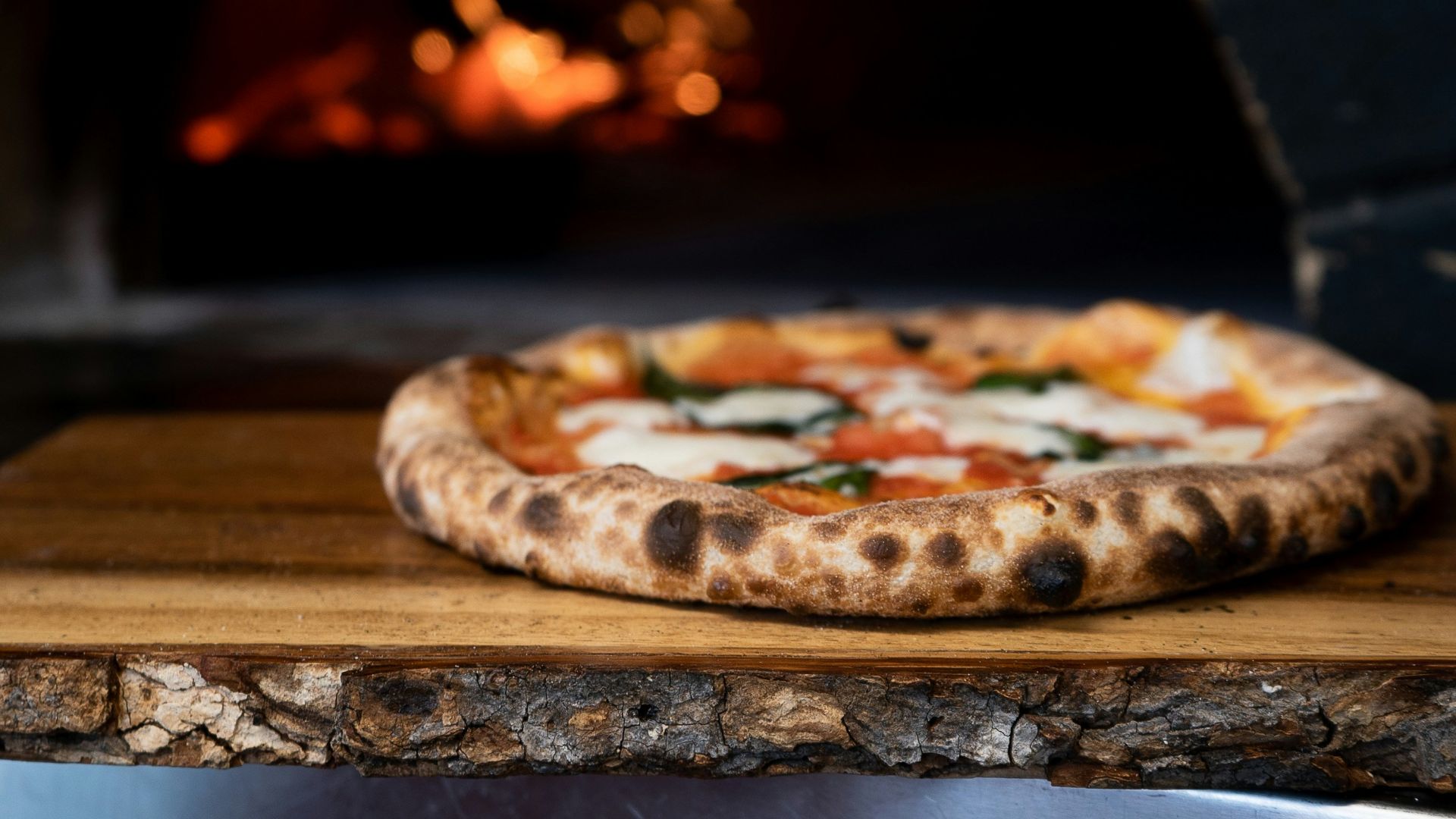
3. Wood-Fired Pizza
A standard home oven generally can’t reach the extremely high temperatures used by wood-fired pizza ovens. Home pizza can still be excellent, but an authentic wood-fired version is usually best prepared with commercial equipment.
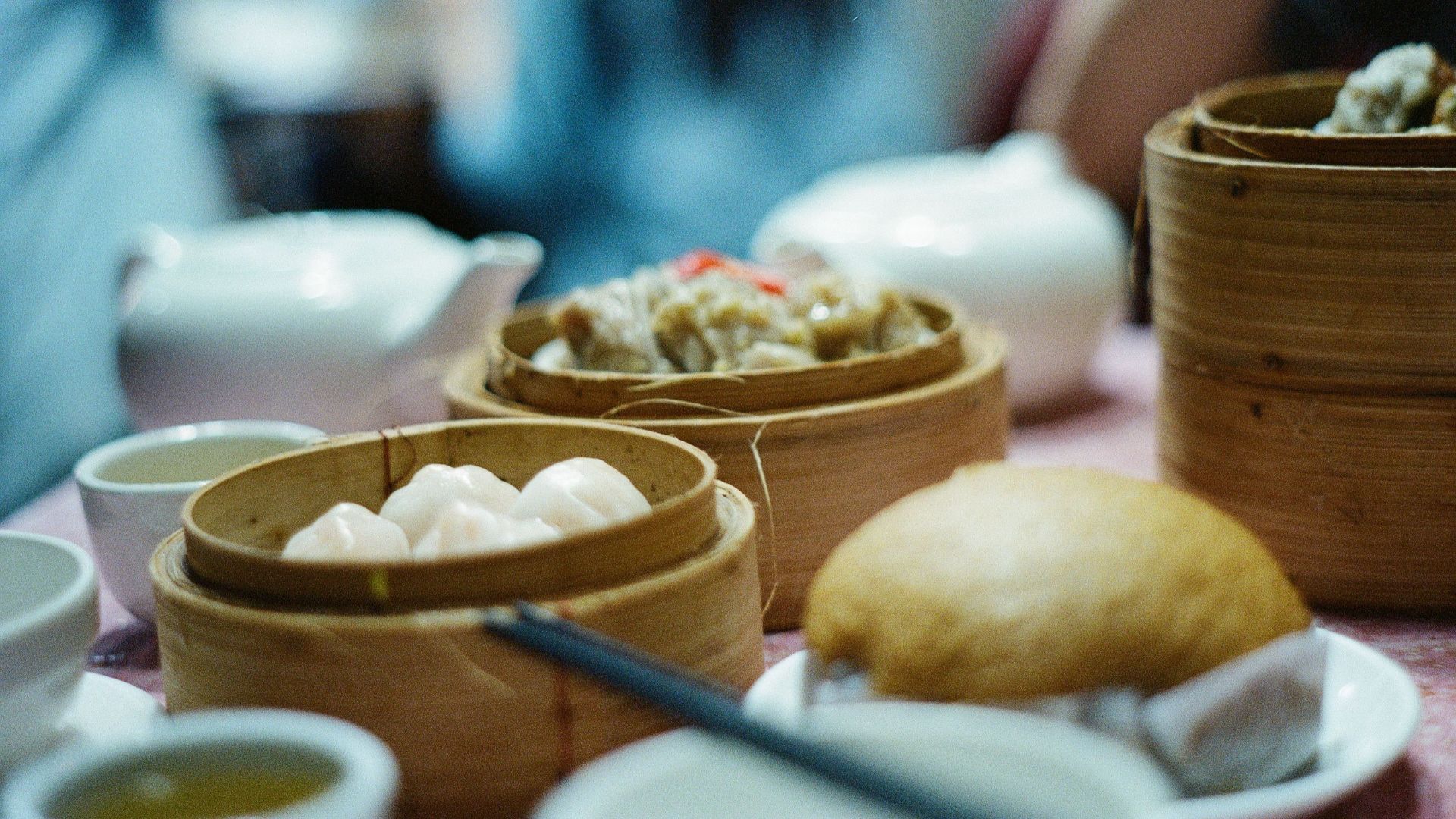
4. Dim Sum
A dim sum meal often includes several dumplings, buns, rolls, and small plates, each requiring different fillings and preparation methods. Restaurants make the experience easier by offering many freshly prepared dishes in manageable portions.
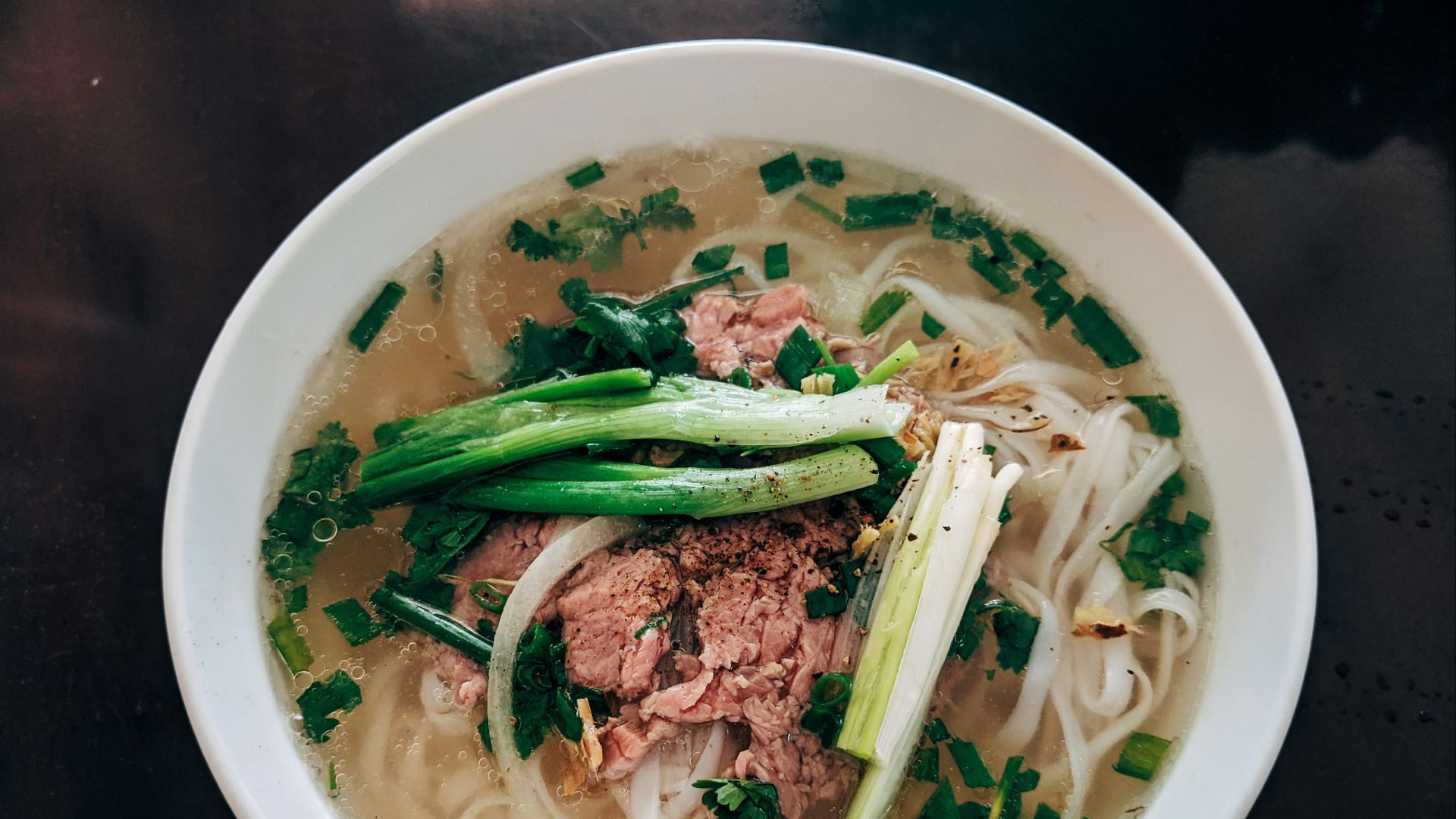
5. Pho
A traditional pho broth develops its depth through roasted aromatics, toasted spices, bones, and several hours of simmering. A good restaurant can serve a balanced bowl immediately, often for less than the cost of buying every ingredient separately.
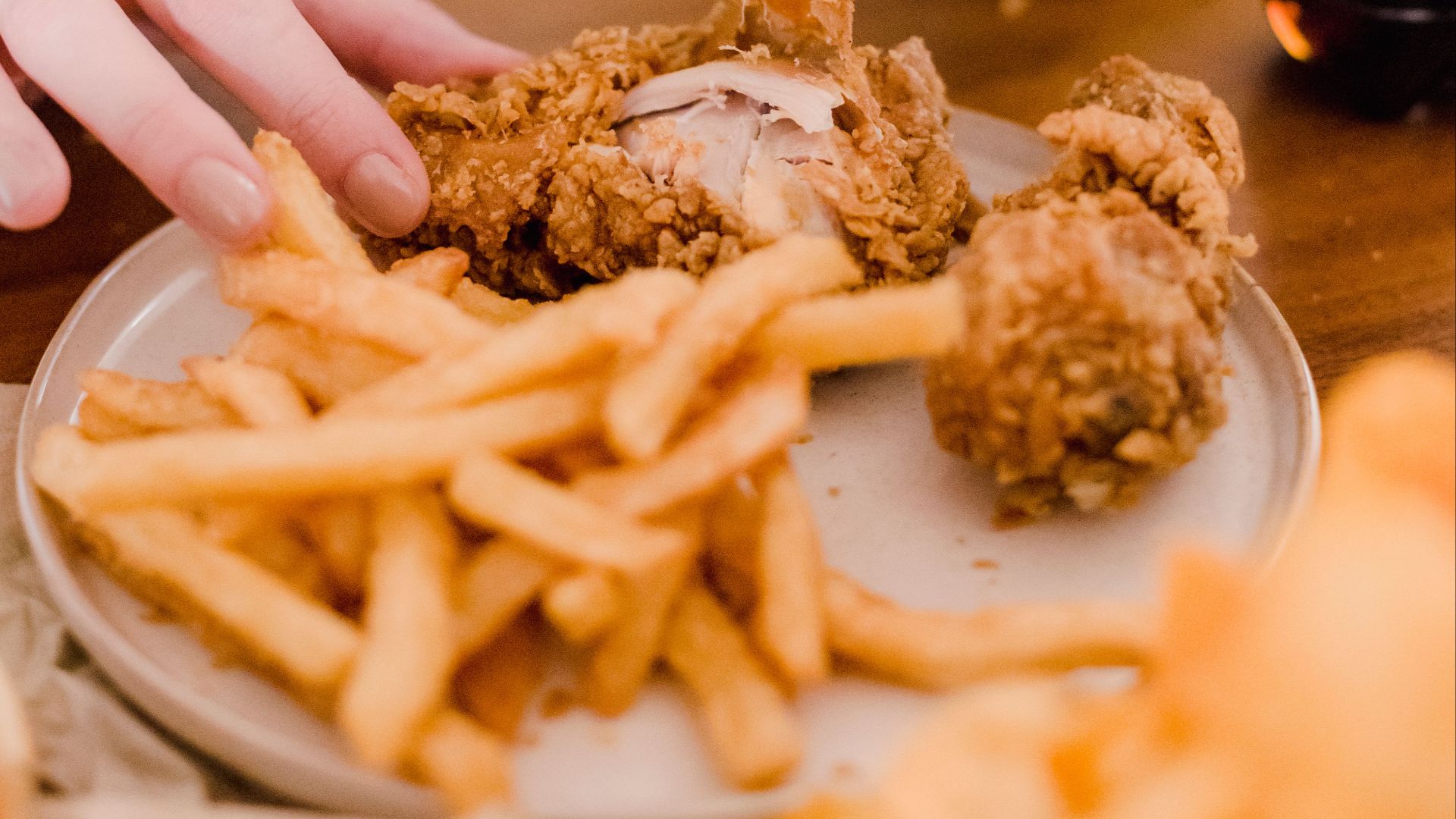
6. Fried Chicken
Restaurant fried chicken is often superior because commercial fryers maintain a steady oil temperature more reliably than a pot on a home stove. Consistent heat helps the coating become crisp while allowing the meat to cook through without absorbing excessive oil.
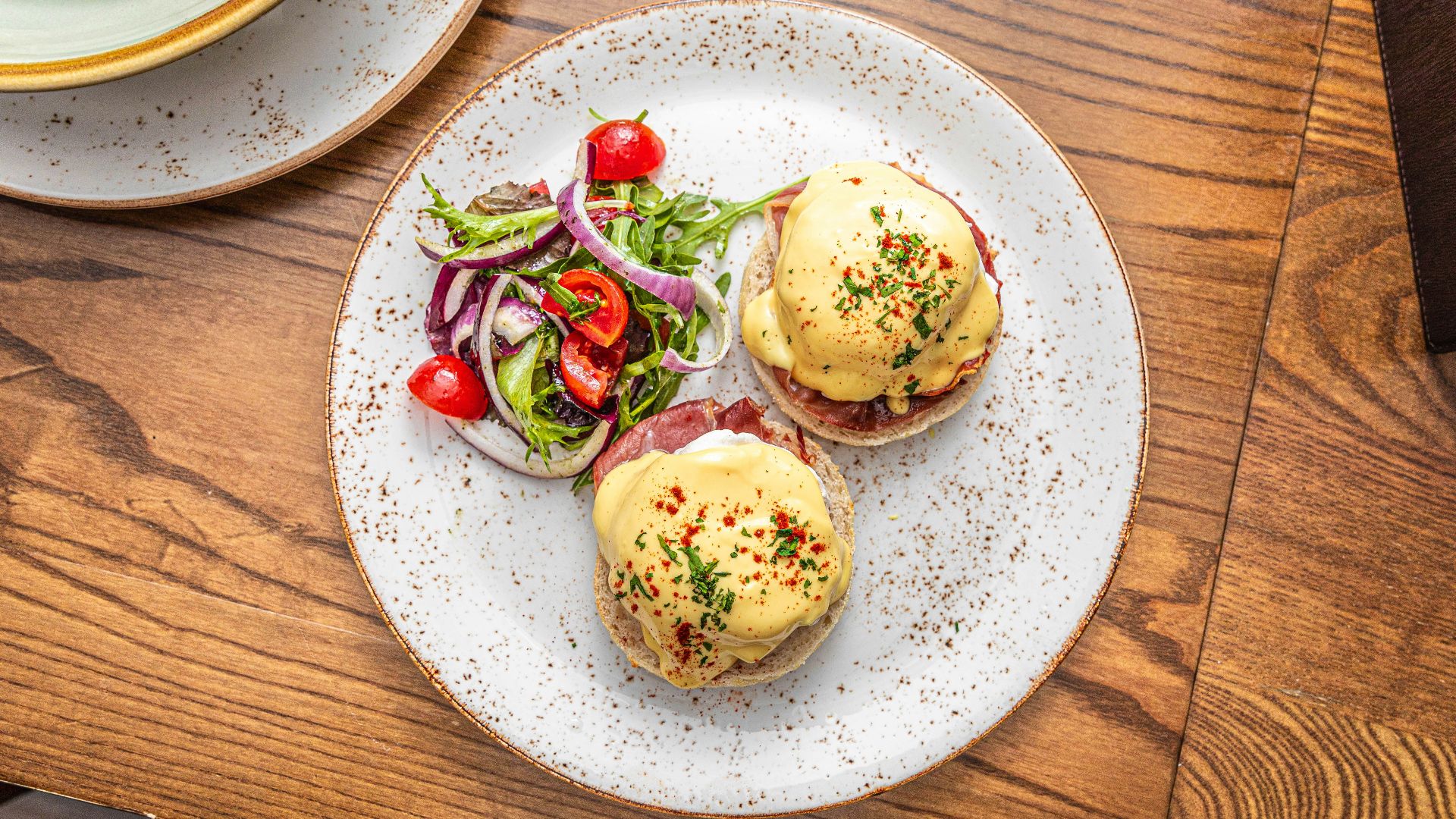
7. Eggs Benedict
Eggs Benedict combines several tasks that must be completed at nearly the same moment, including poaching eggs, toasting muffins, heating meat, and preparing hollandaise sauce. Brunch restaurants handle these components repeatedly, making them better equipped to serve everything hot and properly timed.
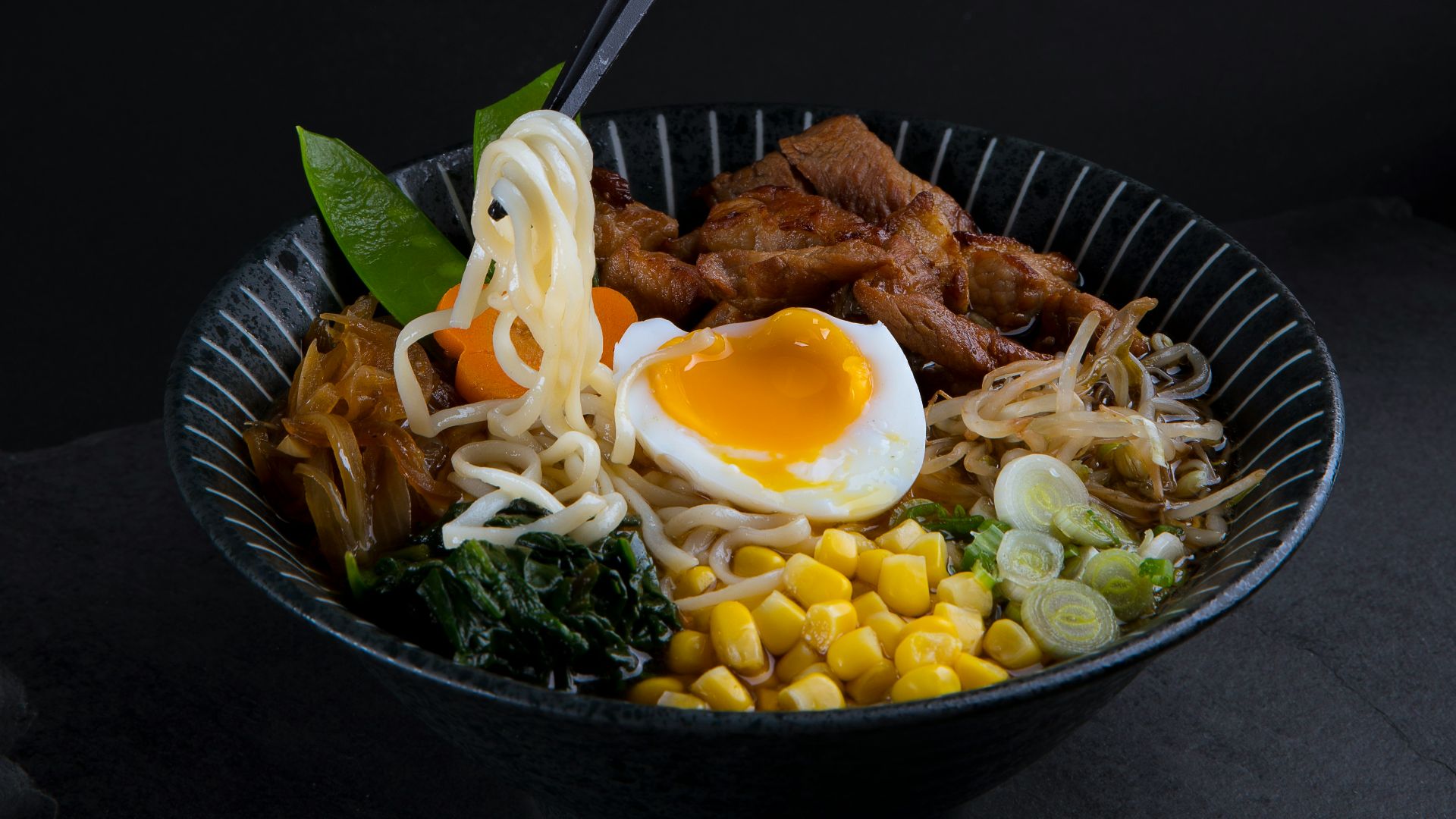
8. Ramen
Restaurant ramen usually relies on broth simmered for many hours, carefully prepared seasoning bases, flavored oils, marinated eggs, and slow-cooked meat. Recreating every component at home can become a multiday project rather than a convenient dinner.
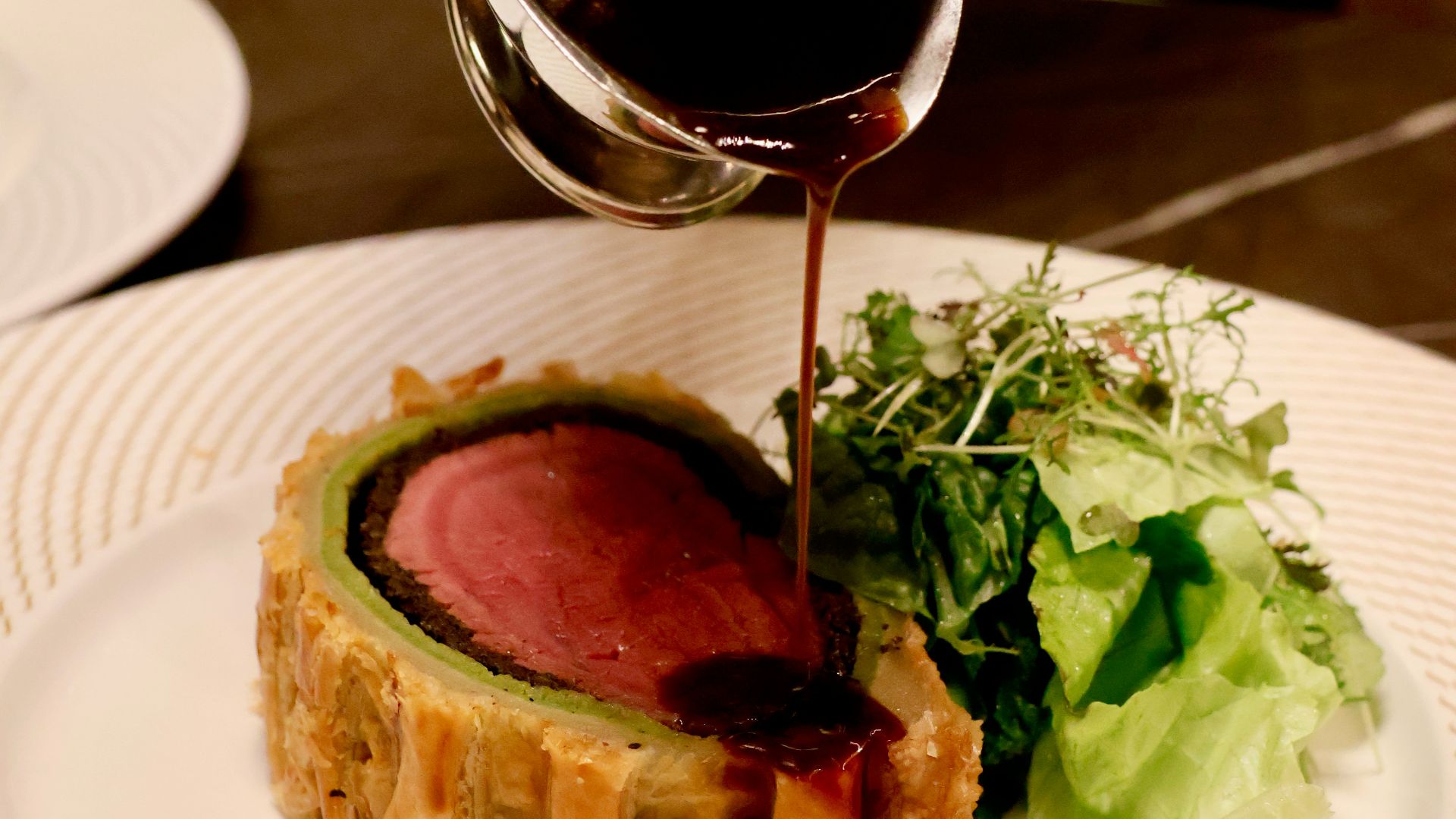
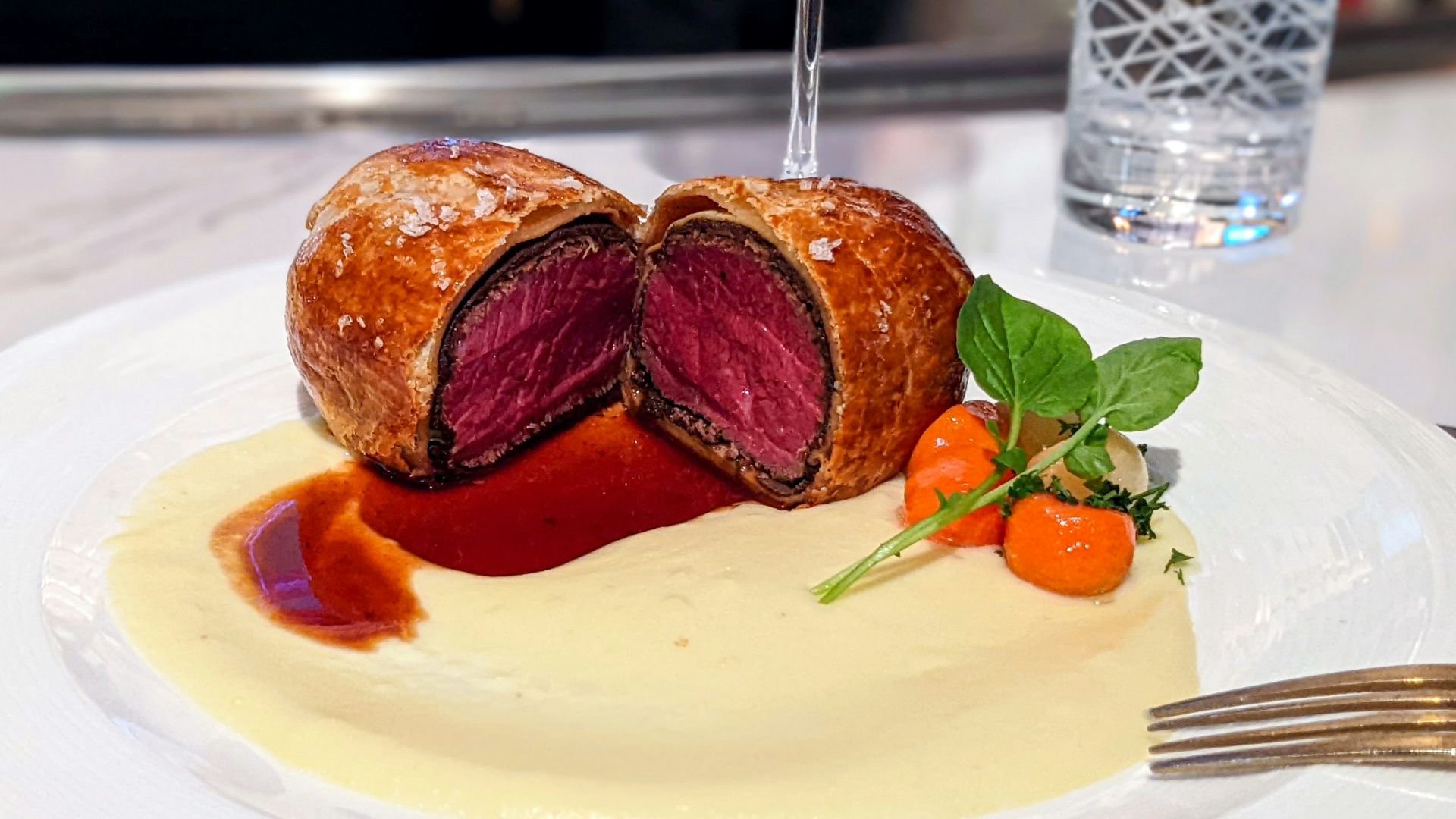
9. Beef Wellington
Beef Wellington requires careful temperature control because the tenderloin must remain properly cooked while the pastry becomes crisp and golden. Since the ingredients are costly, leaving the dish to an experienced restaurant reduces the risk of an expensive mistake.
10. Soufflé
A soufflé depends on properly whipped egg whites, gentle folding, accurate baking temperatures, and well-timed service. Even a successful soufflé begins to deflate soon after leaving the oven, so it needs to reach the table immediately.

KEEP ON READING

The Most Popular Signature Dishes Around the World