
10 Healthy Foods You're Not Eating Enough Of & 10 Unhealthy Ones You're Overeating
Berries or Chips?
You probably already know you need to eat more veggies, fruits, and whole grains. But you probably also know you're not supposed to be having bacon every morning, or eating fries and pizza for dinner, or cracking open a soda to wash everything down, yet you still reach for those same foods time and time again. Of course, healthy eating isn’t determined by one perfect meal, and it doesn't mean you can't enjoy the occasional indulgence. Still, there are some foods you might want to reach more for, and some you should stop reaching for, so put your Starbucks drink down and dig in.
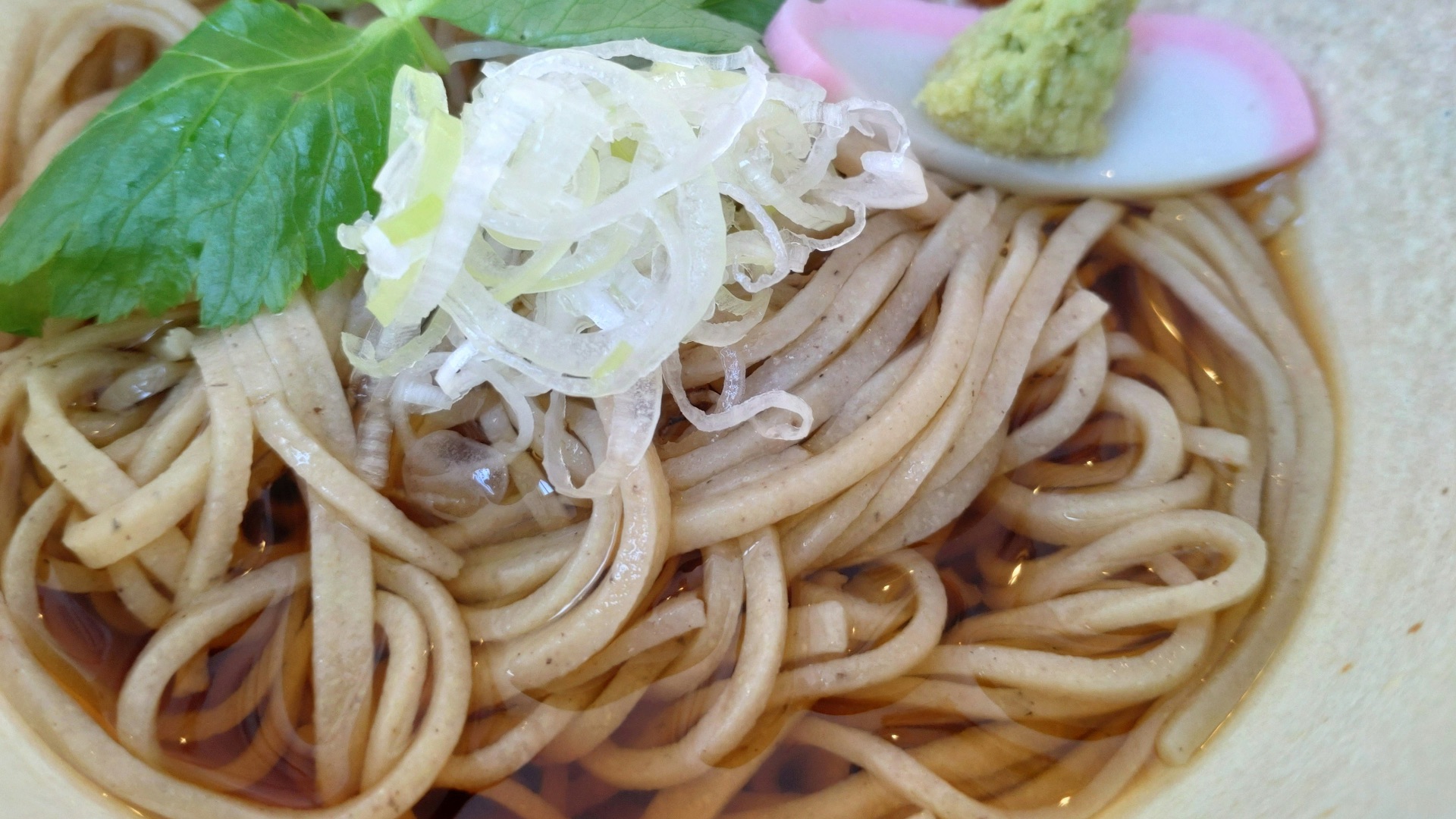
1. Buckwheat
Despite its name, buckwheat isn’t a type of wheat and is naturally gluten-free, although cross-contact can still matter for people with celiac disease. It supplies fiber, magnesium, and plant compounds while offering a stronger, nuttier flavor than many common grains. Use buckwheat groats as a breakfast cereal or look for soba noodles made primarily from buckwheat flour.
2. Leafy Green Vegetables
Spinach, kale, collard greens, and other leafy vegetables provide a concentrated supply of vitamins, minerals, and beneficial plant compounds. You don’t need to rely on large raw salads to eat more of them, since greens can be stirred into eggs, pasta sauces, soups, and grain bowls. Frozen spinach is particularly useful because it lasts longer and can be added to meals in small portions.

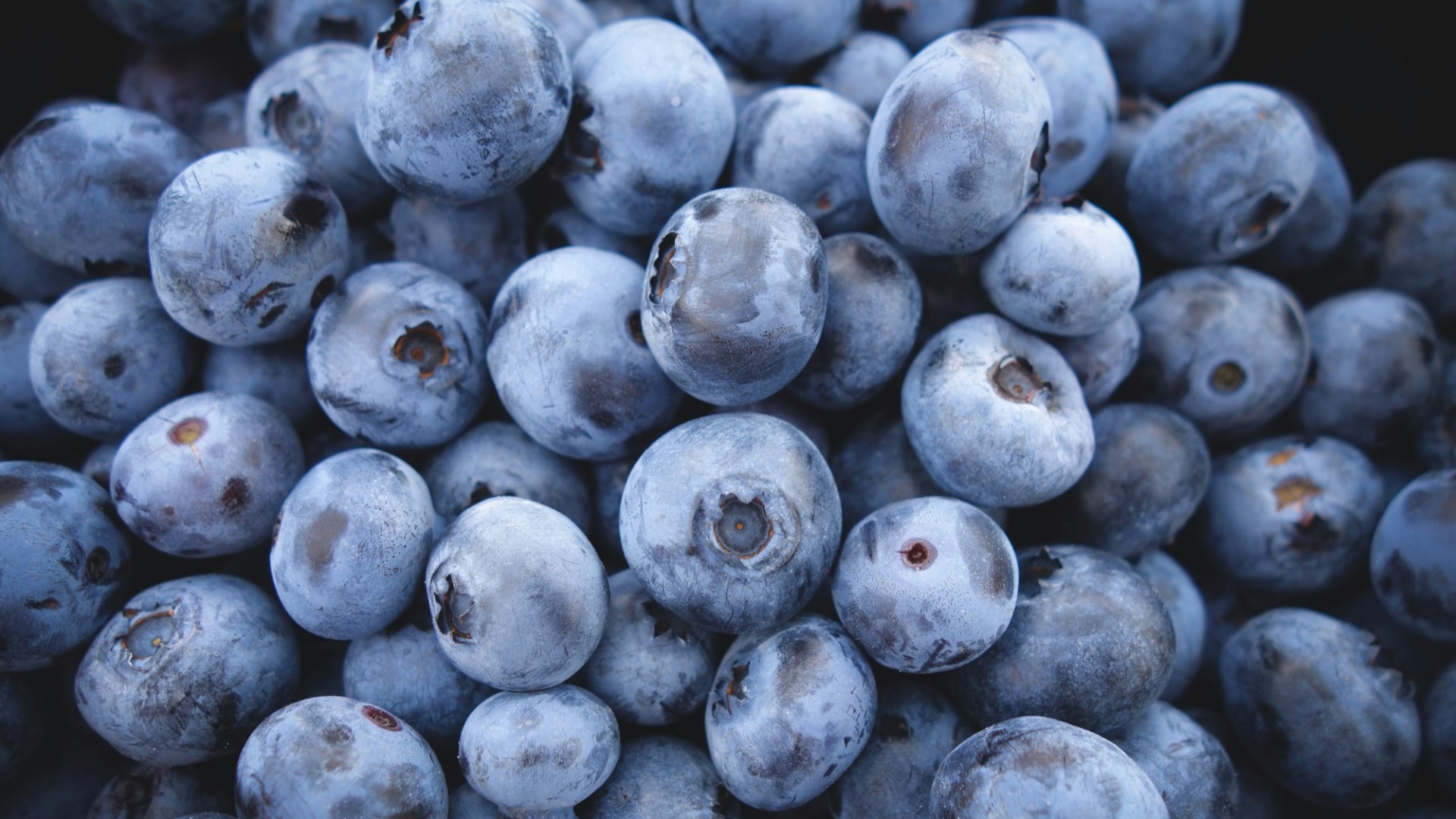
3. Berries
Berries offer fiber, vitamin C, and a range of naturally occurring plant compounds without requiring any preparation beyond a quick rinse. Fresh berries can be expensive outside their peak season, but frozen versions are nutritionally useful and often more economical. Blend them into smoothies, spoon them over plain yogurt, or thaw them for oatmeal instead of reaching for heavily sweetened toppings.

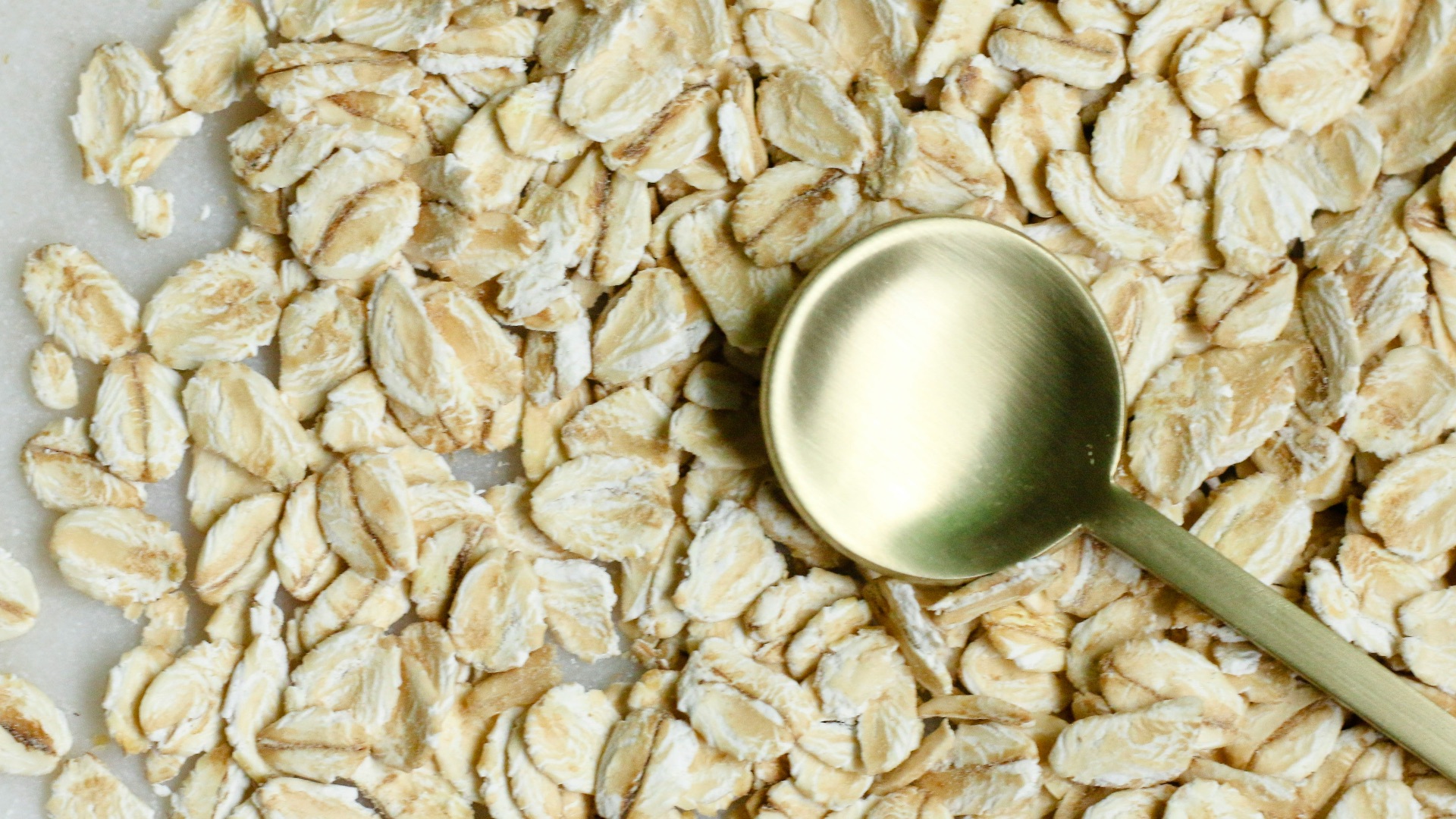
4. Whole Grains
Oats, barley, brown rice, quinoa, and whole-wheat products retain more of their natural fiber and nutrients than refined grains. Replacing even one refined-grain food each day can help make your overall eating pattern more nutrient-dense. Start with an easy exchange, such as choosing oatmeal instead of a sugary breakfast pastry or whole-grain bread instead of white bread.
5. Canned Pumpkin
Canned pumpkin isn’t only useful during fall baking season. It provides fiber, potassium, and carotenoids, including beta-carotene, which the body can convert into vitamin A. Make sure you’re buying plain pumpkin rather than sweetened pie filling, then stir it into oatmeal, soups, pasta sauces, chili, or pancake batter.

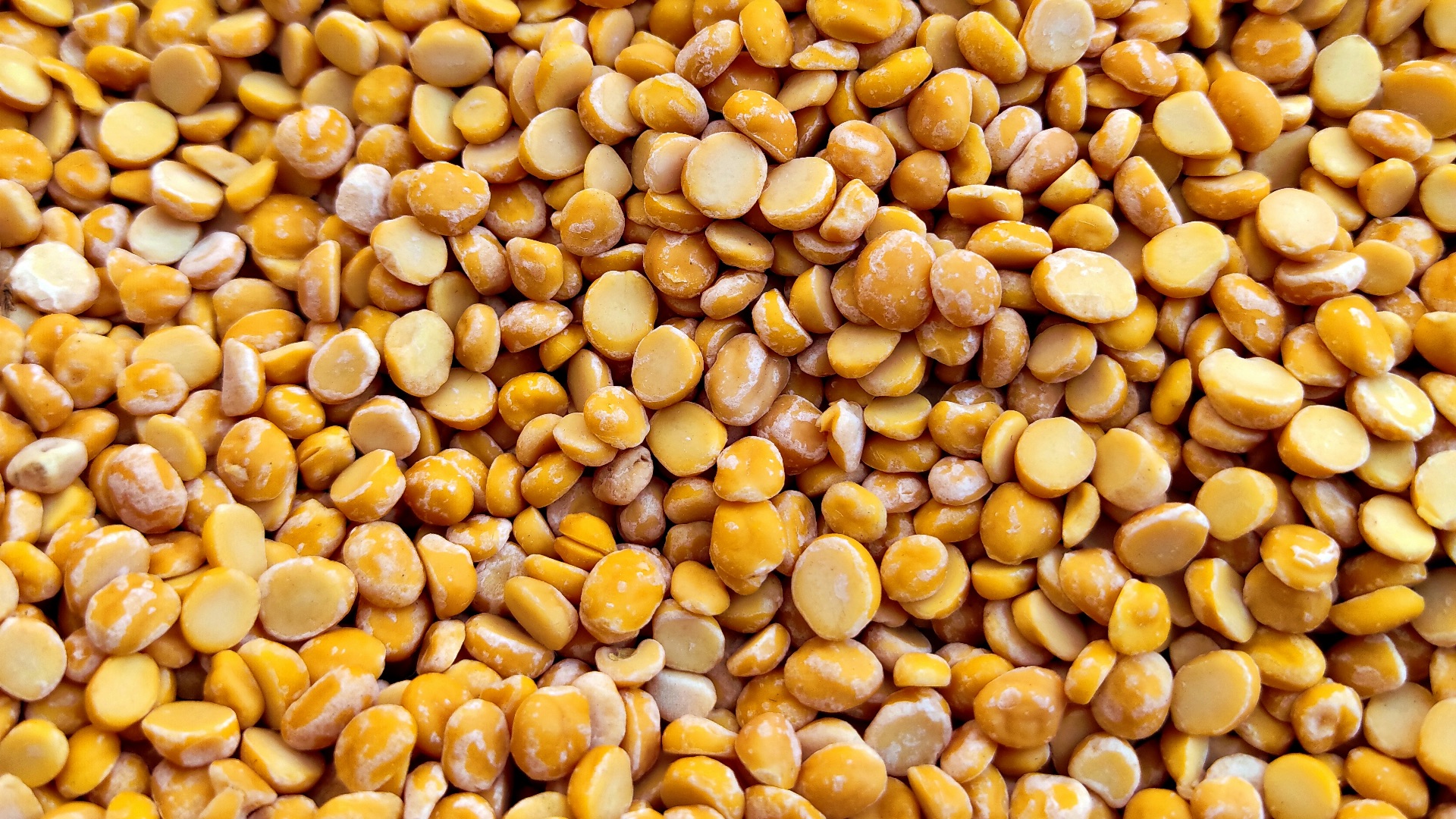
6. Lentils
Lentils cook more quickly than many dried beans and don’t require overnight soaking, making them one of the easiest legumes to use regularly. They work well in curries, soups, pasta sauces, salads, and meatless fillings. You can also combine them with ground meat to stretch a recipe while adding more fiber and plant-based protein.
7. Seeds
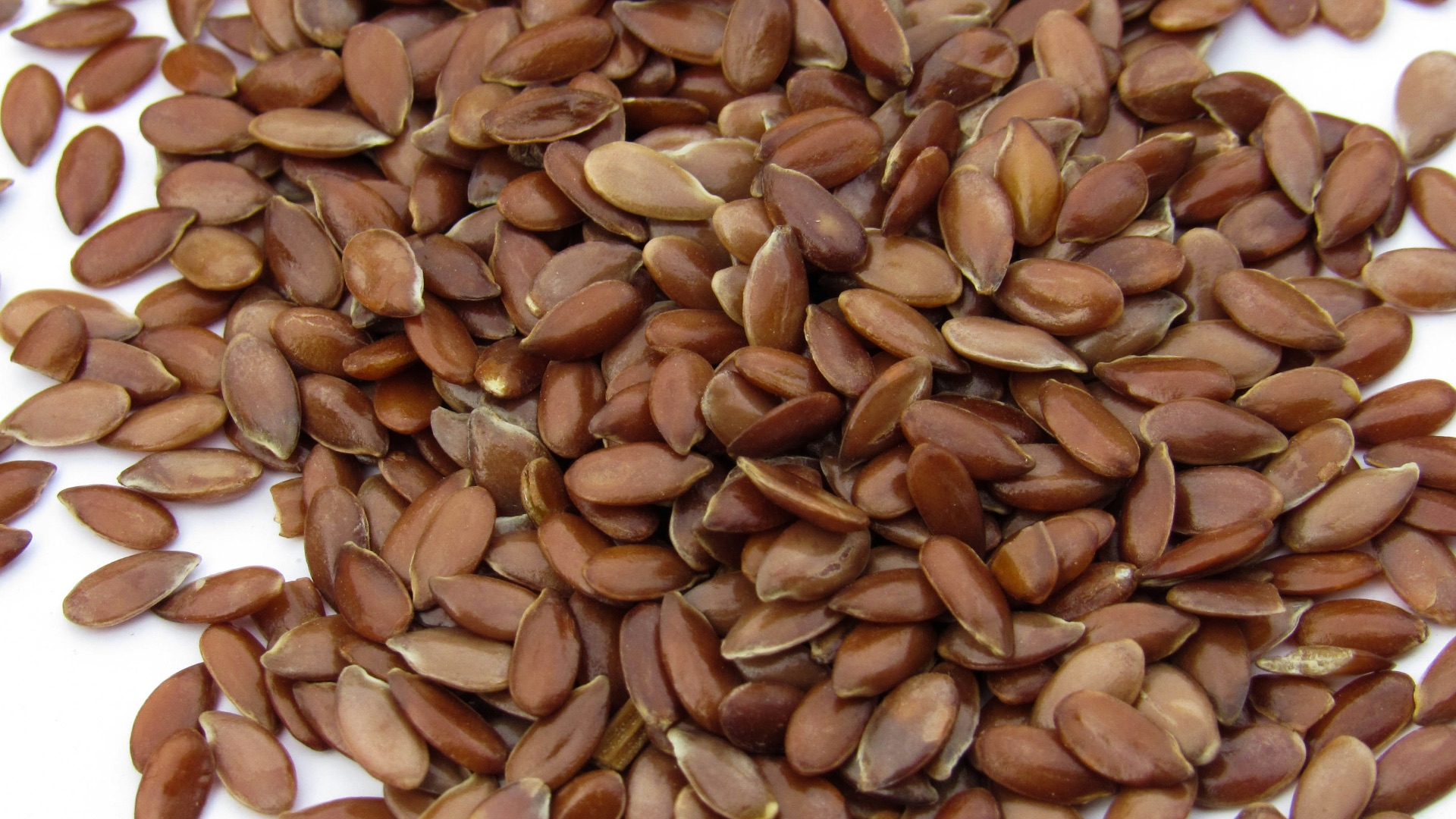
Chia, flax, pumpkin, sunflower, and sesame seeds may be small, but they contribute healthy fats, fiber, protein, and minerals. They’re especially practical for people who don’t want to make major changes to familiar meals. Sprinkle them over yogurt, blend them into smoothies, add them to oatmeal, or use them to bring texture to salads and roasted vegetables.
8. Sardines
Sardines provide protein, omega-3 fats, vitamin B12, and, when the bones are included, a useful amount of calcium. They’re generally less expensive than fresh salmon and don’t require any cooking, making them practical for quick lunches. Try them on whole-grain toast, mixed into pasta, or served with lemon and herbs if eating them directly from the can doesn’t appeal to you.

9. Seaweed
Seaweed can contribute iodine, a mineral the body needs to make thyroid hormones, along with smaller amounts of other nutrients. It’s easy to add nori to rice bowls, use wakame in soup, or crumble dried seaweed over eggs and vegetables. More isn’t necessarily better, however, because iodine levels vary widely and certain seaweeds can provide excessive amounts when eaten frequently.

10. Kefir
Kefir is a fermented milk drink with protein, calcium, and live microorganisms when the product contains active cultures. Its pourable consistency makes it useful in smoothies, overnight oats, salad dressings, or as a substitute for buttermilk. Plain varieties are usually a better everyday choice than flavored versions, which may contain considerable added sugar.
Now that you know which foods you should be eating more, let's take a look at what unhealthy ones you're always overeating that you should be eating less of. After all, adding more nutritious foods is only one half of the picture.

1. Sugary Drinks
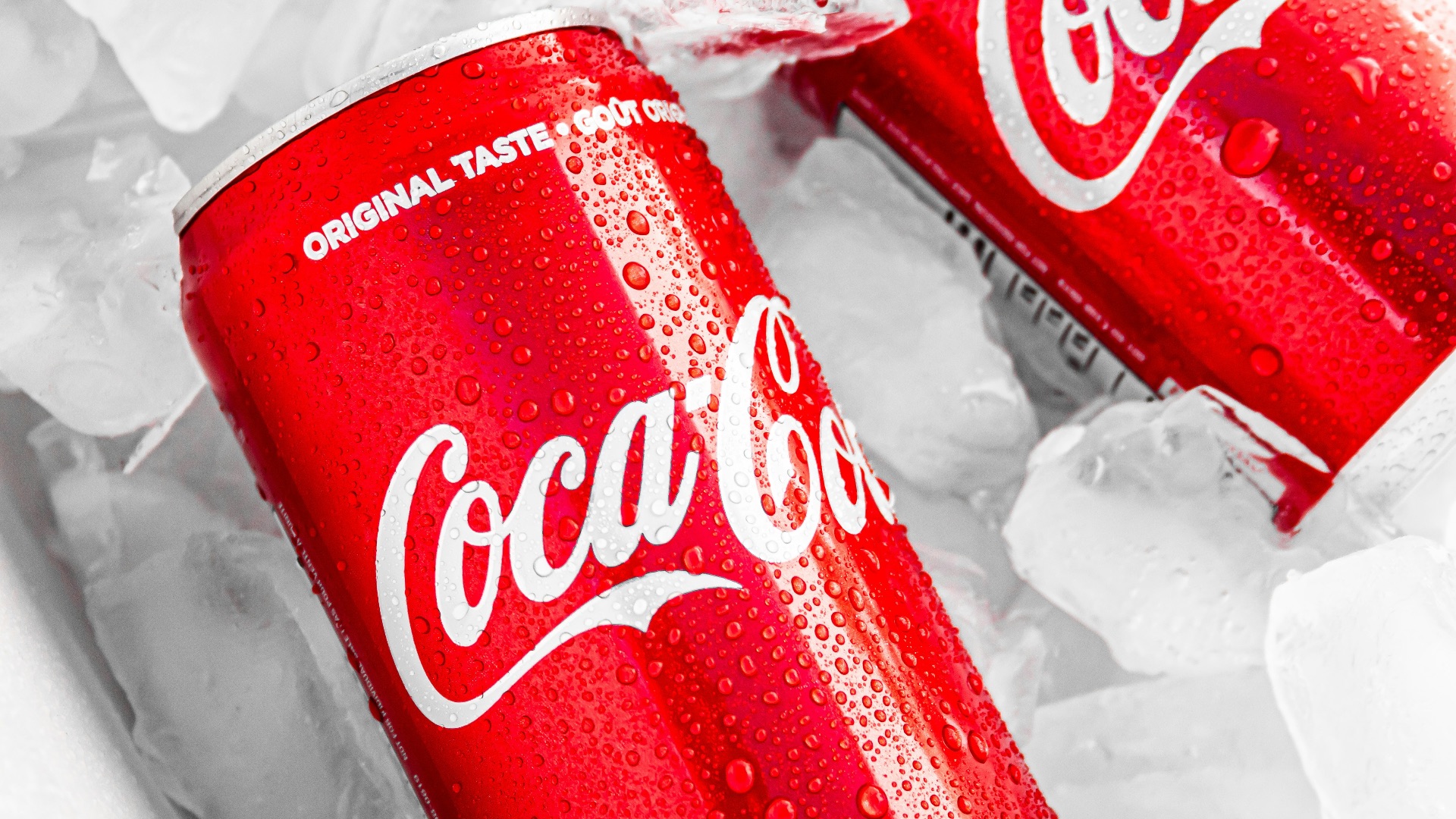
Soda, sweet tea, energy drinks, and many fruit-flavored beverages deliver added sugar without the fiber found in whole fruit. Because liquid calories may not feel as filling as solid food, it’s easy to drink a significant amount without thinking of it as part of a meal. Water, sparkling water, unsweetened tea, or gradually diluted sweet drinks can make the transition easier.
2. Processed Meats
Bacon, sausage, hot dogs, deli meats, and similar products are often high in sodium and may also contain substantial saturated fat. They can appear in several meals during the same week, particularly when sandwiches and breakfast meats are routine choices. Try rotating in chicken, fish, beans, eggs, hummus, or lower-sodium leftovers instead of making processed meat your default protein.

3. Chips
Potato chips, cheese-flavored snacks, and similar products combine refined starch, fat, and salt in a form that’s easy to keep eating. Large bags make portion sizes particularly difficult to judge when you snack directly from the package. Serving a modest amount in a bowl and pairing it with fruit, vegetables, or a protein-rich food can help prevent the snack from replacing a balanced meal.

4. Sweetened Breakfast Cereals
Many breakfast cereals are marketed with references to vitamins, whole grains, or energy while still containing considerable added sugar. A bowl may also be less filling when the cereal is low in fiber and protein. Look for options with whole grains and less added sugar, then add fruit, nuts, seeds, or plain yogurt to create a more substantial breakfast.

5. Refined Baked Goods
Muffins, doughnuts, pastries, cookies, and packaged cakes can contain refined flour, added sugar, sodium, and saturated fat in the same serving. Some bakery muffins are large enough to function more like dessert than a simple breakfast item. You don’t have to eliminate them, but treating them as occasional foods rather than daily staples makes room for more nourishing choices.

6. Fast-Food Meals
Fast food can be practical, but common combinations of burgers, fries, sauces, and sugary drinks can supply high amounts of sodium, saturated fat, and refined carbohydrates. Portion upgrades and bundled meals may encourage you to order more than you originally intended. Choosing a smaller entrée, adding vegetables where available, skipping extra sauces, and drinking water can improve the balance without requiring you to avoid fast food completely.

7. Candy
Candy provides concentrated added sugar and generally offers little protein or fiber to help you feel satisfied. Small pieces can accumulate quickly when they’re kept on a desk, placed in a shared bowl, or eaten directly from a large package. Buy individual portions or set aside a reasonable amount rather than relying on willpower while an open bag remains nearby.

8. Frozen Pizza
Frozen pizza is convenient and may include ingredients from several food groups, but many varieties contain high levels of sodium, refined grains, and saturated fat. The serving size listed on the package may also be smaller than the portion you normally eat. Pairing fewer slices with a salad, roasted vegetables, or fruit can make the meal more balanced while still keeping preparation simple.

9. Sweetened Coffee Drinks
Coffee itself isn’t the main concern in drinks loaded with flavored syrups, whipped toppings, sweetened creamers, and large amounts of milk or cream. Depending on the recipe and size, a specialty coffee can contain enough added sugar and saturated fat to resemble a dessert. Ordering a smaller size, requesting fewer pumps of syrup, or choosing plain coffee with a modest amount of milk can reduce the excess without removing coffee from your routine.

10. Instant Noodles
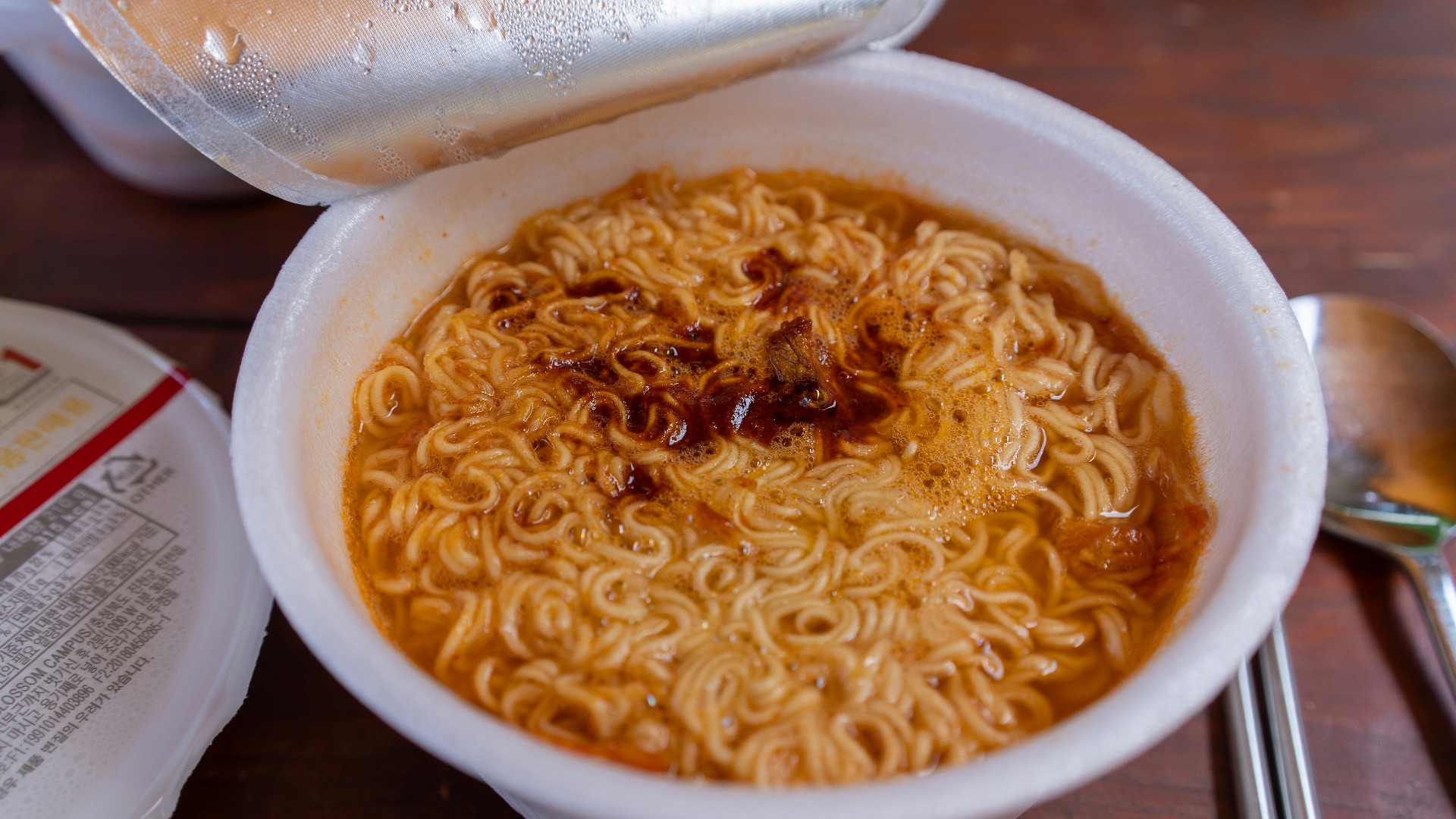
Instant noodles are inexpensive and convenient, but the seasoning packets are typically sodium-heavy, while the noodles themselves are usually made from refined grains. Eating them frequently without additional ingredients can also crowd out vegetables, fiber, and more varied protein sources. Use less of the seasoning, add frozen vegetables and an egg or tofu, or replace part of the noodles with cabbage to create a more complete meal.
KEEP ON READING