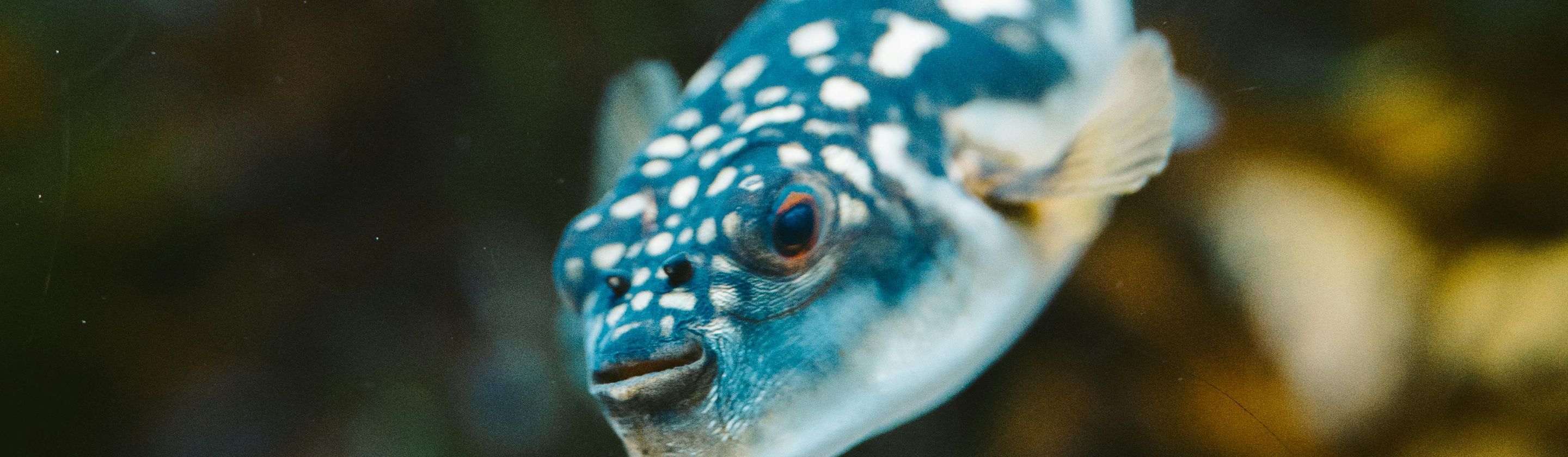
Ordering fugu in Japan means placing your life in someone else's hands. This isn't hyperbole—it's a simple fact.
The dish has caused deaths over the centuries, with documented cases appearing regularly enough to maintain its dangerous reputation. Yet it remains one of the country's most celebrated culinary experiences. What makes a single fish so dangerous that only licensed experts can touch it? And why do people continue to eat it despite the risks? Let’s find out.
The Deadly Toxin That Makes Fugu So Dangerous
Fugu comes from pufferfish, a species that carries tetrodotoxin in specific organs. This poison is roughly 1,200 times more lethal than cyanide. To put that in perspective, a single fish contains enough toxin to kill thirty adults. The liver, ovaries, intestines, and skin hold the highest concentrations, though levels vary by species and season.
Once ingested, tetrodotoxin attacks the nervous system. It blocks sodium channels, preventing nerve signals from reaching muscles. Victims experience tingling in the lips and tongue first, followed by spreading numbness. Paralysis then sets in gradually. Eventually, the diaphragm stops working, which leads to respiratory failure. There is no antidote, either. Treatment involves life support until the toxin clears the system, assuming medical help arrives in time.
Interestingly, the fish don't produce this poison themselves. They accumulate it by eating bacteria-laden organisms like starfish and shellfish. In controlled farm environments where diet is monitored, pufferfish develop with significantly lower toxin levels. However, wild-caught fugu remains the traditional choice in Japan.
The Rigorous Training And Legal Requirements
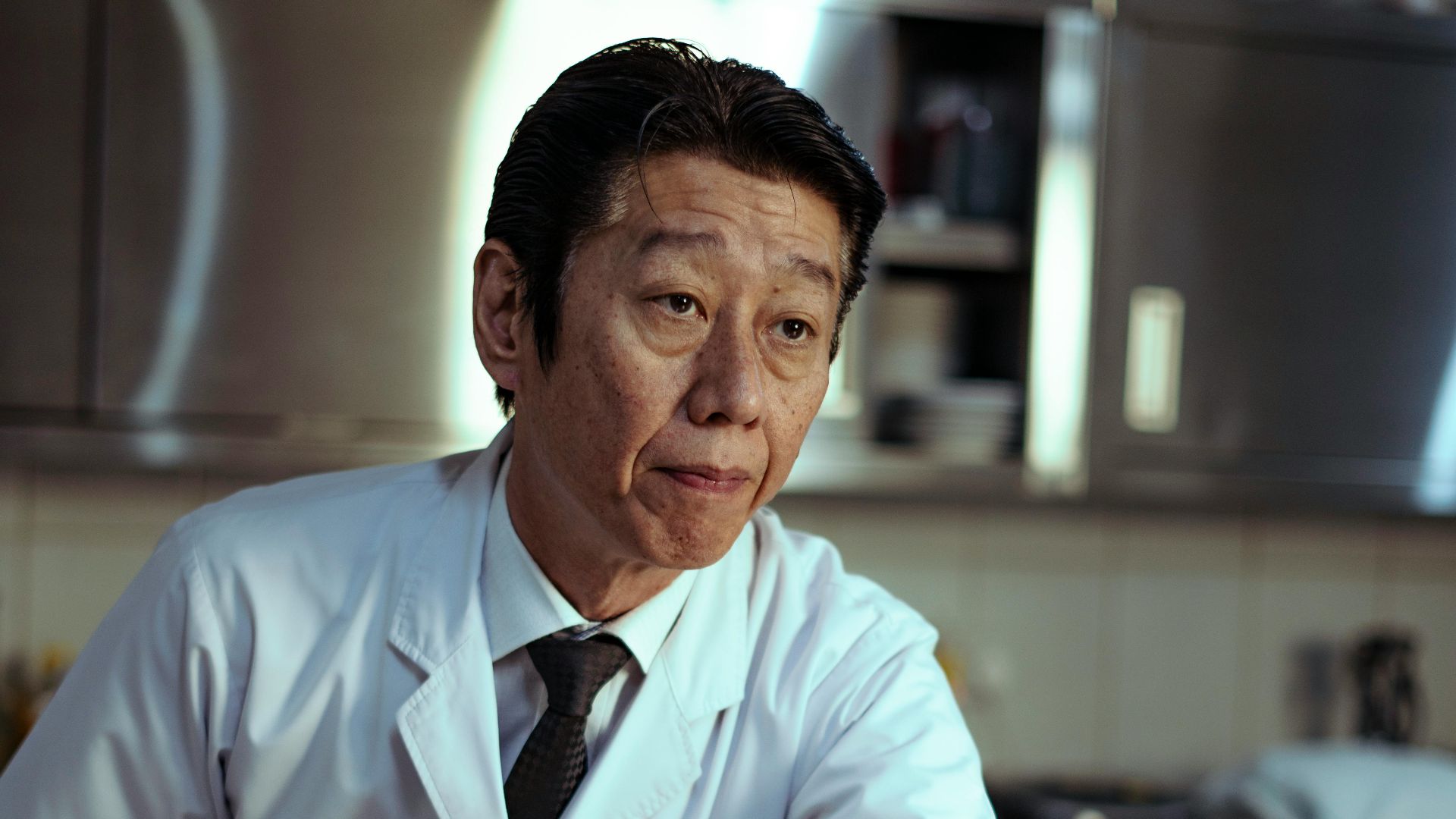
Becoming a licensed fugu chef in Japan takes years of dedicated training. Apprentices typically train for at least two to three years under certified masters before even attempting the exam. The test includes a written portion covering fish anatomy, toxin distribution, and food safety laws. But the practical exam is far more intense. Candidates must butcher multiple pufferfish while officials watch every single cut.
During their training, chefs learn to identify over a dozen species of pufferfish, each with different toxicity patterns. They memorize which parts are edible and which are deadly. The filleting process involves carefully removing toxic organs without puncturing them, as even trace contamination can be fatal. Skilled chefs remove the skin in one piece, separate the meat from the bones, and dispose of hazardous parts according to strict protocols.
Only those who pass receive government licenses. Moreover, restaurants must also meet regulatory standards to serve fugu legally, and unlicensed preparation is a criminal offense in Japan.
Why Diners Still Seek Out This Risky Delicacy
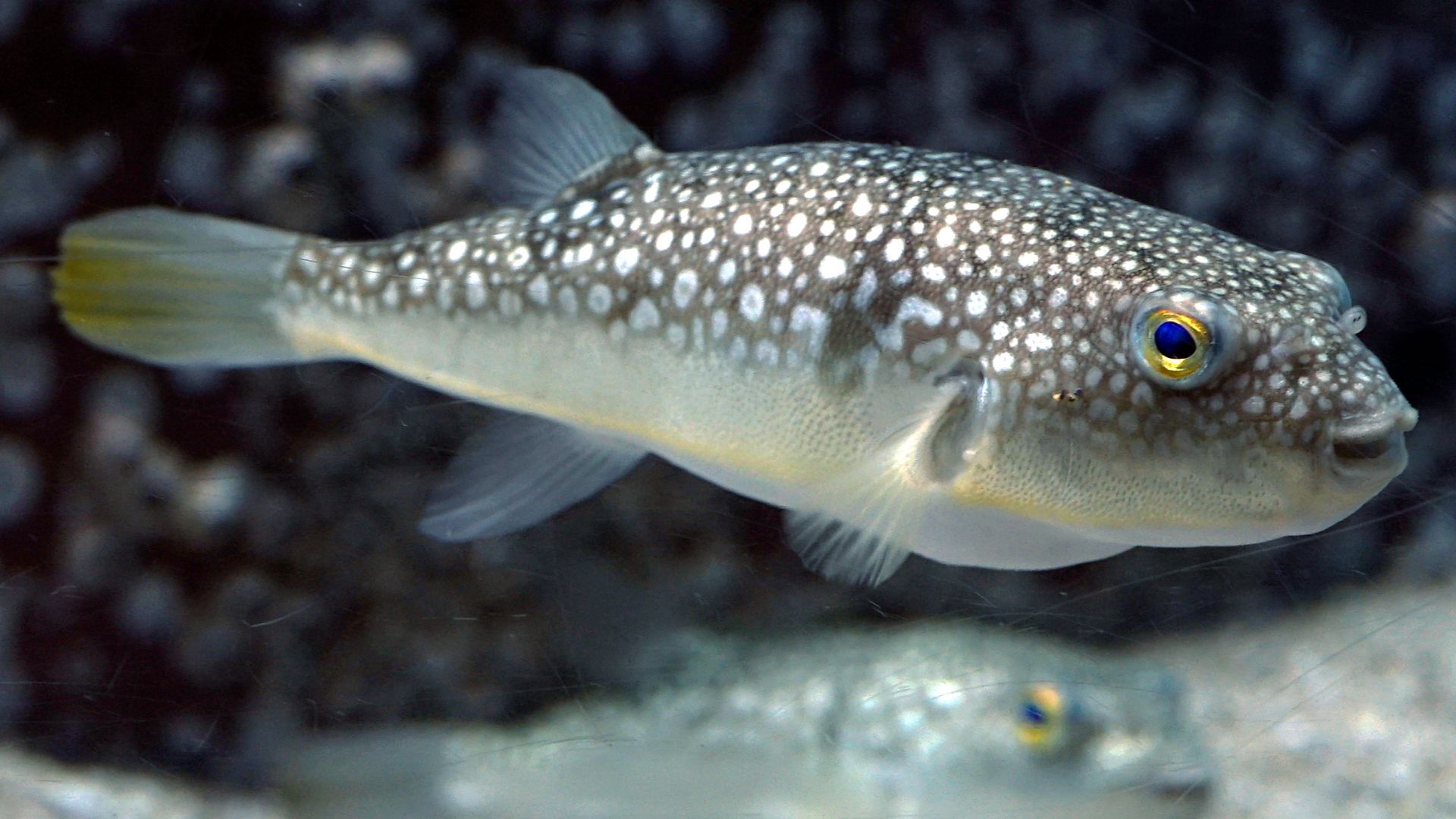
Surprisingly, the flavor is quite mild. Fugu has a delicate, slightly sweet taste with a firm, chewy texture. It's often served as translucent slices of sashimi arranged in elaborate patterns. Hot pot preparations simmer the fish with vegetables, while fried fugu offers a crispy contrast.
Beyond taste, though, fugu carries deep cultural weight. It's a wintertime tradition and a status symbol. Meals can cost hundreds of dollars, adding even more exclusivity to the experience. Ultimately, fugu represents something rare in modern dining: genuine risk transformed into art through skill.
KEEP ON READING