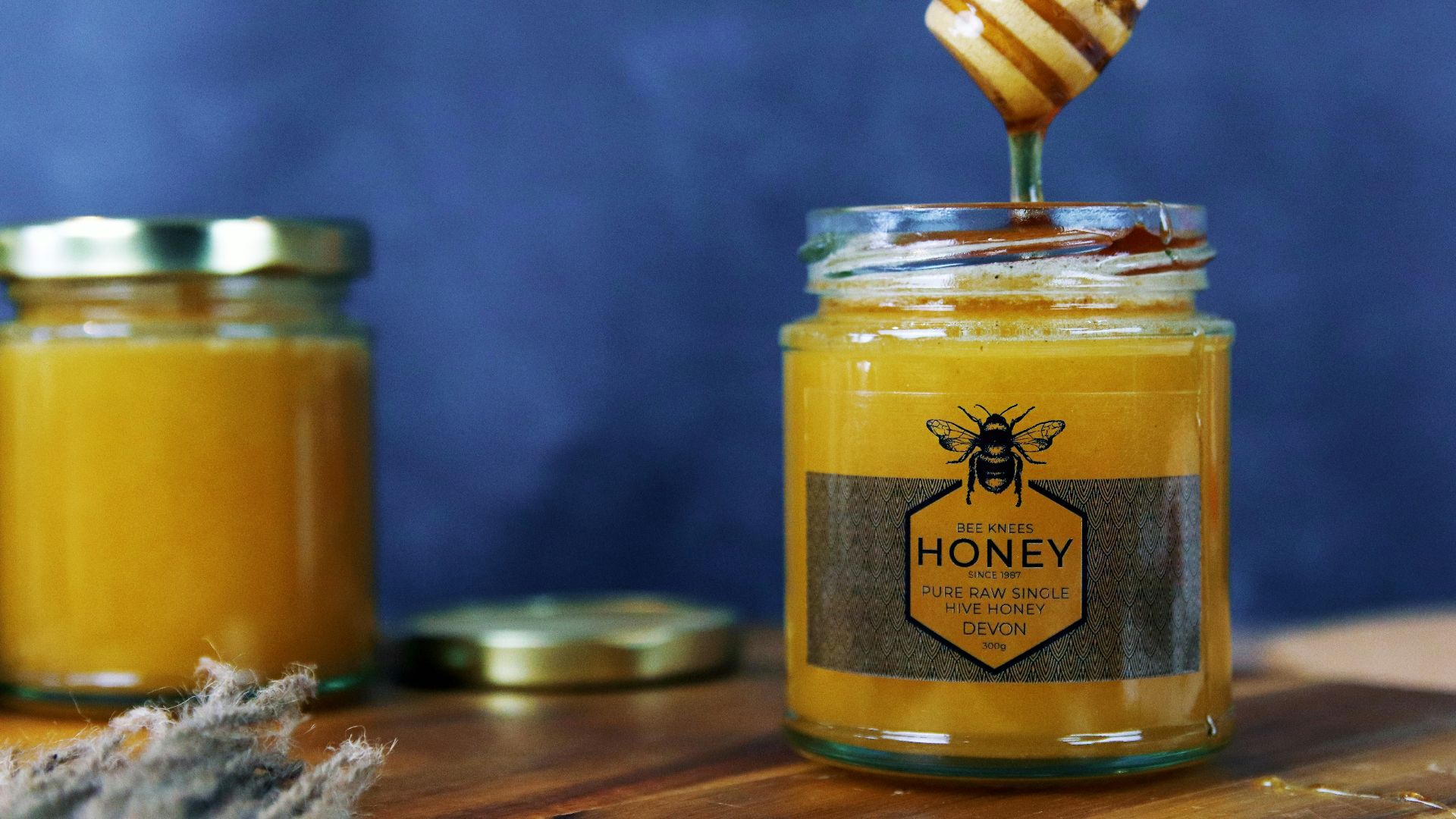
Raw honey sounds like the more wholesome choice before you even open the jar. It has that cozy, straight-from-the-hive image, while regular honey can seem a little too polished, filtered, and supermarket-shelf perfect. If you’ve ever stood in the grocery aisle comparing labels, you’ve probably wondered whether raw honey is actually better or just better marketed.
The honest answer is that raw honey does have some advantages, but the difference isn’t always as dramatic as people make it sound. Both raw and regular honey are mostly sugar; both should be used in moderation, and neither one turns tea into medicine by default. However, processing can change honey’s flavor, texture, and some of its natural compounds, so the better choice depends on what you want from the jar.
What Makes Raw Honey Different
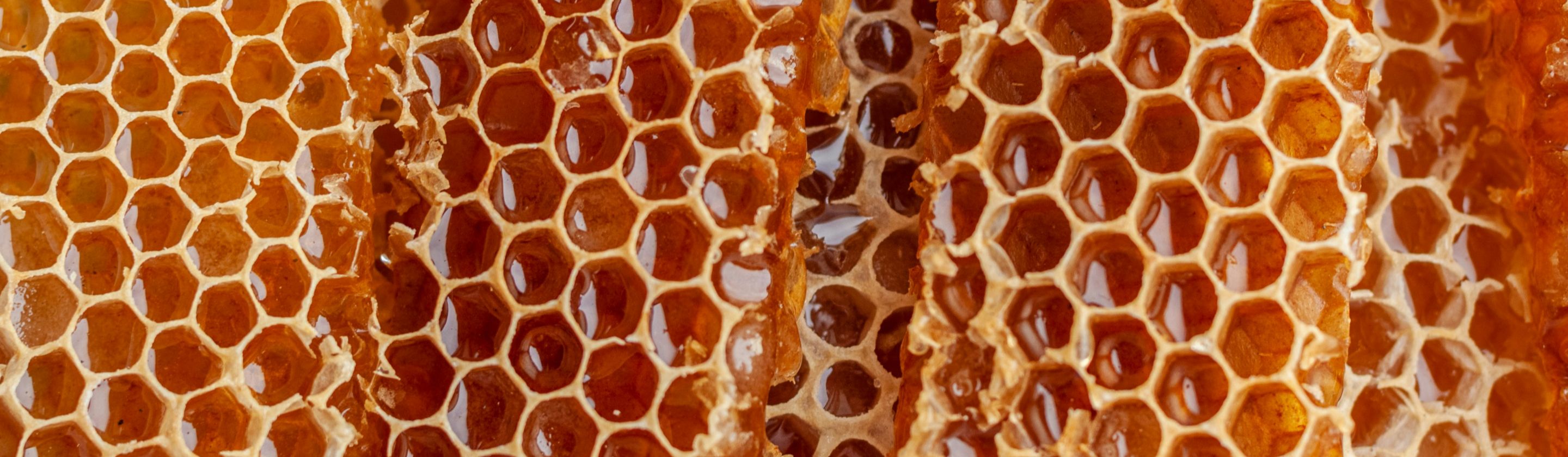
Raw honey is generally understood to mean honey that hasn’t been heated or heavily filtered, though there isn’t one official definition in the U.S. It’s usually strained to remove larger bits of wax or debris, but it may still contain small amounts of pollen, enzymes, and other natural compounds. Regular honey is often filtered more thoroughly and may be heated to improve clarity, slow crystallization, and make bottling easier. That processing can create the smooth, golden honey many shoppers are used to seeing.
The biggest difference you may notice first is texture. Raw honey can look cloudy, crystallize faster, or have tiny natural particles that make it seem less uniform. Regular honey tends to stay clearer and pour more neatly, which is useful for quick breakfasts. Neither texture is automatically better; it mostly comes down to whether you prefer rustic character or easy squeezing.
Flavor can also be more distinctive in raw honey. Because it’s less processed, raw honey may hold onto more of the floral, earthy, or herbal notes that come from the plants bees visited. Regular honey can still taste great, but heavy processing may make the flavor milder and more predictable. If you’re buying honey for toast, cheese boards, yogurt, or tea, that extra flavor may actually matter.
The Health Claims Need a Little Restraint
Raw honey is often praised because it may retain more antioxidants, enzymes, pollen, and plant compounds than heavily processed honey.
It's important to remember, though, that honey in general contains mostly sugar. Its small amounts of amino acids, vitamins, minerals, and antioxidants don't automatically make it a health food, nor does the fact that it's been studied for anti-inflammatory, antioxidant, and antibacterial properties.
Honey may have some practical health uses, especially for coughs in children over age 1, though research hasn’t shown it’s better than other cough medicines for adults. That doesn’t mean more honey is always better, since it’s still high in sugar and can cause issues if you overdo it. A spoonful in tea is one thing; treating the bottle like a wellness program is another.
One common claim is that local raw honey helps seasonal allergies because it contains pollen. It’s a popular idea, but the evidence isn’t strong enough to treat it like a reliable allergy remedy. The pollen that causes seasonal allergies usually comes from wind-pollinated plants, while honey mostly contains pollen from flowers visited by bees. In other words, it’s a charming theory, but your antihistamines probably shouldn’t feel threatened.
Regular Honey Still Has Its Place
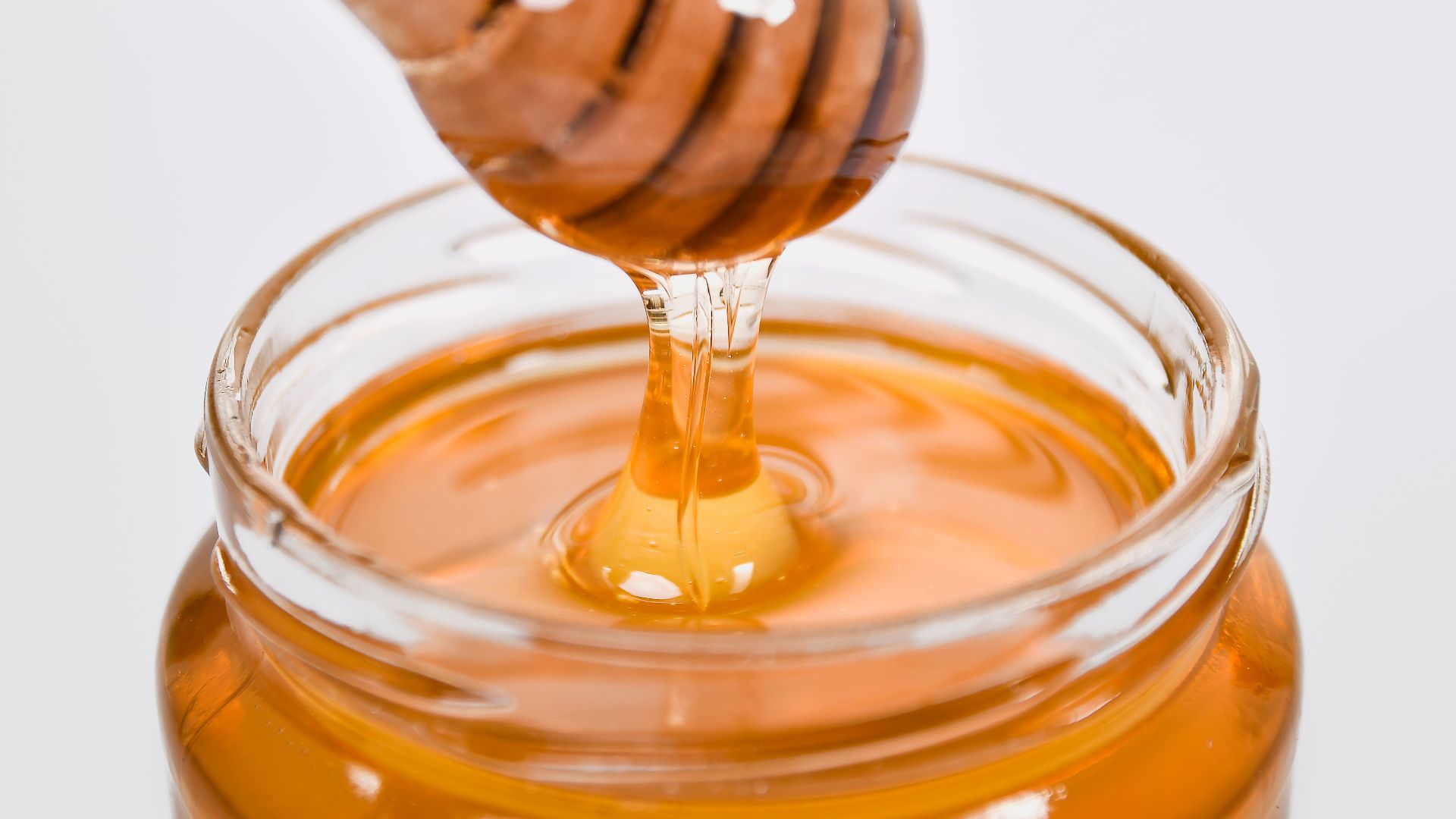
Regular honey isn’t useless just because it's been processed. Heating and filtering can make honey clearer, smoother, and less likely to crystallize quickly, which many people prefer for everyday use.
It can be easier to pour into recipes, stir into drinks, or keep in a pantry without worrying about texture changes. If you mainly want sweetness and convenience, regular honey does the job just fine.
There’s also a food safety side to consider. Honey should never be given to babies under 12 months because it can contain spores that may cause infant botulism, and that warning applies to honey in general. The CDC specifically advises against giving honey to children younger than 12 months, including in food, water, formula, or on a pacifier. For adults and older children, honey is usually safe, but people with specific allergies or immune concerns should be more cautious.
So, is raw honey better than regular honey? If you care about bolder flavor, minimal processing, and preserving more natural compounds, raw honey is probably the better choice. If you want a smooth, consistent sweetener for baking, marinades, dressings, or tea, regular honey might make more sense. The smartest answer is less dramatic than the label wars suggest: choose the honey you like, use it modestly, and don’t expect either jar to perform miracles.