Turning Up The Heat The Right Way
Adding spice to food isn't just about making it hotter. The best spicy dishes build flavor and heat gradually, allowing different ingredients to contribute their own character instead of overwhelming everything else on the plate. Whether you're creating a gentle warmth or a dish that leaves you reaching for a cold drink, these 20 techniques can help you increase heat in deliberate, flavorful stages.

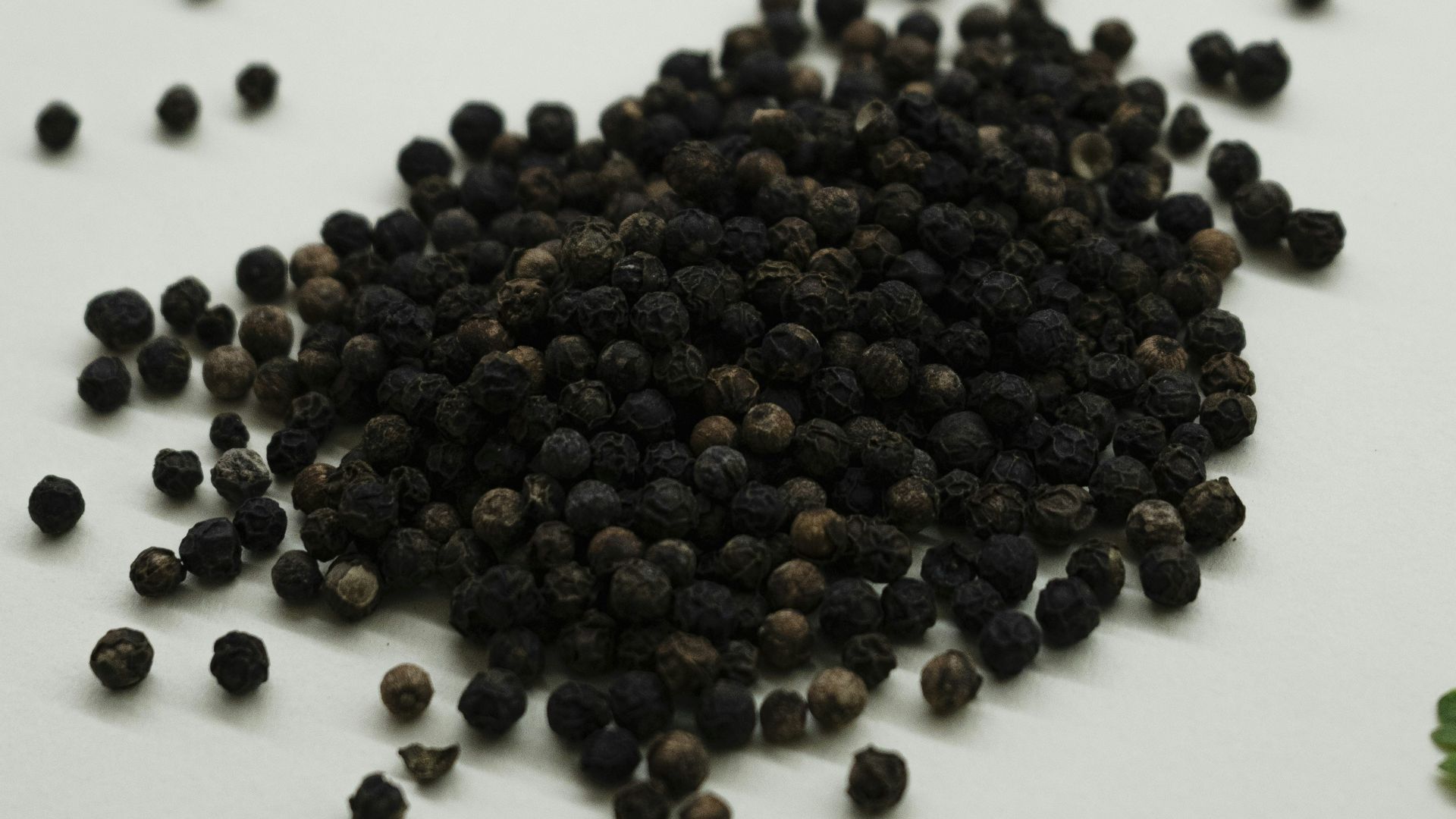
1. Start With Black Pepper
Black pepper provides a mild, familiar warmth that most people enjoy. Its heat is subtle compared to chili peppers, making it a great foundation for building spice. Freshly cracked pepper delivers more flavor and intensity than pre-ground varieties. Even small amounts can noticeably enhance a dish.
2. Add Sweet Paprika
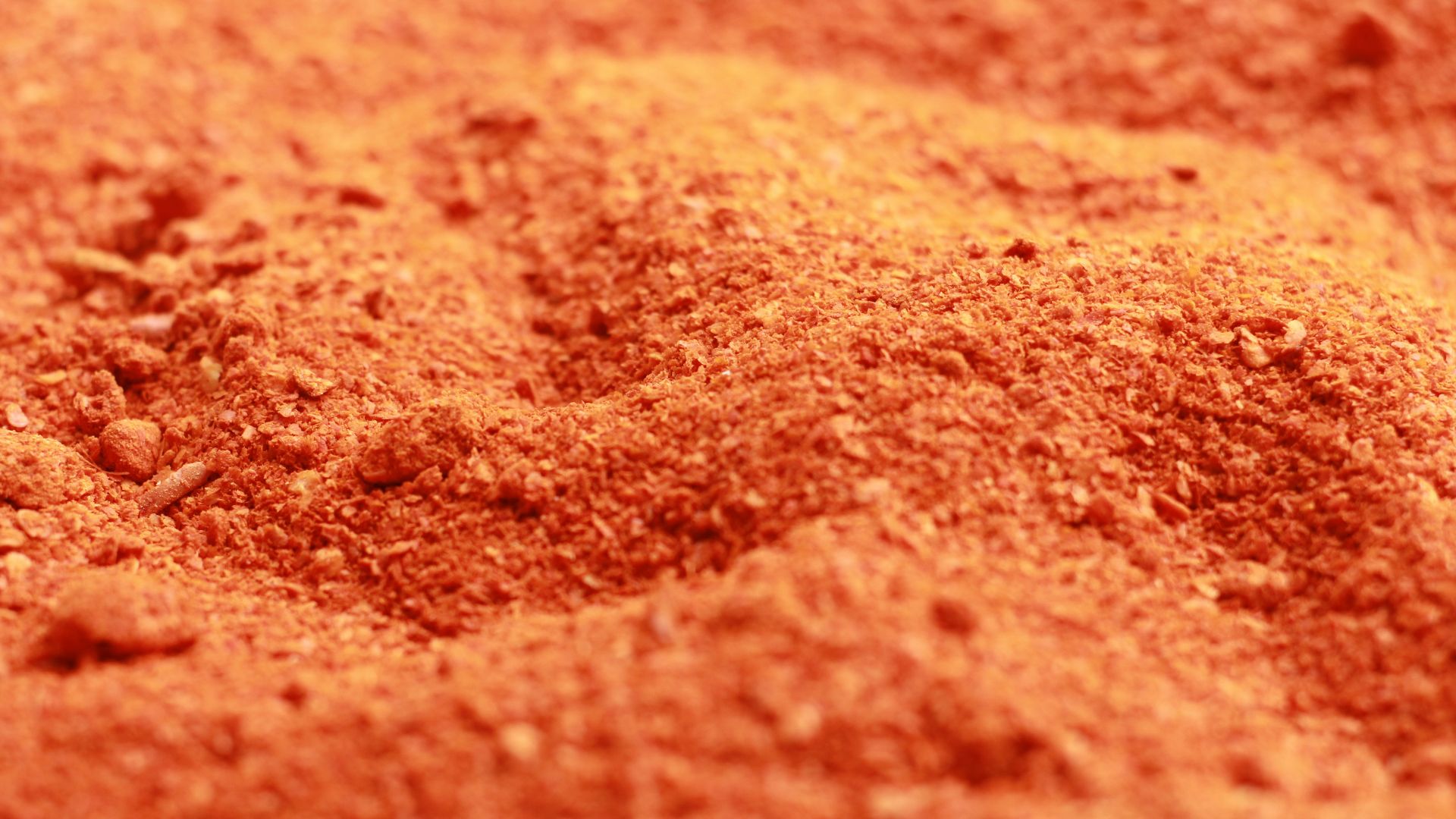
Paprika contributes color and a gentle pepper flavor without significant heat. It helps establish a base layer that prepares the palate for spicier ingredients later. Many stews, soups, and sauces benefit from this early addition. The result feels richer without becoming overwhelming.
3. Use Mild Green Chiles
Mild green chiles such as Anaheim peppers add a soft warmth and fresh flavor. They introduce chili character without dramatically increasing the heat level. Their versatility makes them useful in everything from casseroles to salsas. This is often the first true step into spicy territory.
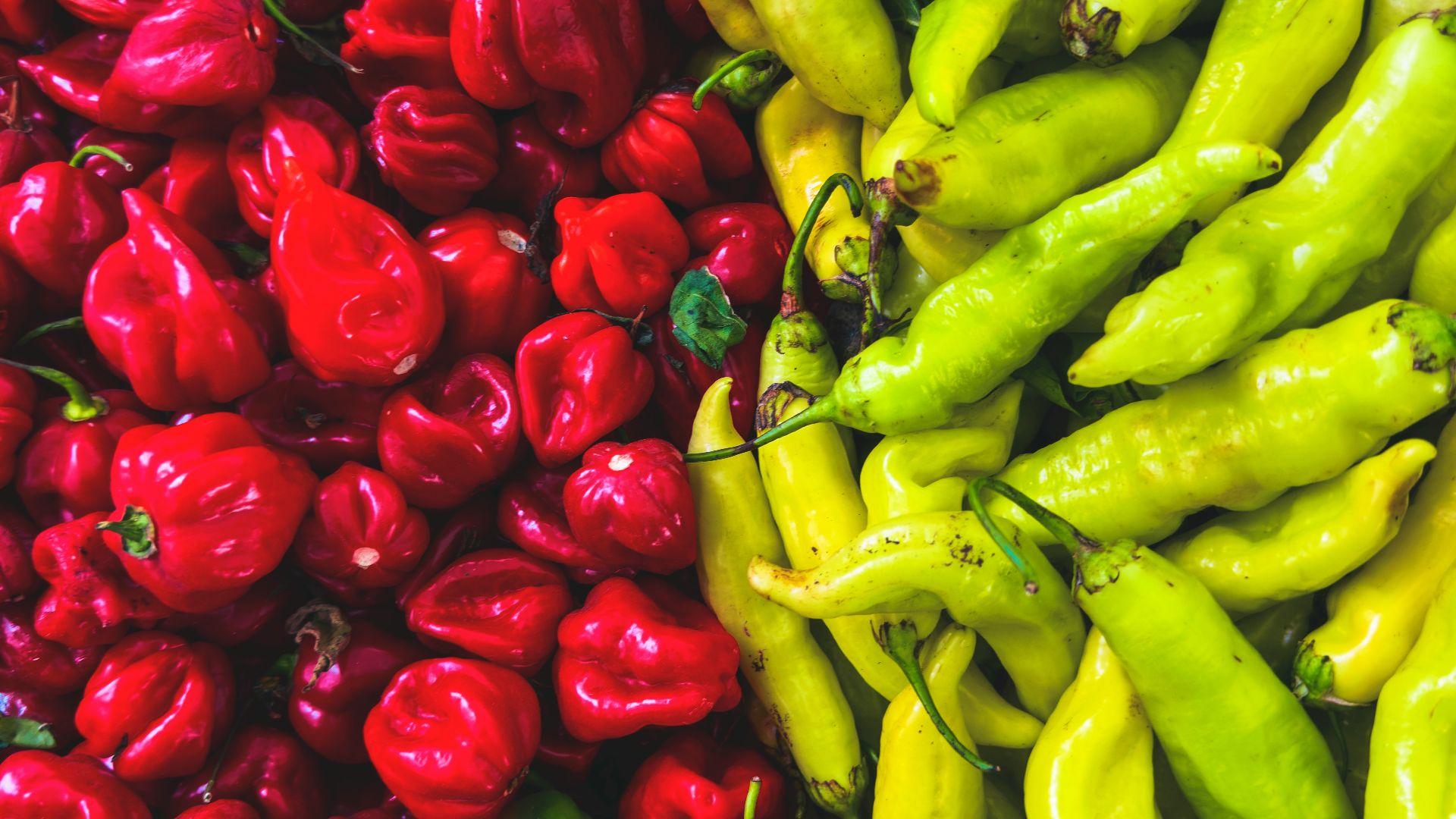
4. Incorporate Poblano Peppers
Poblanos are generally mild but offer more complexity than many basic peppers.
Their earthy flavor complements meats, vegetables, and grains particularly well. Roasting them before use can add additional depth. The heat remains approachable for most diners.
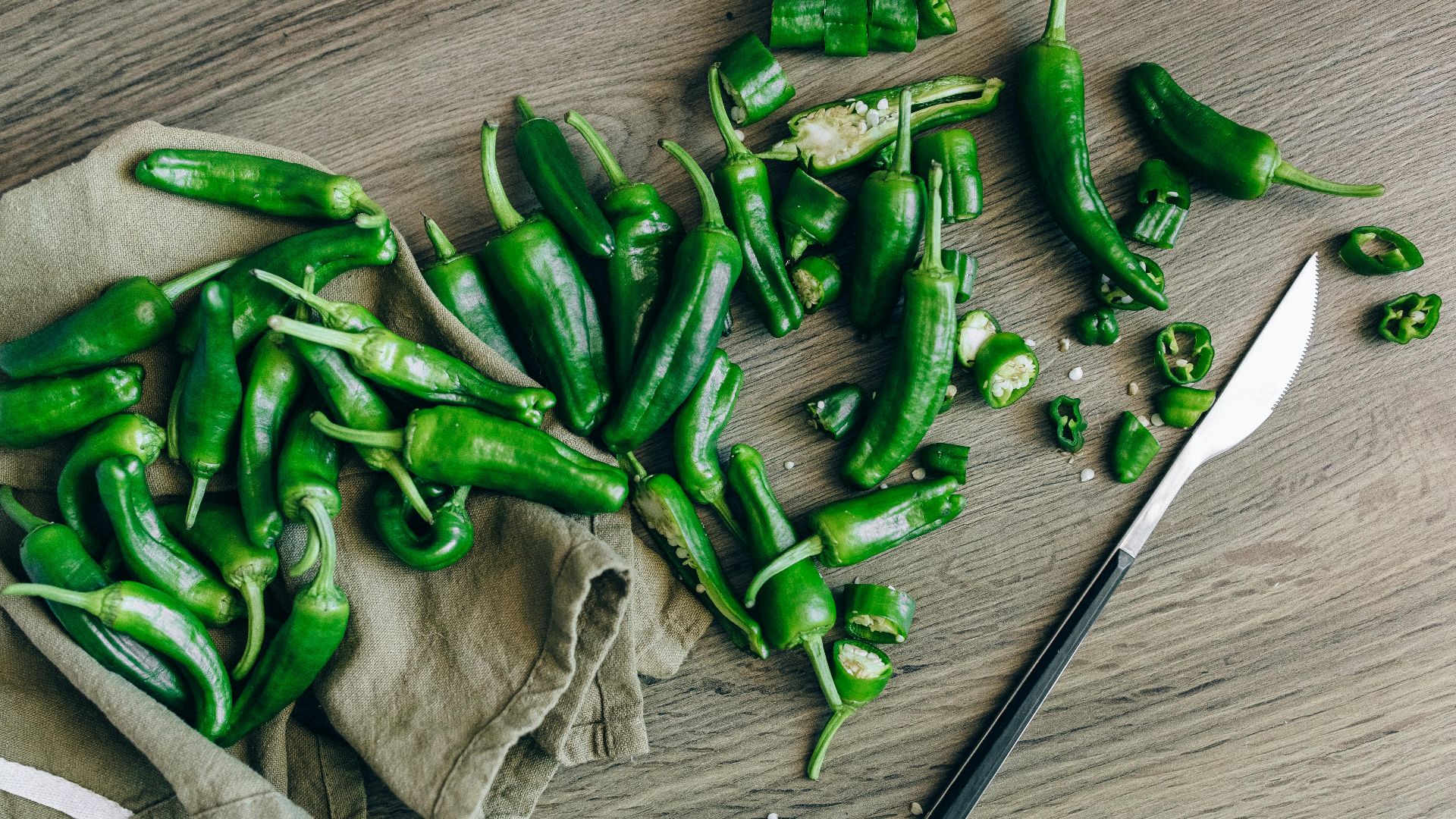
5. Add Crushed Red Pepper Flakes
Red pepper flakes allow you to increase heat gradually and precisely. A small pinch can make a noticeable difference without changing the dish's overall flavor profile. Because the flakes distribute throughout the food, the heat develops evenly. Many cooks rely on them for controlled adjustments.
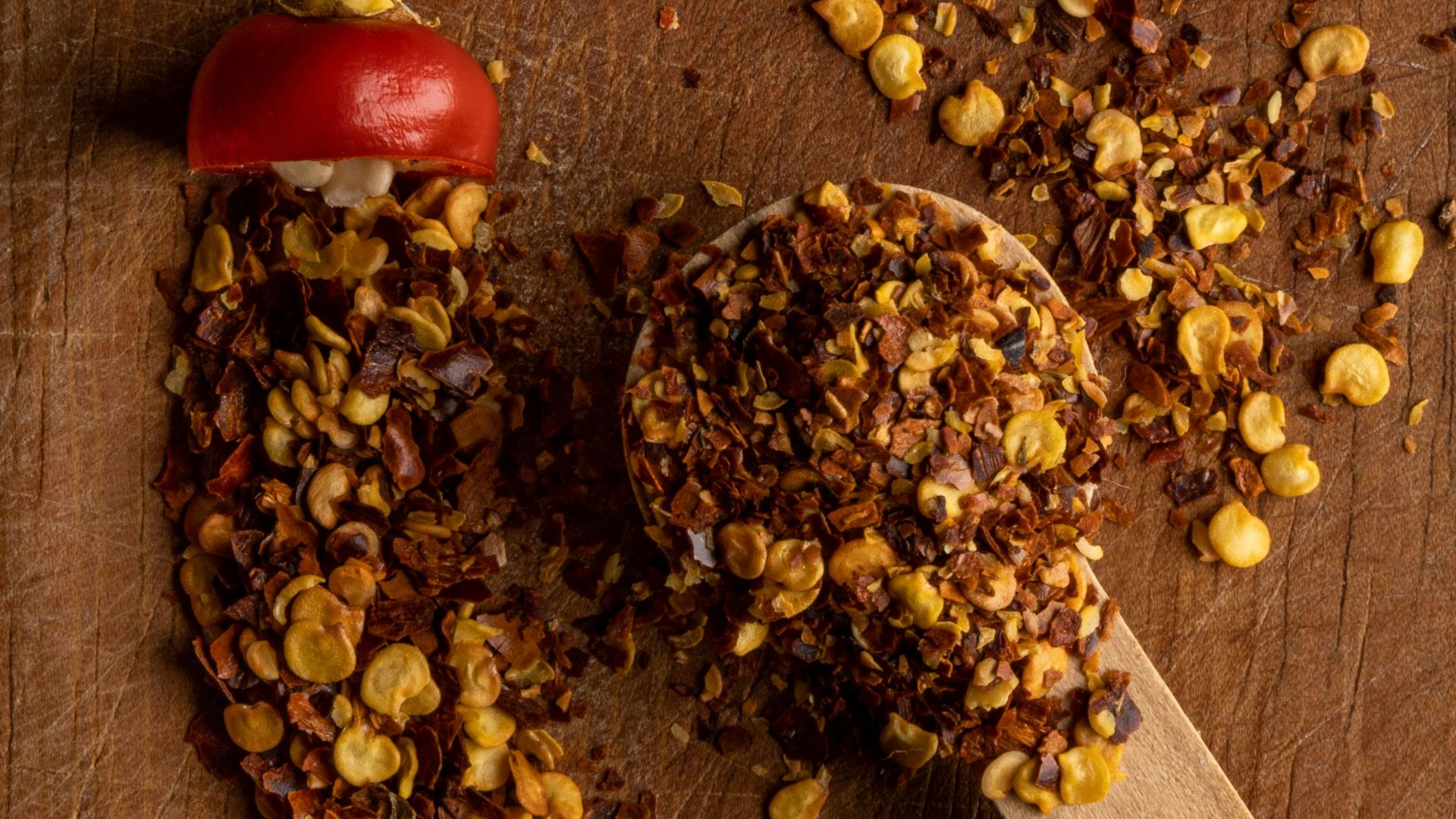
6. Stir In Chipotle Peppers
Chipotle peppers combine moderate heat with a distinctive smoky flavor. They add another dimension rather than simply making food hotter. Their richness works especially well in sauces, chili, and barbecue dishes. At this stage, the warmth becomes much more noticeable.
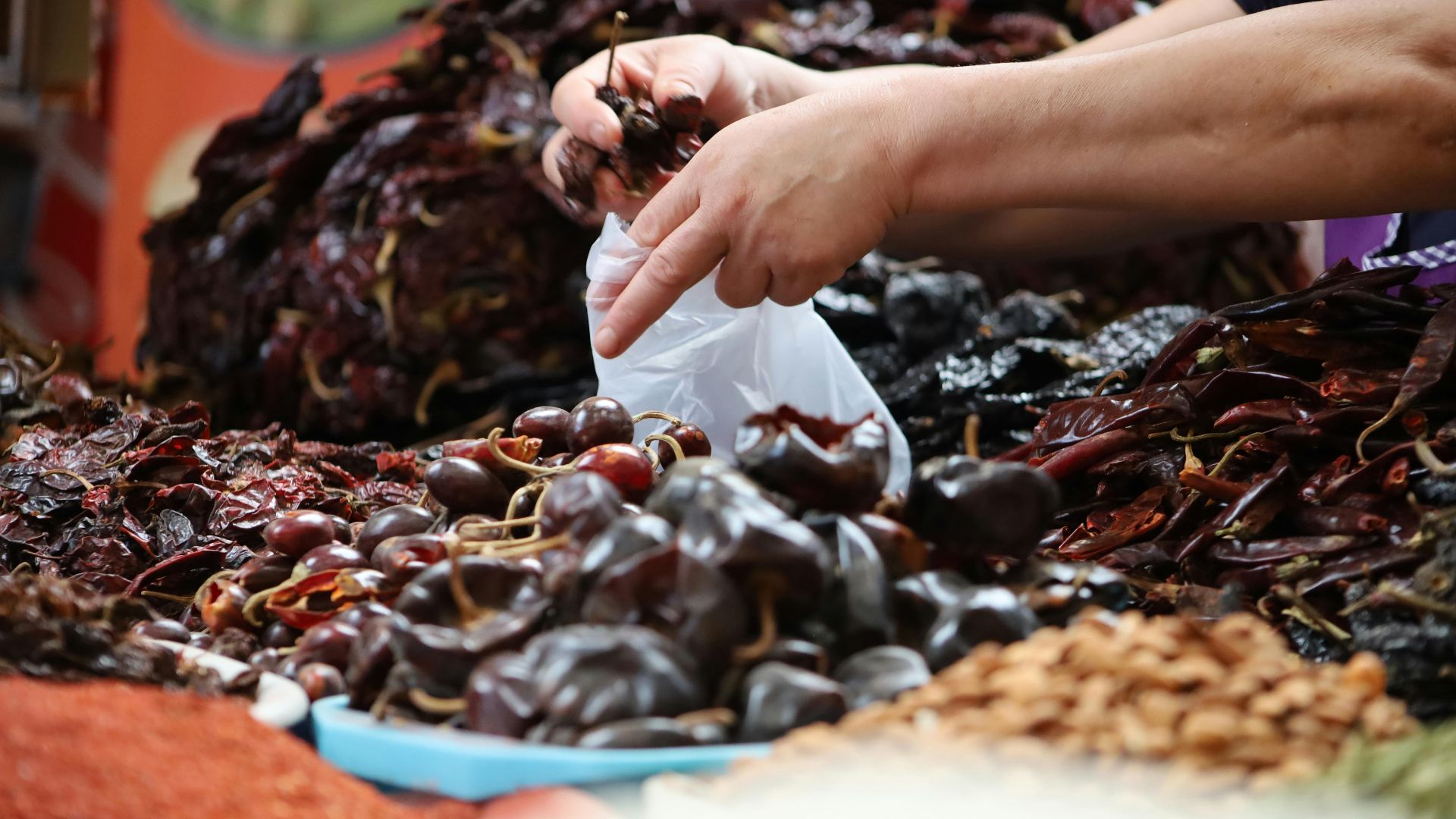
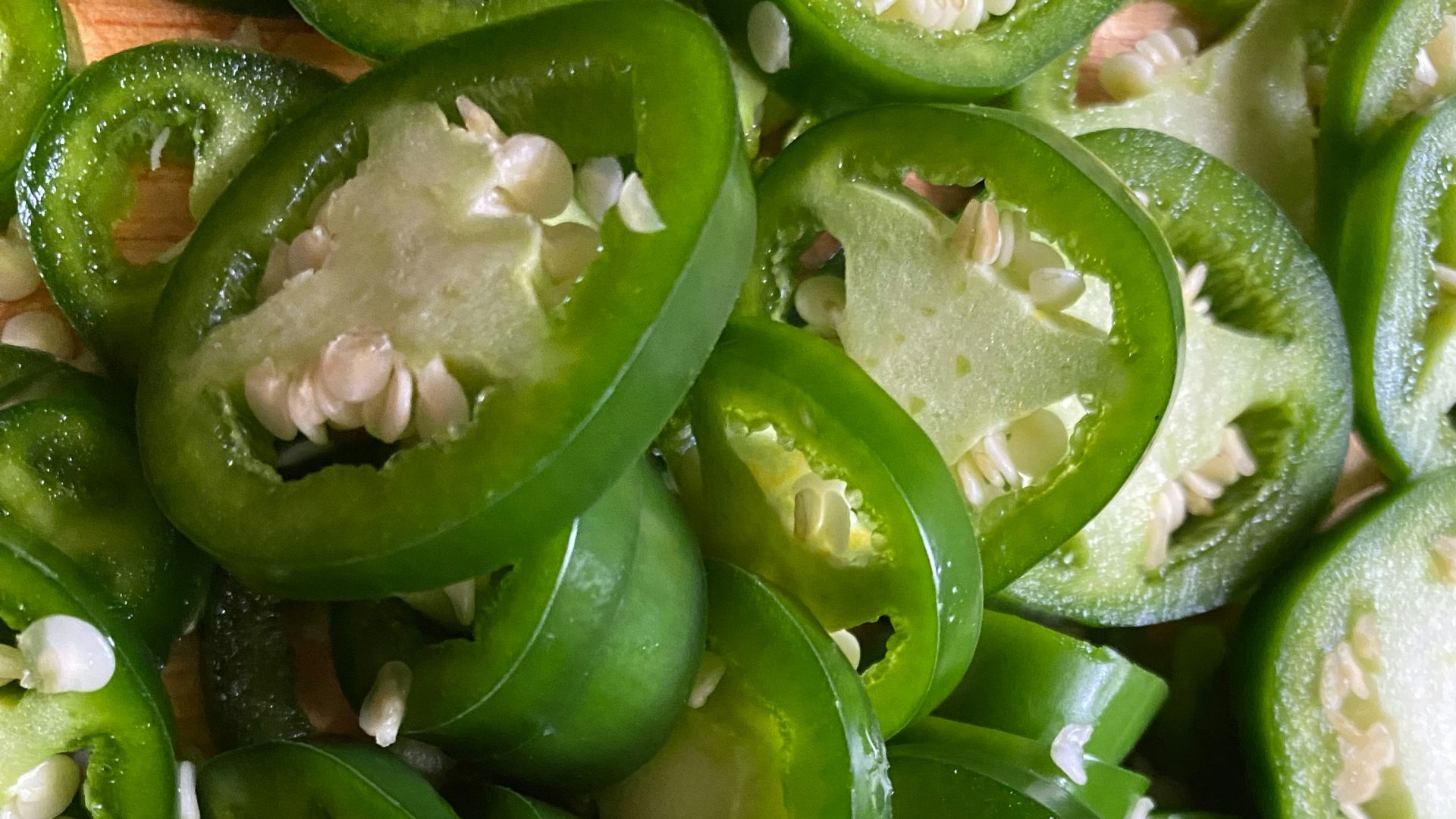
7. Introduce Jalapeños
Jalapeños offer a balance of fresh flavor and moderate spice. Removing the seeds and membranes reduces their intensity if desired. They can be used raw, roasted, or pickled, depending on the effect you're seeking. Their popularity comes from their versatility and manageable heat.
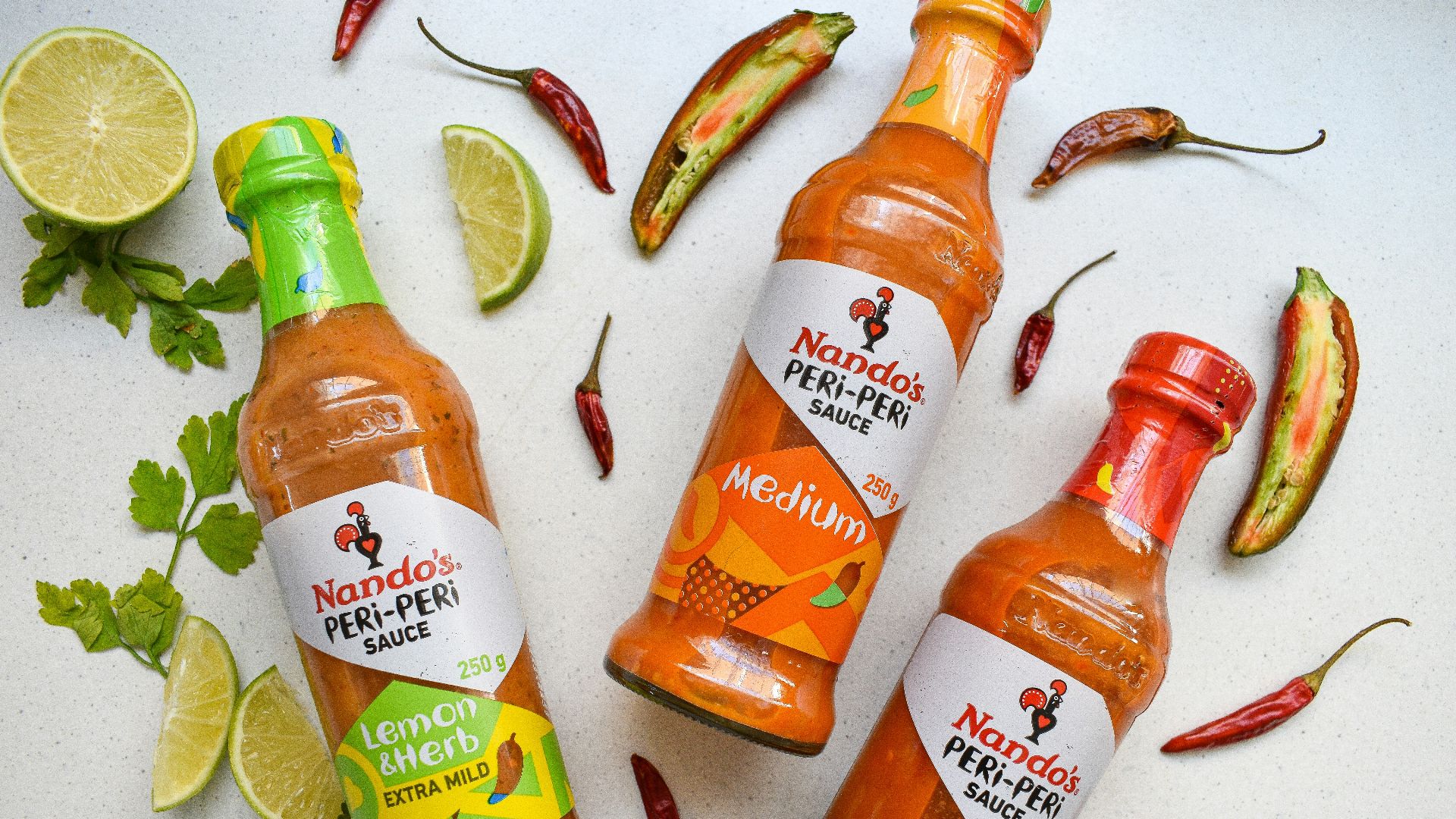
8. Add Hot Sauce In Small Doses
Hot sauce allows for precise control over spice levels. Different varieties contribute unique flavors alongside their heat. Adding it gradually prevents a dish from becoming too spicy too quickly. Many cooks use it as a finishing adjustment near the end of cooking.
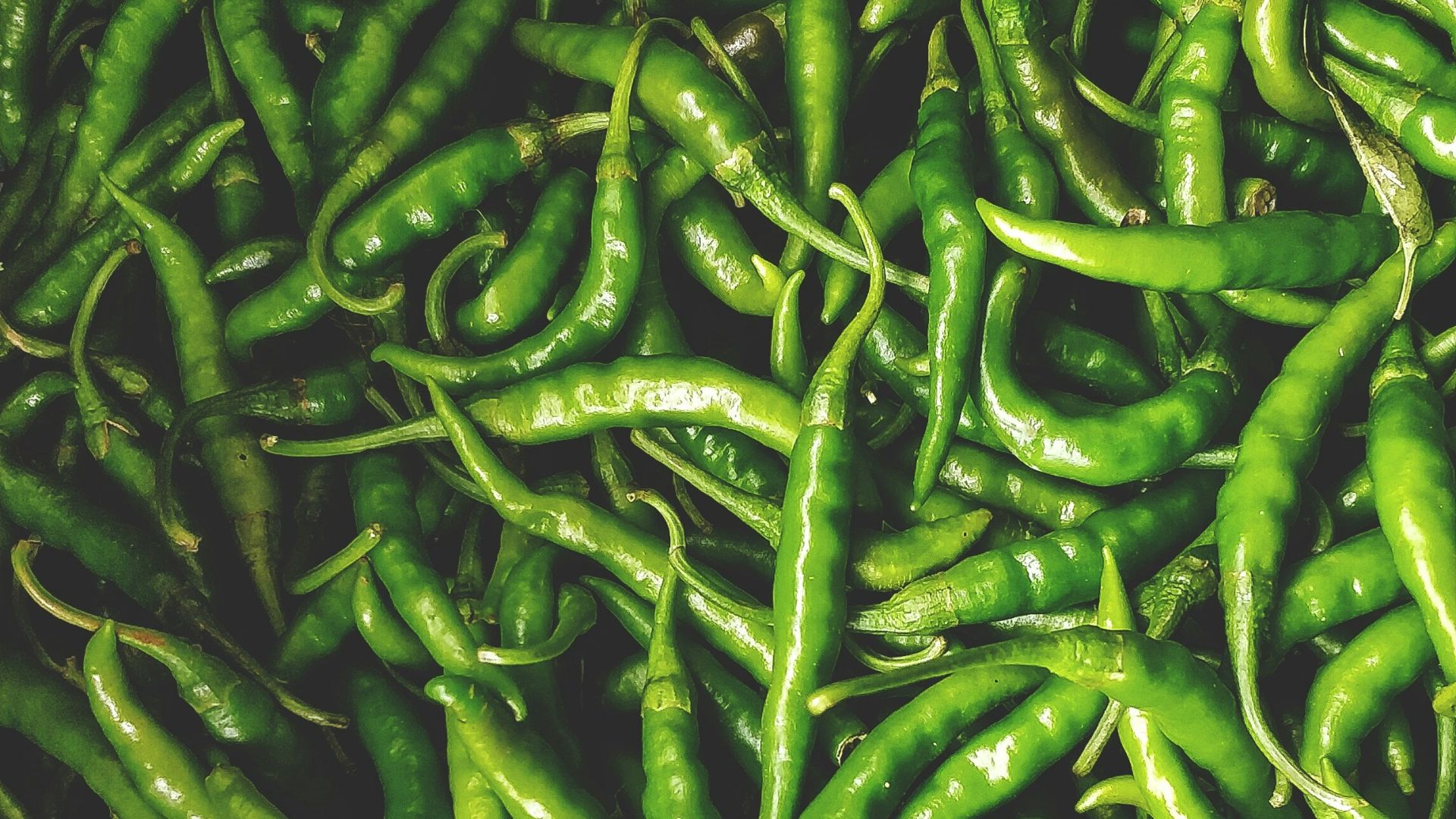
9. Use Serrano Peppers
Serrano peppers typically pack more heat than jalapeños while maintaining a bright, fresh taste. A small amount can noticeably elevate a dish.
They're especially popular in salsas and sauces. Their sharper bite signals a move into genuinely spicy territory.
10. Blend Multiple Chili Varieties
Combining different peppers creates complexity that a single variety can't achieve. One pepper may provide smokiness while another contributes brightness or lingering heat. This layered approach often produces a more balanced result. The dish becomes more interesting as well as hotter.
11. Cook With Cayenne Pepper
Cayenne is a straightforward way to increase spice levels significantly. A little goes a long way, making careful measurement important. It blends easily into soups, sauces, and dry rubs. Many spicy recipes rely on cayenne for dependable heat.
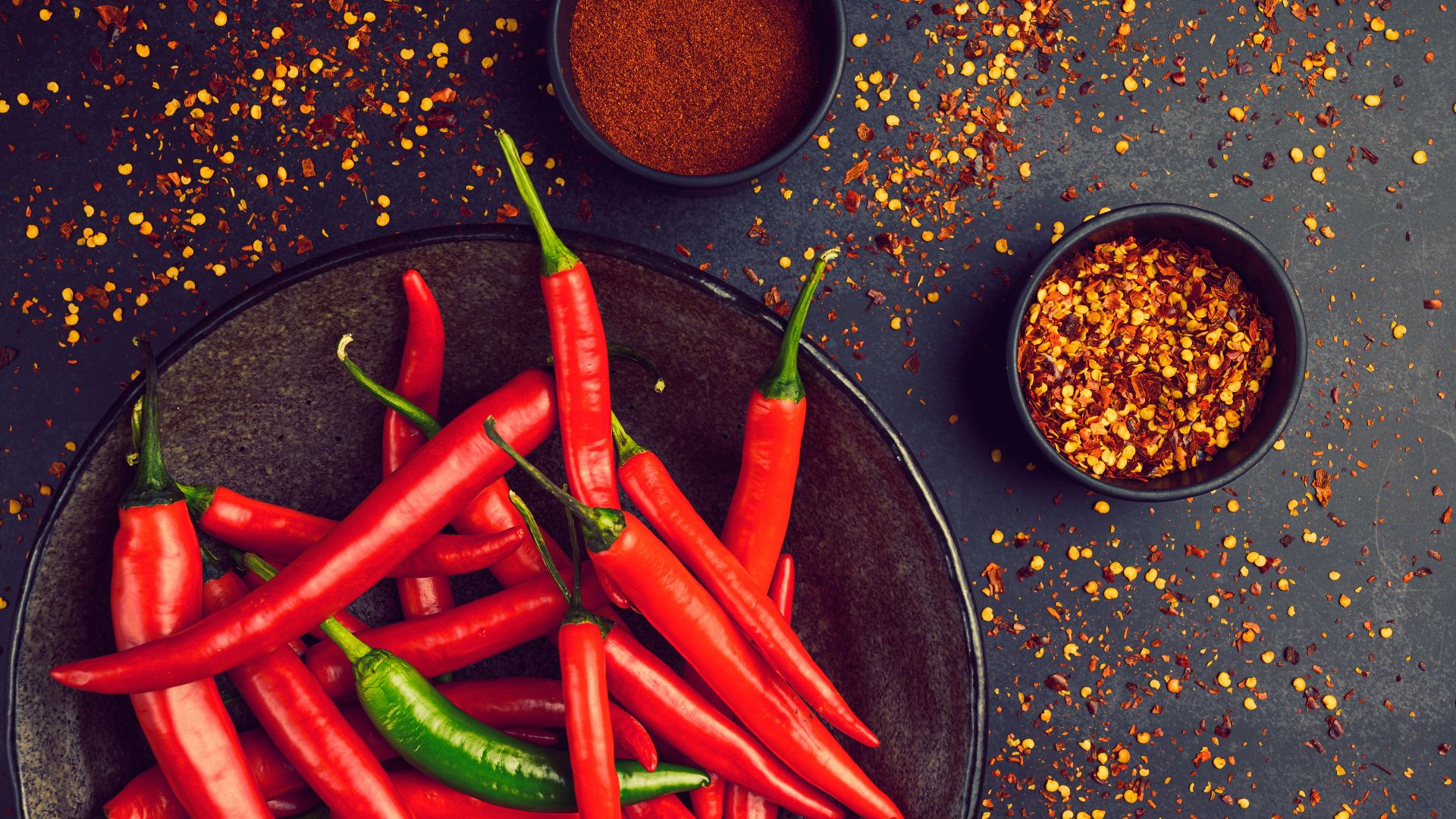
12. Add Fresh Thai Chiles
Thai chiles are small but surprisingly powerful. Their sharp heat arrives quickly and can transform an otherwise mild dish. Because of their potency, they're often used sparingly. Even experienced spice lovers tend to respect them.
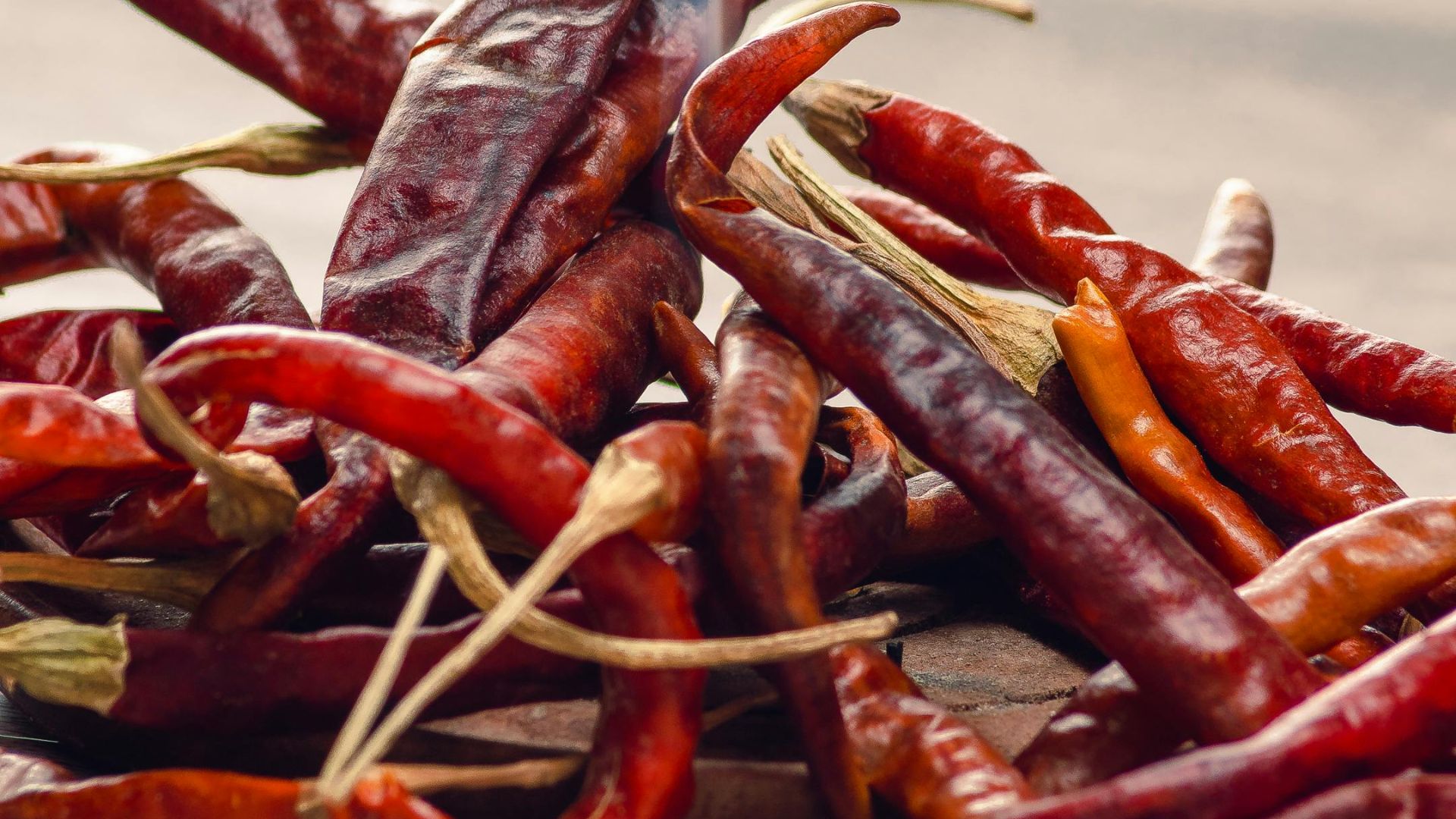
13. Use Chili Oils
Chili oils distribute heat evenly throughout a dish while adding richness. The oil carries spicy compounds effectively, creating a lingering warmth. Different preparations can range from moderate to very intense. A drizzle can dramatically alter the final result.
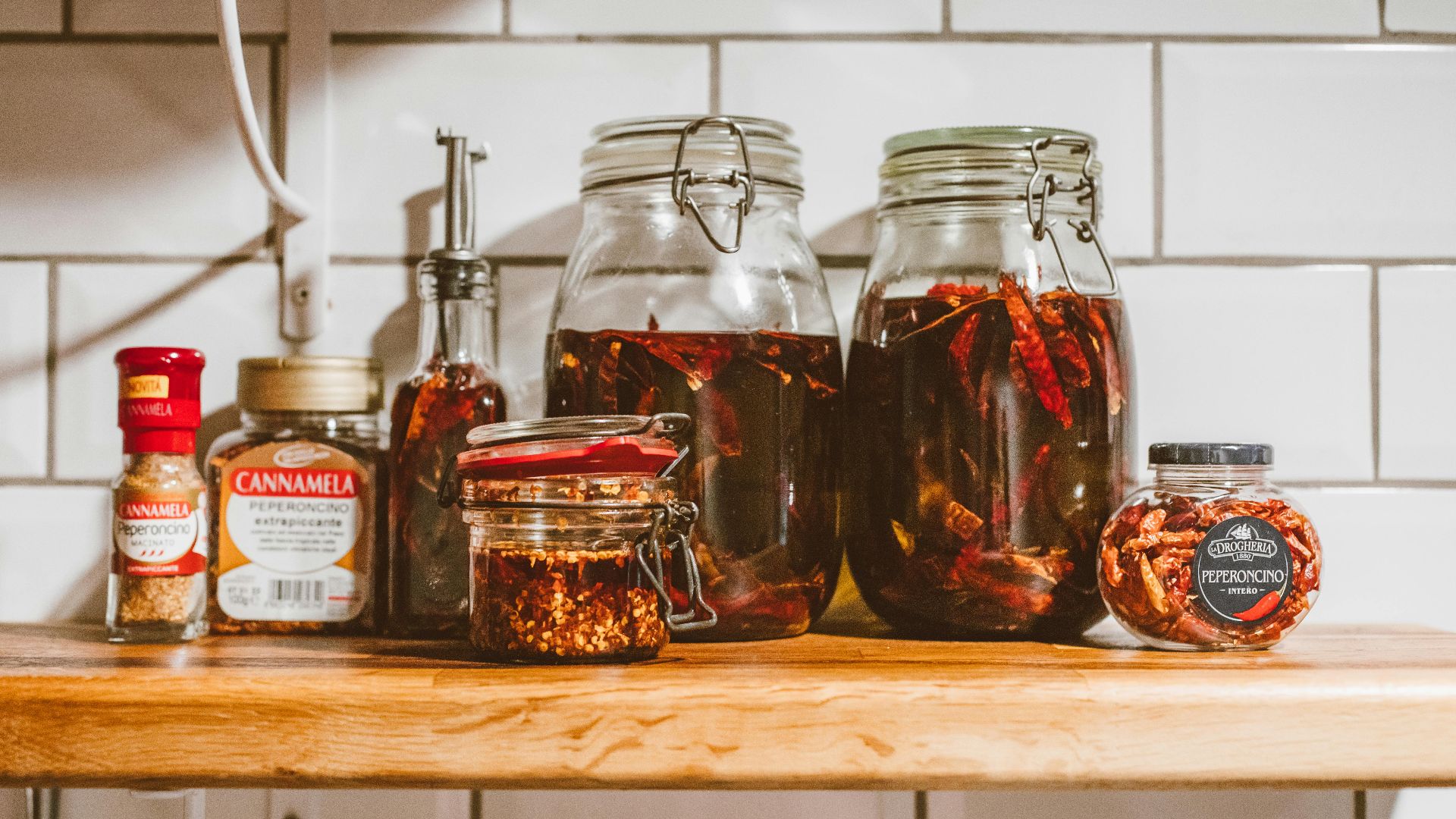
14. Incorporate Harissa
Harissa combines hot peppers with spices and aromatics to create a complex paste. It delivers both heat and depth of flavor. North African dishes frequently use it as a central ingredient.
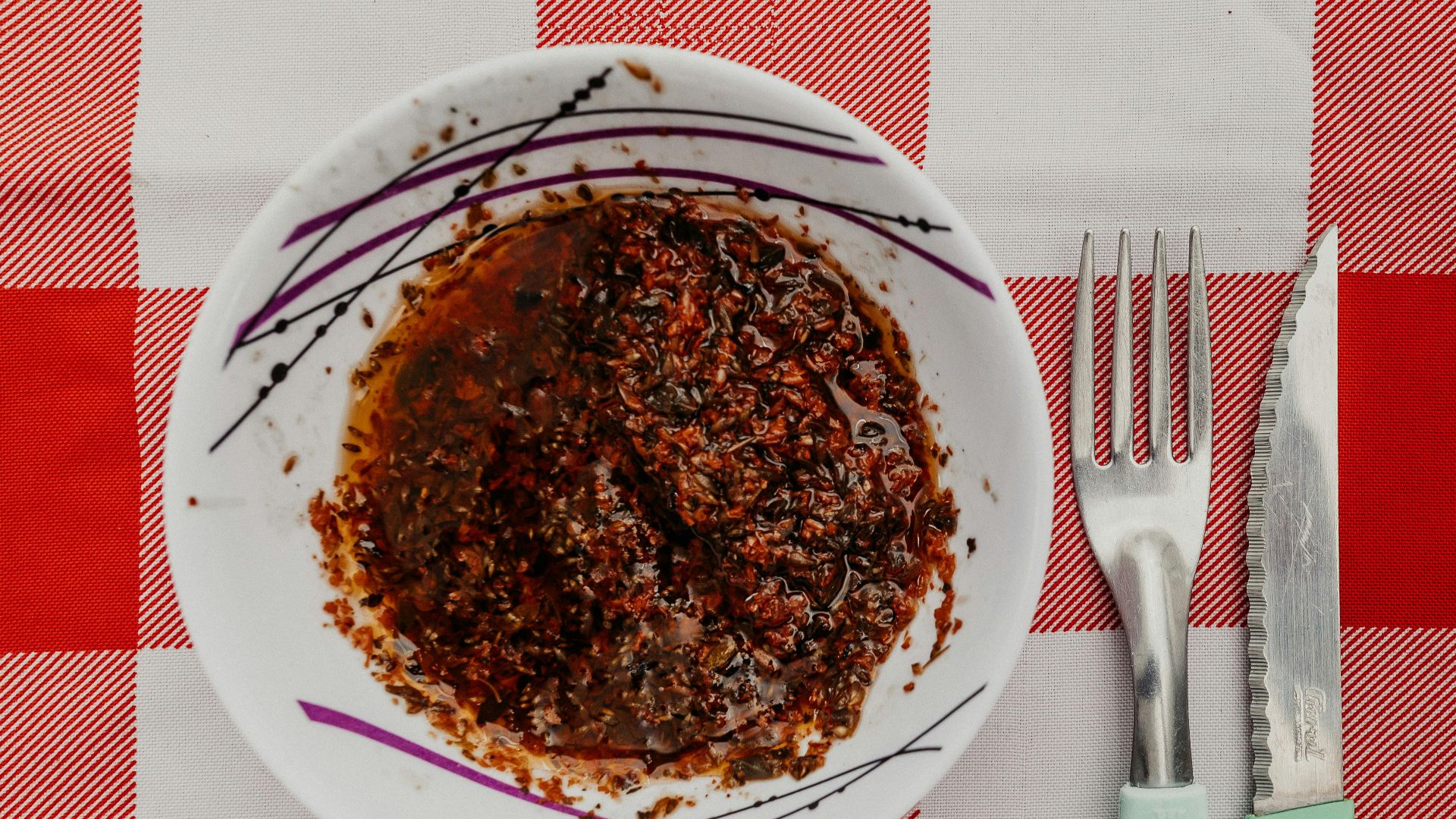
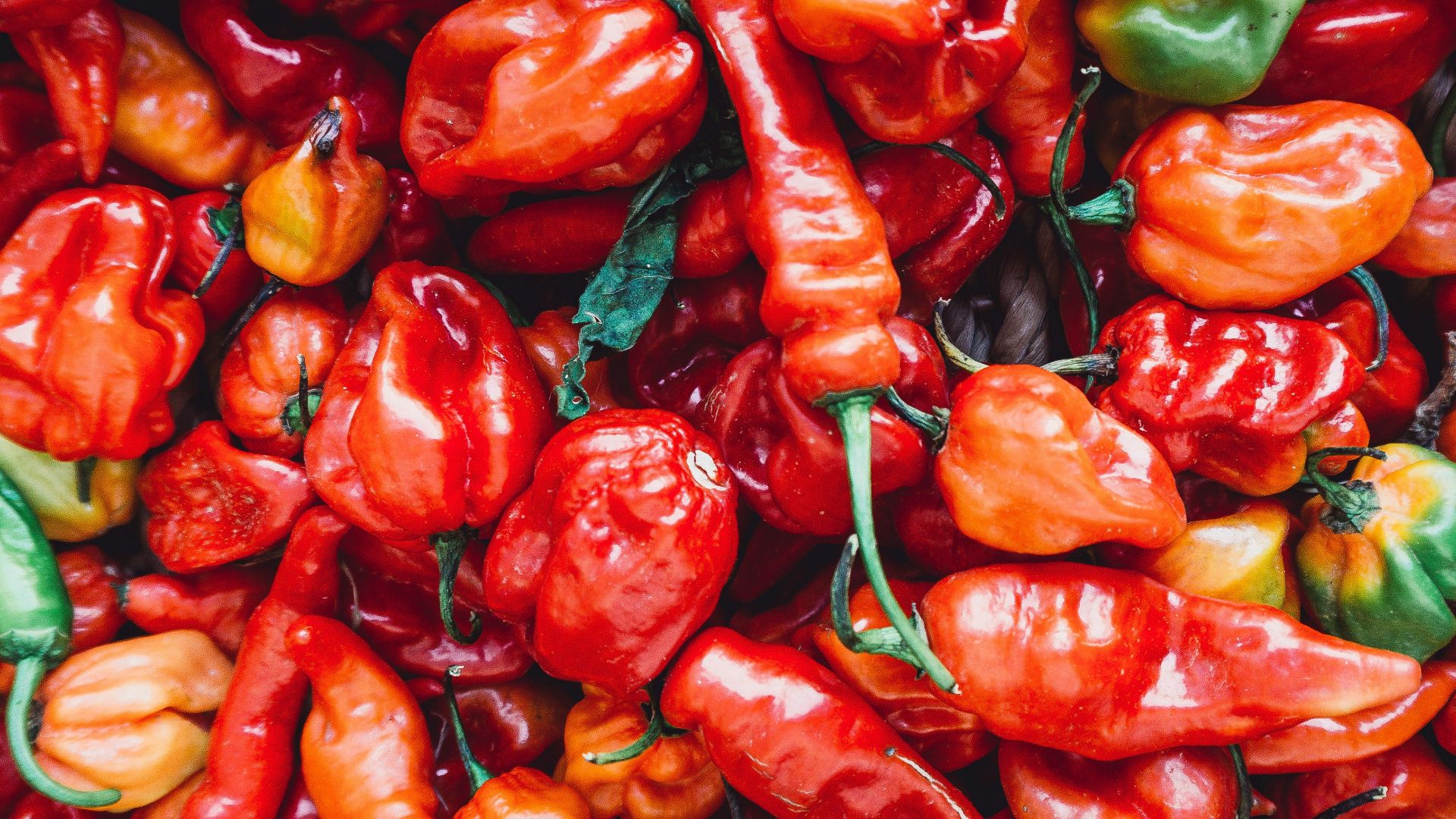
15. Add Habanero Peppers
Habaneros represent a significant jump in intensity compared to common cooking peppers.
Their fruity flavor remains noticeable despite their heat. Careful use allows cooks to take advantage of both characteristics.
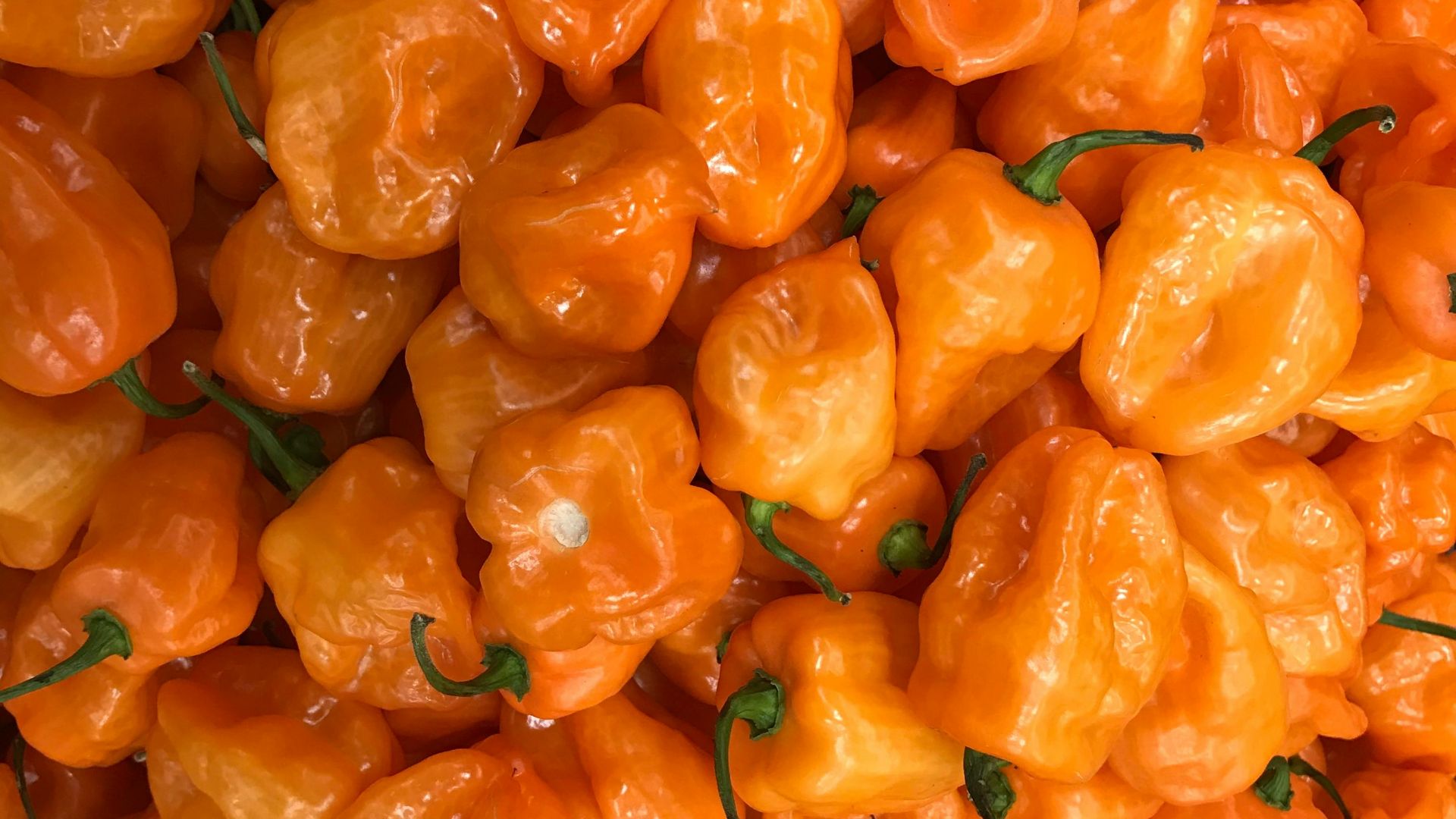
16. Use Scotch Bonnet Peppers Carefully
Scotch bonnets are closely related to habaneros and similarly powerful. They contribute a slightly sweet, fruity character alongside substantial heat. Caribbean cuisines often use them to great effect.
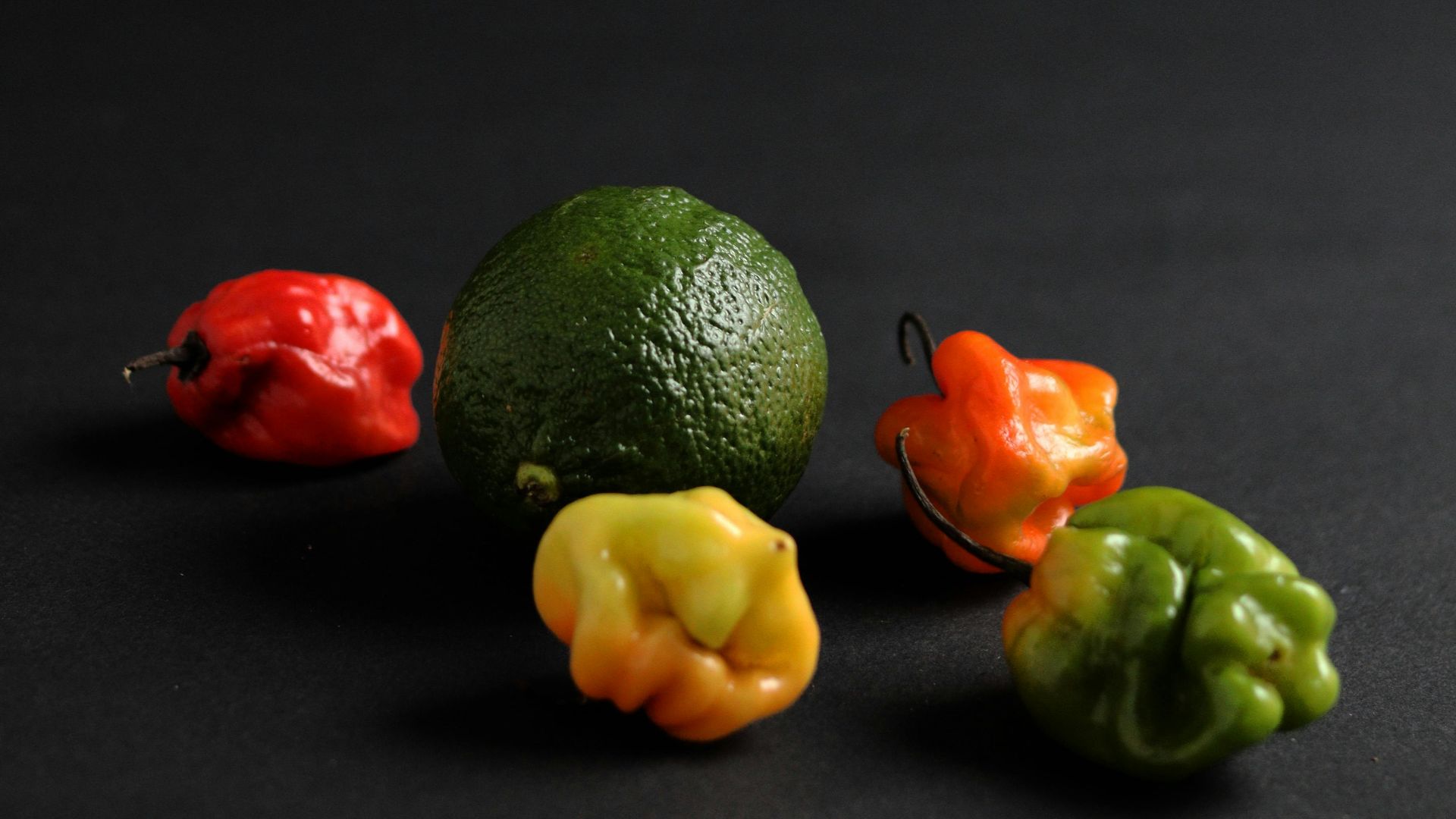
17. Layer Heat Throughout Cooking
Adding spicy ingredients at multiple stages creates a more complex experience. Some heat develops during cooking, while other elements remain sharp and fresh.
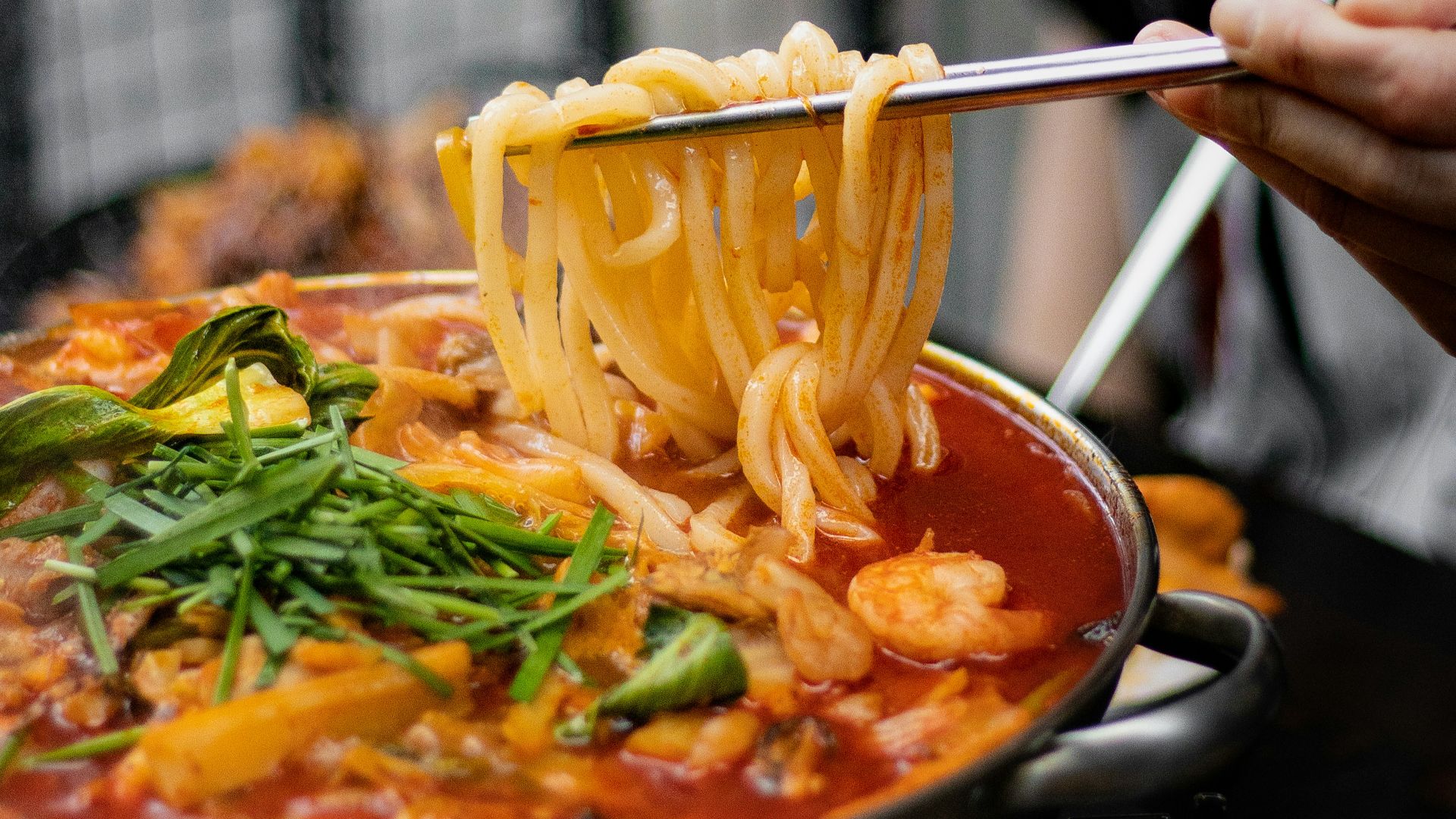
18. Finish With Fresh Hot Peppers
Fresh peppers added near the end of cooking retain more of their natural bite. They provide a different sensation than peppers that have simmered for hours. This finishing touch can elevate a dish's overall spice level considerably.
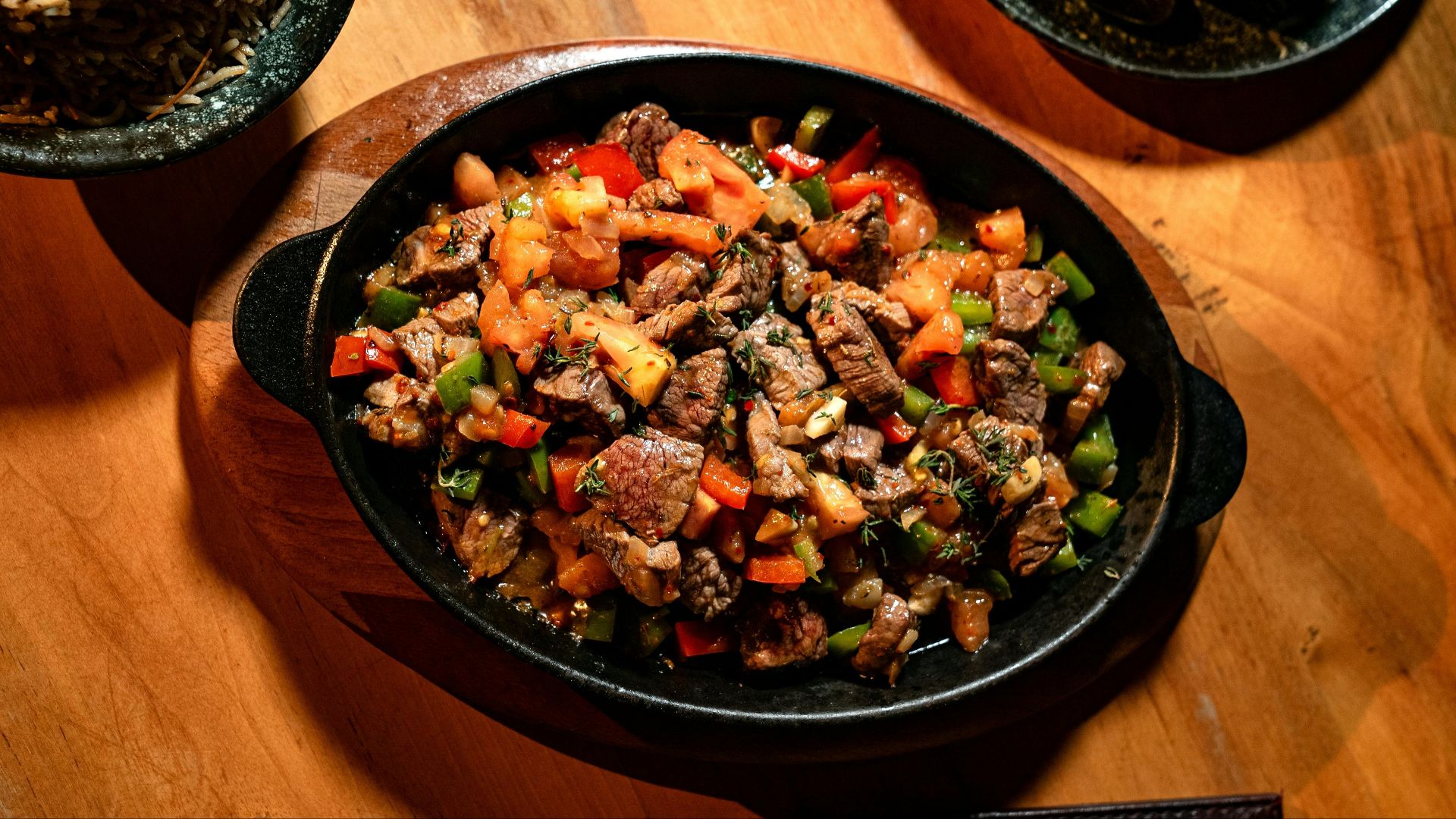
19. Use Ghost Pepper Extremely Carefully
Ghost peppers rank among the hottest peppers commonly used in cooking. Even tiny amounts can dramatically increase a dish's intensity. Most recipes use them sparingly to avoid overwhelming other flavors.
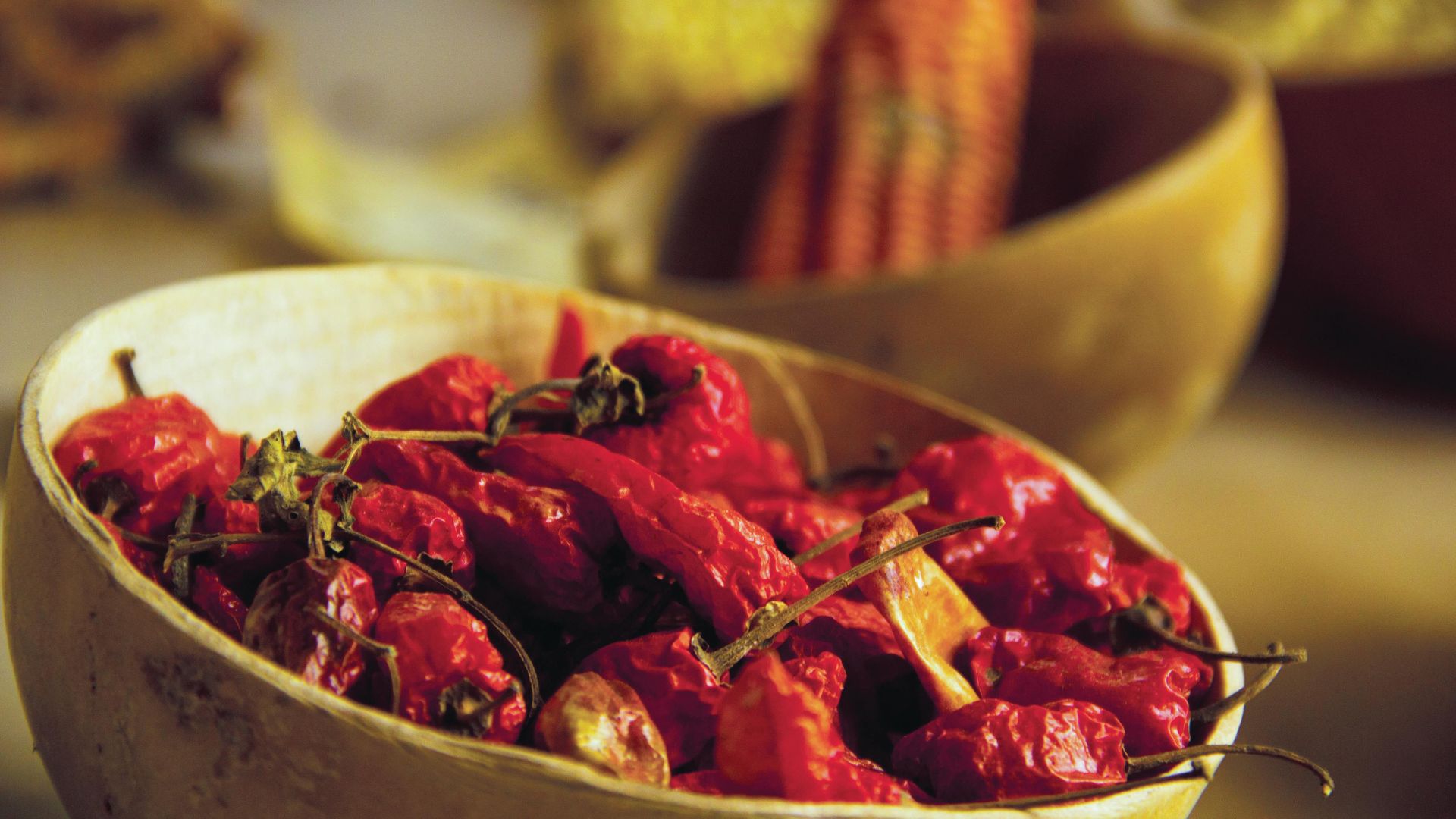
20. Build Around Carolina Reaper Peppers For Extreme Heat
The Carolina Reaper is one of the hottest peppers ever cultivated. Its heat is so intense that it must be handled with exceptional care. Successful use requires balancing the pepper with other flavors rather than relying on sheer intensity alone.
KEEP ON READING
20 Foods With Shocking Origins You'd Never Believe
20 Food Requests Only Spoiled People Ask For


Do Vitamin Supplements Actually Make You Healthier?