10 Unhealthy Ingredients to Never Add in Your Omelette & 10 Healthier Ones to Always Put
10 Unhealthy Ingredients to Never Add in Your Omelette & 10 Healthier Ones to Always Put
A Better Omelette Starts with Better Choices
An omelette can be one of the easiest breakfasts to make (that is, as long as you're using enough eggs and a reliable pan), but the stuffing you fold into it matters just as much as the outside layer. If you're not careful, a few add-ins can turn it into a heavy, salty meal that leaves you feeling sluggish, while smarter choices can make it more filling and balanced. Here are 10 unhealthy ingredients to never put in your egg blanket and 10 better ones to add.
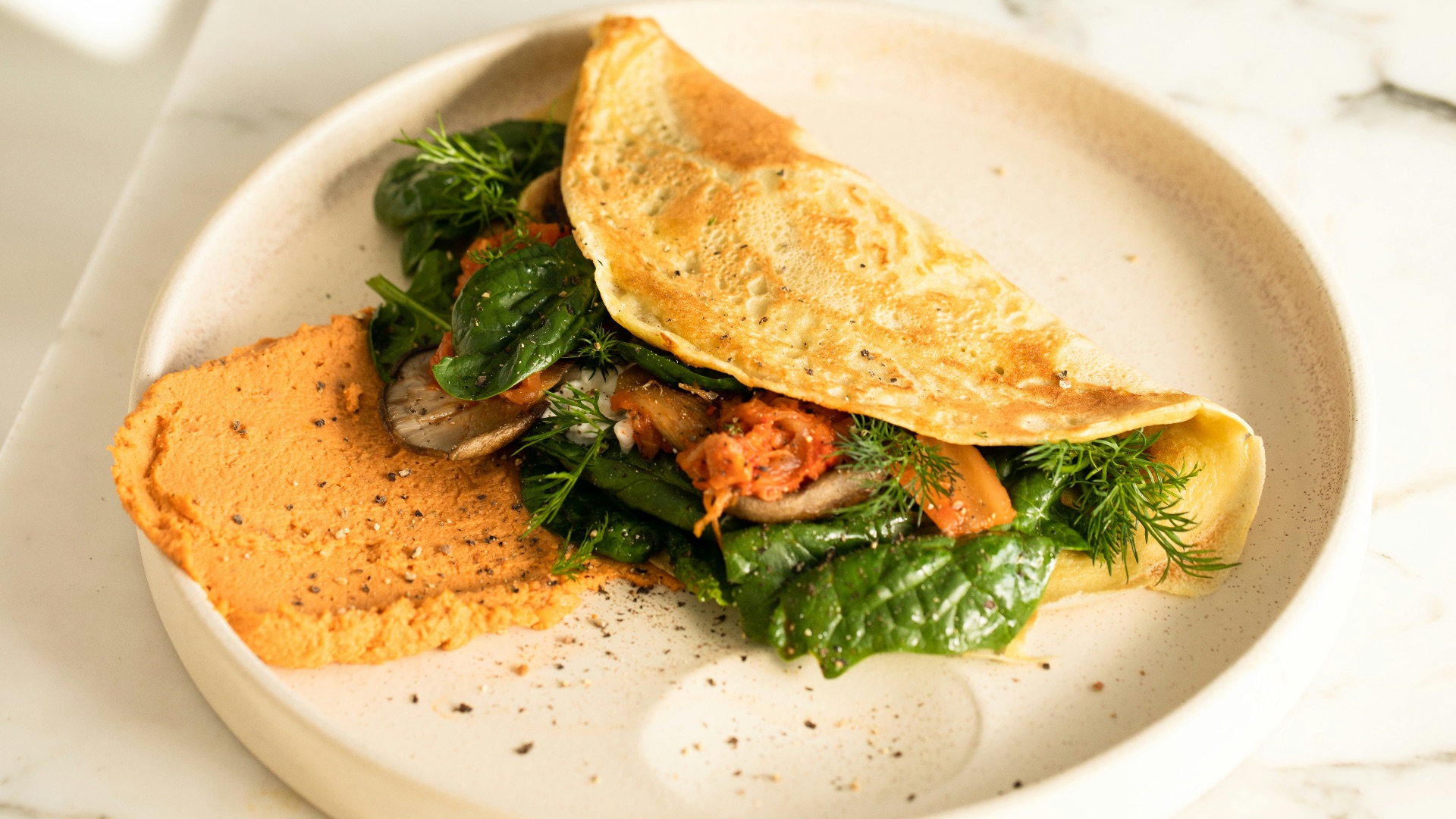 Bakd&Raw by Karolin Baitinger on Unsplash
1. Bacon
Bacon may taste familiar in a breakfast omelette, but it brings a lot of saturated fat and sodium into a meal that doesn’t need much help becoming savory. Processed meats are also something most people are better off limiting rather than treating as an everyday add-in. If you love that smoky flavor, you can get a lighter result by using spices, roasted vegetables, or a small amount of a leaner protein instead.

2. Breakfast Sausage
Breakfast sausage can make an omelette feel filling, but it often does that by adding excess fat, salt, and preservatives. Many versions are made from fattier cuts of meat, which can push the meal away from balanced and into heavy territory quickly. You don’t have to give up protein in your omelette, but choosing lean turkey, chicken, beans, or tofu is a smarter way to get it.

3. Ham or Deli Meat
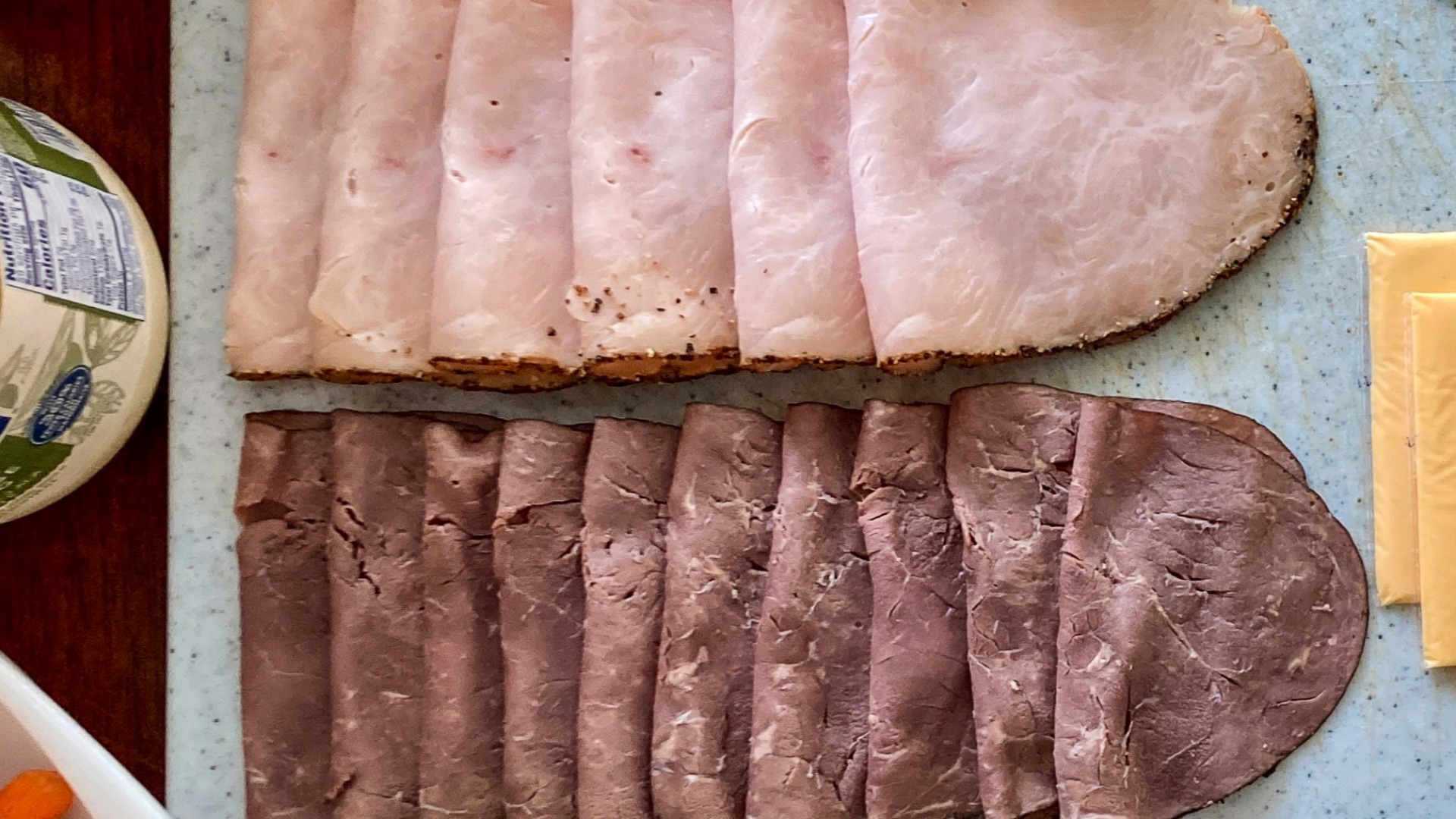
Ham and deli meats might seem convenient because they’re already cooked, but they’re usually high in sodium and often processed with additives. Adding them to eggs, cheese, and other salty ingredients can make the whole dish far saltier than you realize. A better approach is to use leftover cooked chicken, fresh vegetables, or herbs when you want flavor without turning the omelette into a sodium-heavy breakfast.
4. Too Much Full-Fat Cheese
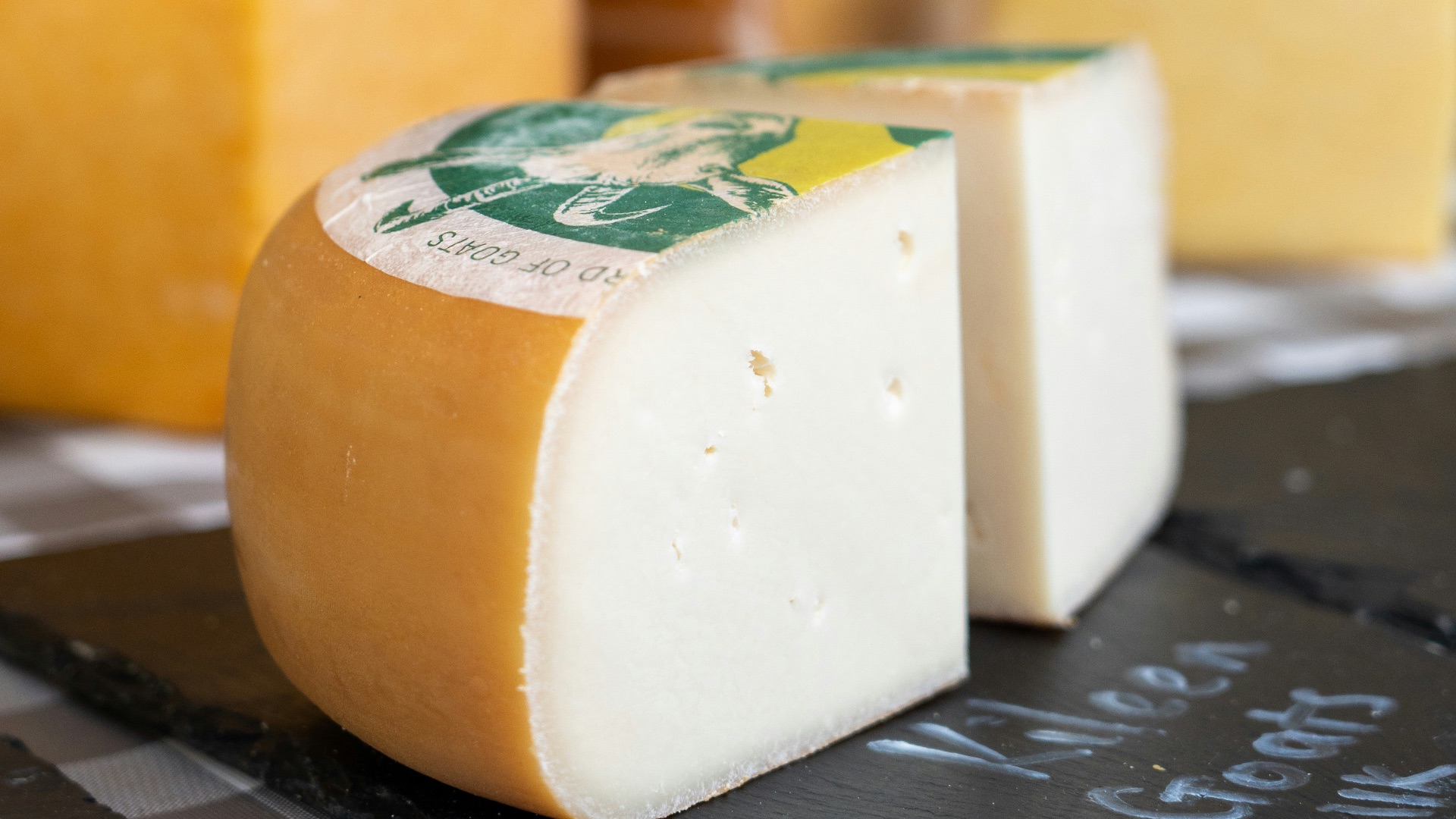
Cheese can absolutely have a place in an omelette, but piling it on can add a lot of saturated fat in just a few bites. The problem usually isn’t a sprinkle; it’s when cheese becomes the main filling instead of a flavorful accent. Using a smaller amount of a sharper cheese can give you plenty of taste without making the omelette feel greasy or overly rich.
5. Cream Cheese
Cream cheese melts nicely into eggs, but it doesn’t offer the same nutritional value as many other fillings. It’s typically high in saturated fat while being low in protein compared with options like cottage cheese, Greek yogurt, or lean proteins. If you want creaminess, avocado or a spoonful of plain Greek yogurt after cooking can give you a better balance.

6. Hashbrowns & Fried Potatoes
Potatoes themselves aren’t the issue, but hashbrowns or fried potatoes can bring extra oil, salt, and calories into an omelette before you even add anything else. When they’re cooked until greasy or paired with cheese and processed meat, the omelette becomes more like a diner platter than a nourishing breakfast. Roasted sweet potatoes or lightly sautéed diced potatoes are better choices when you want something hearty.

7. Sugary Sauces
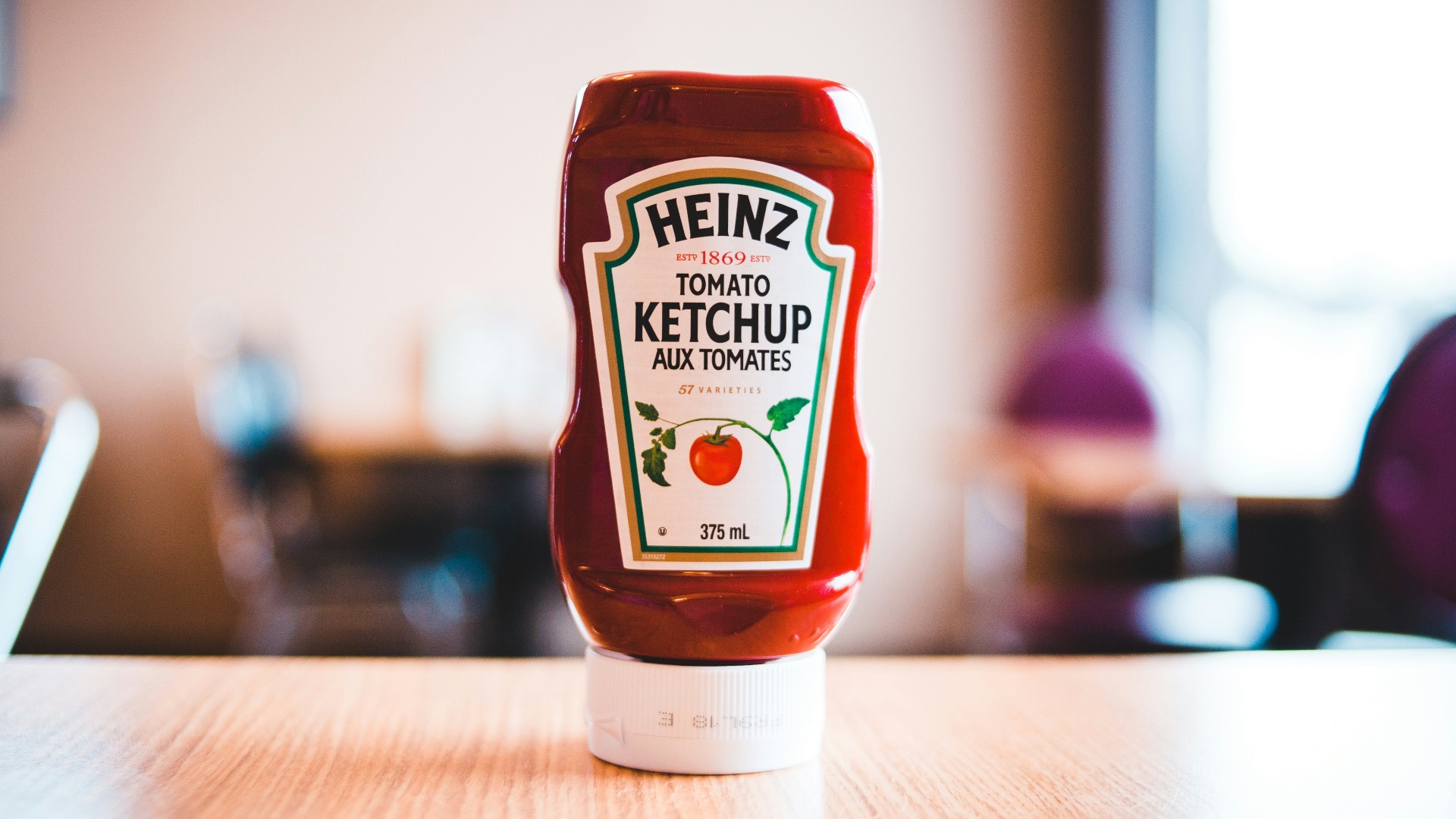
Sweet chili sauce, sugary ketchup, and some bottled breakfast sauces can add more sugar than you’d expect to an otherwise savory dish. They may seem harmless because you’re only using a small drizzle, but the flavor can also make you crave more salt and richness with the meal. Salsa, hot sauce with lower sodium, or fresh tomato relish can give your omelette brightness without the added sugar.
8. Margarine with Hydrogenated Oils
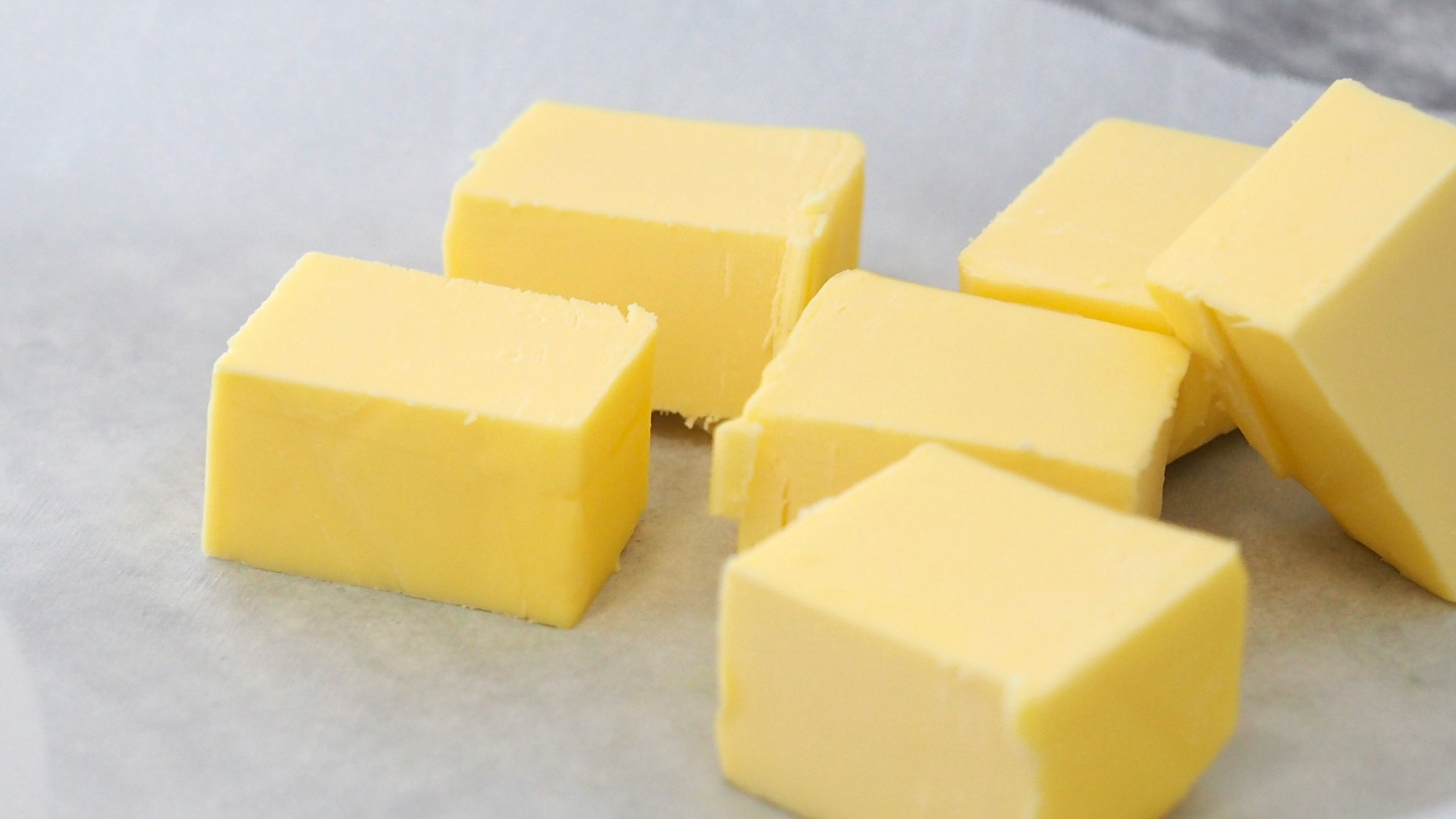
Some margarines and spreads still contain ingredients you’re better off avoiding, especially if they include hydrogenated or partially hydrogenated oils. These products can add unhealthy fats without improving the flavor enough to be worth it. When cooking an omelette, a small amount of olive oil or avocado oil is usually a better option.
9. Pepperoni
Pepperoni might make an omelette taste more like pizza, but it’s still a processed meat that tends to be high in sodium and saturated fat. It can also overpower the eggs, so you end up tasting mostly salt and spice instead of the fresher ingredients. If you want a bolder flavor, try mushrooms, roasted red peppers, onions, or herbs instead.

10. Processed American Cheese Slices
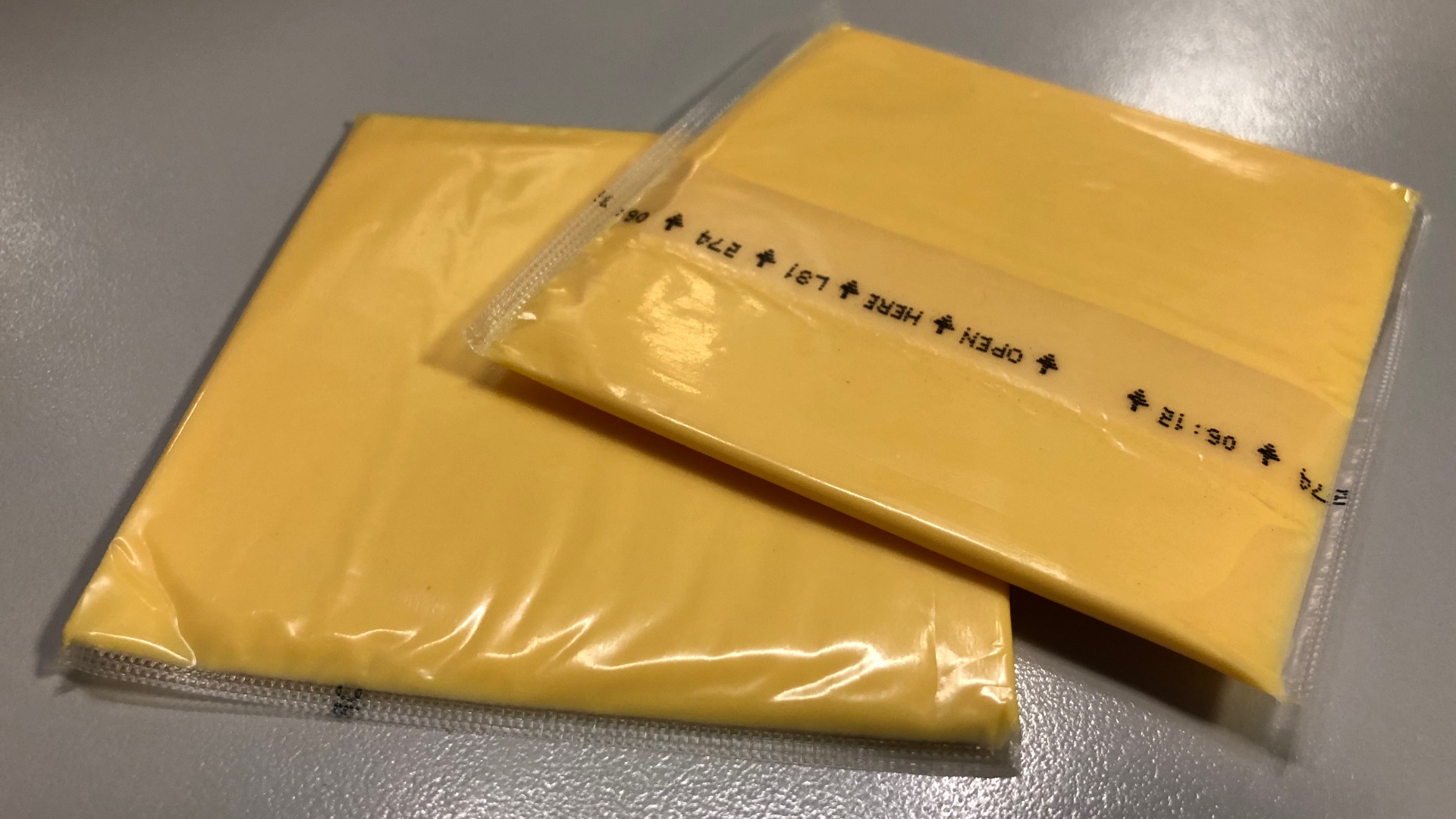
Processed American cheese slices melt easily, but they often bring extra sodium, additives, and less nutritional value than more traditional cheeses. They can also make an omelette taste overly salty, especially if you’re already using eggs, meat, or seasoned vegetables. While you don't want to overdo the cheese, it's still a better option to use a small amount of sharp cheddar or feta so you get a stronger flavor.
Now that you know what not to put in your omelette, let's take a look at some healthier and more satisfying fillings. In fact, the best ingredients often bring more color and freshness than the ones you constantly reach for.
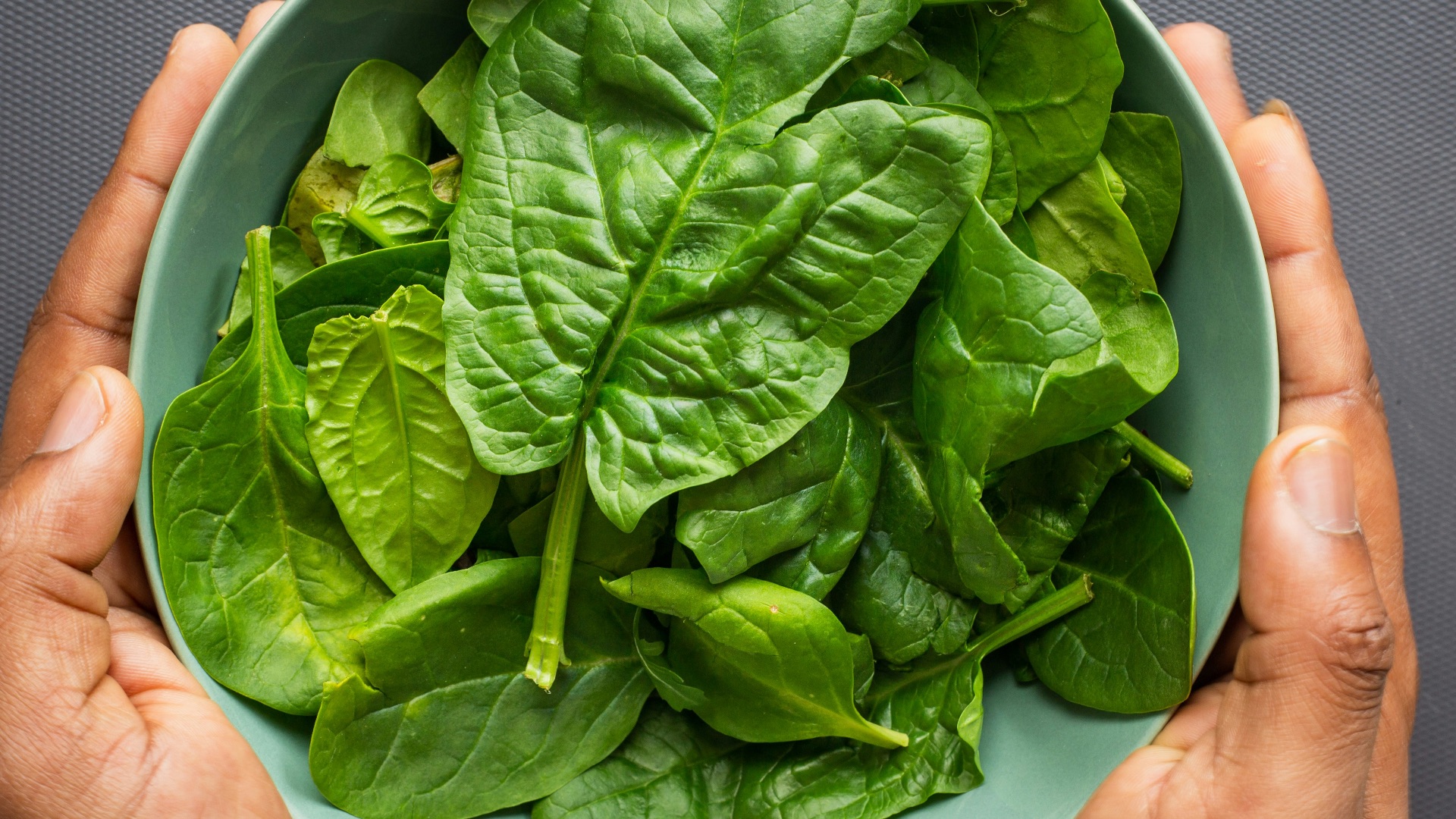
1. Spinach
Spinach is one of the easiest greens to add to an omelette because it cooks down quickly and blends well with eggs. It brings vitamins, minerals, and a fresh taste without adding many calories. For the best texture, add it near the end of cooking so it wilts without becoming watery.
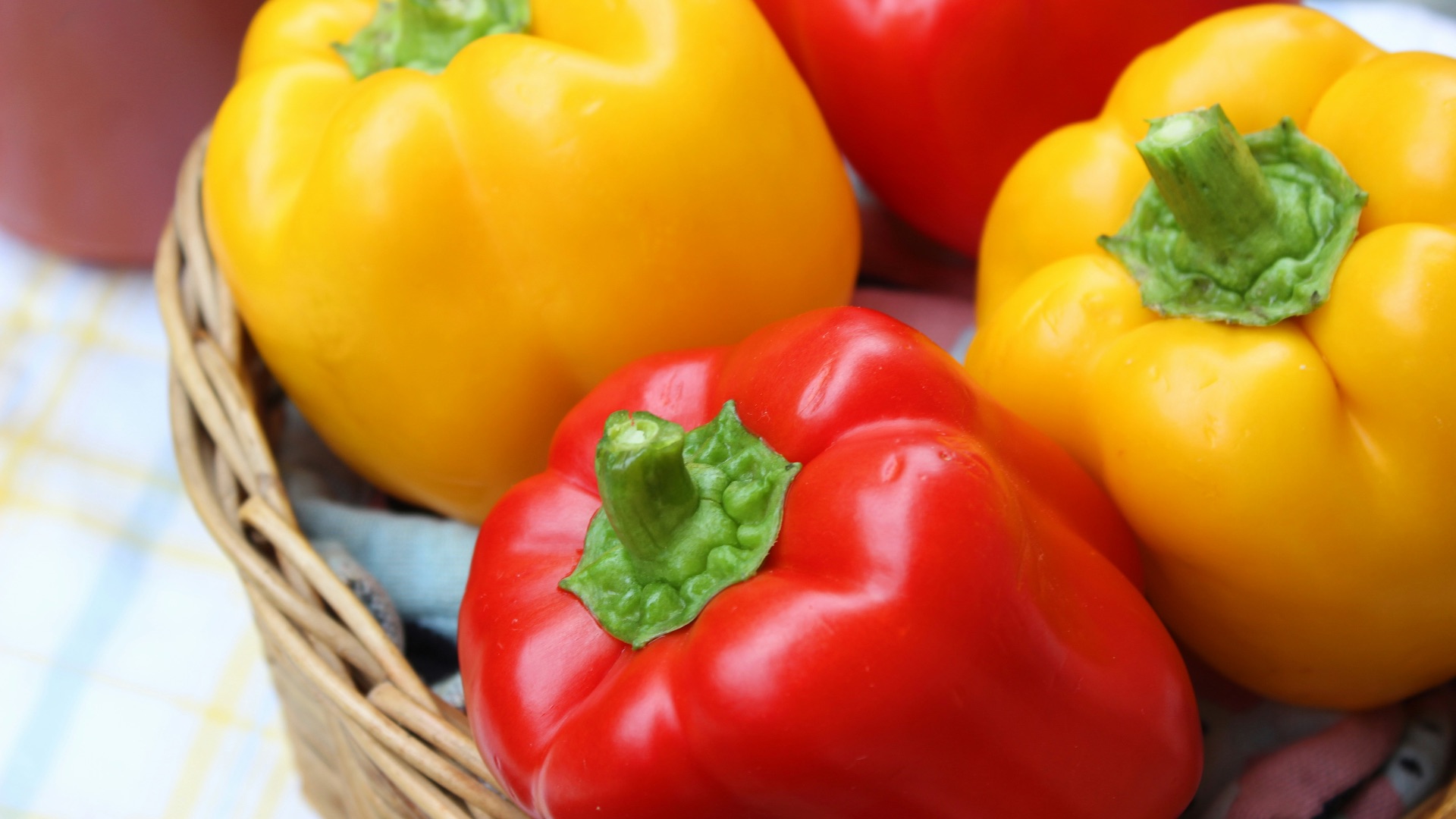
2. Bell Peppers
Bell peppers add color, crunch, and natural sweetness, which makes an omelette feel more complete without needing heavy toppings. They’re also a good way to bring in vitamin C and plant compounds that support a healthier eating pattern. Dice them small so they soften evenly and don’t overwhelm each bite.
3. Mushrooms
Mushrooms give an omelette a savory depth while keeping it lighter than processed meats. They also provide fiber and important nutrients, especially when cooked properly so their moisture has time to release. Sauté them first for a better texture, then fold them into the eggs once they’ve browned a bit.

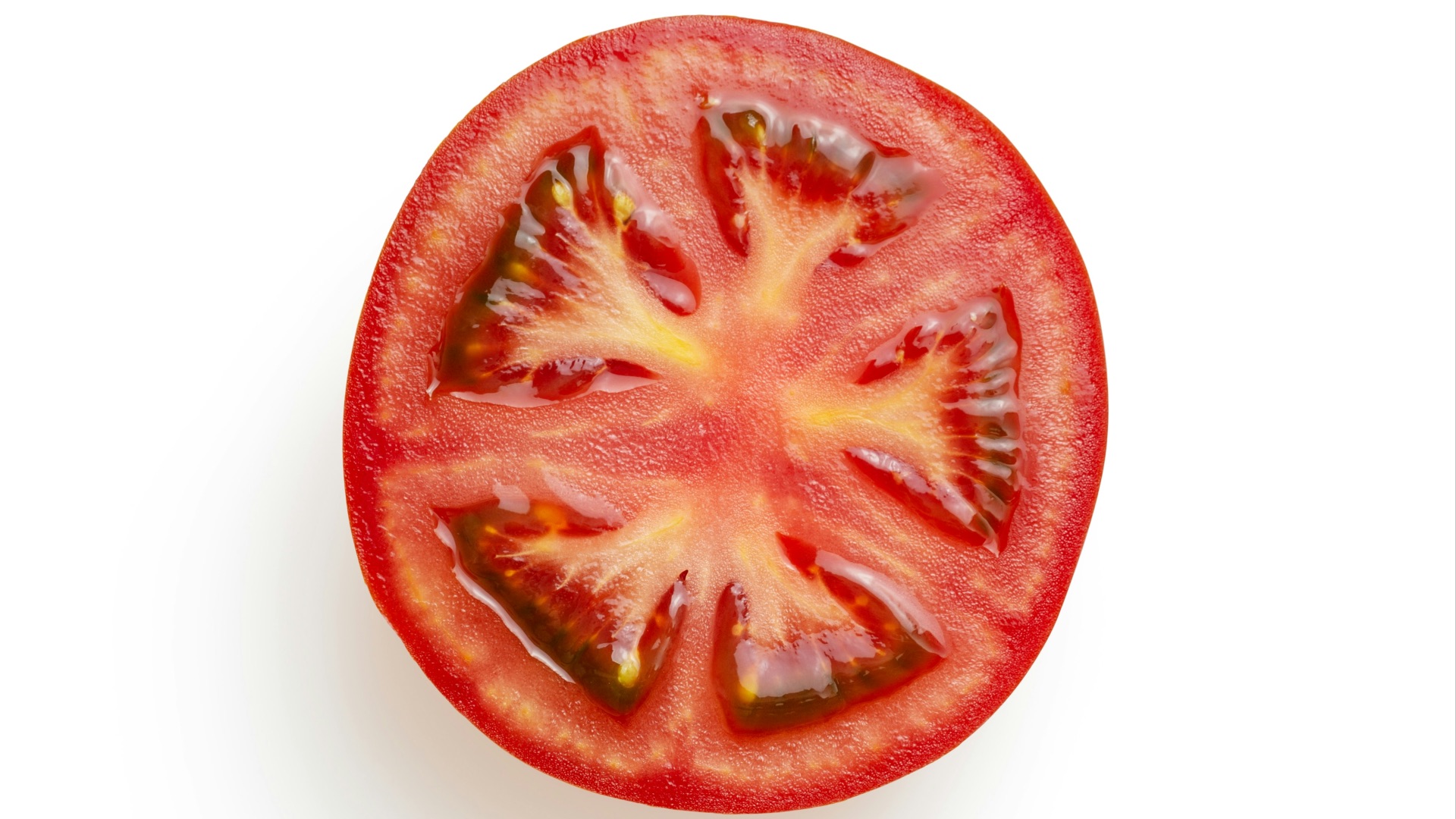
4. Tomatoes
Tomatoes bring freshness and acidity, which can balance the richness of eggs in a simple, natural way. They also add nutrients like vitamin C and lycopene, especially when lightly cooked. If your tomatoes are extra juicy, remove some of the seeds first so your omelette doesn’t become watery.
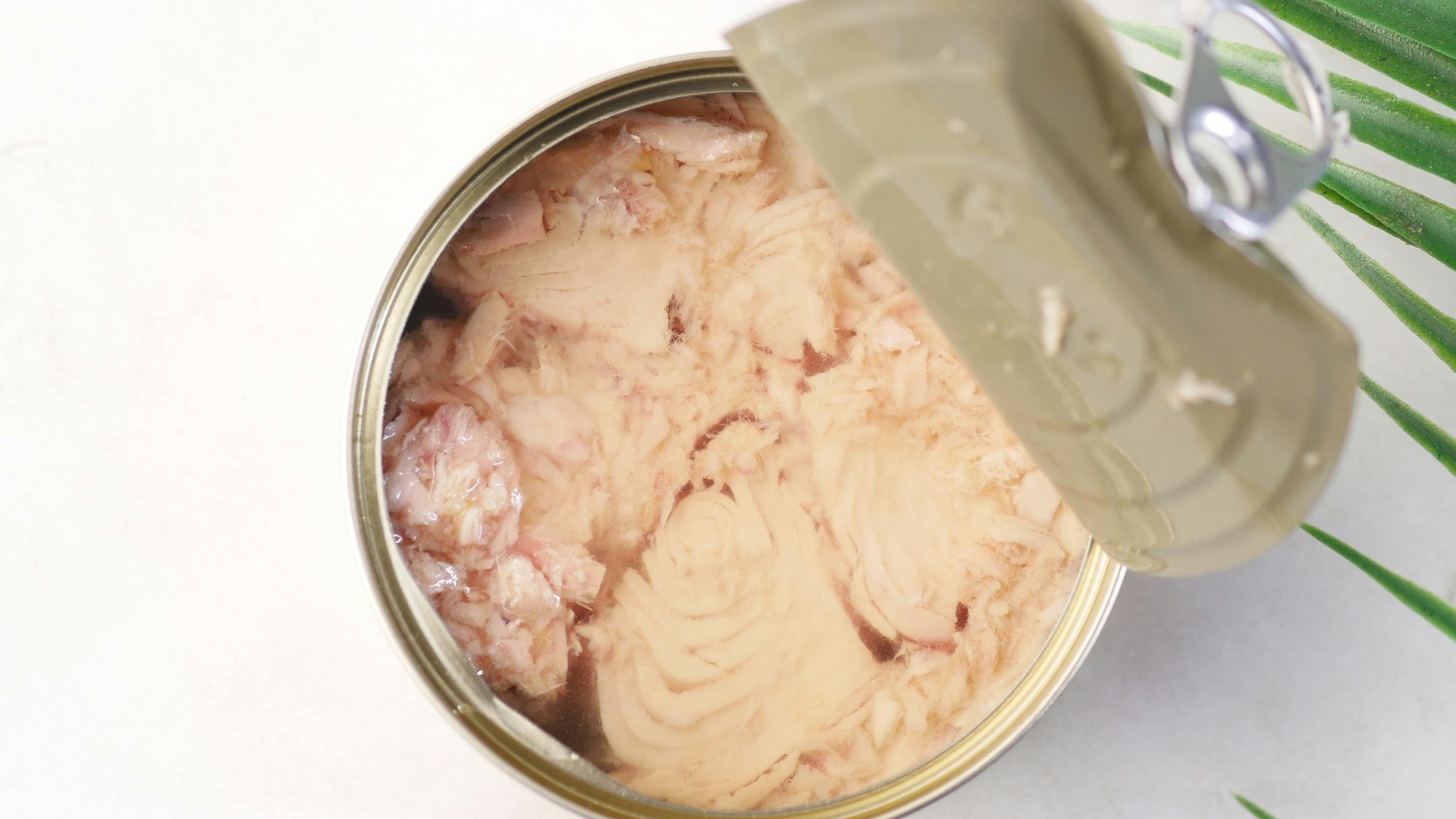
5. Canned Tuna
Canned tuna can make an omelette more filling by adding lean protein without relying on processed breakfast meats. It works best when drained well, since extra liquid can make the eggs loose and watery. Choose tuna packed in water when you want a lighter option, and pair it with tomatoes, spinach, or fresh herbs to keep the flavor balanced.
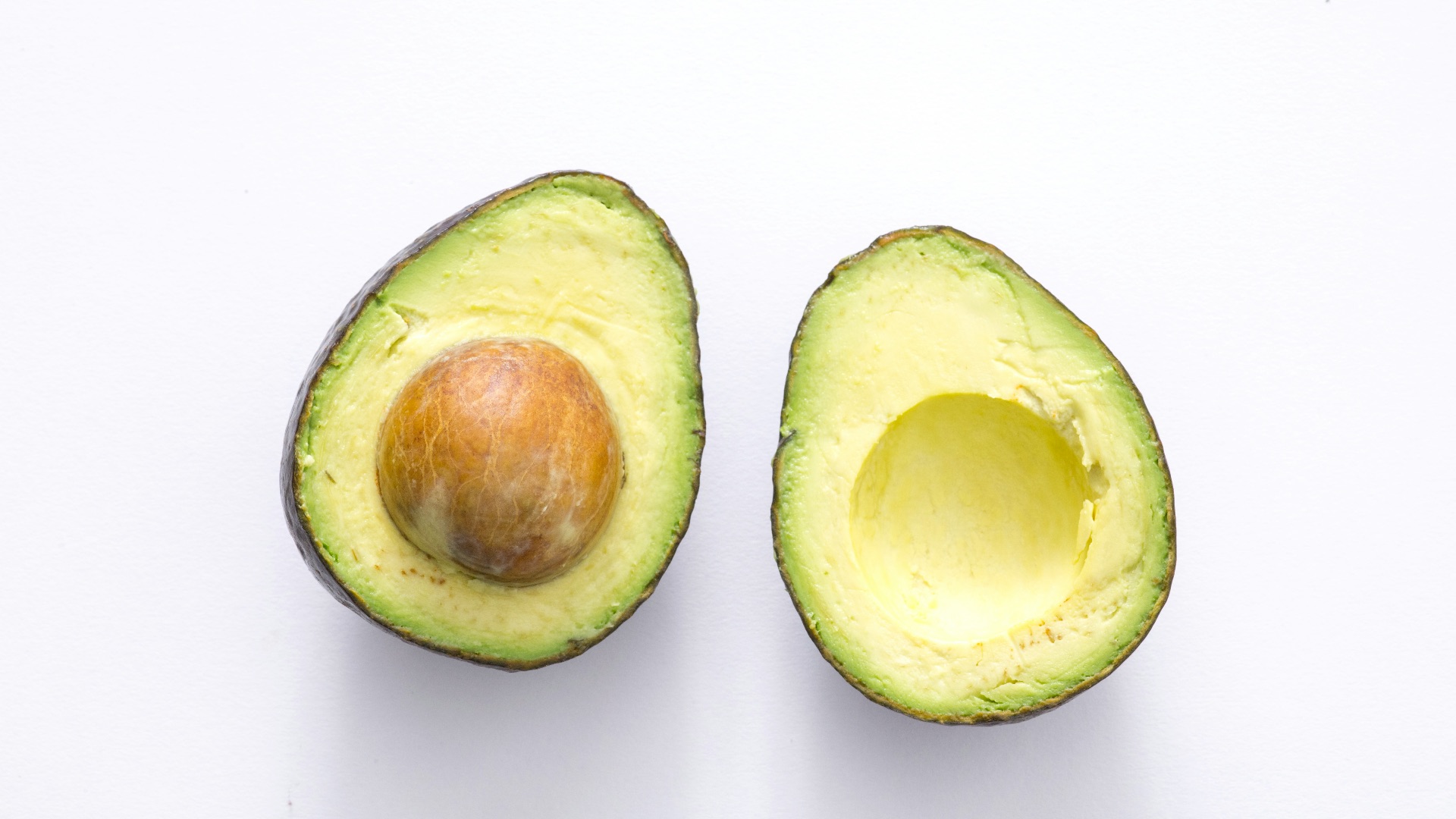
6. Avocado
Avocado adds creaminess and healthy unsaturated fats, making it a better choice than many heavier dairy-based fillings. It works especially well when added after cooking, since heat can change its texture. A few slices on top can make your omelette feel satisfying without relying on extra cheese or processed meat.
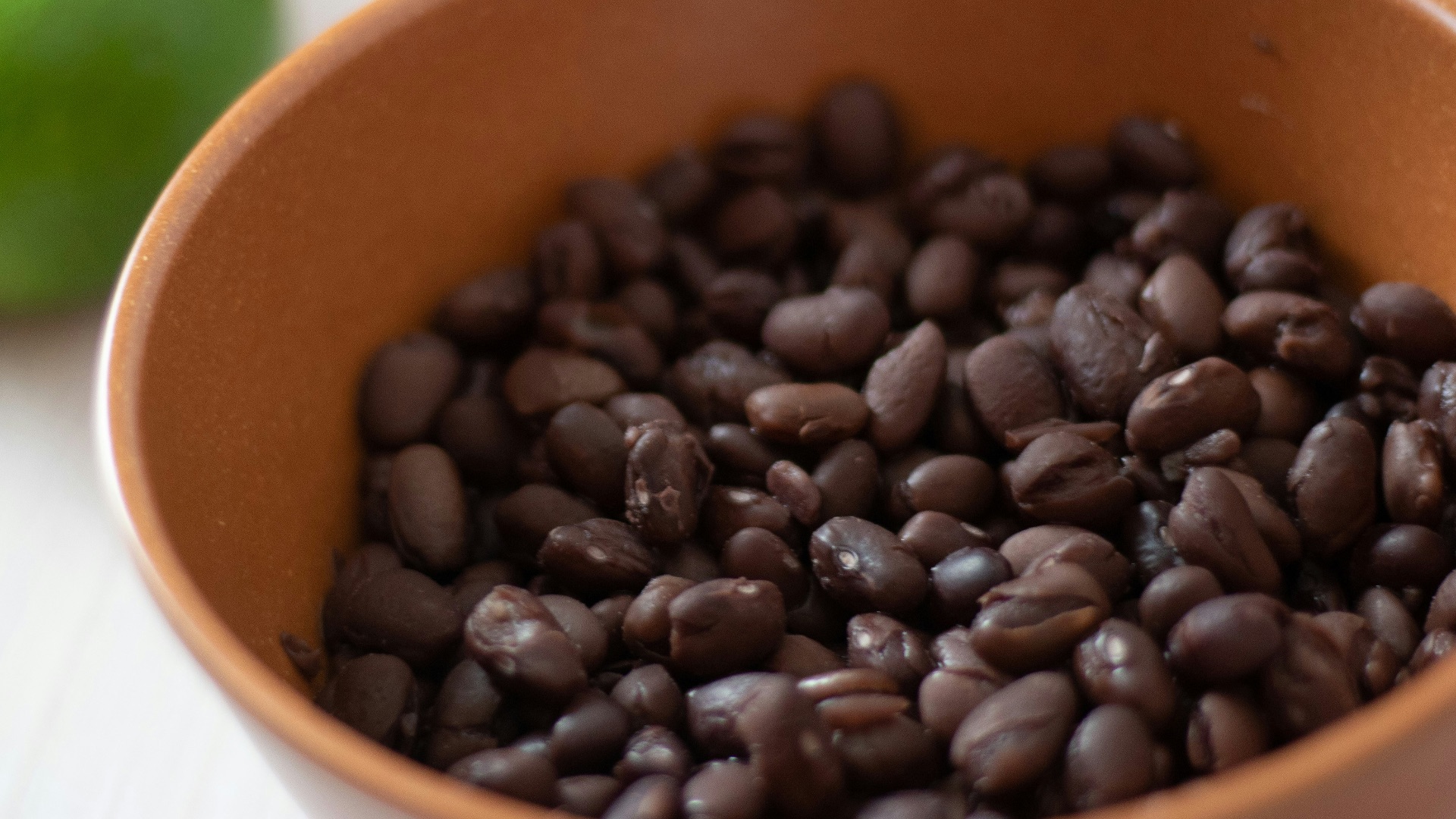
7. Black Beans
Black beans are a smart addition when you want your omelette to be more filling. They provide plant-based protein and fiber, which can help the meal keep you satisfied longer. Rinse canned beans first to reduce some of the sodium, then warm them briefly before adding them to the eggs.
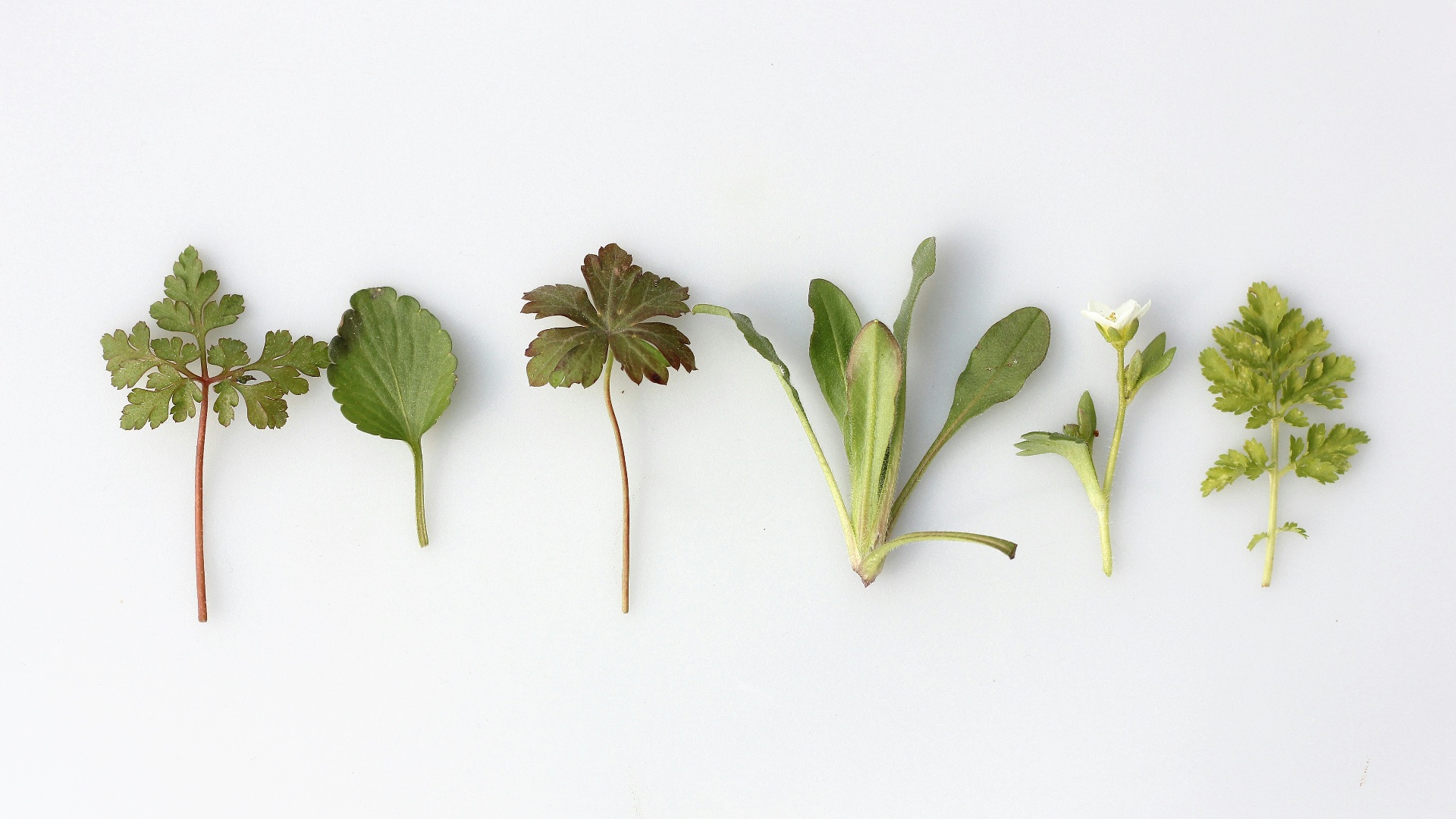
8. Fresh Herbs
Fresh herbs like parsley, chives, basil, cilantro, and dill can completely change the flavor of an omelette without adding salt, sugar, or fat. They make the dish taste brighter and more intentional, especially when you’re using simple vegetables. Add them at the end so their flavor stays fresh.
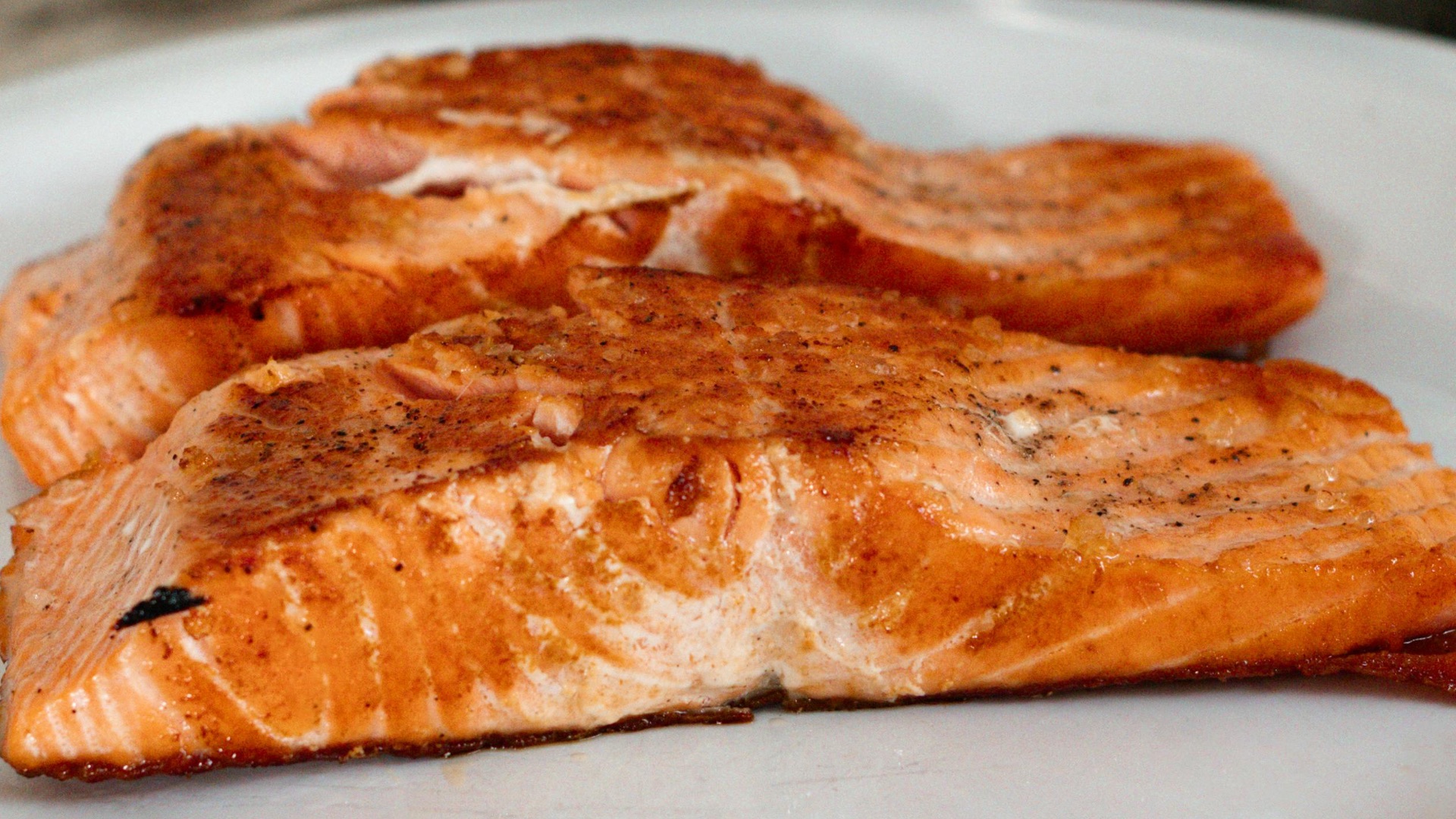
9. Salmon
Salmon can make an omelette feel more substantial while adding protein and healthy fats. It’s a better choice than processed breakfast meats, especially if you use cooked fresh salmon or a lower-sodium option. Pair it with spinach, tomatoes, or herbs to keep the overall dish balanced.
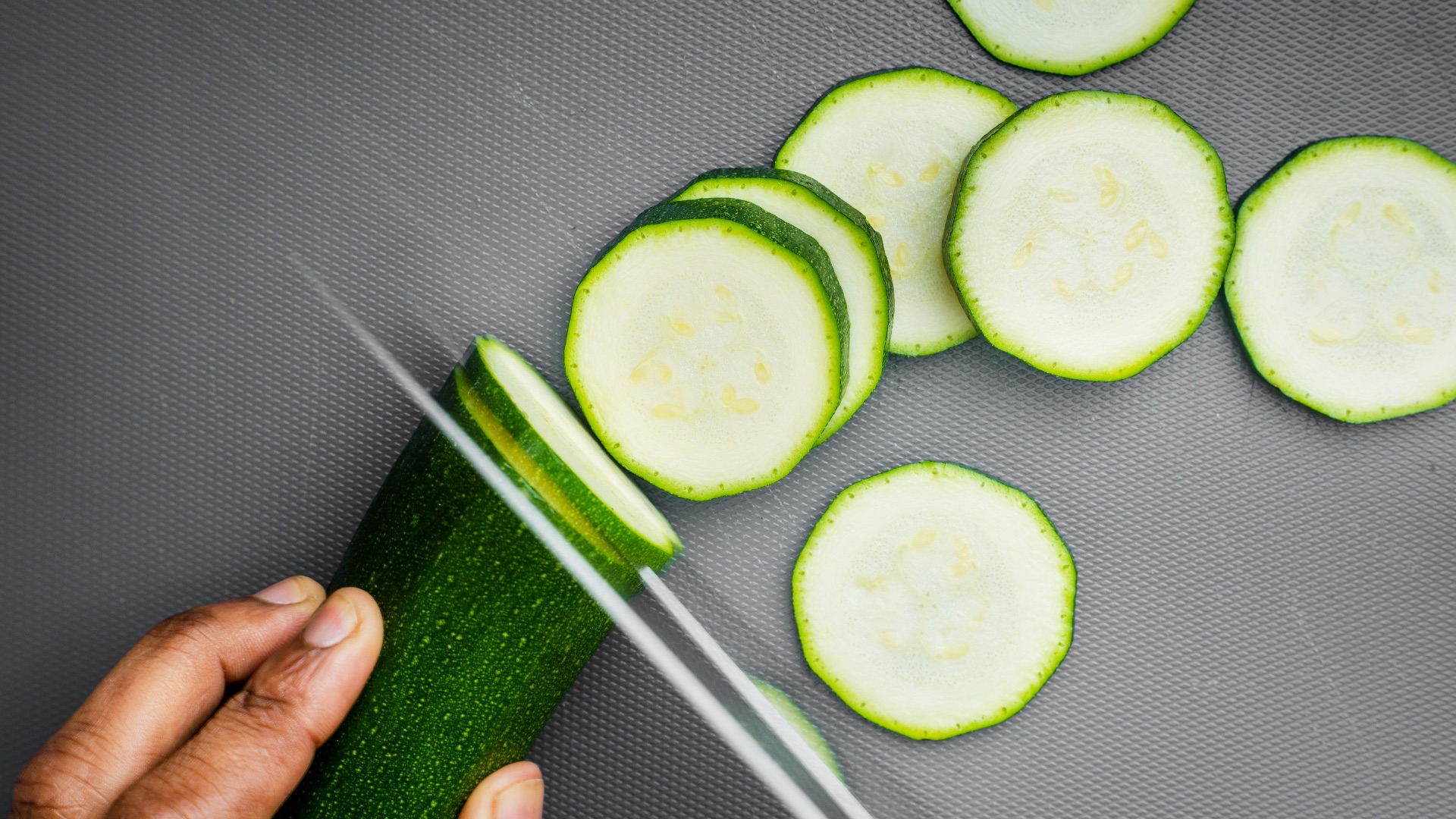
10. Zucchini
Zucchini is mild, easy to cook, and a great way to add more vegetables to your breakfast. It works best when sliced thin or grated and lightly cooked first, so the excess water doesn’t loosen the omelette. Combined with onions, peppers, or herbs, it helps create a flavorful meal that still feels light and fresh.
KEEP ON READING

The Most Popular Signature Dishes Around the World