Move Over Fruitcake: This Traditional Italian Christmas Cake Is So Much Better
For many Americans, fruitcake has become a holiday joke rather than a celebration. It shows up wrapped in foil, feels heavy in the hand, and often ends up pushed to the back of the table (and then the garbage). Christmas traditions, however, look very different in other parts of the world.
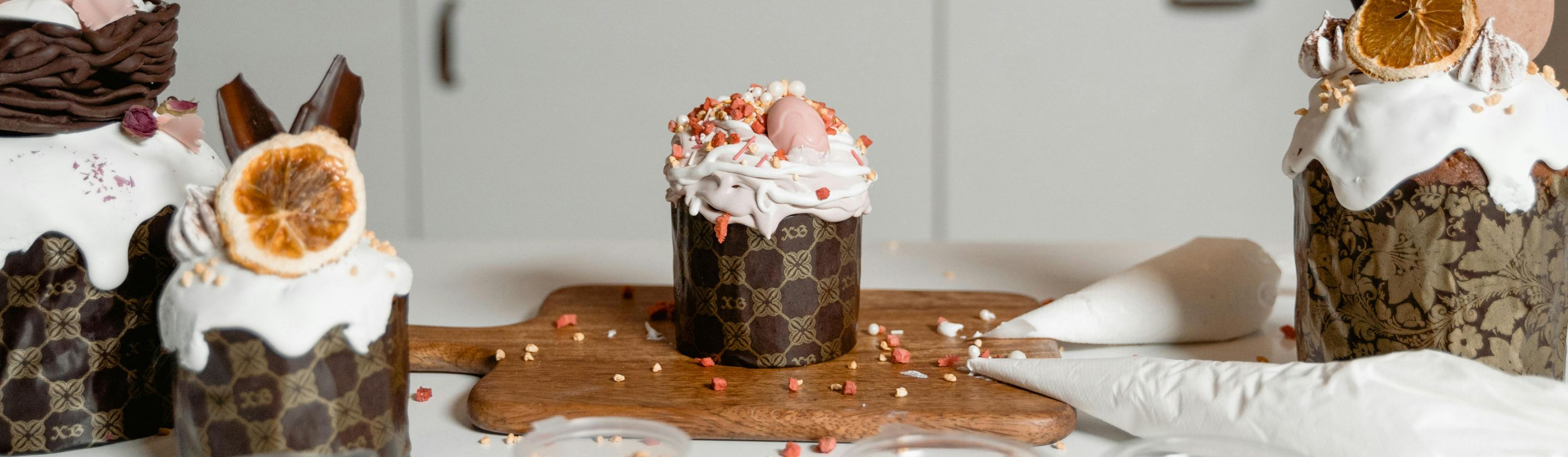
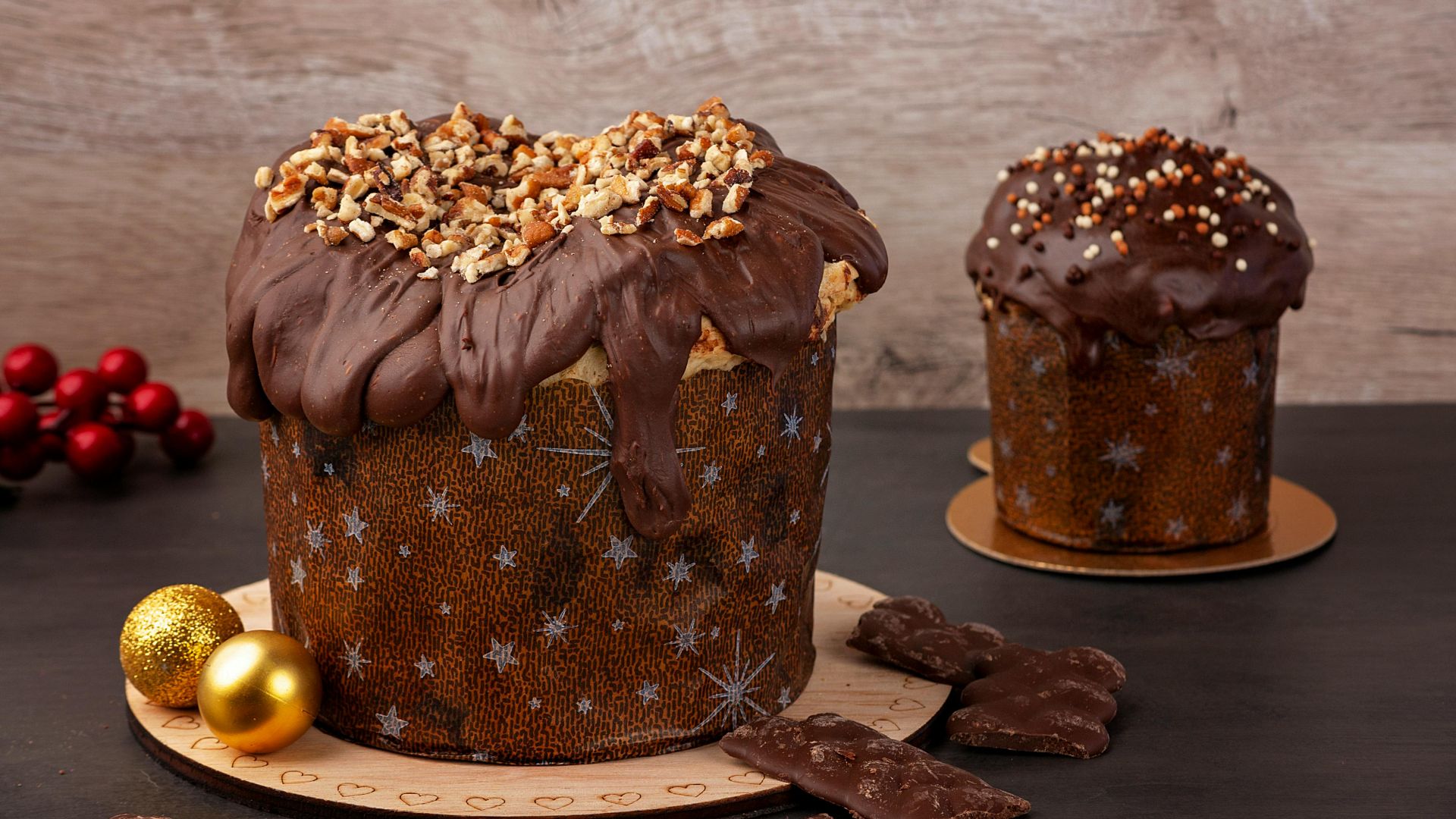
In Italy, panettone holds a place of pride during the holiday season. This tall, golden loaf feels light when lifted and slices into soft, airy pieces. It smells faintly of butter and citrus and looks festive without extra decoration. Panettone has slowly made its way into American grocery stores, yet its story and appeal remain unfamiliar to many shoppers. This cake is not a novelty or a trend. It represents centuries of baking tradition and a different idea of what a Christmas dessert should be.
A Holiday Bread With Deep Roots In Milan
Panettone originated in Milan, a city in northern Italy known for its rich food culture. These breads used white flour, butter, eggs, and dried fruit, ingredients that were costly and reserved for special occasions. Over time, this festive bread became closely linked with Christmas. By the nineteenth century, panettone had taken on a recognizable form. Bakers shaped it into a tall loaf with a domed top and baked it in paper molds.
As industrial bakeries expanded in the early twentieth century, panettone became widely available across Italy. It eventually reached Italian communities abroad, including those in the United States. Italian law later recognized Panettone Milanese as a protected product, defining its traditional ingredients and production methods to preserve its heritage.
Technique That Sets Panettone Apart
Panettone differs from most cakes because yeast provides its lift. Traditional versions rely on a natural sourdough starter, called lievito madre, rather than commercial yeast. This starter develops slowly and requires careful feeding, which adds time and complexity to the process. Bakers mix the dough in stages, allowing it to rise more than once before baking.
This long fermentation affects both texture and flavor. The crumb becomes soft and elastic instead of crumbly, while the taste remains gently sweet without feeling heavy. Butter and egg yolks enrich the dough, and raisins and candied citrus add bursts of flavor without dominating each bite. After baking, many panettone loaves cool upside down. This step prevents collapse and helps maintain the cake’s signature height and airy structure.
A Better Fit For Modern Holiday Tables
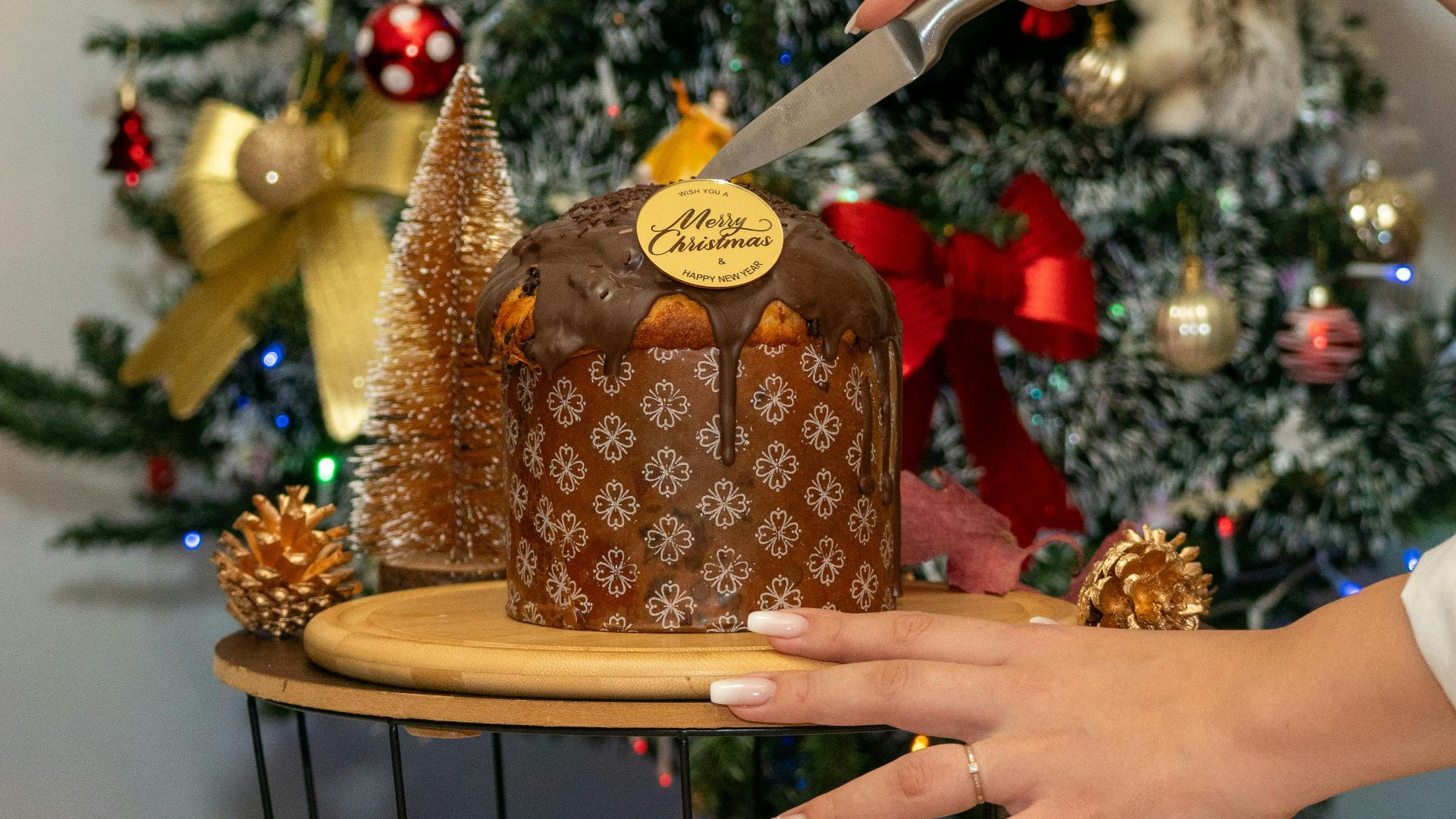
Fruitcake earned its reputation partly because of tradition. Many versions rely on dense batter and preserved fruit, often soaked in alcohol. While these cakes last a long time, their texture and intensity do not appeal to everyone. Panettone offers a different experience. It feels fresh, light, and easy to eat, even after a large holiday meal.
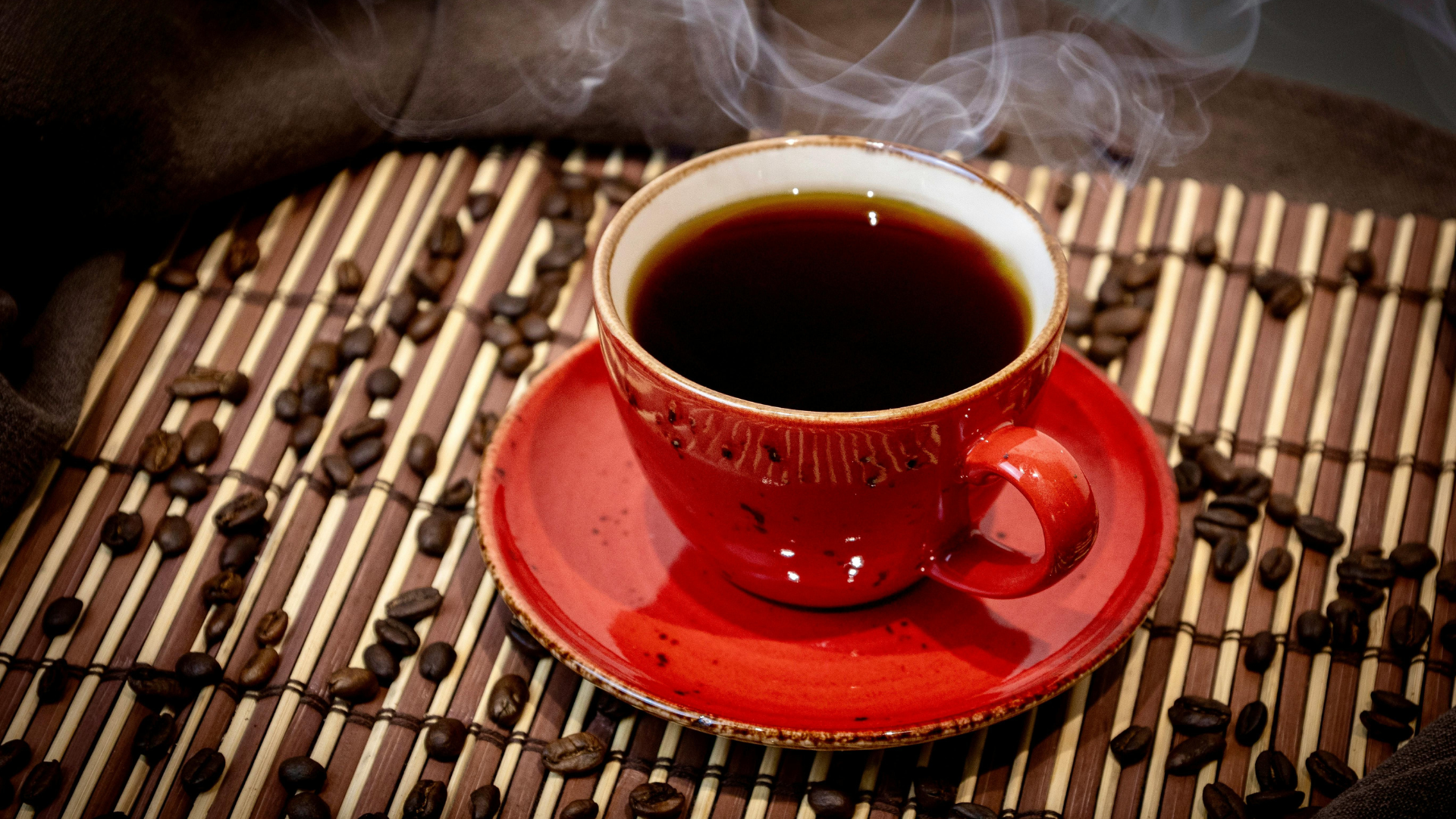
Panettone also works across different moments of the day. Italians often serve it at breakfast with coffee or as a simple dessert. The cake stands on its own, whether served plain or lightly warmed. Compared to fruitcake, panettone offers a lighter, more versatile way to celebrate the season.
KEEP ON READING
20 Food Requests Only Spoiled People Ask For

20 Hardest Foods on Earth To Eat

Do Vitamin Supplements Actually Make You Healthier?