Pass The Pasta
Did you know that there are anywhere from 350 to over 1000 different types of pasta? New pasta varieties are being cooked up every year, and each one serves its own special purpose. Let's look at 20 of the most popular shapes you probably have in your pantry.
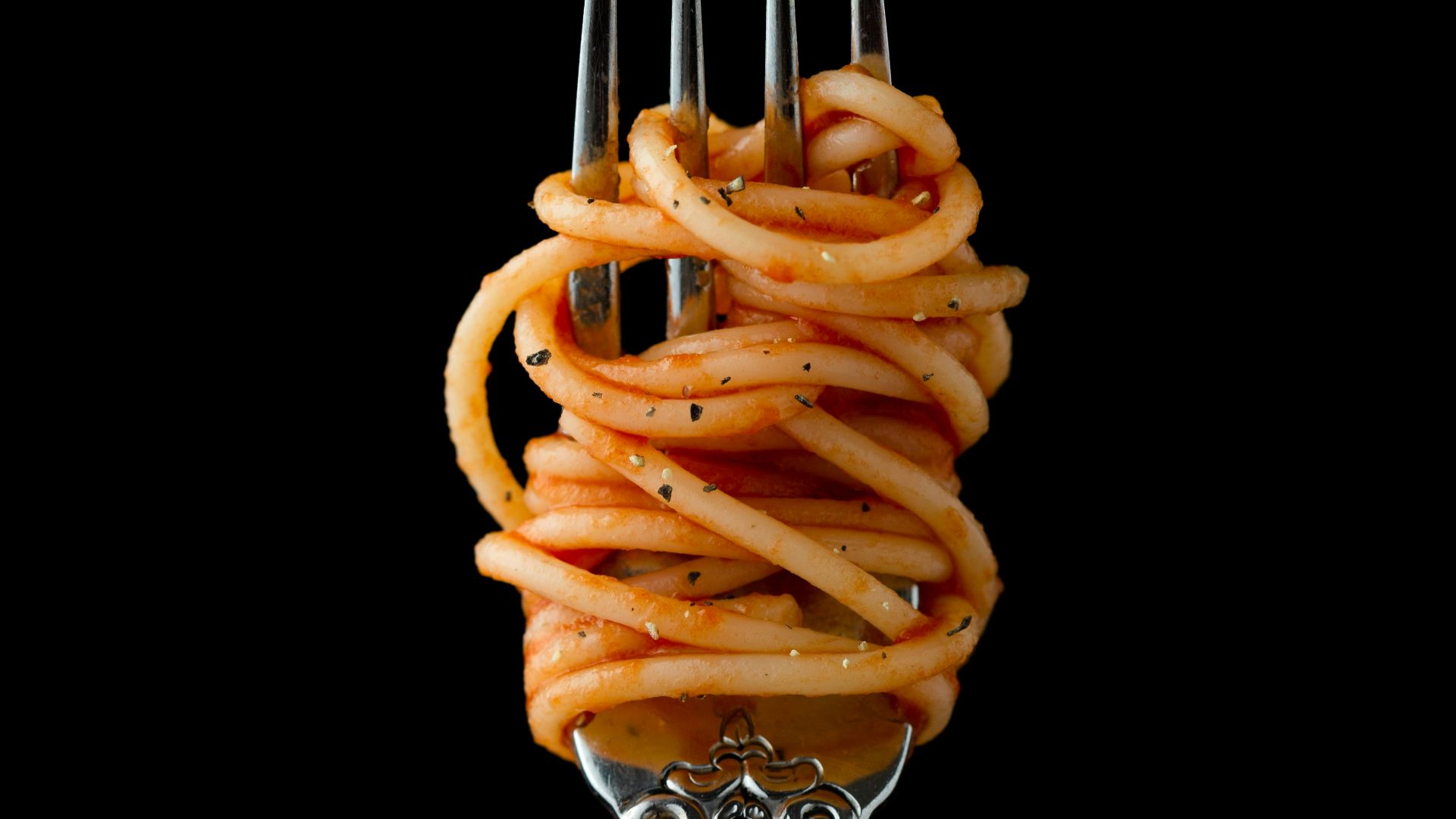
1. Spaghetti
The most recognizable form of pasta around the world, historians estimate that spaghetti is almost 1000 years old! The name spaghetti means "twine" or "thin string". Spaghetti is a workhorse pasta, beautifully complementing every sauce and topping.
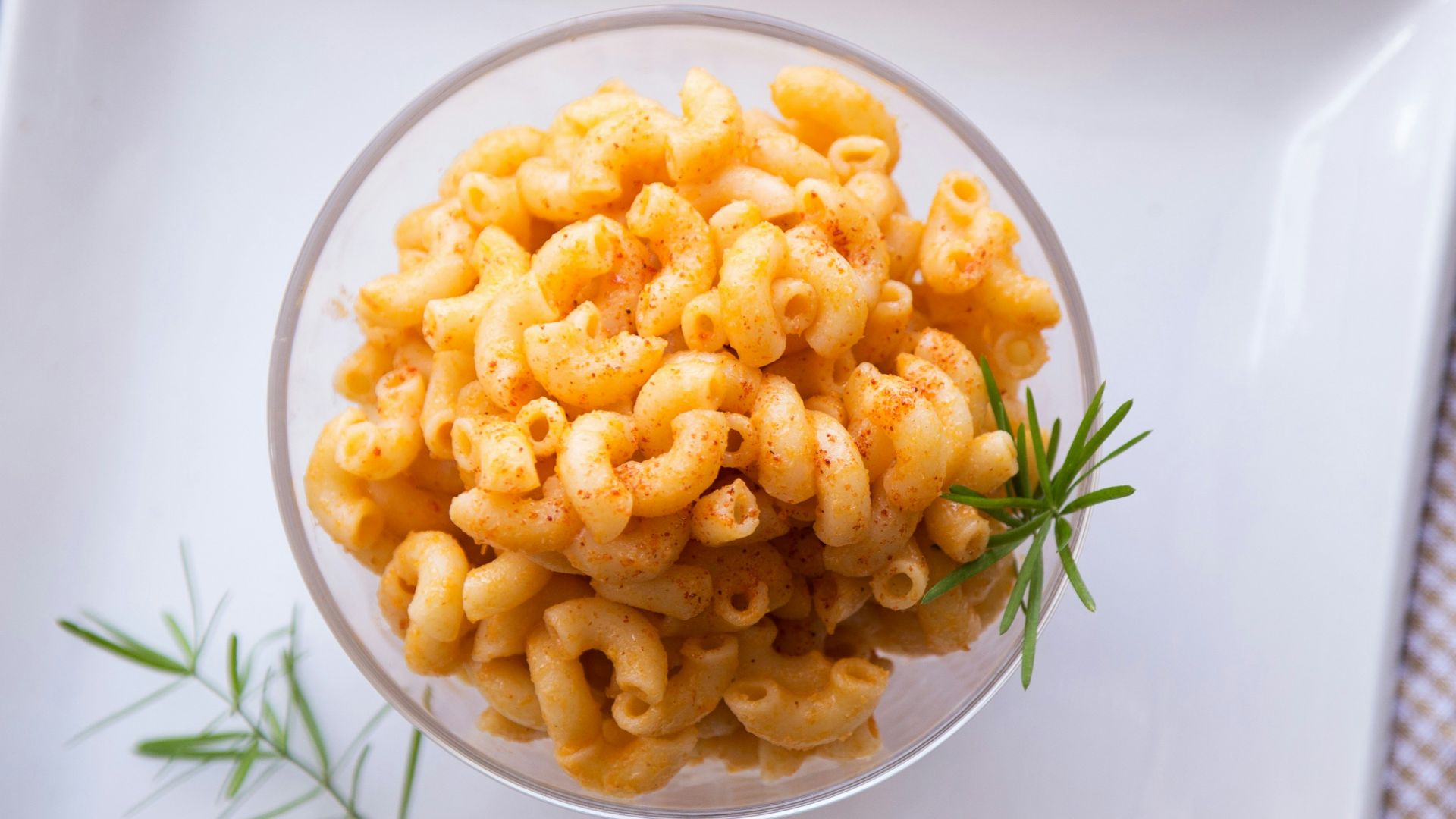
2. Gomiti
Better known as elbow macaroni outside of Italy, this arch-shaped pasta is the star of the show in macaroni & cheese. Elbow macaroni is also used in soup, pasta salad, and kindergarten art projects. Fun fact, in Italy, macaroni refers to a longer, tube-shaped pasta similar to our next shape.
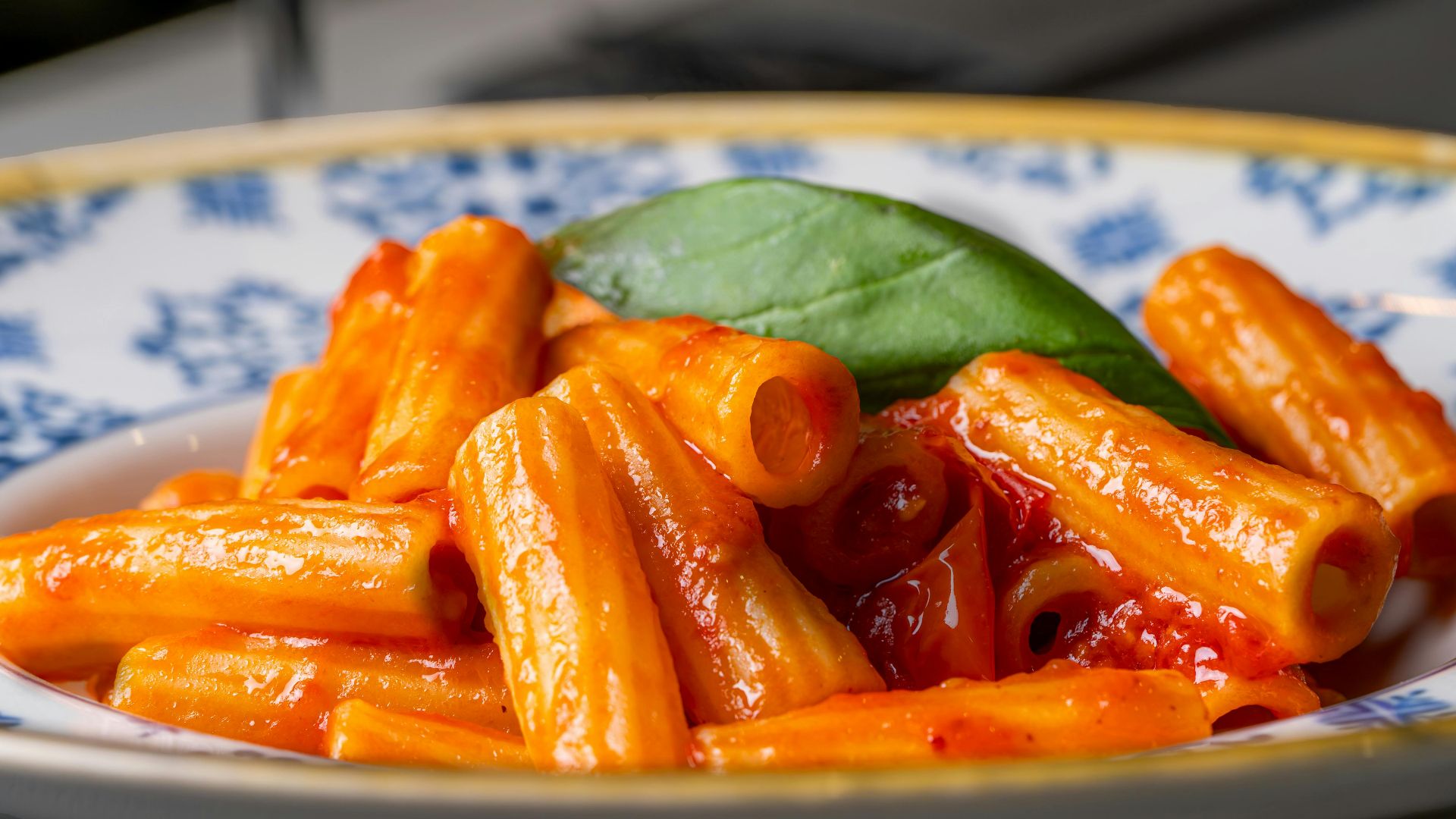
3. Ziti
A mainstay of Sicilian weddings, ziti means either "brides" or "grooms". Ziti is best served with slow-cooked, warming sauces like ragù and Genovese for a cozy and comforting meal. This is one pasta you're allowed to break without the nation of Italy taking up arms against you.
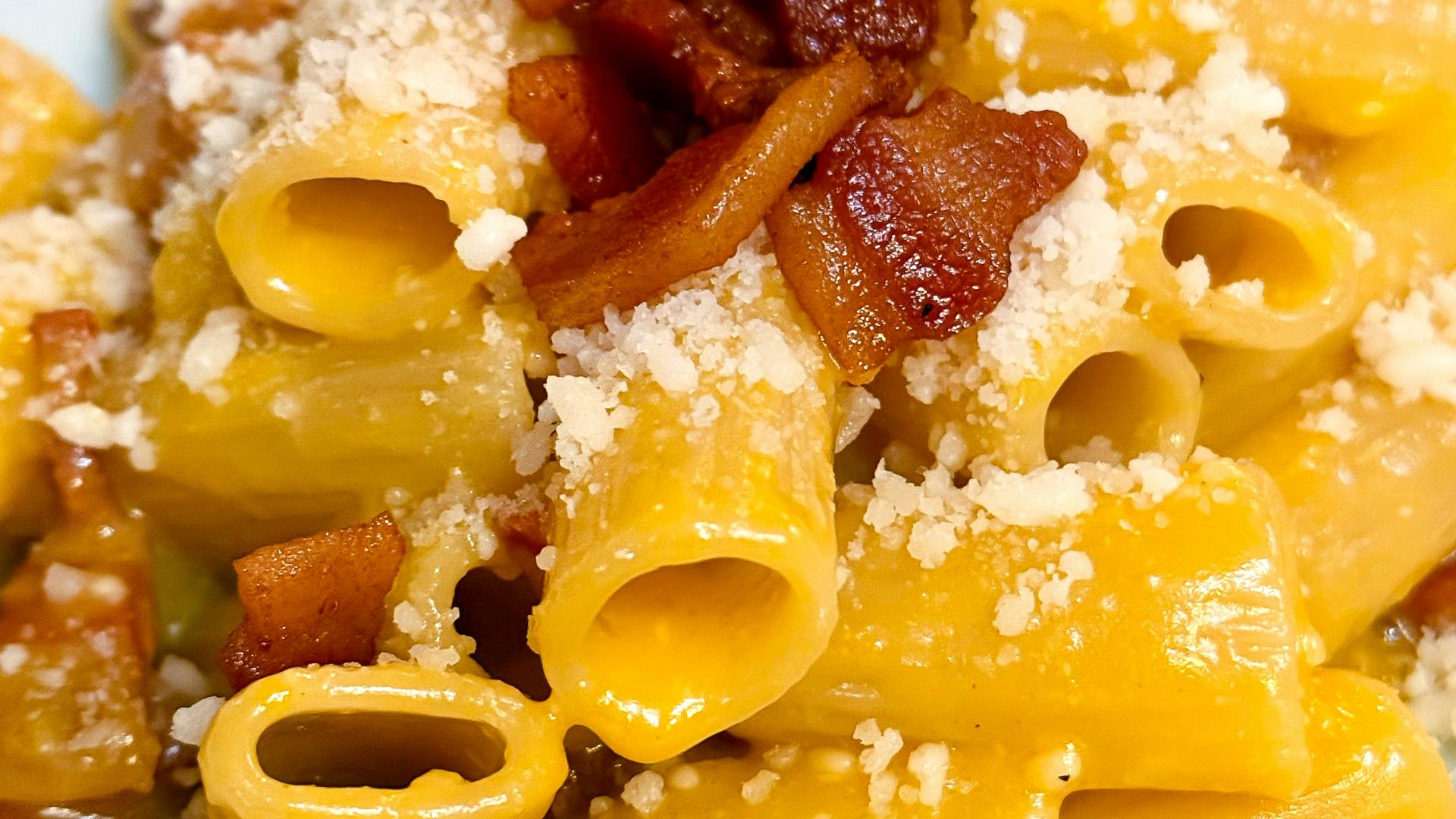
4. Rigatoni
Rigatoni is larger than ziti and slightly curved, but not so much as macaroni. The name rigatoni comes from the ridges cut into the pasta. These ridges help rigatoni hold onto cheese and sauce.
5. Linguine
Originating in Genoa, linguine is a midway point between spaghetti and our next pasta. These "little tongues" are excellent with pesto and tomato sauces. National Linguine Day is September 15, so mark your calendars!
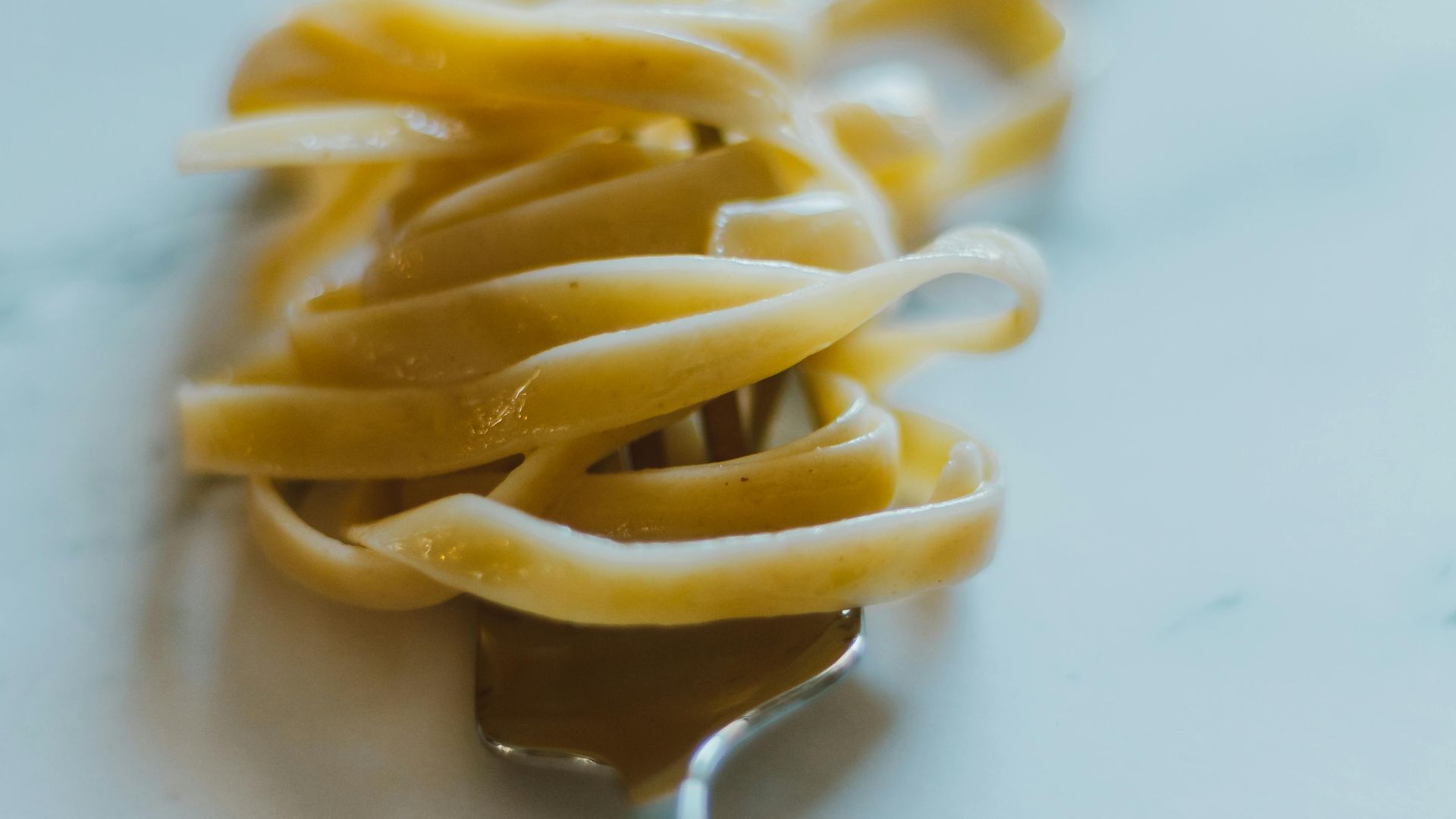
6. Fettuccine
Wider than spaghetti and linguine, but not too wide, fettuccine are wide ribbons of deliciousness. Aside from the classic fettuccine Alfredo, fettuccine is also eaten with chicken or beef ragù. Fettucce and fettuccelle are wider and narrower varieties, respectively.
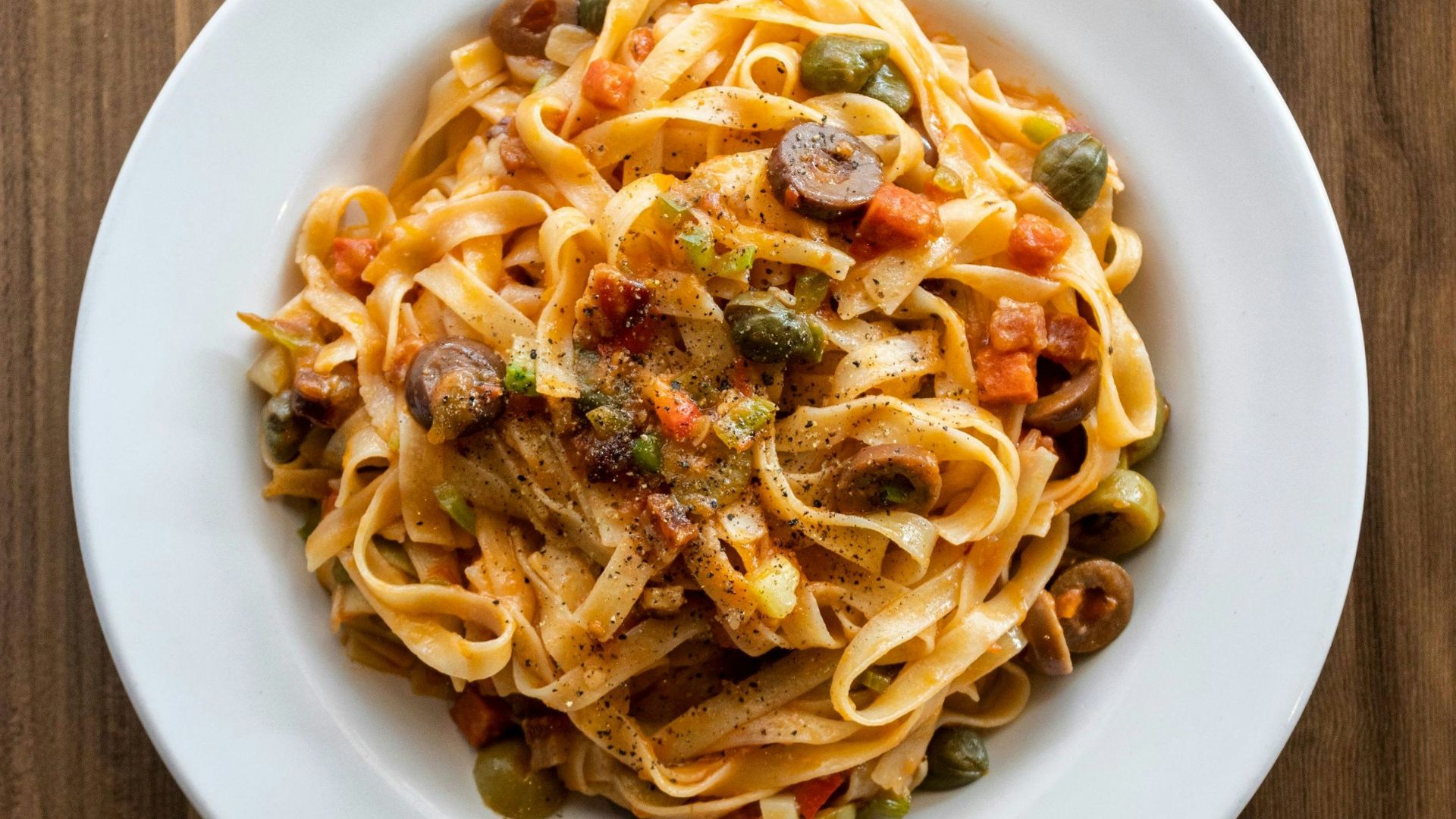
7. Lasagna
Lasagna originates from an ancient Roman word for "cooking pot" which is appropriate seeing as how these long sheets are great at holding other ingredients. Lasagna is one of the oldest surviving pastas, dating back to the 13th century. However, the tomatoes for the iconic sauce wouldn't arrive for another 200 years.
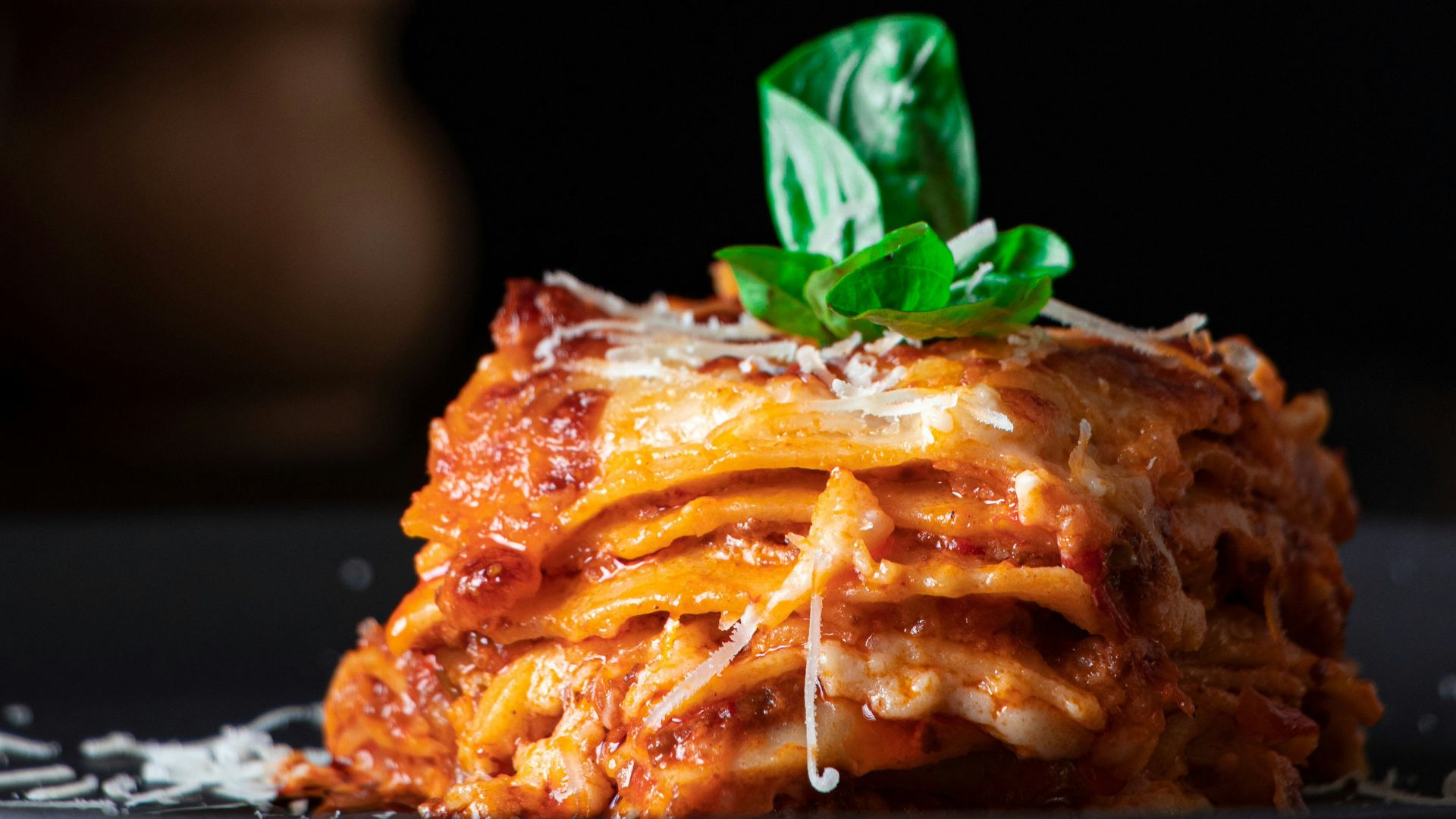
8. Bucatini
Also known as perciatelli, bucatini is sort of like if spaghetti and macaroni had a beautiful baby. The name bucatini comes from the hole in the middle of the pasta, which is perfect for slurping up sauce. Bucatini is most commonly paired with amatriciana sauce.
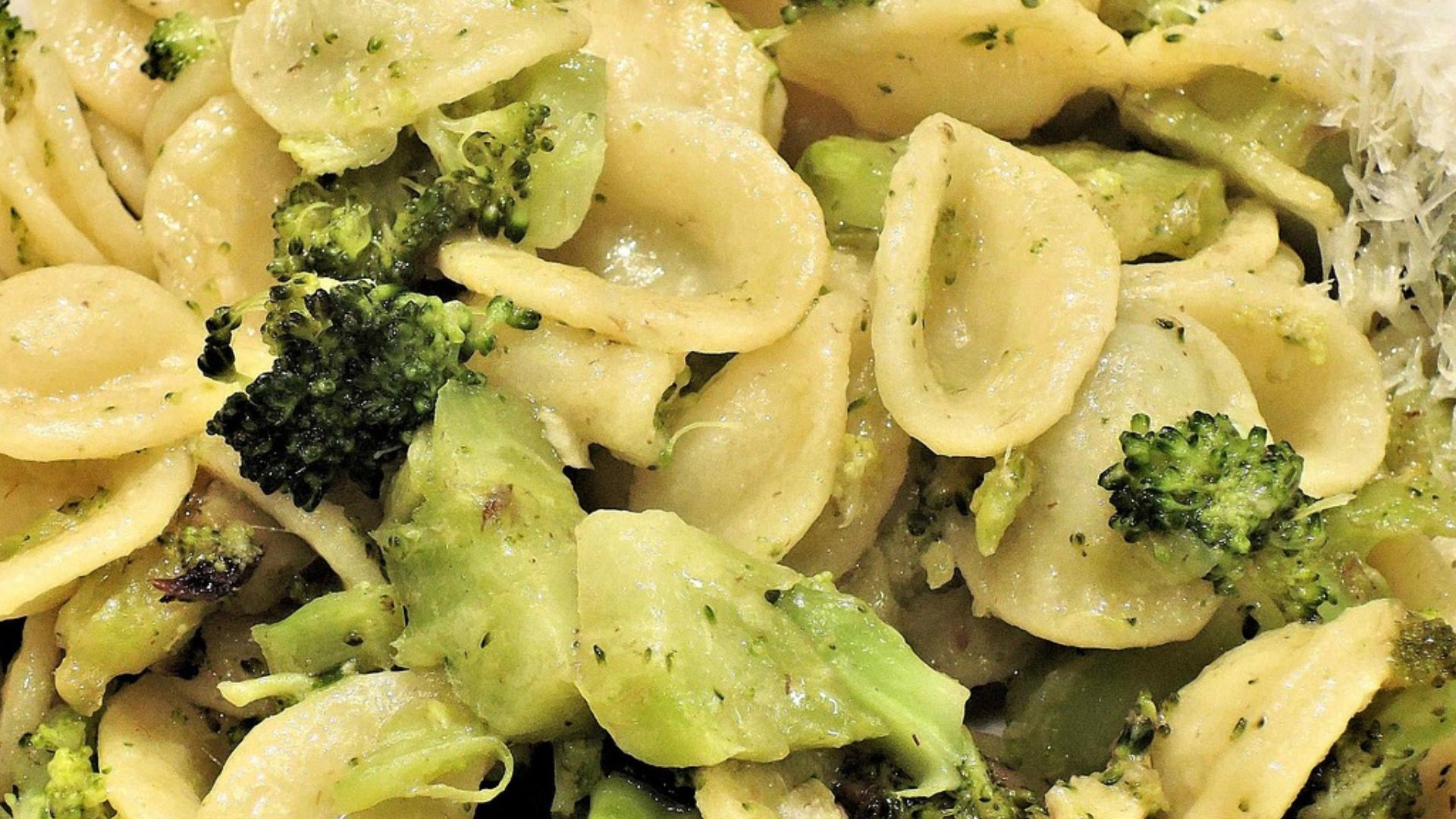
9. Orecchiette
Resembling an ear or top hat, orecchiette is an irregularly-shaped pasta with a small dome. The shape makes orecchiette perfect scooping up peas and sausage. Orecchiette is traditionally made in Apulia, where a minor scandal resulted in August 2025 after a group of nonnas passed of factory-made orecchiette as handmade.
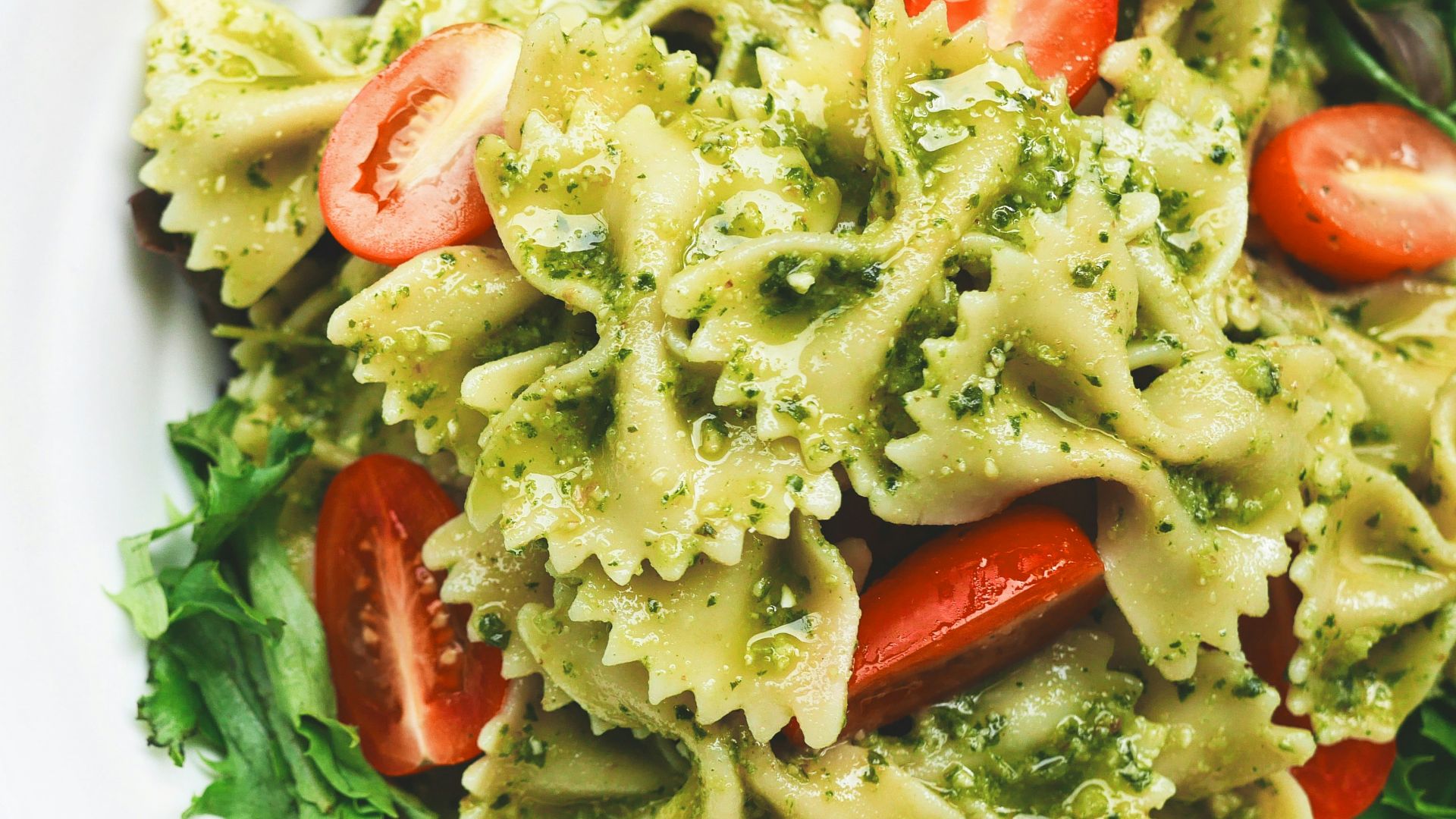
10. Farfalle
Known as bowties in America, farfalle actually means "butterflies". The unusual shape and pinched center make this pasta perfectly al dente every time. Tricolor farfalle are often sold in a patriotic mix resembling the Italian flag.
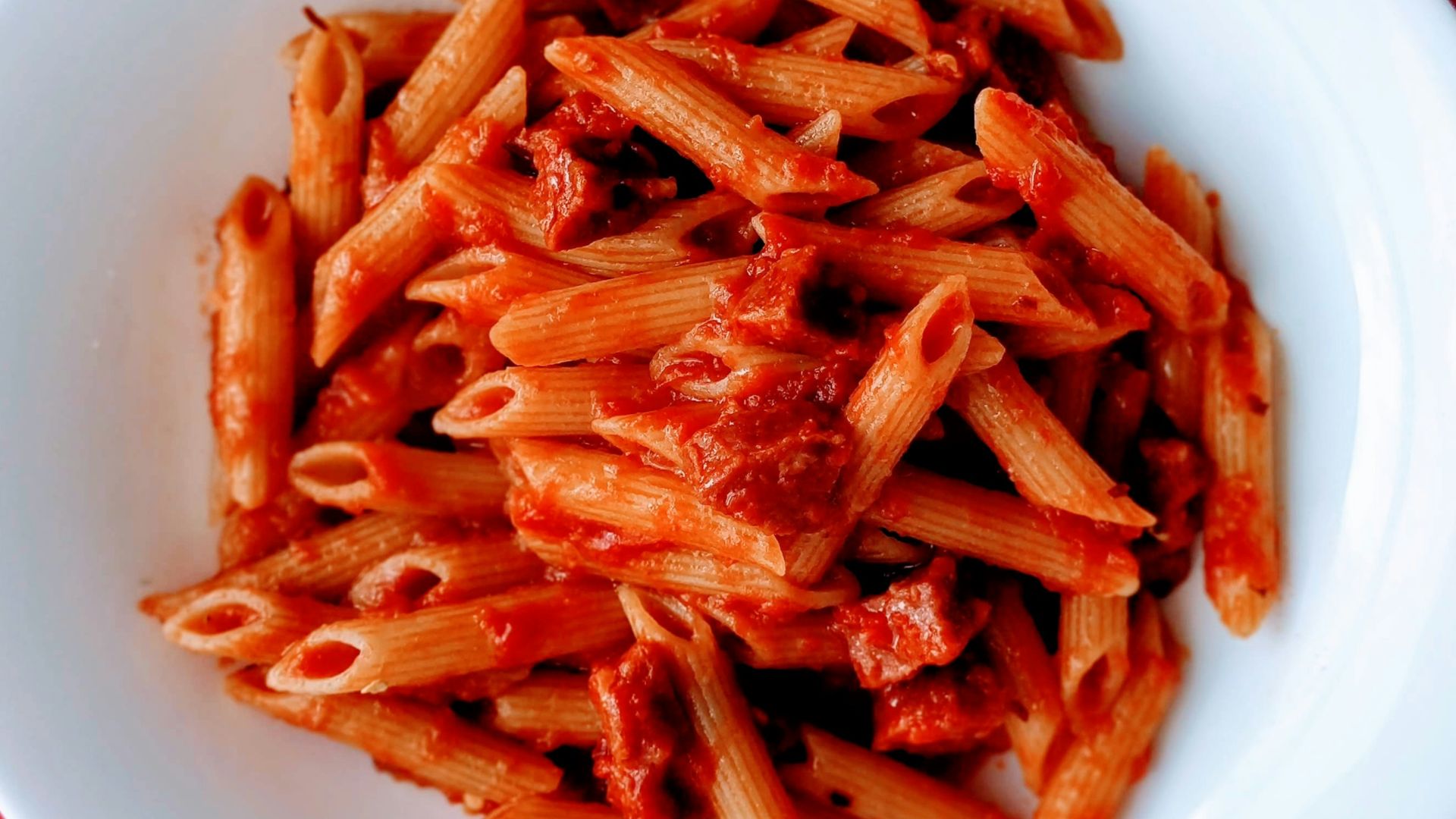
11. Penne
Resembling a once-ubiquitous quill pen, the name penne derives from the Latin word for "quill". While quill pens have fallen out of style, this popular pasta never has. Penne can be found in either smooth or ridged forms.
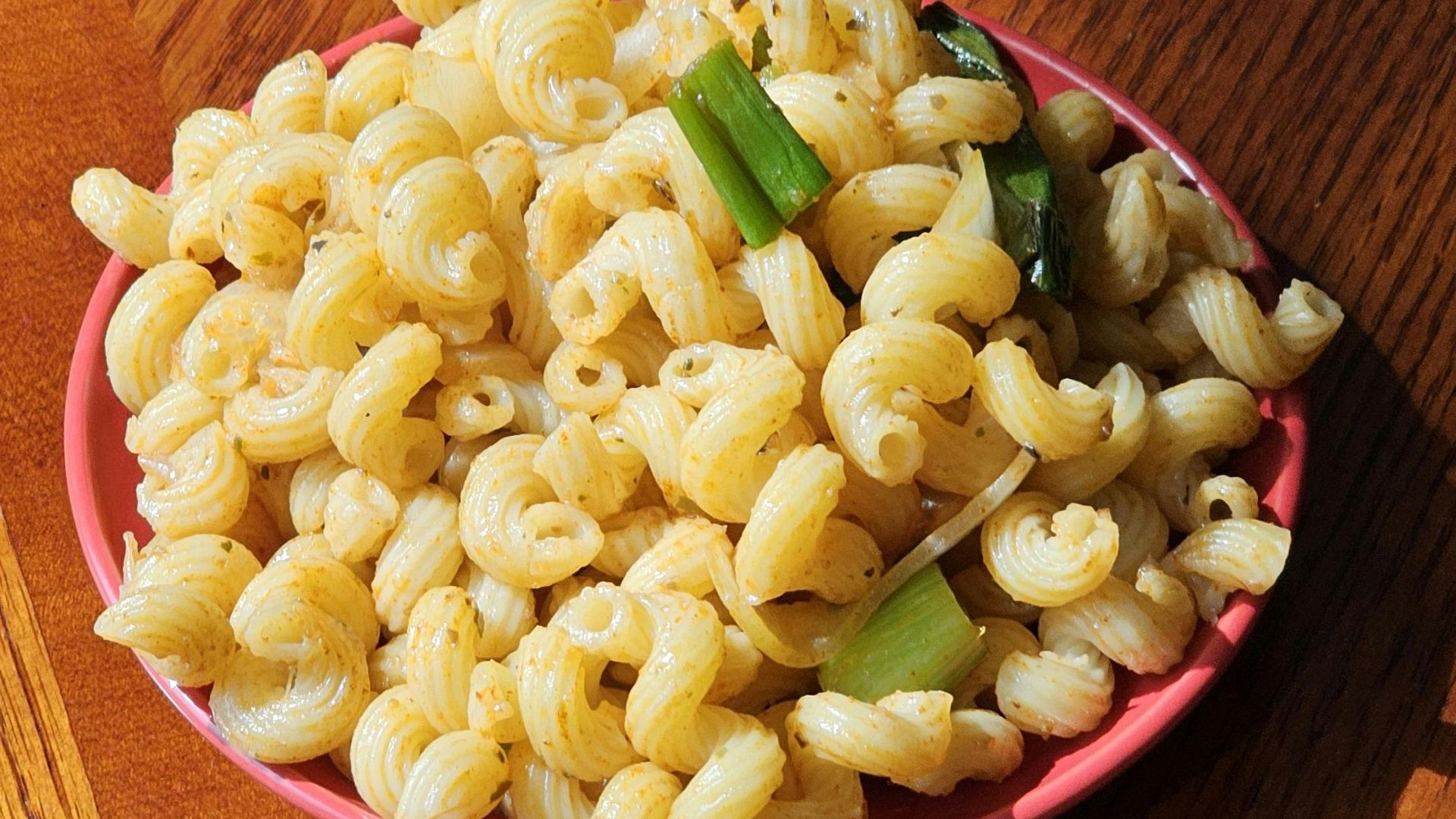
12. Cavatappi
This corkscrew-shaped pasta just might dethrone macaroni as the preferred pasta for macaroni and cheese. Cavatappi's spiral shape and center hole make it great for chunky sauces. In certain parts of North America, cavatappi is known as "scoobi doo" for its resemblance to the summer camp handicraft.
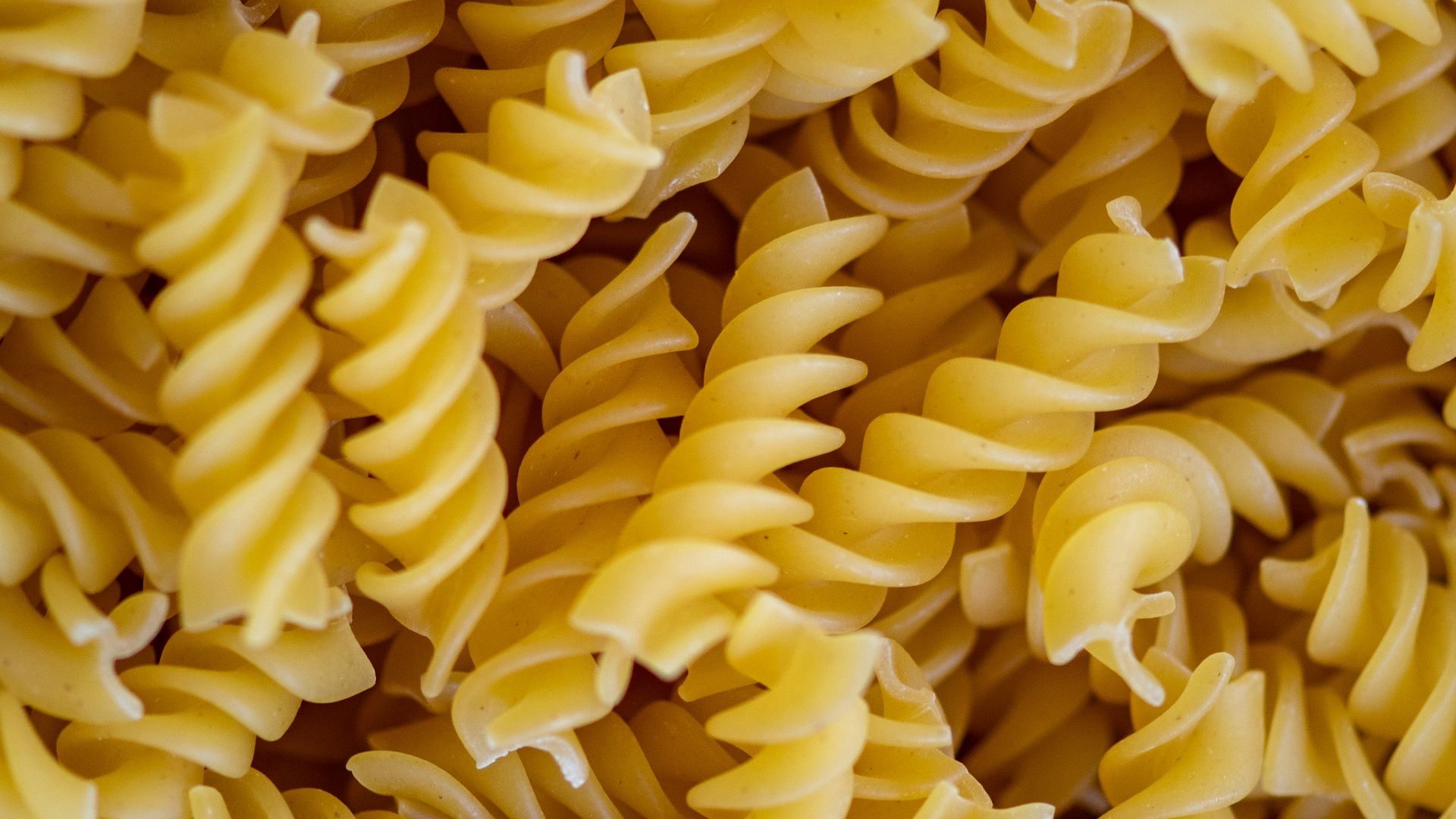
13. Fusilli
Fusili's name comes not only from its helical shape, but also its traditional method of production. Fusilli was traditionally made by wrapping dough around a spindle. Fusilli is wonderful with creamy sauces.
14. Acini De Pepe
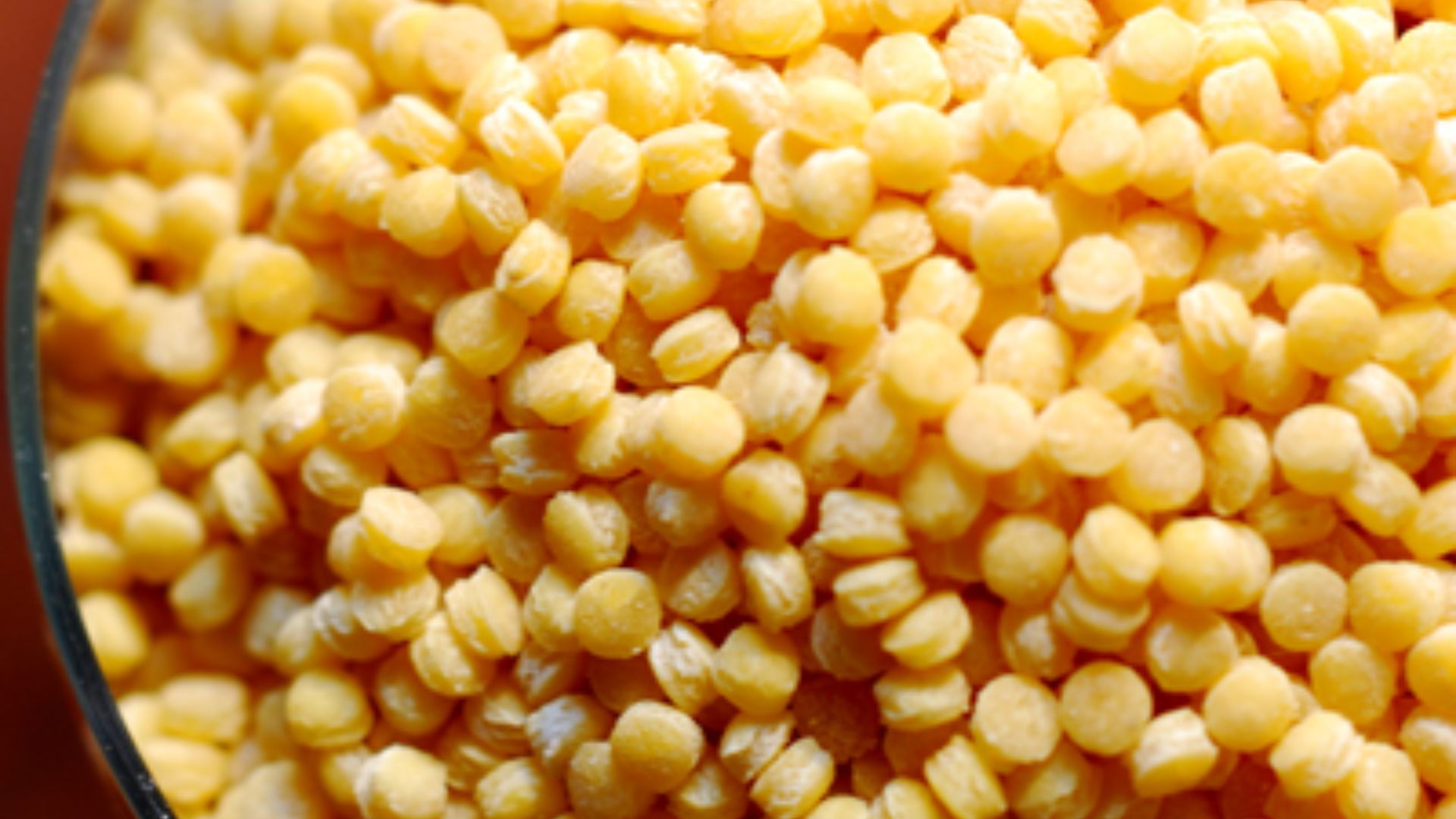
The smallest pasta shape avaible, acini de pepe literally translates to "seeds of pepper". Acini de pepe is associated with fertility, so it isn't surprising that it's often found in Italian wedding soup. Tiny varieties of pasta are known as pastina—how cute is that?
 Elcochan (talk) (Uploads) on Wikimedia
15. Gemelli
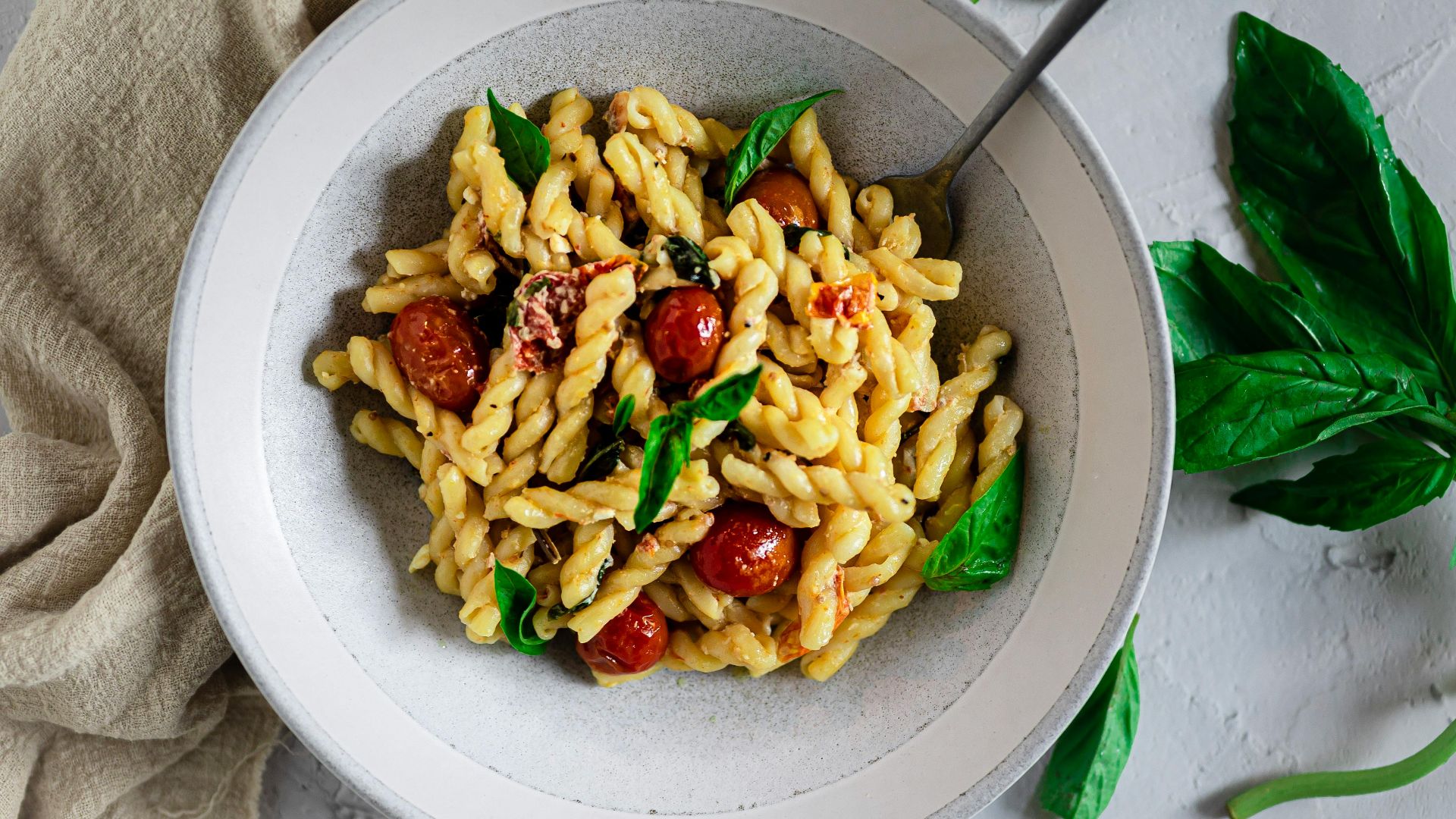
Don't confuse this spiral pasta with the star sign Gemini, though both get their name from the Italian word for twins. However, this name is actually a bit of a misnomer, as gemelli is actually one piece of pasta shaped to look like two. The ridges make it a wonderful vessel for creamy sauces.
16. Radiatori
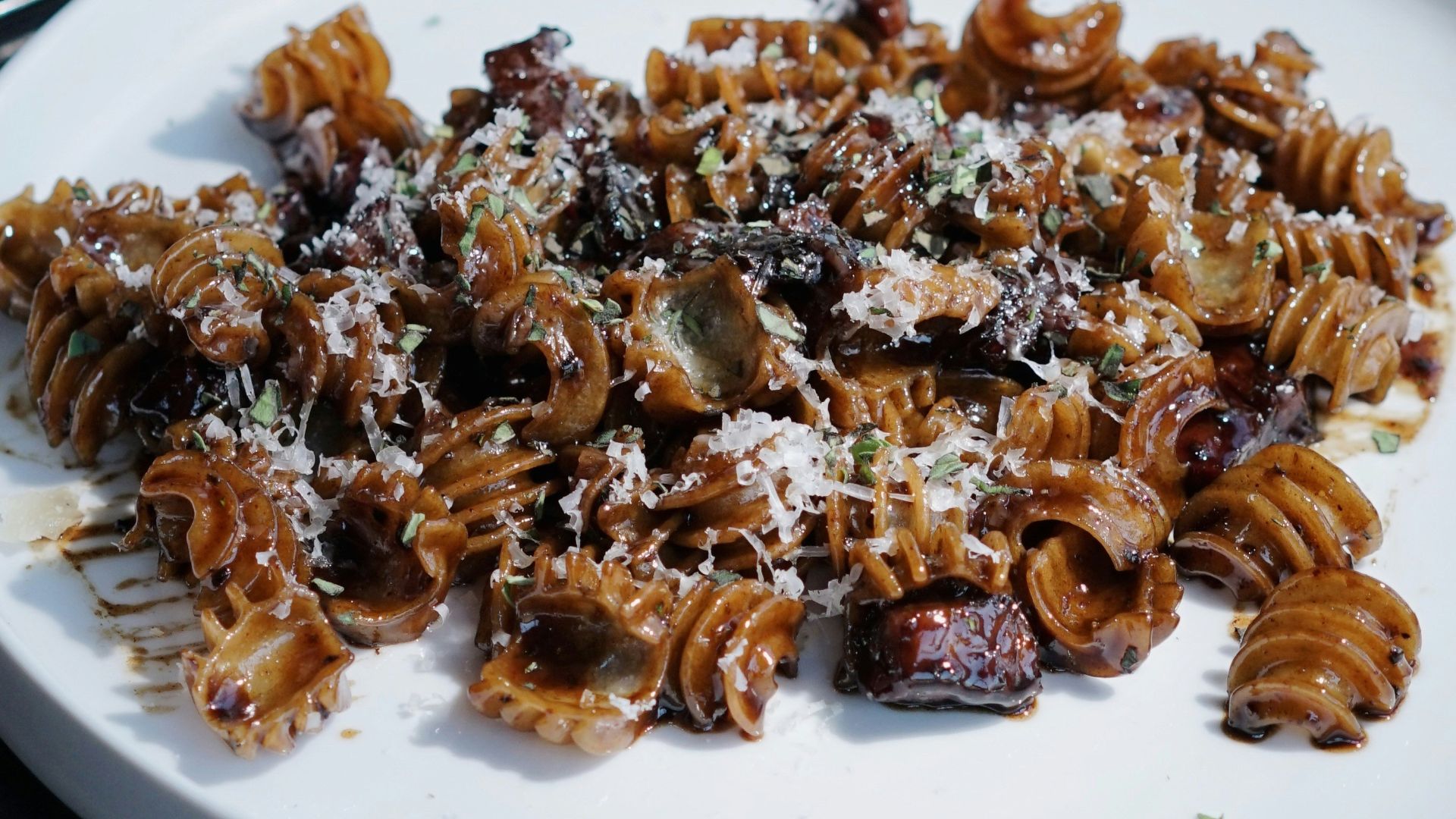
Resembling a radiator, radiatori have lots of nooks and crannies to soak up all that delicious sauce. Radiatori is a relatively strong pasta that can take the weight of thicker sauce with lots of ingredients. Contrary to popular belief, radiatori was invented between the World Wars, not in the 1960s by an industrial designer.
 Thomas Wavid Johns on Unsplash
17. Rotelle
Called wagon wheels in the US, we're sure we don't have to explain the meaning behind this pasta's name. Rotelle holds its complex shape while cooking, though it may break a bit when mixed too vigorously with sauce. Rotelle's fun shape makes it a favorite of kids.
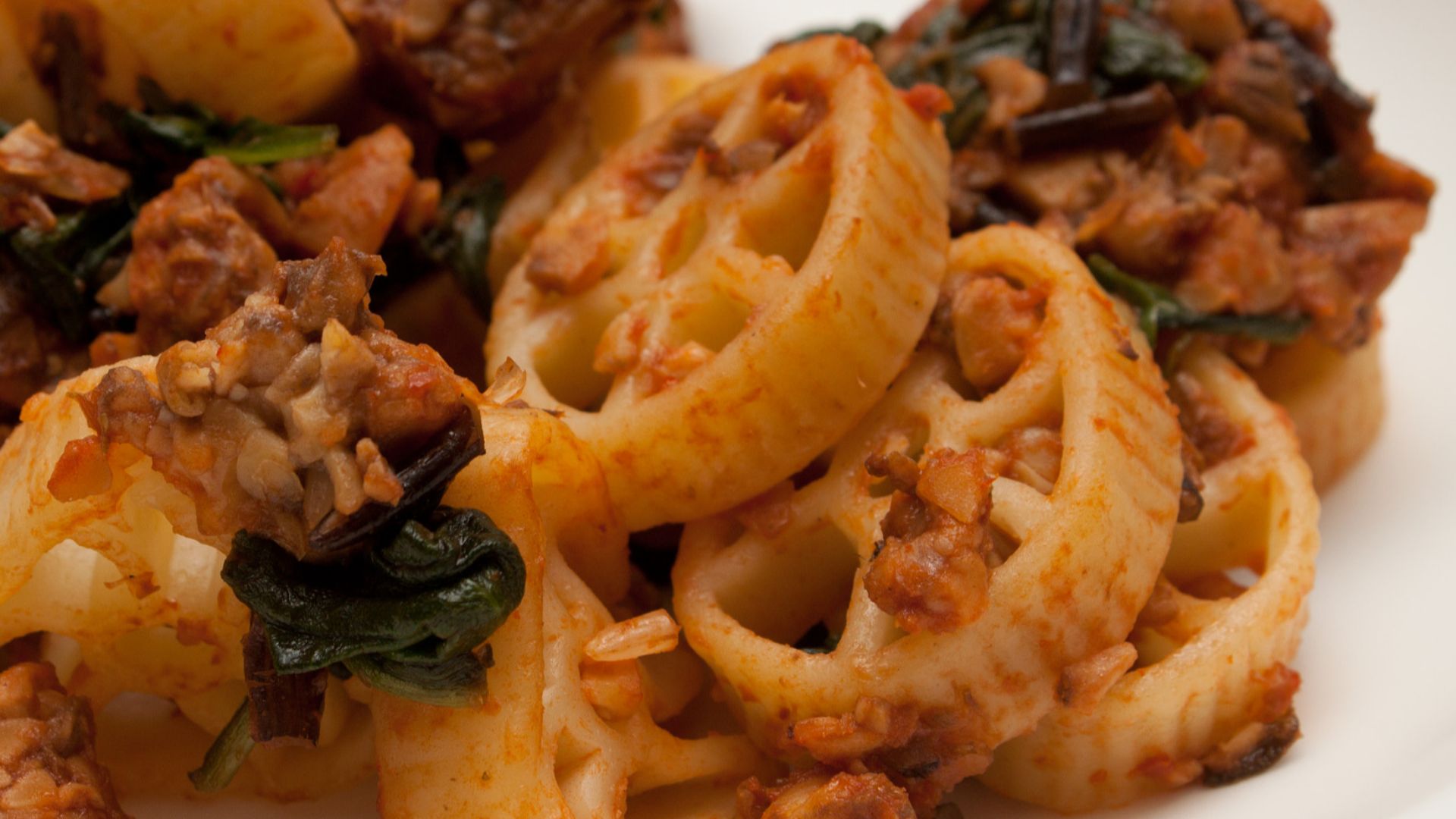
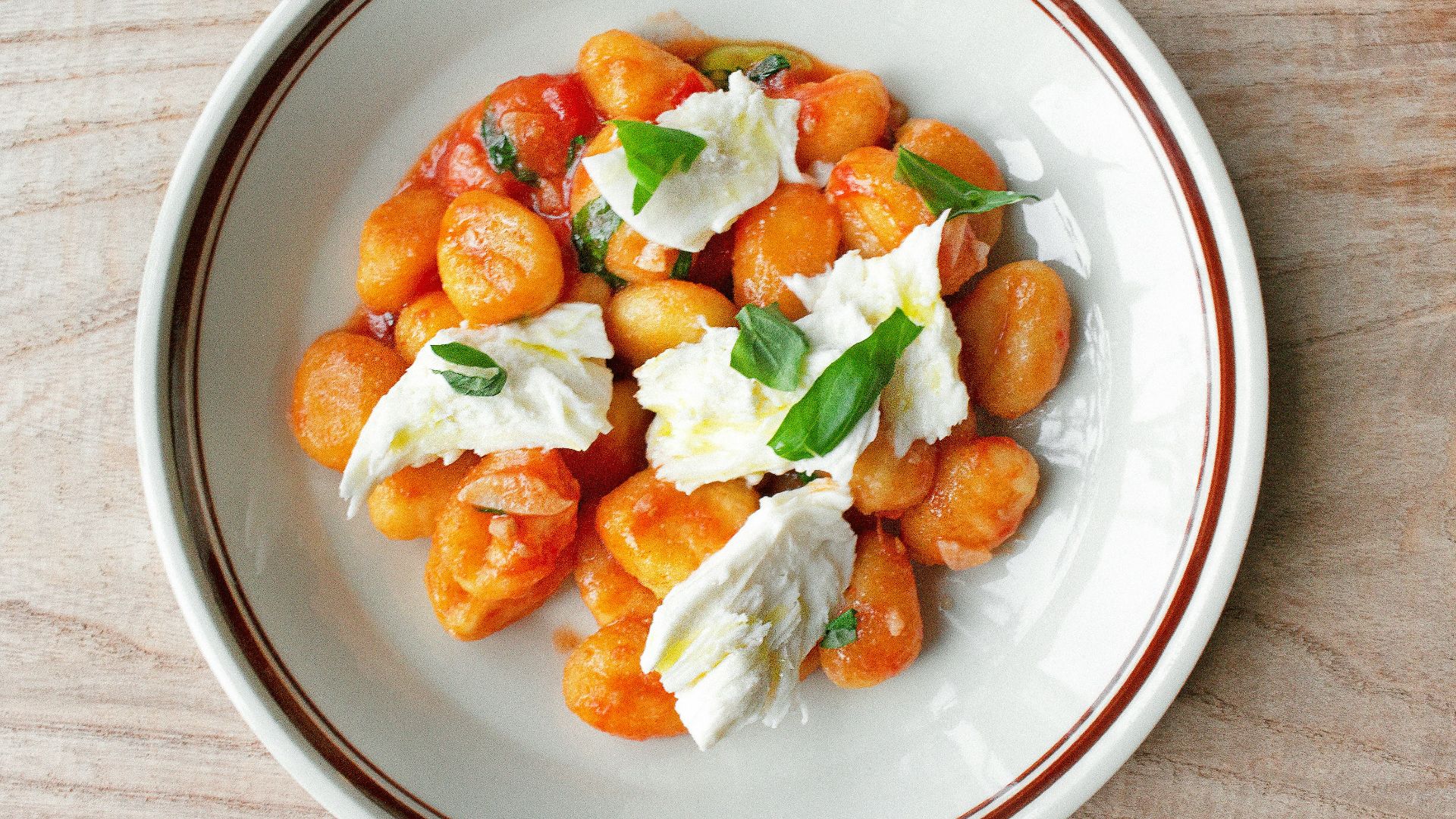
18. Gnocchi
In the North of Italy, potatoes were easier to acquire than wheat, which led to the production of this commonly-mispronounced pasta. Some form of gnocchi date all the way back to ancient times, when it was used to feed hungry Roman legions. Gnocchi means "knuckle" or "knot in the wood".
19. Capellini
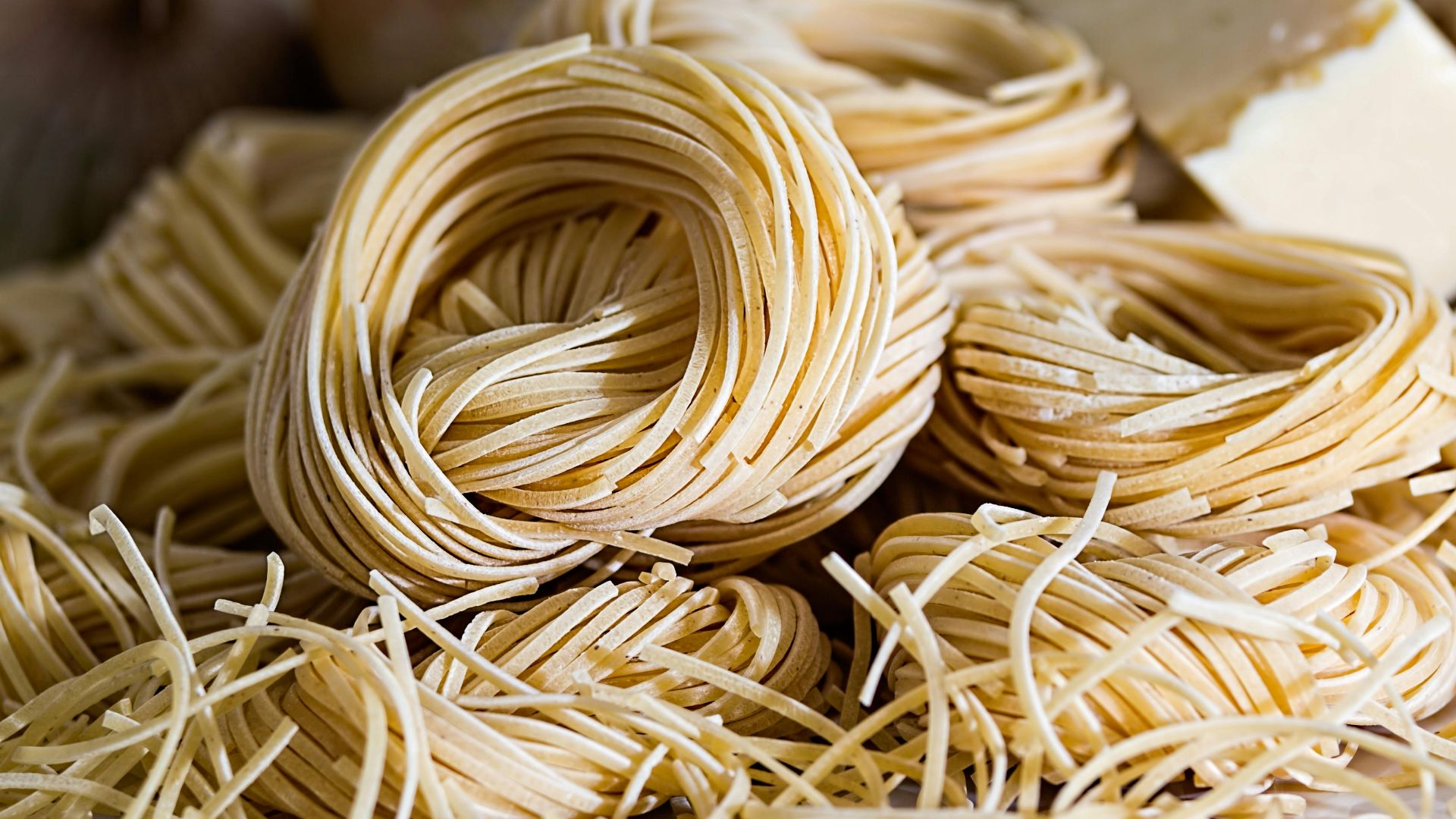
Also known as angel hair pasta, capellini is one of the most delicate pasta shapes. Due to capellini's fragile nature, this pasta is often paired with light and fresh sauces. Capellini is also served in broth.
20. Ravioli
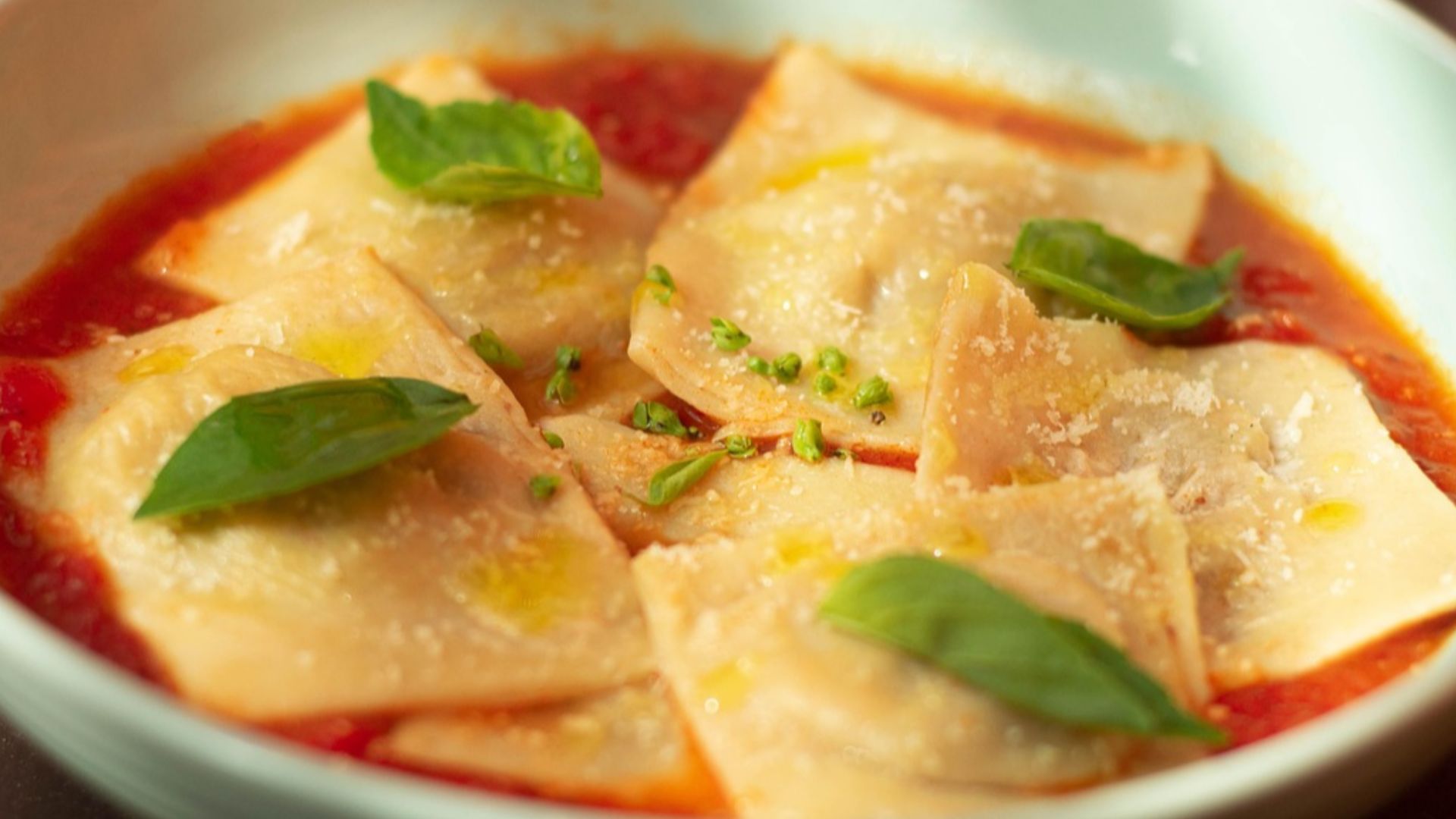
The meaning behind this Medieval pasta's name is uncertain, with some scholars proposing a root word related to turnip or cheese for the filling. What isn't confusing is ravioli's delicious taste. No matter what they're filled with, these stuffed squares are sure to delight.
KEEP ON READING
The Most Popular Chocolate Bars in the USA
The Most Popular Candies in the USA