Who's Wendy Anyway? The Stories Behind the Names of Popular Fast-Food Chains
The Names Behind the Drive-Thru Signs
Fast-food names can feel so familiar that you stop wondering where they came from, even when they’re clearly begging for questions. Some chains were named after founders, some came from family nicknames, and others were shaped by old signs, slogans, trademarks, or marketing ideas that happened to stick. Once you know the stories, a drive-thru menu starts to feel a little more like a tiny lesson in branding history. Here are the stories behind the names of 20 of your favorite fast-food restaurants.
1. Wendy’s
Wendy’s was named after founder Dave Thomas’s daughter, Melinda Lou Thomas, whose childhood nickname was Wendy. She was only a kid when her image, complete with pigtails, became tied to the restaurant’s identity. Dave Thomas later reportedly expressed regret that the name put so much attention on her. Still, the friendly family-name branding helped make Wendy’s feel personal from the start.
2. McDonald’s
The name behind those golden arches comes from brothers Richard and Maurice McDonald, who ran the original San Bernardino restaurant that caught Ray Kroc’s attention. Kroc didn’t invent the name, but he turned it into one of the most recognizable brands in the world. The surname worked because it sounded straightforward, friendly, and easy to remember.
3. Taco Bell
Taco Bell sounds like it was created in a branding meeting, but the “Bell” part came from founder Glen Bell. Before Taco Bell, he operated other food stands and experimented with selling tacos in Southern California. The name kept things simple by pairing the main food with the founder’s surname. You could say he didn’t overthink it, and honestly, that worked out pretty well.
4. Arby’s
A lot of people assume Arby’s stands for “roast beef,” since that’s what the chain became famous for. The name actually comes from the initials “R.B.,” referring to founders Forrest and Leroy Raffel, the Raffel Brothers. They originally wanted another name, but it was already taken, so Arby’s became the winner. The roast beef connection was just a happy coincidence.
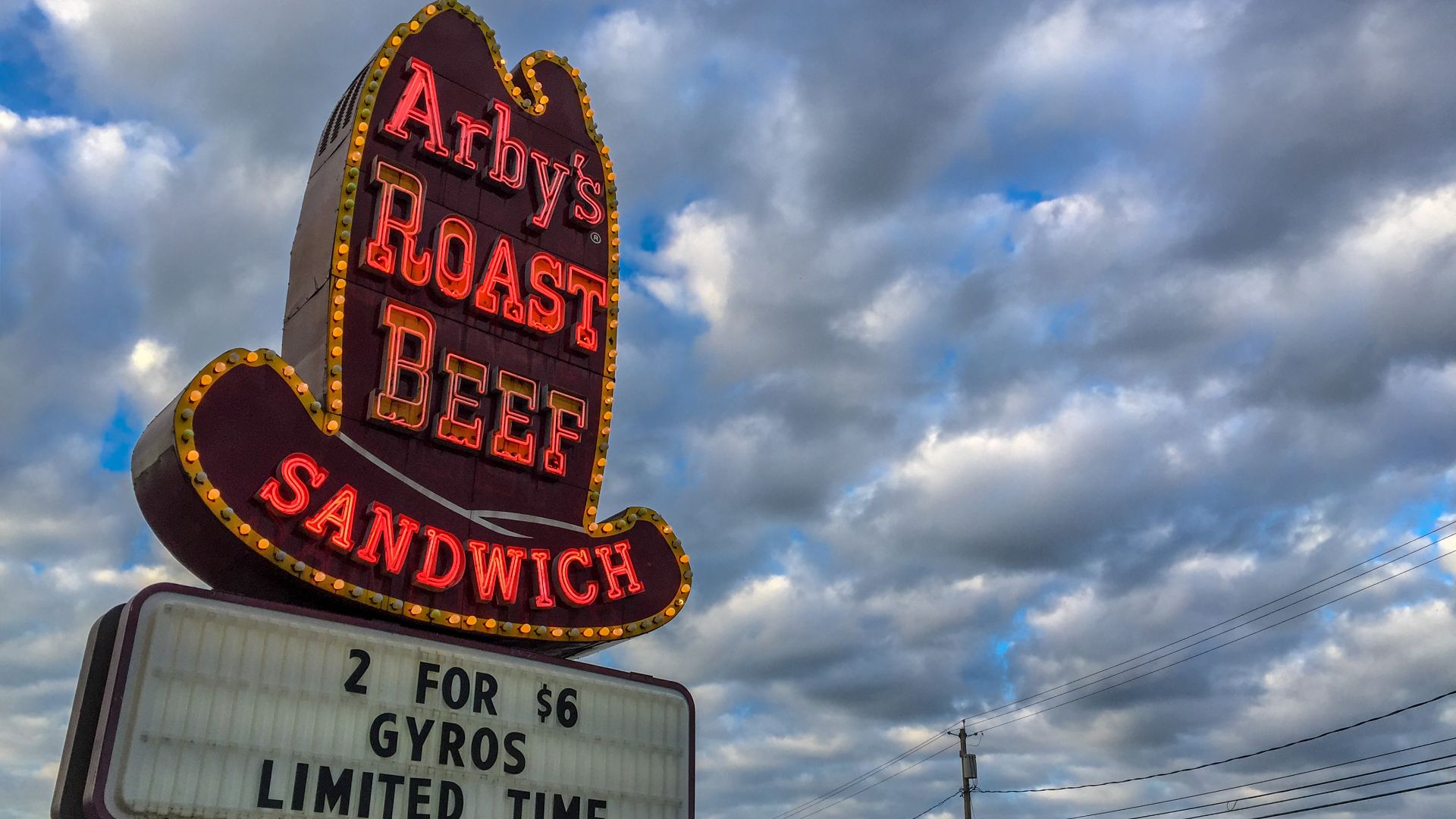 Kenneth C. Zirkel on Wikimedia
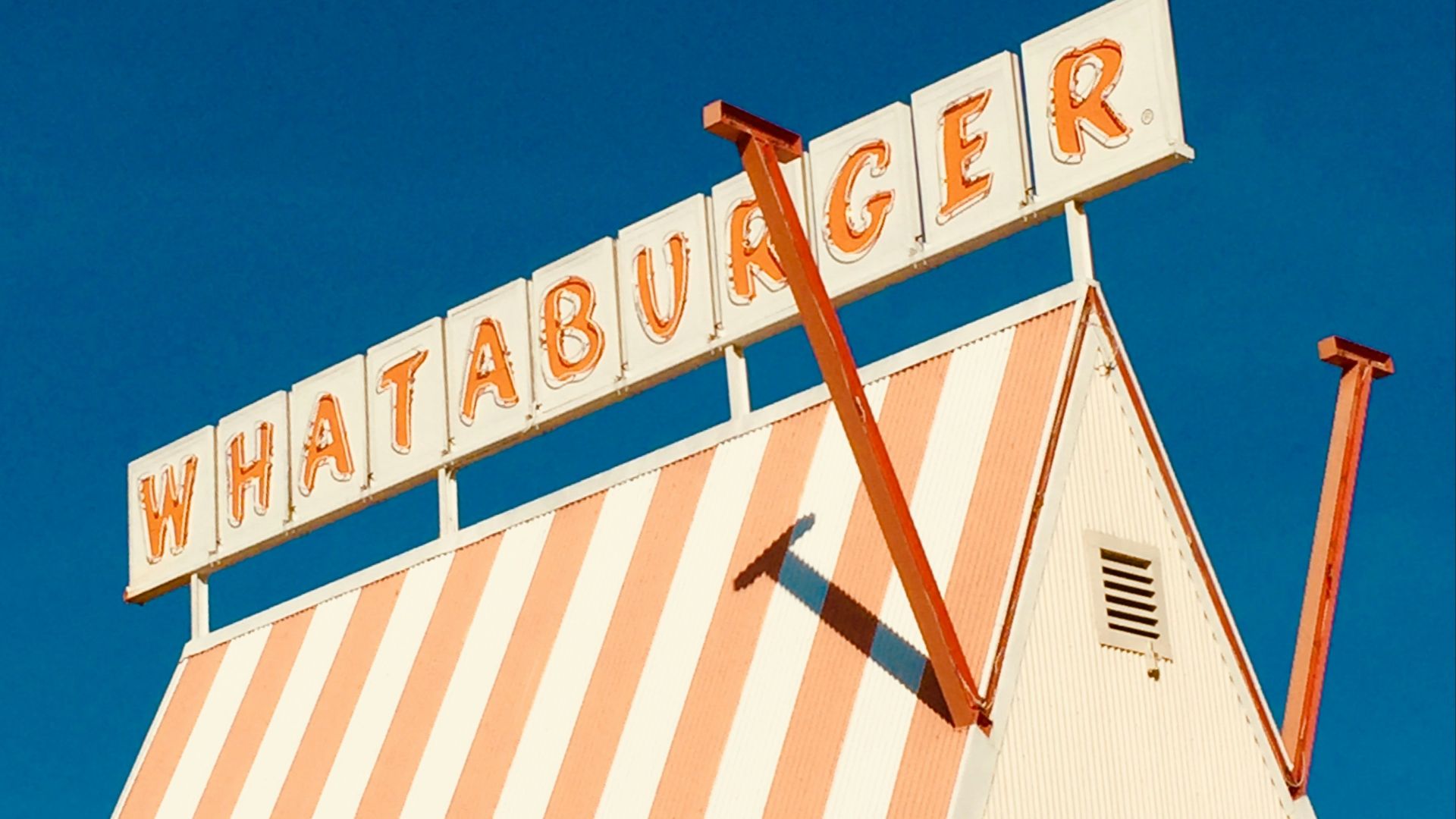
5. Whataburger
Whataburger’s name came from founder Harmon Dobson’s goal of making a burger so big and satisfying that customers would say, “What a burger!” after eating it. The first location opened in Corpus Christi, Texas, in 1950, and the oversized burger helped the name feel more like a promise than just a label. It was simple, memorable, and built around the reaction Dobson wanted from customers.
6. Popeyes
Popeyes was not named after Popeye the Sailor, even though plenty of people have assumed that over the years. Founder Al Copeland said the name came from Popeye Doyle, Gene Hackman’s tough detective character in The French Connection. The restaurant had originally opened under another name before Copeland rebranded it as Popeyes and leaned into spicy Louisiana-style chicken.
7. Chick-fil-A
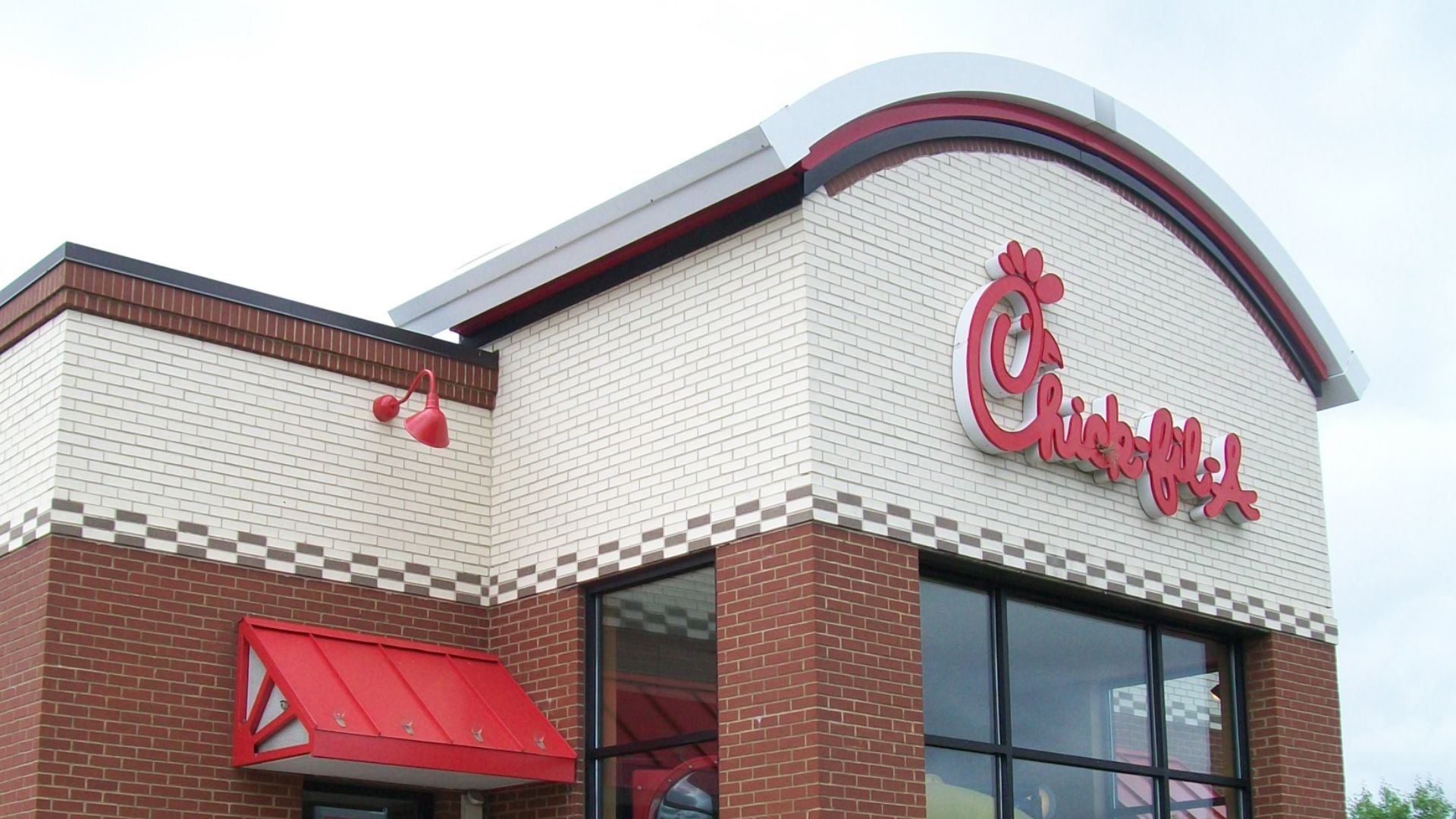
Chick-fil-A’s name is built around the phrase “chicken fillet,” with the spelling made more brand-friendly. The capital “A” has long been associated with the idea of top quality, as in “grade A.” Founder S. Truett Cathy built the chain around the chicken sandwich, so the name keeps the signature item right in front of you.
8. Burger King
Burger King started life as Insta-Burger King in Jacksonville, Florida. The “Insta” part came from the early cooking equipment and a very 1950s love of anything that sounded fast and modern. Once the company changed hands and grew, the shorter Burger King name became much stronger. It told customers exactly what the place wanted to be: the ruler of the burger counter.
9. Sonic Drive-In
Sonic wasn’t always Sonic. The chain grew out of a drive-in concept called Top Hat, but that name ran into trademark trouble. The new name matched the slogan “Service with the Speed of Sound,” because the original concept used speakers to take orders, allowing for faster service. The name fit the drive-in’s quick-order, jet-age, car-focused personality.
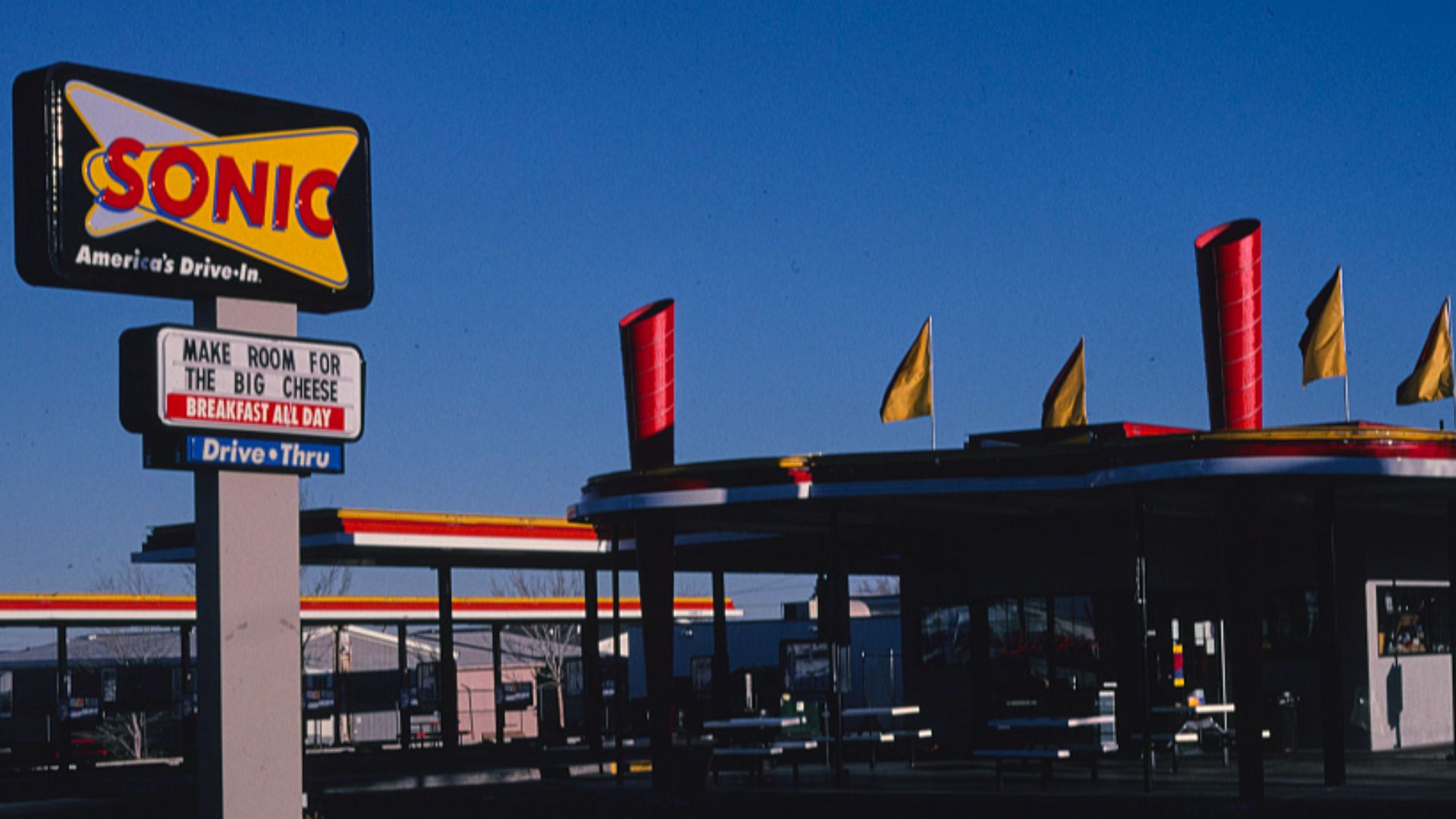 The Library of Congress on Wikimedia
10. Hardee’s
Hardee’s was named after founder Wilber Hardee, who opened his first restaurant in Greenville, North Carolina, in 1960. The name may sound like it was created to suggest hearty fast food, but it was simply his last name on the sign. It’s a good reminder that some restaurant names only seem like marketing words after the business becomes famous.
11. Tim Hortons
Tim Hortons was named after Tim Horton, the Canadian hockey player who co-founded the chain in 1964. The first shop opened in Hamilton, Ontario, and focused on coffee and doughnuts before becoming a much bigger part of Canadian food culture, and even moving south across the border. Horton’s name gave the brand instant personality, especially for customers who already knew him from the NHL.
12. Church’s Chicken
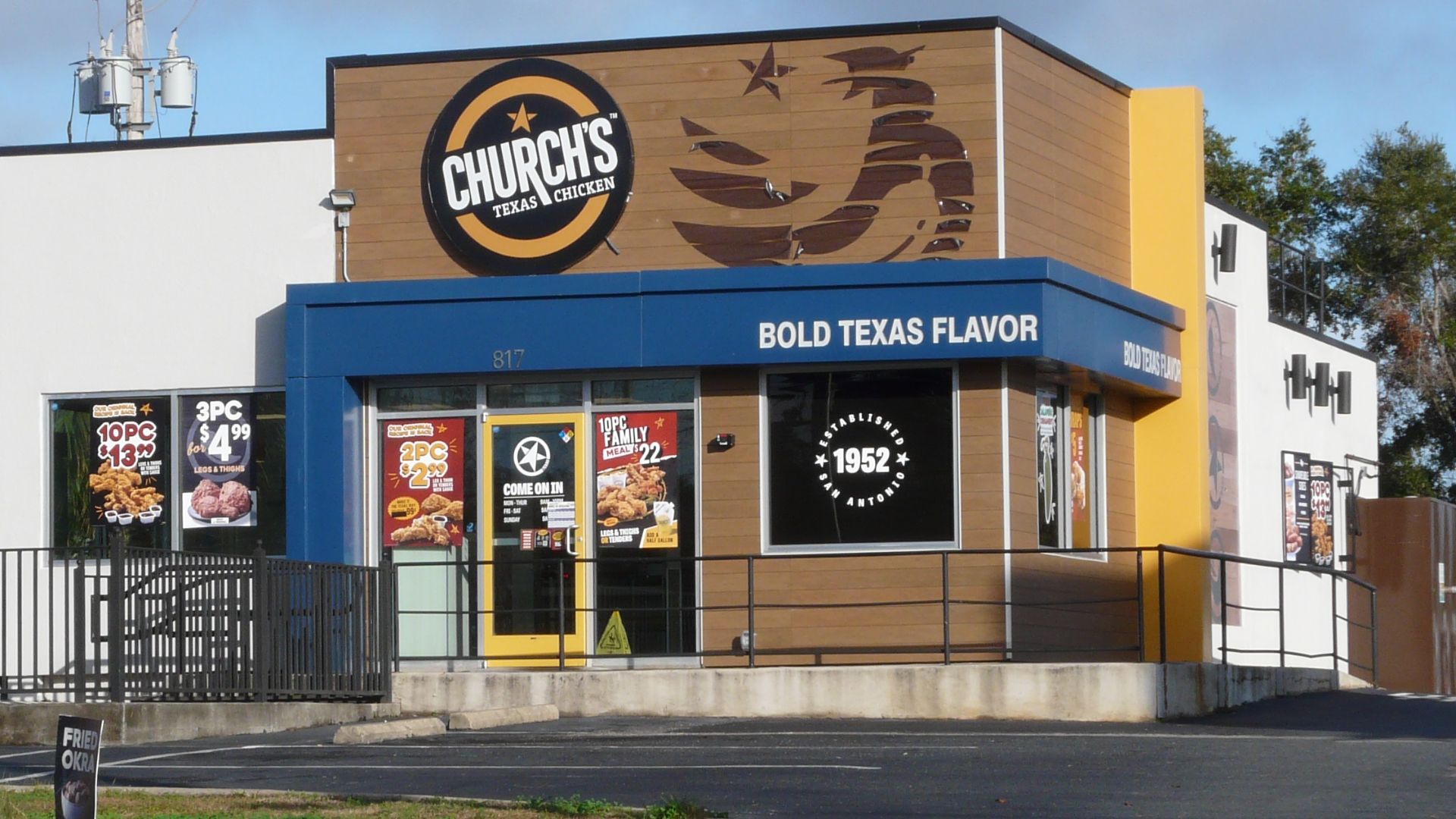
Church’s Chicken wasn’t named for a church, even though the name has confused plenty of people. It came from founder George W. Church Sr., who opened the first location across from the Alamo in San Antonio in 1952. The original spot sold fried chicken to-go, and the family name simply became the brand.
13. Culver’s
Culver’s was named after the Culver family, who opened the first restaurant in Sauk City, Wisconsin, in 1984. The name itself is straightforward, but the chain’s identity came from a very specific family history in restaurants and supper clubs. Craig Culver’s mother, Ruth, helped shape the hospitality style, while the menu leaned into Wisconsin favorites like butter burgers and frozen custard.
14. Five Guys
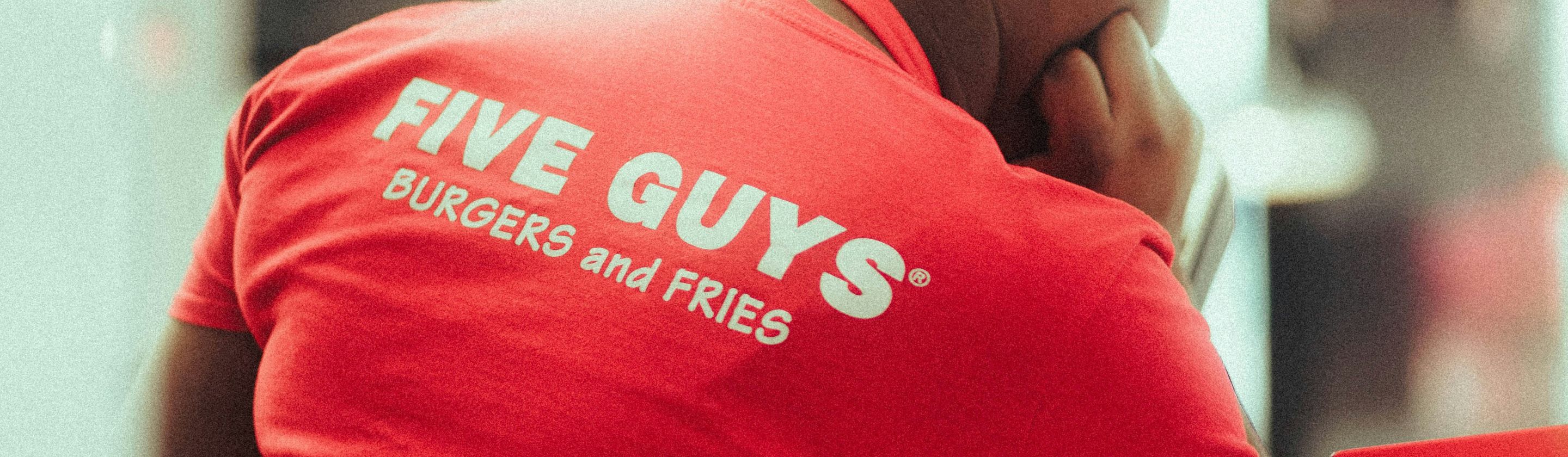
Five Guys was named for the Murrell family’s “five guys.” At first, that meant founder Jerry Murrell and his four sons, though the family later welcomed another son, and the meaning shifted to the five boys. The name gave the burger chain a casual, family-run feeling from the beginning.
15. Jollibee
Jollibee’s name came from founder Tony Tan Caktiong’s desire for a mascot that felt cheerful, hardworking, and inviting. The “jolly” part was meant to suggest happiness, while the bee represented busy teamwork and energy. The chain started in the Philippines as an ice cream parlor before shifting toward burgers, fried chicken, and spaghetti.
16. Subway
Subway started as Pete’s Super Submarines, named for cofounder Peter Buck and the submarine sandwiches it sold. Over time, the name was shortened and reshaped into Subway, which kept the “sub” idea while making the brand easier to say and remember. It also gave the chain a cleaner, faster feel as it expanded into franchising.
17. Domino’s
Domino’s was originally called DomiNick’s, after the pizza shop Tom and James Monaghan bought in Michigan. When they needed a new name, Domino’s became the replacement, and the logo’s three dots represented the three stores the company had at the time. The plan to add a dot for every new location clearly didn’t survive the chain’s growth.
18. Raising Cane’s
Raising Cane’s was named after founder Todd Graves’s yellow Labrador, Raising Cane, who was a frequent presence at the first restaurant's construction site in 1996. The dog became part of the chain’s identity, which helped the brand feel more personal than a typical chicken-finger spot.
19. Little Caesars
Little Caesars was founded by Mike and Marian Ilitch in Michigan in 1959. The name was chosen by Marian, who affectionately nicknamed her husband and co-founder, Mike Ilitch, "Little Caesar". Despite Mike originally wanting to call the establishment "Pizza Treat," Marian insisted on "Little Caesar's Pizza Treat" to honor her husband.
20. Carl’s Jr.
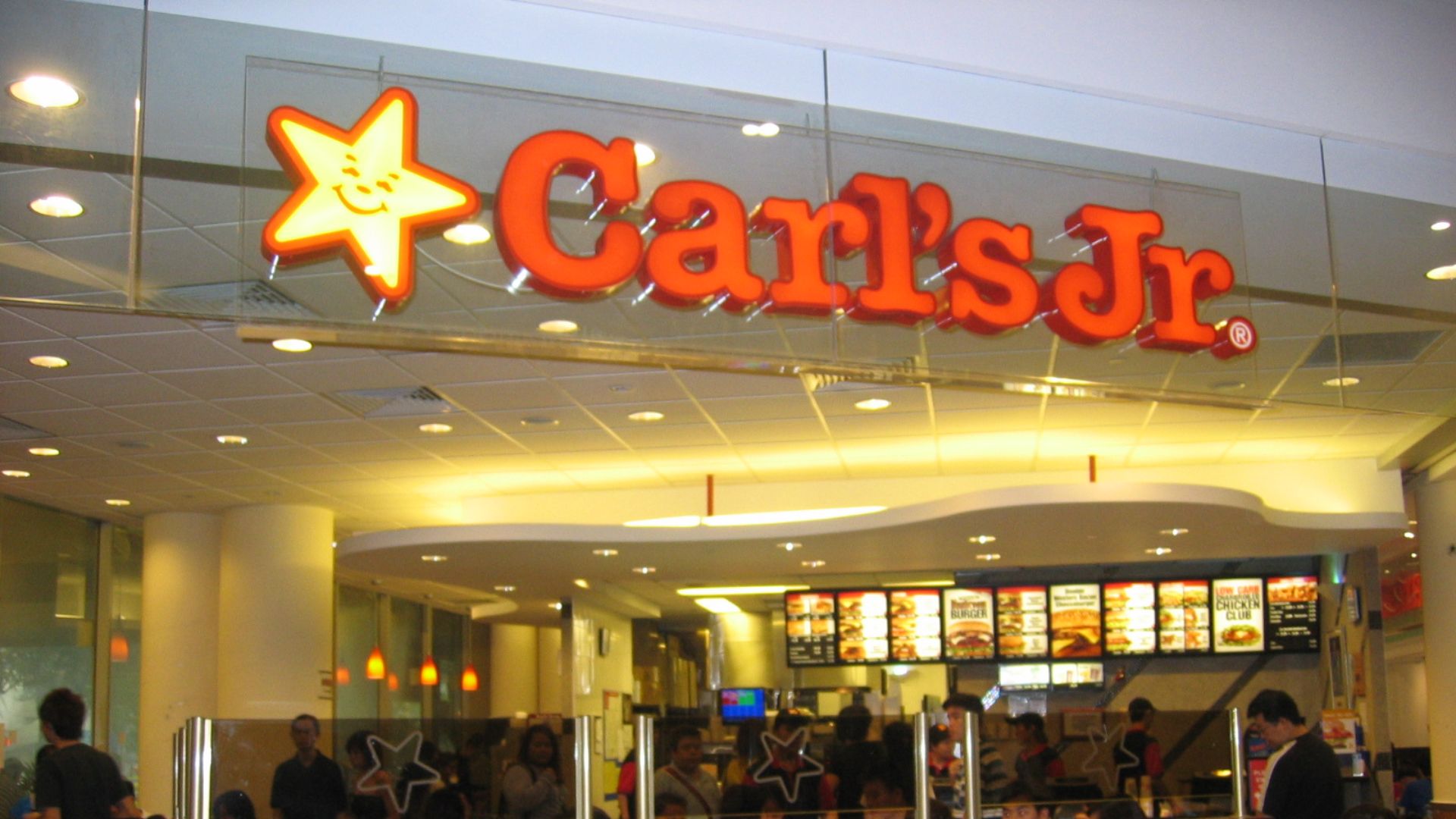
Carl’s Jr. was named after founder Carl Karcher, who started with a hot dog cart before opening Carl’s Drive-In Barbecue. When he later launched smaller, quick-service versions of that restaurant, they became Carl’s Jr. because they were basically the junior version of Carl’s original place.
KEEP ON READING

20 Foods Used in Fertility Rituals Around the World
20 Foods That Taste Better the Next Day