The History of Tailgating: From Civil War Battlefield to Favorite American Pastime
The History of Tailgating: From Civil War Battlefield to Favorite American Pastime
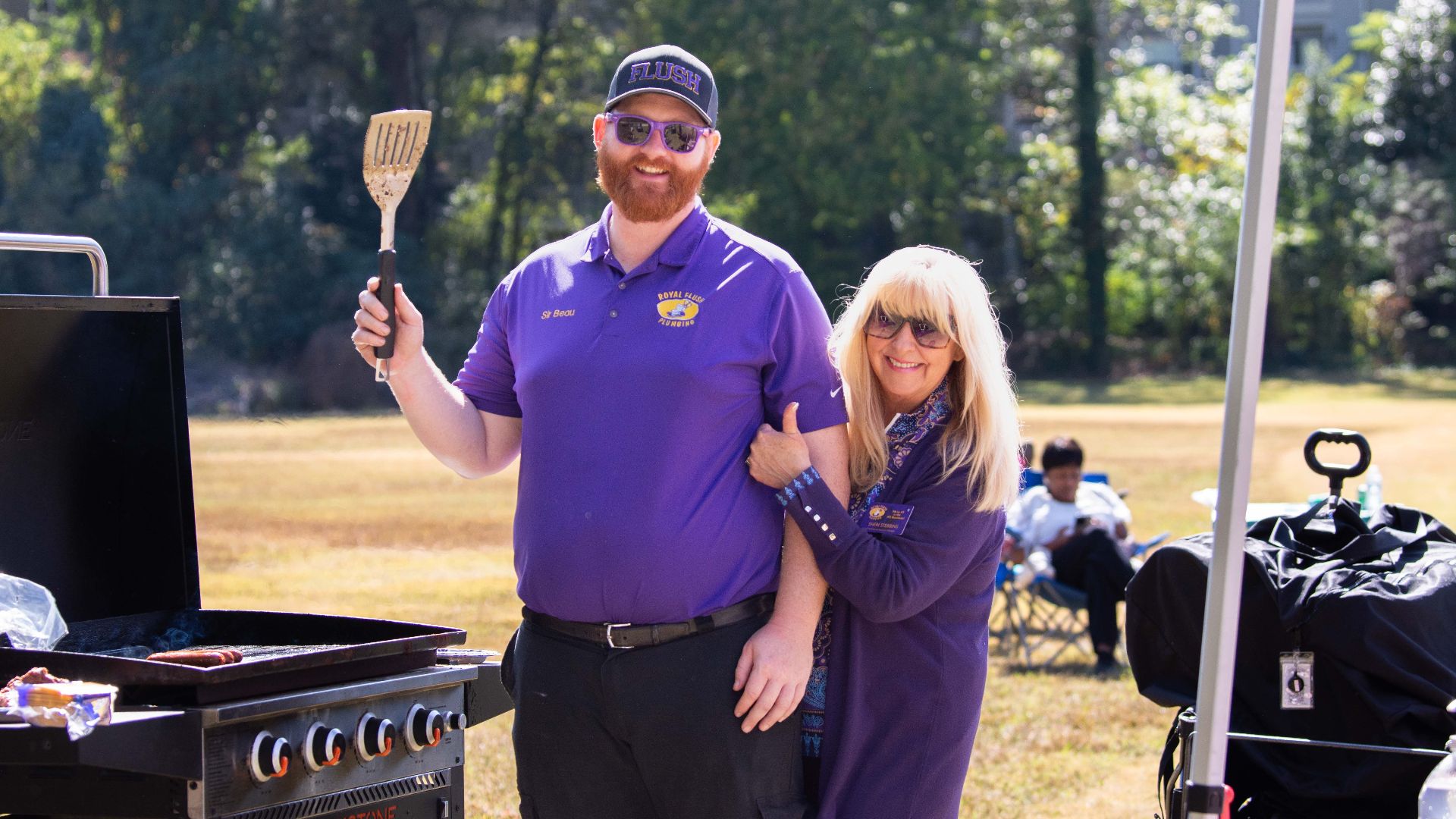
Tailgating feels so perfectly American that it’s easy to assume it was invented the moment someone parked near a stadium with a cooler. Today, it means pick-up trucks, grills, folding chairs, team colors, music, dips, and burgers. It’s part meal, part social ritual, and part warm-up to the main event, which sometimes outshines the main event.
The funny thing is that tailgating didn’t start with football, touchdowns, or even stadium parking lots. Its roots are often traced back to public gatherings around major events, including a surprisingly strange Civil War connection. Over time, the tradition moved from battlefield spectatorship to college football, then into the modern stadium culture we know now. Somewhere along the way, Americans turned waiting for a game into an event all its own.
From Battlefield Picnics to Public Spectacle
One of the most repeated origin stories points to the First Battle of Bull Run in 1861. Civilians from Washington, D.C., reportedly traveled out toward the battlefield expecting to watch the fighting from a distance. Many brought food, drinks, blankets, and a picnic mindset that seems shocking now, given what they were actually going to witness. It was not tailgating in the modern sense, but it did involve spectators gathering near a major event with provisions in hand.
That early scene tells us something important about American social habits. People have long wanted to turn public events into shared outings, even when the event itself was serious, chaotic, or poorly understood. The Bull Run spectators were not grilling burgers behind SUVs, of course, but they were treating a public spectacle as something you could attend with food and company.
After the Civil War, large public gatherings became more organized, especially as sports grew in popularity. Americans were already used to bringing food to fairs, political rallies, races, and community events. As transportation improved, people could travel farther for entertainment and stay longer once they arrived. The conditions were slowly forming for the kind of pre-event meal that would later become tailgating.
Football Gave Tailgating Its Favorite Home
College football helped give tailgating the identity people recognize today. The first intercollegiate football game between Rutgers and Princeton took place in 1869, and that game marked the start of a culture that would grow massively. Football quickly became a social event as much as an athletic one. Fans didn’t just come to watch; they came to gather.
By the late 19th and early 20th centuries, football crowds were becoming larger and more enthusiastic. People traveled by carriage, train, and eventually automobile to attend games, bringing food and drinks with them. Before modern stadium concessions became common, eating before or around the game was practical as well as fun.
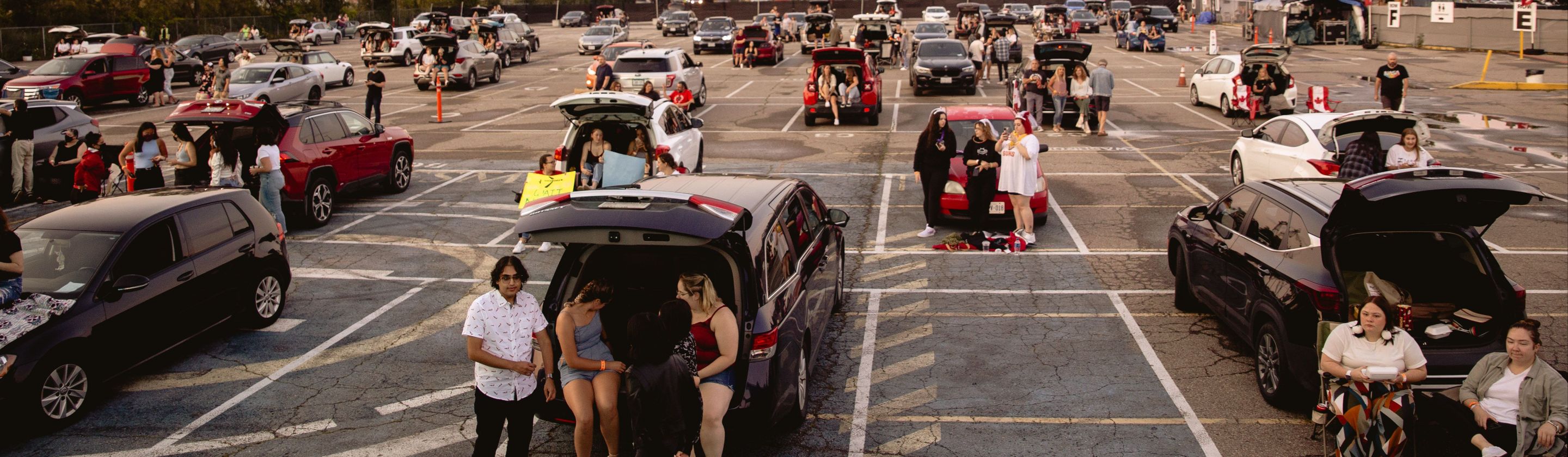
The automobile changed everything. Once people could drive to games, the vehicle itself became part of the celebration. Pickup truck tailgates, station wagons, trunks, and folding tables created instant outdoor kitchens. Parking lots became gathering spaces where fans could cook, talk, compare team loyalty, and delay going inside until absolutely necessary.
The Parking Lot Became Its Own Party
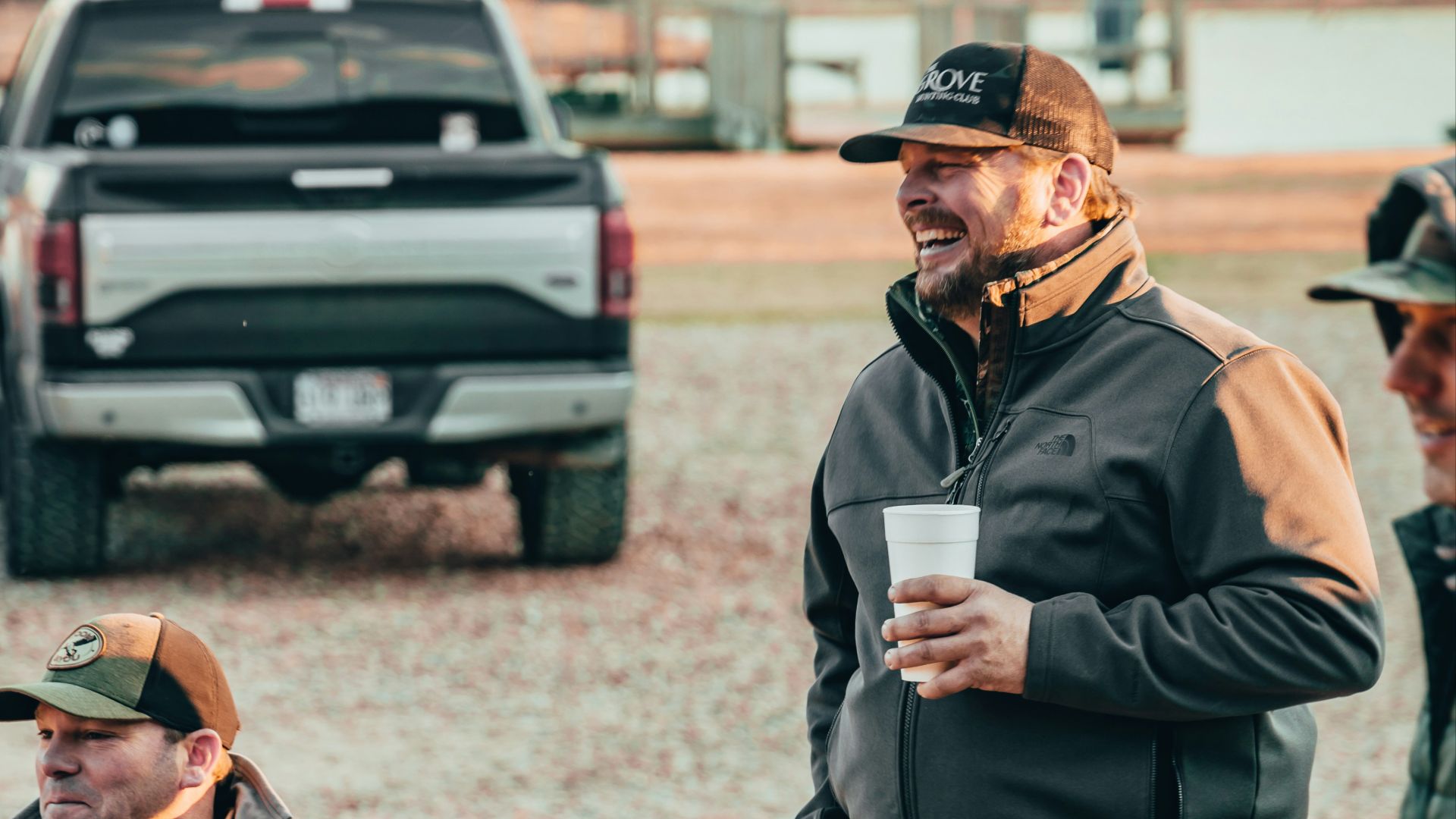
By the middle of the 20th century, tailgating had become closely tied to football culture, especially college football. Universities offered the perfect setting because games were often full-day events with alumni, students, families, and local fans all mixing together. A Saturday game could become a reunion, a feast, and a school-pride parade well before kickoff. The parking lot started to matter almost as much as the seats inside the stadium.
Regional food also helped tailgating become more than a generic pregame meal. In Wisconsin, you might find brats and cheese-heavy spreads. In Louisiana, tailgates can involve gumbo, jambalaya, and enough seasoning to make plain hot dogs feel embarrassed. Across the Midwest, South, and Northeast, fans shaped the tradition around local tastes, which made tailgating feel personal instead of copied.
Professional football gave tailgating another boost. NFL fans embraced parking-lot gatherings as a way to stretch the game-day experience beyond four quarters. Some fans arrive hours early, while others prepare menus that look more complicated than a holiday dinner. At that point, the game feels more like an excuse.
Why Tailgating Still Feels So American
Tailgating has lasted because it turns sports into a community. You don’t have to know every statistic to enjoy standing near a grill with people wearing the same colors. It gives fans a place to belong before the competition begins, and that sense of belonging can be just as powerful as the final score.
There’s also a casual democracy to the whole thing. A luxury suite may separate people by money, but a parking lot tailgate can bring together neighbors, strangers, alumni, coworkers, and relatives who only speak during football season. The setup may be simple or absurdly elaborate, but the basic idea stays the same. Show up, bring something, share what you can, and hope your team doesn’t ruin dessert.
Modern tailgating has expanded beyond football, too. You’ll find versions of it at baseball games, concerts, NASCAR races, soccer matches, and even non-sports festivals. The practice has become less about a literal tailgate and more about the pleasure of gathering early, eating well, and making the event feel bigger than the ticket.
KEEP ON READING
20 Potluck Dishes So Bad You Won't Be Invited Back