A man walks into an emergency room describing the worst headache of his life, the kind that arrives all at once and refuses to ease off. He has not been in an accident and has no history of migraines. What he has done, a few days earlier, is finish a Carolina Reaper at a pepper eating contest, and doctors would eventually trace his symptoms directly back to that single bite. It sounds like an exaggeration until you see the actual case file.
Stories like this keep showing up in actual medical journals, not just internet forums, and the pattern is consistent enough that emergency physicians now factor spicy food into their questioning. The pepper responsible for most of these cases, and the one that eventually dethroned it, tell you something about how far people are willing to push past a body's basic warning system.
The Reaper That Sent A Man's Brain Into Spasm
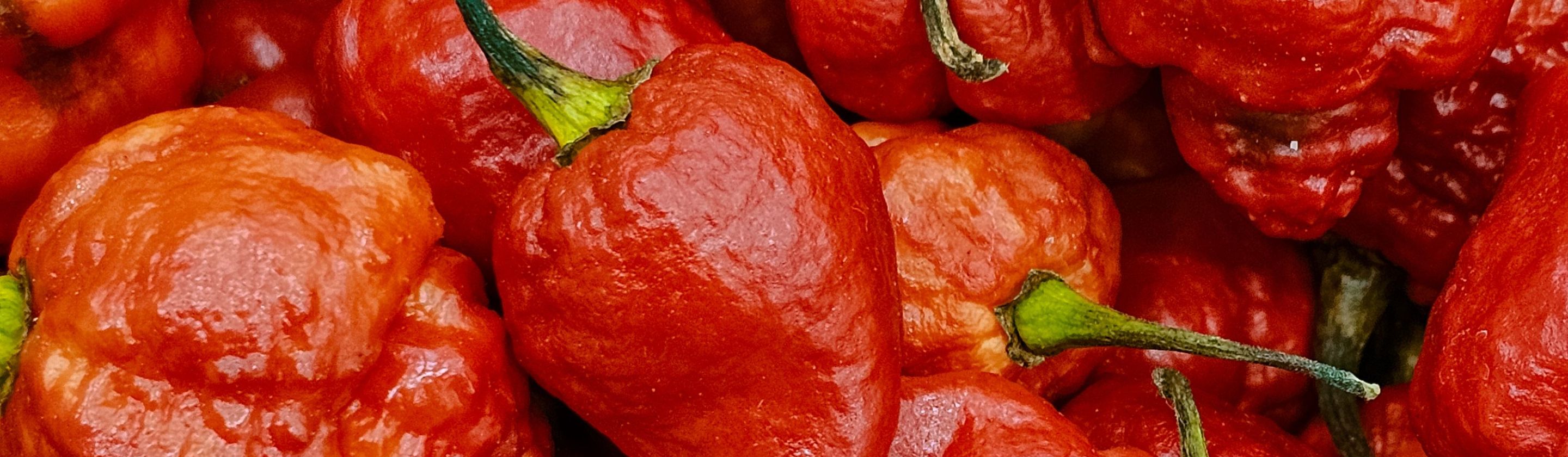
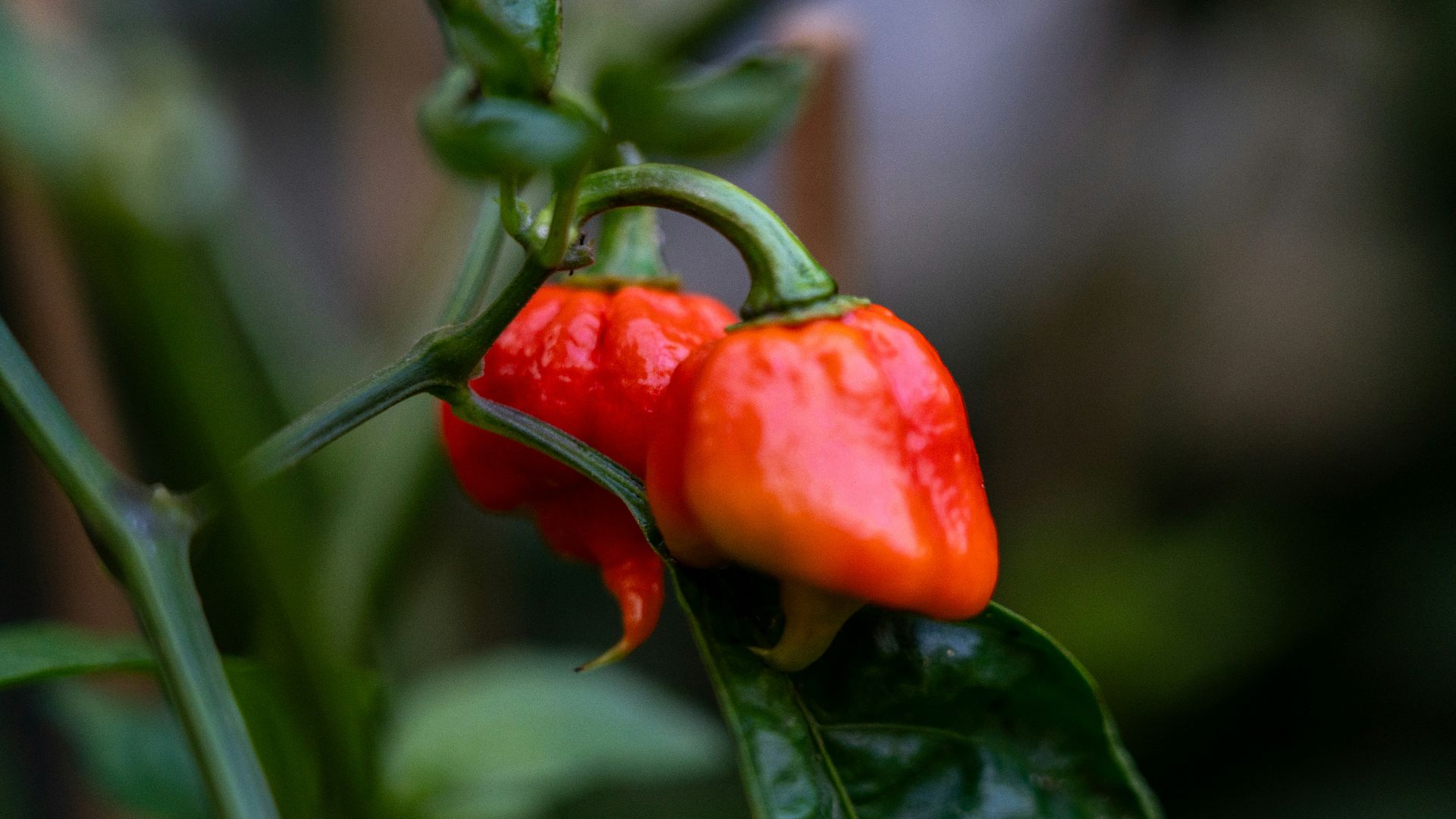
In April 2018, doctors published a case describing a 34-year-old man who ate a Carolina Reaper during a hot pepper eating contest. Within moments, he doubled over with severe stomach pain and dry heaving. Days later, he was struck by sudden, thunderclap headaches that kept returning over the course of a week.
Brain scans eventually revealed several constricted arteries, a condition called reversible cerebral vasoconstriction syndrome, or RCVS. Doctors ruled out a brain bleed and other more common causes before landing on the pepper as the likely trigger, noting that capsaicin behaves like other vasoactive substances already known to spark the same reaction. The headaches took weeks to fully resolve, and the case was reportedly the first time a Carolina Reaper had ever been directly implicated in the condition.
That report was not an isolated one either. A separate case involved a 15-year-old boy who ate a Carolina Reaper on a dare, then developed a headache during football practice two days later and was ultimately diagnosed with a cerebellar infarct alongside the same vasoconstriction syndrome. Two very different patients ended up with the same rare diagnosis after the same pepper.
When The Body Overreacts To Capsaicin
Capsaicin, the compound responsible for a pepper's heat, works by triggering the same receptors your body uses to detect actual physical burning. At extreme concentrations, that signal appears capable of spilling over into the blood vessels supplying the brain, which researchers believe is what pushes certain people into RCVS in the first place.
The damage is not always confined to the head either. A 47-year-old man who ate a ghost pepper burger during a 2016 eating contest ended up in emergency surgery with a torn esophagus and a collapsed lung, a diagnosis known as Boerhaave syndrome. Doctors were careful to point out that the pepper itself never burned through any tissue, despite how the headlines around the case made it sound. The violent retching it caused generated enough internal pressure to tear the esophagus on its own.
Contests amplify all of this considerably, since eating an entire superhot pepper in one sitting is a completely different event than working a little into a dish over dinner. Your body was simply never built to process that much capsaicin all at once, and each of these cases involved someone pushing well past the point their body was already trying to warn them about.
The Pepper That Made The Reaper Look Mild
The Carolina Reaper, bred by Ed Currie of PuckerButt Pepper Company, held the Guinness World Record for hottest pepper for a full decade after averaging 1.64 million Scoville Heat Units in 2013. A jalapeño, for comparison, typically lands somewhere between 3,000 and 8,000 units, which puts the gap into perspective fast.
In October 2023, Currie broke his own record with a new pepper called Pepper X, tested by Winthrop University at an average of 2.69 million Scoville Heat Units. Because the scale is logarithmic, that works out to roughly three times hotter than the Reaper, not just double, and Currie has described the sensation as immediate and brutal on contact, followed hours later by cramping severe enough to leave him lying flat on the ground.
None of this seems to be slowing down hot pepper eating contests, which keep drawing new entrants every year despite a small but growing pile of case reports describing exactly what can go wrong. The peppers keep getting hotter, and so, apparently, does everyone's appetite for finding out what happens next.
KEEP ON READING