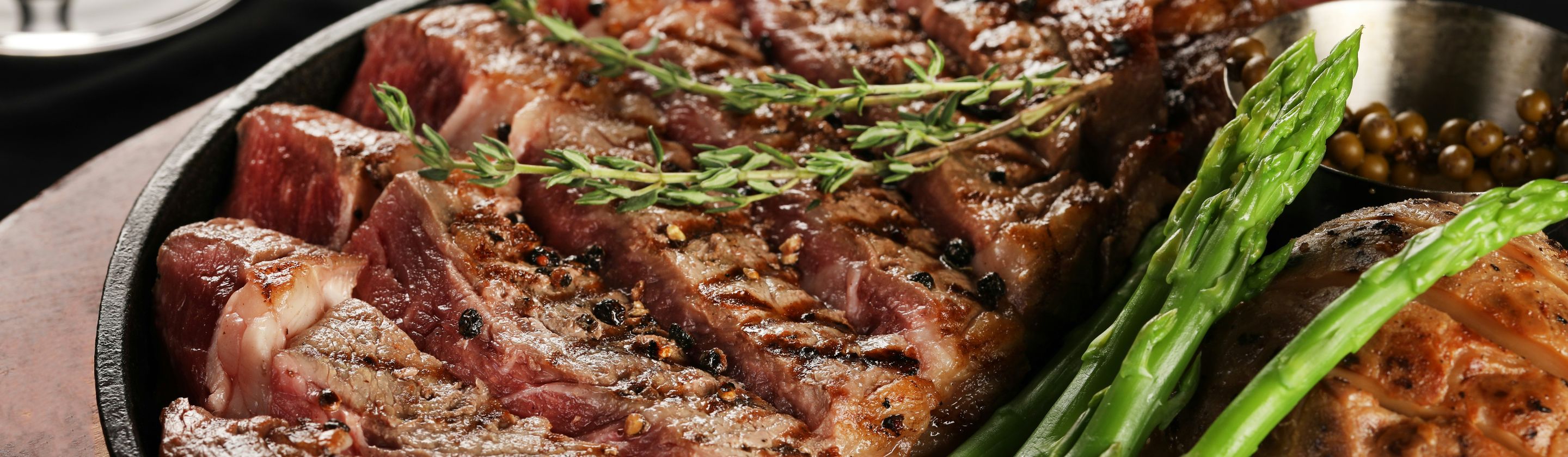
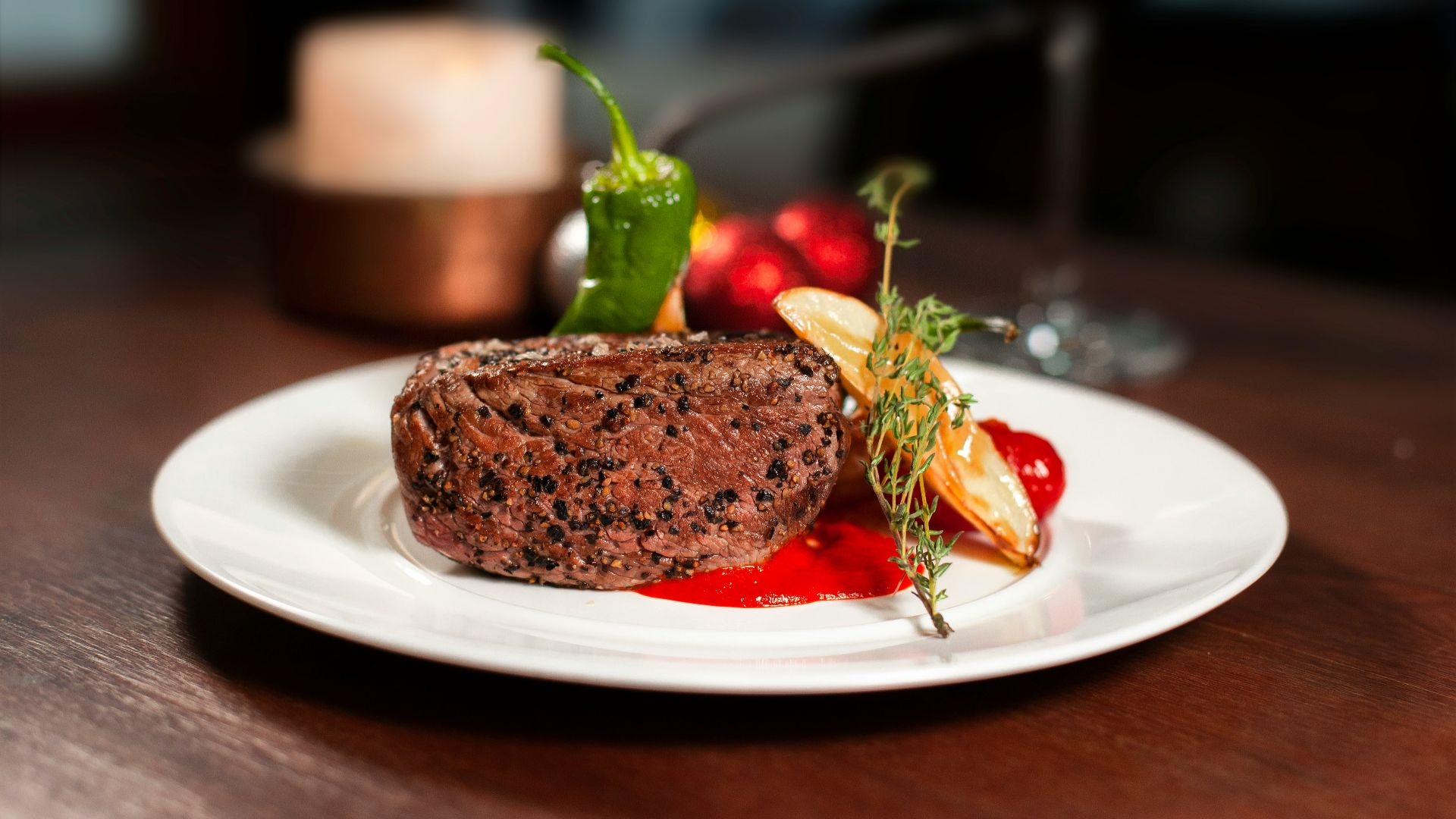
A restaurant in California can serve beef tartare or a ribeye that's barely been introduced to the grill. The one steak it can't put on the menu at any temperature comes from a horse. It doesn't matter if the meat was bought legally in Canada or if every customer knows exactly what they're ordering.
Horse is leaner and a little sweeter than beef, and diners in France and Japan order it without a second thought. In the United States it sits in a strange legal spot. A handful of states ban it by name, and no American plant has legally produced it for the table since 2007. That makes horse one of the few meats in the country that's legal to eat in most places and almost impossible to buy.
Where It's Off the Menu
According to the Animal Legal & Historical Center at Michigan State University's law school, four states have laws that explicitly ban selling horsemeat for people to eat. Texas and California are on that list, along with Illinois and Oklahoma, and Mississippi has achieved the same end by declaring the meat unfit for human consumption. The Texas law dates to 1949 and sat mostly ignored until 2007, when a federal appeals court upheld it and the state's two foreign-owned horse plants had to shut down.
California's version came from a 1998 ballot measure, Proposition 6, which passed with 59.4% of the vote. The text names restaurants and cafes specifically, so the ban covers the dining room as well as the butcher counter. It also made it a felony to sell a horse when you know it's headed for someone's dinner plate. A first offense is a misdemeanor, and repeat violations can be charged as felonies.
Everywhere else, the ban works through the budget. Meat sold in the U.S. needs a USDA inspection, and Congress has spent most of the years since 2006 refusing to pay for horse inspections. Funding came back briefly in 2011. A plant in Roswell, New Mexico, won approval during that window, and lawsuits kept it closed until the funding ban returned in 2014. That plant never processed a single horse for food.
Harvard Used to Serve It Daily
Horse steak was once a point of pride in Cambridge, Massachusetts. A 1941 Crimson story reported that diners at the Harvard Faculty Club ordered it about 25 times a day, and the paper called it the specialty of the house. The club's manager went out of his way to assure readers the meat didn't come from retired racehorses, and said it came from horses raised out West for food.
The kitchen bought only the loin and aged it for two weeks with salt and black pepper before cutting it into 8-ounce steaks. Chef Charles Rannou, a Frenchman, insisted they be seared fast on an open griddle instead of cooked in the oven, which he said kept them tender. A local trade rule kept regular Boston butchers from selling horse, so the club ordered from a specialty market whose meat carried federal inspection.
Accounts disagree on exactly when the dish disappeared, and the guesses run from the late 1970s into the mid-1980s. A 2007 New York Times op-ed repeated the most colorful version, in which rerouted traffic in Harvard Square cut off the delivery truck. Massachusetts never banned horsemeat, and it still hasn't, though you'd have a hard time finding a legal steak there today.
Where You Can Still Order It
Cross the border into Quebec and horse shows up in butcher cases and on Montreal bistro menus, often as tartare. Canada still runs federally inspected horse plants, and many of the animals in them were raised on American farms and trucked north. Each horse needs paperwork listing its medication history, since common horse drugs like the painkiller phenylbutazone aren't allowed in meat.
Kumamoto raises more horse for meat than any other prefecture in Japan, and the local specialty is basashi, thin slices of raw horse eaten with grated ginger and soy sauce. It's the rarest version of this steak you'll find anywhere, since it never touches heat at all. Some plates add tategami, a pure-white slice of fat from under the mane, served alongside the red meat.
France still has horse butchers, known as boucheries chevalines, and the first licensed one in Paris opened in 1866. The old shops often hang a gilded horse head over the door, a sign that still marks a few storefronts in older Paris neighborhoods. The meat got a very different kind of attention in 2013, when Irish food inspectors found horse DNA in supermarket beef burgers, including one from Tesco that tested at 29% horse.
KEEP ON READING

The Most Popular Signature Dishes Around the World