Traditional Italian Carbonara Is Far Different From The American Version You Know And Love
Traditional Italian Carbonara Is Far Different From The American Version You Know And Love
Carbonara looks familiar on menus across the United States, yet the dish Americans know shares only a name with its Roman original. Creamy sauce, extra ingredients, and flexible rules have shaped a version built for comfort and abundance. In Italy, however, carbonara follows a narrow path shaped by tradition and long-standing cooking habits.
Roman cooks treat the dish less as a recipe and more as a precise technique that rewards restraint. Understanding how the Italian version works reveals why debates around carbonara become so heated and why small changes create an entirely different meal. The contrast explains how one pasta dish became two very different cultural experiences.
The Ingredients Tell Two Different Stories
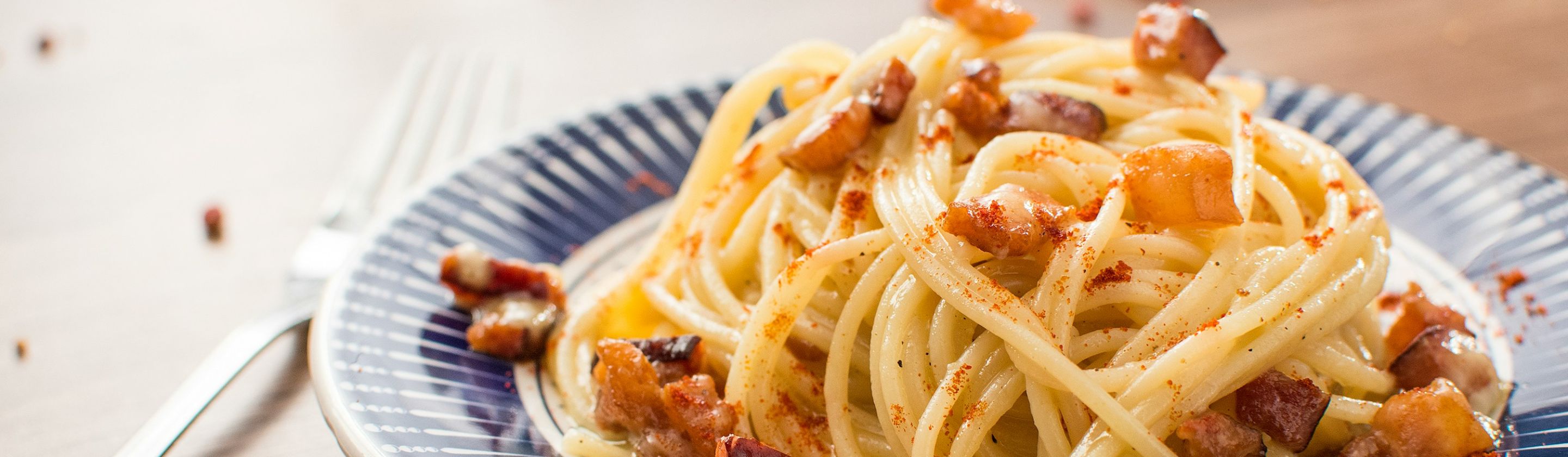
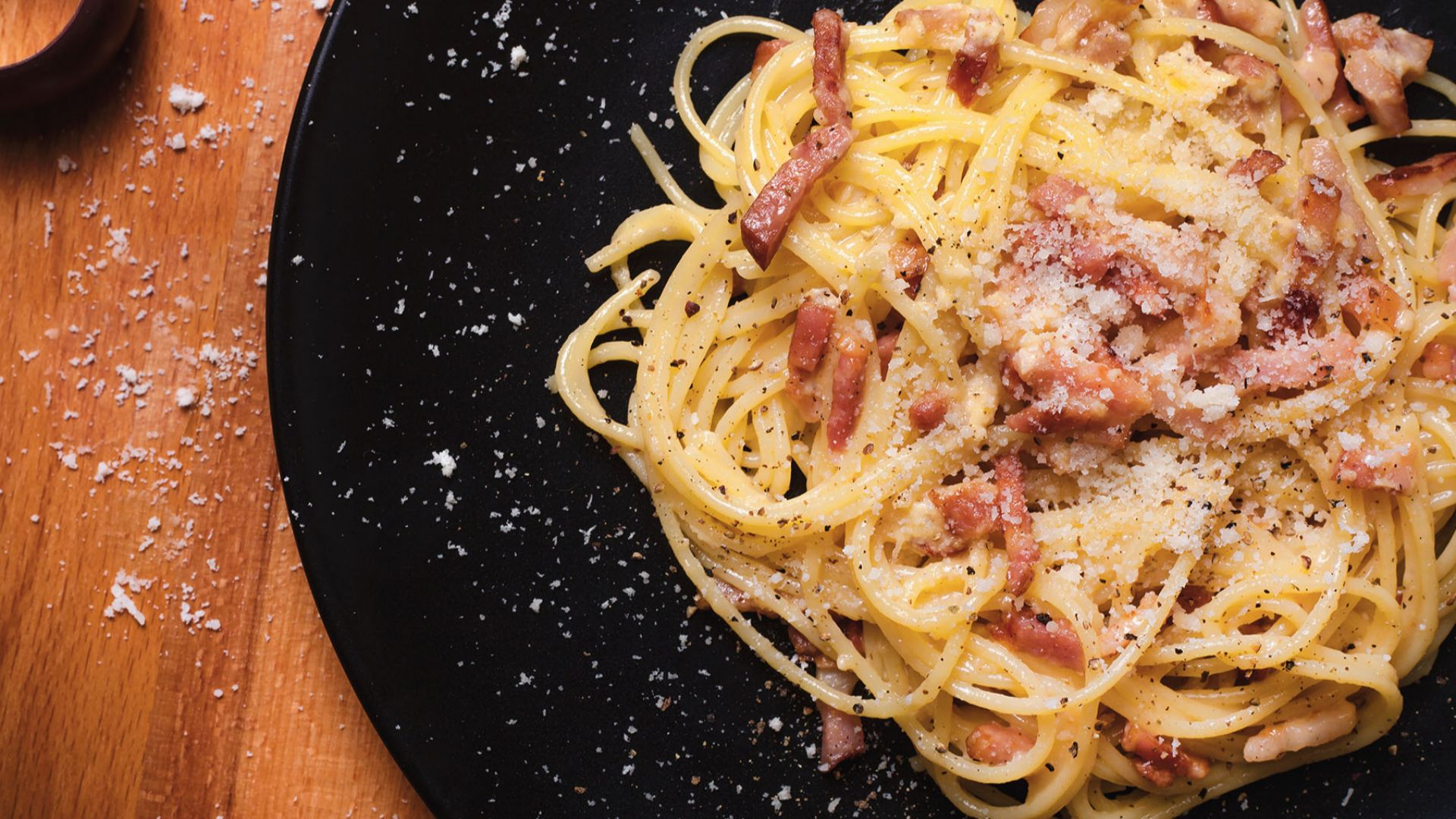
Traditional Italian carbonara uses only a few ingredients: pasta, eggs, Pecorino Romano cheese, guanciale, and black pepper. Guanciale comes from cured pork jowl and provides both fat and flavor. Pecorino Romano adds sharpness and salt, while eggs form the sauce when mixed with cheese and pasta heat. Italian recipes exclude ingredients like butter and peas, as they value balance and rely on technique rather than extra ingredients to create richness.
American carbonara, by contrast, often relies on heavy cream, bacon, parmesan cheese, and added vegetables. Bacon steps in for guanciale because it is widely available and more affordable. Cream helps create a consistent sauce and lowers the chance of overcooking the eggs, while Parmesan brings a milder, less salty flavor than Pecorino Romano. Together, these choices reshape both taste and the texture, pushing the dish closer to an Alfredo-style pasta than its Roman original.
Technique Matters More Than The Sauce
In Italy, carbonara depends on timing and temperature control. Cooks combine raw eggs and grated Pecorino into a thick mixture before adding it to hot pasta. The residual heat gently cooks the eggs, forming a glossy sauce without scrambling, and the pasta water helps adjust texture. The process requires attention, as too much heat ruins the sauce. Roman kitchens teach the method through practice rather than measurements.
American versions usually prepare the sauce directly over heat. Cream simmers on the stove, and eggs are often added earlier in the process. This method lowers the risk of curdling and allows faster service in busy kitchens. While the sauce remains creamy, it lacks the silky texture produced by egg emulsion alone. The dish becomes easier to execute, but it no longer depends on the precise technique that defines traditional carbonara.
History Shapes Expectations
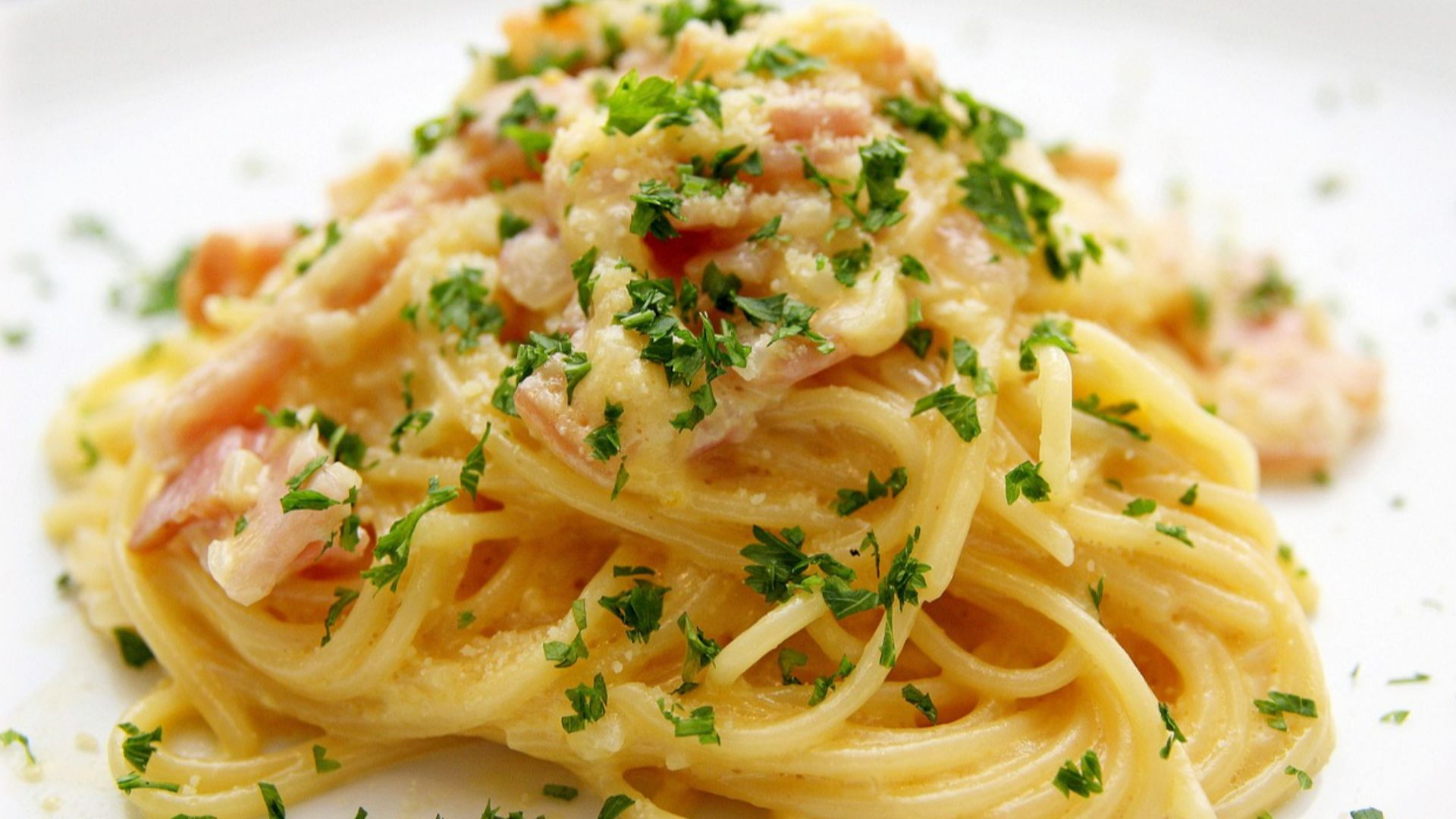
Carbonara took shape in Rome during the mid-20th century, with most food historians tracing its popularity to the years following World War II. During that period, eggs and cured pork became easier to obtain through trade and military supply routes. Over time, those limitations turned into standards and eventually became a point of regional pride.
Across the Atlantic, carbonara followed a different path. In the United States, the dish evolved to meet local tastes and the demands of restaurant kitchens. Larger portions, richer sauces, and more flexible recipes appealed to American diners. Both versions remain popular today, but they reflect different culinary values. One centers on precision and restraint, while the other leans toward comfort and abundance.
KEEP ON READING
10 Best Finds at Costco & 10 Worth Skipping


20 American Foods That Are Best When They're Simple