Traditional Italian Christmas Dinners Look A Lot Different Than American Ones
Just imagine it's Christmas Eve in America, and you're sitting down to roasted turkey, mashed potatoes, and green bean casserole.
Meanwhile, across the Atlantic, Italian families are gathering for something completely different. If you think all Christmas dinners involve the same festive fare, you're in for a delicious surprise. Traditional Italian Christmas celebrations unfold over multiple days with entirely different menus, customs, and timing that would leave most Americans scratching their heads.
Christmas Eve Is All About Seafood, Not Turkey
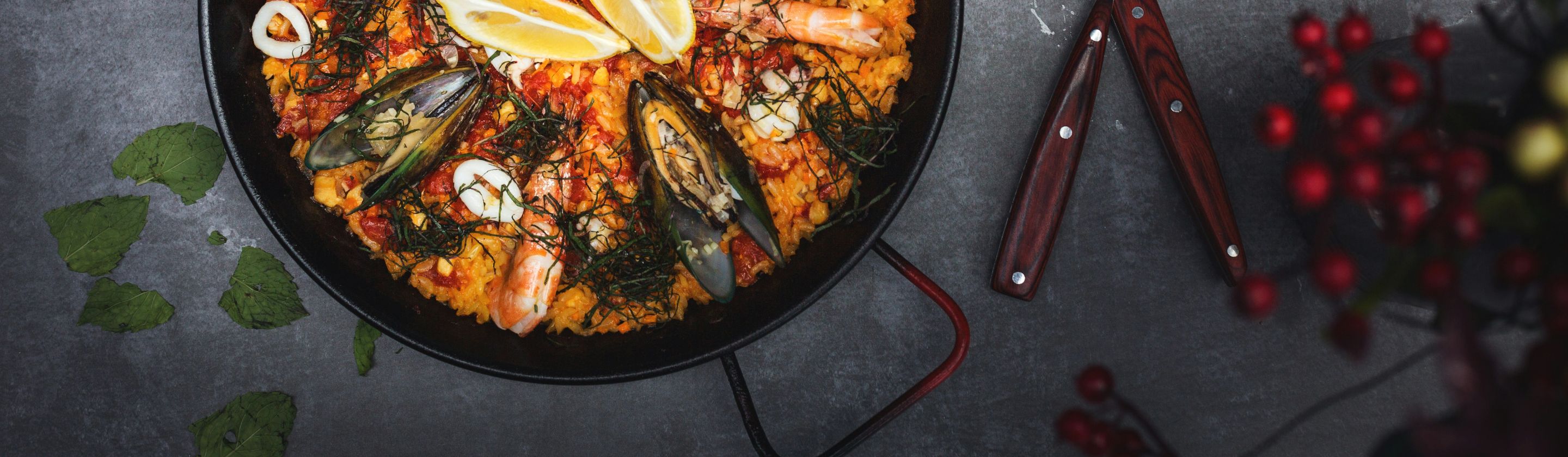
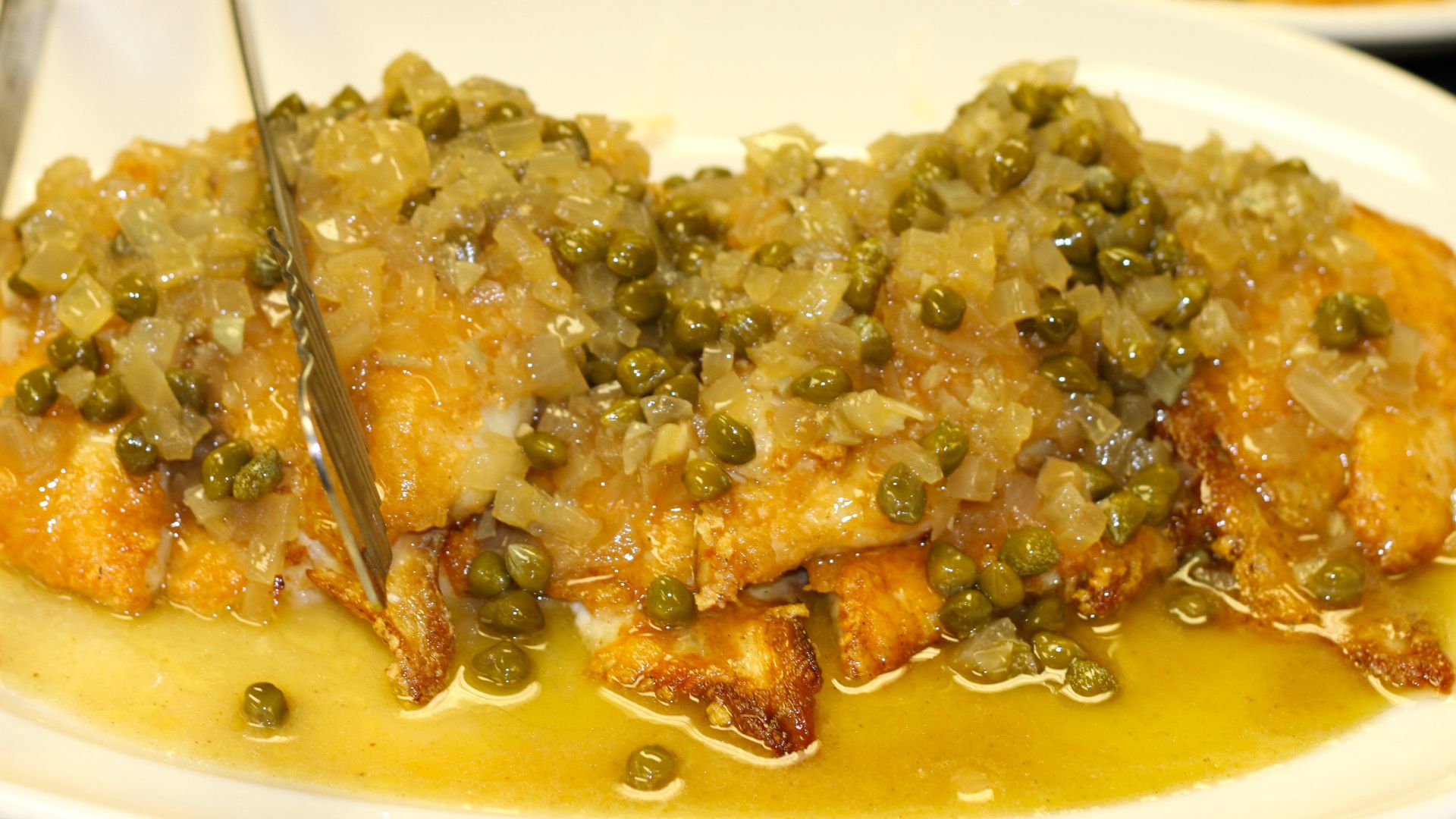
In Italy, Christmas Eve dinner is called La Vigilia, and here's where things get interesting—there's absolutely no meat allowed. This tradition stems from the Roman Catholic practice of abstaining from meat before major feast days. Instead, Italian families gather for an elaborate seafood extravaganza that can include seven or more different fish dishes. You'll find everything from baccalà (salted cod) and calamari to mussels, octopus salad, and fried smelts gracing the table.
Now, here's a fun twist: that famous "Feast of the Seven Fishes" you might have heard about? It's actually more of an Italian-American invention. The term didn't even appear in print until 1983, according to research from The Philadelphia Inquirer. While coastal regions in southern Italy, particularly Calabria, have long enjoyed Christmas Eve seafood feasts, the specific "seven fishes" concept and name developed after Italian immigrants arrived in America between the 1880s and 1930s.
The Main Event Happens At Lunch
Americans typically eat their big Christmas meal in the evening, but Italians flip the script entirely. Christmas Day in Italy centers around an elaborate lunch—not dinner—that begins around midday and can stretch for hours. We're talking a dozen or more courses here, starting with antipasti platters loaded with cured meats, artisan cheeses, and marinated vegetables. Unlike Christmas Eve's seafood focus, Christmas Day is decidedly meat-centric.
The meal progresses through multiple pasta courses—think tortellini in rich capon broth, lasagna bolognese, or ravioli, depending on which region you're visiting. Then comes the main event: roasted meats like lamb, veal, stuffed capon, or braised beef. In Calabria, there's even a charming tradition where the table is left set after the meal for the Madonna and baby Jesus to "taste the food." This marathon lunch is designed for lingering, conversation, and copious amounts of wine, making American dinner timing seem almost rushed by comparison.
Dessert Traditions Are Worlds Apart
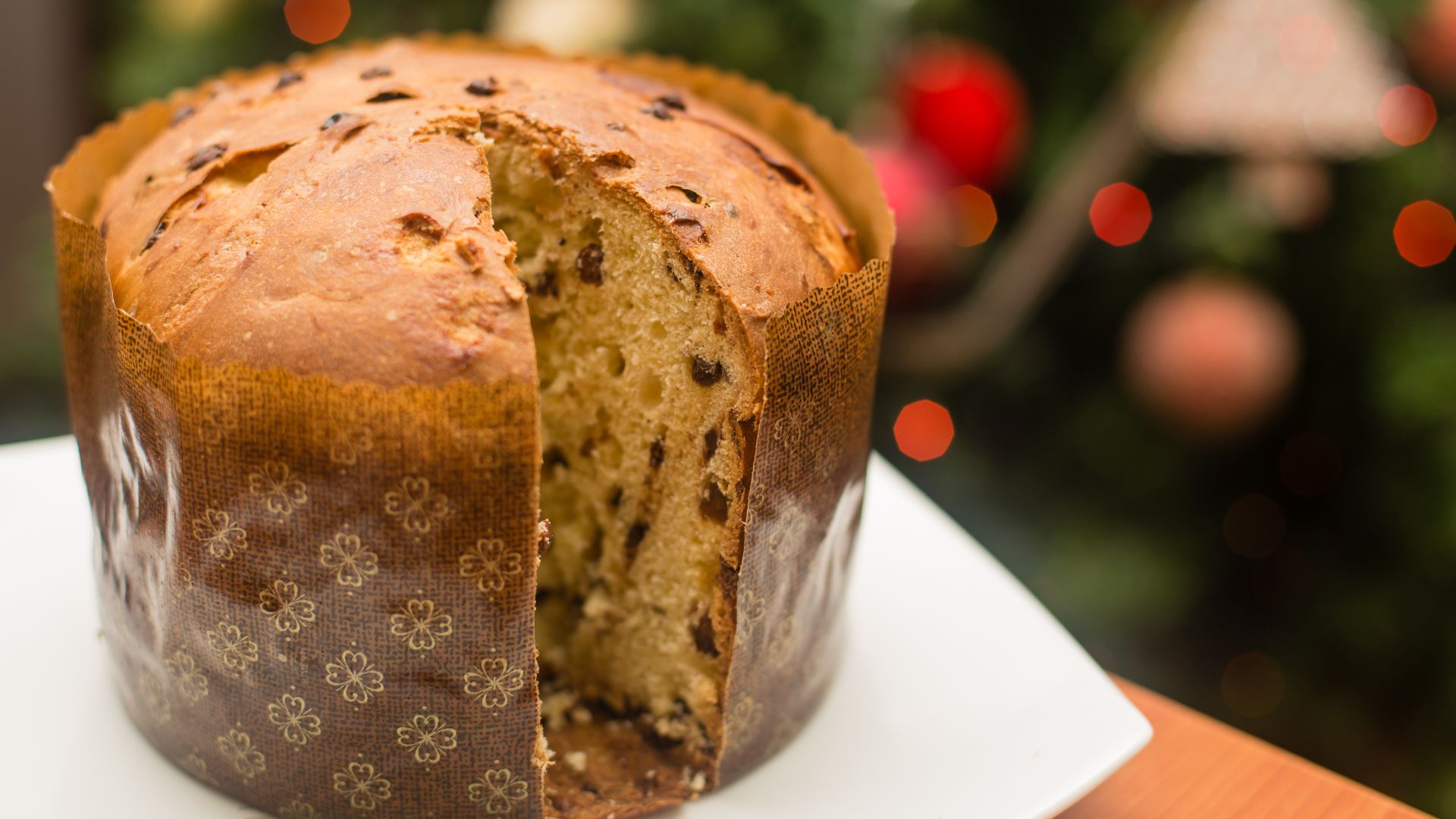 N i c o l a from Fiumicino (Rome), Italy on Wikimedia
While Americans might serve pumpkin pie or Christmas cookies, Italians have their own iconic sweet traditions. The two heavyweight champions are panettone and pandoro—tall, dome-shaped sweet breads that dominate Italian holiday tables. Panettone, originating from Milan, is studded with candied fruits and raisins. Pandoro, from Verona, has a star shape and a denser texture, typically dusted with powdered sugar.
But the sweet celebration doesn't stop there. Regional specialties like struffoli (honey-coated fried dough balls), torrone (nougat), and various spiced nut pastries appear alongside these classics. The festivities continue on December 26th, Santo Stefano, when families gather again for another feast—often featuring leftovers or creative new dishes.