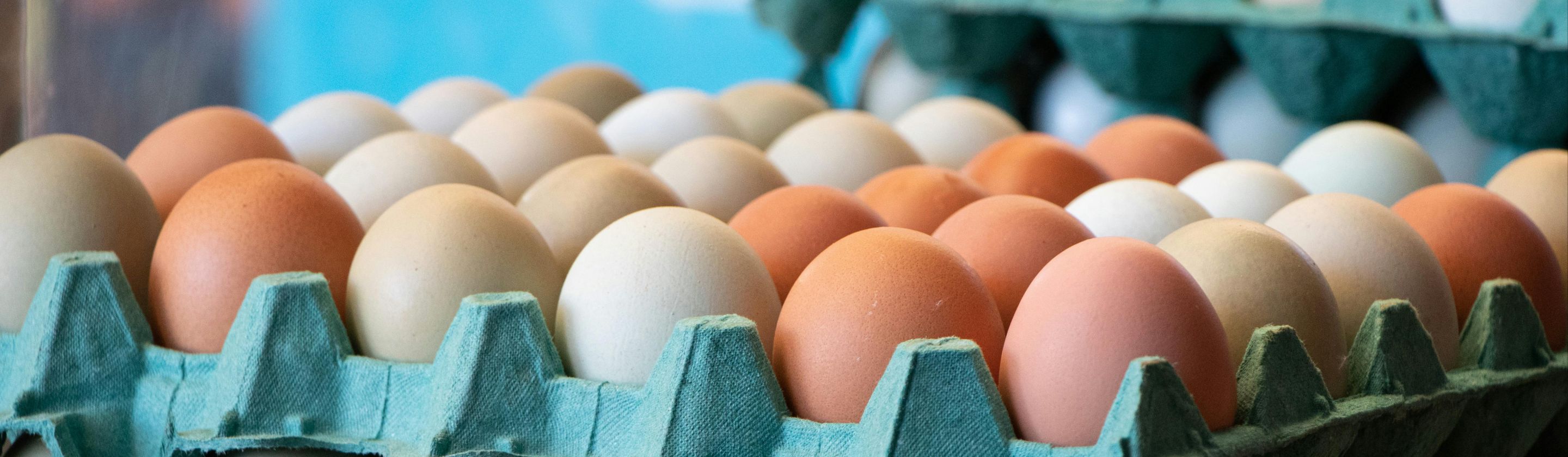
Why American Eggs Are Always Refrigerated but European Eggs Often Aren’t
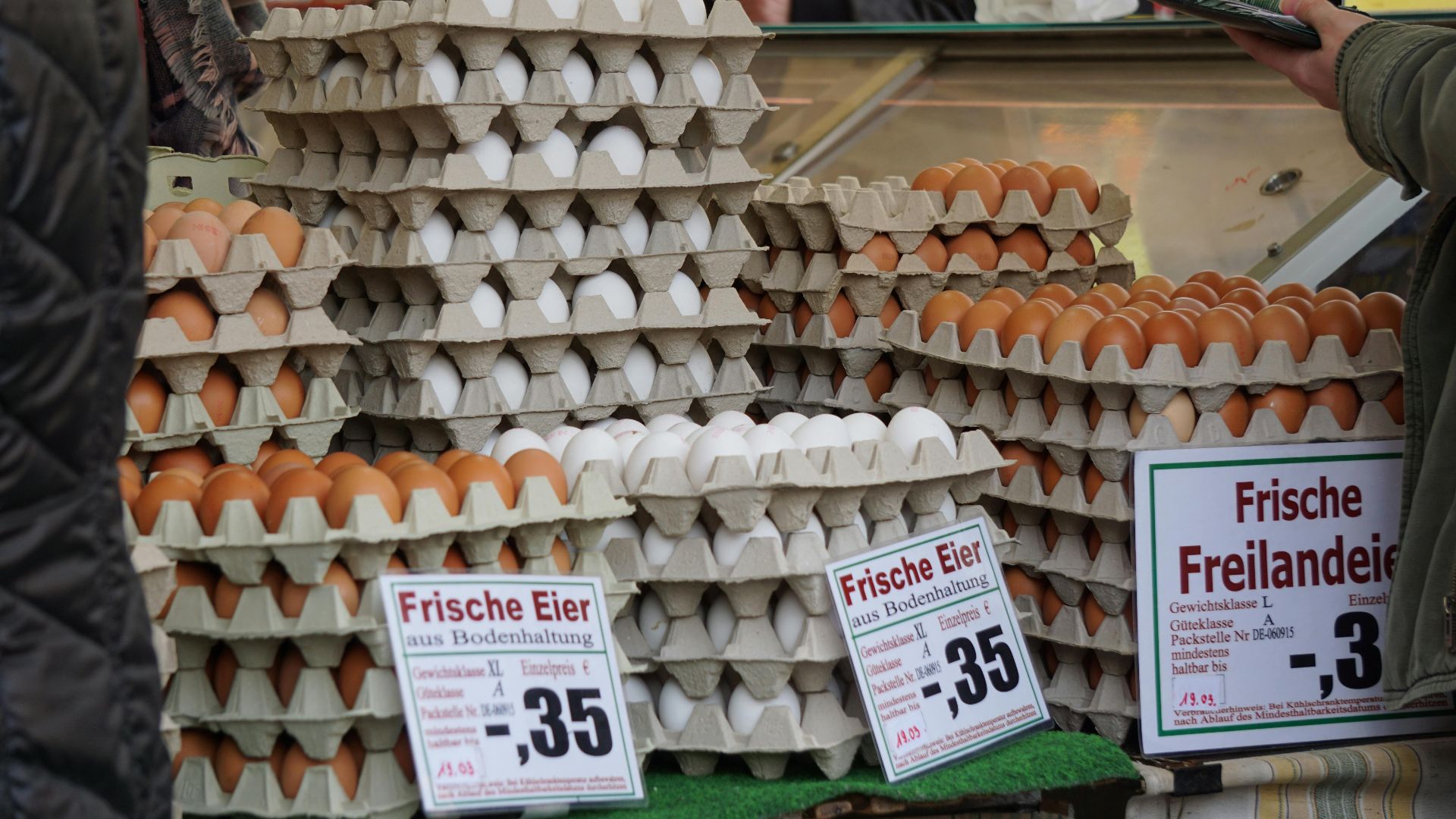
You may think you know exactly where eggs belong until you travel to Europe. In the U.S., you’ll usually see them chilling in the dairy section, while in many European grocery stores, they may sit calmly at room temperature, alongside coffee or cereal. It’s not because one side of the Atlantic is braver with brunch. It’s because the two regions handle egg safety in very different ways.
The short explanation is that American eggs are typically washed and sanitized before sale, while many European eggs aren't washed in the same way. That one difference changes how the egg’s natural defenses work and how it needs to be stored. Both systems are trying to reduce the risk of foodborne illness, especially Salmonella, but they start from different points in the process. So no, European eggs aren’t magically tougher, and Americans aren't being dramatic by keeping theirs in the fridge. It's a fundamental difference in the way they're processed in each place.
The American System Starts With Washing
In the U.S., commercial eggs are washed and sanitized before they reach grocery stores. That process helps remove dirt, bacteria, and other contaminants from the outside of the shell. It sounds like the obvious hygienic choice, and in many ways, it is. But eggshells are more complicated than they look, because they come with a natural protective coating called the cuticle or bloom.
That cuticle helps seal the tiny pores in the shell and gives the egg a first layer of defense. When eggs are washed commercially, that coating can be removed or reduced. Once that happens, refrigeration becomes much more important because the egg has lost part of its natural barrier.
After American eggs are washed, they’re kept cold through transport, storage, and retail sale. The U.S. food-safety approach treats eggs as perishable foods that need careful handling, prompt refrigeration, and proper cooking. That’s why taking a carton from the fridge and then leaving it on the counter for hours isn’t recommended. Once eggs are refrigerated, keeping them consistently cold helps limit bacterial growth and condensation problems.
Europe Focuses More on Prevention Before the Egg Is Laid
In much of Europe, the safety strategy puts more emphasis on preventing contamination earlier, especially at the farm level. Instead of relying on washing after eggs are laid, producers focus on clean production practices and, in many places, vaccination programs for hens. This approach helps lower the chance that Salmonella becomes a problem before the eggs ever arrive at a store. The result is a system where eggs can often be sold unrefrigerated because their natural coating remains intact.
European eggs are often left unwashed so the cuticle can keep doing its job. That doesn’t mean the eggs are dirty or ignored; it means the system is designed to preserve the egg’s built-in protection. The idea is that if the shell’s natural barrier stays in place, room-temperature storage can be safe under the right conditions. It’s a different philosophy, not a casual attitude toward food safety.
There’s also a practical reason many European stores avoid refrigerating eggs before sale. If eggs are chilled at the store and then carried home through warmer air, condensation can form on the shell. Moisture can make it easier for bacteria to move through the shell’s pores, which is exactly what food-safety systems are trying to avoid. Keeping eggs at a steady room temperature before purchase can help avoid that temperature swing.
What This Means in Your Kitchen

If you buy eggs in the U.S., you should keep them refrigerated. Grocery-store eggs have already gone through the washing and cold-storage system, so they need to stay within that system once you bring them home. Leaving them out for a long stretch doesn’t make them more European; it just makes them improperly stored American eggs. The safest move is to put them in the fridge soon after shopping and keep them there until you use them.
If you’re traveling in Europe and see eggs on a regular shelf, you don’t need to panic. They were likely produced and handled under a different set of rules from American supermarket eggs. Once you get them home, local guidance may still recommend storing them in a cool place or refrigerating them for freshness. The main point is to follow the system the eggs came from instead of mixing habits from different countries.
Backyard eggs can add another little wrinkle to the story. In the U.S., unwashed eggs from a local farm may still have their protective coating, but once they’re washed, they should be refrigerated. Clean, uncracked eggs are always the safest choice, no matter where they come from. If you’re unsure how eggs were handled before you got them, refrigeration is the safer default.
The American and European approaches can look strange to each other, but both are built around the same basic goal of keeping eggs safe to eat. The U.S. system cleans eggs and then relies on cold storage, while the European system often protects the shell’s natural barrier and emphasizes prevention earlier in production. Neither method is just tradition for tradition’s sake. It’s a reminder that even something as ordinary as an egg has a surprisingly careful journey before it lands in your frying pan.
KEEP ON READING


20 Food Requests Only Spoiled People Ask For


20 Hardest Foods on Earth To Eat

Do Vitamin Supplements Actually Make You Healthier?