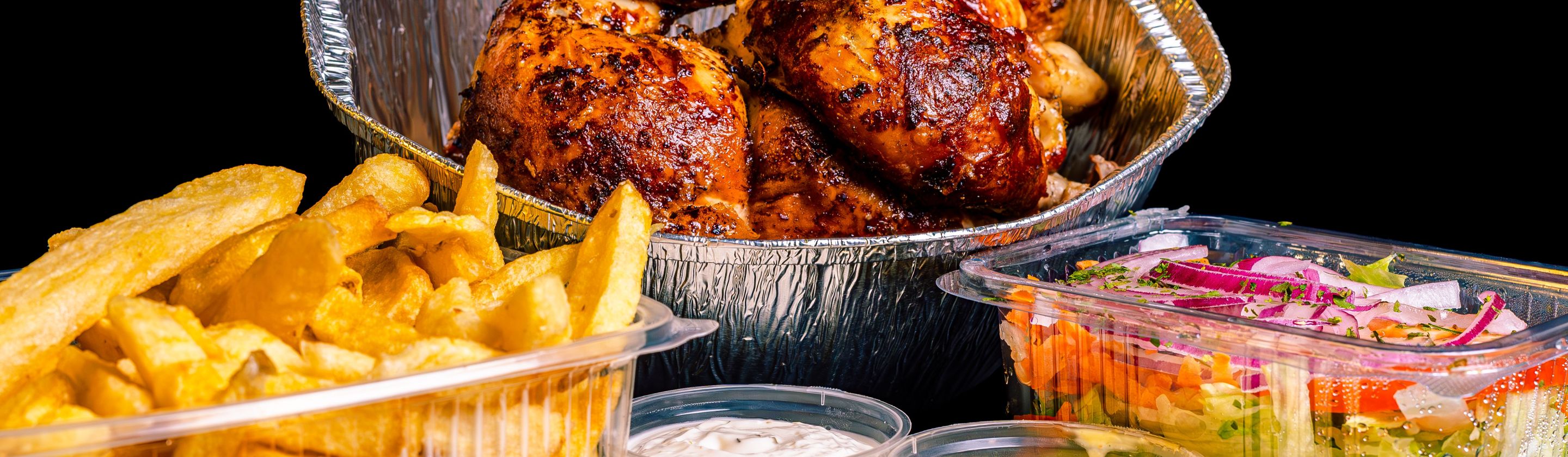
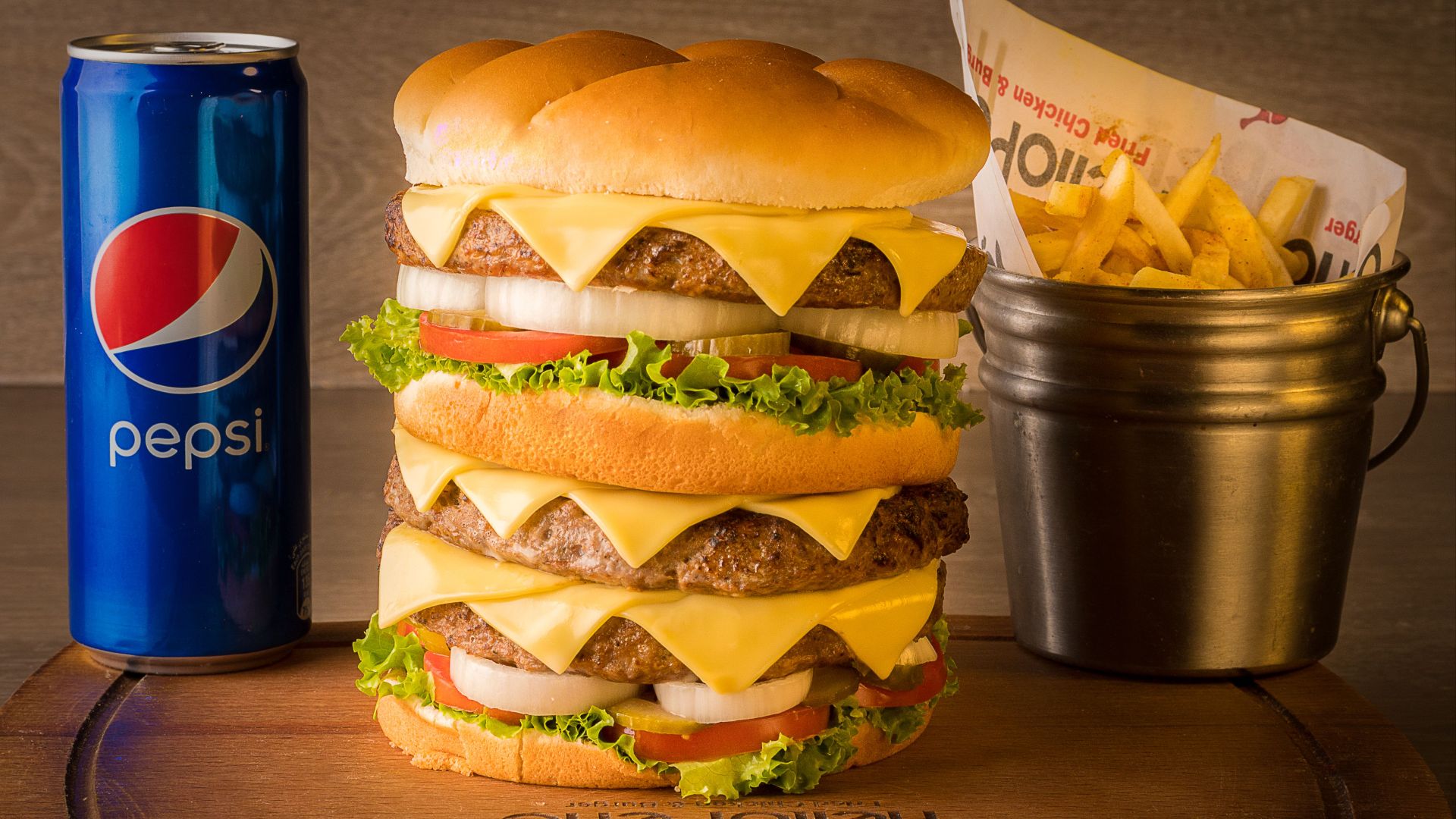
Have you ever been to a restaurant and wondered why you were served a platter of food large enough to feed a family of four? Restaurant meals weren’t always the towering plates we’re used to seeing today. Go back several decades, and many standard servings were noticeably smaller. Somewhere along the way, though, bigger portions became an easy way for restaurants to make customers feel like they were getting more for their money.
It wasn’t one single decision that caused portions to grow. Competition, changing customer expectations, inexpensive ingredients, and the popularity of oversized meals all played a role. Eventually, what once counted as an unusually large serving started looking perfectly normal.
Bigger Portions Became an Easy Way to Offer More Value
One of the major reasons restaurant portions grew is also one of the simplest: adding more food often didn’t cost restaurants very much. The ingredients on your plate are only one part of what you're paying for when you eat out. Restaurants also have rent, labor, utilities, insurance, equipment, and plenty of other expenses that stay roughly the same whether you receive a small pile of fries or a generous one.
That made larger portions a convenient way to create a sense of value. An extra scoop of pasta or handful of potatoes could make a meal look significantly more plentiful without dramatically increasing the restaurant's costs. Customers could leave feeling that they'd gotten plenty for their money, while the restaurant still maintained a profitable price.
Competition encouraged restaurants to lean even further into this idea. If two neighboring restaurants charged similar prices but one served noticeably larger meals, customers might naturally feel that the bigger plate was the better deal. Businesses therefore had an incentive to increase portions before their competitors did the same thing.
Fast-food restaurants helped push that thinking into the mainstream. Larger drinks, fries, burgers, and combination meals gave customers the chance to upgrade for relatively little extra money. Once people became accustomed to those sizes, smaller servings could suddenly seem skimpy, even if not long ago, they were the standard.
Casual dining chains also embraced huge portions as part of their identity. Large entrées, overflowing appetizers, and desserts intended for several people made meals feel more indulgent. In some restaurants, receiving enough food to take home for lunch the following day practically became part of the experience.
Our Idea of a "Normal" Meal Slowly Changed
Portion growth didn't happen overnight, which made it easy for people to adjust without really noticing. When serving sizes become slightly larger year after year, your expectations gradually change along with them. What once looked oversized can eventually become the amount you assume should arrive when you order dinner.
Then there's the simple fact that people compare restaurants with other restaurants. Once large portions become common throughout the industry, any establishment serving considerably less risks appearing stingy. That puts restaurants in a difficult position because shrinking portions may save food but could also leave customers wondering why they're paying the same price for less.
Over time, those expectations can follow people home as well. Someone who regularly sees large restaurant meals may begin to think those servings represent an ordinary dinner rather than a meal designed around restaurant economics. The definition of a single portion becomes surprisingly flexible when the meals surrounding you keep getting larger.
There’s also a downside to all that extra food: consistently larger portions can make it easier to eat more than you actually need. When a restaurant puts a huge serving in front of you, it’s easy to keep eating just because the food is there, especially when that amount has come to look normal. Over time, that can contribute to higher calorie intake and weight gain. In the U.S., where obesity is considered an epidemic, oversized restaurant meals are obviously not helping. It’s not just stretching plates and takeout containers, but American waistlines as well.
Restaurants Are Now Starting to Rethink Size
So bigger isn’t always better for customers, and as it turns out, it isn’t better for restaurants anymore either. Huge portions can create considerable food waste when diners simply can't finish what's on their plates. Restaurants still paid for those ingredients, prepared them, and served them, only for a large part of the meal to end up in the trash.
Rising food costs have also made endlessly increasing portions harder to justify. When meat, dairy, produce, and other ingredients become more expensive, the difference between serving eight ounces and twelve ounces matters considerably more. Some restaurants have responded by quietly reducing serving sizes rather than raising menu prices even further.
Other businesses have introduced different portion options instead. Half-sized entrées, smaller lunch menus, shareable plates, and customizable sides can give diners more control over how much food they order. That approach can work particularly well for customers who don't necessarily want tomorrow's lunch included with tonight's dinner.
Changing eating habits may also affect what customers consider valuable. Plenty of diners still appreciate a huge plate, but others care more about ingredient quality, variety, or the overall experience. A smaller meal made with better ingredients can sometimes feel more worthwhile than an enormous serving you struggle to finish.
But large restaurant portions aren't likely to disappear completely. Decades of bigger plates and value-focused marketing have made generous servings deeply familiar, particularly in American dining. The oversized restaurant meal wasn't created all at once, but after years of restaurants competing to give customers a little more, that extra helping eventually became the standard.
KEEP ON READING

The Most Popular Signature Dishes Around the World