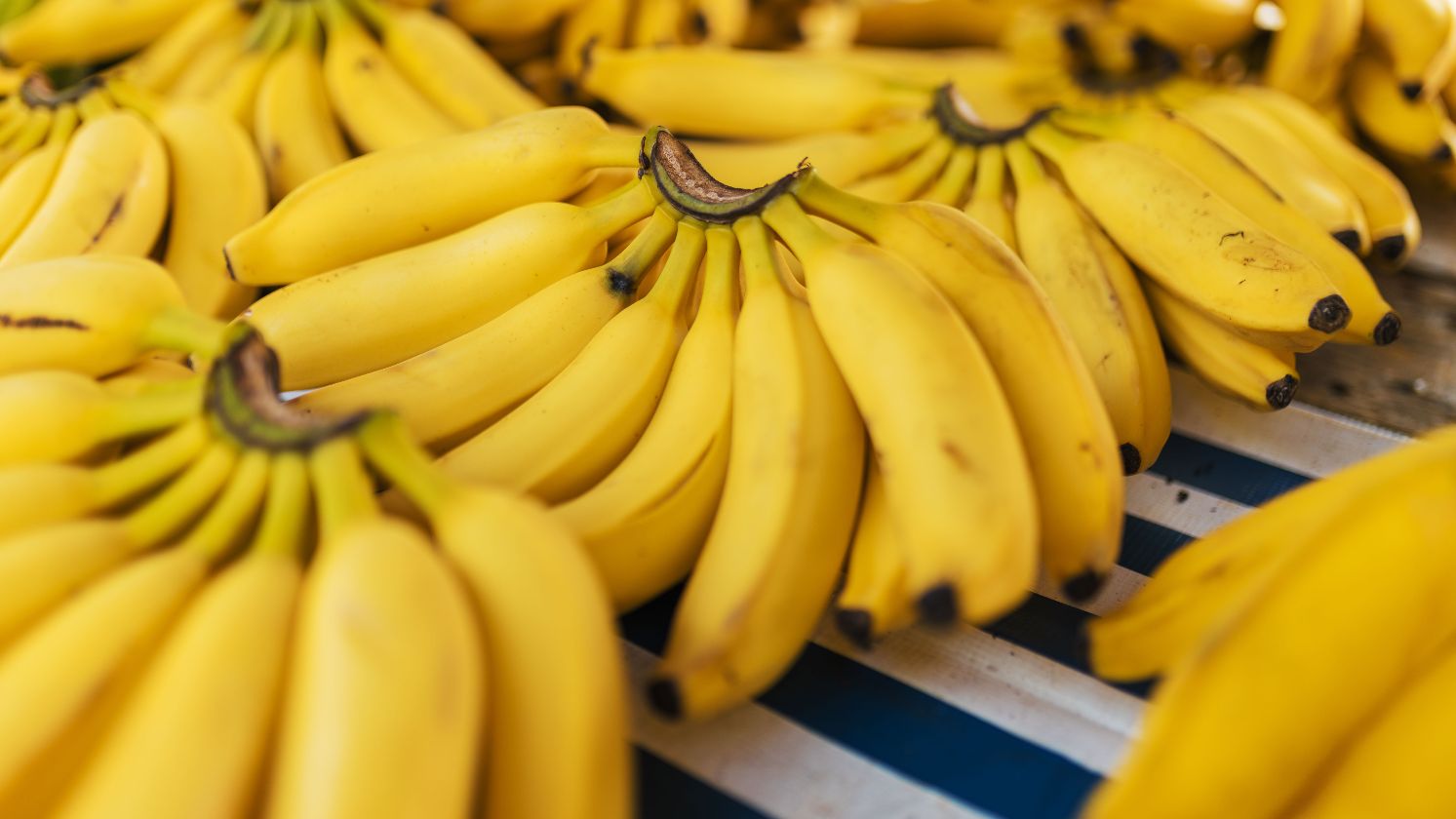
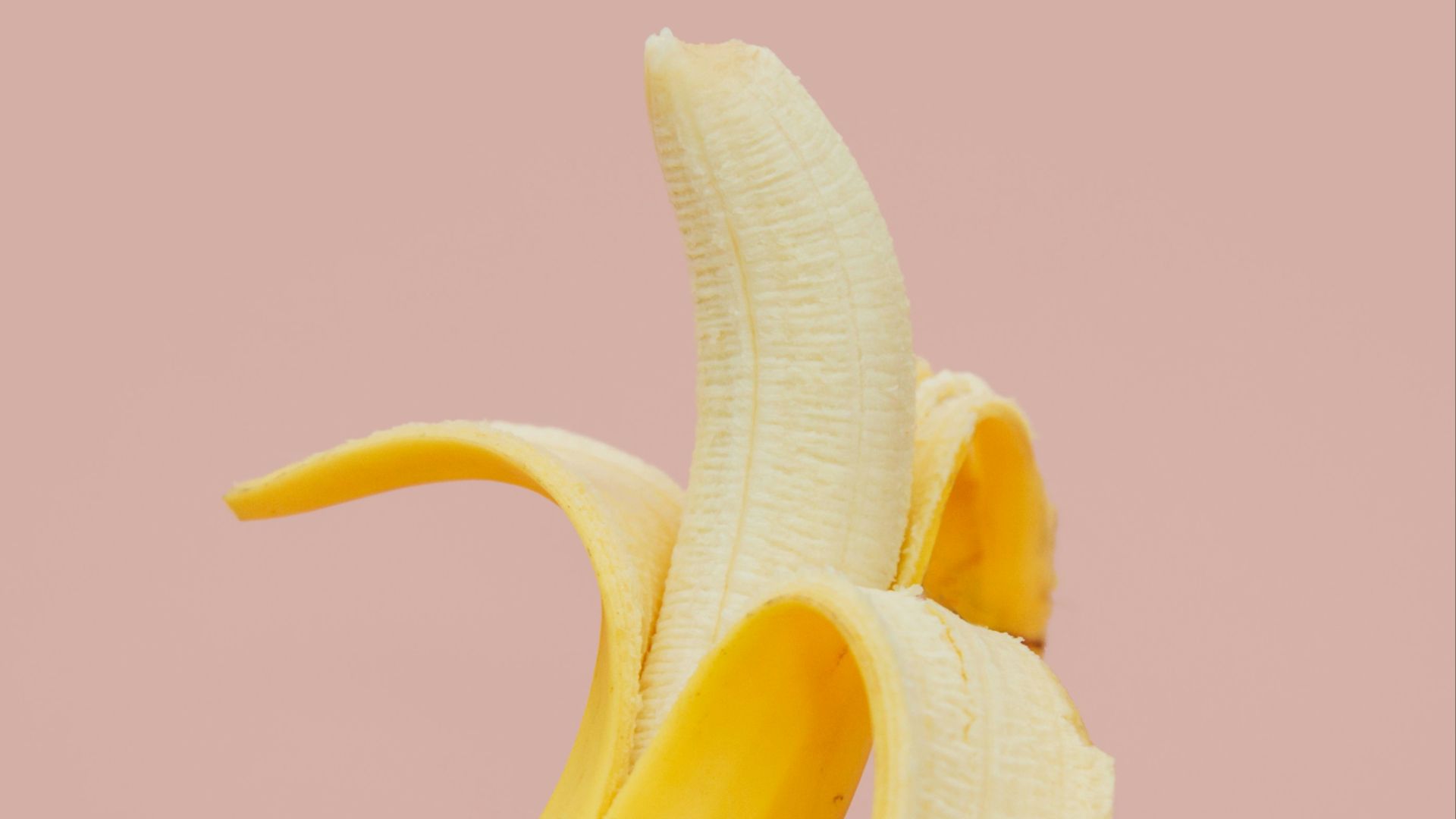
When you stroll through the produce section of your local supermarket, you likely assume that the bright yellow bananas stacked in neat pyramids will always be there. It is a staple item that millions of people around the world rely on for a quick breakfast or a healthy snack. However, agricultural scientists are sounding the alarm that the global banana supply is facing a quiet but catastrophic threat. You might want to savor your next slice of banana bread because the specific fruit eaten today is actually on a fast track toward commercial extinction.
The danger stems from a highly aggressive soil fungus that is actively tearing through plantations across the globe. Because the modern agricultural industry relies almost entirely on a single variety of banana, this favorite yellow fruit has zero natural defense against the spreading plague. History has already shown how quickly a beloved fruit variety can completely vanish from store shelves when a disease takes hold. If a solution is not found quickly, the bananas people grew up eating could become nothing more than a distant memory within a lifetime.
The Flaw of the Single Variety
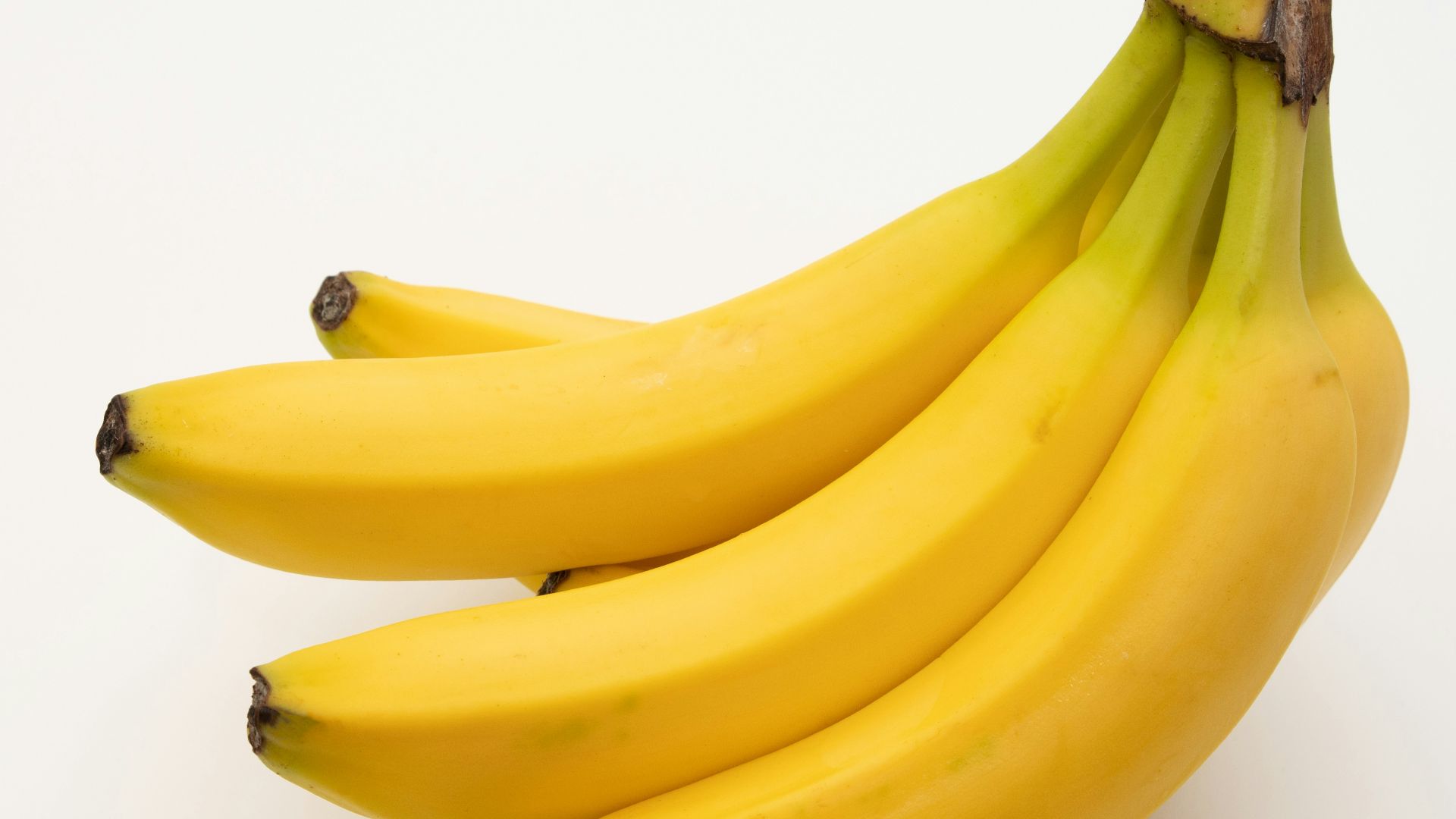
The yellow fruit purchased at the grocery store today belongs to a specific variety known as the Cavendish banana. Exporting companies absolutely love this particular crop because it produces high yields and can survive long ocean voyages without bruising easily. Unfortunately, this extreme commercial focus means that nearly every single commercial banana plantation on Earth grows the exact same plant. When an entire global industry relies on a single genetic layout, it leaves the food supply incredibly vulnerable to specialized diseases.
To make matters worse, commercial banana plants are essentially sterile clones of one another that are propagated without seeds. Since they do not reproduce typically, they cannot evolve new genetic traits or develop natural immunities to evolving environmental threats. If a disease manages to infect a single plant in South America, it can theoretically wipe out every identical plant across the continent. This lack of genetic diversity is the primary reason agricultural experts are deeply worried about the future of the global breakfast routine.
The specific threat knocking on the door right now is a soil-borne fungus called Tropical Race 4, or TR4 for short. It attacks the vascular system of the plant, preventing it from absorbing vital water and nutrients until it completely withers away. Because the fungus can survive in the soil for decades, farmers cannot simply clear the field and replant the same crop. It is a slow, unstoppable march that is steadily shrinking the amount of viable farmland available for banana production.
A Haunting Lesson from History
It might surprise many people to learn that this is not the first time humanity has faced the sudden loss of its favorite fruit. Prior to the 1960s, a completely different variety called the Gros Michel was the undisputed king of the global banana market. People who tasted it claimed it was significantly sweeter, creamier, and more flavorful than the relatively bland Cavendish consumed today. In fact, artificial banana flavoring was originally formulated to mimic the distinct, rich taste profile of the old Gros Michel crop.
A previous strain of the exact same fungus, known simply as Panama disease, utterly devastated the Gros Michel plantations in the mid-twentieth century. The outbreak spread so rapidly through Central and South American farms that the variety quickly became commercially unviable for mass export. Giant fruit corporations faced total bankruptcy until they quickly pivoted to the Cavendish, which happened to be immune to that original fungal strain. Society essentially replaced its favorite fruit with a tougher, slightly less flavorful substitute just to keep store shelves stocked.
History is now repeating itself in a truly alarming fashion because the new TR4 strain has evolved to target the Cavendish specifically. The very variety chosen for its hardiness is now completely defenseless against this updated version of the soil fungus. Having learned from past mistakes, experts know exactly how this story ends if farming practices do not change. The era of relying on a single cloned crop is officially catching up with the global food supply.
The Race Against Global Extinction
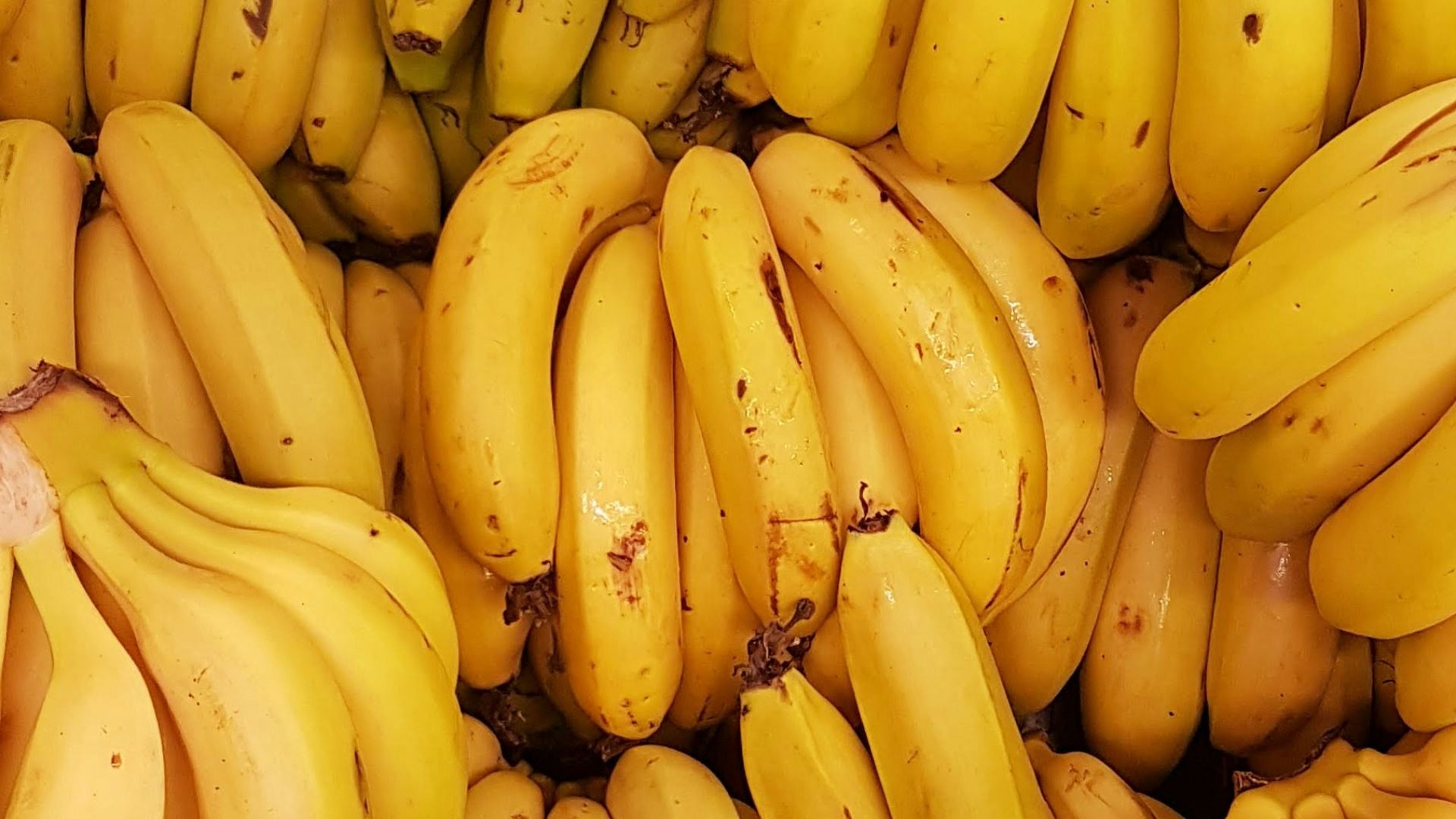
Scientists and agricultural corporations are currently working around the clock to prevent the complete collapse of the banana industry. One approach involves using advanced genetic modification to splice genes from wild, immune banana varieties into current Cavendish plants. This high-tech solution could theoretically save the fruit people love without changing its familiar taste or texture. However, public hesitation regarding genetically altered foods could make it difficult to sell these new creations on the open market.
Another potential path forward is encouraging consumers to embrace a wider variety of banana types at the grocery store. There are actually hundreds of unique wild banana varieties grown locally around the world, ranging from tiny red fruits to starchy cooking plantains. Introducing these diverse crops into international supermarkets would create a much more resilient food system that cannot be brought down by a single disease. Consumers might have to adjust their expectations regarding how a banana should look and taste, but it beats having no bananas at all.
Ultimately, the ticking clock means every banana deserves a little more appreciation. Society is living through the final chapters of the Cavendish monopoly, and change is coming to the produce aisle whether consumers like it or not. The next time someone peels back that bright yellow skin, it is worth remembering the incredible journey and precarious future of this tropical treat. Enjoy them while they are still abundant, because the future of the world's favorite fruit remains entirely uncertain.
KEEP ON READING


20 Foods Used in Fertility Rituals Around the World
20 Foods That Taste Better the Next Day