Say what you want about Sunday supper, but New England grandpas didn't need a recipe card to get dinner on the table. They had salt cod in the cupboard, potatoes downstairs, beans that were cooking for hours, and a pretty firm belief that dinner didn't mean twelve ingredients. Where did that leave households? With meals that were cheap, filling, and unmistakably regional!
Some of these dishes still turn up at diners and church suppers, but others have slowly faded to the back burner as younger generations whip up different plates. Ask someone under 30 about Cape Cod turkey or red flannel hash, and there's a fair chance you'll get a blank stare. Grandpa, meanwhile, would've already had his fork ready—and so do we, which is why we’re revisiting some of his greatest hits.
Salt Cod Ruled the Supper Table
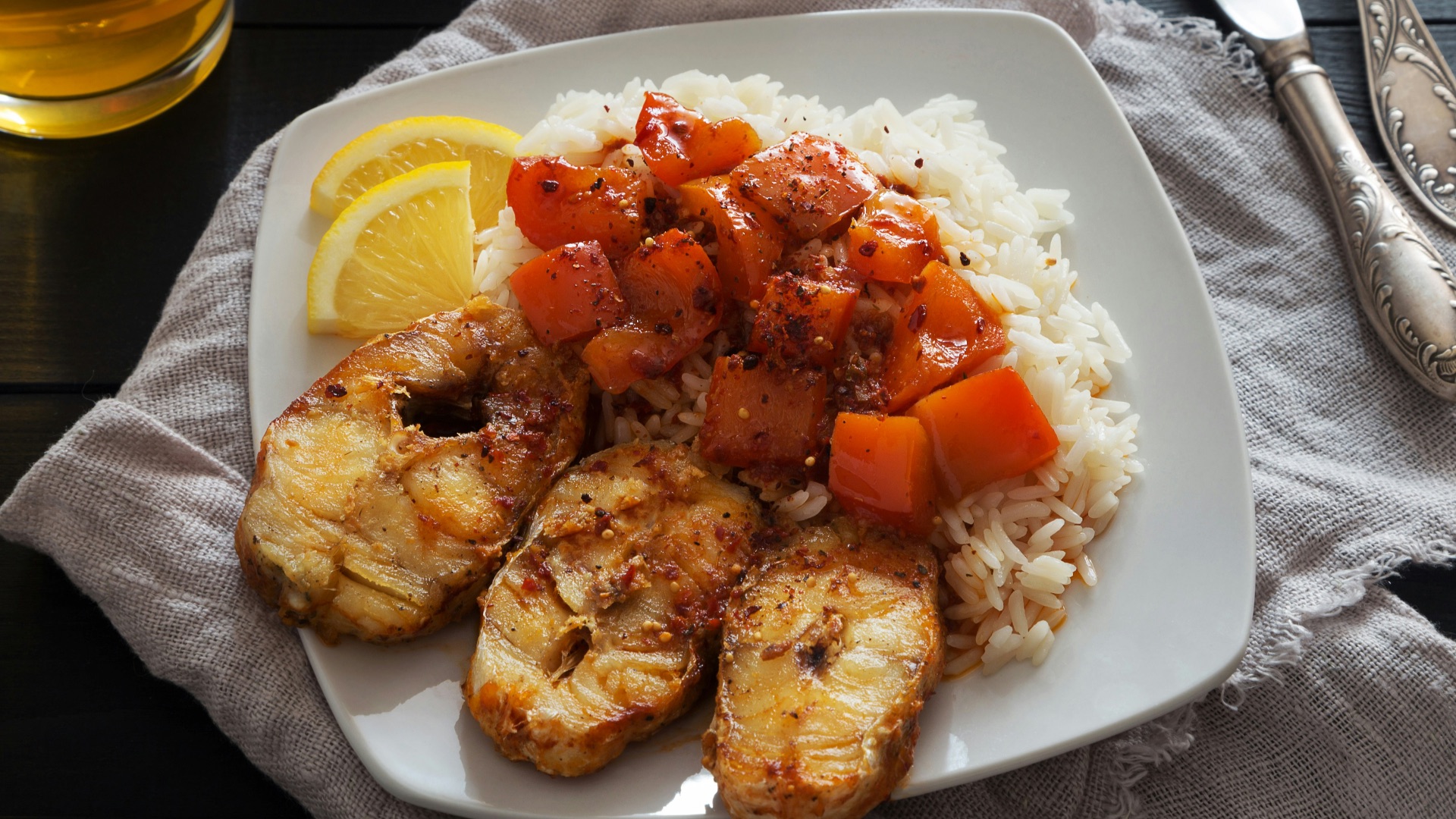
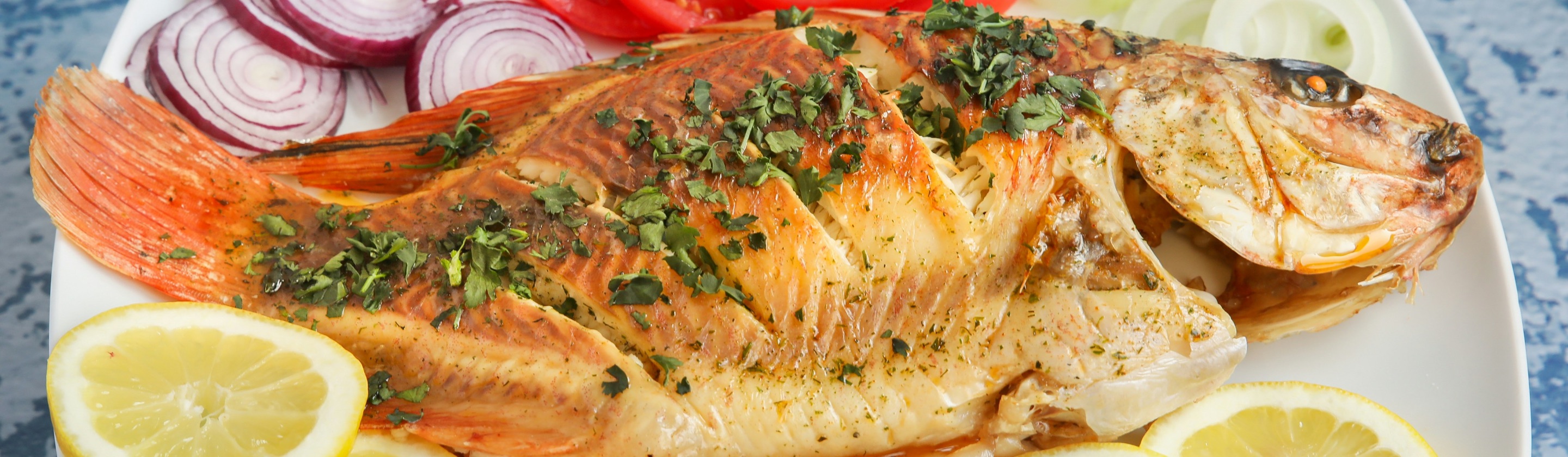
Salt cod was once the sort of pantry staple New England households could build an entire meal around. One particularly old-fashioned preparation was Cape Cod turkey, which actually contained absolutely no turkey. Instead, salt cod was served with potatoes, hard-boiled eggs, and a white sauce, creating the kind of supper that made a cold evening way easier to live with.
Then there were codfish cakes, which were simply made by combining fish with potato before forming it all into patties and frying it. It was more versatile than it seemed, too. Salted cod did the job, but fresh white fish could also find its way into later versions.
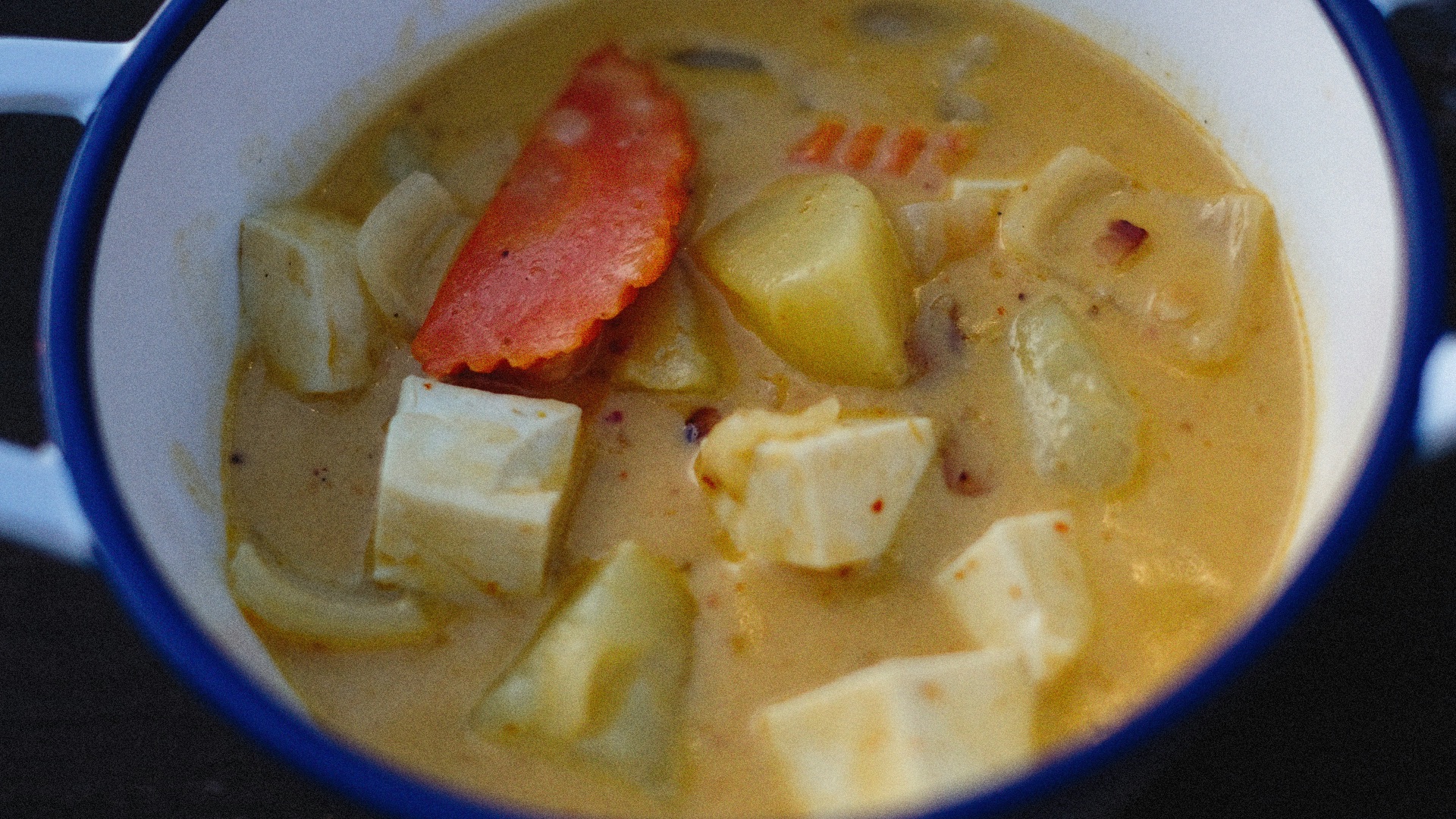
Now, that’s not to say that coastal grandpas didn’t have options. Take a look at fish chowder. The old-fashioned stuff wasn't the thick, restaurant-style chowder tourists associate with New England today; older versions featured white fish, potatoes, onions, and salt pork or bacon in a simple broth. Gloucester's fishing heritage even helped keep this supper alive—using the catch available locally just made sense.
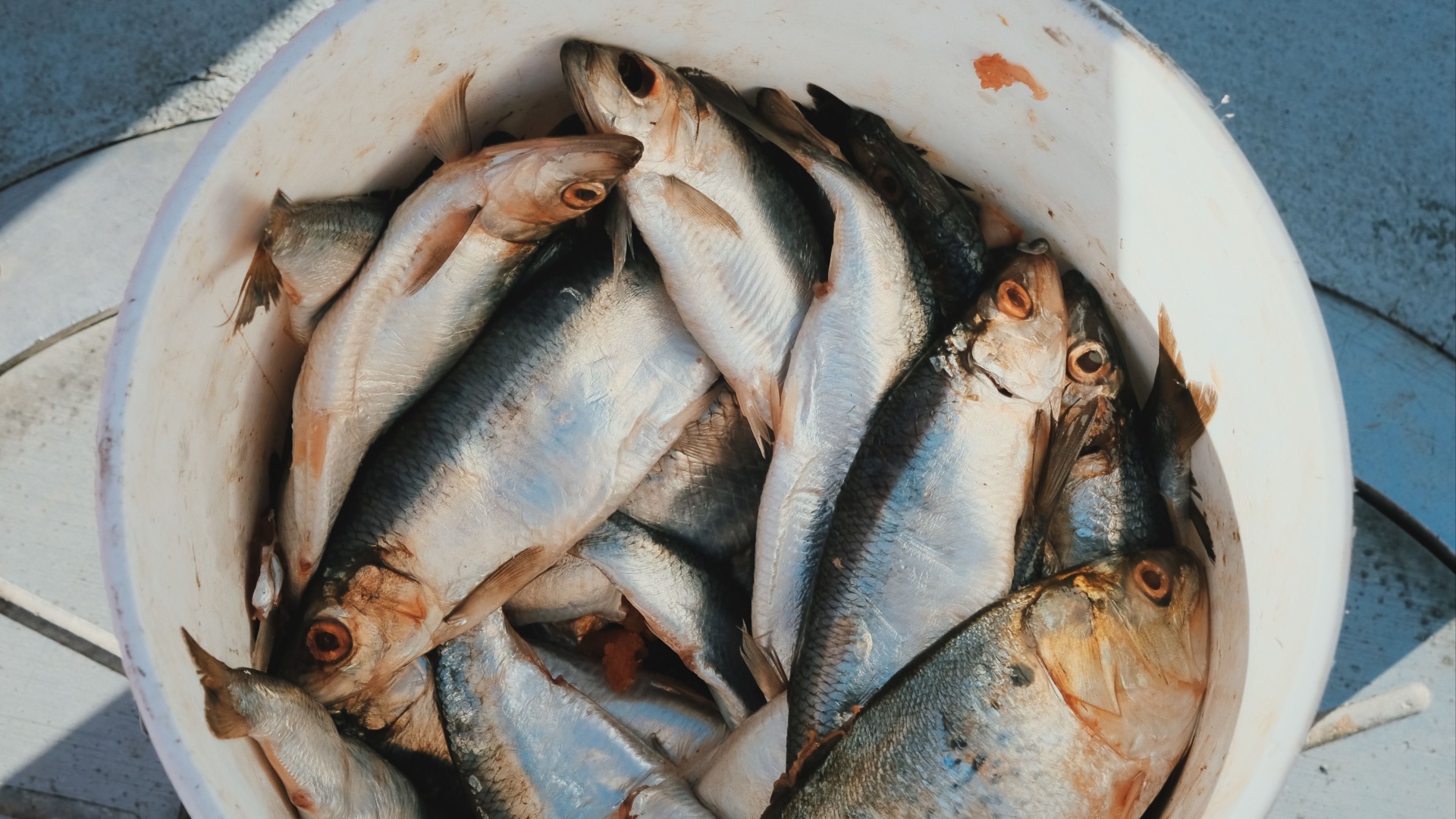
Rhode Island had its own especially old-school combinations, too. Historical accounts of so-called Swamp Yankee cooking describe suppers of fried eels with homemade baked beans and johnnycakes, while coastal tables usually stuck with bluefish or smoked river herring. Old-timers may have loved the dishes, but let’s be honest: put that in front of today’s younger diners now, and they’ll probably have no idea what you’re talking about.
Saturday Night Meant Beans
Let’s skirt away from the fish counter for a second, though. Few meals say old New England quite like baked beans and brown bread. We’re talking beans flavored with molasses and salt pork, a delicacy that became closely associated with Saturday night suppers! The brown bread had a role to play, too, and was traditionally steamed rather than baked into an ordinary loaf. Scoff if you want, but it was sturdy, inexpensive food that didn't need an elaborate presentation to earn a spot at the table. Grandpa might've even added frankfurters and called it a day. In fact, New England's combination of franks, beans, and brown bread became so familiar that Yankee Magazine still describes it as an archetypal regional meal.
Even these so-called regional recipes switched things up now and again. If you wanted to venture over to Rhode Island, for instance, johnnycakes could take the bread's place. These cornmeal cakes were cooked on a griddle and paired with everything from beans to meat and fish, making them more practical supper food than novelty breakfast fare.
Nothing Went to Waste
The New England boiled dinner turned one pot into enough food to satisfy a household and always ensure leftovers. Corned beef cooked with cabbage, potatoes, carrots, and other vegetables made for a hearty plate that didn't care much about looking elegant. We’ll be honest with you: its enduring importance to regional cooking is best displayed by what happened to whatever survived the first meal.
But leftovers are nothing to shy away from. Those scraps became red flannel hash, one of New England's most wonderfully named hand-me-down suppers. It had everything from corned beef, potatoes, and beets, all of which were chopped together and browned in a skillet. The best part about it was that it was thrift disguised as another meal entirely.
There was also Yankee pot roast, built around slowly cooked beef and root vegetables. Carrots, onions, potatoes, and inexpensive cuts of meat benefited from long cooking, too; they all produced a supper designed for hungry families. It's recognizable enough today, although the phrase "Yankee pot roast" probably sounds more familiar to Grandpa than to his grandchildren.
These suppers weren't created to become retro curiosities. They reflected cold winters, fishing communities, frugal households, preserved ingredients, and a habit of making something from seemingly nothing. Younger generations may never put fried eels into their rotation, but New England Grandpa would've known exactly what was for supper long before anyone thought to ask.
KEEP ON READING

The Most Popular Signature Dishes Around the World