The Work Behind the Price Tag
Nothing in a grocery store adequately shows how much work went into getting it there. A banana has no fingerprints on it, and a chocolate bar doesn't come with a heat index. For the people doing the picking, a lot of these harvests mean long days in serious sun with pay determined by the weight of your bucket. Nobody tracks sore backs on a nutrition label. Some of these problems go back decades, and others only made headlines recently. Here's 20 popular foods with harvests that are brutal on the people who pick them.
1. Cocoa
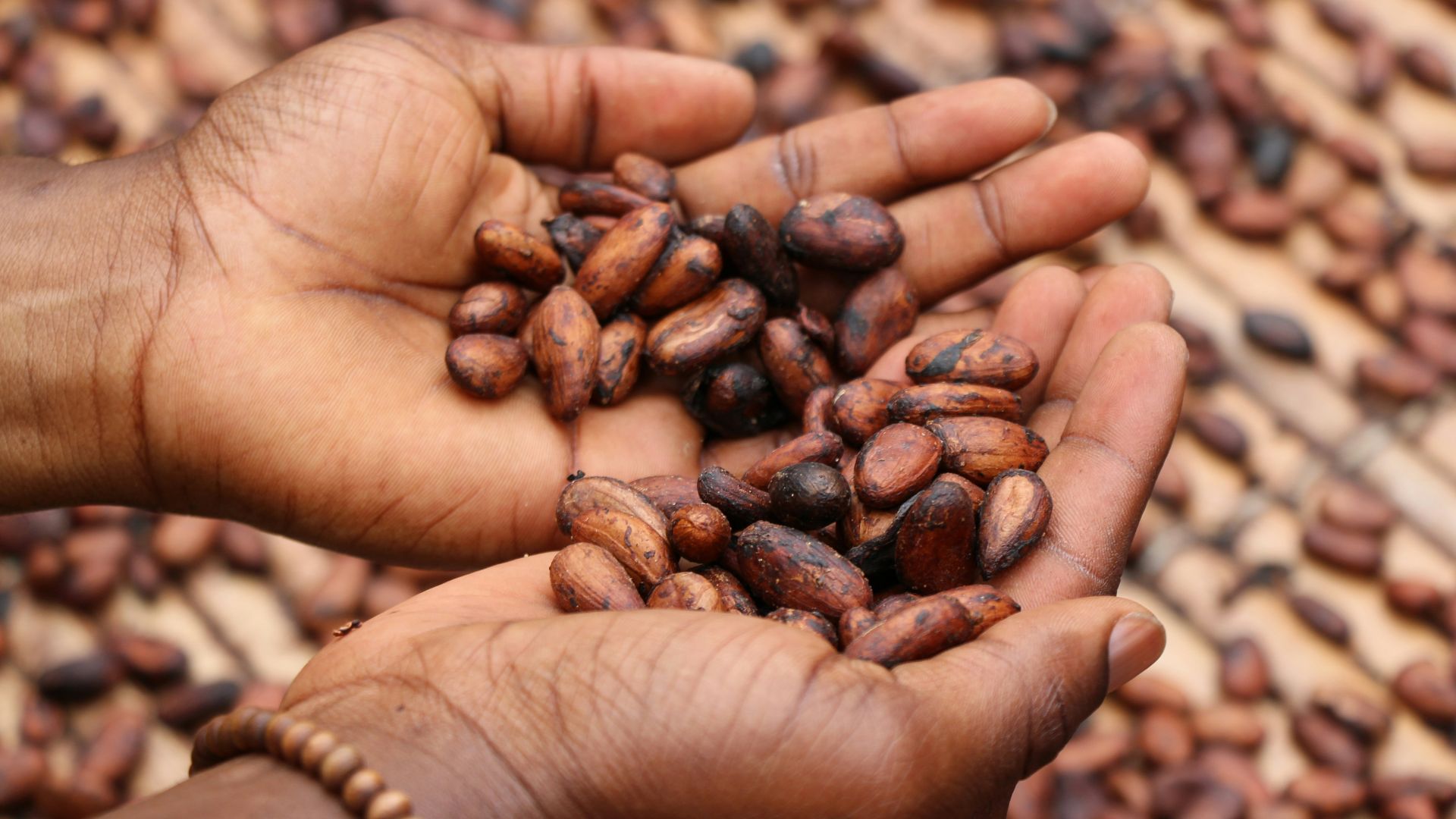
About 1.5 million children were doing hazardous work on cocoa farms in Côte d'Ivoire and Ghana, according to a 2020 report from NORC at the University of Chicago. That work includes swinging machetes to split pods and hauling heavy sacks of wet beans. Together, those two countries grow more than half the world's cocoa.
2. Strawberries
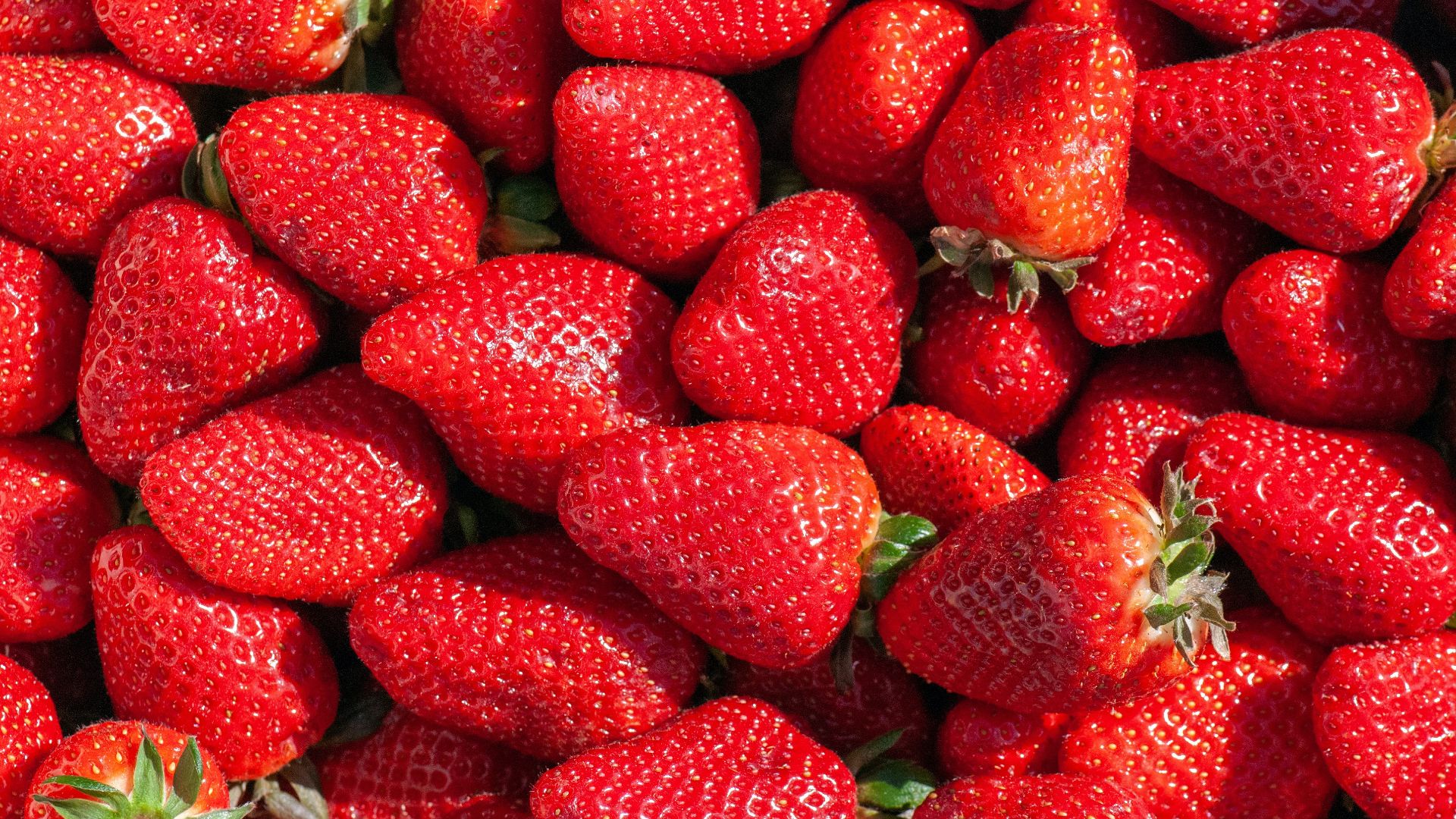
Picture eight or more hours bent at the waist over rows that barely reach your shins. Strawberry pickers in California push small carts down the furrows and are often paid partly by how much they pick, so every stretch break costs money. California's crop comes mostly from the coastal valleys around Salinas and Oxnard, where picking runs for months at a time.
3. Tomatoes
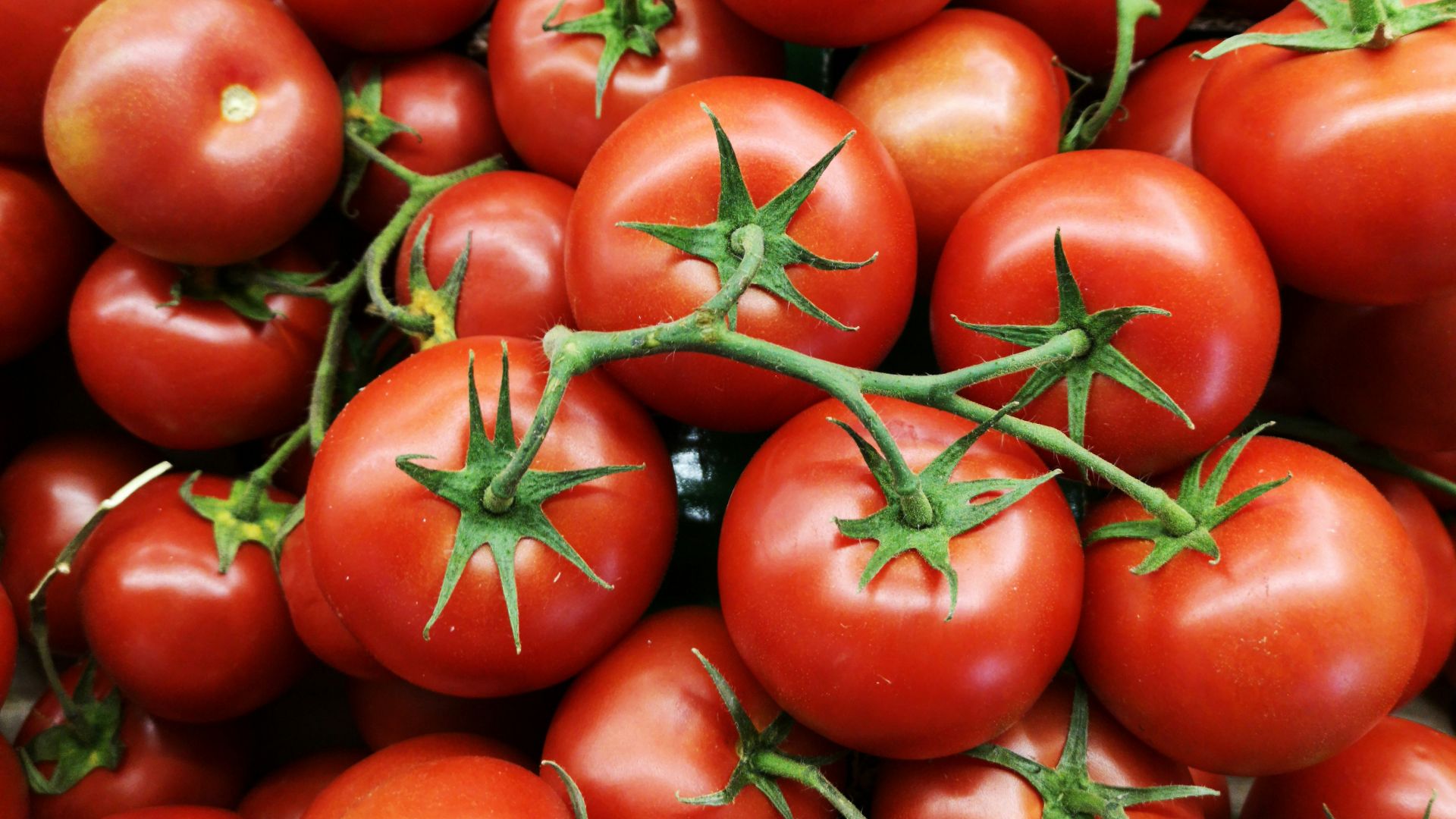
A full bucket of Florida tomatoes weighs about 32 pounds, and pickers run it to a truck and heave it up to a worker standing on top. Pickers were earning roughly 50 cents a bucket, according to the Coalition of Immokalee Workers. The coalition spent years pushing buyers to pay an extra penny per pound, and Taco Bell became the first big chain to agree, in 2005.
4. Brazil Nuts
Brazil nuts are gathered almost entirely in the wild, from trees that can top 150 feet. Collectors work during the rainy season, when the pods drop on their own, and often spend weeks at camps deep in the forest. A single pod can weigh up to about four pounds, and a direct hit is a known hazard of the job.
5. Coconuts
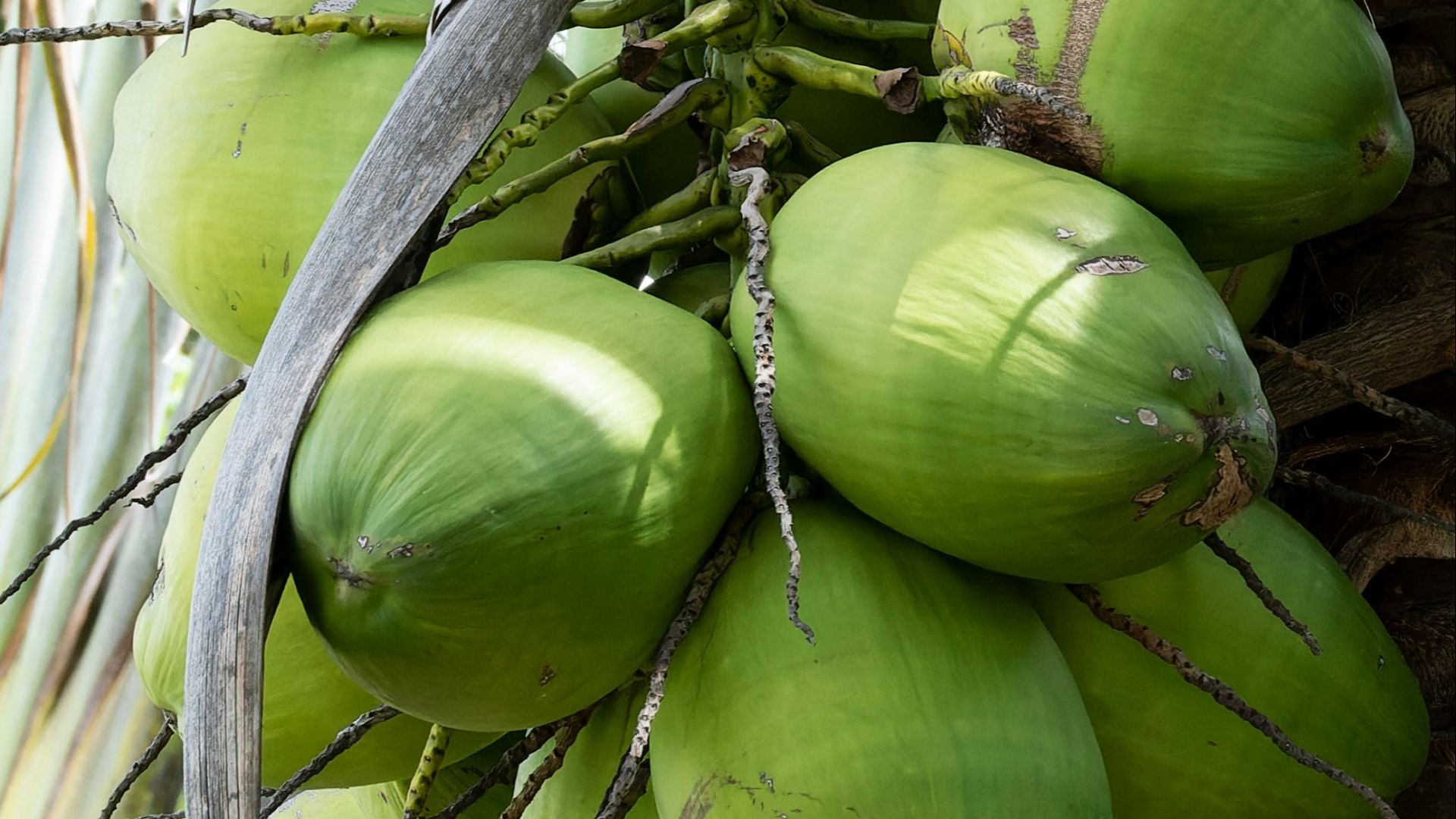
Coconut climbers in Kerala have traditionally gone up bare trunks 50 feet or more with nothing to catch them if they slip. Falls are common enough that India's Coconut Development Board started training climbers to use mechanical climbing frames. A fast climber can go up dozens of trees in one shift, with pay usually counted per tree.
6. Palm Oil
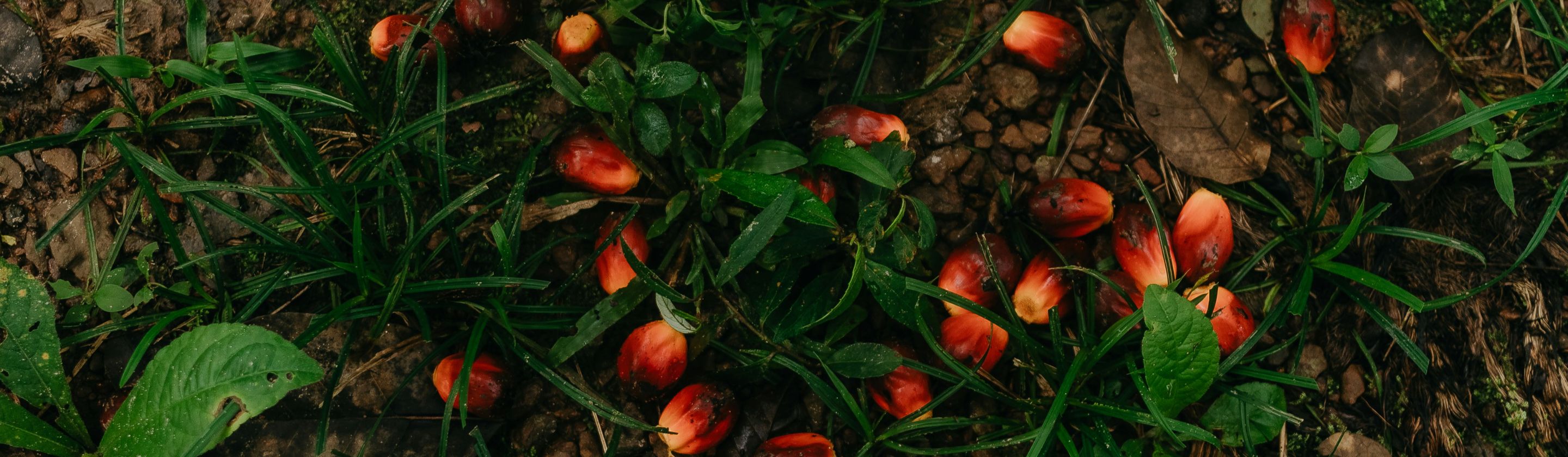
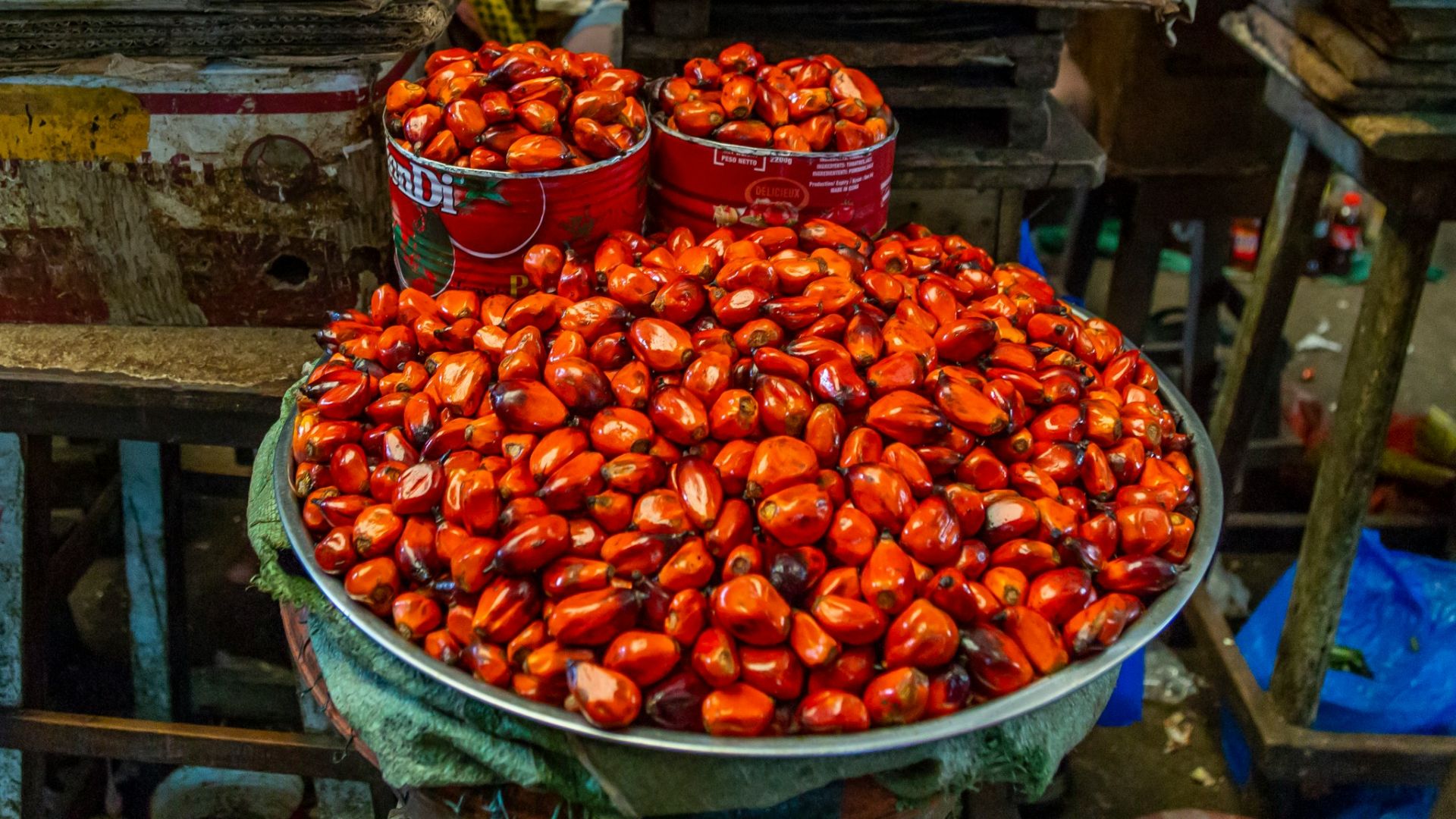
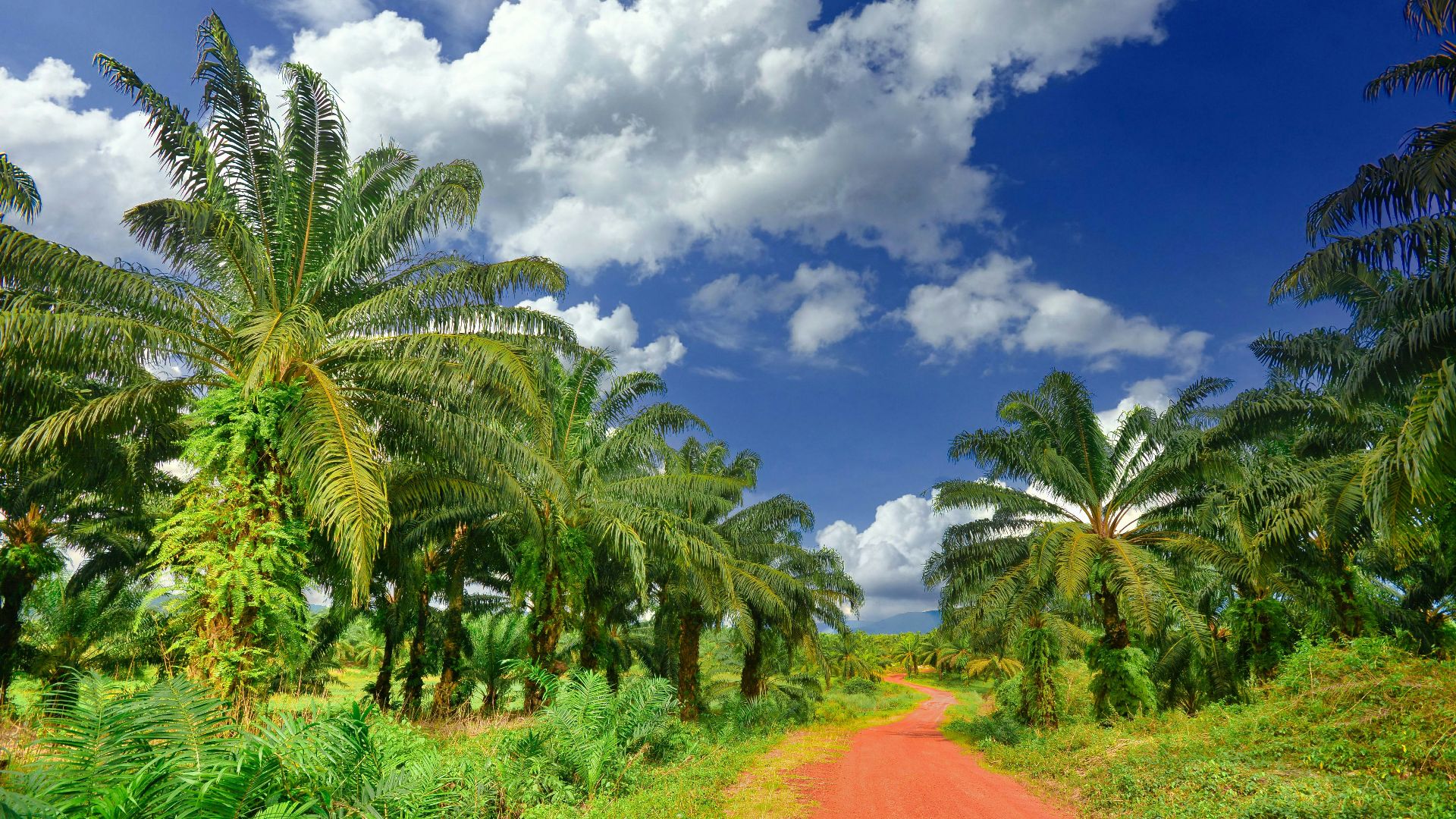
In 2020, U.S. Customs and Border Protection blocked palm oil imports from FGV and Sime Darby Plantation, two of Malaysia's biggest producers, over signs of forced labor. Harvesters on plantations like theirs cut down fruit bunches that can weigh more than 50 pounds, using a curved blade mounted on a long pole. An Associated Press investigation that same year found workers in Malaysia and Indonesia describing debt bondage and child labor.
7. Sugarcane
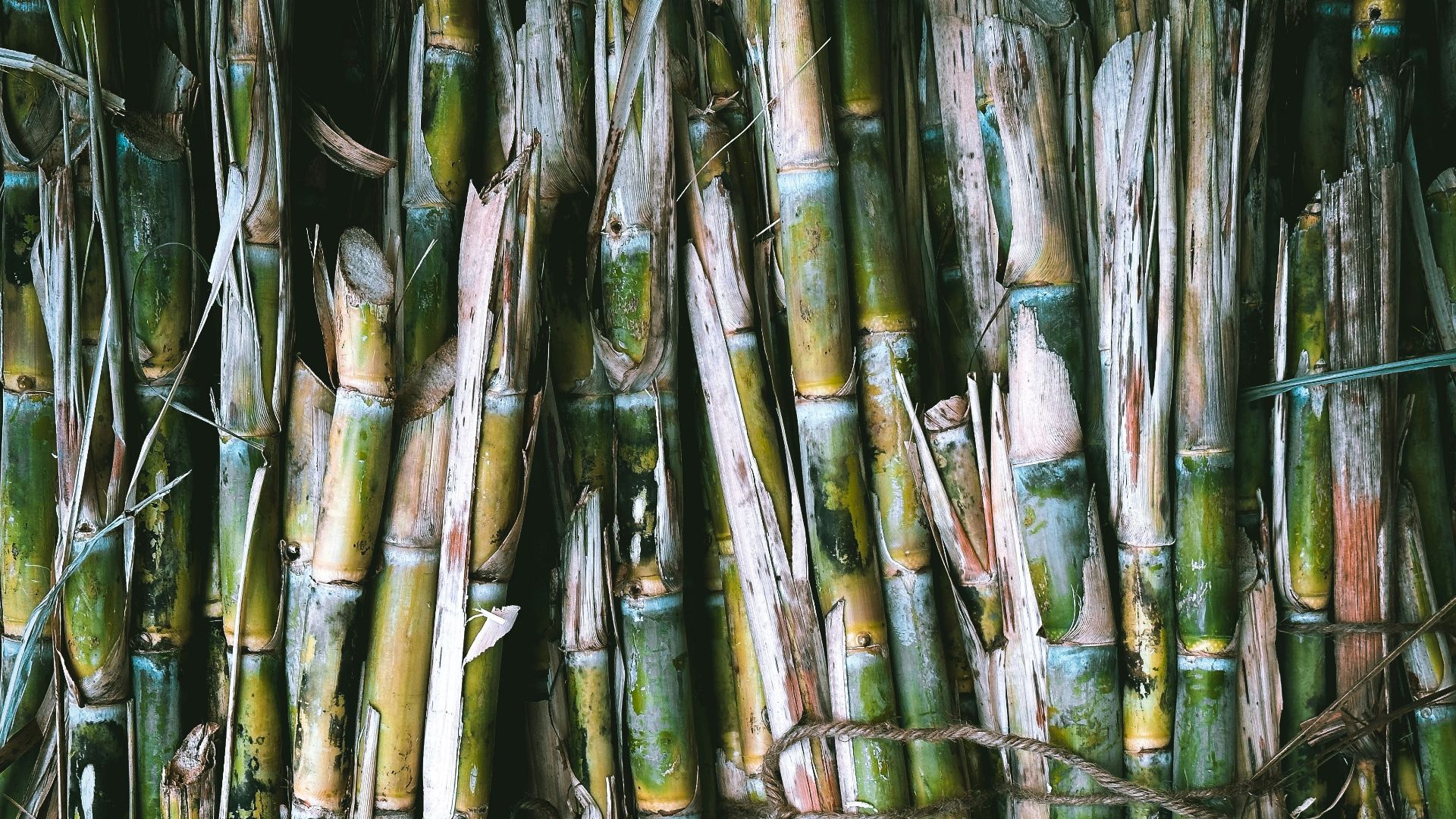
One village near Chichigalpa, Nicaragua, earned the nickname Island of Widows. So many of its men died of chronic kidney disease after years of cutting cane that researchers gave the illness its own name, Mesoamerican nephropathy. Heat and dehydration are the leading suspects, and cutters often work through ash from fields burned just before harvest.
 J A N U P R A S A D on Unsplash
8. Coffee
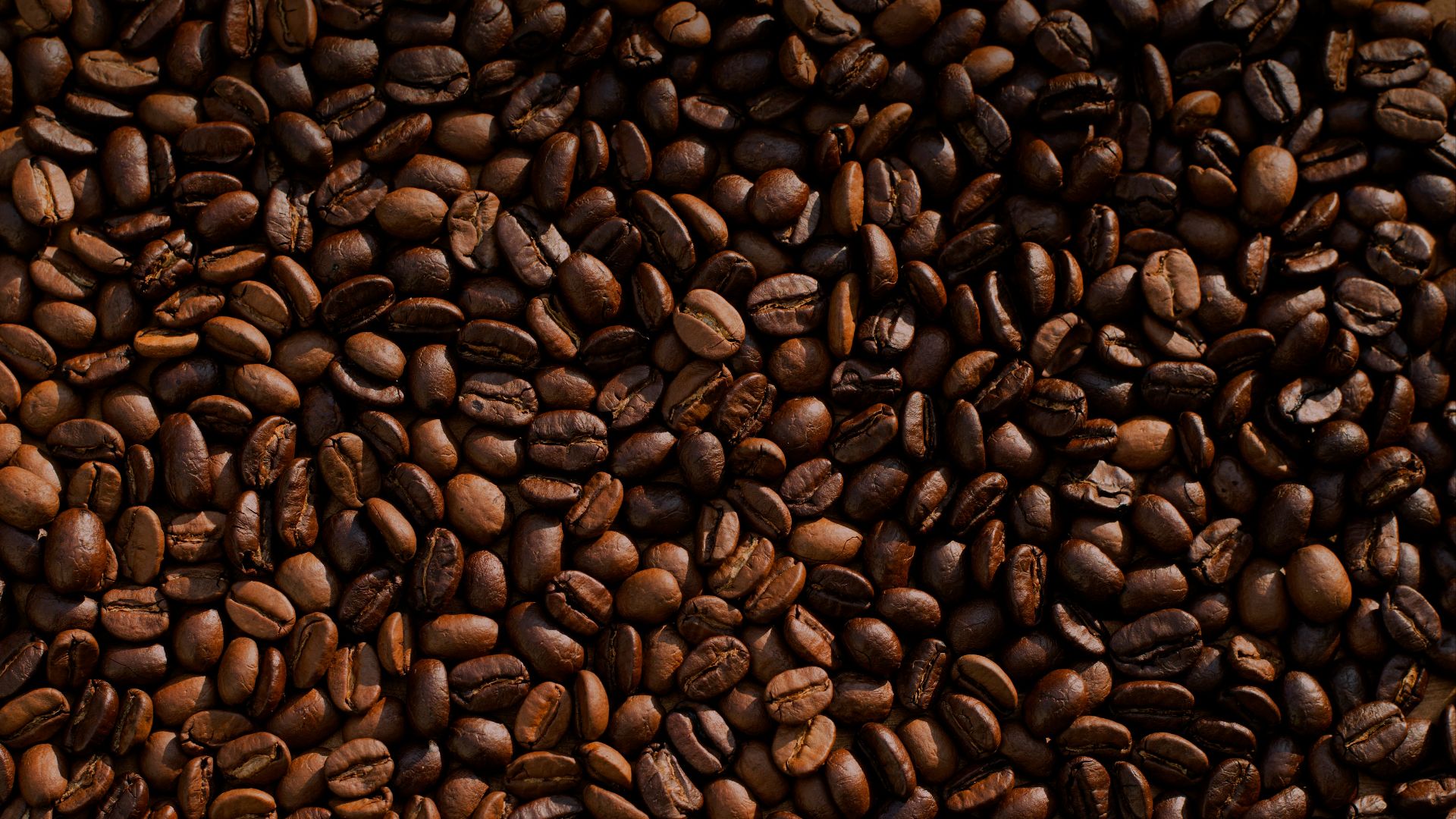
Every year, Brazil's labor inspectors pull workers off coffee farms under a law against conditions analogous to slavery. The cases often involve people living in crowded shacks without clean water or protective gear, in the country that grows more coffee than any other.
9. Tea
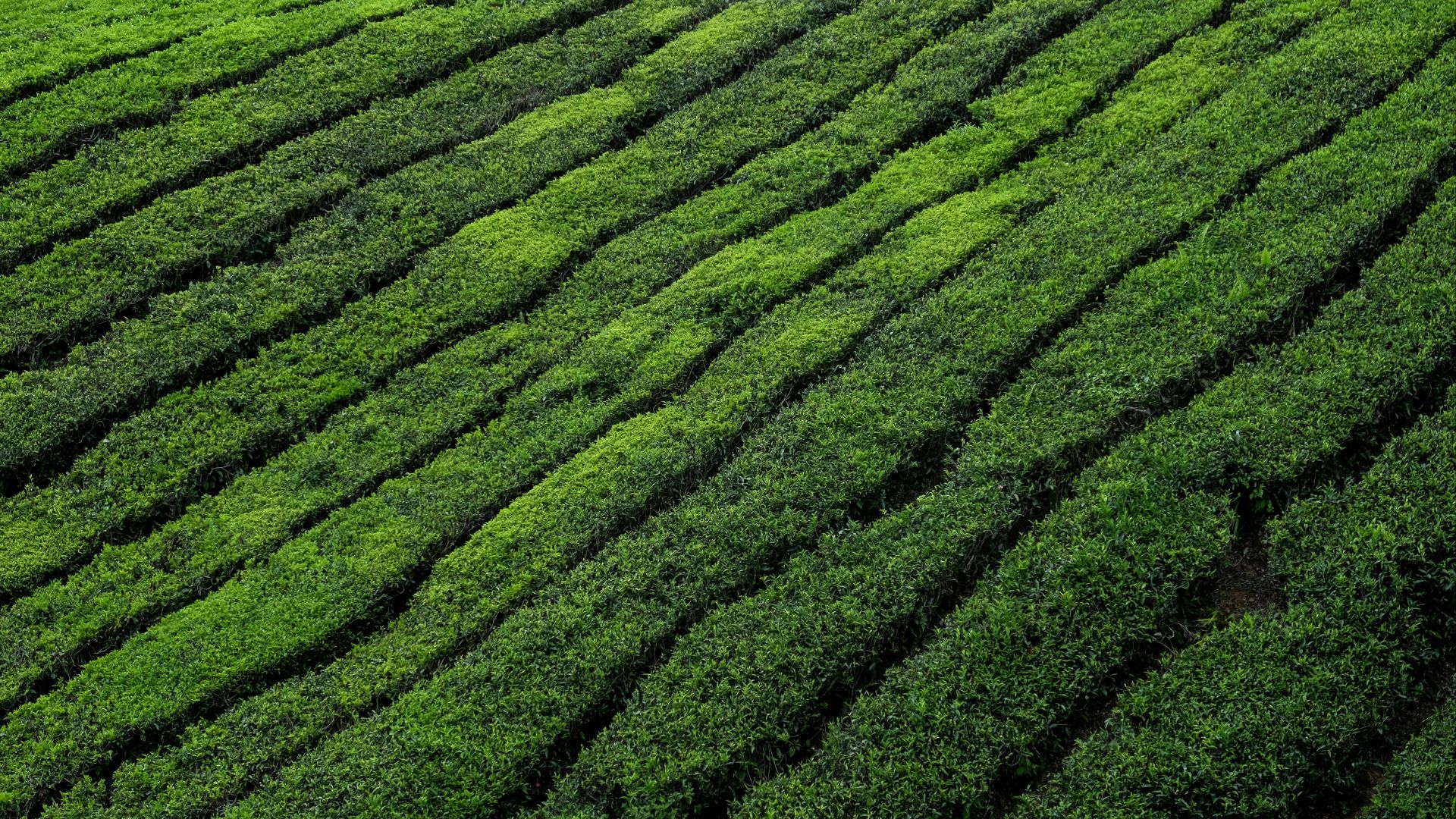
Assam grows roughly half of India's tea, much of it plucked by women whose families have lived on the estates for generations. A 2015 BBC investigation found workers there living in crumbling housing with poor sanitation. Pluckers spend the day with a wicker basket strapped to their backs, tossing leaves into it over one shoulder.
10. Vanilla
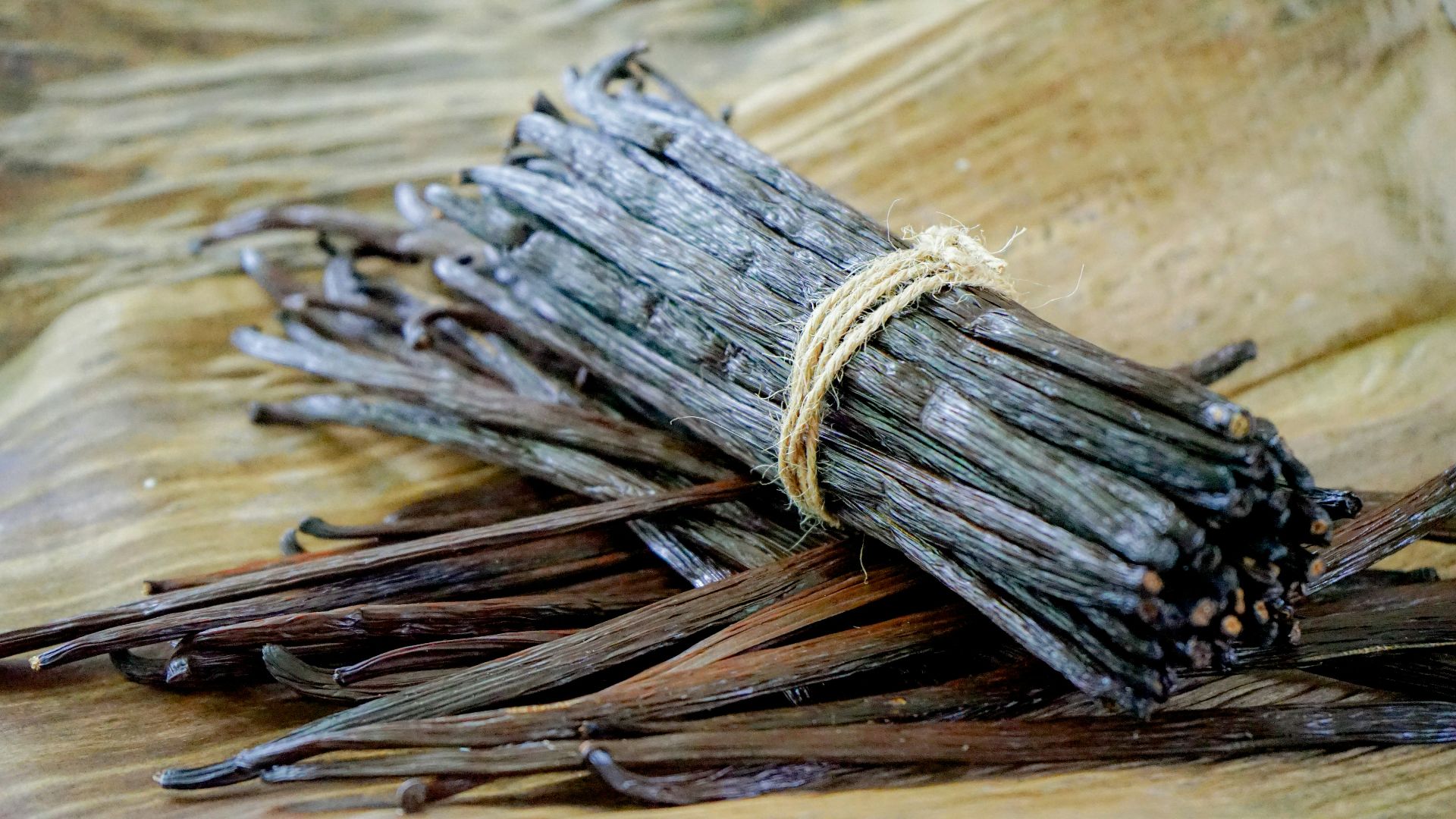
Vanilla farmers in Madagascar sometimes sleep in their fields. When prices spiked to around $600 a kilogram in 2018, theft got bad enough that growers began pricking their initials into the green beans to prove ownership. In some villages, suspected thieves were attacked by mobs before police could step in.
11. Avocados
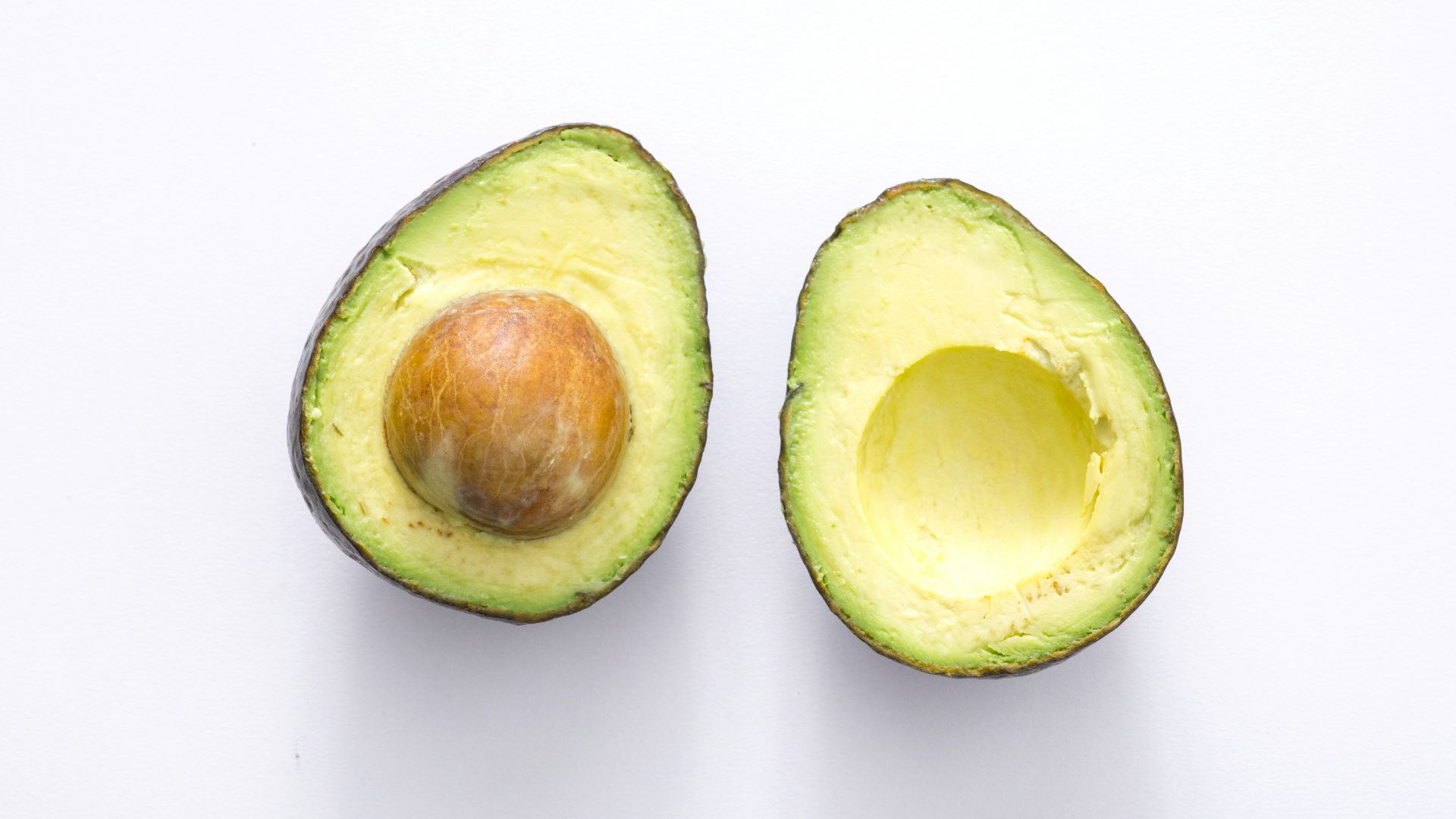
In February 2022, the U.S. briefly suspended avocado imports from Mexico after a USDA inspector in Michoacán received a threat. Growers in the state have paid extortion to cartels for years, and pickers work orchards where armed groups control the roads and run their own checkpoints.
12. Wild Blueberries
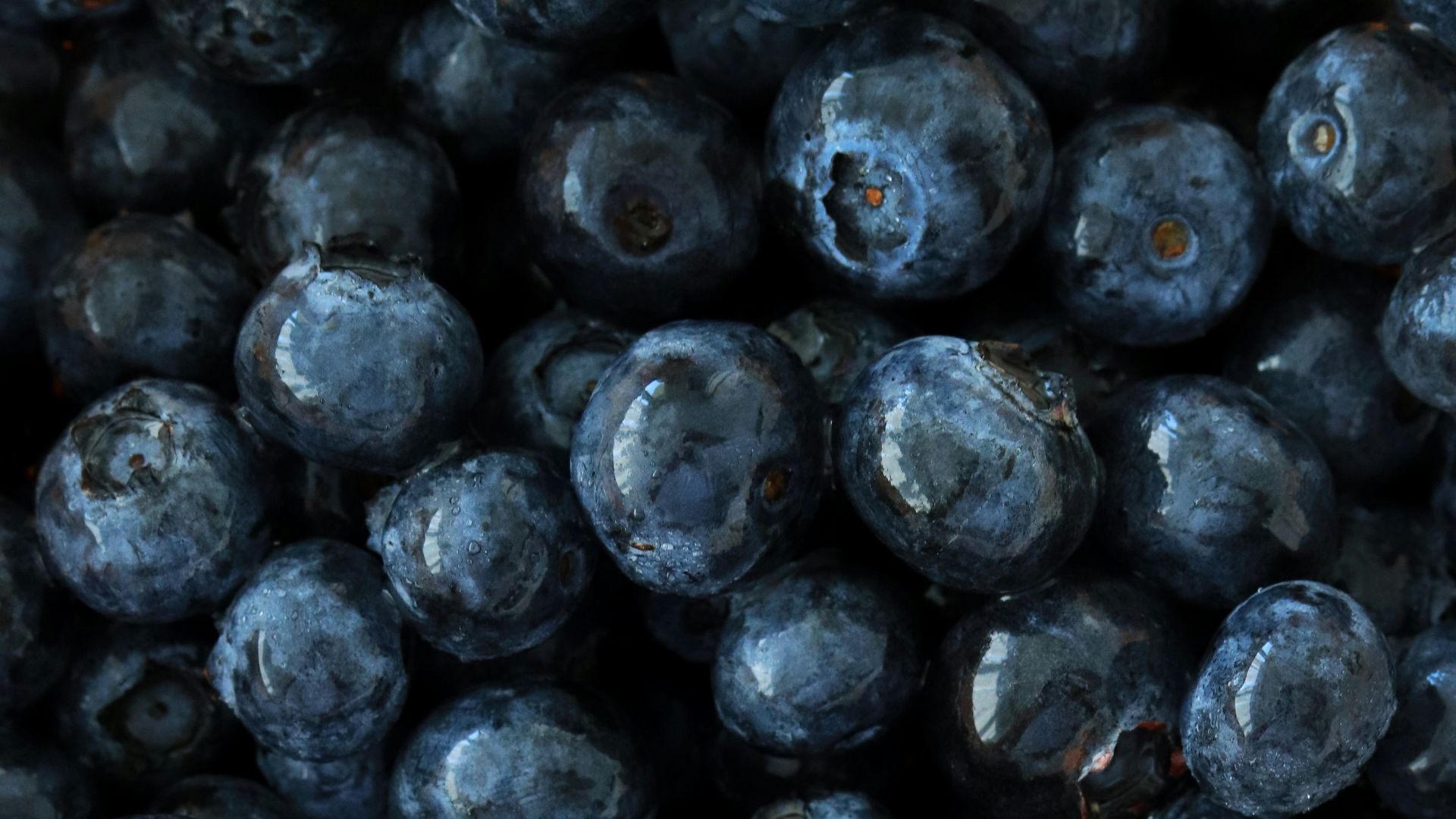
Maine's wild blueberries grow low on rocky barrens, and many are still gathered with a metal hand rake that looks like a dustpan with teeth. Rakers bend and swing it all day, and their pay rises and falls with every box they fill. Many rakers come from First Nations communities in Canada's Maritime provinces, a seasonal trip some families have made for generations.
13. Hazelnuts
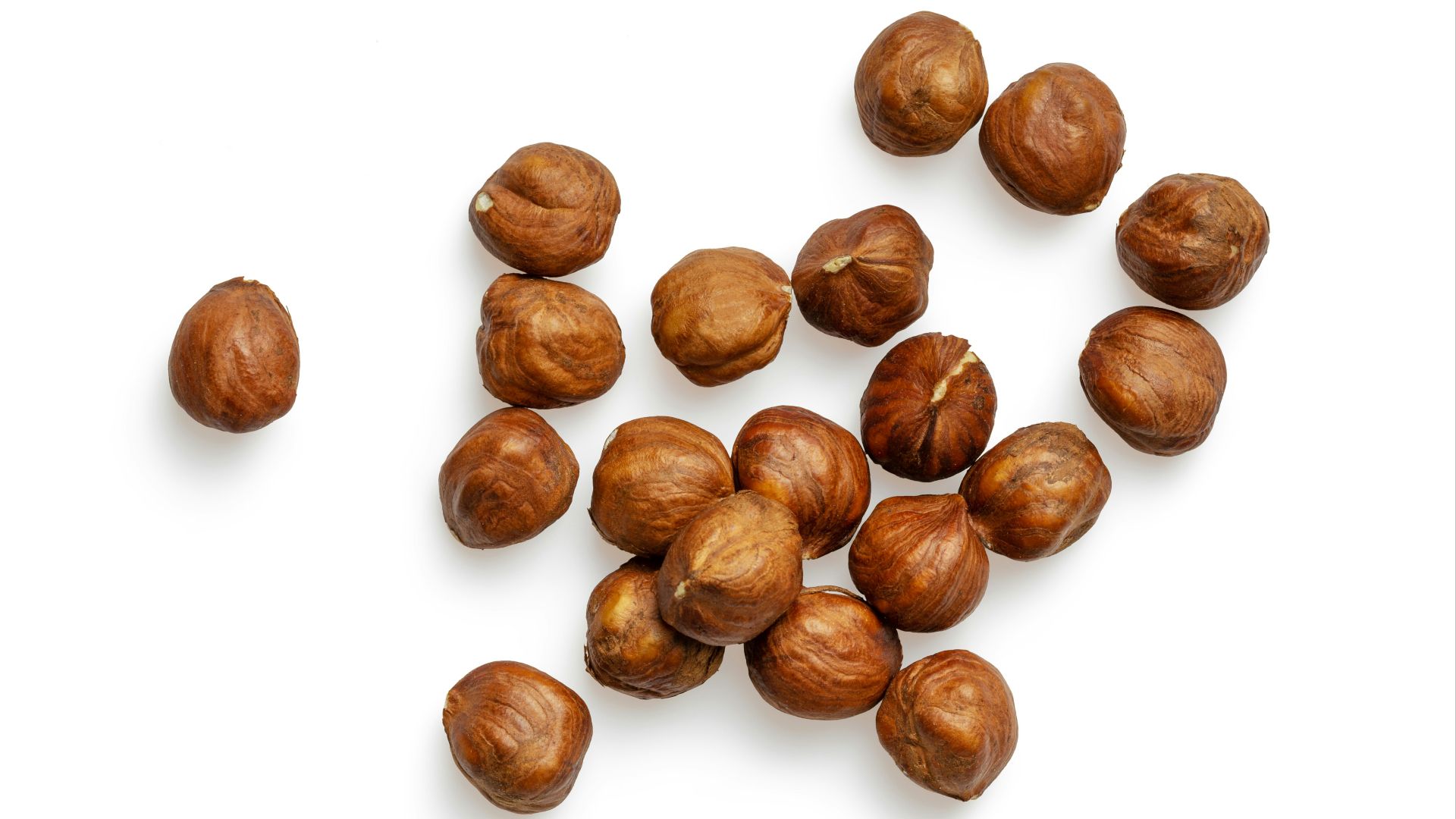
Most of the world's hazelnuts come from Turkey's Black Sea coast, where orchards cling to hillsides too steep for machines. Seasonal crews climb those slopes every August, hauling sacks of nuts back down on their shoulders. The Fair Labor Association has reported children working in the harvest, many from migrant families.
14. Hatch Chiles
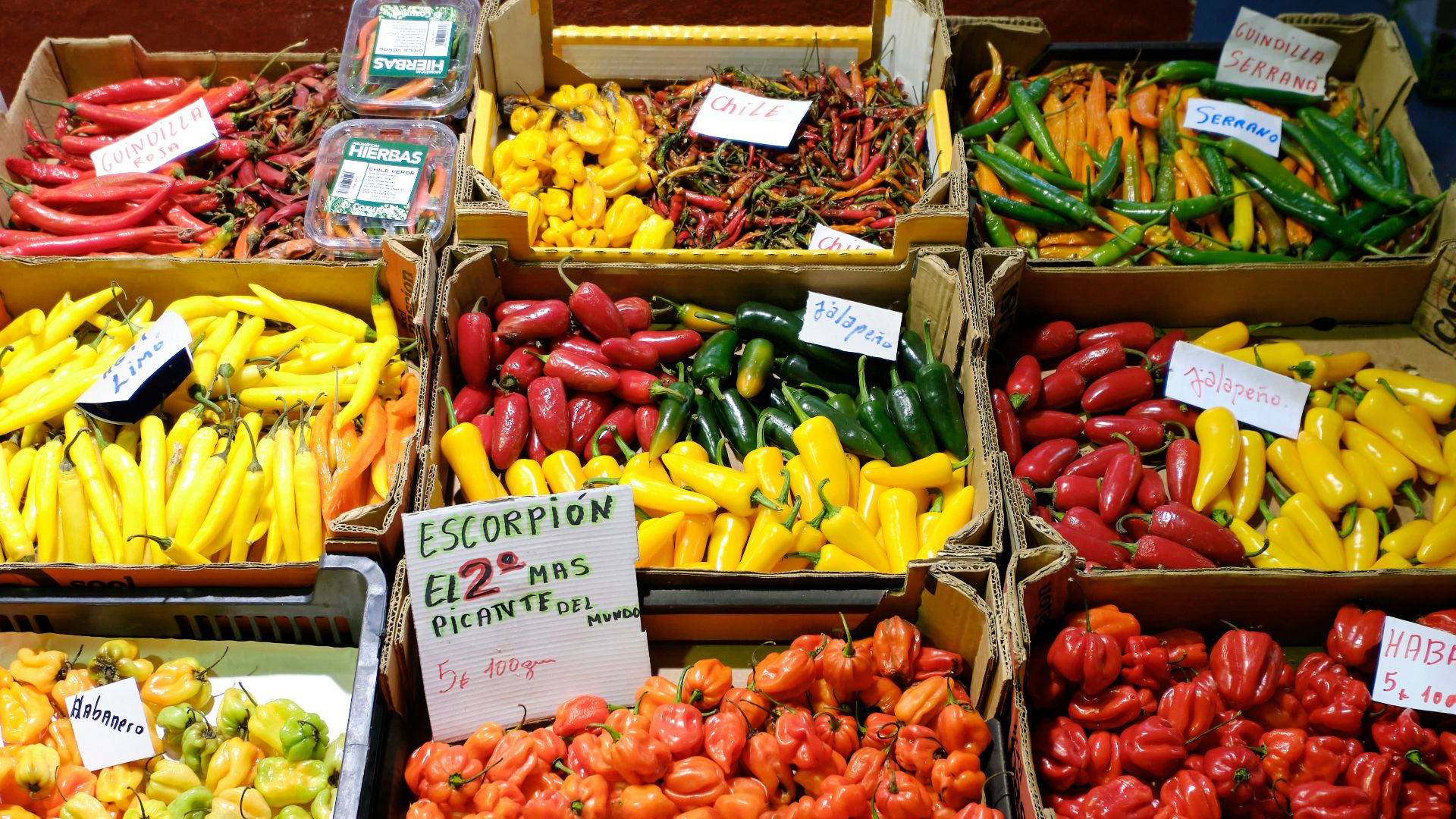
Pick green chile by hand for a day and the capsaicin can leave your fingers burning well into the night. New Mexico's Hatch Valley still relies on hand crews, and growers there have struggled for years to find enough of them. The harvest runs from August into September, which puts most of that work in the hottest weeks of the year.
15. Pineapples
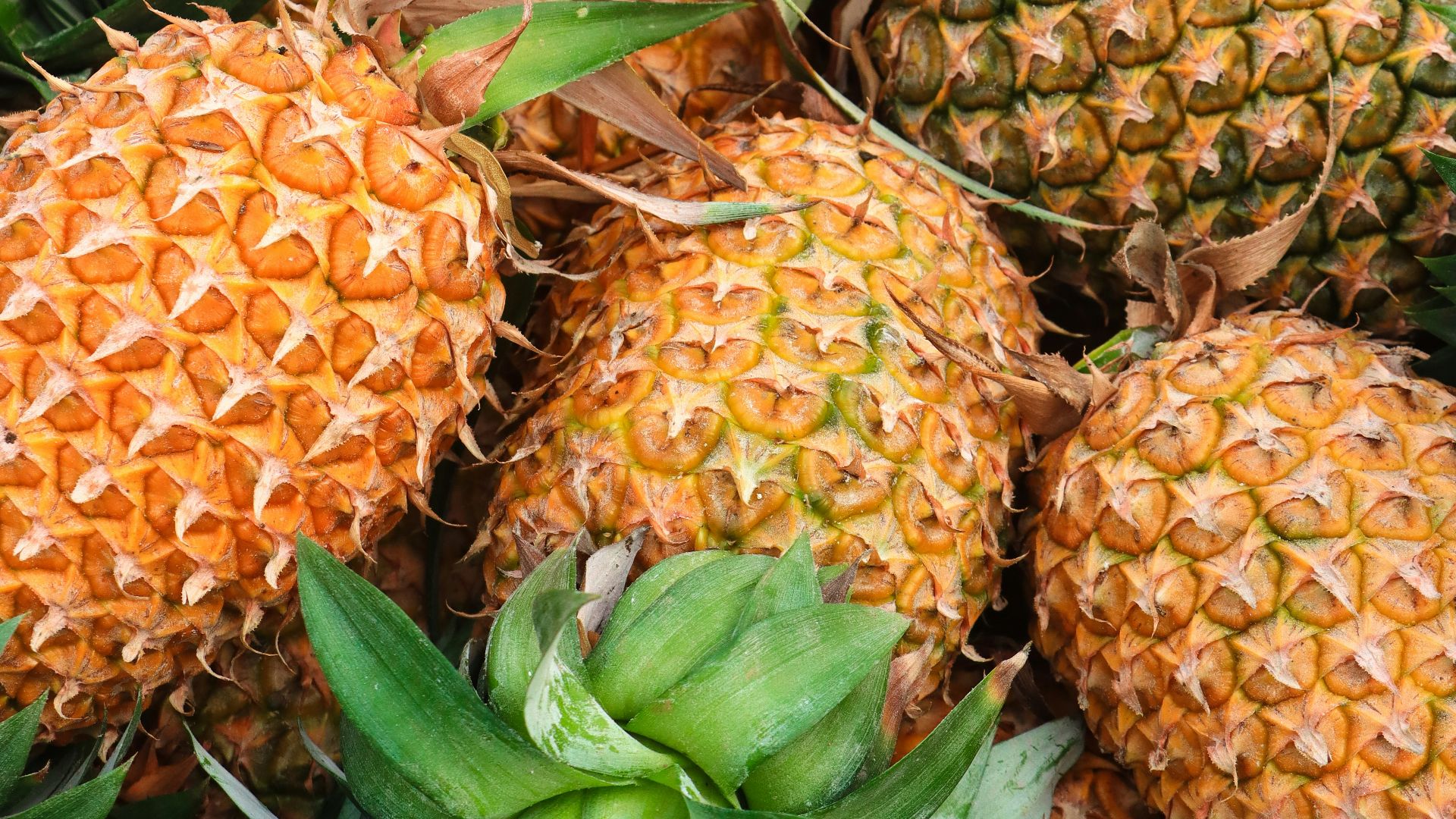
Pineapple leaves have sharp, serrated edges, and crews work the rows in thick gloves under a tropical sun. Costa Rica, the world's top exporter, has faced years of complaints about pesticide exposure among plantation workers and the towns nearby.
16. Bananas
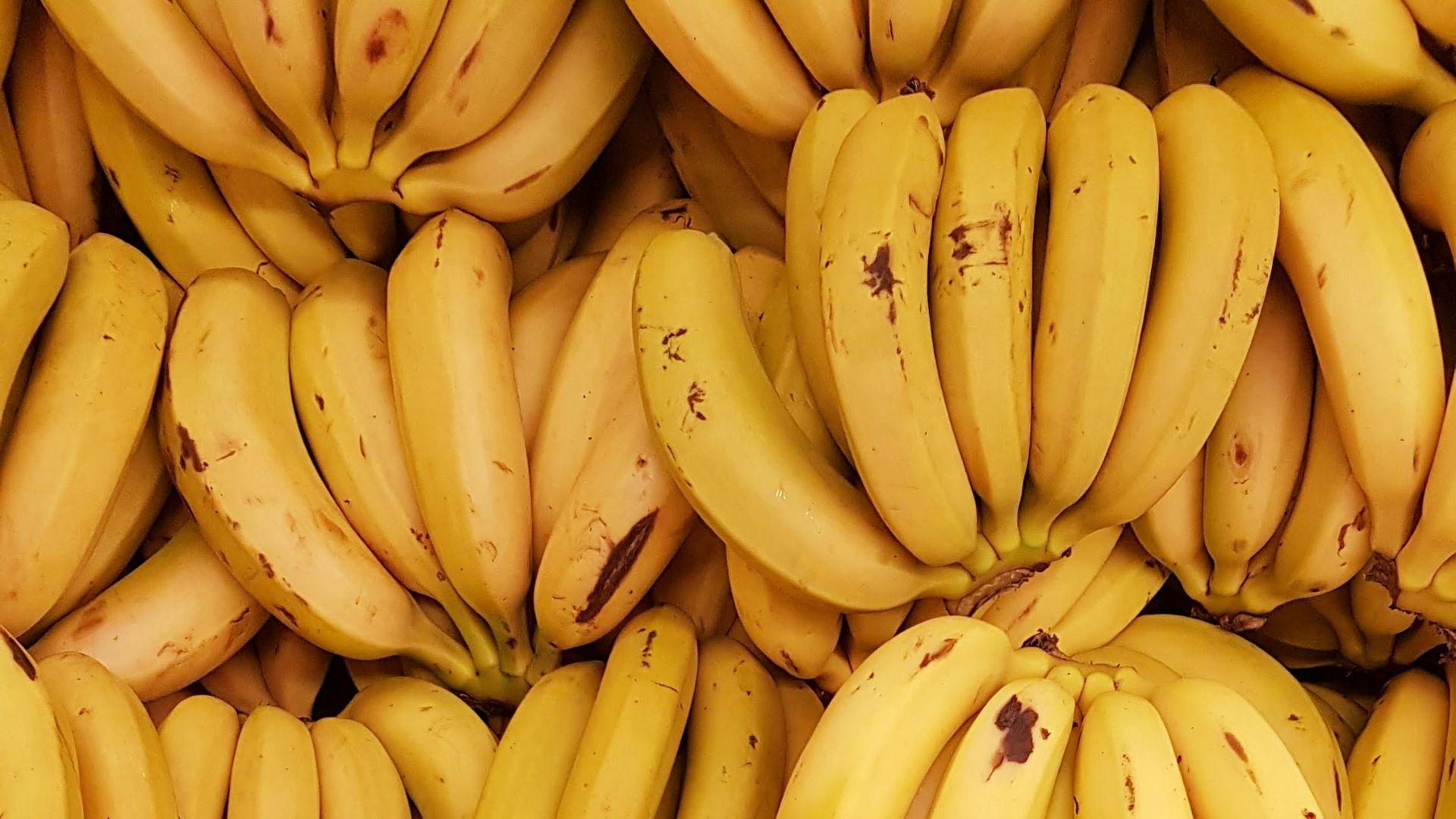
The EPA suspended most uses of the pesticide DBCP in 1979 after it was linked to sterility in men who made it. It stayed in use on banana plantations in Central America for years afterward, and thousands of workers later sued Dole and the chemical companies. A Los Angeles jury sided with a group of Nicaraguan workers in 2007, though a judge later threw out a related case over evidence of fraud.
17. Lettuce
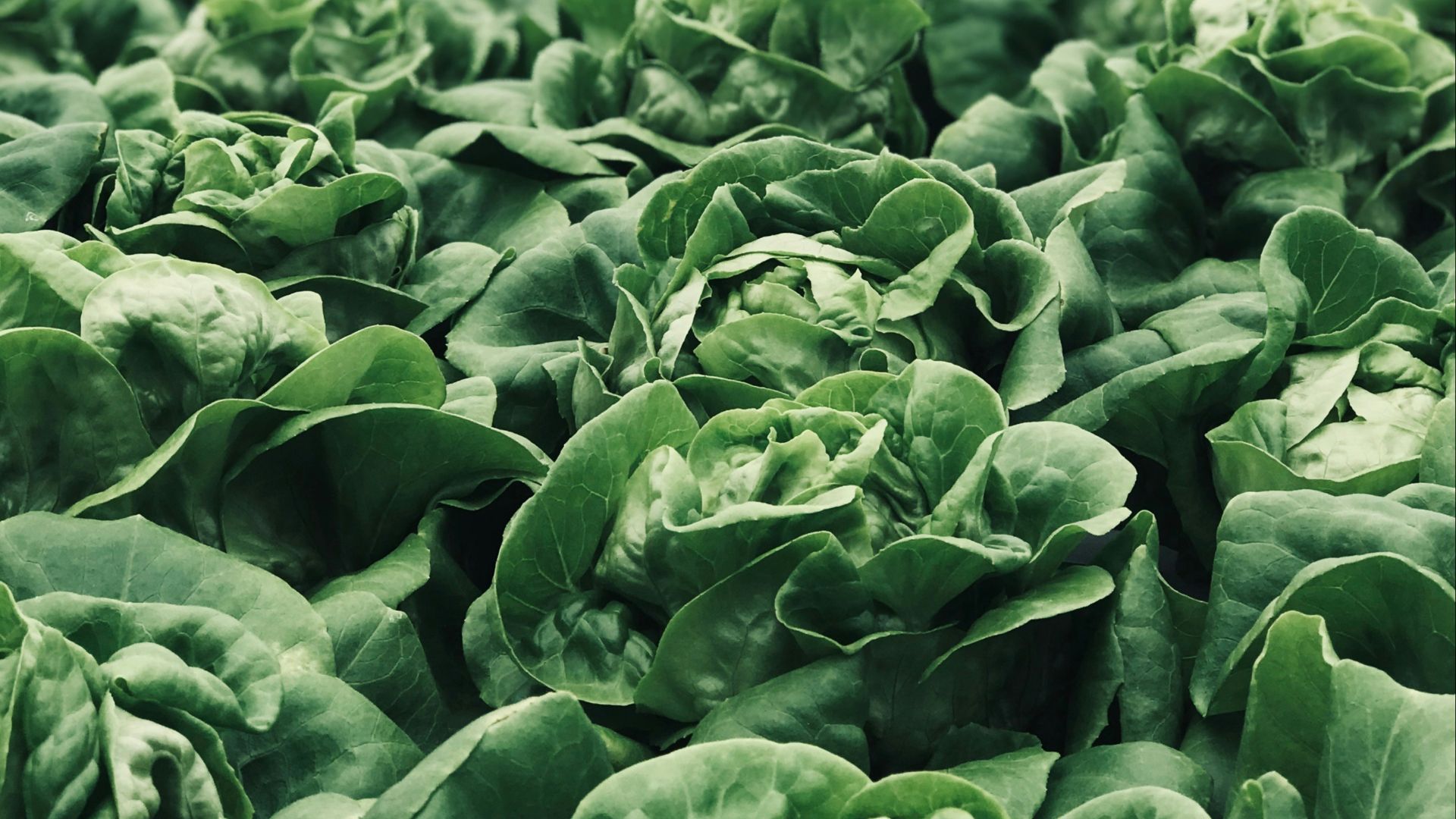
For decades, California lettuce crews worked with el cortito, a hoe with a handle so short it forced them to bend double all day. Growers argued the short handle made workers more careful with the plants, and the state finally banned it in 1975 after farmworkers had spent years fighting it.
18. Table Grapes
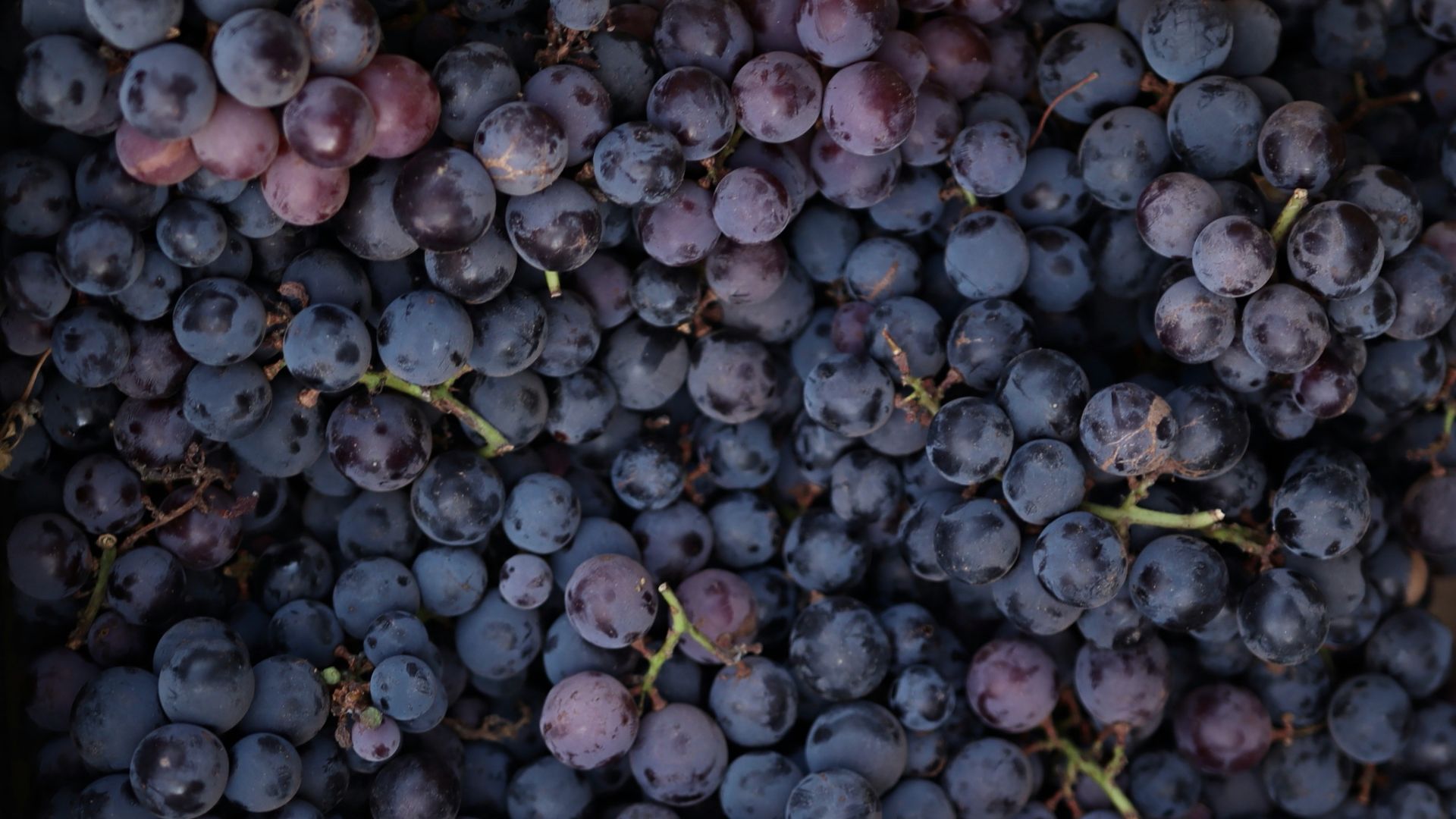
Filipino farmworkers walked out of the vineyards around Delano, California, in September 1965. Cesar Chavez's mostly Mexican American union joined them within days, and the two groups later merged into the United Farm Workers. The strike and a national grape boycott dragged on for five years before growers signed contracts in 1970.
19. Açaí
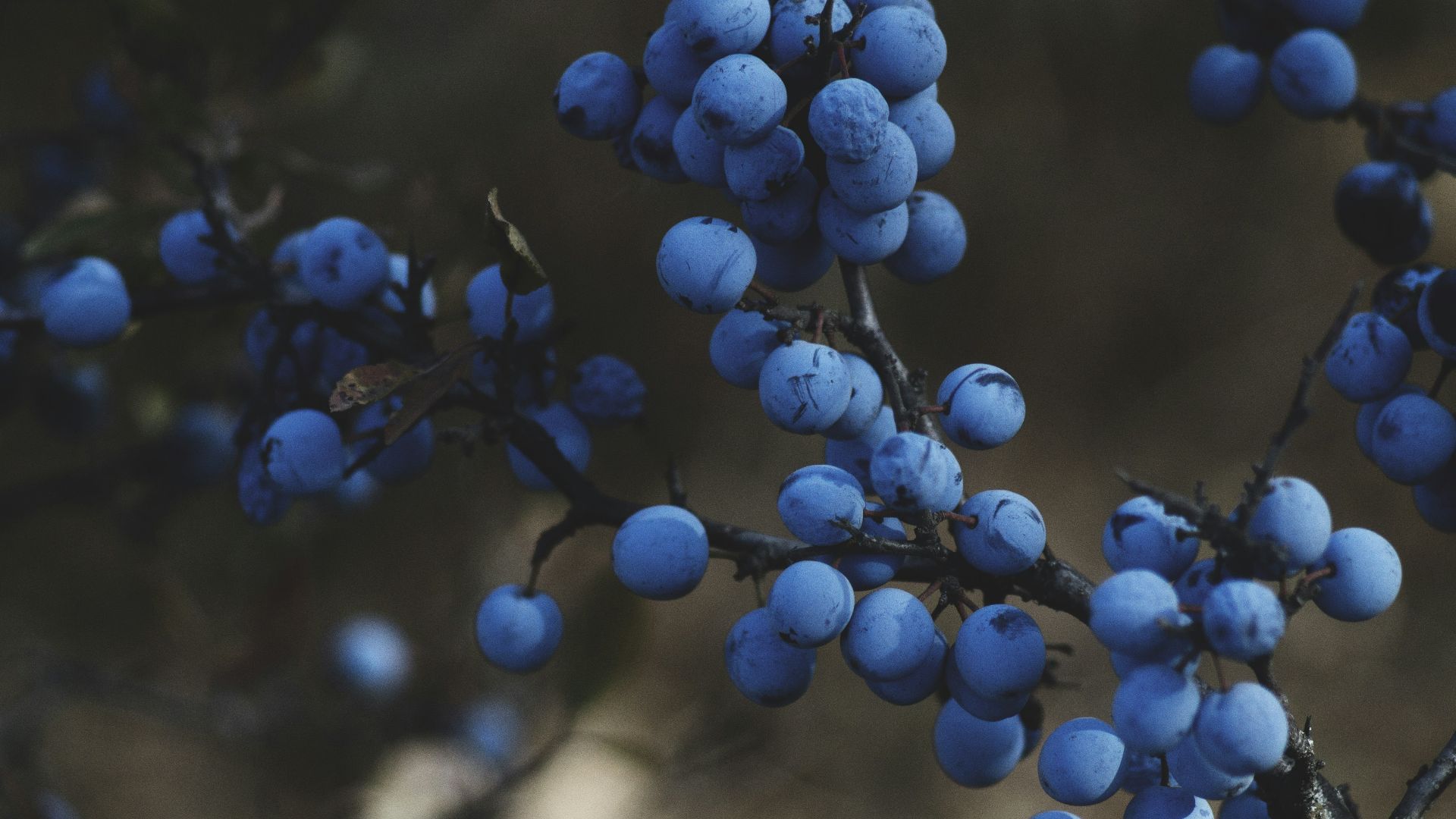
Açaí berries grow in clusters at the top of skinny palms in the Amazon, often 50 feet up. Climbers shimmy up barefoot with a band of palm fiber around their feet and cut the bunch loose with a knife. Repórter Brasil has documented children doing that climbing.
 Roksolana Zasiadko on Unsplash
20. Cashews
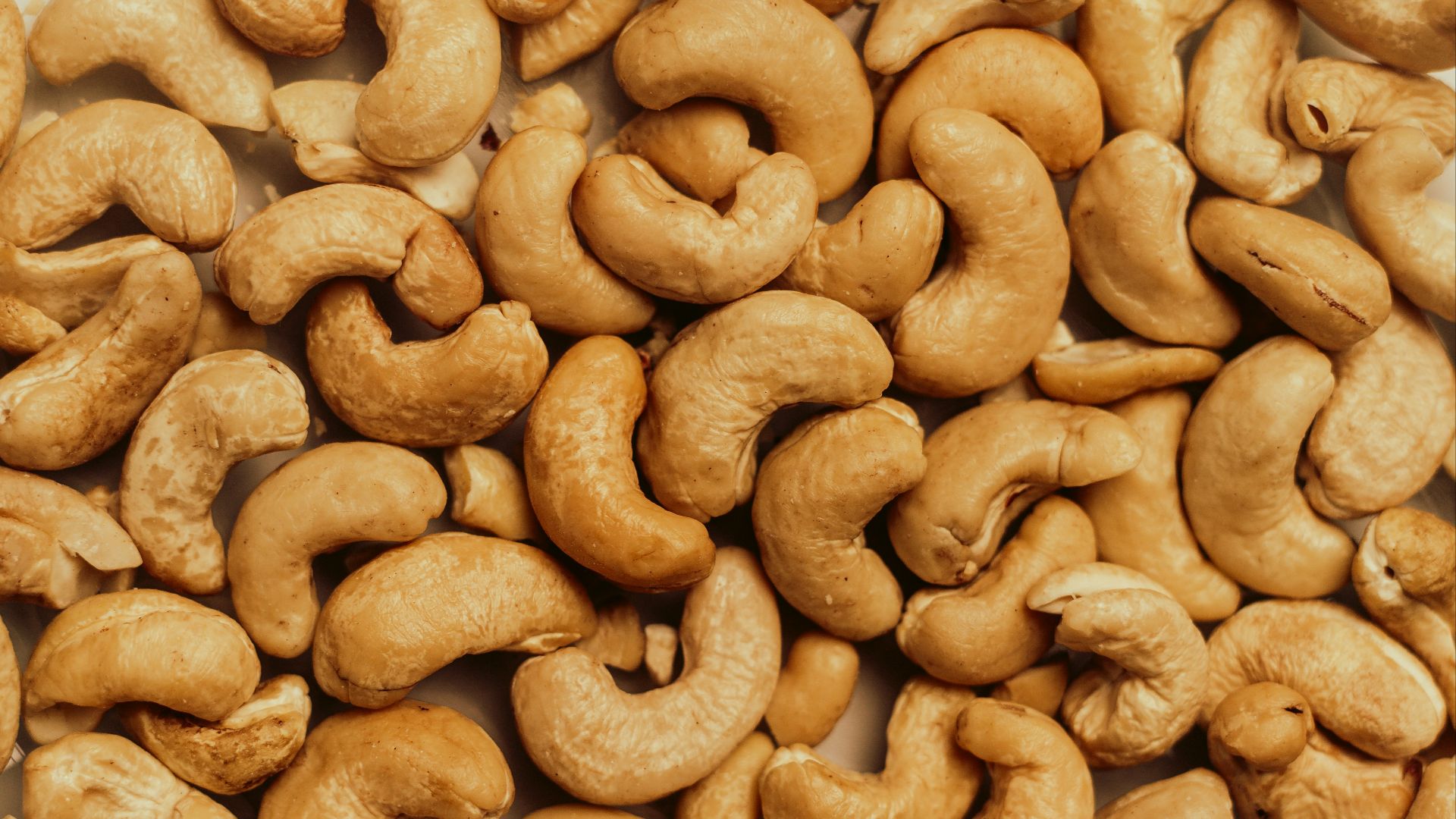
The shell around a cashew holds a caustic oil that burns skin, which is why you never see them sold in the shell. In 2011, Human Rights Watch reported that detainees in Vietnam's drug rehabilitation centers were forced to shell cashews, often with their hands raw from the oil. In India, much of the shelling is still done by hand.
KEEP ON READING

The Most Popular Chocolate Bars in the USA

The Most Popular Candies in the USA