10 Food Myths Your Grandma Swears By and 10 That Science Actually Backs Up
Cozy Kitchen Rules Sorted Into Fiction and Facts
Somewhere between the clink of a spoon in a chipped mug and the smell of onions hitting a hot pan, family food rules get installed like default settings. Plenty of them come from real experience and over time, those stories turn into kitchen laws, delivered with the calm certainty of someone who has fed people through birthdays, layoffs, breakups, and flu season. The catch is that certainty sounds the same whether the rule is solid science or just a good way to get everyone to stop arguing and eat. Here are 10 classic myths to gently retire, followed by 10 pieces of old-school advice that modern research and credible health institutions actually support.

1. Sugar Makes Kids Hyperactive
The birthday-party chaos feels like evidence, yet controlled studies have struggled to pin hyperactivity on sugar itself. A well-known meta-analysis in JAMA in the 1990s found no consistent effect of sugar on children’s behavior, and the bigger driver often looks like excitement, attention, and a room full of other kids.
2. Microwaves Make Food Radioactive
Microwave ovens heat food by making water molecules move faster, and that energy turns into heat. The FDA has been clear for years that microwave cooking does not make food radioactive, even if the word microwave sounds like it belongs on a warning label.

3. MSG Is Dangerous for Most People
MSG has carried a reputation that outlived the evidence, partly because the stories are vivid and easy to repeat. The FDA classifies MSG as generally recognized as safe, and it has also said it could not confirm MSG as the cause of reported short-term reactions in controlled settings.
4. Spicy Food Causes Ulcers
Spicy food can irritate an already touchy stomach, so the myth has staying power at the dinner table. Still, major medical sources such as Mayo Clinic point to Helicobacter pylori infection and long-term use of certain pain relievers as the common causes of peptic ulcers, not hot sauce.

5. Eating Carbs at Night Automatically Causes Weight Gain
This one usually shows up when someone is staring into the fridge at 10 p.m., hoping for a rule that makes the decision easier. Weight change tracks more closely with overall intake and routine than with the clock, so nighttime carbs are not uniquely magical in either direction.
6. Brown Sugar Is Much Healthier Than White Sugar
Brown sugar looks wholesome because it’s darker and smells richer, which makes it feel less processed. In practice, it is still sugar, usually white sugar with molasses added back, and it behaves like sugar in your body and your baking.

7. Sea Salt Is Healthier Than Table Salt
Sea salt gets bonus points for looking artisanal, yet sodium is still sodium once it hits the bloodstream.
One meaningful difference is iodine: iodized salt has played a major public-health role in preventing iodine deficiency, which is why plain, boring table salt has a legitimate place in a modern pantry.

8. Detox Cleanses Flush Toxins Better Than Your Body Can
Detox talk tends to bloom right after a stretch of heavy takeout and late nights, when everyone wants a hard reset. Your liver and kidneys already do the daily work of processing and eliminating waste, so most cleanses end up being an expensive way to eat less and feel cranky.

9. Eggs Are Off-Limits Because of Cholesterol
Eggs spent decades as the breakfast villain, which is how a lot of people ended up with sad, dry egg whites. Major heart-health guidance has shifted toward the bigger dietary pattern, focusing on saturated fat and overall quality of the diet rather than treating whole eggs as a universal problem.
10. Carrots Give You Night Vision
Carrots support eye health because vitamin A is essential for vision, yet the superhero version of the claim does not hold up. The night-vision idea famously took off during World War II, when British messaging leaned on carrots while the real edge came from radar technology and strategy.
And now, here are ten bits of folksy health advice that hold up under scrutiny.
1. Chicken Soup Can Help When You Have a Cold
Chicken soup does not erase a virus, yet it can make you feel more functional, which matters when your head feels stuffed with cotton.
A classic study published in the journal CHEST found chicken soup could affect certain inflammatory processes in the lab, and the real-world benefits also include warm fluids and an easier time getting food down.

2. Honey Can Soothe a Cough
A spoonful of honey before bed is not just sentimental, and evidence reviews like Cochrane have found it can reduce cough frequency and improve sleep for kids over age one. The one hard rule is age, since infants under one year should not have honey due to botulism risk.
3. Oatmeal Can Support Healthier Cholesterol Levels
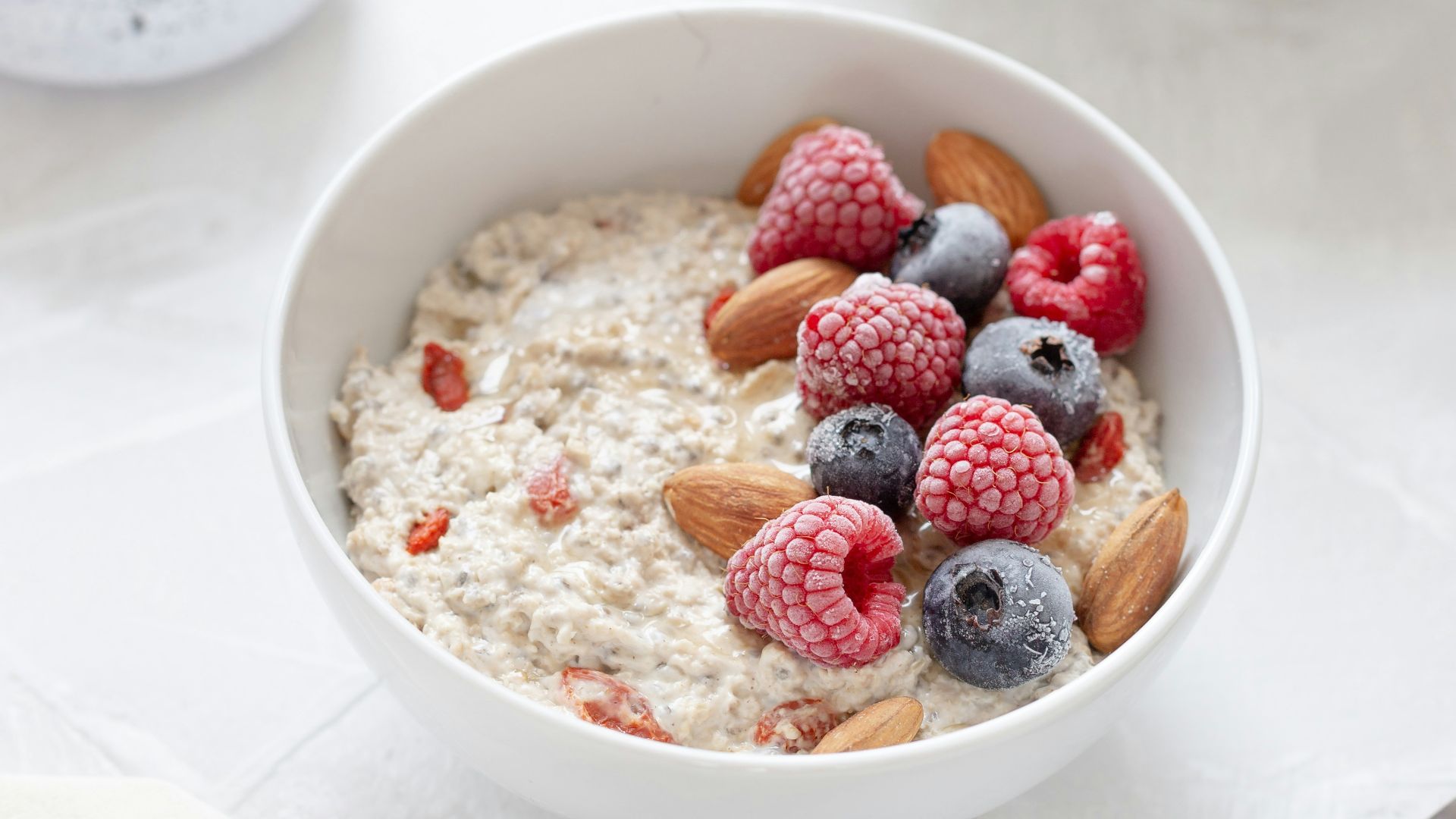
Oats keep their reputation because they contain beta-glucan, a soluble fiber linked to improved cholesterol profiles. The FDA has authorized a health claim for soluble fiber from oats in the context of a diet low in saturated fat and cholesterol, which is about as official as breakfast can get.
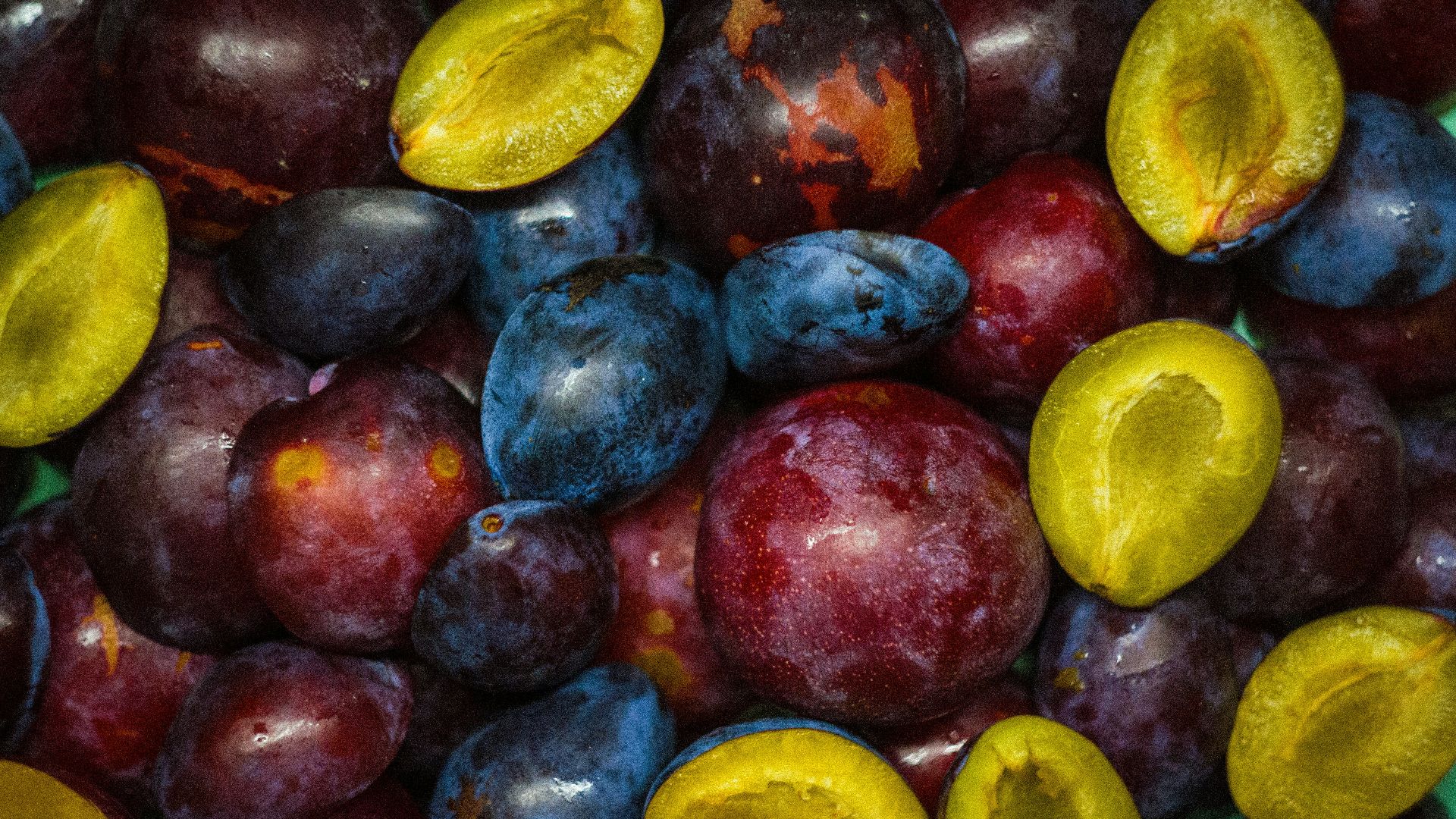
4. Prunes Can Relieve Constipation
Prunes have a blunt, practical track record, and they also have actual research behind them. A randomized controlled trial in a gastroenterology journal found dried plums improved constipation symptoms and performed well against psyllium, which explains why this advice survives every new wellness trend.
5. Ginger Can Ease Nausea, Including During Pregnancy
Ginger has been used for stomach upset for a long time because it is easy, inexpensive, and tolerable when nothing else sounds good. The National Center for Complementary and Integrative Health notes that research supports ginger for nausea and vomiting, including pregnancy-related nausea, even if the studies often use capsules rather than tea.

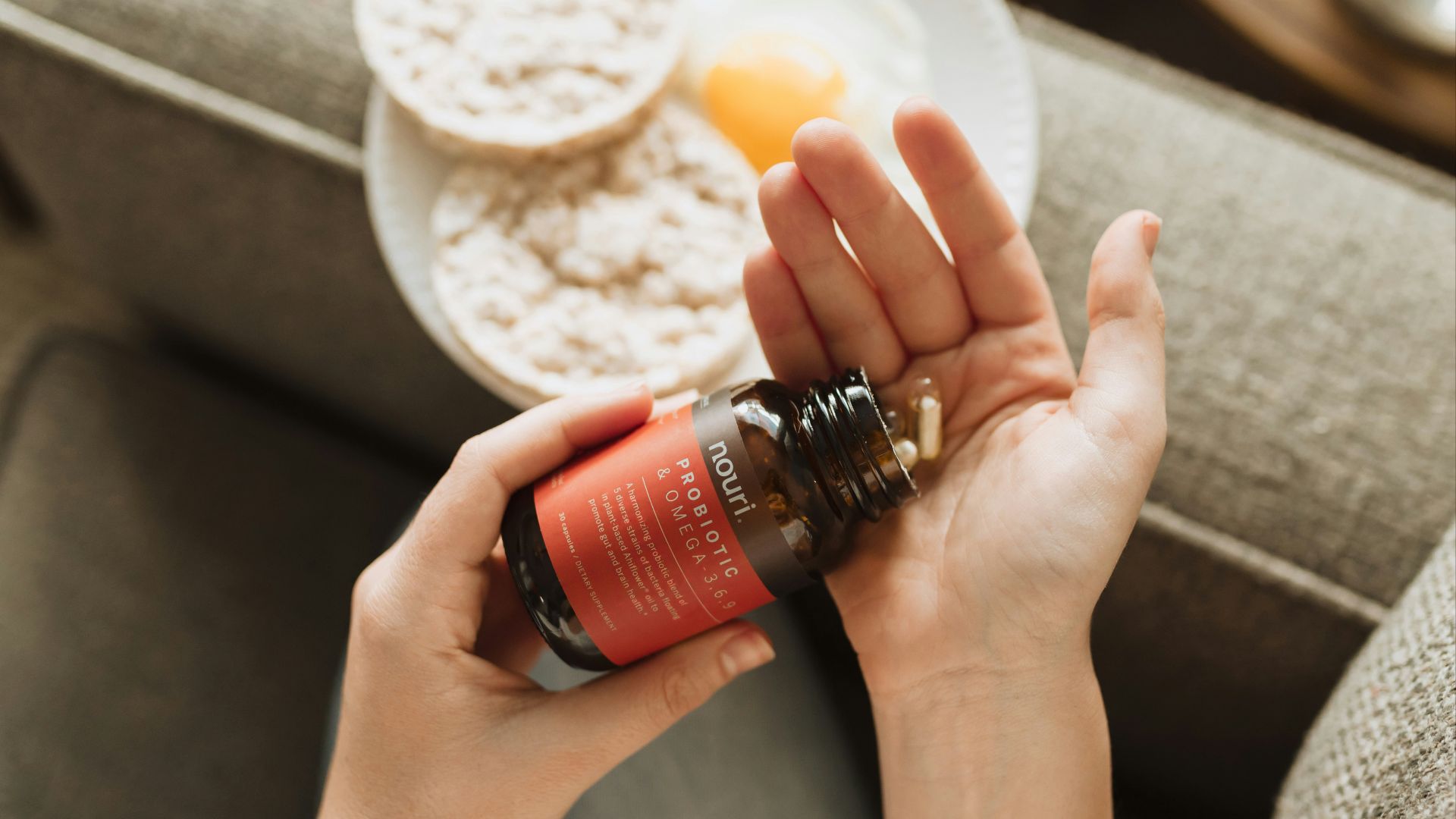
6. Probiotics Can Reduce Antibiotic-Associated Diarrhea
Antibiotics can leave your gut feeling unpredictable, since they affect more than the bacteria you were trying to target. Evidence reviews, including Cochrane, have found certain probiotics can lower the risk of antibiotic-associated diarrhea, with the fine print that strains and doses vary and not every product performs the same.
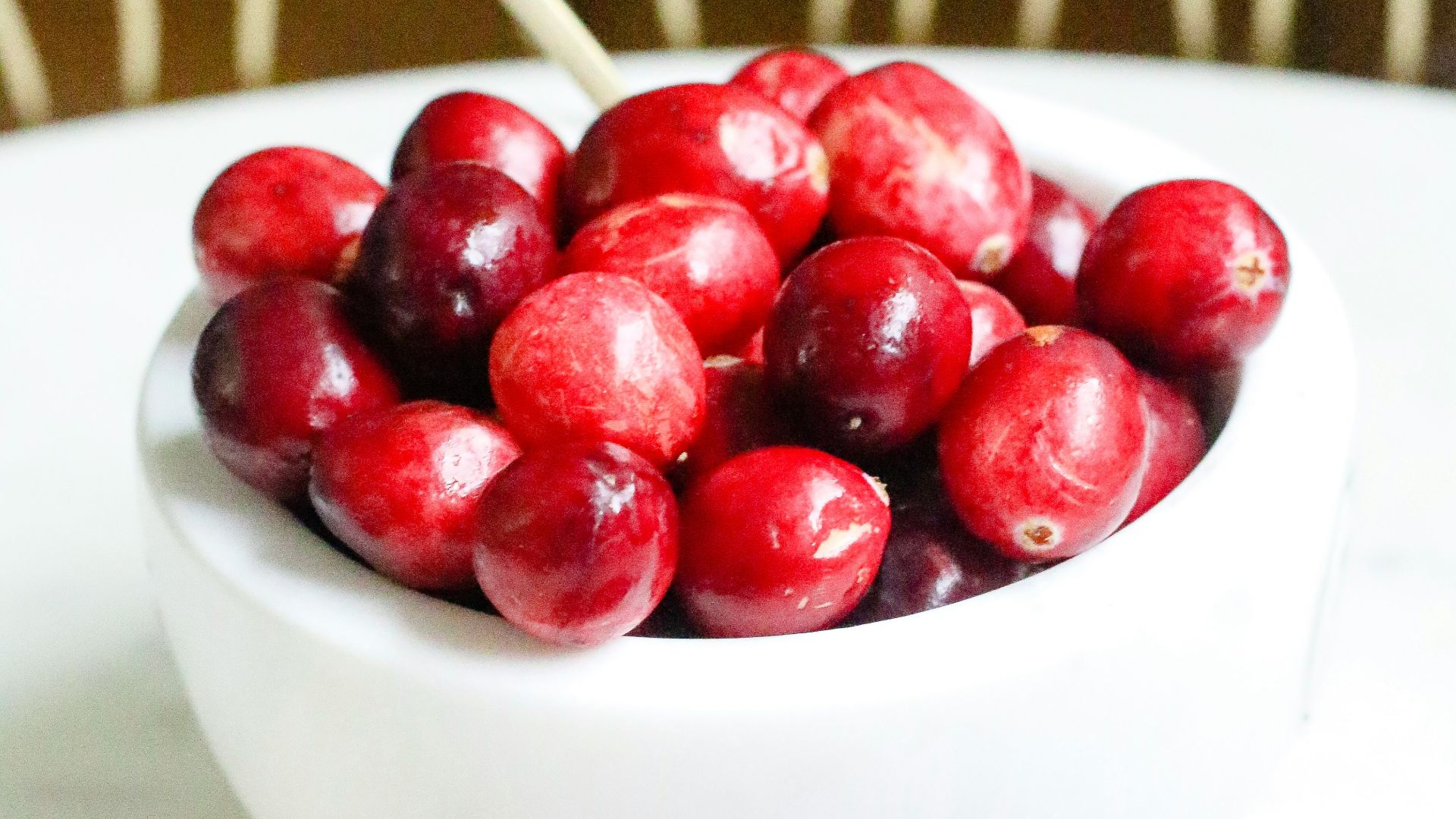
7. Cranberry Products May Help Prevent Recurrent UTIs
Cranberry juice has been oversold as a cure, and that exaggeration makes people dismiss it entirely. The evidence is mixed, yet systematic reviews have found that cranberry products can reduce the risk of recurrent UTIs in some groups, and U.S. regulators have even allowed carefully worded, qualified language around cranberry products and UTI risk in specific contexts.
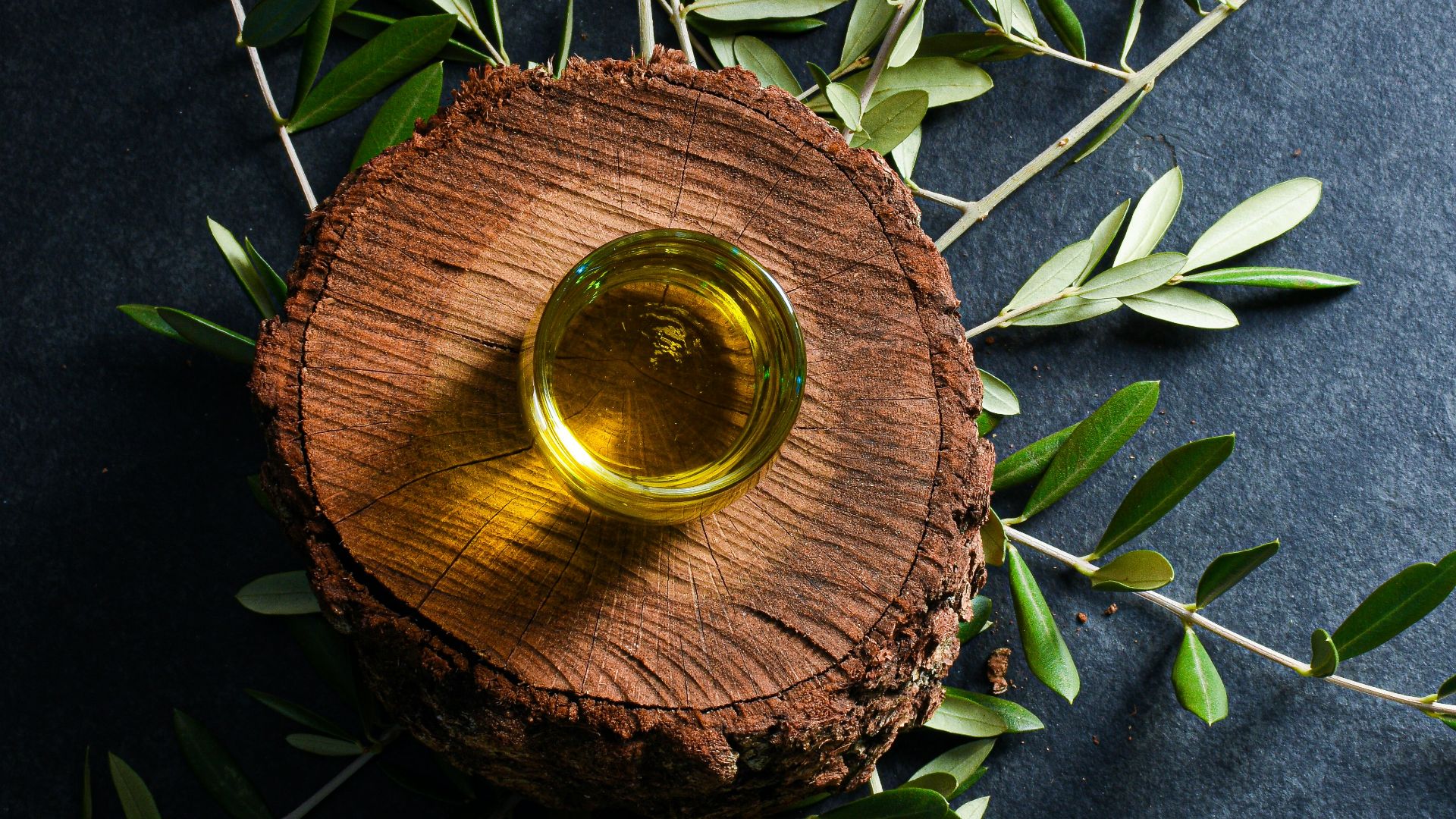
8. Olive Oil as a Daily Staple Fits a Heart-Healthy Pattern
The habit of cooking with olive oil is less about a miracle ingredient and more about what it replaces and how it shapes meals. Large, respected research such as the PREDIMED trial, published in the New England Journal of Medicine, linked a Mediterranean-style diet supplemented with extra-virgin olive oil to fewer major cardiovascular events compared with a low-fat diet approach.
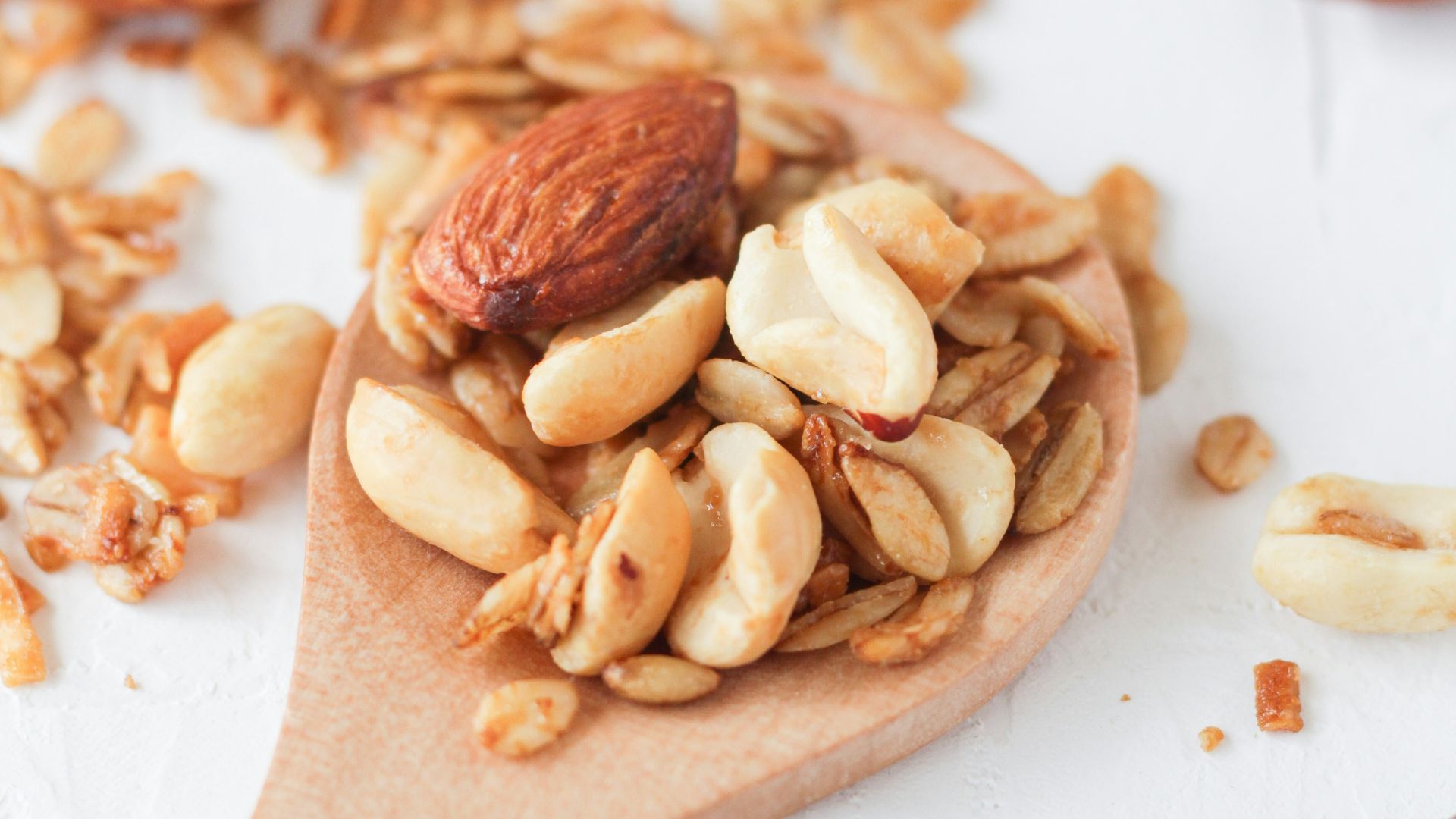
9. A Small Handful of Nuts Can Be a Smart Daily Habit
Nuts have a way of keeping you satisfied without turning into a whole project, which is part of why the habit sticks. Organizations like the American Heart Association point to nuts as a source of unsaturated fats and other nutrients, and the common-sense advice to keep the portion modest is exactly the part grandma usually gets right.
10. Refrigerating Leftovers Promptly Prevents Real Foodborne Illness
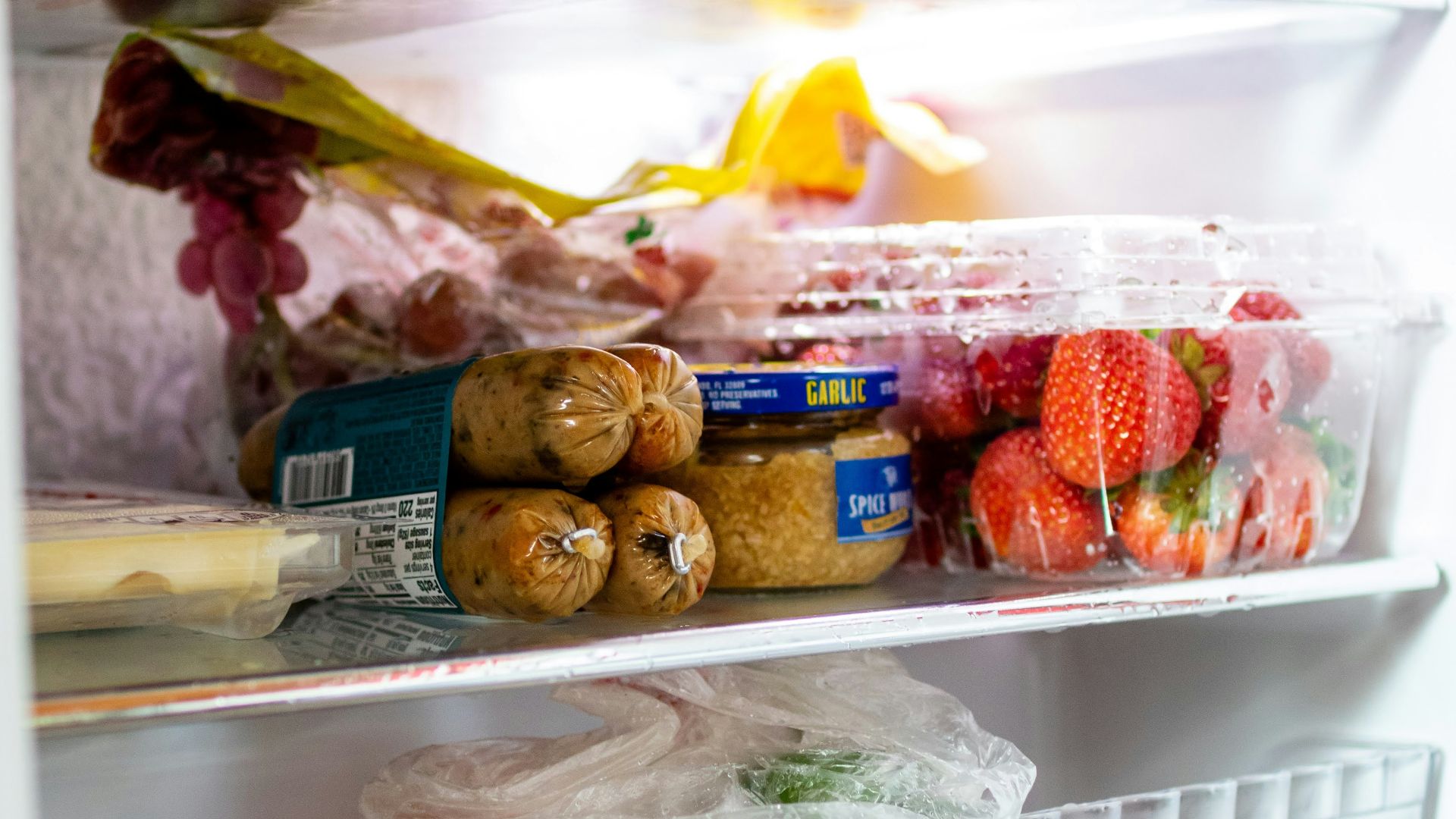
The rule about putting food away quickly can feel fussy until you learn how many people have been taken down by something that looked harmless on the counter. The CDC advises refrigerating perishable foods and leftovers within about two hours, and cooked rice is a famous example because Bacillus cereus can survive cooking and cause illness when rice is held too warm for too long.
KEEP ON READING
The Most Popular Chocolate Bars in the USA

The Most Popular Candies in the USA