We know: you probably wouldn't even want to come within 10 feet of a plate of cheese that's infested with maggots, but some foods earn their reputation purely because they either taste surprisingly delicious, look unusual, or could be potentially fatal. Believe it or not, many diners love taking risks, even if that means trying a dish that may or may not be deadly. If you’re adventurous, it’s smart to know which bucket-list bites come with real risks.
None of this is meant to shame traditional cuisines or the people who love them, of course. And plus, nowadays, the risk of eating these deadly dishes is actually fairly low; that is, so long as you order them from reputable and licensed places and restaurants. But without further ado, let's dive into three of the most dangerous delicacies of all time.
Casu Marzu
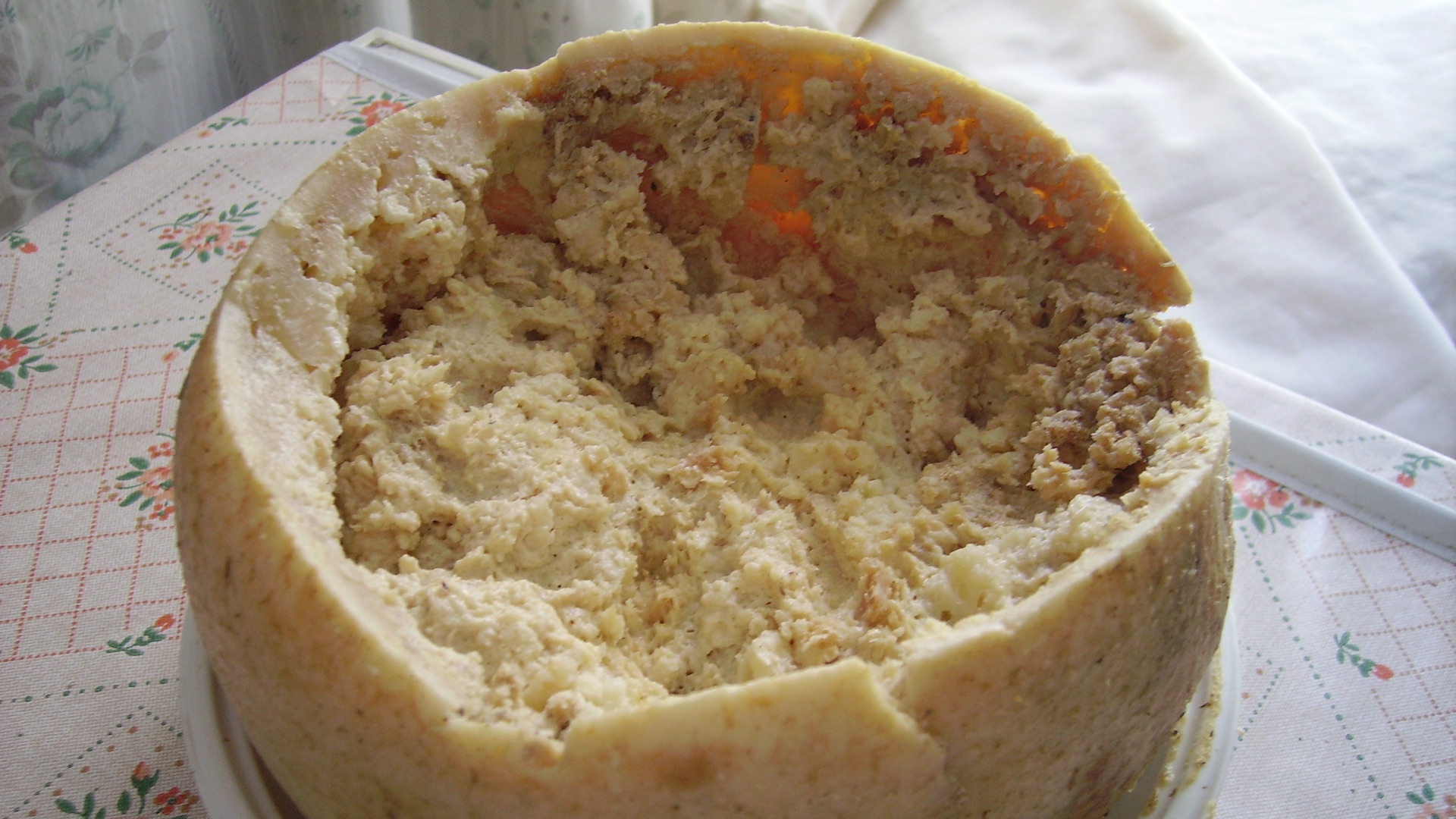
Casu marzu ("rotten cheese") is a Sardinian sheep’s milk cheese that—here's the catch—intentionally contains live fly larvae from the cheese fly Piophila casei. The larvae help drive an extreme fermentation by breaking down fats, turning the cheese very soft and pungent. By the time it's ready to eat, a block of casu marzu will contain thousands of wriggling maggots, still nibbling their way through the cheese.
While it's unsettling enough to think about chewing cheese filled with squirming worms, the headline fear is that live larvae could survive the digestive tract and cause intestinal problems, such as enteric pseudomyiasis, a parasitic infection where the larvae burrows itself into animal or human tissue and feeds off of it. While the risk is there, no such cases thus far have been linked to casu marzu consumption, though that doesn't mean it can't happen.
There also lies the very real issue of contamination. When you’re dealing with uncontrolled fermentation plus insects, you’re increasing the variables that can introduce harmful microorganisms and toxins into food. That’s why casu marzu is widely banned from commercial sale in Italy and prohibited across the EU market under general “unsafe food” standards, even if Sardinians still get their hands on it somehow and eat it nonetheless. If you ever encounter it, the safest decision is to skip it—though you might still be tempted to try it purely for the wiggling, jumping thrill.
Fugu
Fugu, the Japanese term for pufferfish, is famous for one reason: tetrodotoxin. This neurotoxin can cause rapid neurologic symptoms that progress toward paralysis and respiratory failure when enough toxin is ingested. The Centers for Disease Control and Prevention (CDC) states this plainly: pufferfish poisoning is most common in Japan, and can present with symptoms like paresthesia, dizziness, and paralysis with an onset of anywhere from 10 minutes to four hours.
Here’s the kicker: there’s no specific antidote for tetrodotoxin. Clinical management is largely supportive—keeping the airway and breathing stable, monitoring the heart, and buying time while the toxin is metabolized. Safety and research guidance documents emphasize that tetrodotoxin blocks sodium channels, which is why weakness can escalate into life-threatening respiratory compromise.
So why do people still eat it? Because skilled preparation can reduce risk, and Japan tightly controls professional handling in many regions through licensing and training systems, especially in restaurant settings. The biggest danger tends to come from untrained preparation or improper sourcing, not from a reputable chef who follows strict protocols. If you want to try it, do it only at a well-established restaurant known for compliance and experience, and never, ever, prepare fugu at home on your own.
Larb
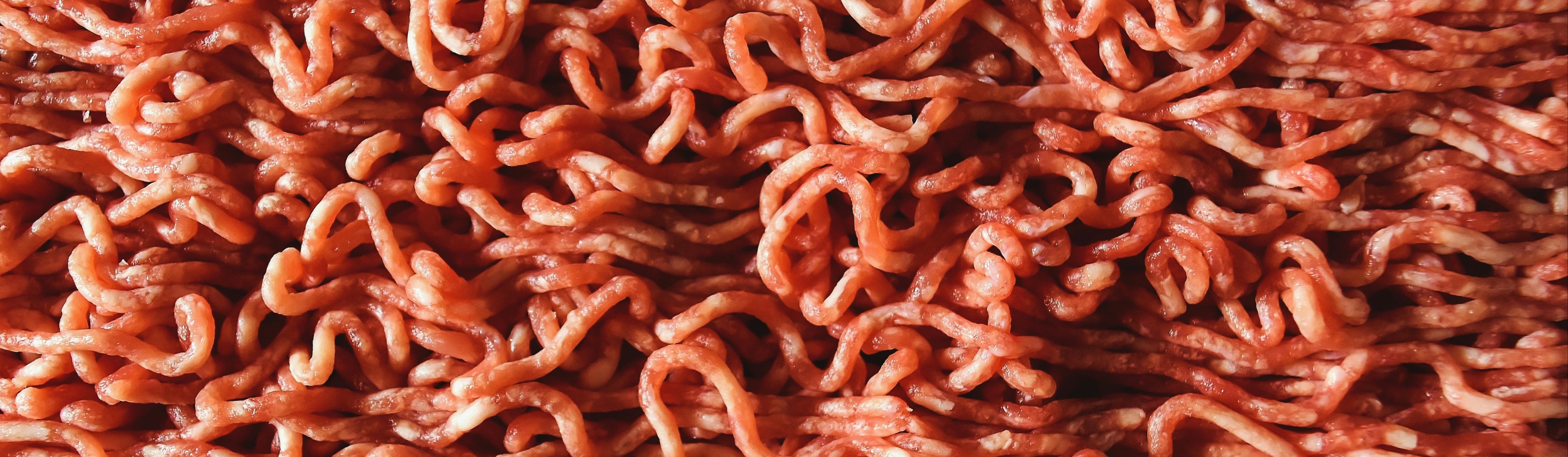
Larb (also spelled laab/laap) is a Lao and Thai minced meat salad seasoned with lime, fish sauce, herbs, and toasted rice powder. Sounds delicious, right? However, depending on the style and region, the meat can be fully cooked or served completely raw, and that distinction is where the risk swings dramatically. Raw minced meat has more surface area for microbes, and mixing it with acidity and spices won't reliably strip harmful bacteria away.
When larb is made with raw or undercooked pork, beef, or poultry, you’re stepping into classic foodborne illness territory. Public health guidance consistently flags pathogens like Salmonella and enterohemorrhagic E. coli as major microbial hazards in contaminated foods, and ground or minced preparations are especially unforgiving if temperature control slips. Parasites are another concern: the CDC warns that eating raw or undercooked meat from certain animals can cause trichinosis (or trichinellosis). Raw pork, in particular, can infect you with Streptococcus suis.
If you love larb, the practical move is simple: choose the cooked versions. It might seem adventurous to try it raw, but it's highly advised that you don't. The U.S. Department of Agriculture recommends cooking meat to safe internal temperatures (for example, poultry to 165°F, and ground meats to their appropriate targets) rather than relying on color or texture. Restaurants can still make mistakes, but you can lower your odds by ordering cooked larb and avoiding any place that seems too lenient about storage, refrigeration, preparation, and cross-contamination. It's great to try new food and cuisines, but the key is to do so safely.
KEEP ON READING

The Most Popular Chocolate Bars in the USA

The Most Popular Candies in the USA


20 Annoying Foods That Get Stuck In Your Teeth