
 Hybrid Storytellers on Unsplash
Walk into any grocery store and the protein arms race becomes impossible to ignore. There’s protein-fortified cereal, protein ice cream, protein donuts—even protein water, proudly advertising its macronutrient content. The global protein supplements market size was estimated at USD 29.78 billion in 2025 and is projected to reach USD 63.22 billion in 2033,
We have transformed protein from one essential nutrient among many into the singular focus of modern eating. Social media amplifies the obsession, with fitness influencers posting their daily protein intake tallies and food companies slapping protein content on labels like merit badges. Somewhere along the way, more protein became synonymous with better health, regardless of actual nutritional needs or scientific evidence.
The Math Does Not Add Up
The Recommended Dietary Allowance for protein sits at 0.8 grams per kilogram of body weight for adults, according to the National Academy of Medicine. For a 150-pound person, that translates to roughly 54 grams daily. Even athletes and those building muscle typically need only 1.2 to 2.0 grams per kilogram. A 150-pound athlete would require 82 to 136 grams at most.
Most Americans already consume far more than they need. Data from the National Health and Nutrition Examination Survey shows the average American man consumes about 100 grams of protein daily, while women average around 70 grams. These numbers already exceed requirements for the vast majority of people, including those who exercise regularly. The gap between actual needs and consumption continues to widen as protein-enhanced products flood the market.
The excess serves no biological purpose. The body cannot store protein the way it stores fat or carbohydrates. Once immediate needs for muscle repair and various bodily functions are met, excess protein gets converted to glucose or fat, or simply excreted. Research published in the American Journal of Clinical Nutrition found that consuming protein beyond approximately 1.6 grams per kilogram provided no additional benefit for muscle growth, even in strength athletes. We are essentially paying premium prices for nutrients our bodies will waste.
The Environmental Cost We Ignore
Protein production carries a significant environmental footprint, particularly animal-based protein. A 2018 study published in Science analyzing data from nearly 40,000 farms across 119 countries found that meat and dairy production uses 83% of global farmland yet provides only 18% of calories and 37% of protein consumed worldwide. Research shows beef production alone generates 20-100 kg CO₂e per kg of meat depending on production methods.
The protein supplement industry compounds these problems. Whey protein, the most popular supplement form, is a byproduct of cheese production. The global whey protein market creates substantial processing and transportation emissions. Plant-based protein powders often require intensive agriculture and processing. The carbon footprint of these concentrated protein products typically exceeds that of whole food protein sources, gram for gram.
Our cultural fixation on protein crowds out more sustainable dietary patterns. Research consistently shows that diets emphasizing whole grains, legumes, vegetables, and moderate amounts of protein from varied sources provide excellent nutrition with far lower environmental impact. The EAT-Lancet Commission on healthy diets from sustainable food systems recommended that most protein come from plant sources, with modest amounts of fish, chicken, and red meat. Yet marketing and social pressure push consumption in the opposite direction, toward ever-higher protein intake from resource-intensive sources.
The Nutrients We Neglect
The laser focus on protein creates nutritional blind spots. Fiber intake in the United States averages just 16 grams daily, according to USDA data, falling well short of the recommended 25 to 38 grams. Only one in ten Americans consumes the recommended amount of fruits and vegetables, per CDC statistics. Micronutrient deficiencies remain common, with significant percentages of the population falling short on vitamins D, E, and several B vitamins.
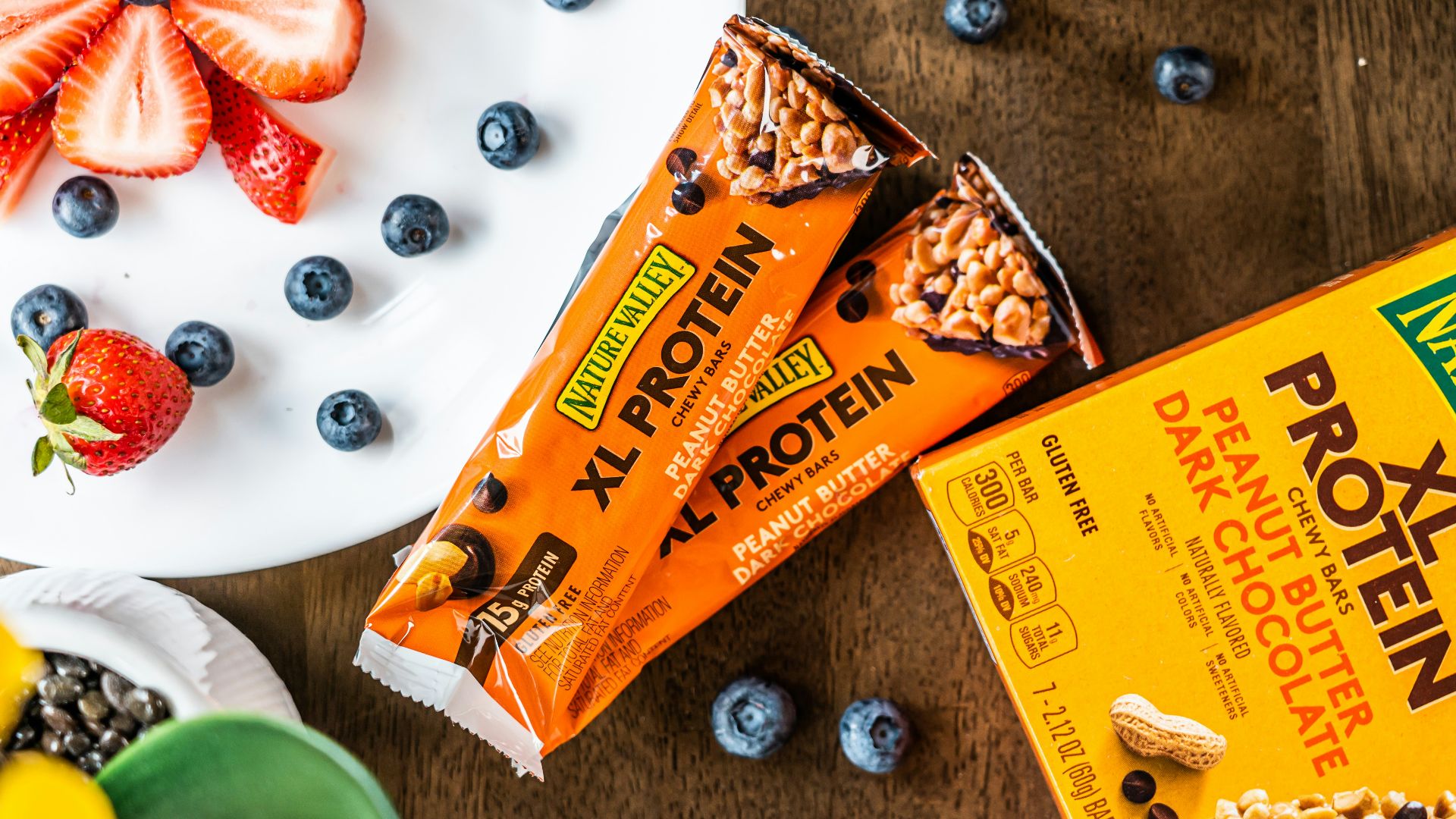
Protein obsession actively undermines balanced eating. When we prioritize protein content above all else, we often choose processed protein bars over fruit, or protein shakes over vegetable-rich meals. The rise of high-protein, low-carbohydrate eating patterns has contributed to widespread carbohydrate phobia, despite whole grains and fruits providing essential nutrients and fiber that protein-centric foods lack. Nutrition becomes reduced to a single number rather than a complex interplay of various nutrients working together.
Food companies love the protein obsession because it lets them charge premium prices for reformulated products. Consumers pay more for protein-added versions of foods that may be nutritionally inferior to whole food alternatives. A container of Greek yogurt provides similar protein to expensive protein powder at a fraction of the cost, along with beneficial probiotics and calcium. A bowl of lentils delivers protein plus fiber, iron, and folate that isolated protein supplements lack. The simplest, least processed options often provide the best nutrition, though they come without the marketing hype and protein content claims plastered across the package. We need protein, certainly, but we need perspective more.
KEEP ON READING

20 Foods With Shocking Origins You'd Never Believe

20 Food Requests Only Spoiled People Ask For



Do Vitamin Supplements Actually Make You Healthier?