
Less Fuss, Better Digestion
Your gut microbiome is a huge crowd of microbes that reacts to what you do most days, not what you do once in a while. When meals lean hard on ultra-processed foods, digestion can start feeling off in ways that are annoying and hard to pin down. Travel and stress can shift things, and antibiotics can change what thrives in your gut for a while. Research on diet and the microbiome keeps circling back to a few themes: more plant fiber and more fermented foods tend to support healthier microbial diversity and more favorable inflammation signals. You do not need a pantry overhaul to get started, so the list below sticks to foods you can actually find and use.

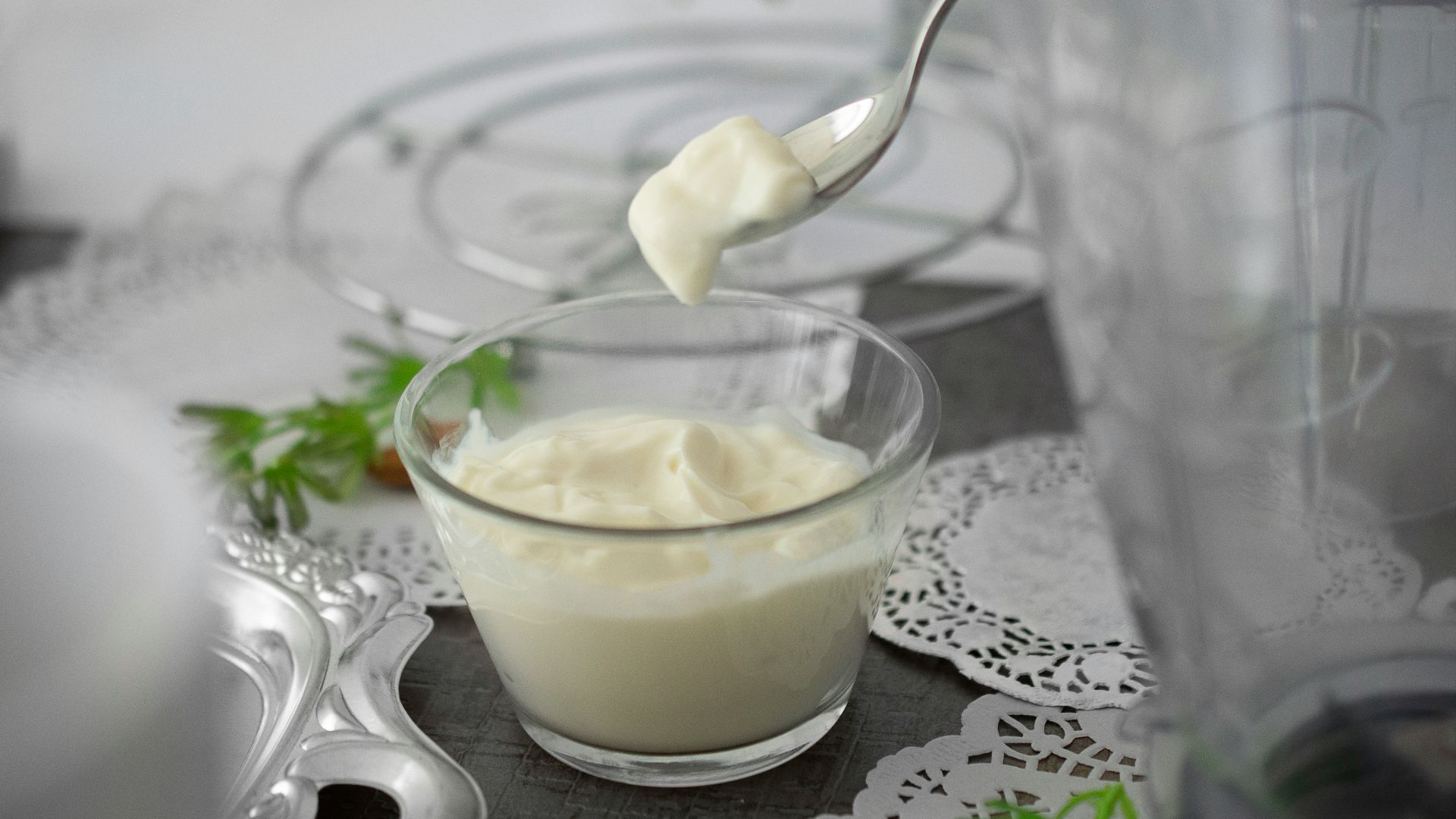
1. Plain Yogurt
Plain yogurt with live cultures brings probiotic strains that have been studied for digestive support across many groups of people. It also earns its keep as a creamy base for a quick sauce, especially when you add lemon juice and chopped herbs. Keeping it unsweetened helps you avoid turning a smart snack into a sugar-heavy one.
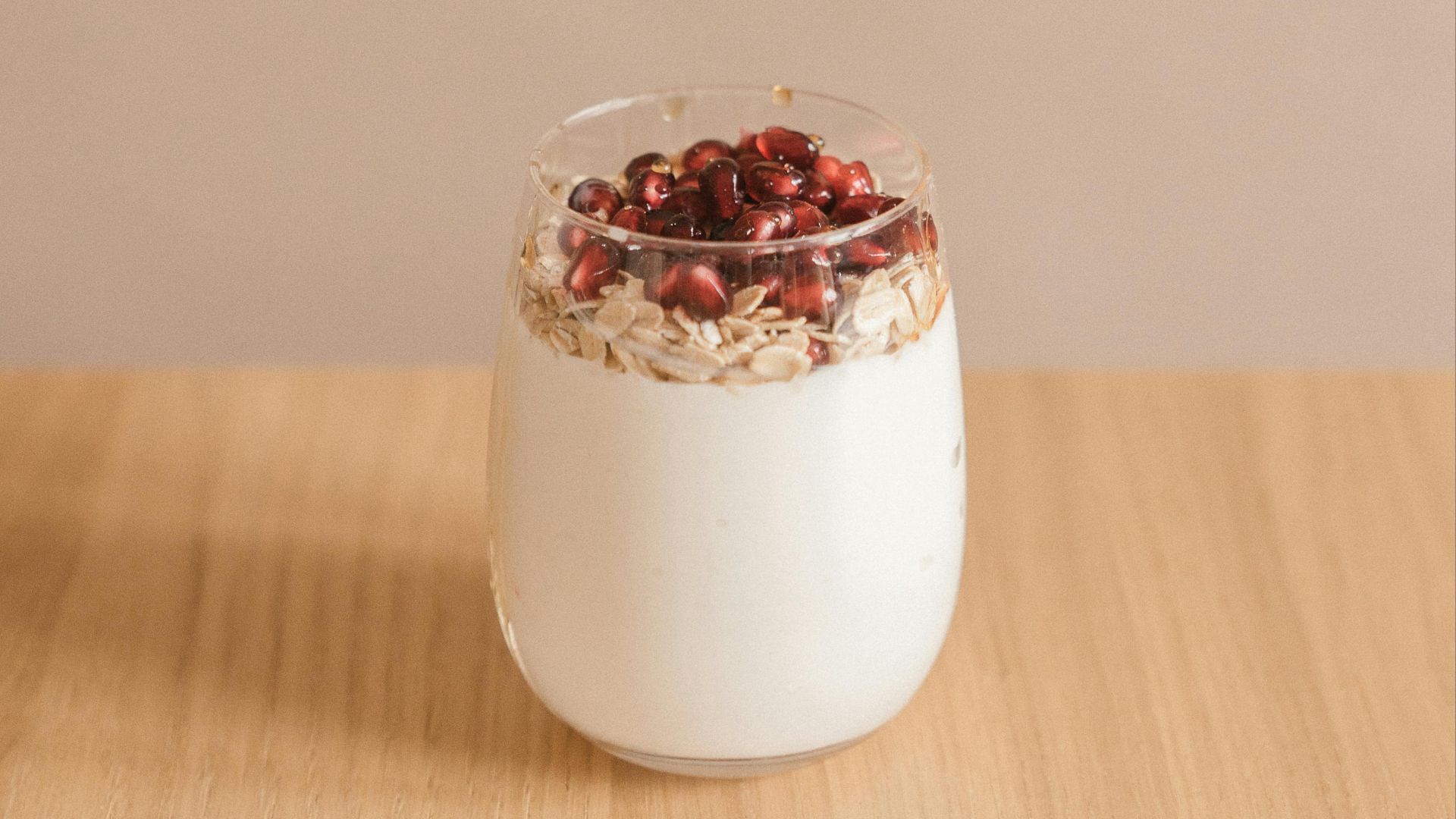
2. Kefir
Kefir is tangy, drinkable, and often contains a wider mix of microbes than standard yogurt. It’s easy to pour into a glass when you get home and want something that feels like more than water. Many brands add sugar, so the plain versions usually make the most sense for regular use.
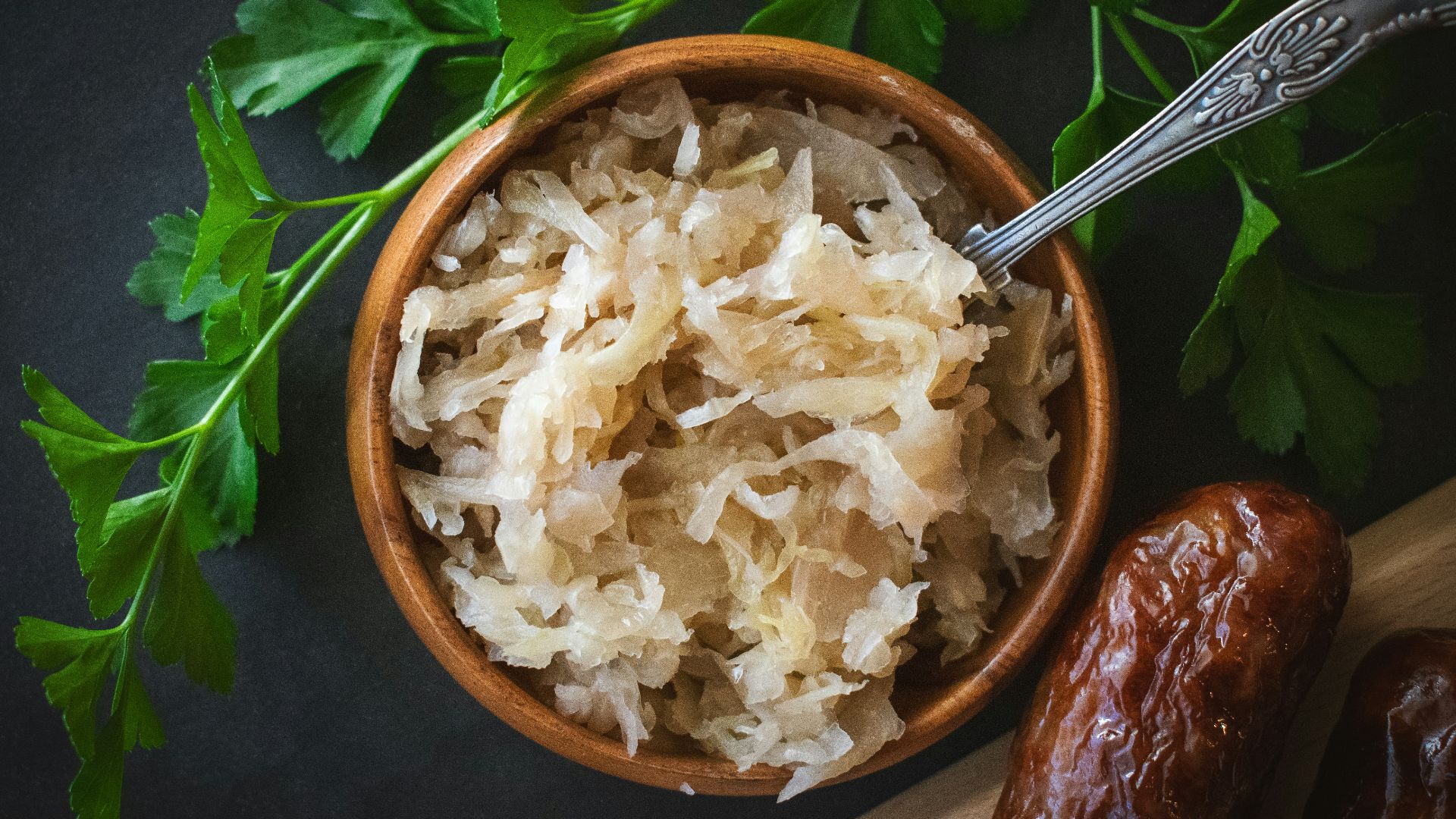
3. Sauerkraut
Refrigerated sauerkraut is often the better pick because shelf-stable jars are frequently pasteurized. A small scoop on a sandwich adds crunch and a sharp bite without needing any cooking. If the salt level hits too hard, a quick rinse can calm it down.
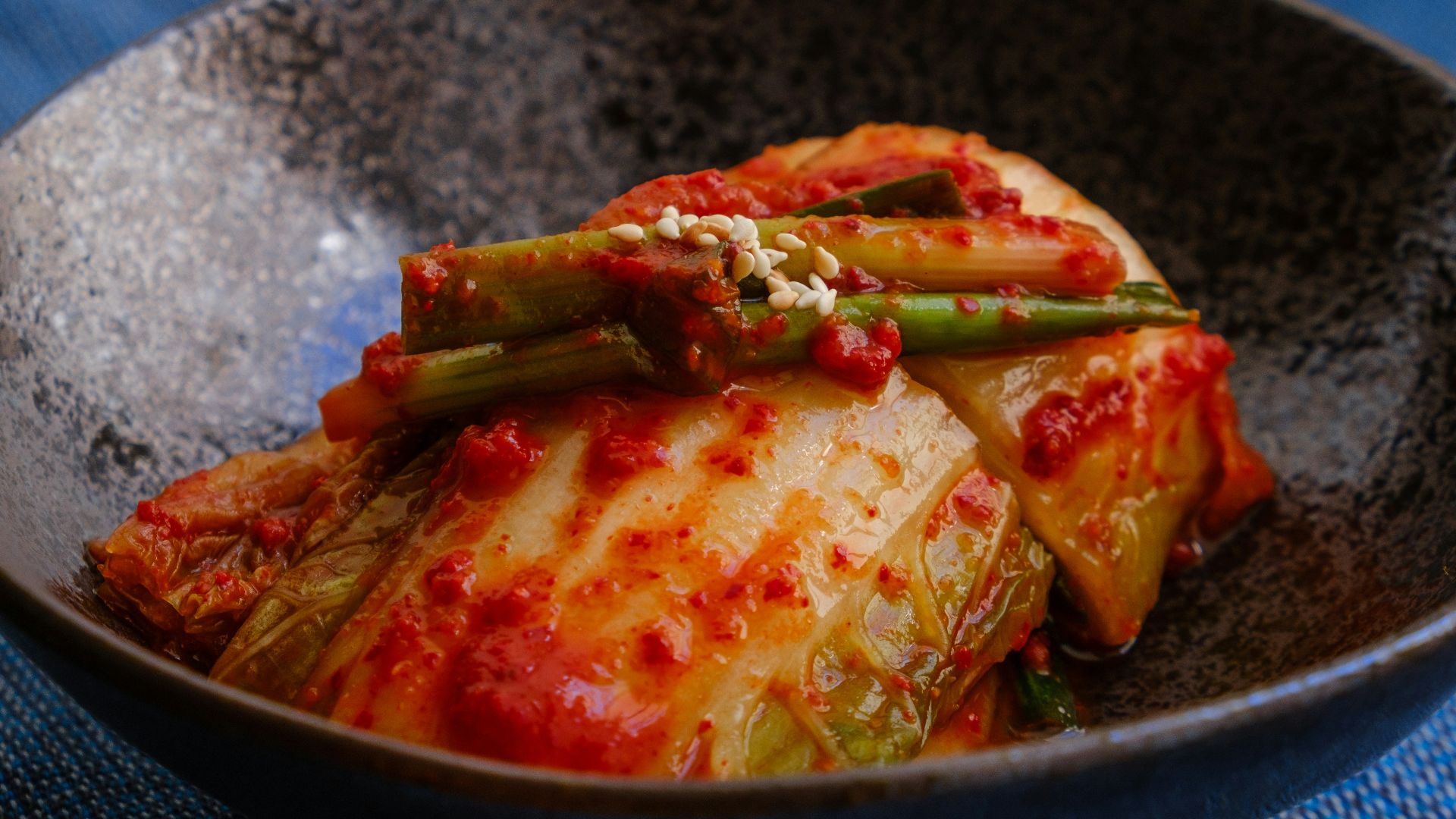
4. Kimchi
Kimchi brings fermentation plus vegetables, and it can make a basic meal feel more complete. Fold a little into warm rice right before serving, and it wakes up the whole bowl. If spice is not your thing, milder versions are widely available now.
 Portuguese Gravity on Unsplash
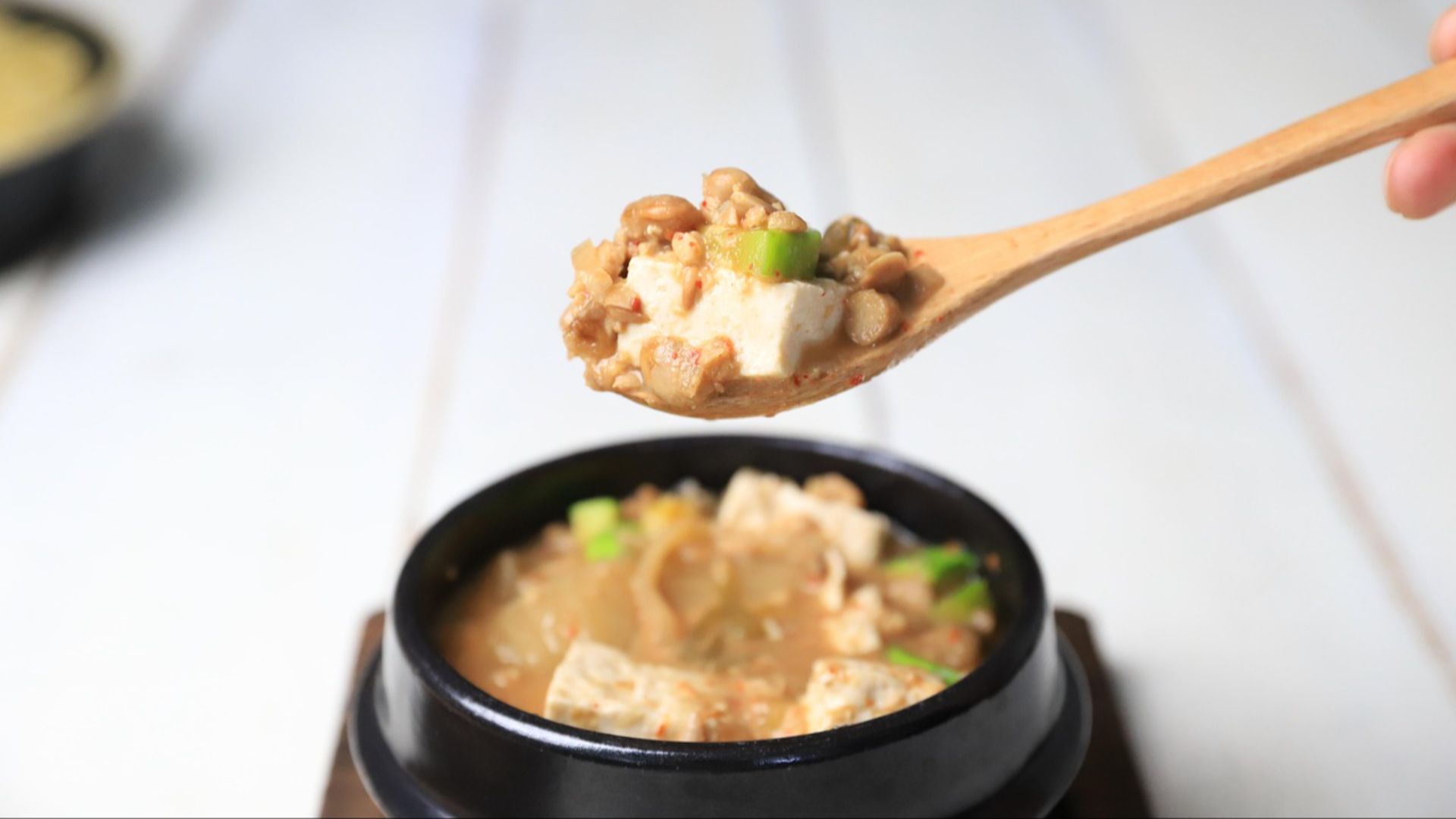
5. Miso
Miso is a fermented paste that turns broth into a savory soup with very little effort. Mix it into warm liquid after you turn the heat down, since boiling can reduce live cultures. It also works well in a dressing when you whisk it with oil and citrus.
6. Tempeh
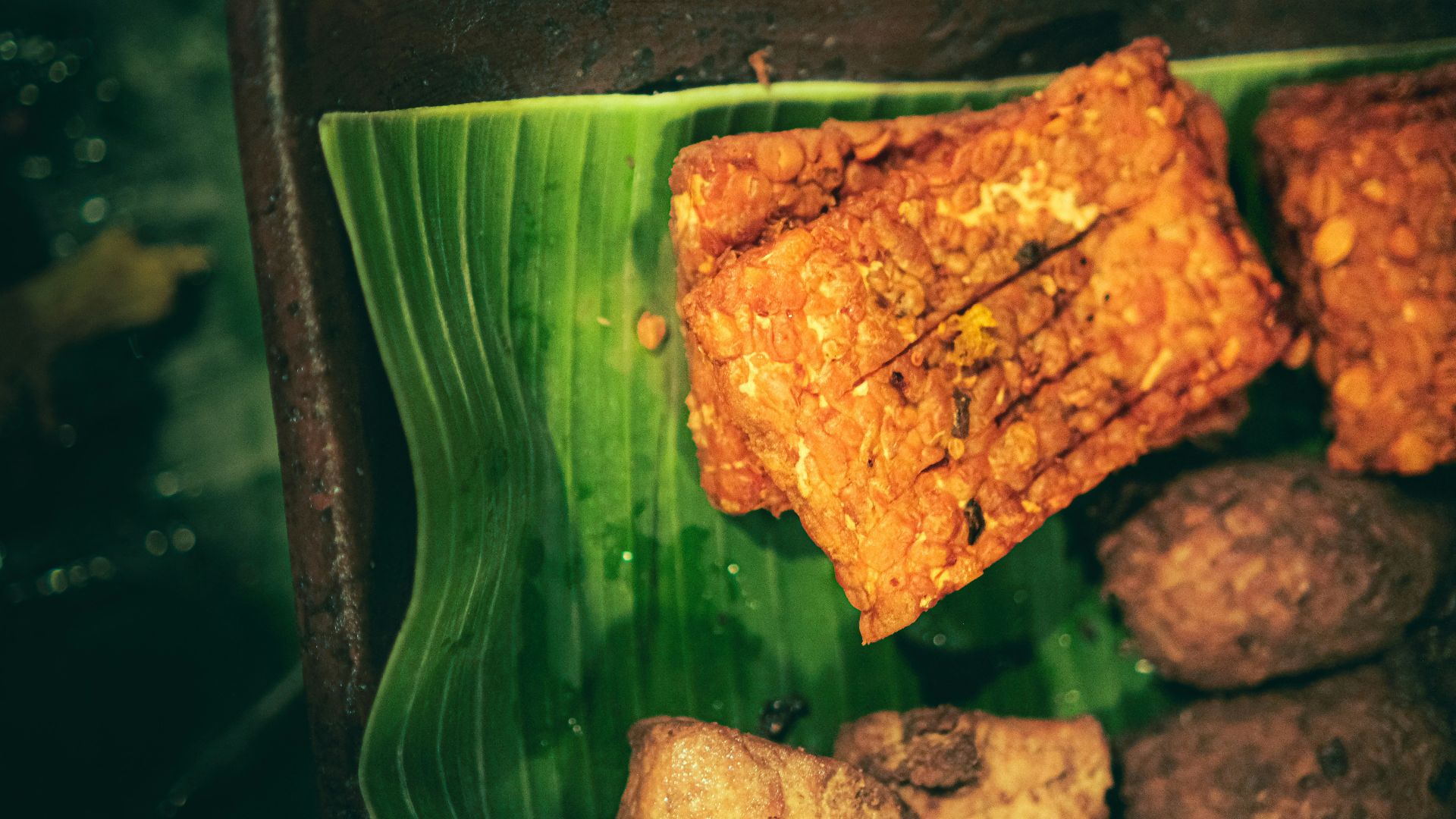
Tempeh is fermented soy with a firm texture that browns nicely in a skillet. A short sear gives you crisp edges, which helps if you do not love softer proteins. Pair it with vegetables, and you get fermentation plus the fiber gut microbes like to feed on.
 Fairuz Naufal Zaki on Unsplash
7. Kombucha
Kombucha can be a convenient fermented drink when you want something fizzy that is not soda. Sugar content varies by brand, and some bottles are much sweeter than they taste at first sip. Keeping servings modest often feels better, especially if you’re still figuring out how your stomach reacts.

8. Cottage Cheese
Cottage cheese is not a classic probiotic food, yet it can still support gut-friendly eating because it is gentle and protein-rich. Try it with berries when you want something quick, or keep it savory with sliced tomatoes and pepper. It’s one of those fridge staples that can rescue a low-effort lunch.

9. Oats
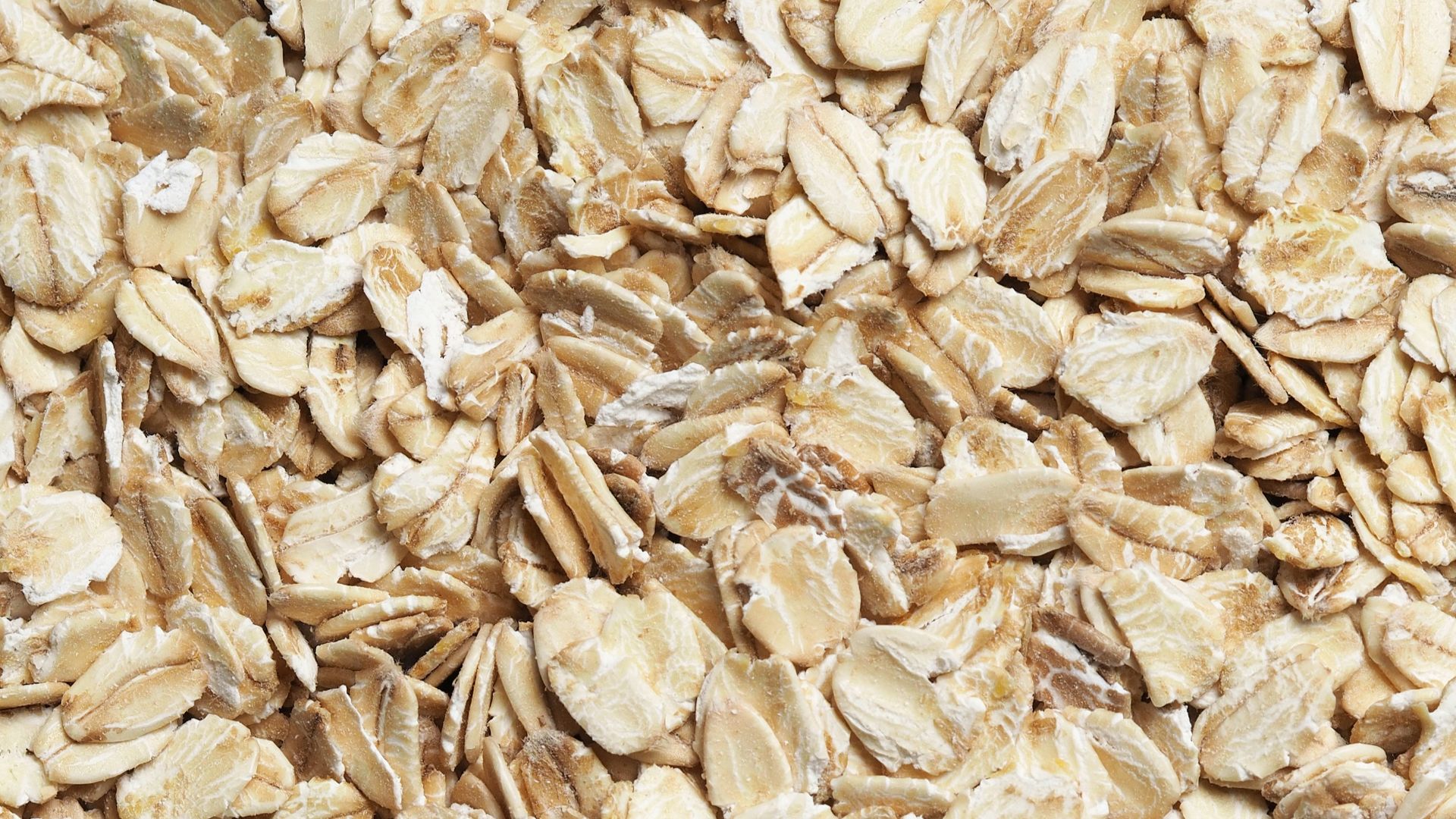
Oats contain beta-glucan, a soluble fiber studied for its effects on gut bacteria and cardiometabolic markers. Oatmeal is a simple place to start, and overnight oats work when mornings are chaotic. A spoonful of seeds on top adds texture without turning breakfast into a project.
10. Barley
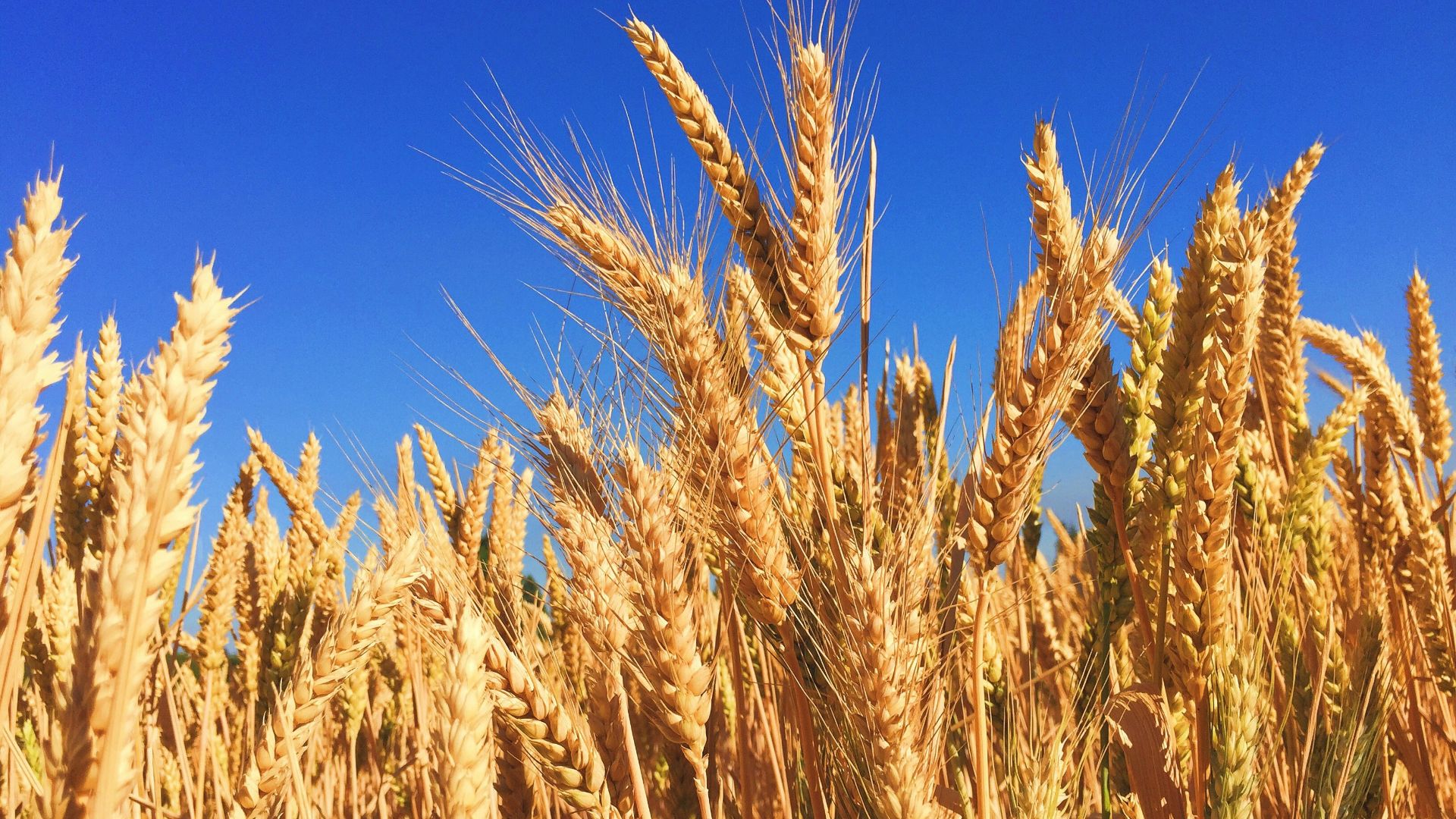
Barley is another beta-glucan grain, and it has a chewy bite that holds up in soups. Cook a batch once, then use it as a base for bowls over the next few days. It also swaps in for white rice when you want more fiber in the same format.
11. Lentils
Lentils feed gut microbes because they bring fiber plus resistant starch. They cook relatively fast, which makes them easier to keep in regular rotation. A pot of lentils can become soup, or you can cool them and toss them with a sharp vinaigrette for lunch.
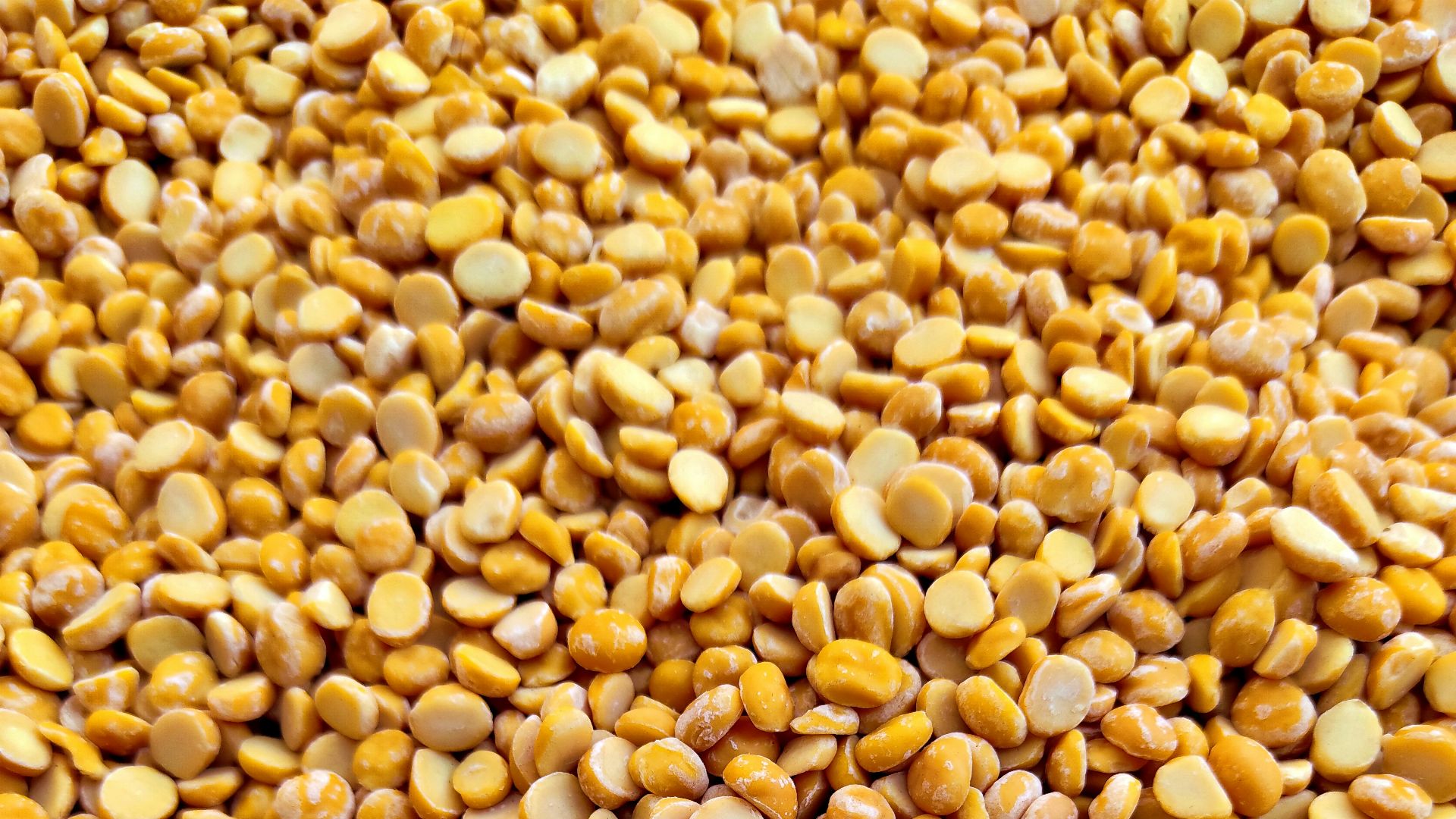
12. Chickpeas
Chickpeas raise your fiber intake in a way that still feels familiar. Roast them until crunchy for snacking, or simmer them in a tomato-based sauce for dinner. Keeping canned chickpeas on hand makes it easier to turn random pantry items into a real meal.
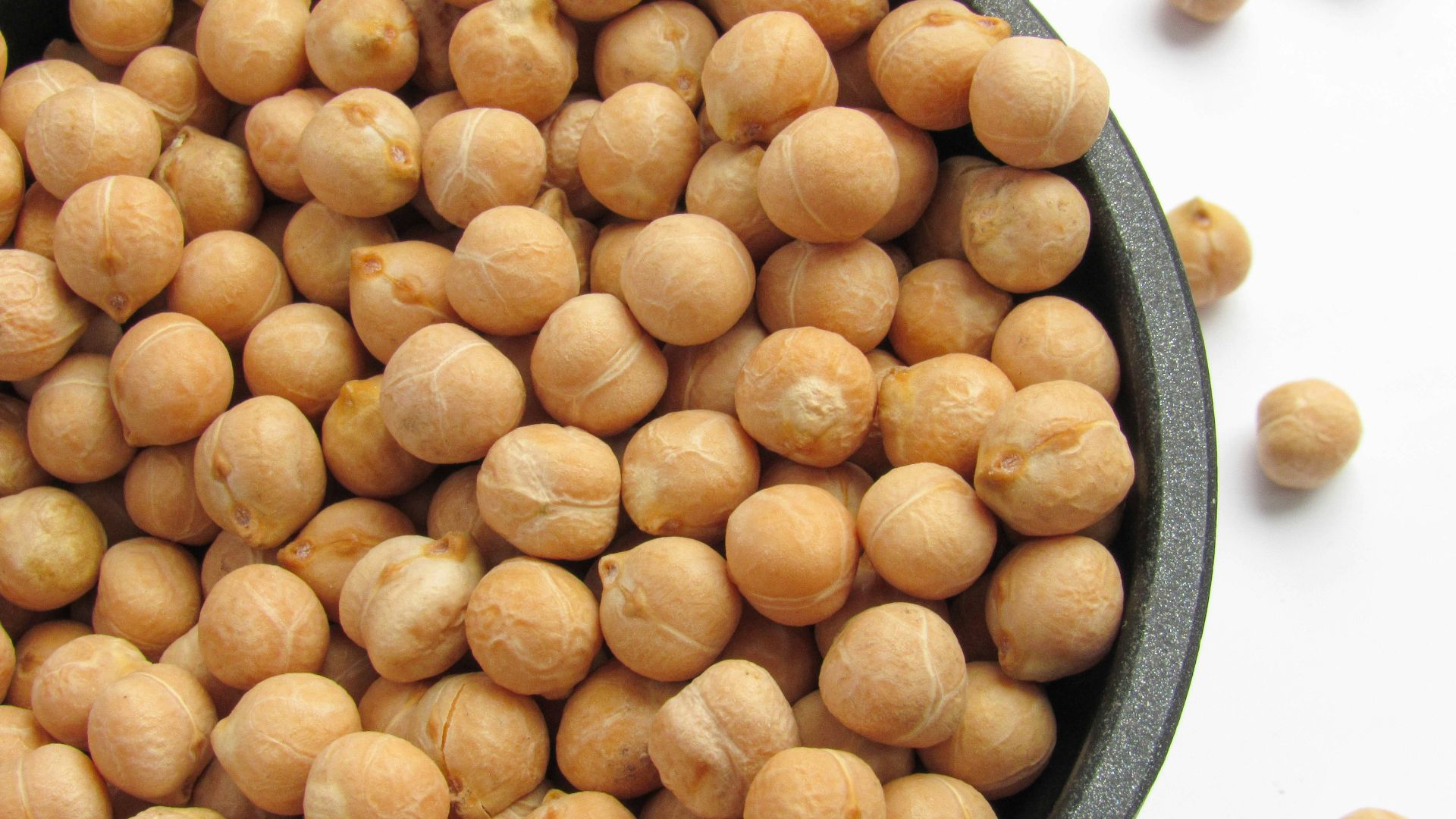
13. Black Beans
Black beans are a strong legume choice for microbiome support because they are rich in fermentable fiber. They work well in tacos, and they also bulk up soup without changing the flavor much. Rinsing canned beans can lower sodium while keeping the convenience.
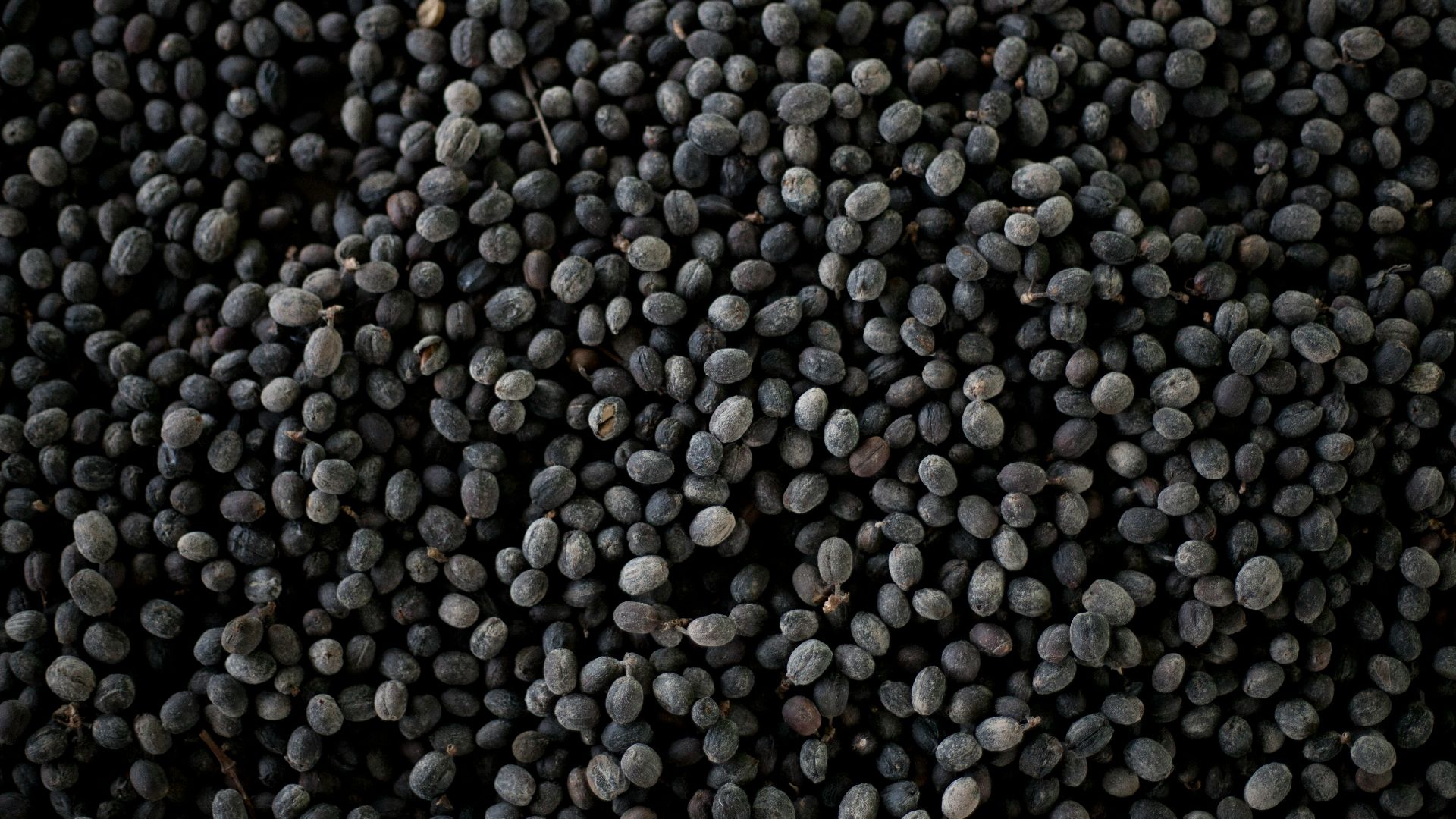
14. Green Bananas
Slightly green bananas contain more resistant starch than fully ripe ones, and that starch can be fermented by gut microbes. Slice one into oatmeal if you do not love the firmer texture. As the banana ripens, you still get useful nutrients, just with less resistant starch.
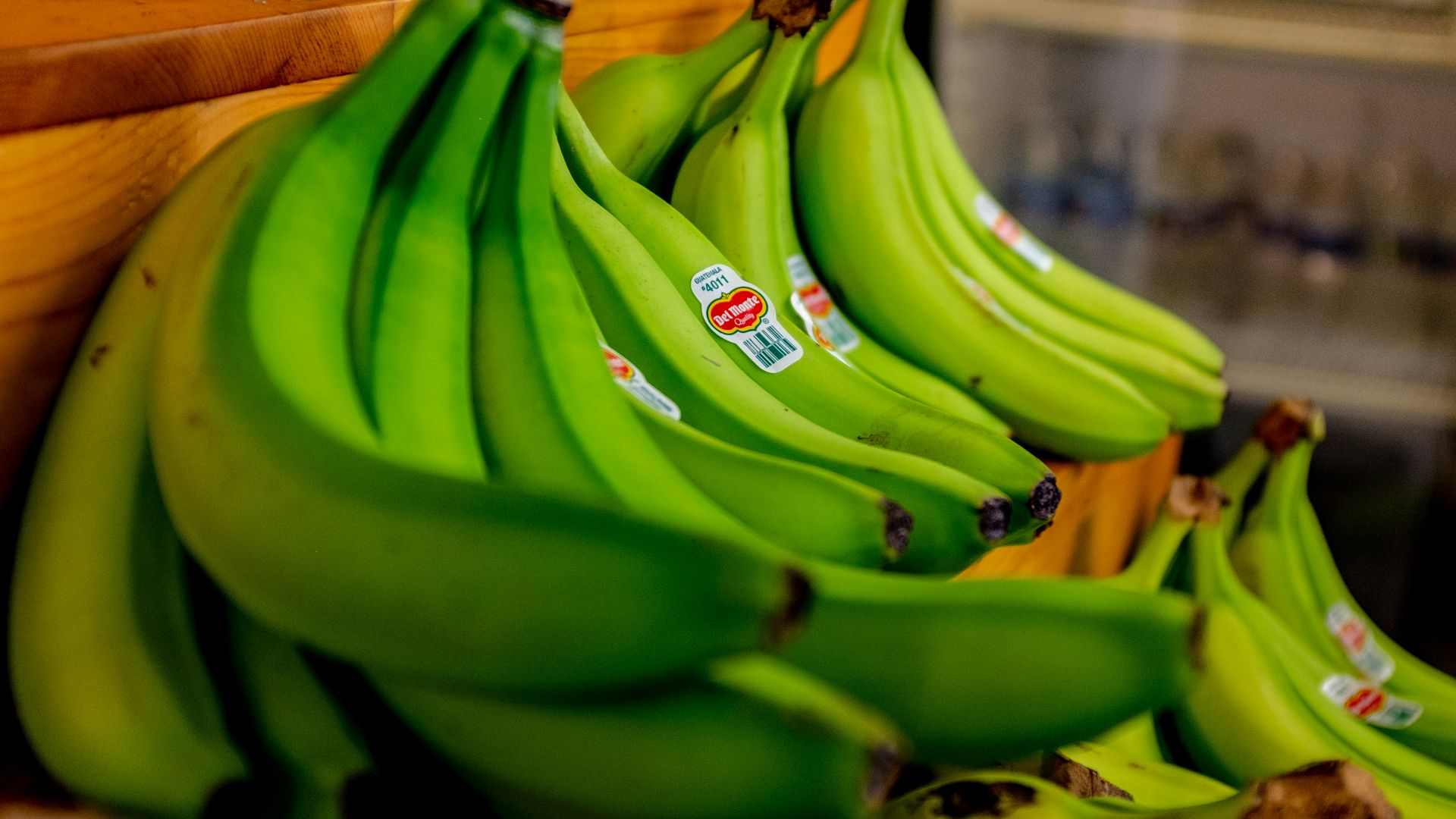
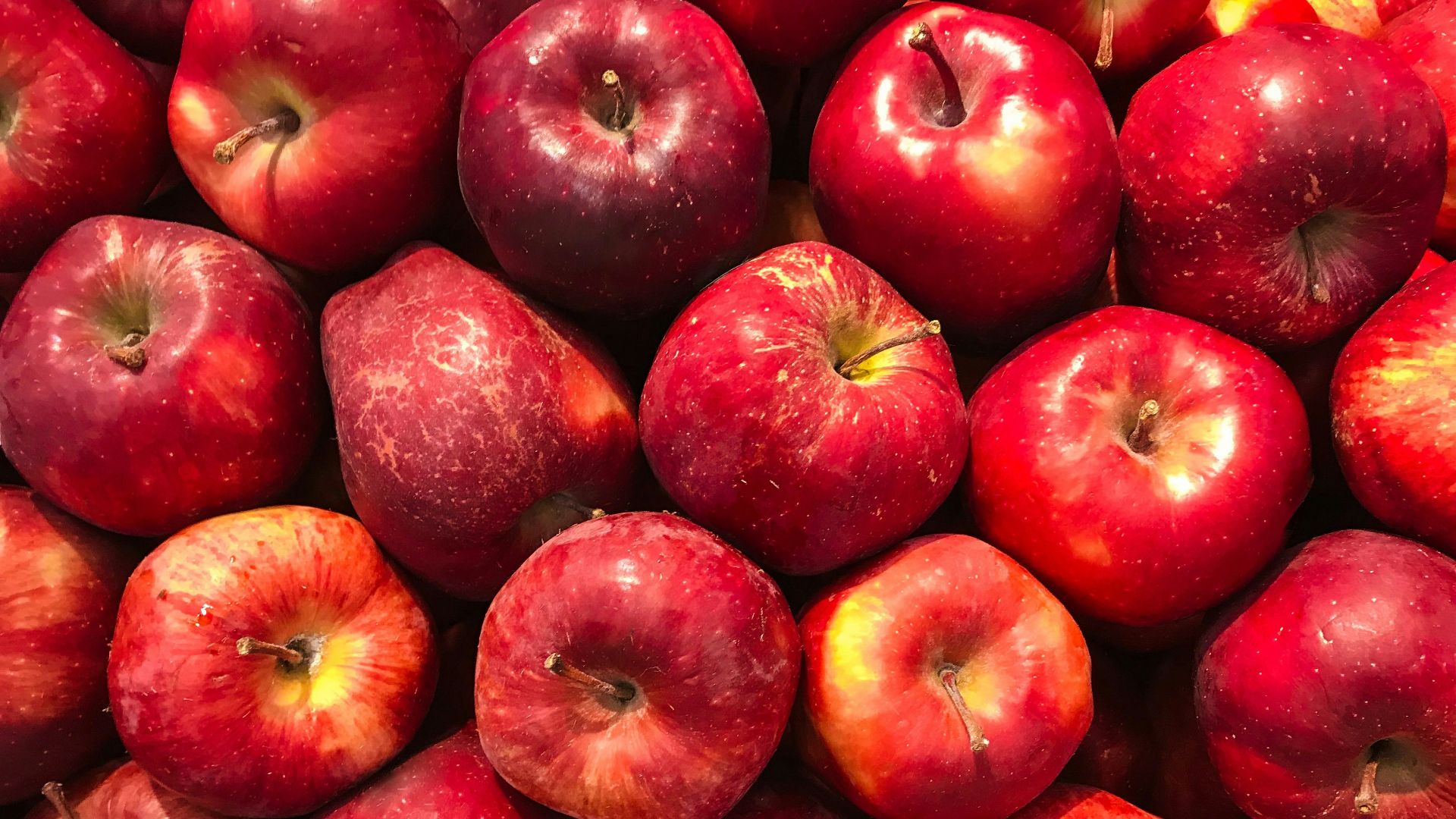
15. Apples
Apples provide pectin, a fermentable fiber that supports the production of short-chain fatty acids in the gut. Keeping the skin on bumps up fiber and gives the snack more chew. If raw apples bother your stomach, cooked applesauce can feel gentler while still offering some pectin.
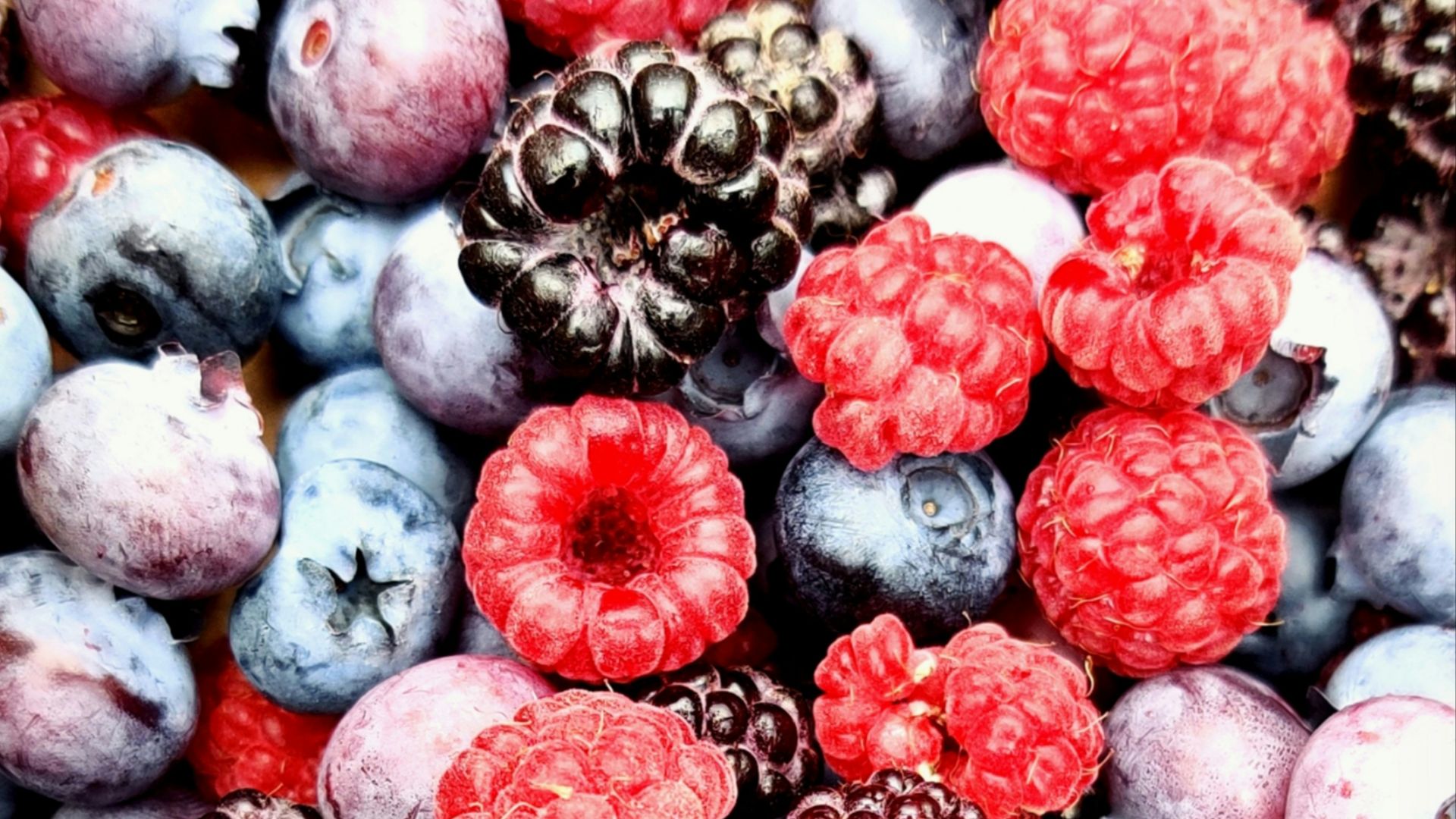
16. Berries
Berries bring fiber and polyphenols, and both have been studied for their influence on the gut microbiome. Frozen berries are practical because they keep for months and are easy to portion. Stir them into yogurt, and you get a sweet snack without leaning on added sugar.
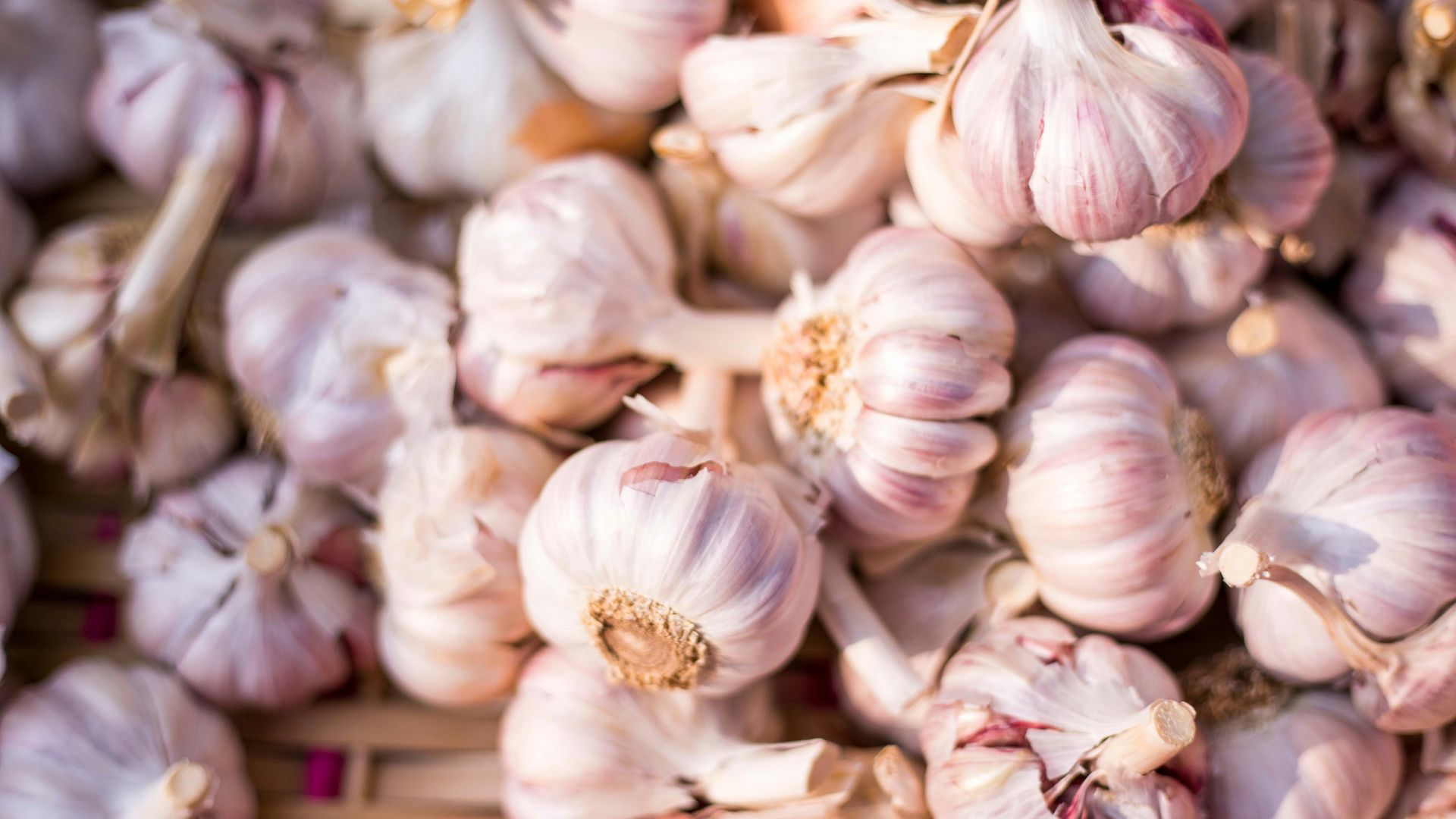
17. Garlic
Garlic contains inulin-type fructans that act as prebiotic fibers for many people. Roasting garlic softens the flavor, so you can mix it into mashed potatoes or spread it on toast. If garlic triggers symptoms for you, smaller amounts often go better.
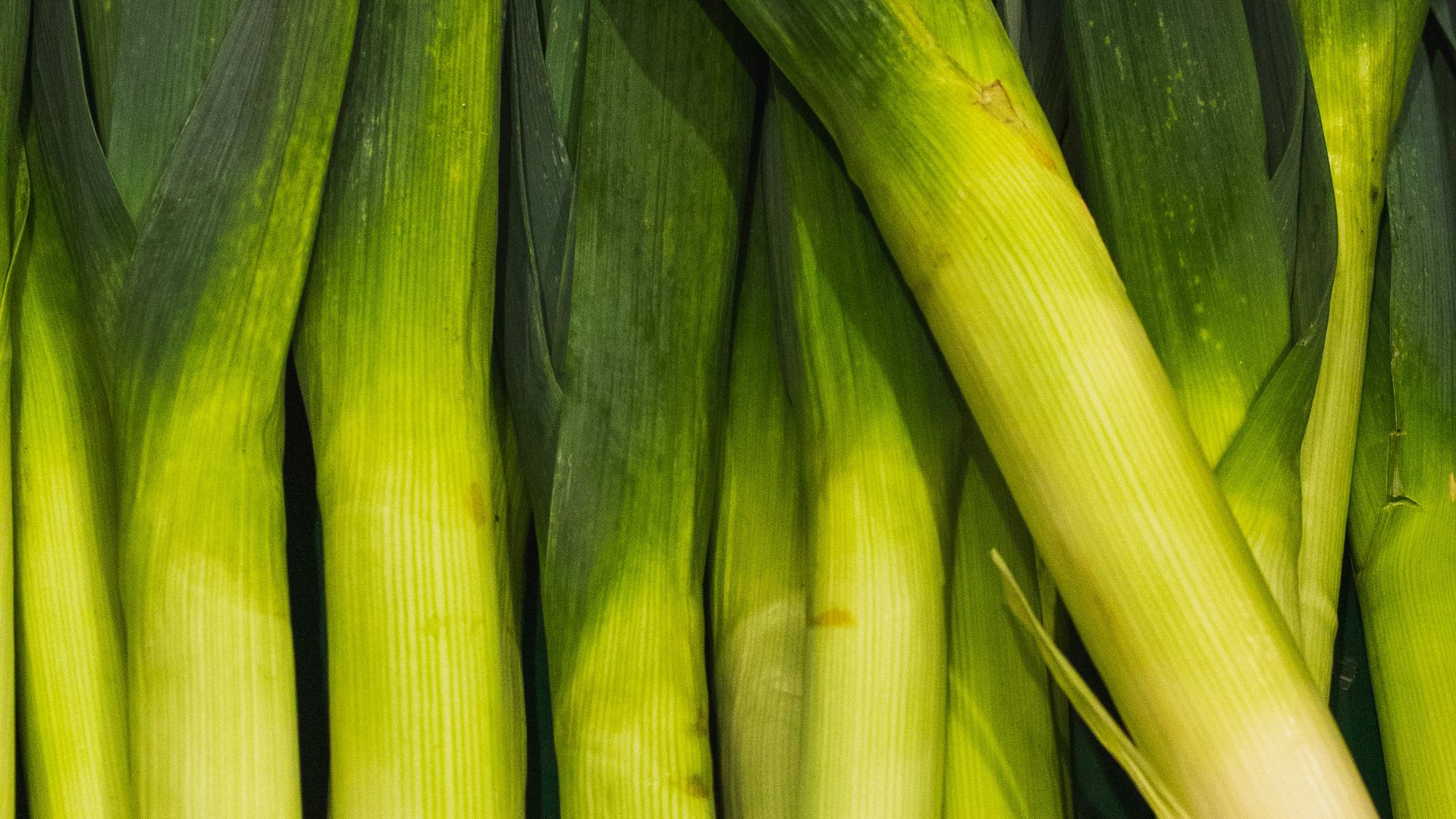
18. Leeks
Leeks are another allium that supplies prebiotic fibers, and they taste mild when cooked. Sautéed leeks work well in soups, and they also slide into scrambled eggs without stealing the show. They’re worth grabbing when you want onion flavor with a softer edge.
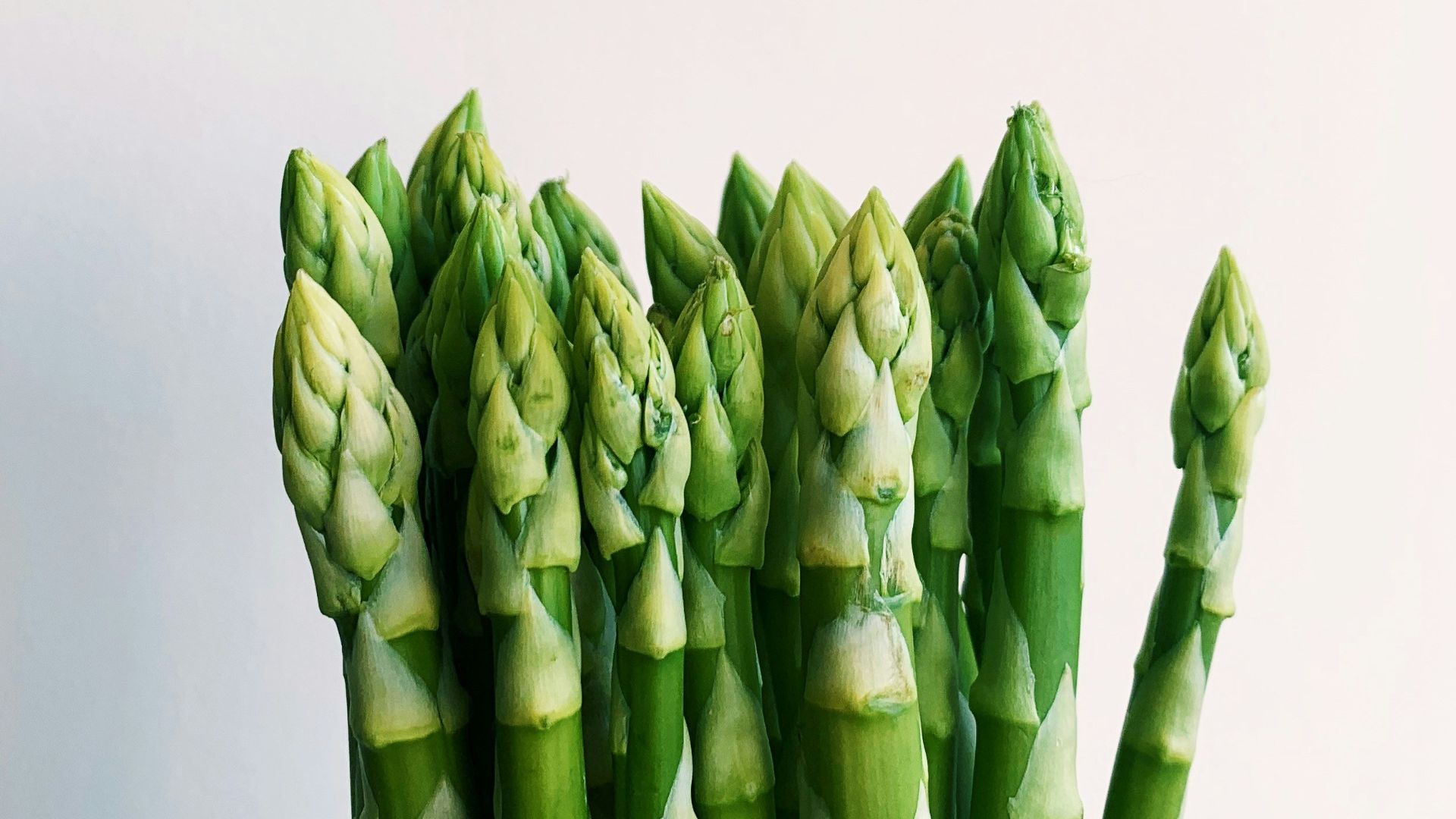
19. Asparagus
Asparagus contains prebiotic fibers that many gut microbes like to ferment. Roasting keeps the texture pleasant, and it cooks quickly on a sheet pan. Adding asparagus to pasta gives you a vegetable upgrade that does not feel like extra work.
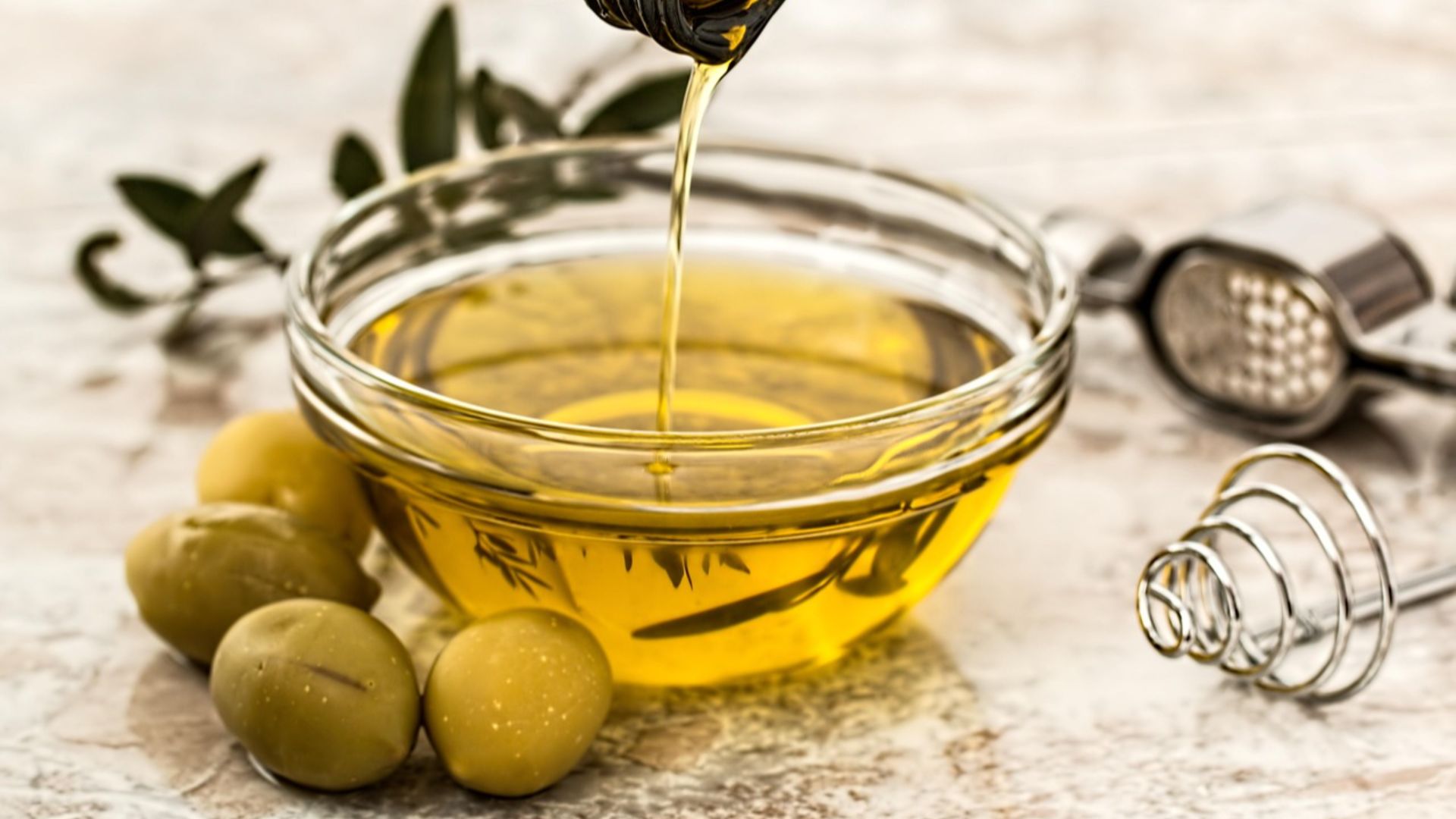
20. Extra Virgin Olive Oil
Extra virgin olive oil shows up in gut research because its polyphenols may support healthier microbial patterns. Using it for salad dressing is a low-lift way to keep it in your routine. It also makes vegetables taste better, which often leads to eating more of them.
KEEP ON READING

20 Food Requests Only Spoiled People Ask For


20 Hardest Foods on Earth To Eat

Do Vitamin Supplements Actually Make You Healthier?