
10 Foods That Ruin Your Stomach Bacteria & 10 That Can Help It
Fostering Faecalibacterium

The newest health trend sweeping our screens is the conversation of the gut microbiome. This is a small ecosystem that lives in your intestines, and it often plays a role in our sleep, food intolerances, skin irritation, or extreme food cravings.
While probiotics and other ingestible medications can be useful, the best way to repair a gut microbiome is to simply eat healthy. It’s doubtful that you’ll be surprised as to what is and isn’t good for your gut, but it’s good information to know regardless. Looking to heal that stomach? Check out this list of dos and don’ts below.
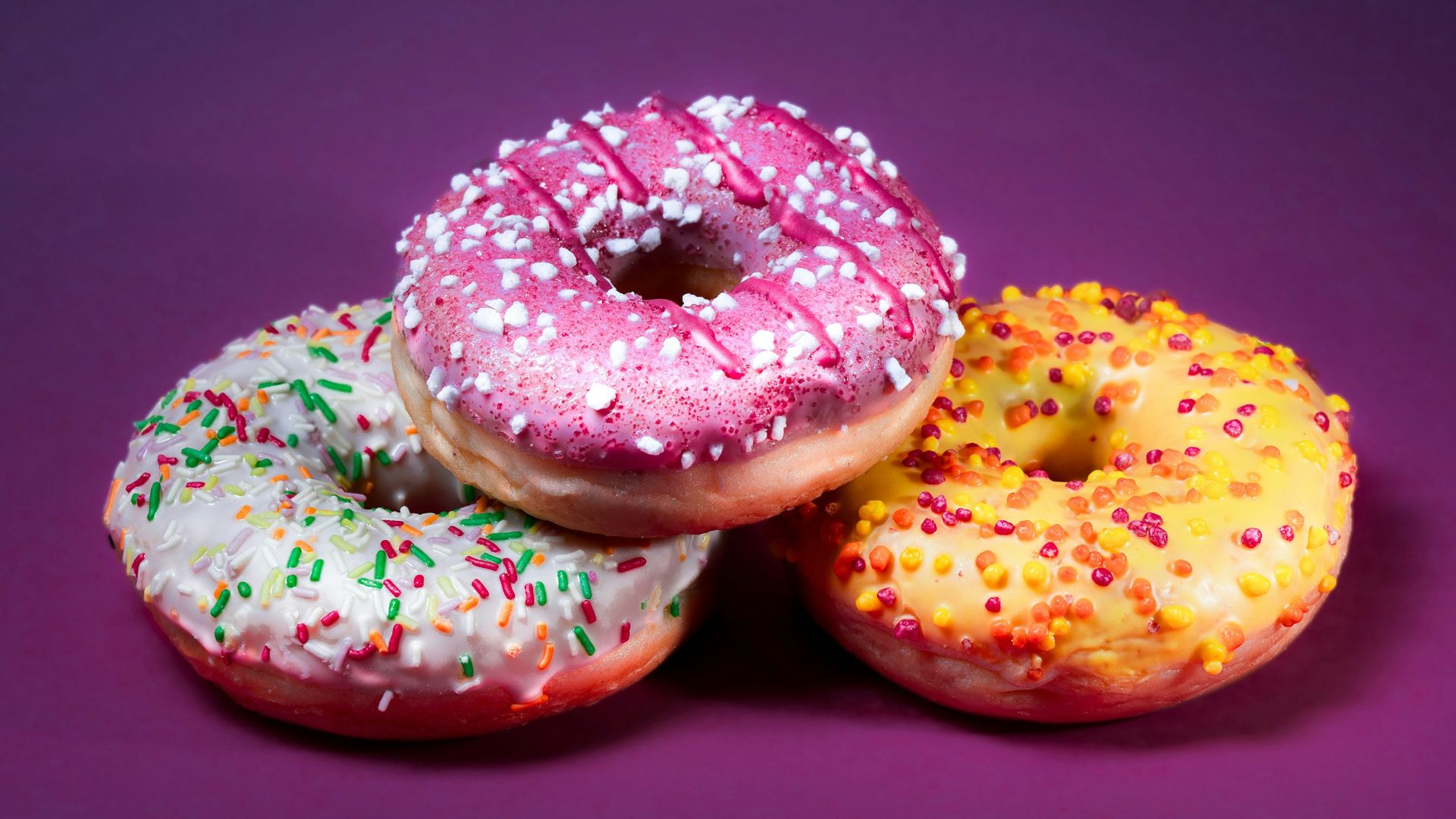
1. Refined Sugar
It’s been well established that refined sugar can cause issues from weight gain to insulin issues to metabolic interruptions, so it only makes sense that it also causes issues with the gut microbiome. Refined sugar feeds harmful bacteria in your stomach, which can lead to infections and inflammation.
2. Alcohol
Not only does alcohol promote harmful bacteria by promoting pathogens, but it can also lead to something called leaky gut. Leaky gut occurs when an overwhelming amount of inflammation and dysbiosis weakens the gut’s barrier, which allows other toxins to escape into the body.

3. Artificial Sweeteners
While no concrete evidence has shown that every type of artificial sweetener negatively affects gut bacteria, certain sugars like saccharin and sucralose have shown negative impacts. However, certain sugars like xylitol and maltitol have shown promising positive influences on your stomach if consumed in low doses.
4. Factory-Farmed Meat
Gut issues with factory-farmed meat start at the top, where meat producers feed antibiotics to treat diseases within livestock. This regular administration of medication increases drug-resistant bacteria in animals, which can be passed to humans when consumed.

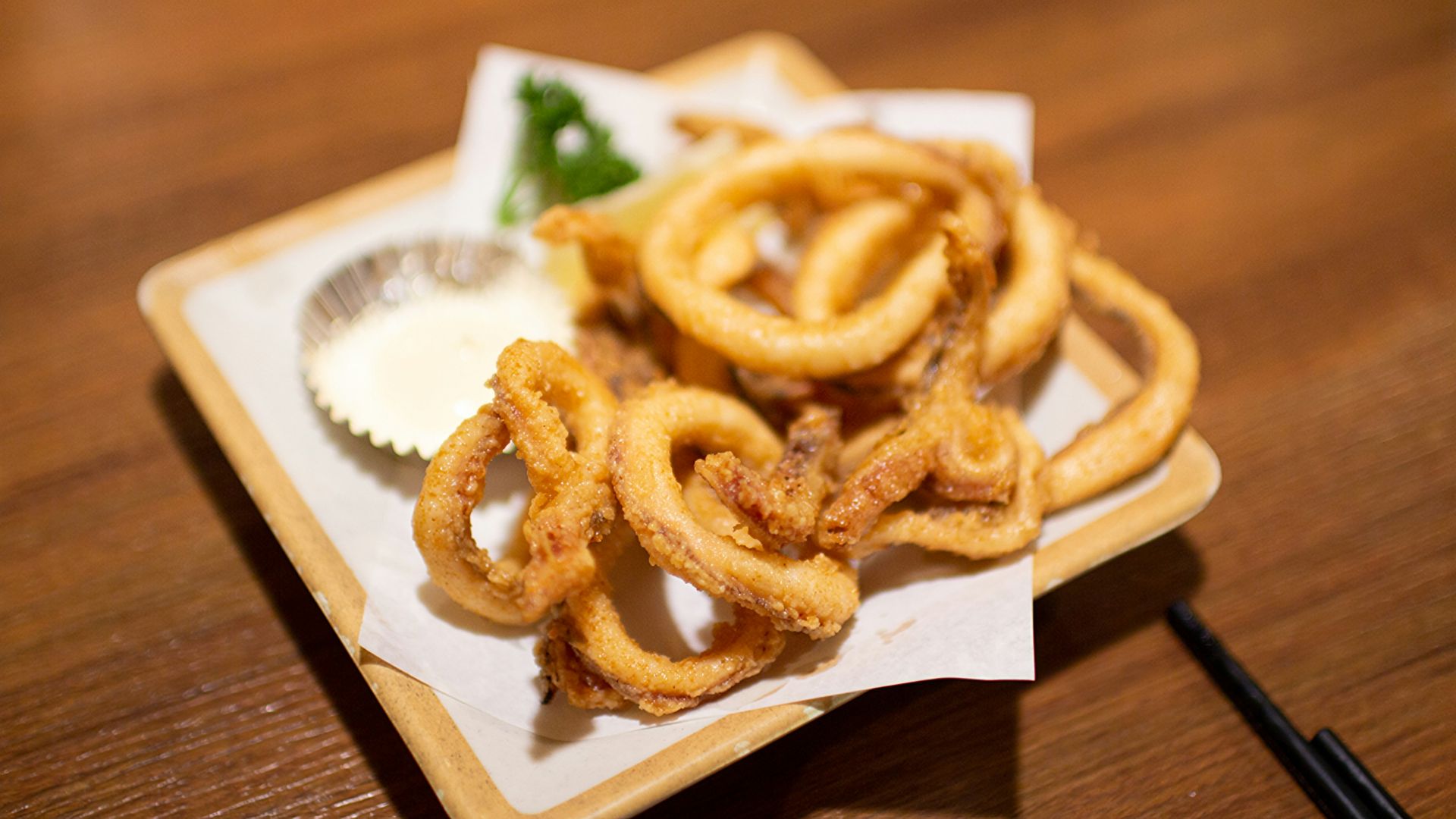
5. Fried Foods
Fried foods are a catch-all when it comes to an unhealthy gut microbiome, thanks to the high fat and oil content. Fried food oils can create toxic byproducts like aldehydes, which harm our stomach cells. This can lead to inflammation and leaky gut.
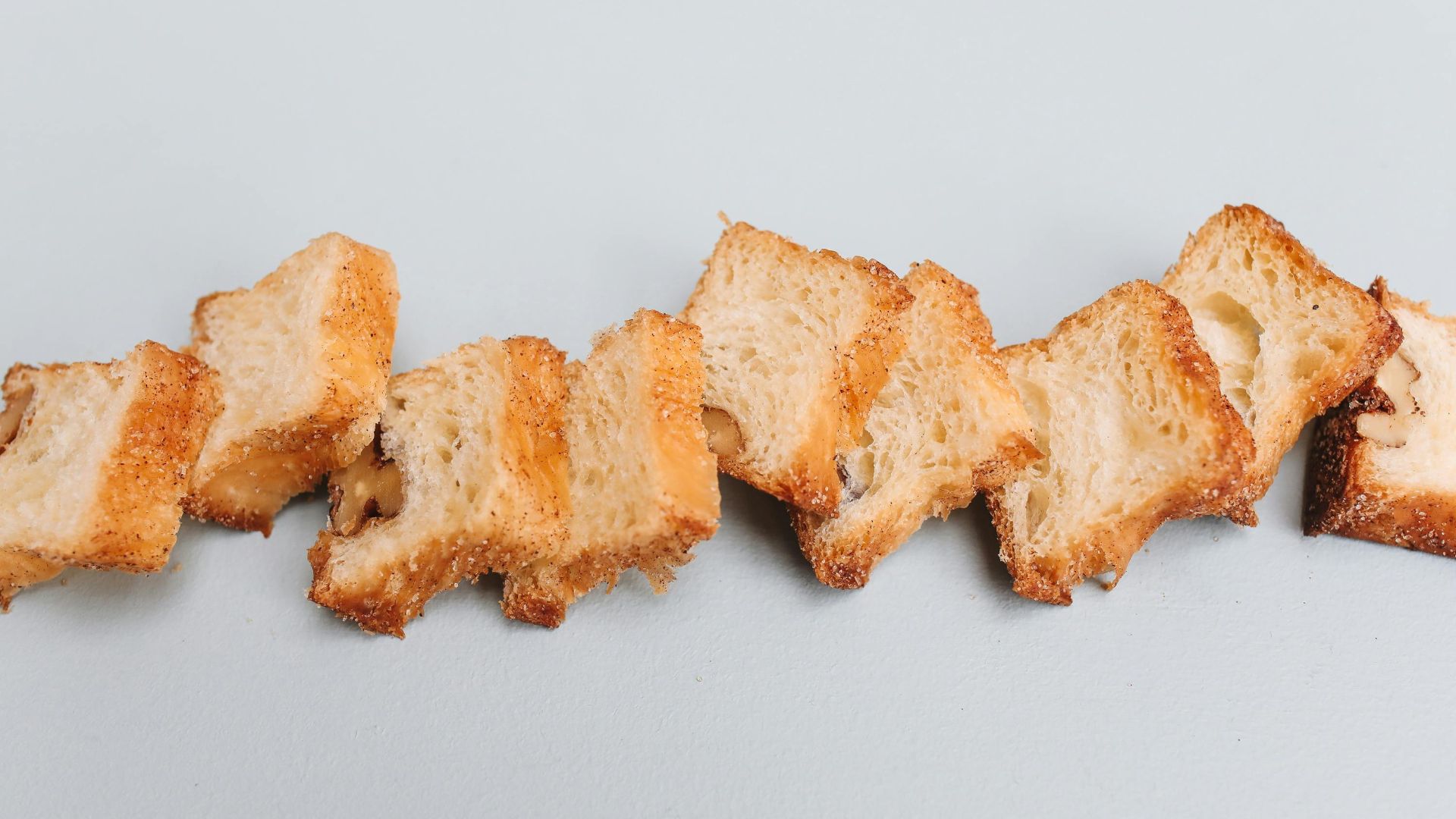
6. Simple Carbs
Easy-to-digest carbs have a quick absorption rate, leading to blood sugar and glycemic spikes within the body. This also means that they’re quick to ferment within the stomach, leading to an influx of harmful sugar-centric bacteria.
7. Too Much Salt
Alongside inflammation, high salt intake can affect our body’s production of short-chain fatty acids, which are crucial for strengthening our stomach lining. Salt can also alter our microbiome structure, reducing microbial diversity.
8. Red Meat
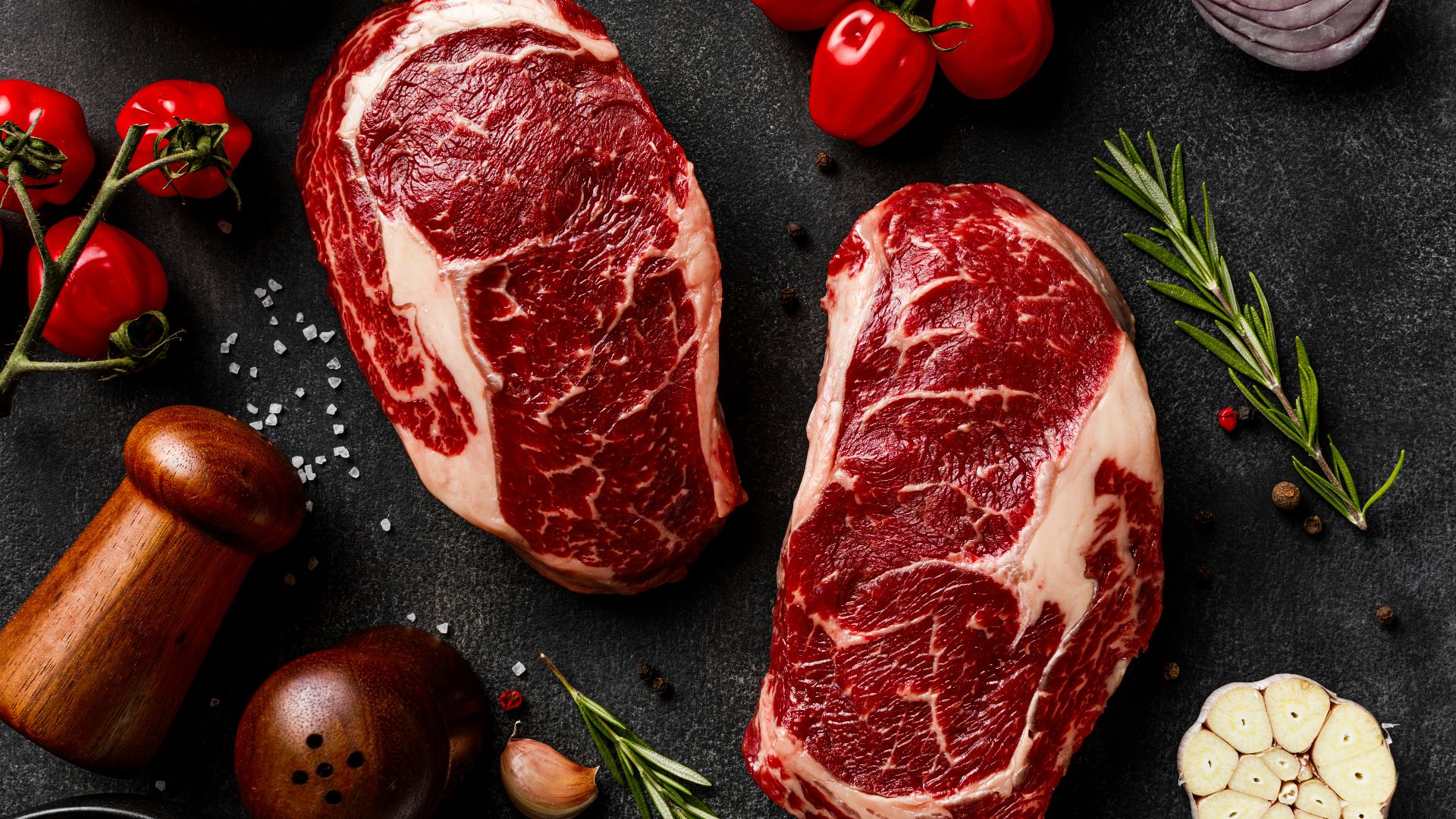
Red meat tends to increase the production of harmful metabolites such as TMAO and sulfides. TMAO is a compound that comes from the amino acid L-carnitine, which has been linked to heart disease. The chemical compounds sulfides can increase something called hydrogen sulfide, which can irritate our stomach lining.
9. Saturated Fat
In order for our body to effectively break down saturated fats, it requires a high amount of stomach bile. This increase in bile creates a sulfur-rich environment within our stomachs, and also creates a favorable space for bad bacteria to thrive.

10. Trans Fats
Trans fats tend to reduce SCFA bacteria, which are crucial for the production of colon cells and metabolism. Through inflammation, trans fats can also negatively impact brain function, which can lead to mood changes or cognitive issues.

1. Yogurt
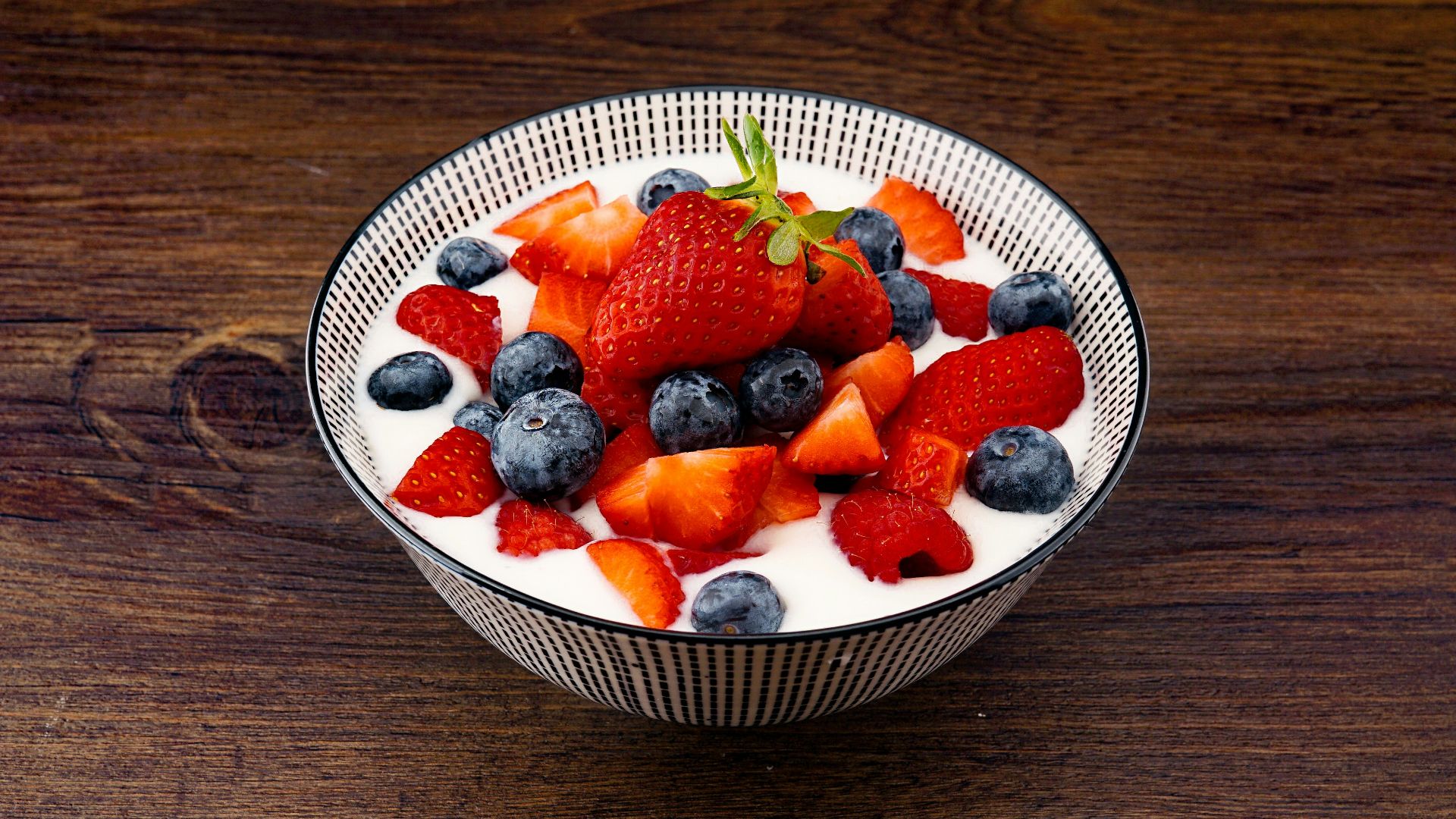
Yogurt is a probiotic powerhouse, full of bacteria such as Lactobacillus and Bifidobacterium. These types of bacteria help increase microbial diversity, rebalance good and bad bacteria, and reduce gut inflammation.
2. Apples
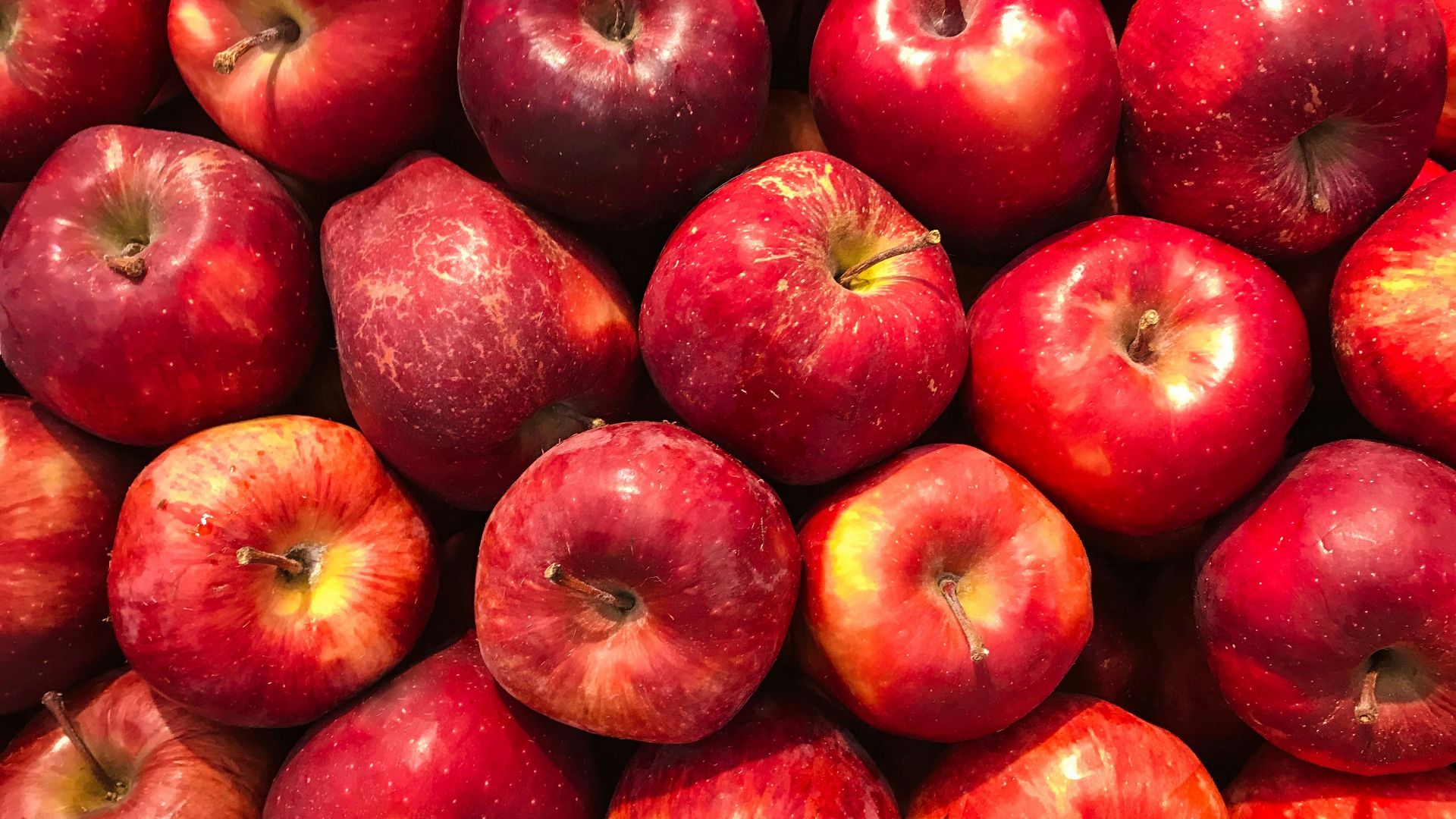
The high amount of soluble fiber in apples helps to produce SCFAs, which help to maintain a well-balanced microbiome. Furthermore, apples themselves have around 100 million microbes, which help our stomach as well as the rest of our body.
3. Leafy Greens
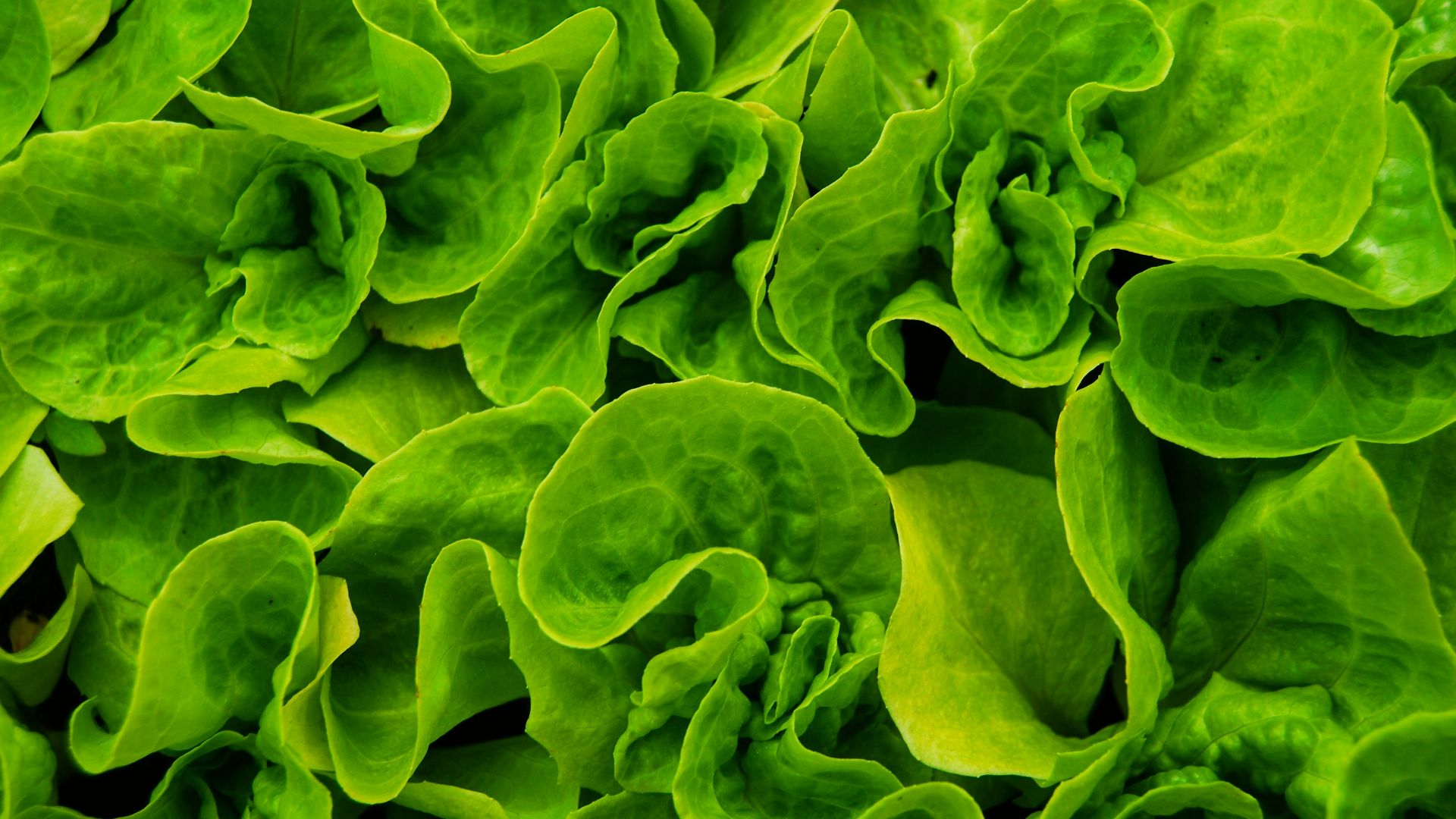
Eating spinach, kale, arugula, swiss chard, collard greens, broccoli, cabbage, romaine lettuce, or bok choy can have a massive positive impact on your gut health. Leafy greens help good microbes ferment, which creates a more protective gut environment.
4. Miso
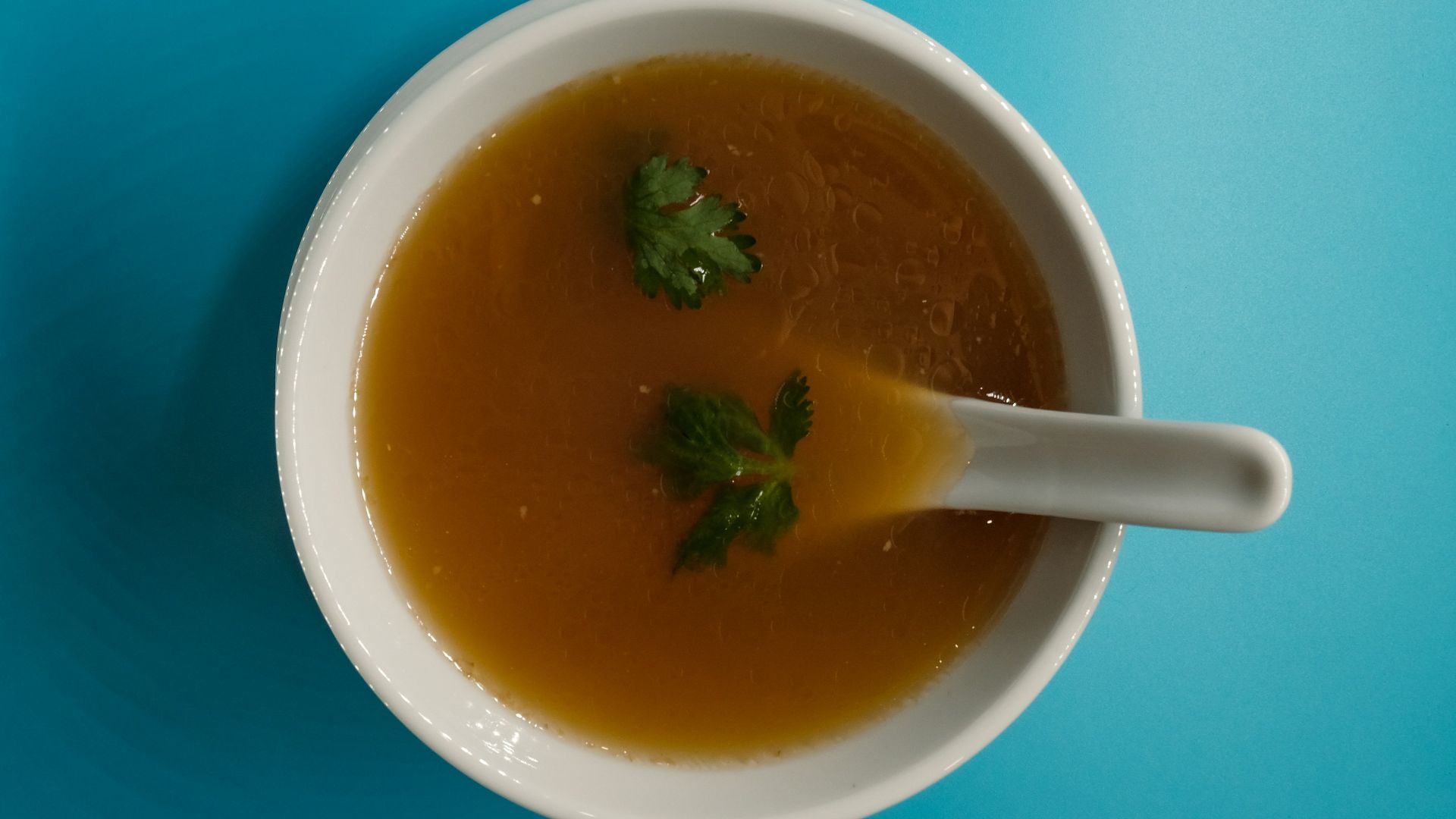
This fermented soybean paste can play a huge role in a healthy gut system, if you’ll allow it. Miso provides probiotics, supports the gut lining, ups your gut’s immunity and barrier, and even produces SCFAs.
5. Beans
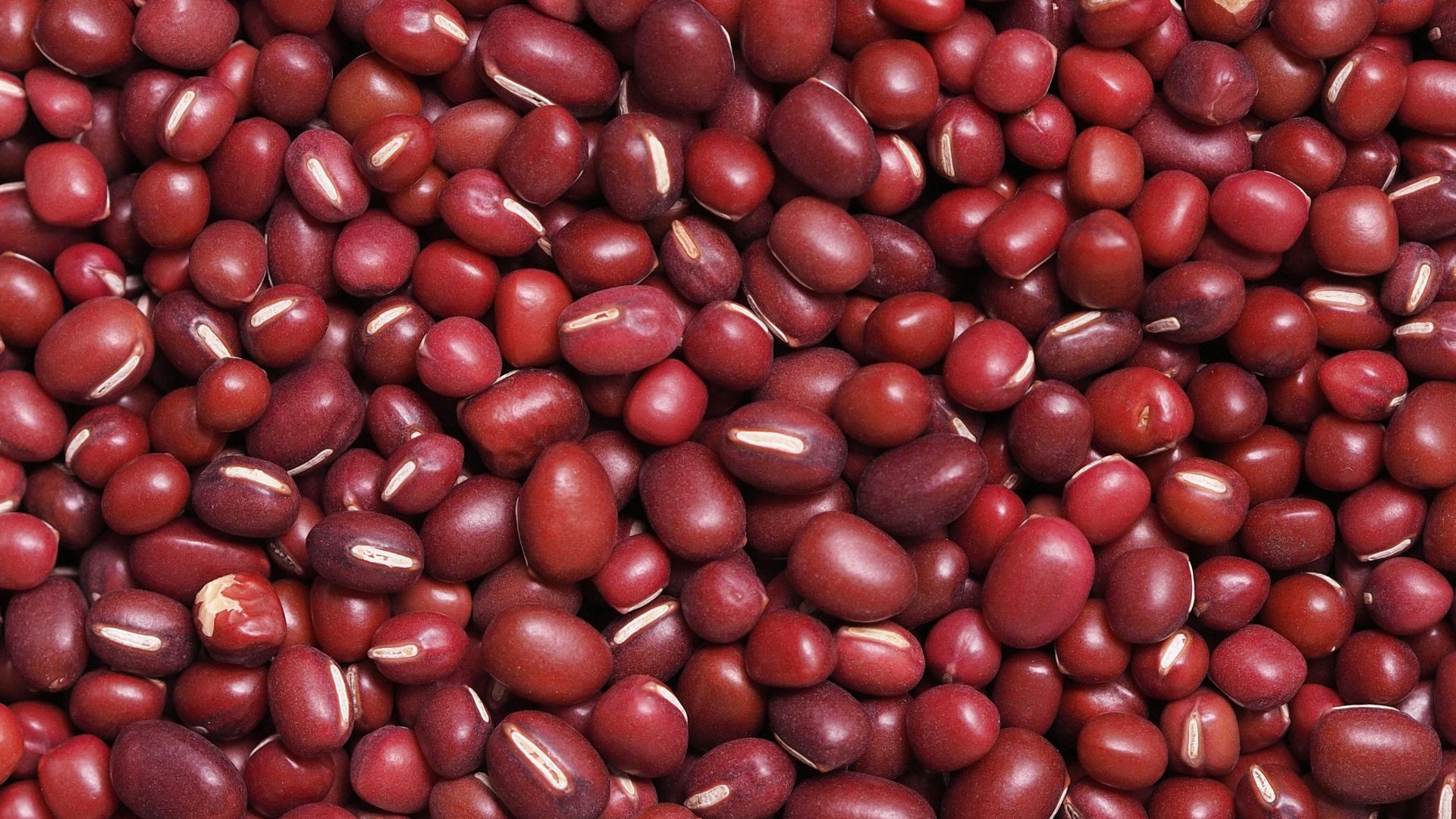
Beans pack a punch when it comes to your stomach lining. They are full of fermentable fiber and resistant starch, both of which are absorbed by the large intestine. This leads to an uptick in good bacteria and also provides better metabolic health for the rest of the body.
6. Root Vegetables
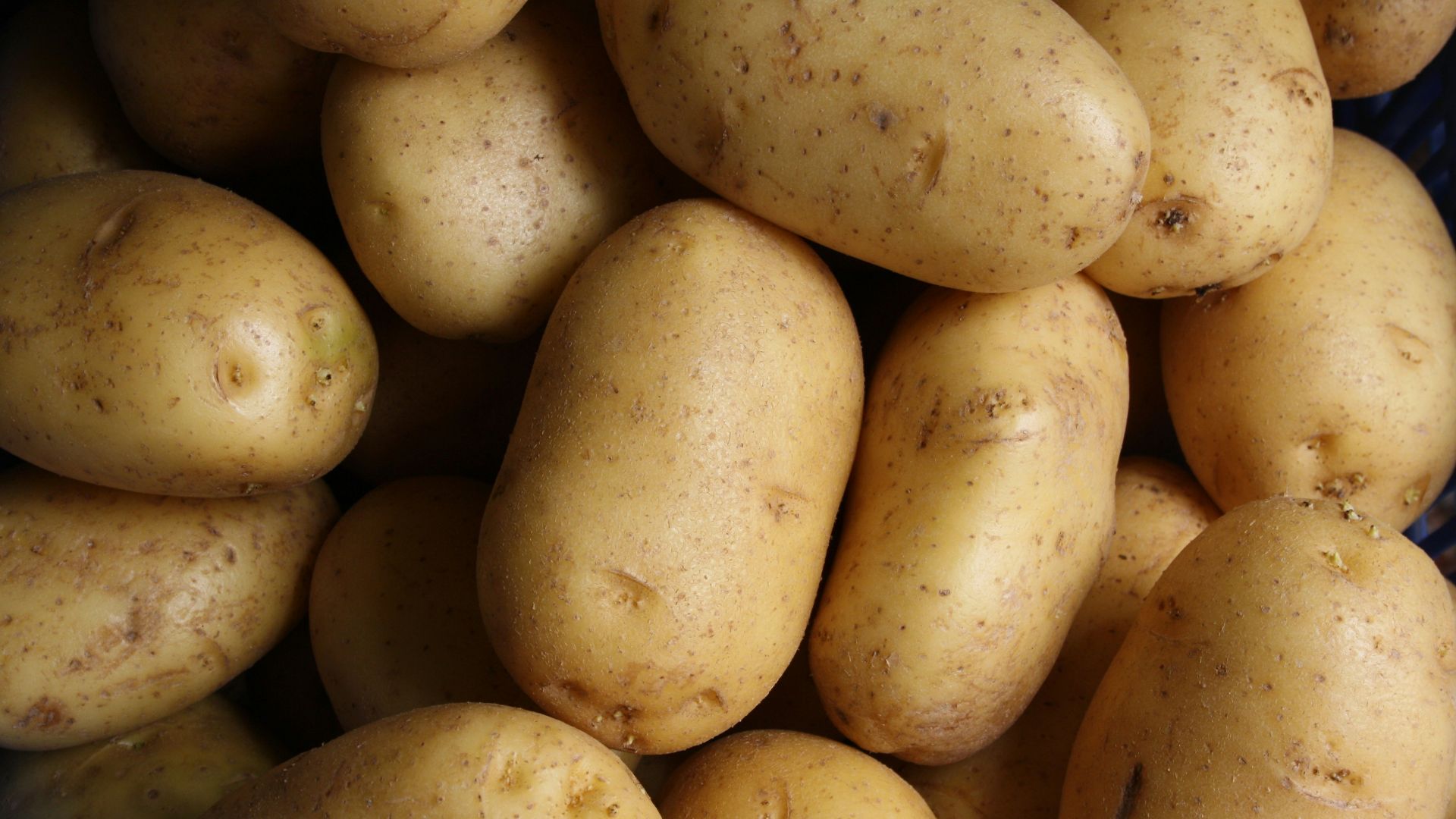
The fiber in root veggies like carrots turns into prebiotics for our body, which support gut immunity. Alternatively, cooked potatoes and sweet potatoes offer resistant starch, which feeds the stomach bacteria.
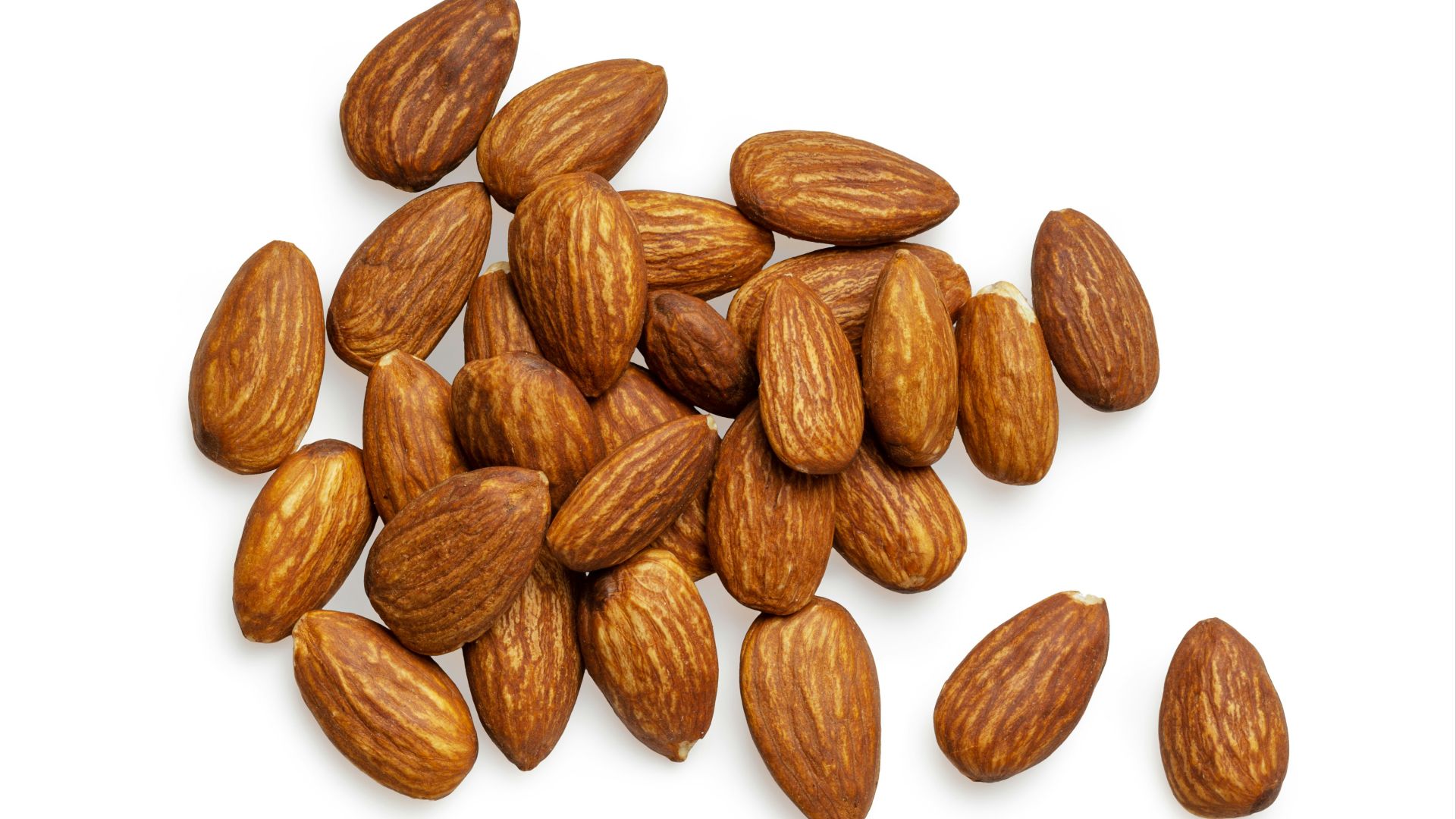
7. Almonds
These delicious snacks can not only improve gut health and function, but can also provide pathogen resistance in our body. This is done through the almond’s makeup of fiber, healthy fats, and plant compounds.
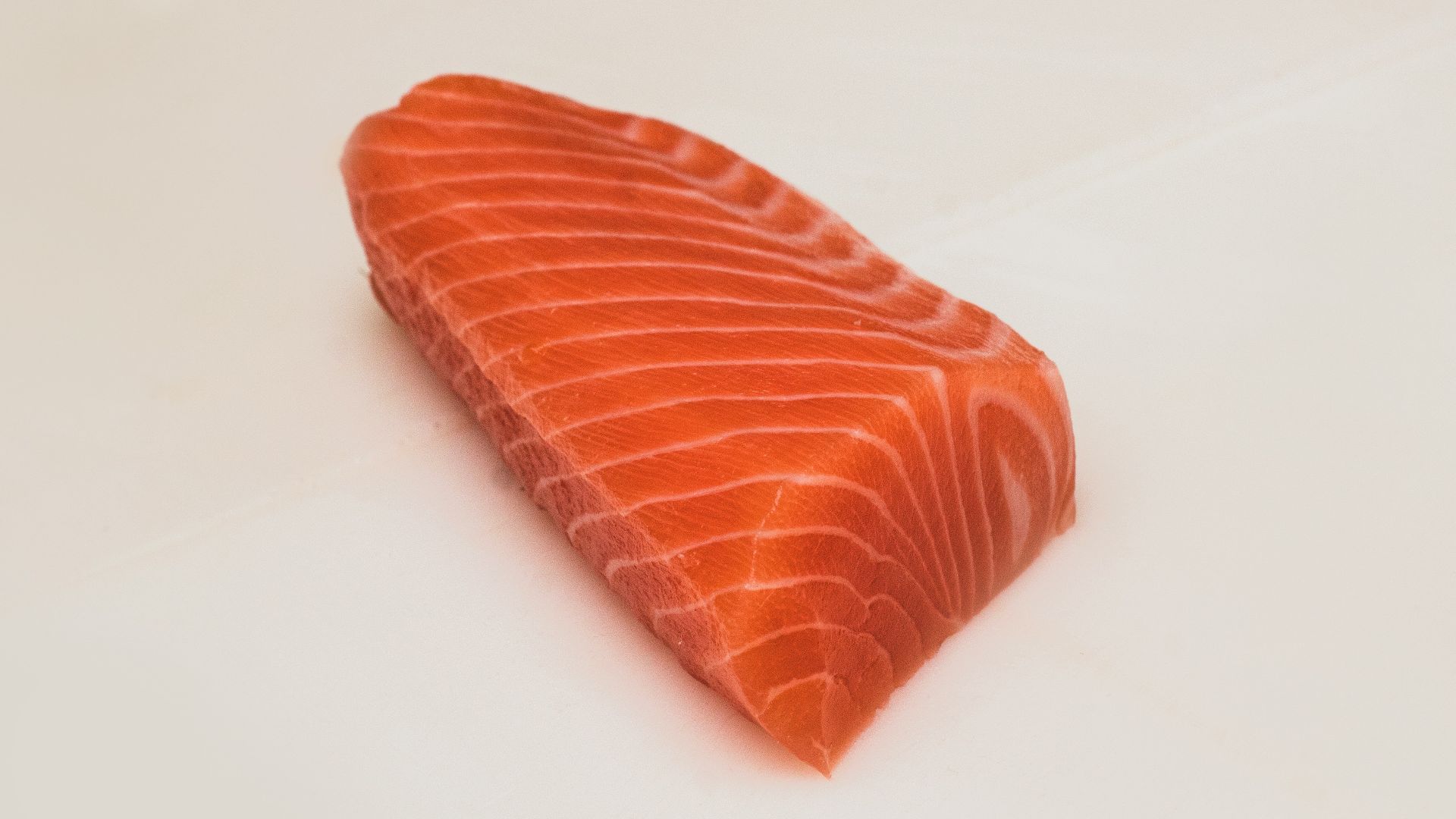
8. Fatty Fish
Omega-3s strike again. The popular healthy fats do wonders for the stomach, reducing inflammation, increasing gut diversity, and reducing pro-inflammatory microbes within our stomachs. This can lead to a stronger gut lining overall.
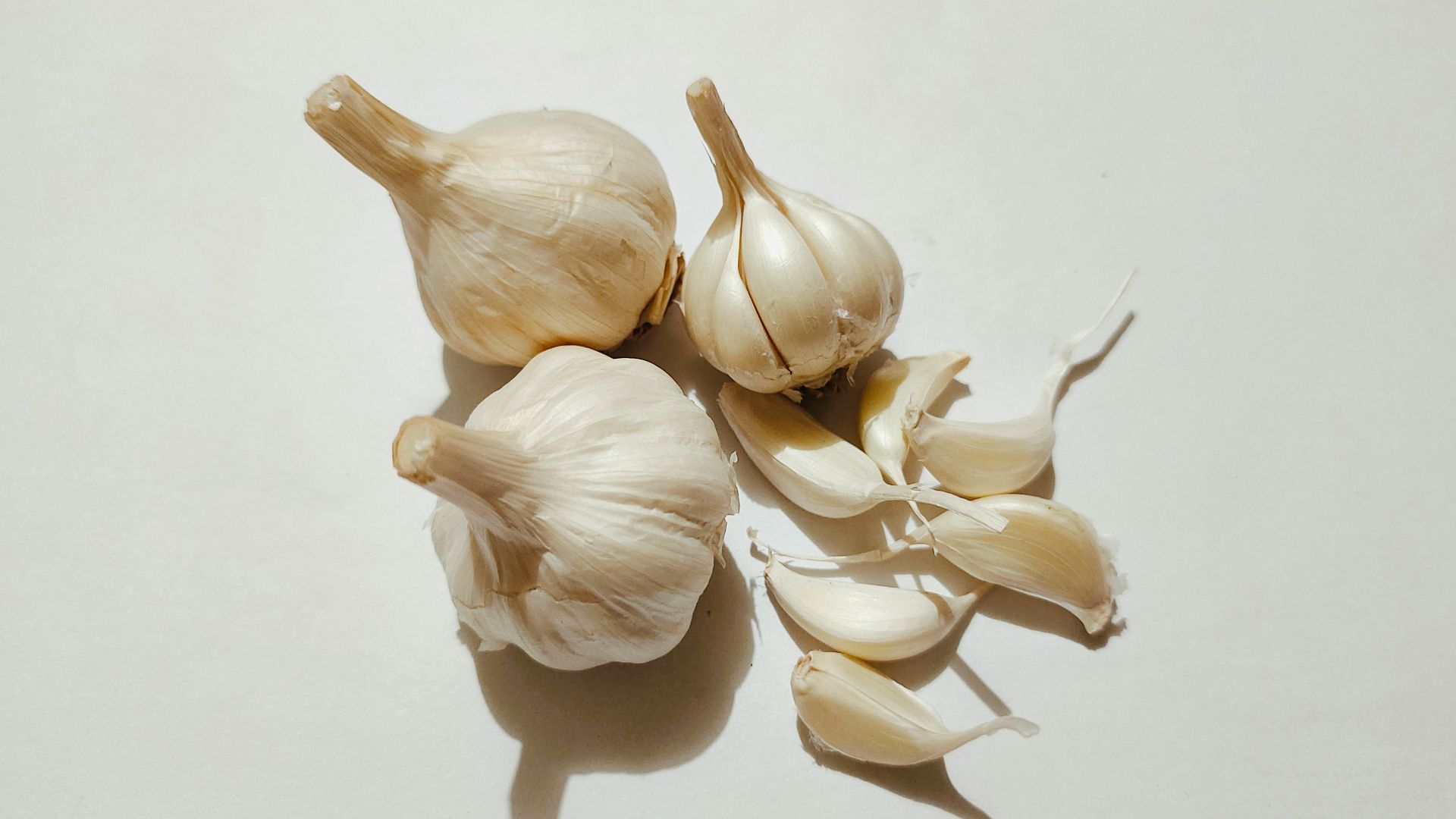
9. Garlic
Garlic acts as a prebiotic in the body, supporting our digestion and SCFA production. It is also beneficial to counteract leaky gut, eliminating pathogens and decreasing harmful bacteria. Garlic is most effective when consumed raw or lightly cooked, or you can crush your garlic and wait 10 minutes before cooking it to ensure it won’t lose all of its benefits.
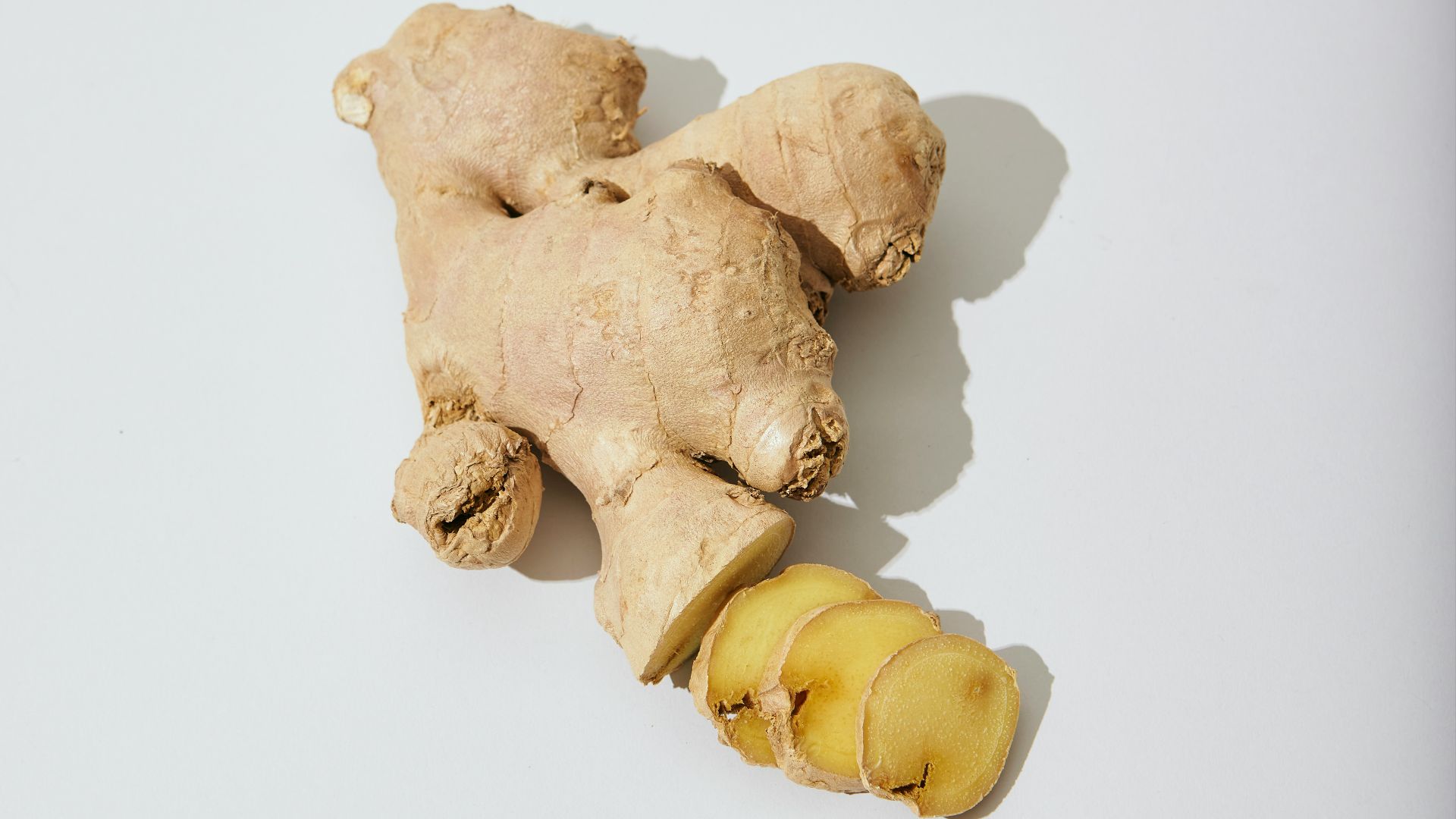
10. Ginger
Typically used for issues with nausea and bloating, it’s no surprise that ginger has close associations with anti-inflammatory effects. Ginger also boosts SCFA production, improves the stomach’s protective barrier, and can temporarily alter microbiome diversity.
KEEP ON READING