Heart-Helpful Groceries
We hear so often about how we should clean our arteries, but has anyone ever actually told us how? Aside from your standard cardio, food can still make a real difference because the day-to-day drivers of artery trouble are pretty well understood: LDL cholesterol, blood pressure, inflammation, blood sugar swings, and the overall pattern of what we eat most often. While the goal is not perfection, it’s not a bad idea to support your heart as best you can, from how we move to how we eat.

1. Oats
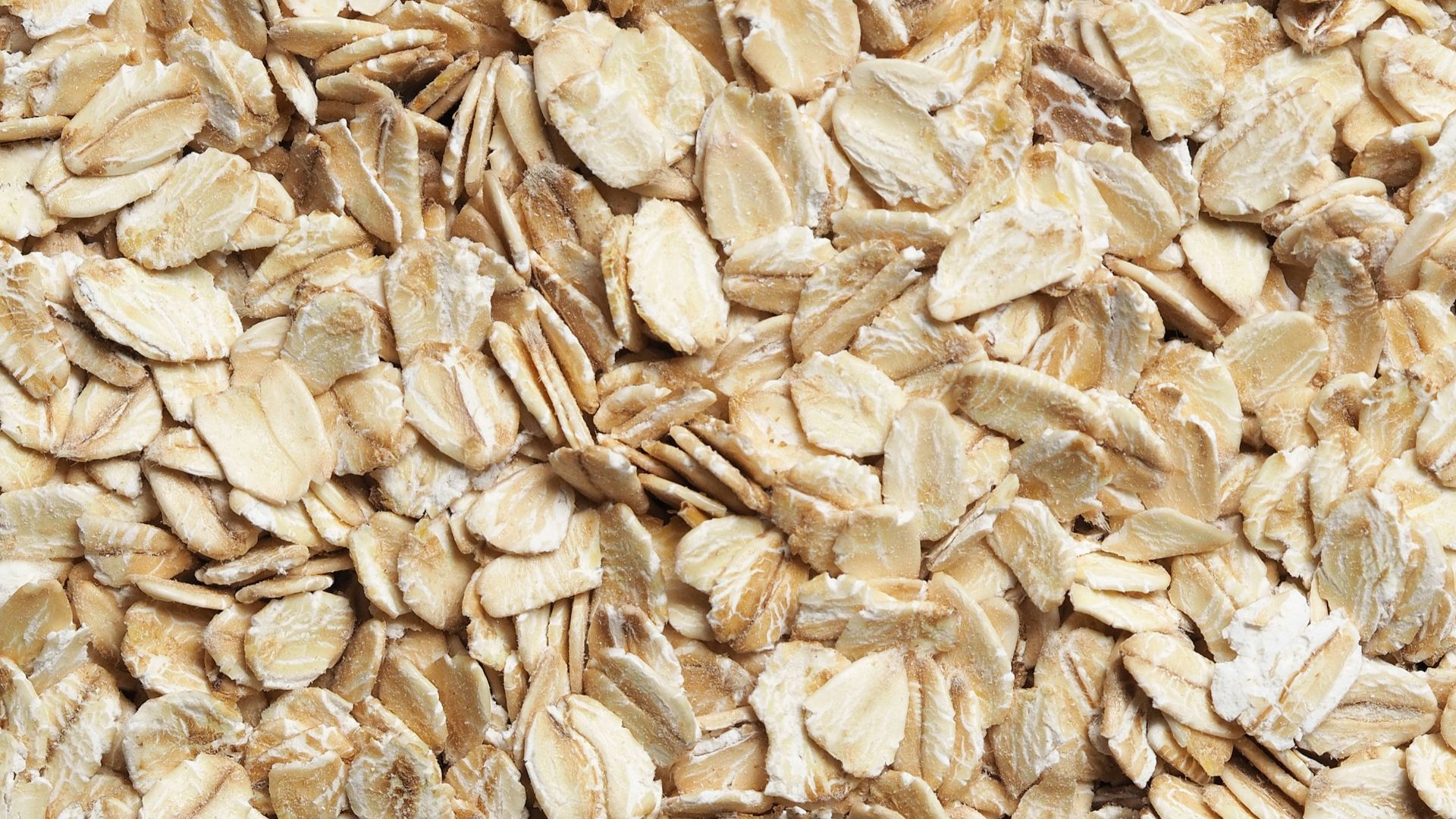
Oats are famous for a reason, since their soluble fiber has been shown to lower LDL cholesterol when you get enough of it. A bowl of oatmeal or overnight oats will do the trick. It also doesn’t hurt to add some berries or chia seeds, either.
2. Barley
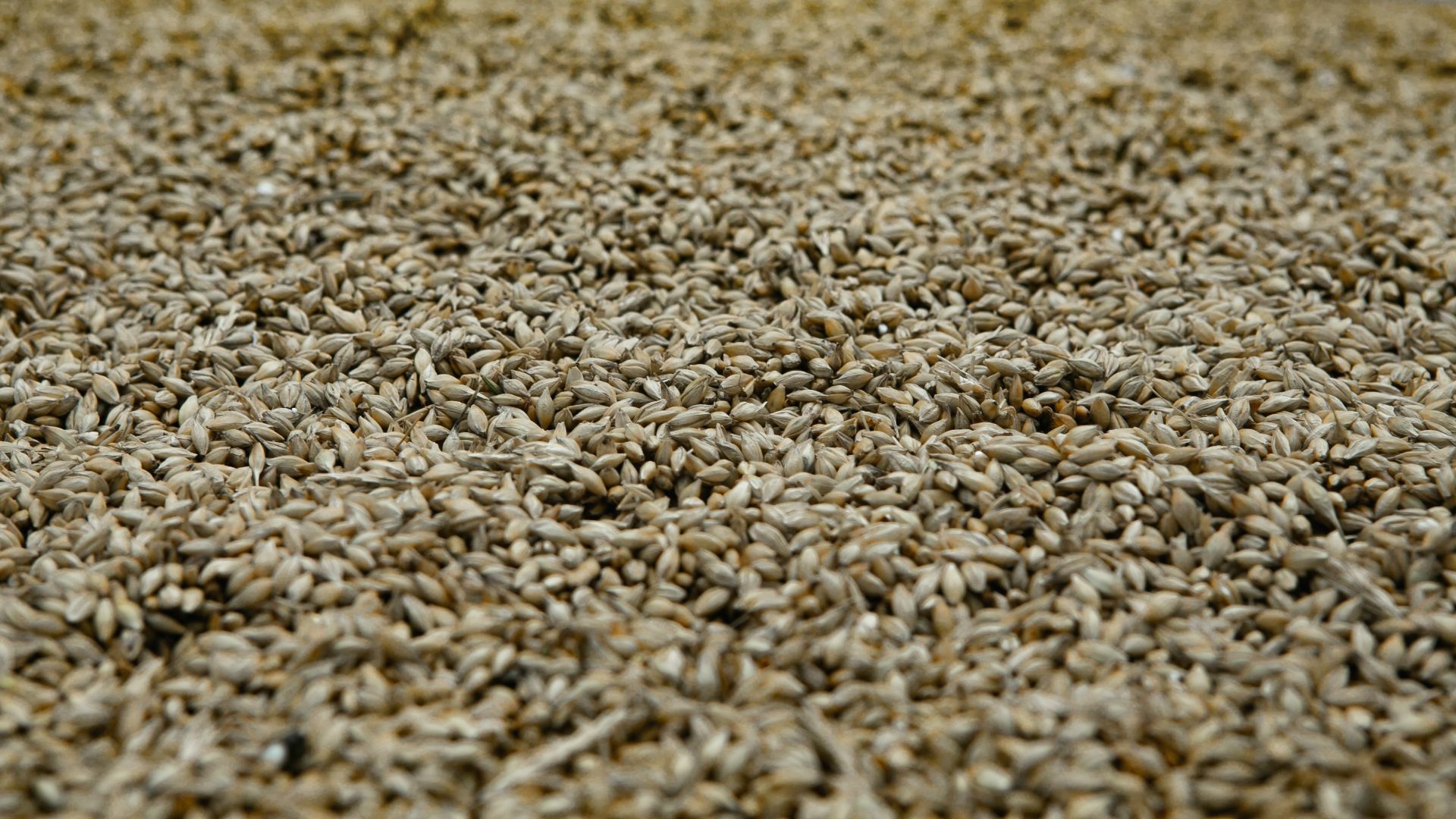
Barley brings a similar soluble fiber profile to oats, with a chewier texture that makes soups and grain bowls feel more satisfying. It holds up well in the fridge, so cooking a large amount once or twice a week can provide you with a grain base for several meals.
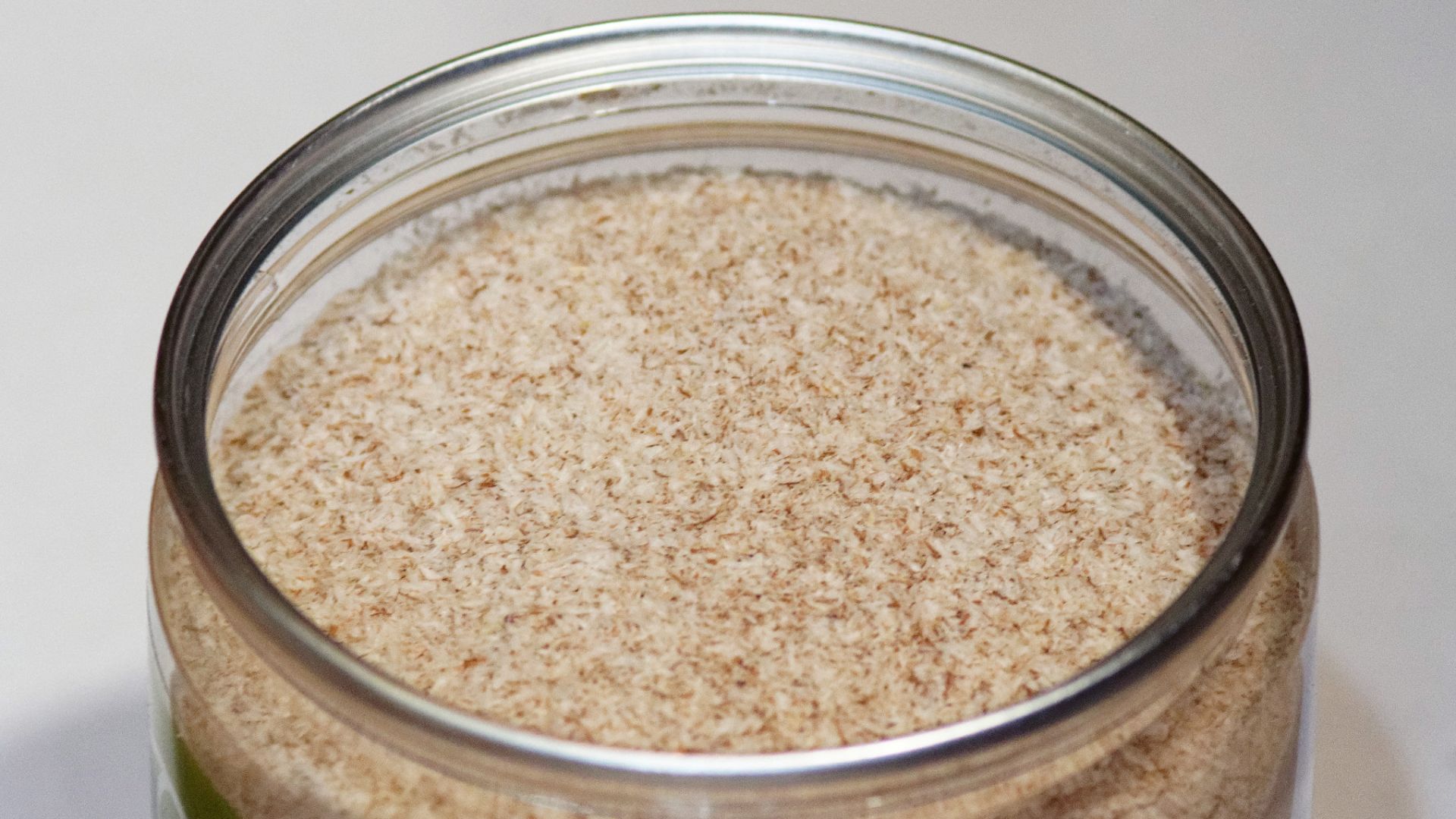
3. Psyllium Husk
Psyllium is a water-soluble fiber that often works as a laxative, but has also been shown to help lower LDL, cholesterol, and blood sugar levels. It’s best to take this with caution, however, as taking too much can definitely have other negative effects on your body.
 Retired electrician on Wikimedia
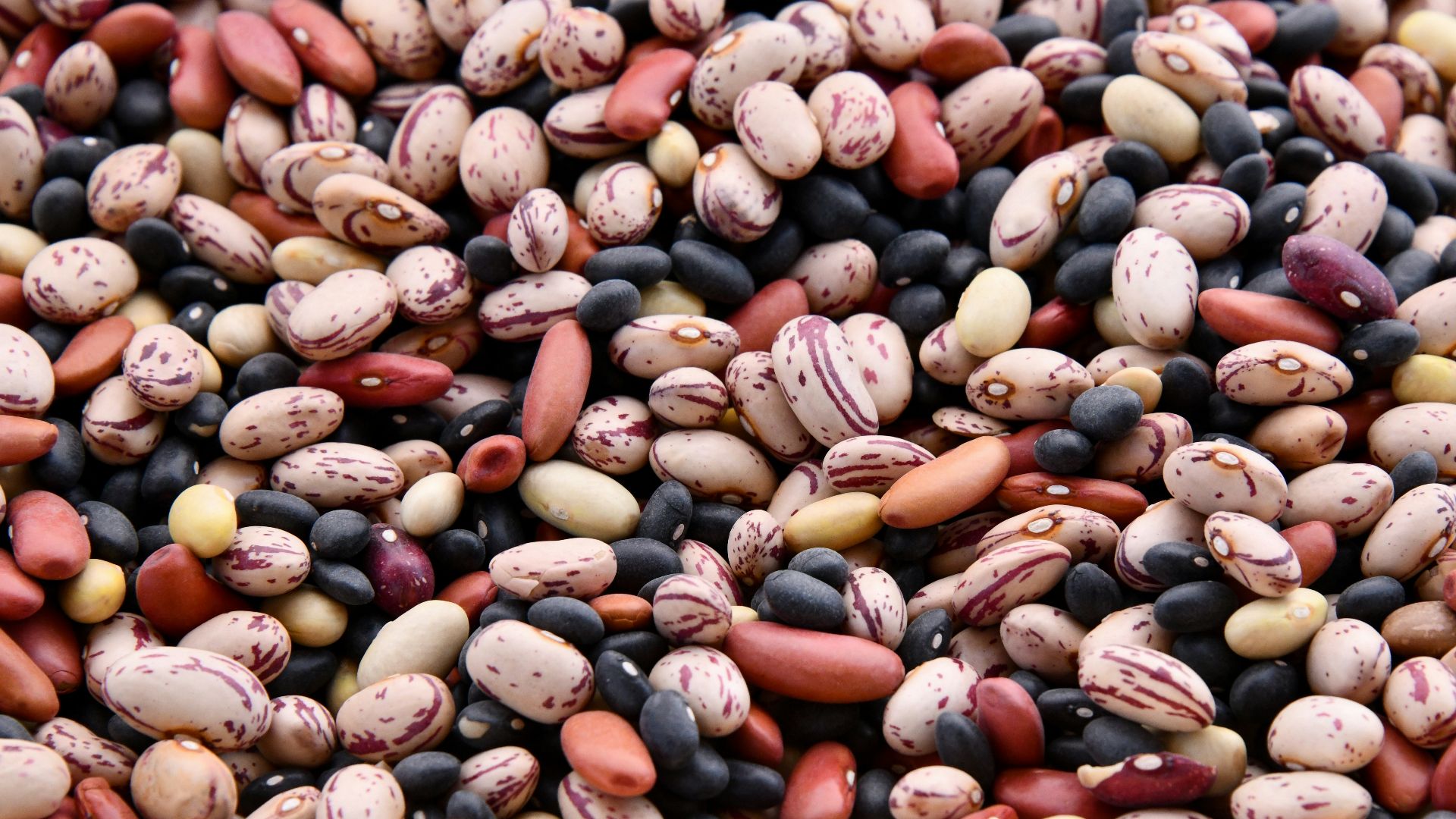
4. Beans
Beans are truly the best of the best in the legume family: plenty of fiber, helpful plant protein, and a track record in research showing improvements in blood lipids when they replace more saturated-fat-heavy foods. They also provide real sustenance, especially when added to soups or tacos. A can in the pantry is one of the most reliable heart-health backstops you can keep.
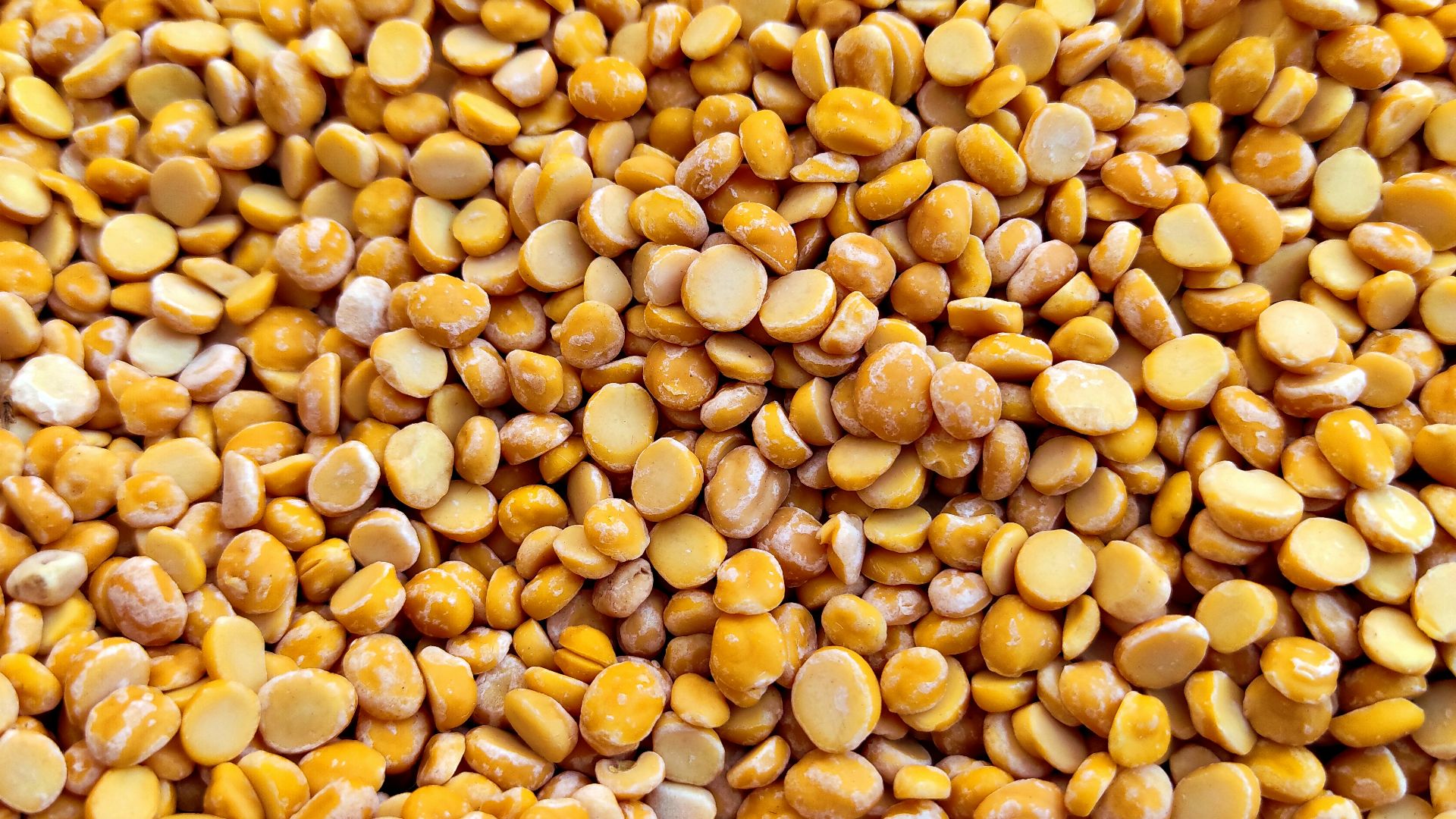
5. Lentils
Lentils are a fast-cooking legume that bring flavor and protein to the table, not to mention the soluble and insoluble fibers that feed gut bacteria. They’re excellent in soups, curries, or as an addition to salads.
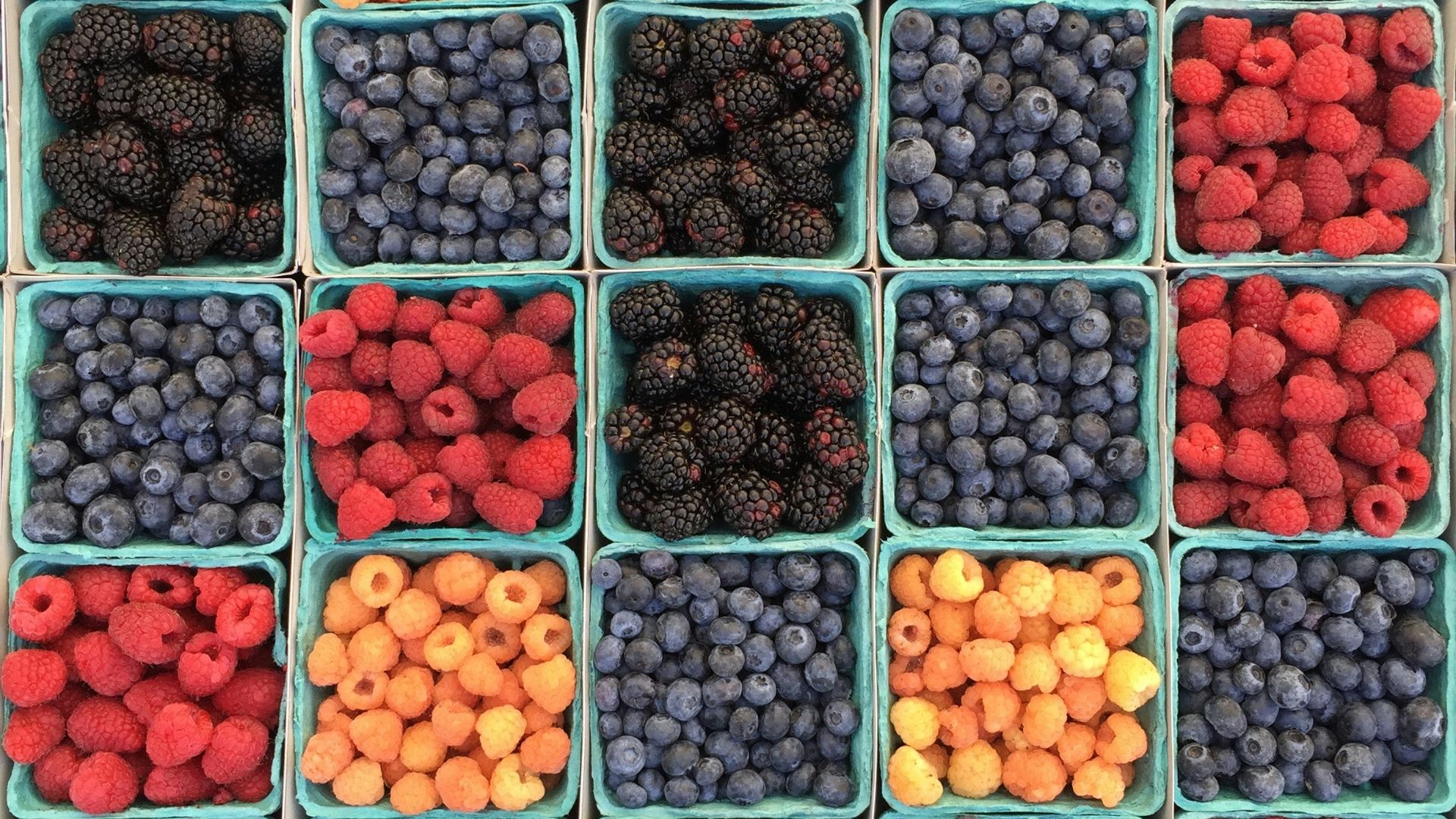
6. Berries
Berries contain polyphenols that support endothelial function, aka the lining of the blood vessels. They’re also easy to keep frozen, so you know that you can still get their health benefits even when they’re not in season.
7. Apples
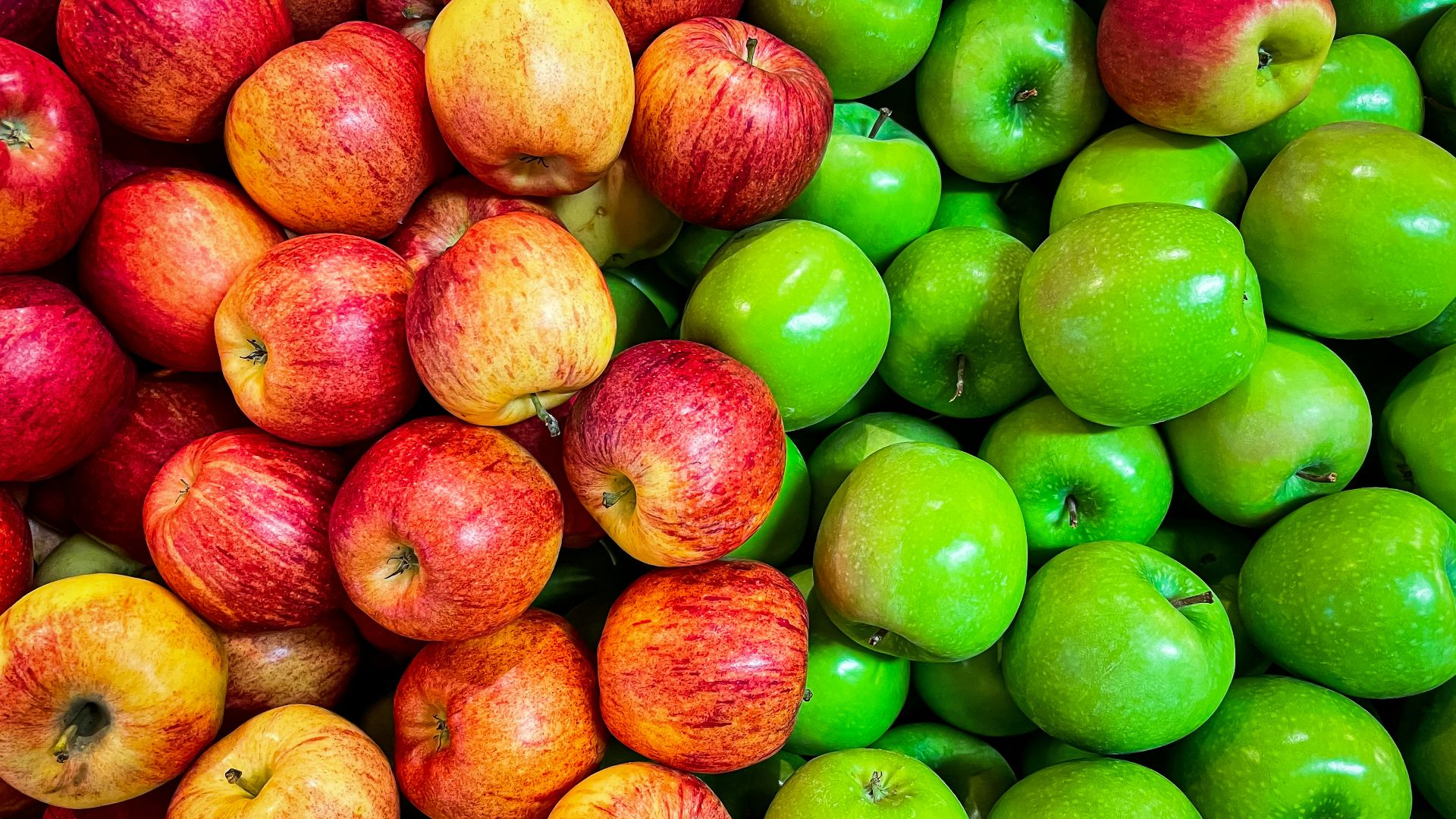
Apples bring pectin, a soluble fiber that has long been associated with more favorable cholesterol patterns. Eating the skin helps, partly because the fiber is higher there and partly because it slows you down so you actually feel like you ate something. If raw apples are rough on your stomach, cooked apples can work just as well.
8. Tomatoes
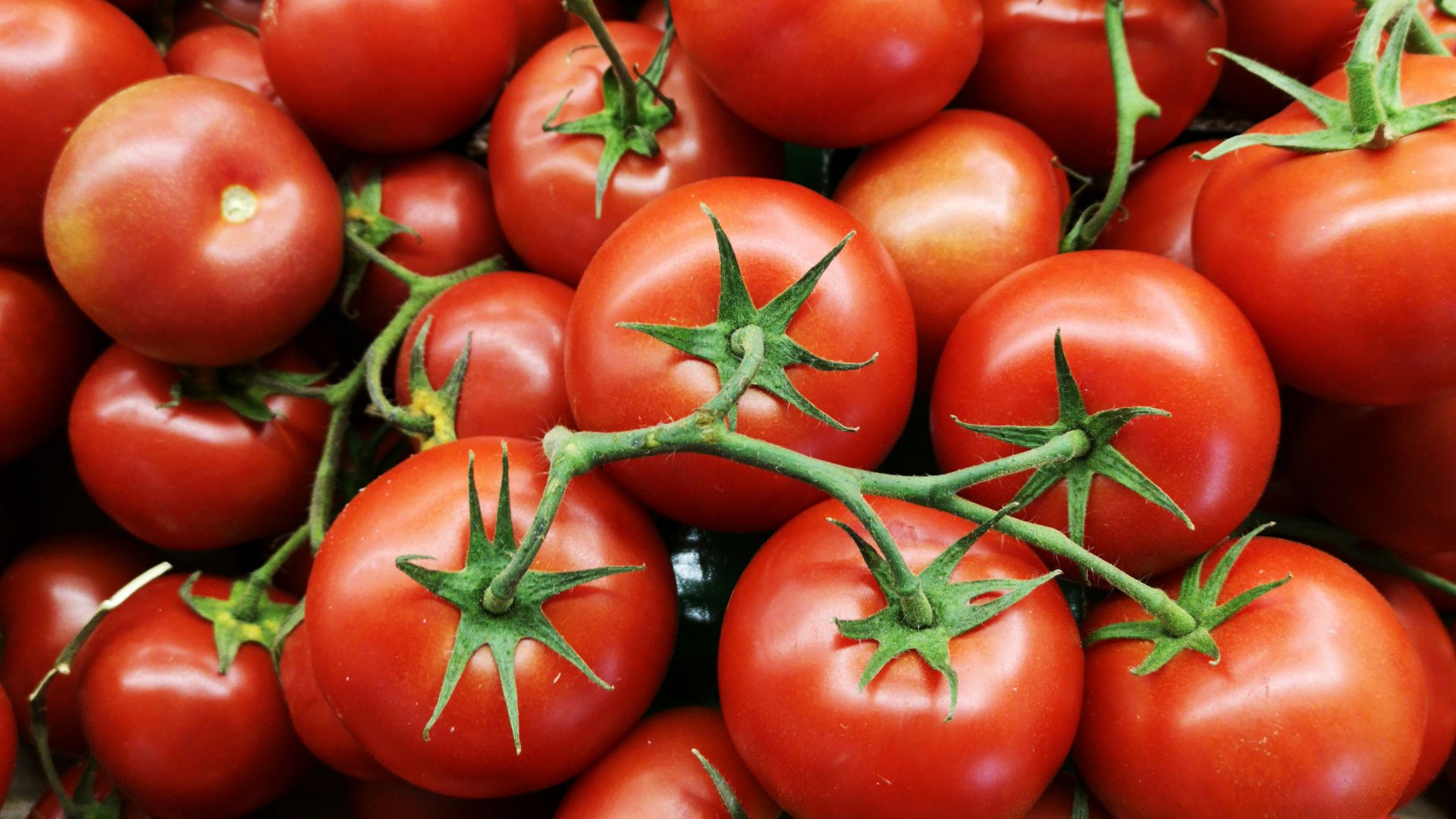
Tomatoes have a whack of heart-friendly nutrients, easing blood pressure and other cardiovascular markers. Cooking tomatoes into a sauce can make lycopene more available. Go easy on added salt in tomato-heavy meals, since sodium can undo all the blood pressure work you just did.
9. Leafy Greens
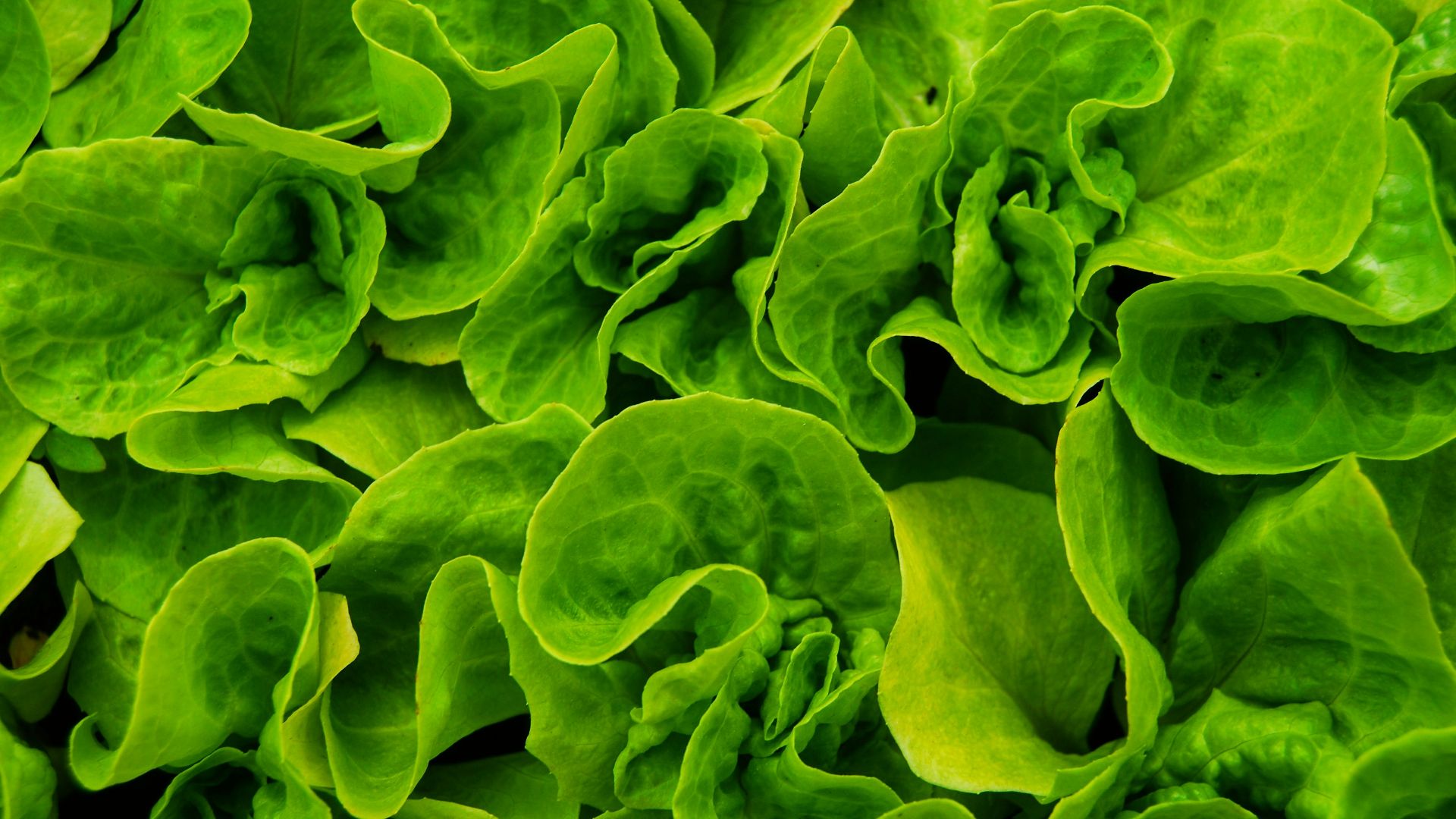
Leafy greens support artery health in a few ways, including nitrate content in some varieties and the general effect of swapping them in for more refined sides. They also slide into everyday meals quite easily, making them easy to eat at any time of day.
10. Broccoli
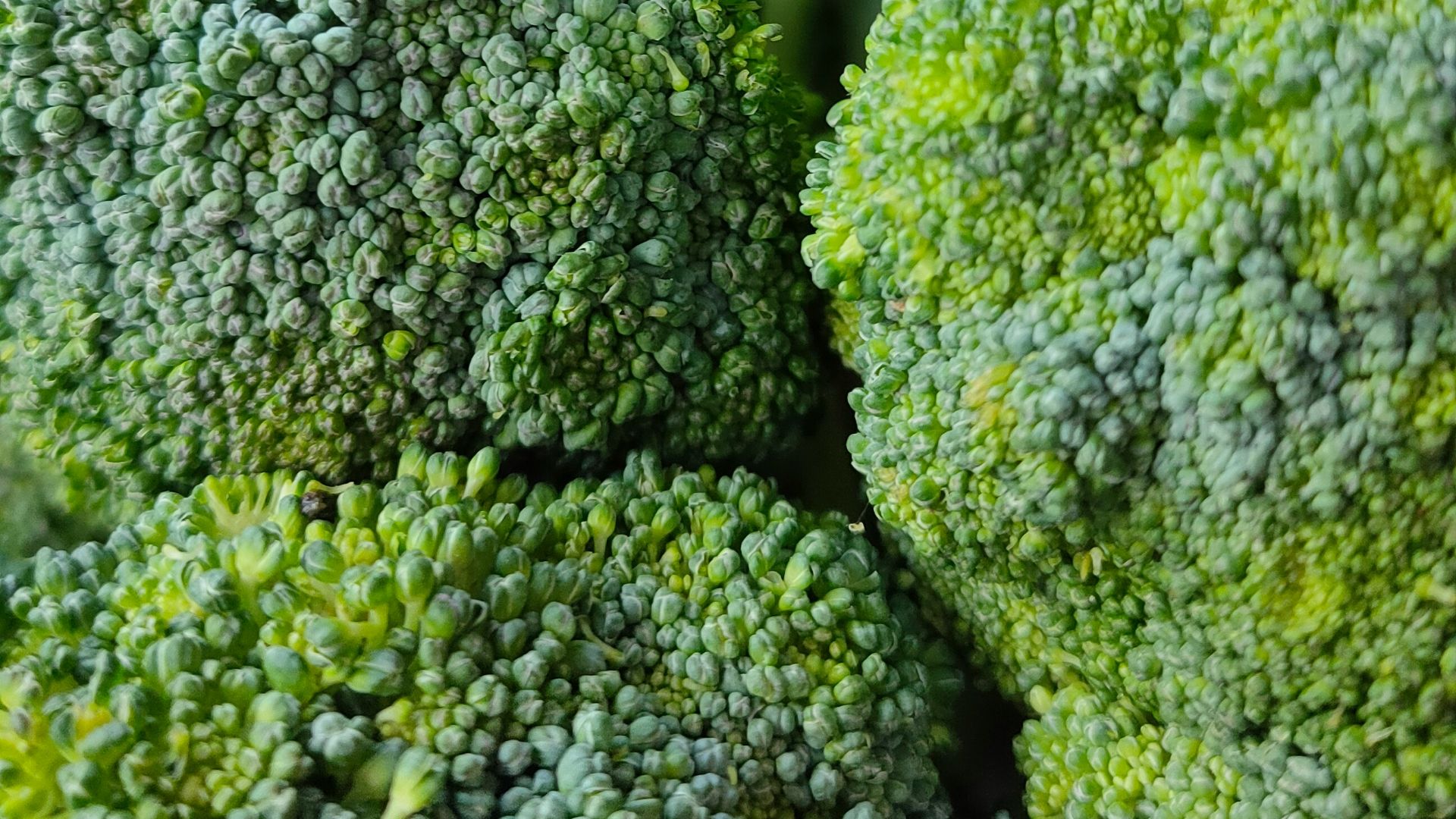
Broccoli brings fiber and plant compounds that do great things for your cardiometabolic health. Roasting makes the veggies taste better and helps to retain more of their health benefits.
11. Beets
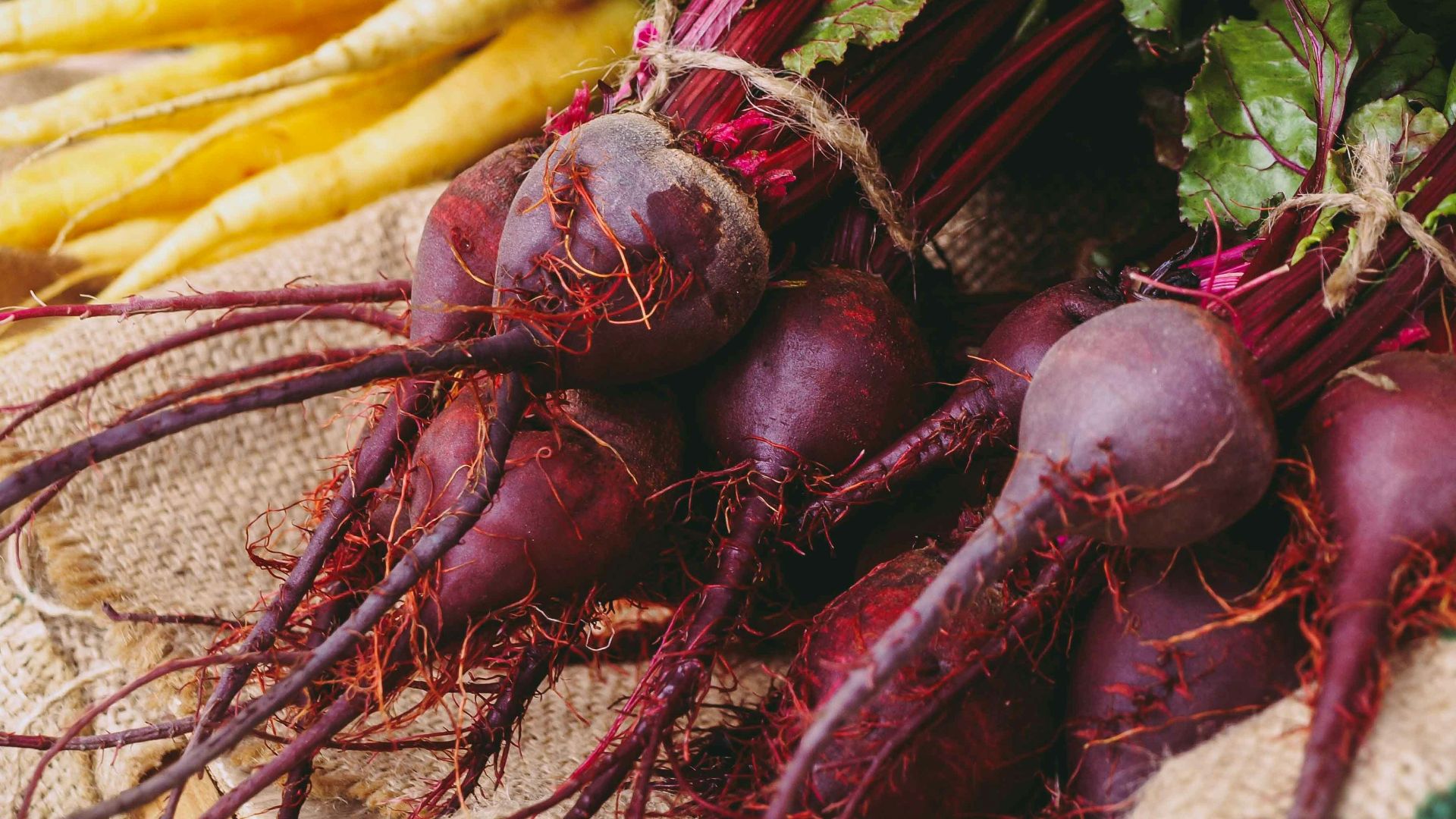
Beets earn their place mostly because dietary nitrate can support healthier blood pressure readings, and blood pressure is a major artery issue. Beet juice is also helpful, but full beets still count if you prefer to eat them that way. If you are prone to kidney stones, be mindful of beet-heavy habits because oxalate content can be a factor for some people.
12. Extra Virgin Olive Oil
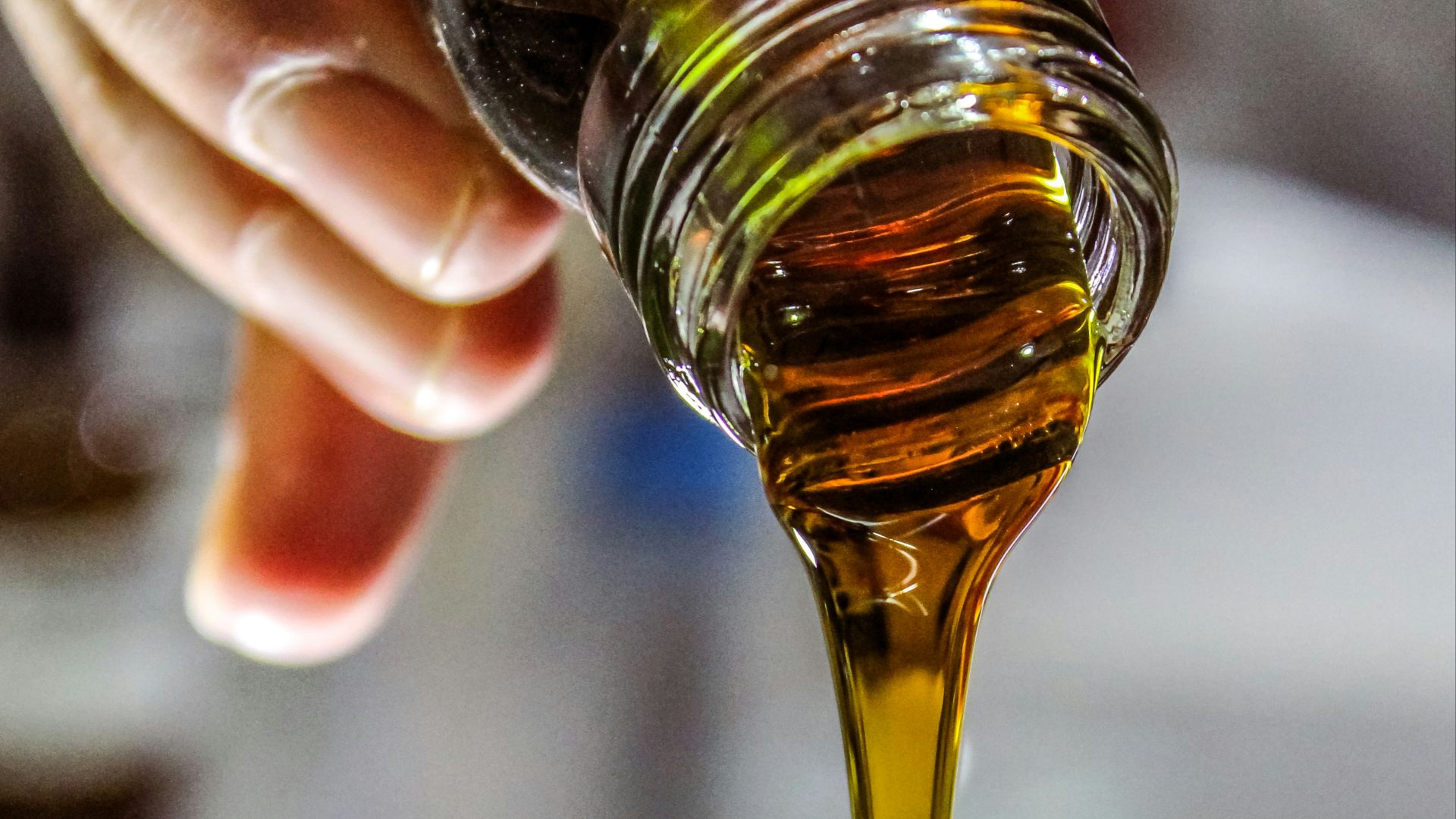
Extra virgin olive oil has been tied to better cardiovascular outcomes in large dietary trials, especially when it replaces more saturated fats. It is also a rare “healthy” staple that makes vegetables taste better.
13. Walnuts
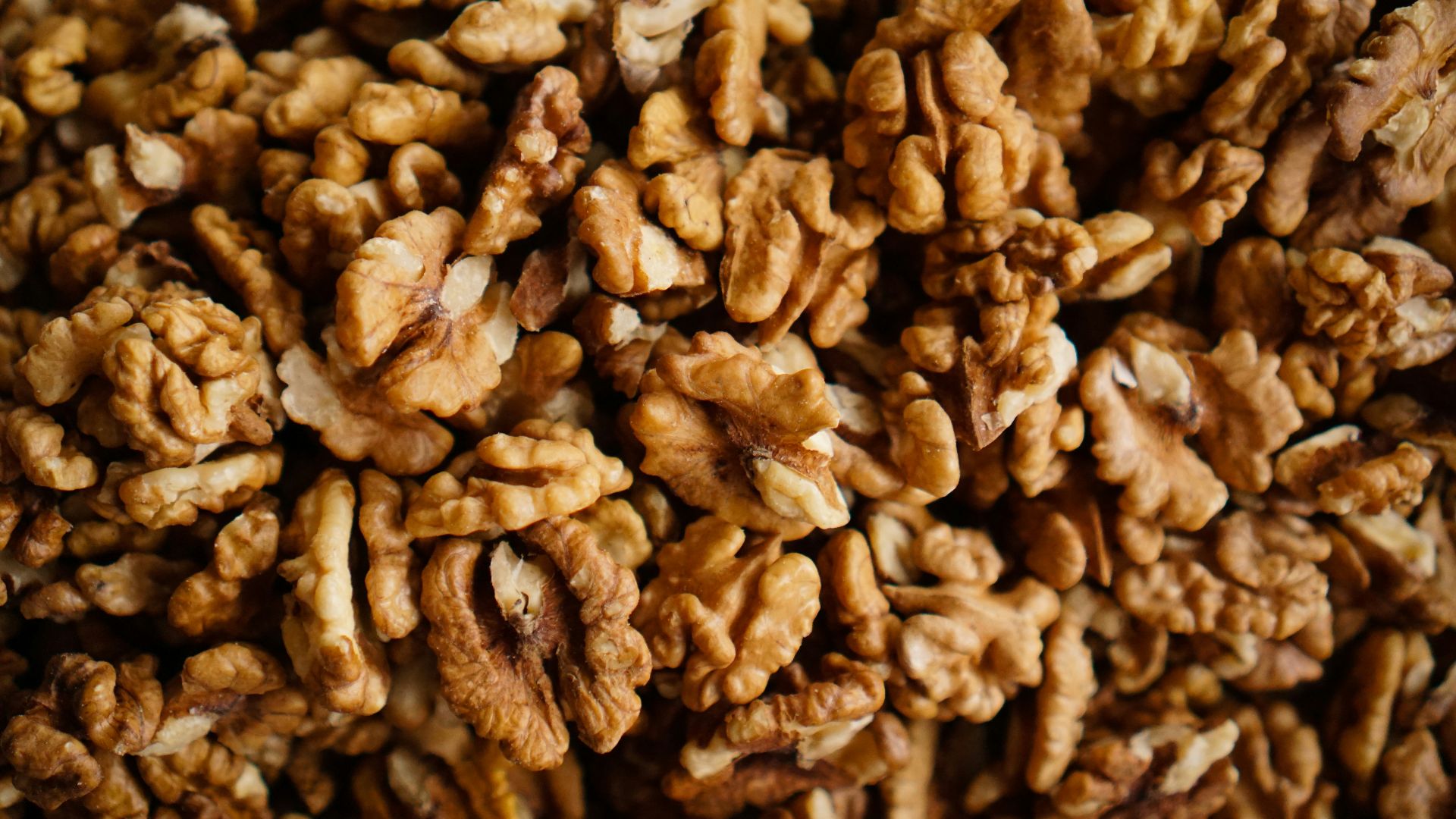
Walnuts have a reputation for heart support, as they bring unsaturated fats and plant compounds that can also reduce inflammation and help with brain function. The best part is you don’t need a lot of them to feel these positive effects.
14. Almonds
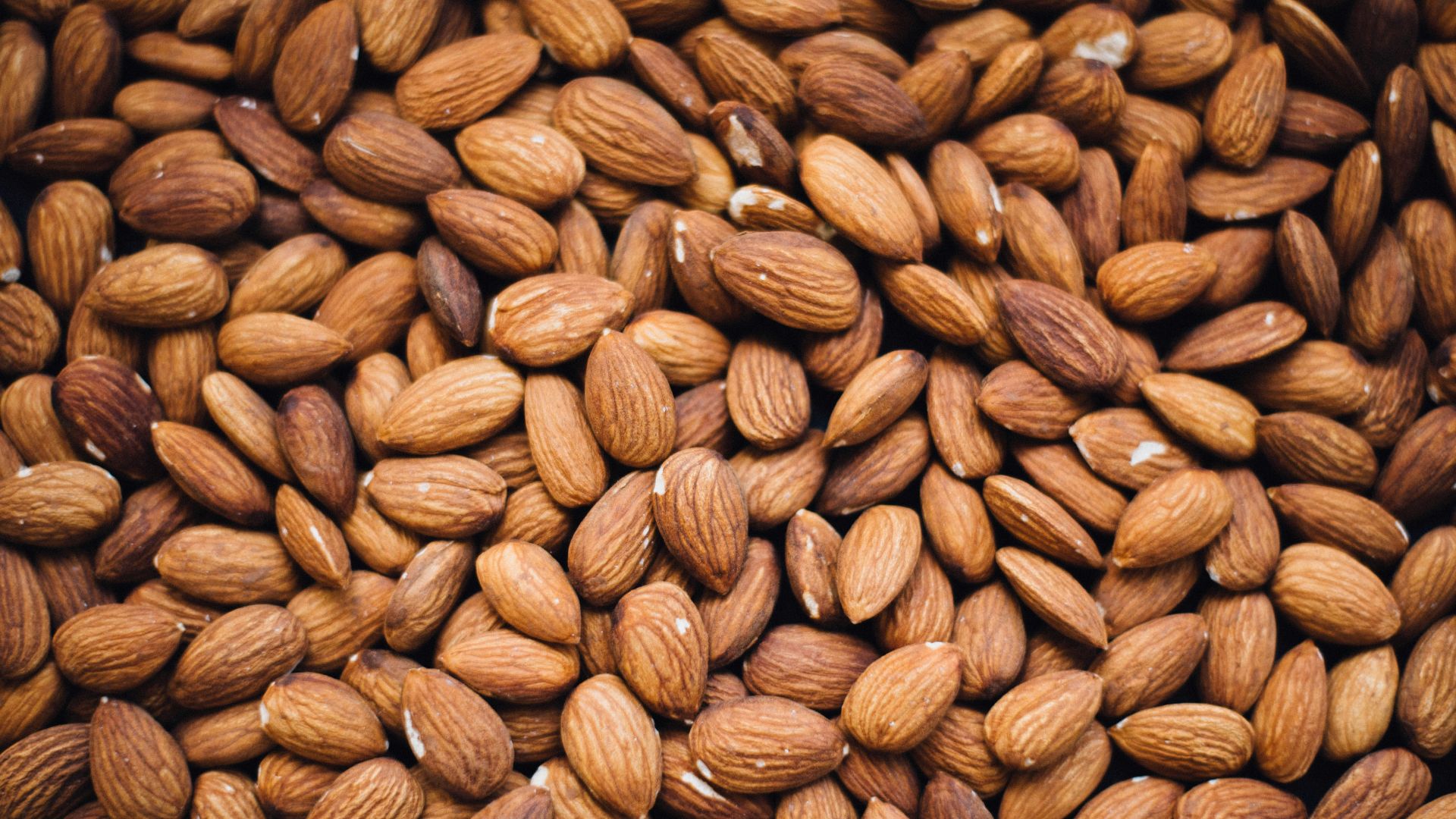
Almonds show up often in studies on LDL and overall lipid profiles, and they are easy to keep in a bag at your desk or in your car. The crunch helps when you want a snack that feels more filling than a granola bar.
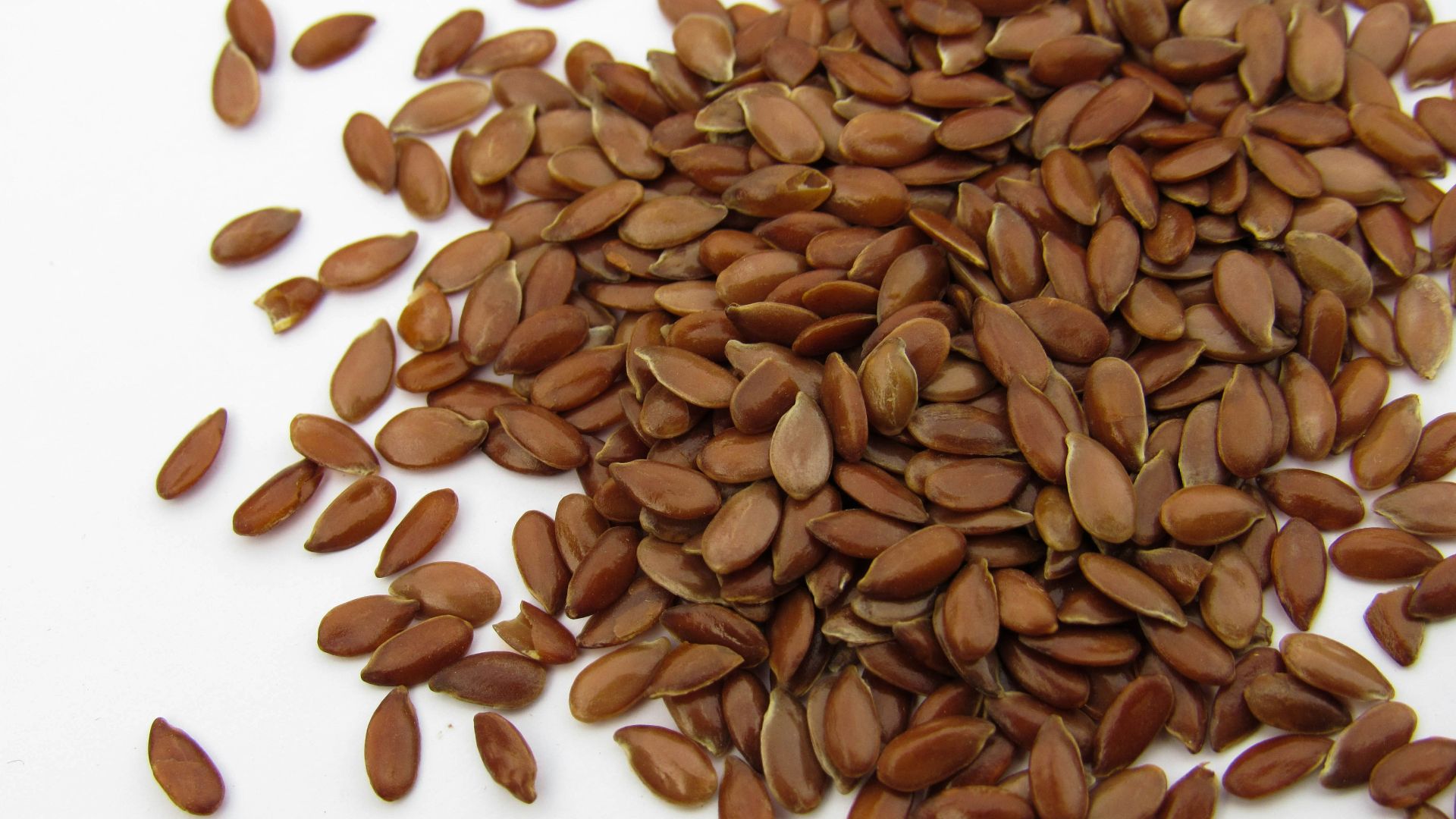
15. Ground Flaxseed
Flaxseed has been studied for lipid effects, with analyses looking at changes in cholesterol patterns across trials. It works best ground, since whole seeds can pass through your body without you gaining any health benefits.
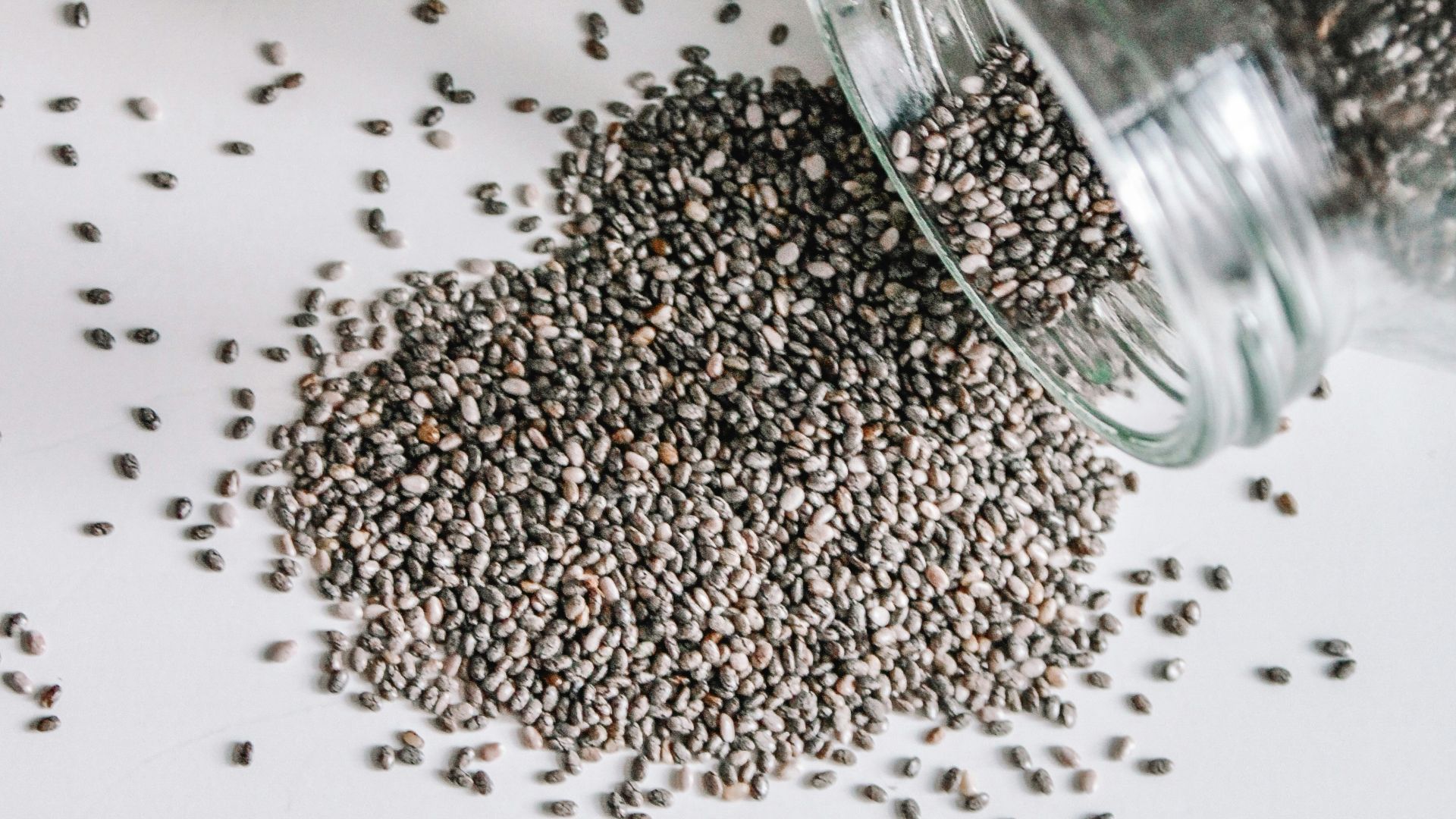
16. Chia Seeds
Chia is a fiber-forward food that can make breakfast feel more substantial, especially when it sets into pudding. The fiber helps with cholesterol-related pathways, and it also slows digestion, which can support steadier blood sugar patterns. Start small if you are not used to high amounts of fiber.
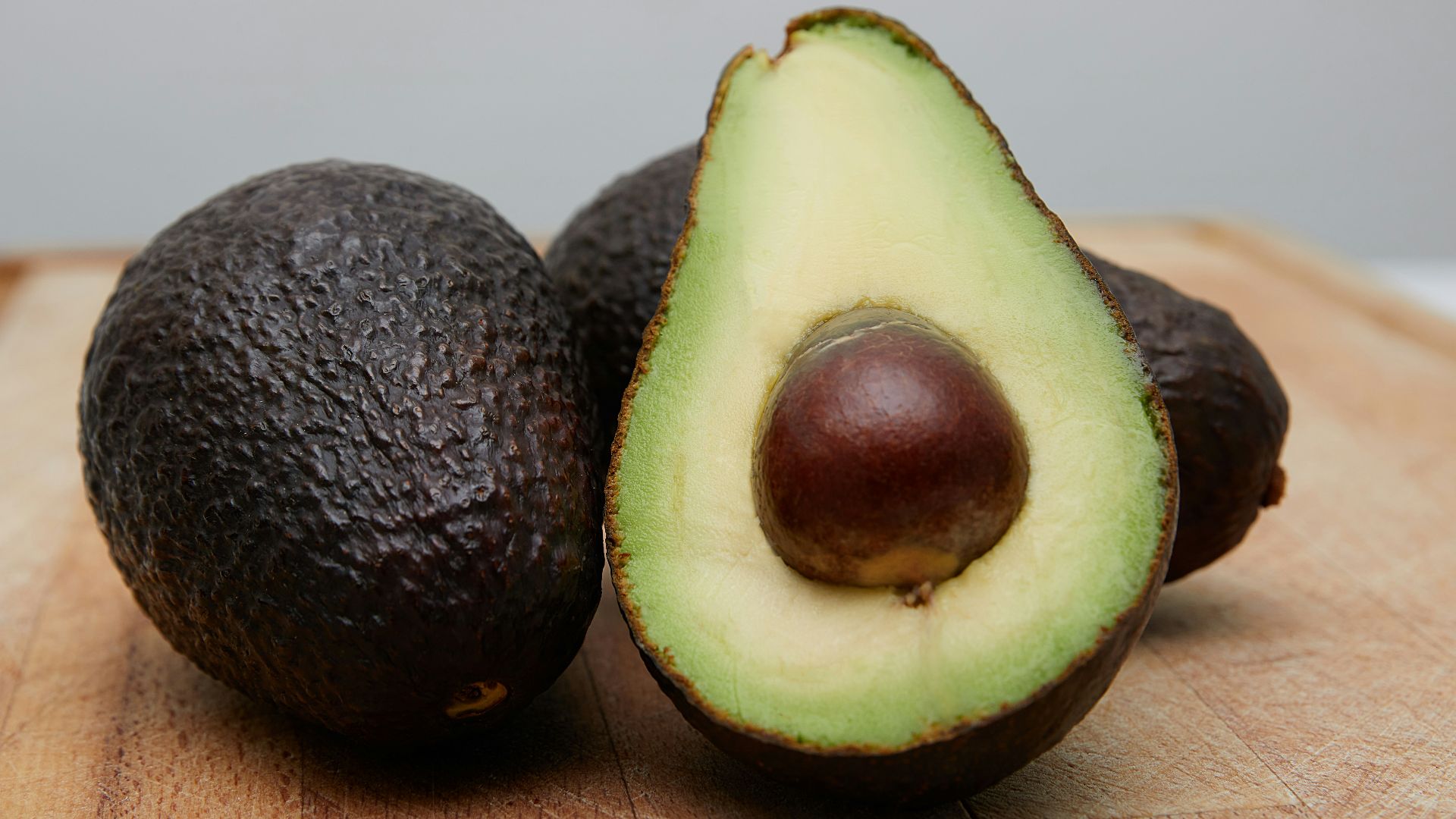
17. Avocado
Avocado is rich in unsaturated fats and fiber, which is a helpful combo for cholesterol management. It also replaces spreads that are heavier in saturated fat, and that substitution is often where the benefit shows up. Keep portions reasonable, since avocado is still energy-dense even when it is a smart choice.
18. Salmon
Fatty fish like salmon are associated with better heart outcomes in population research, and omega-3 fats are well known for helping lower triglycerides at therapeutic doses. Salmon also gives you a satisfying dinner that does not rely on heavy sauces to taste good. Canned salmon works as well, which is a cheaper option than buying whole fillets.
19. Tofu
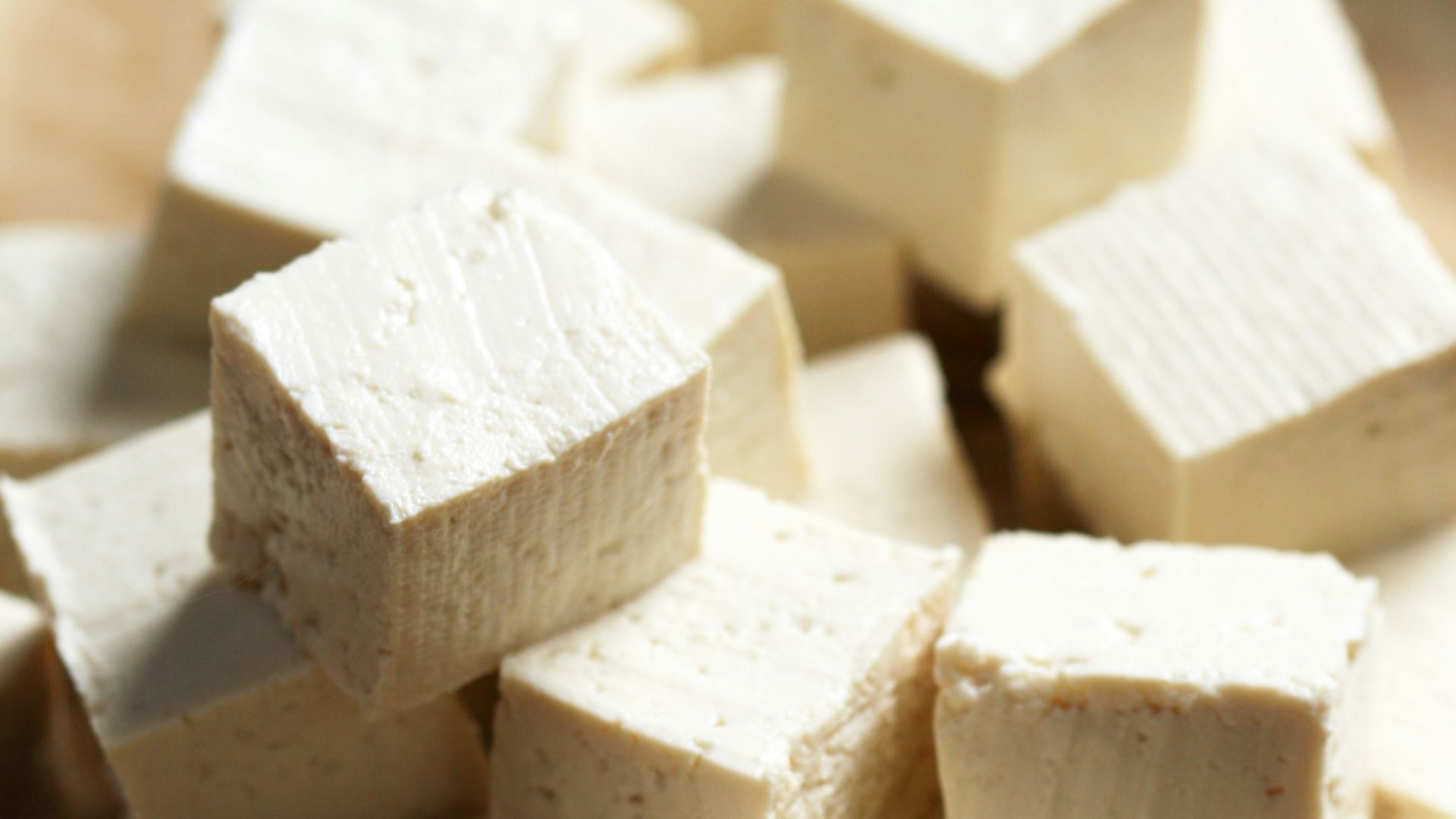
Tofu is a simple way to bring more plant protein into the week, and replacing some red meat meals tends to improve saturated fat intake. The research on soy and heart health has been debated over the years, yet the practical advantage of tofu remains clear: it is a versatile protein that fits well into just about any diet.
20. Dark Chocolate
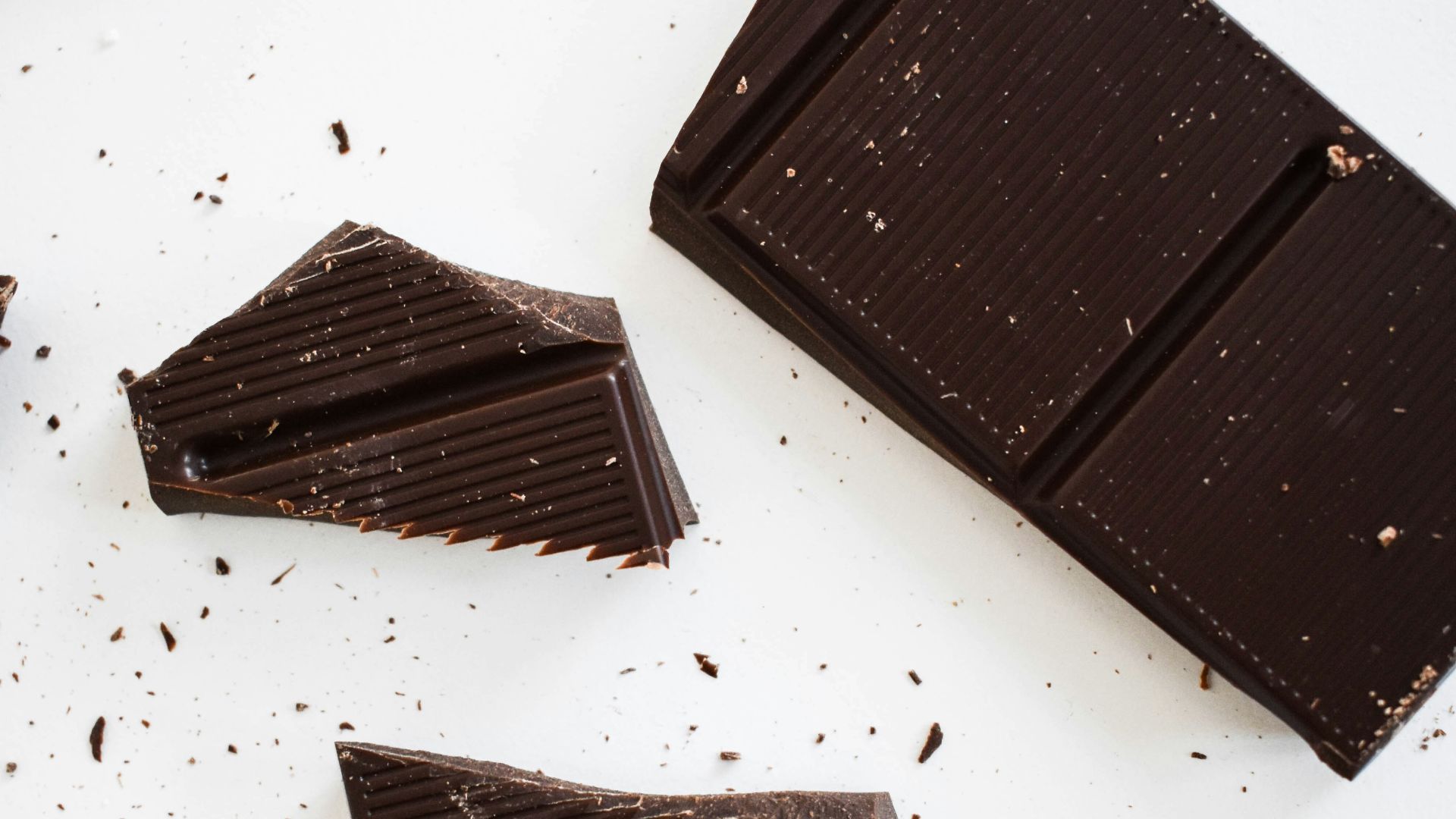
Dark chocolate gets attention because cocoa flavanols have been shown to improve measures of vascular function. The key is choosing options that are actually cocoa-forward, since a candy bar with a little cocoa powder is not the same thing.