
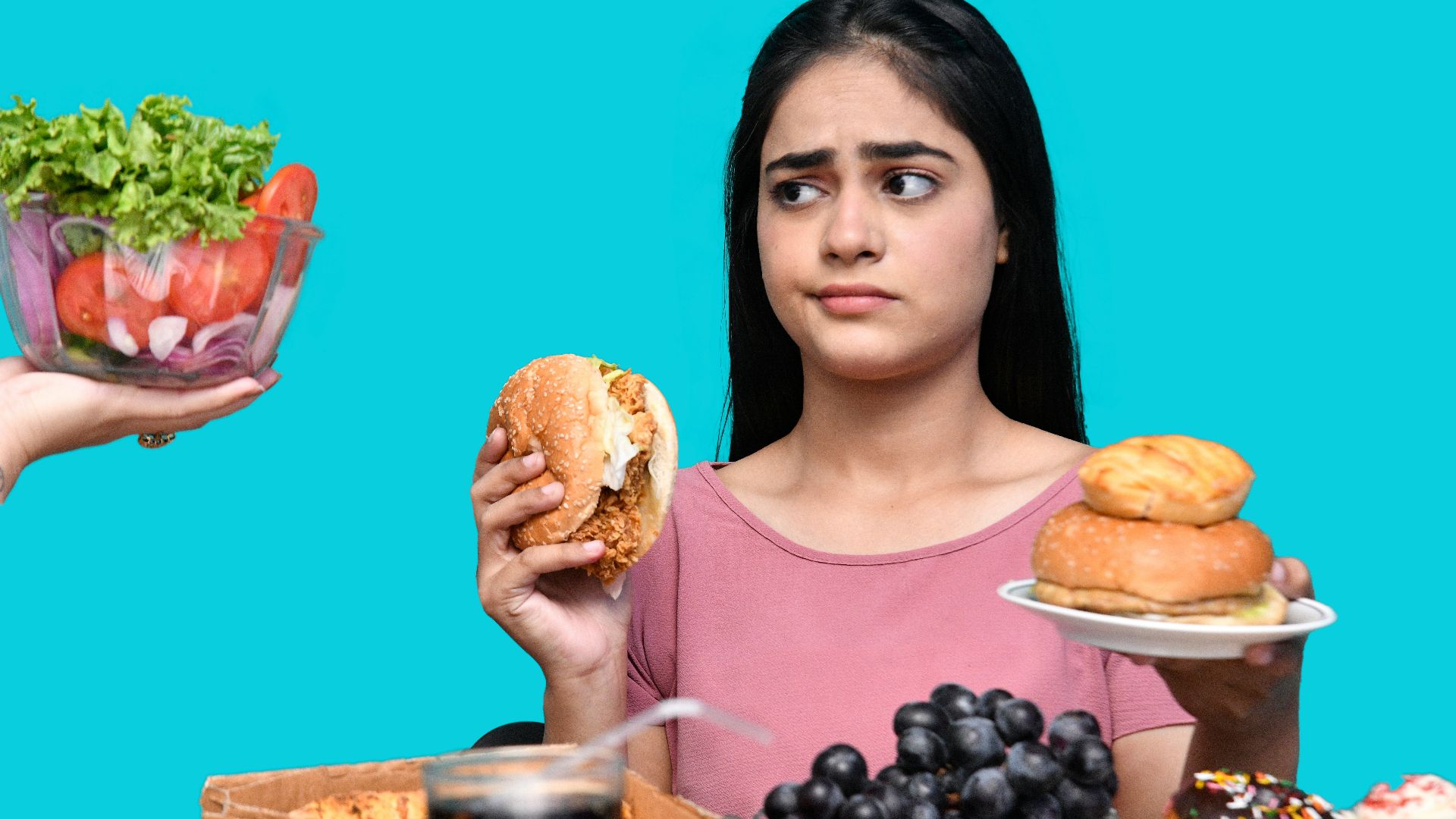
Doctors rarely point to a single food and say it should never cross your lips, but the medical community consistently flags one category that raises concern across multiple specialties. While occasional indulgences won’t derail an otherwise balanced lifestyle, frequent consumption of this food group is strongly linked to health issues. This is why physicians tend to focus on patterns over time rather than isolated choices. The goal isn’t fear, but awareness grounded in evidence.
When doctors talk about “the one food” they most want people to avoid, they aren’t referring to fruits, vegetables, lean proteins, or whole grains. Instead, the concern centers on ultra-processed foods, which dominate modern diets and are engineered for convenience rather than nutrition. These products are designed to be easy to eat, hard to resist, and quick to repeat. However, high intake of ultra-processed foods can lead to increased risks of heart disease, diabetes, obesity, and early mortality.
What Counts As Ultra-Processed and Why It’s Harmful
Ultra-processed foods are defined by the NOVA classification system as products made mostly from industrial ingredients rather than whole foods. These include packaged snacks, sugary cereals, frozen meals, soda, fast food, and processed meats like hot dogs and bacon. Many of these foods contain additives that don’t exist in home kitchens. Their formulation prioritizes taste and shelf life over nutritional value.
Nutritionally, ultra-processed foods are typically high in added sugar, refined carbohydrates, sodium, and unhealthy fats, while being low in fiber and essential micronutrients. This combination promotes weight gain, increases LDL cholesterol, and contributes to chronic inflammation, all of which raise the risk of cardiovascular disease. Over time, these effects place consistent strain on the body’s regulatory systems. The result is a higher disease risk even in people who otherwise appear healthy.
Large population studies show that diets high in ultra-processed foods are associated with higher rates of premature death, certain cancers, and metabolic disorders. Doctors emphasize that this risk is tied to regular intake, not the occasional treat. The concern lies in how easily these foods displace more nourishing options. When ultra-processed foods become dietary staples, protective nutrients are often pushed aside.
How Eating Less Ultra-Processed Food Improves Your Health
Shifting your diet toward whole and minimally processed foods can lead to measurable health improvements. Foods like vegetables, fruits, legumes, whole grains, nuts, and lean proteins provide fiber and nutrients that support heart health, digestion, and stable blood sugar levels. These foods also encourage slower eating, which helps regulate appetite. That natural satiety makes overeating less likely.
Reducing ultra-processed foods lowers intake of added sugars and excess sodium, both of which are linked to hypertension and insulin resistance. Even modest changes, such as replacing sugary drinks with water or choosing fresh meals over packaged ones, can reduce cardiometabolic risk over time. These improvements add up gradually rather than all at once. Doctors often stress that consistency matters more than intensity.
Another benefit is increased awareness of what you’re eating and why. Preparing meals from whole ingredients encourages portion control and intentional choices, which many physicians view as key to long-term health. This awareness strengthens your relationship with food rather than creating restriction. Over time, healthier choices begin to feel automatic rather than forced.
Practical Ways to Avoid Ultra-Processed Food
 Christopher Williams on Unsplash
One of the easiest ways to spot ultra-processed food is by checking ingredient lists. Products with long lists of additives, artificial flavors, or refined sugars are strong indicators that the food is heavily processed. Recognizing these patterns becomes easier with practice. Over time, label reading turns into a quick habit rather than a chore.
Planning meals can reduce reliance on convenience foods when time or energy is limited. Simple preparation strategies, such as batch cooking or keeping whole-food snacks available, make healthier options easier to reach for. This approach reduces decision fatigue during busy days. It also lowers the temptation to default to processed choices.
It’s important to approach dietary change with flexibility rather than rigidity. Enjoying an occasional processed food won’t negate healthy habits or erase progress. Doctors consistently emphasize balance because sustainable habits last longer than strict rules. The aim is improvement, not perfection.
Eating ultra-processed food occasionally isn’t a moral failure or a health disaster. Problems arise when these foods become daily defaults rather than exceptions. By prioritizing whole foods most of the time, you support heart health, metabolic balance, and long-term longevity. That’s why doctors consistently point to ultra-processed foods as the one category worth limiting the most.
KEEP ON READING

The Best Gifts to Give To Any Baking Lover



10 Iconic Australian Foods You Need to Try