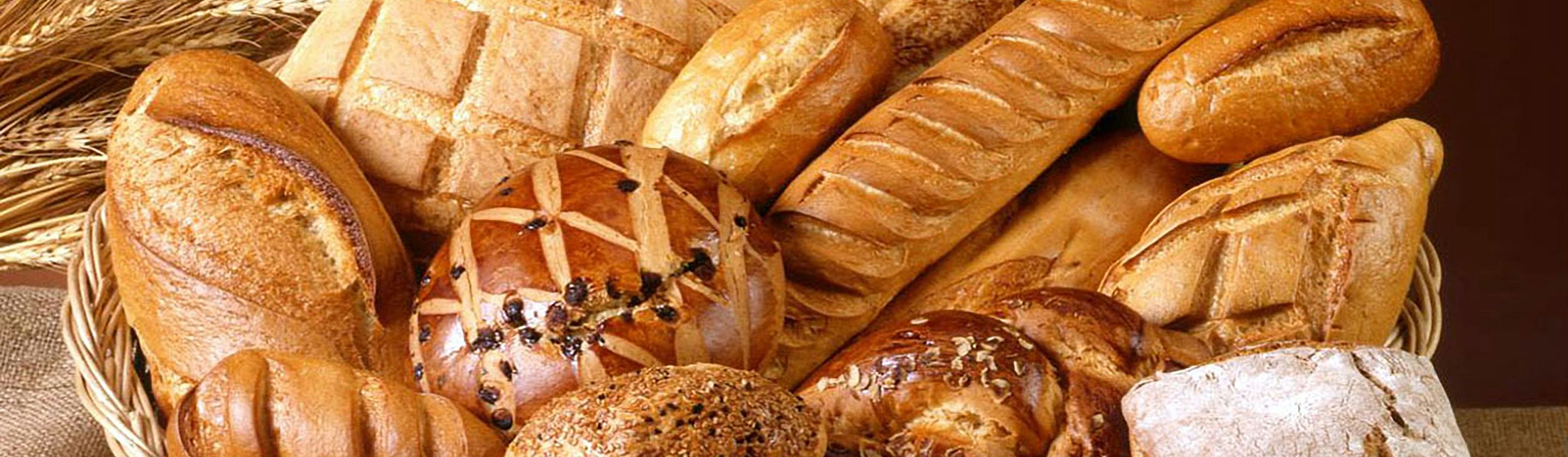

Walking into a bakery when you're trying to eat healthy can feel like navigating a minefield of temptation. The aroma of fresh bread, the gleaming pastries, and those gorgeous loaves can make even the most dedicated health enthusiast question their resolve. Cobs Bread, with its array of artisan breads and baked goods made fresh daily, presents both a challenge and an opportunity for those seeking nutritious options without sacrificing flavor or satisfaction.
The good news is that not all bakery items are created equal when it comes to nutrition. Cobs Bread offers several choices that can fit into a balanced diet, providing fiber, whole grains, and other beneficial nutrients. Understanding which items offer the most nutritional value helps you make informed decisions that align with your health goals while still enjoying the pleasure of fresh-baked goods.
Whole Grain and Sprouted Grain Breads Lead the Pack
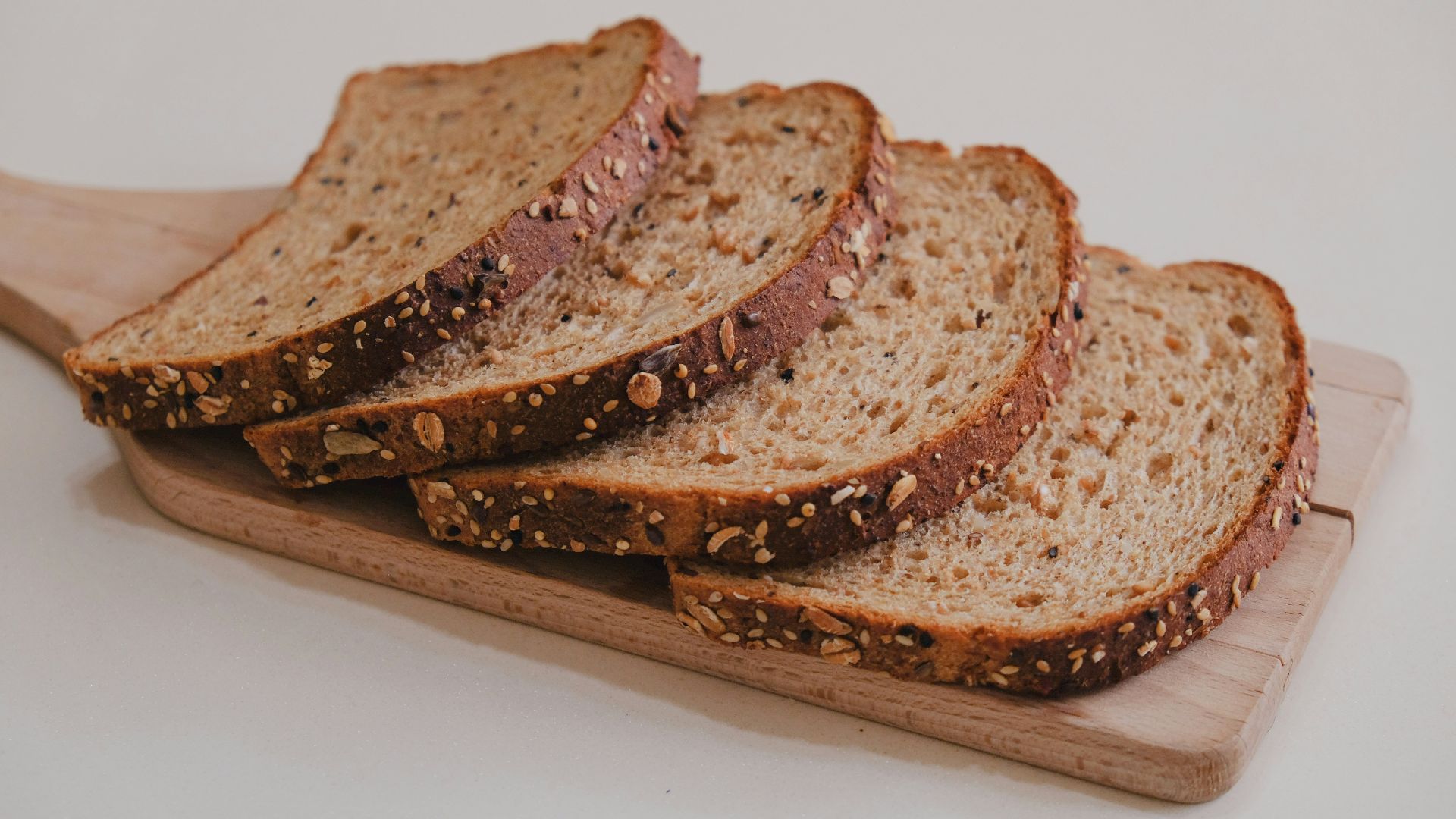
Whole-grain breads at Cobs represent some of the healthiest choices you can make at the bakery. These loaves contain all three parts of the grain kernel: the bran, germ, and endosperm, which means they retain more fiber, vitamins, and minerals than their refined counterparts. When you're scanning the shelves at Cobs, look for options like their whole wheat varieties, which provide sustained energy and keep you feeling fuller longer than white bread alternatives.
Sprouted grain breads take nutritional benefits a step further through the sprouting process. When grains are sprouted before being baked, enzymes break down some of the starches and proteins, potentially making nutrients more bioavailable and easier to digest. The sprouting process also increases the bread's content of certain vitamins, particularly B vitamins and vitamin C. Cobs' sprouted grain options typically contain a blend of sprouted wheat, barley, and other grains, creating a nutrient-dense choice that still delivers on taste and texture.
The fiber content in these whole and sprouted grain breads shouldn't be overlooked. A couple of slices of whole-grain bread from Cobs can contribute 4 to 6 grams of fiber toward your daily needs. This fiber supports digestive health, helps regulate blood sugar levels, and contributes to cardiovascular wellness.
Scones and Muffins Can Be Surprisingly Sensible Choices
While scones often get dismissed as indulgent treats, certain varieties at Cobs offer more nutritional merit than you might expect. Fruit-studded scones, particularly those featuring berries or cranberries, provide antioxidants alongside your carbohydrates. Blueberries, for instance, are rich in anthocyanins, compounds that are linked to improved cognitive function and reduced inflammation. Opting for a scone with visible fruit pieces means you're getting some of these beneficial compounds along with your baked good.
The portion sizes of Cobs' scones work in your favor compared to many coffee shop alternatives. Many commercial scones can clock in at 500 calories or more, but bakery scones tend to be more modest in size, making it easier to enjoy one without derailing your nutritional goals for the day. Pairing a scone with protein, such as Greek yogurt or a handful of nuts, creates a more balanced snack that provides sustained energy rather than a quick sugar spike and crash.
When selecting muffins at Cobs, you'll want to gravitate toward those featuring whole grains, seeds, or bran. Bran muffins, while not the most glamorous option, pack a significant fiber punch that supports digestive regularity. Seeds like flax or chia add omega-3 fatty acids and additional fiber to the nutritional profile. Omega-3 fatty acids are excellent for heart health, as they help to reduce inflammation and support healthy cholesterol levels.
Hearty Loaves With Seeds and Ancient Grains Offer Premium Nutrition
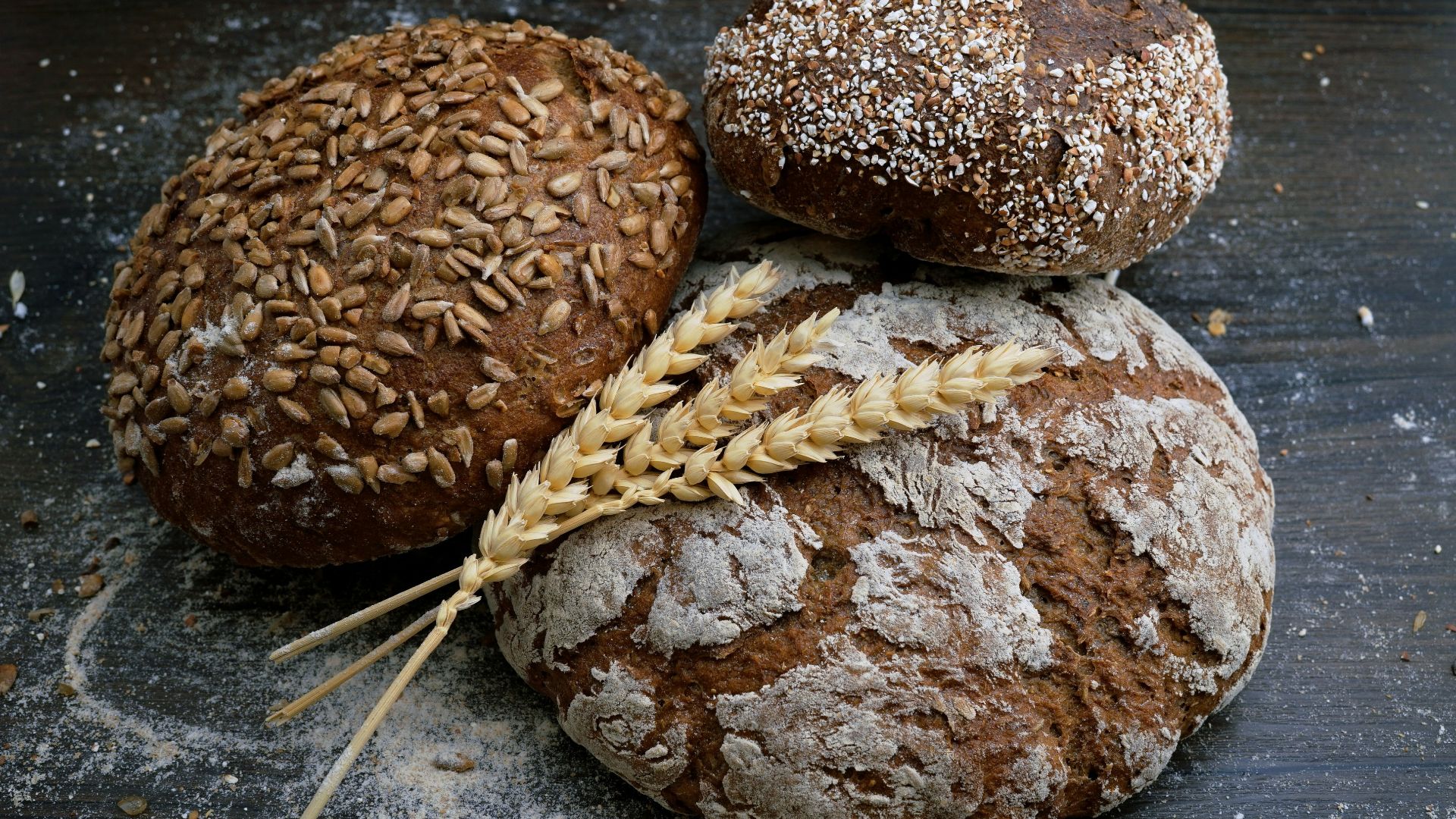
Seed-enriched breads at Cobs deserve special attention for their impressive nutritional profiles. Loaves studded with pumpkin seeds, sunflower seeds, flax seeds, or sesame seeds deliver healthy fats, protein, and an array of minerals, including magnesium, zinc, and iron. These seeds transform a simple loaf into a more complete nutritional package. Pumpkin seeds alone contain high levels of magnesium, which the National Institutes of Health identifies as crucial for over 300 biochemical reactions in the body, from protein synthesis to muscle and nerve function.
Ancient grain breads incorporating ingredients like quinoa, amaranth, or kamut provide diversity beyond standard wheat. These grains often contain higher protein levels than modern wheat varieties and offer different amino acid profiles, making them valuable for those seeking to vary their grain intake. Quinoa, for example, is one of the few plant-based complete proteins, containing all nine essential amino acids. When baked into bread, it contributes a nutty flavor along with its nutritional benefits.
The multigrain loaves at Cobs typically combine several different grains and seeds, creating what nutritionists call nutritional synergy. This variety ensures you're getting a broader spectrum of nutrients than single-grain breads provide. Different grains contribute different vitamins, minerals, and phytonutrients, and consuming them together may enhance overall nutrient absorption. These heartier loaves also tend to have lower glycemic index values than refined breads, meaning they cause a slower, more gradual rise in blood sugar levels after eating, which supports better energy management throughout your day.
KEEP ON READING

The Most Popular Signature Dishes Around the World