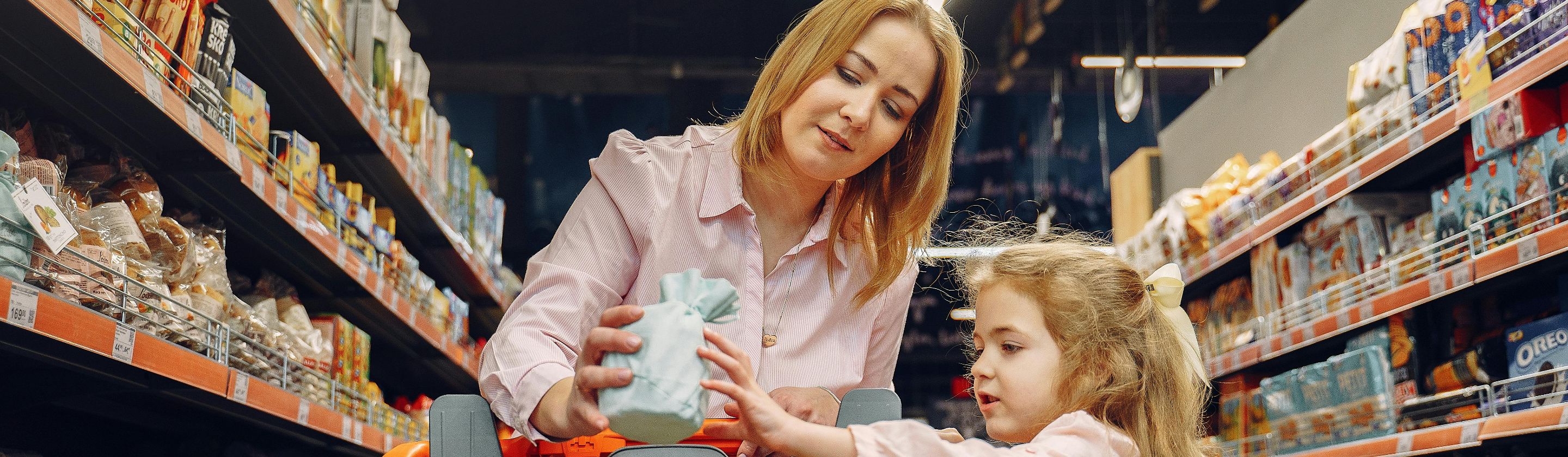

Walk through any grocery store and the packages scream at you. Natural. Lightly sweetened. Made with real fruit. The labels promise health, purity, and goodness wrapped in convenient packaging. We used to believe them—the key word being “used to.”
This erosion of trust is not paranoia. According to research on consumer knowledge about food labeling and fraud, over 65 percent of people admit having difficulty understanding the information on food products. About 55 percent declared they do not trust the details provided by manufacturers. The skepticism runs deep because the deception runs deeper.
The Language Game Has No Rules
The FDA regulates some food label claims with strict definitions. Terms like sugar free, reduced sugar, and no added sugars have legal meanings. Everything else exists in a regulatory gray zone where food companies play word games with our health.
Consider the phrase lightly sweetened. A cup of Morning Summit cereal carrying this label contains 14 grams of added sugars. Gold Peak iced tea labeled slightly sweet packs 16 grams of added sugars in 12 ounces. The terms have no FDA definition, no legal standard, no meaning beyond marketing. Products plastered with keto or gluten-free create impressions of healthfulness while often being ultraprocessed foods made with industrial ingredients.
The natural claim represents perhaps the most egregious example of regulatory abandonment. The FDA has an informal policy from 1991 suggesting natural means nothing artificial or synthetic has been added. This policy carries only the weight of an advisory opinion. Companies slap natural on products containing genetically modified organisms, synthetic citric acid, and manufactured ingredients.
NSF's 2025 U.S. survey showed only 16% trusted health claims fully, with many misinterpreting nutrient benefits like sterols in plant products. Made with real fruit labels display pictures of fresh strawberries on packages while the ingredient list reveals the fruit is actually pears from concentrate and strawberry flavor. The gap between implication and reality is a canyon.
The Enforcement System Protects Nobody
Unlike the USDA, which reviews all labels before allowing publication, the FDA relies on voluntary compliance. Companies publish labels without prior agency review. The FDA can send warning letters and adjust guidelines. However, the agency has no ability to leverage fines or recall food products for false claims, only for food safety issues.
This toothless system produces predictable results. Food labeling litigation has exploded. Cases grew from 19 in 2008 to 325 class action cases by 2021, the highest count to date. The litigation represents more than one thousand percent increase since 2008. Companies have realized there is scant danger from mislabeling. Products often remain on shelves even while cases wind through courts.
The FDA occasionally issues warning letters, but these carry little weight. Following a 2005 congressional request for a report on food labeling violations, the FDA acknowledged it was merely scraping the tip of the iceberg. Federal courts have repeatedly requested clearer FDA definitions to help resolve litigation. The agency has declined.
Even when caught, the consequences barely register. When butter labeled all natural was found to contain PFAS, when products advertised as made with real fruit turned out to contain mostly juice concentrates, the companies involved faced class action settlements that primarily benefited lawyers rather than deceived consumers.
The Information Asymmetry Is Intentional
Food manufacturers spend billions creating confusion. Kraft Heinz's full-year 2023 global advertising expenses totaled around $1.2–1.5 billion. Meanwhile, according to FDA estimates, updating nutrition labeling costs companies less than 4,500 dollars per product. The investment in deception dwarfs the cost of honesty.
Front-of-package claims exploit consumer psychology. NSF's 2025 U.S. survey noted 1 in 5 struggle with nutritional info interpretation. Rather than simplifying information, companies layer on misleading front-of-package claims that create health halos around junk food.
The ingredients list provides some protection, if you know how to read it and have time to decode every purchase. Food companies count on you not having that time. They count on you grabbing the package with the reassuring claims and moving on with your day. In one study, more than half of foods in U.S. grocery stores from 2006 to 2007 had nutrient claims like high fiber and low sodium. These remain common today, displayed prominently while the actual nutritional content tells a different story.
The system is working exactly as designed, just not for us. Food companies have captured the regulatory process, flooded the market with meaningless claims, and made billions selling processed foods as health foods. We stopped trusting food labels because food labels gave us excellent reasons to stop trusting them. The only mystery is why it took us so long.