10 Gut-Health Foods Worth the Hype & 10 You Can Skip
Why Gut Health Gets So Much Attention
Gut health has become one of wellness culture’s favorite topics, and that attention is well deserved given the many bodily processes it supports. Your digestive system does a lot more than process food, so it makes sense that what you eat can affect how you feel day to day. Still, not every trendy product with a “gut-friendly” label earns a permanent spot in your kitchen. Some foods really can support digestion, while others are more hype than help. Here are 10 foods that are worth the hype and 10 that are mainly just marketing.

1. Plain Yogurt
Plain yogurt is still one of the most talked-about gut-health foods, and for good reason. Many kinds contain live cultures that can help support a healthy balance of bacteria in your digestive system. It’s also easy to work into your routine, whether you eat it at breakfast or use it in sauces, dressings, and dips.

2. Kefir
Kefir deserves its reputation because it usually contains a wider variety of live cultures than standard yogurt. It’s tangy, drinkable, and often easier for some people to digest than milk. Since it also provides protein and other nutrients, it does more than just lean on its probiotic image.
3. Sauerkraut
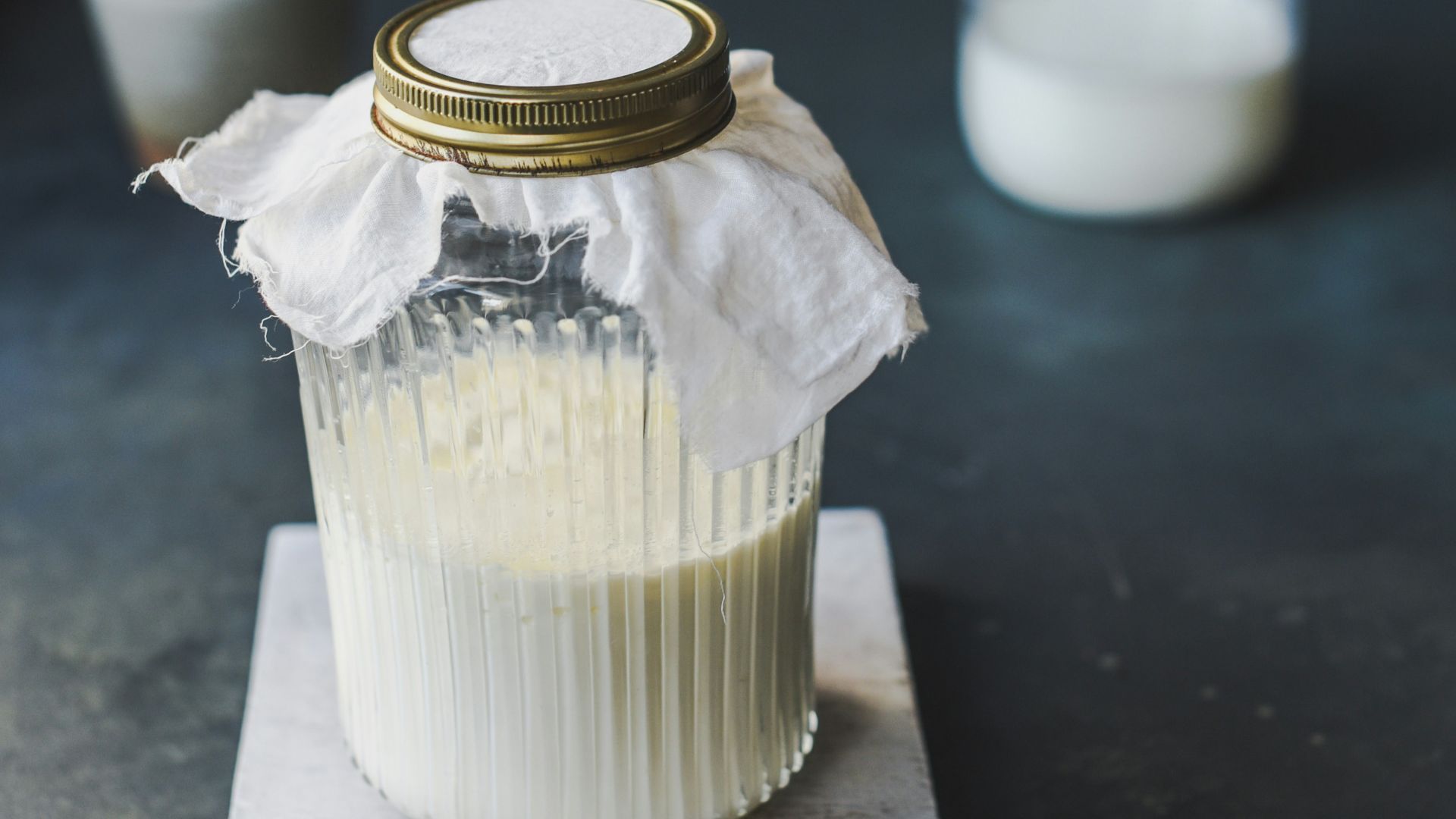
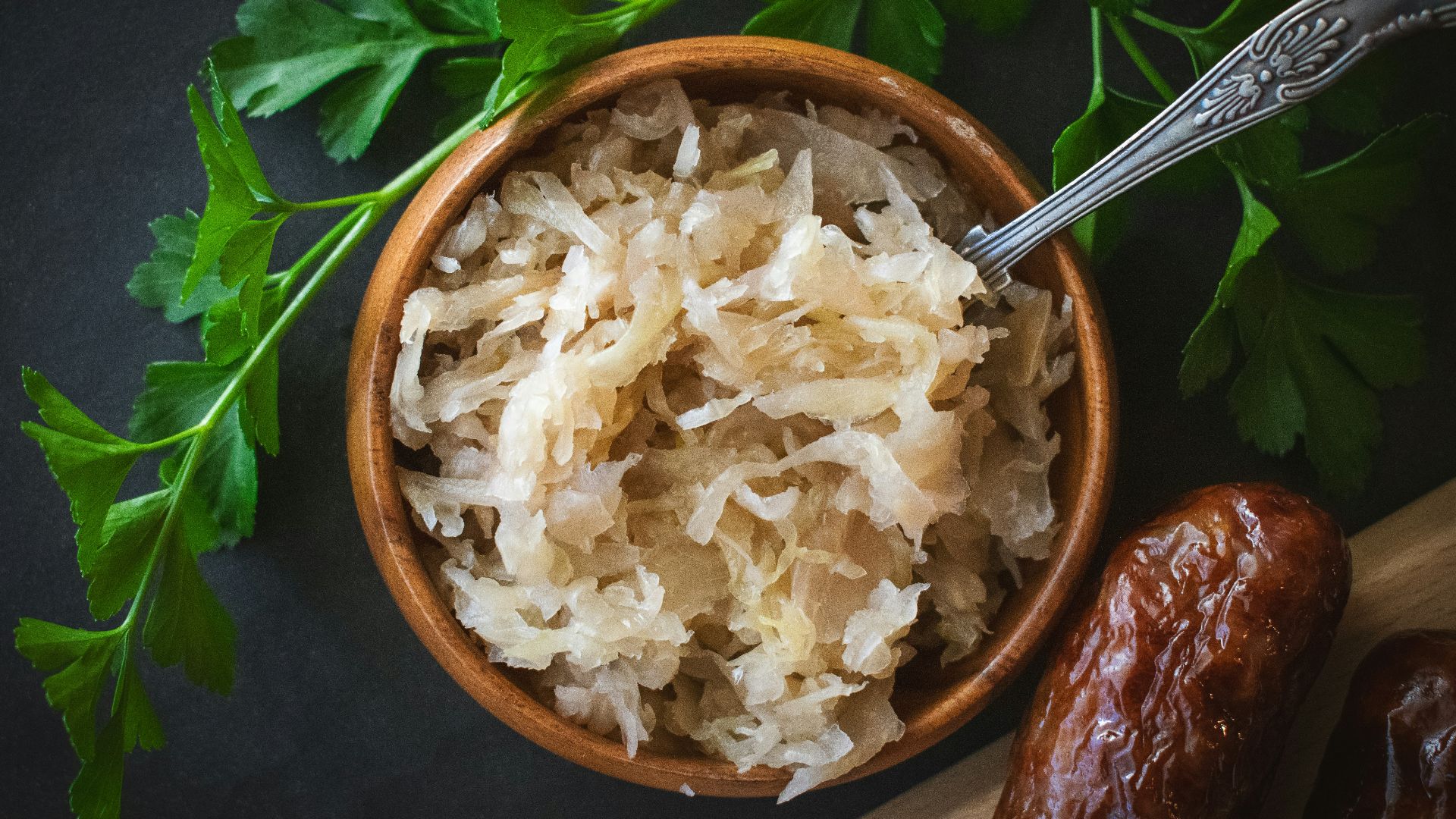
Real sauerkraut, especially the refrigerated kind with live cultures, can actually bring something useful to the table. It gives you probiotics along with a punchy flavor that can brighten up meals without much effort. On top of that, cabbage also contains fiber, which your gut tends to appreciate.
4. Kimchi
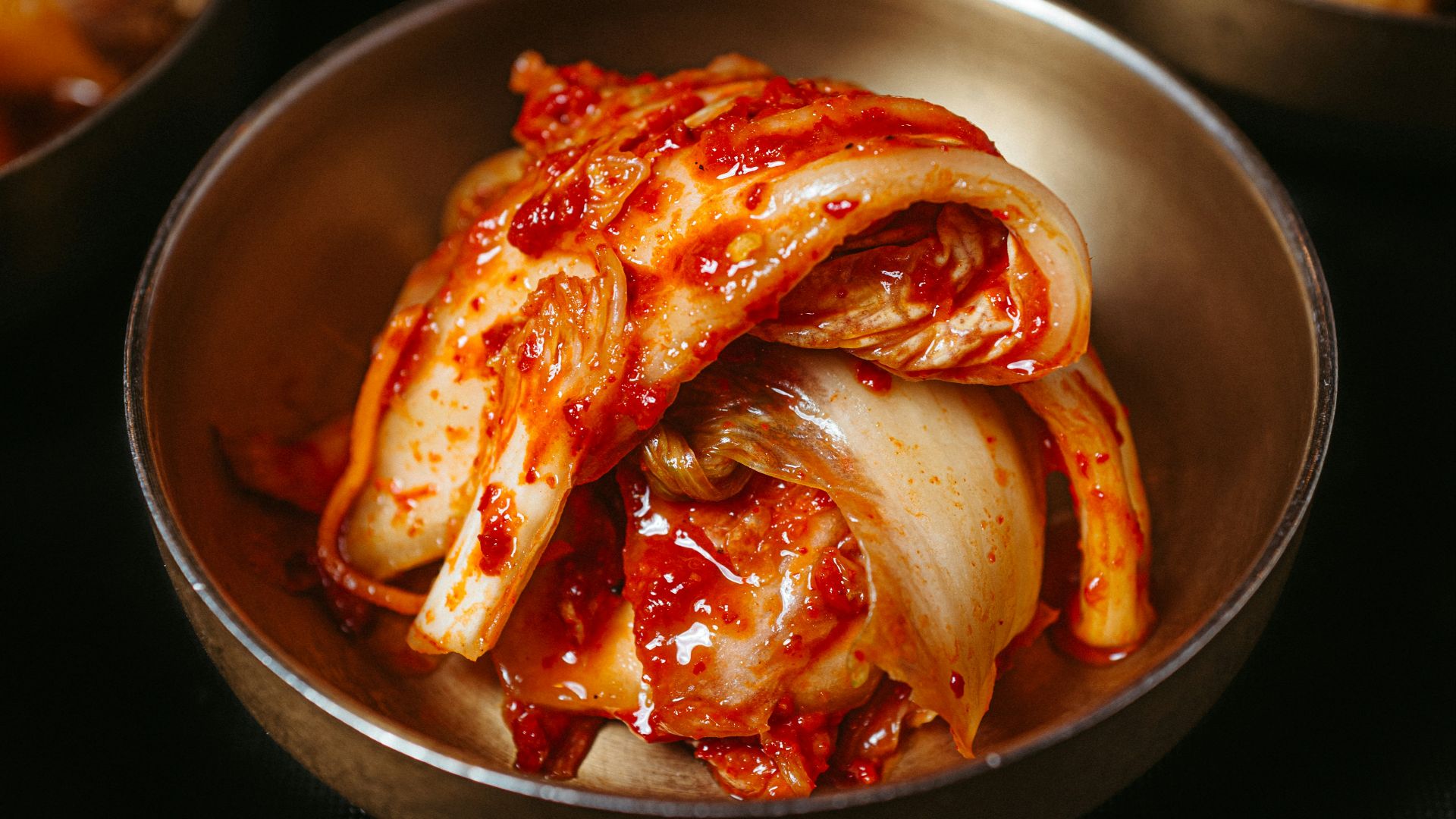
Kimchi gets plenty of praise, and much of it is earned because it combines fermented ingredients with vegetables in one food. The fermentation process can support gut-friendly microbes, while the vegetables add fiber that your digestive system can use. It also has a bold flavor, which makes healthy eating feel less like a chore.
5. Oats
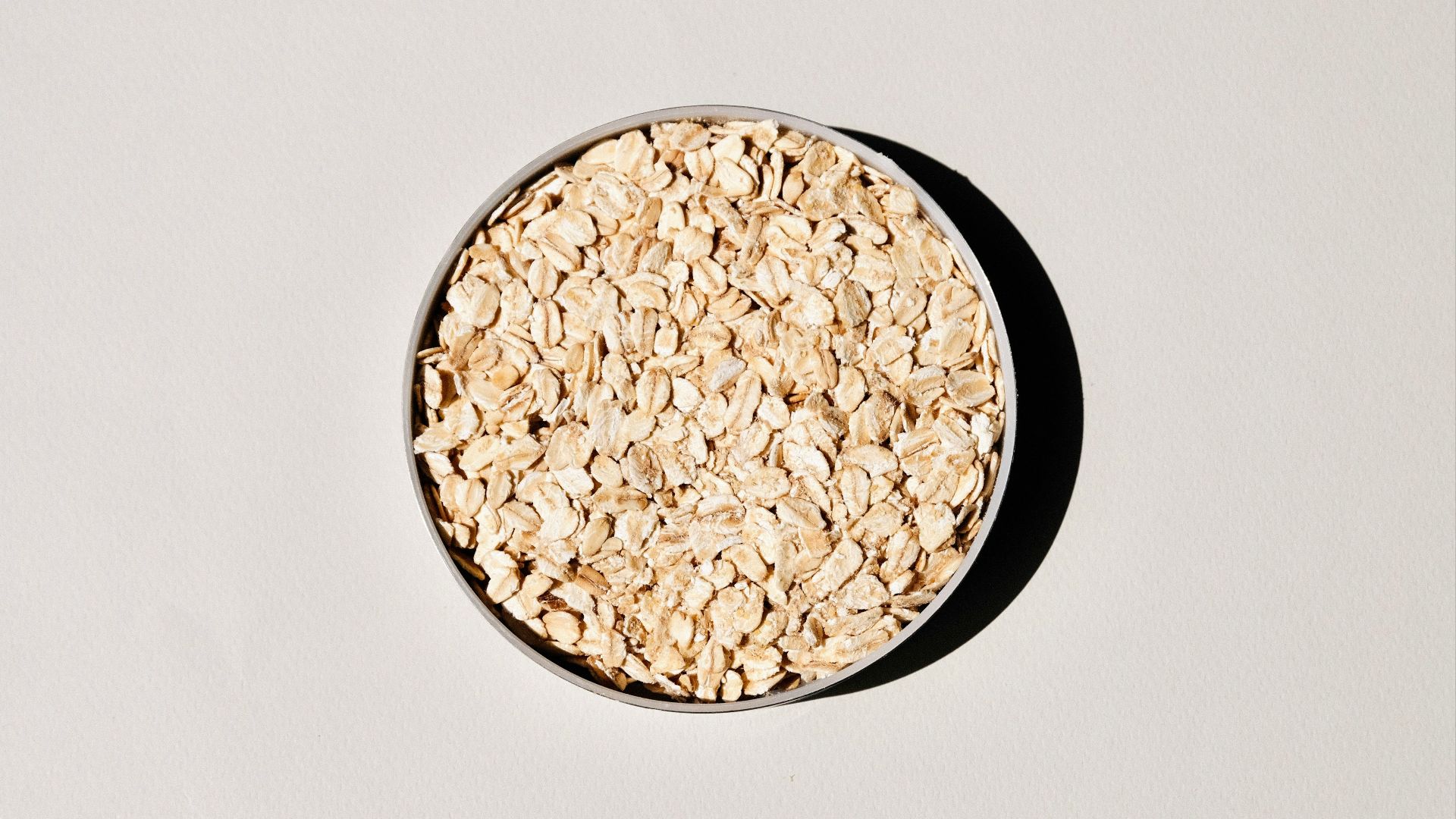
Oats don’t always get the same attention as fermented foods, but they absolutely belong in the conversation. They’re rich in soluble fiber, which can help feed beneficial gut bacteria and support regular digestion. A bowl of oatmeal is also one of the easiest ways to get consistent fiber without overthinking it.
6. Beans
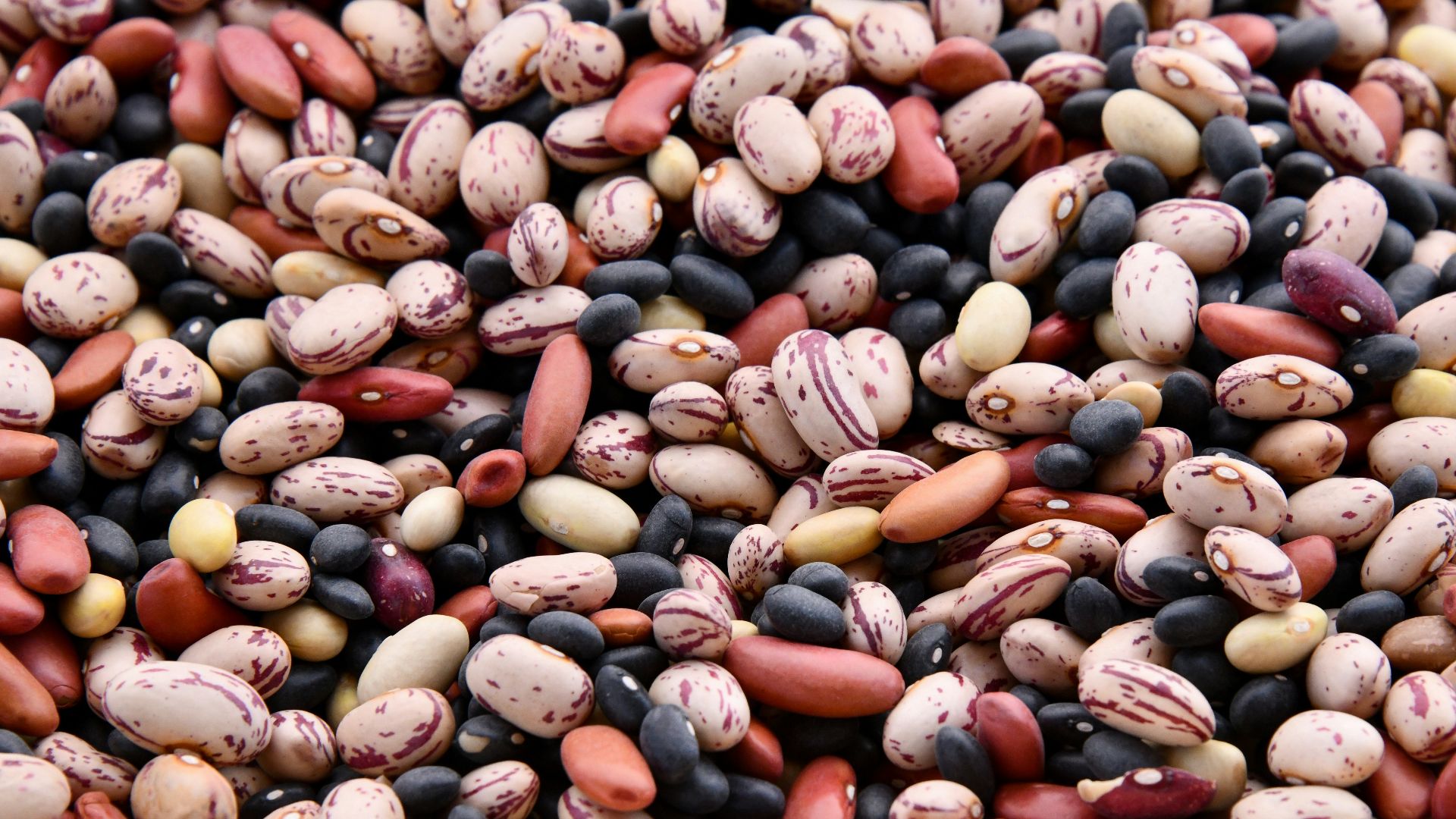
Beans are one of the strongest gut-health foods around, even if they don’t get the same glamorous marketing as kombucha. They’re packed with fiber and resistant starch, both of which help nourish the microbes in your gut. They can cause gas for some people at first, but that doesn’t mean they’re bad for you. Usually, it just means your system needs time to adjust.
7. Lentils
Lentils are another food that’s worth every bit of praise they get from nutrition experts. They provide fiber, plant protein, and compounds that support a healthier gut environment over time. They’re also versatile enough to fit into soups, salads, grain bowls, or simple weeknight dinners.

8. Bananas
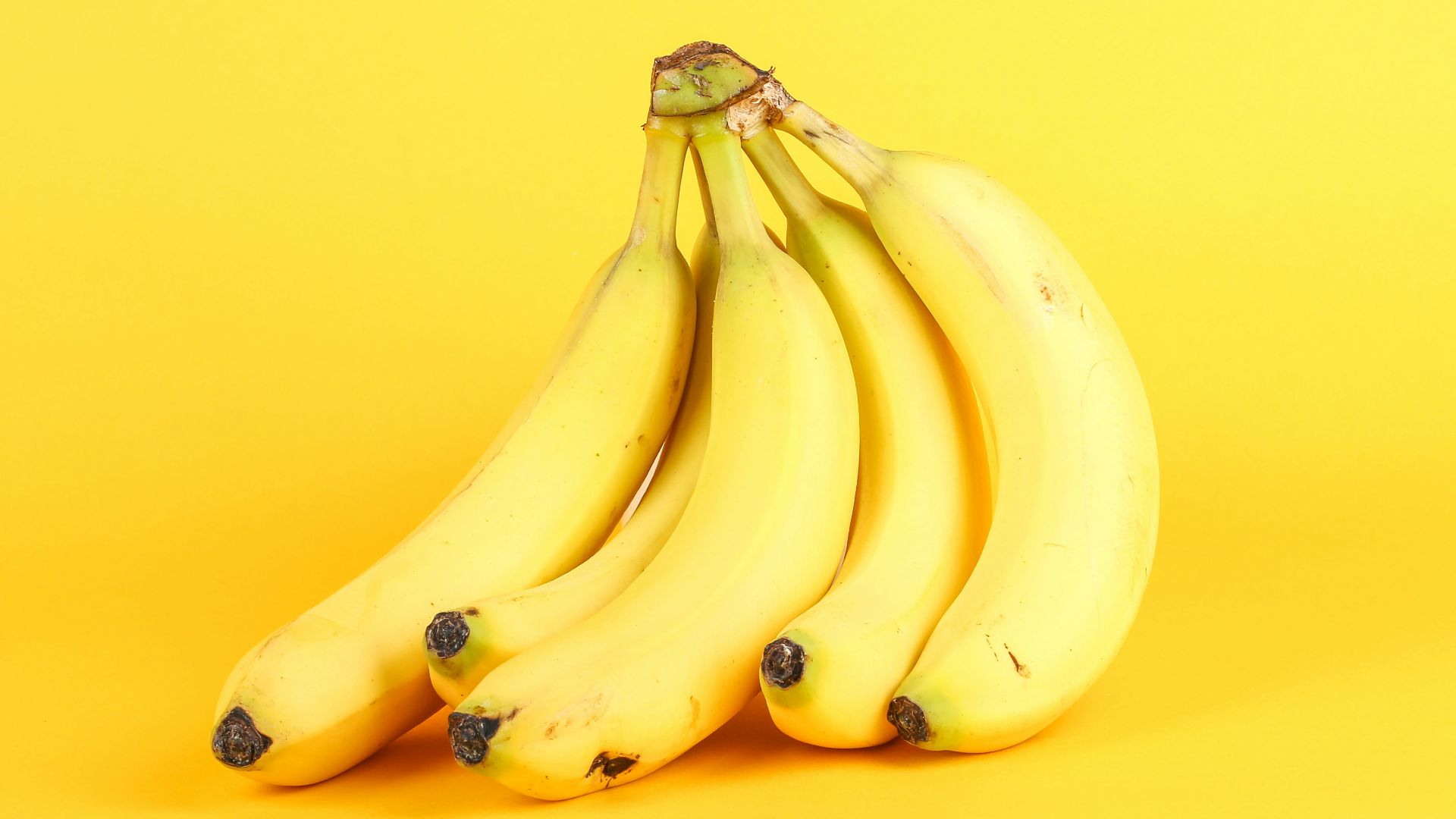
Bananas may seem too basic to be exciting, but they’ve earned their place on the list. They contain fiber and certain carbohydrates that can act as fuel for beneficial gut bacteria, especially when they’re slightly less ripe. They’re also gentle on the stomach, which makes them appealing when your digestion feels off. They're proof that not every gut-boosting food has to come in expensive packaging.
9. Garlic
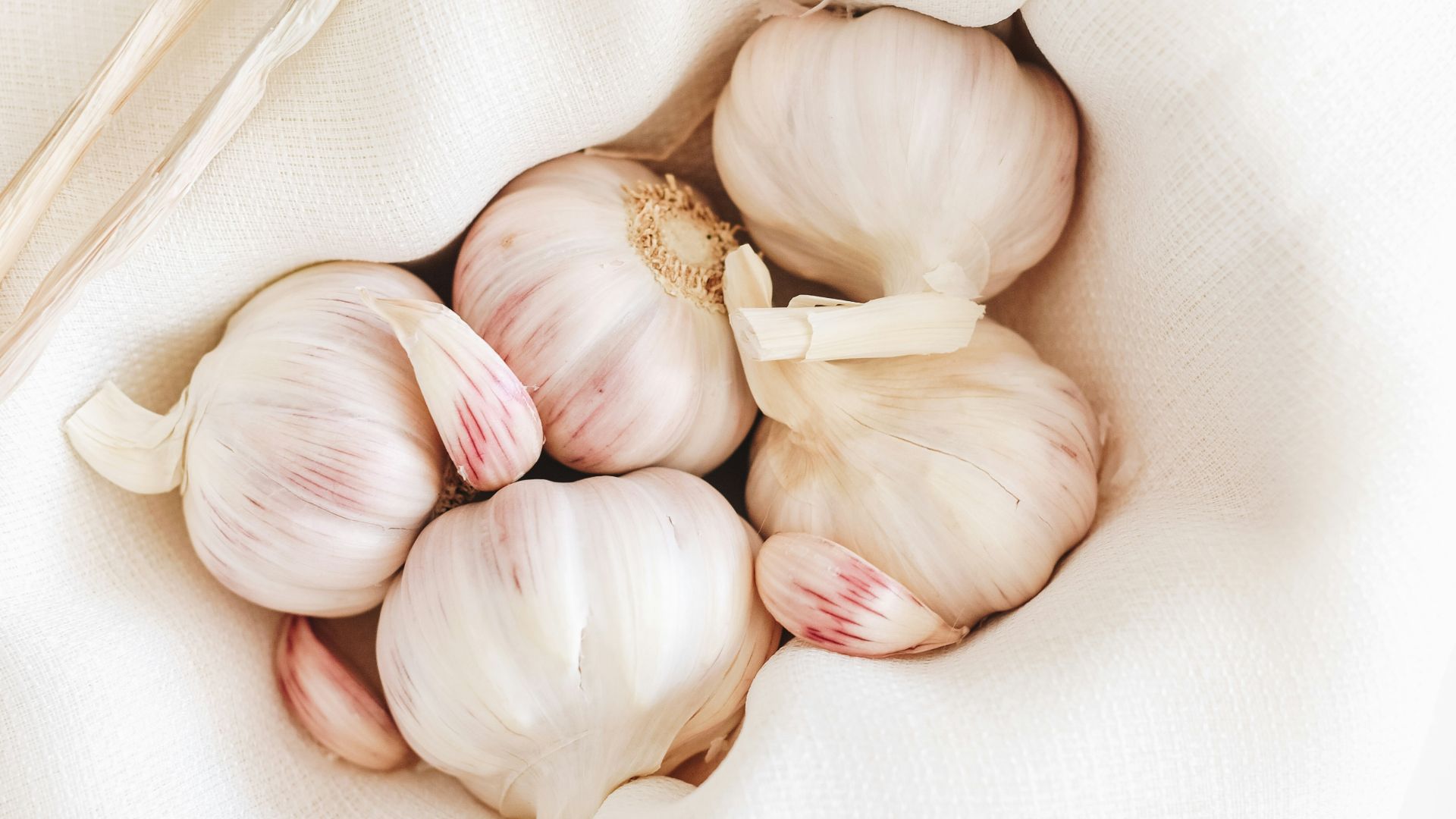
Garlic does more than just make dishes taste amazing. It contains prebiotic compounds that help feed the good bacteria already living in your digestive tract. That means it supports gut health in a different way than fermented foods do, which is part of why it’s so useful. You probably already cook with it, so this is one of the easier wins.
10. Asparagus
Asparagus is often recommended for gut health because it contains prebiotic fiber that can help beneficial microbes thrive. It also brings vitamins and minerals to the plate, which makes it more than a one-note health food. Roasted, grilled, or tossed into pasta, it’s pretty easy to work into meals without much effort. For once, a vegetable with a strong reputation actually lives up to it.

Now that we've talked about the gut-boosting foods that deserve their hype, let's cover the ones that don't.
1. Sugary “Probiotic” Cereals
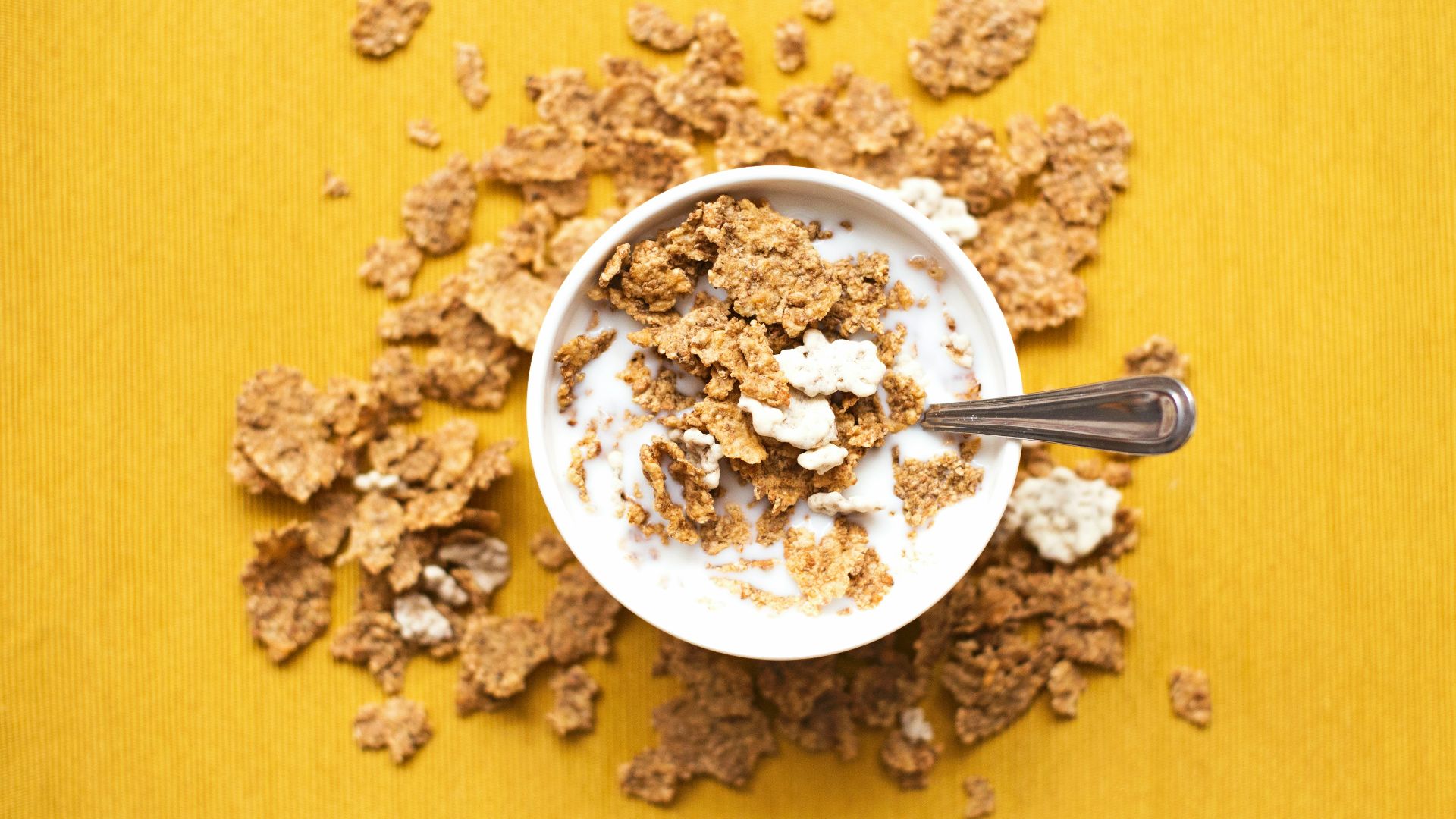
Some cereals love to advertise added probiotics, but that doesn’t automatically make them gut-health heroes, but look past the marketing, and you'll see it's actually just a sugar bomb in disguise. You’re not doing your digestive system many favors by treating candy-like cereal as a wellness staple. In these cases, oats or a higher-fiber breakfast will give you more actual value.
2. Kombucha Loaded With Sugar
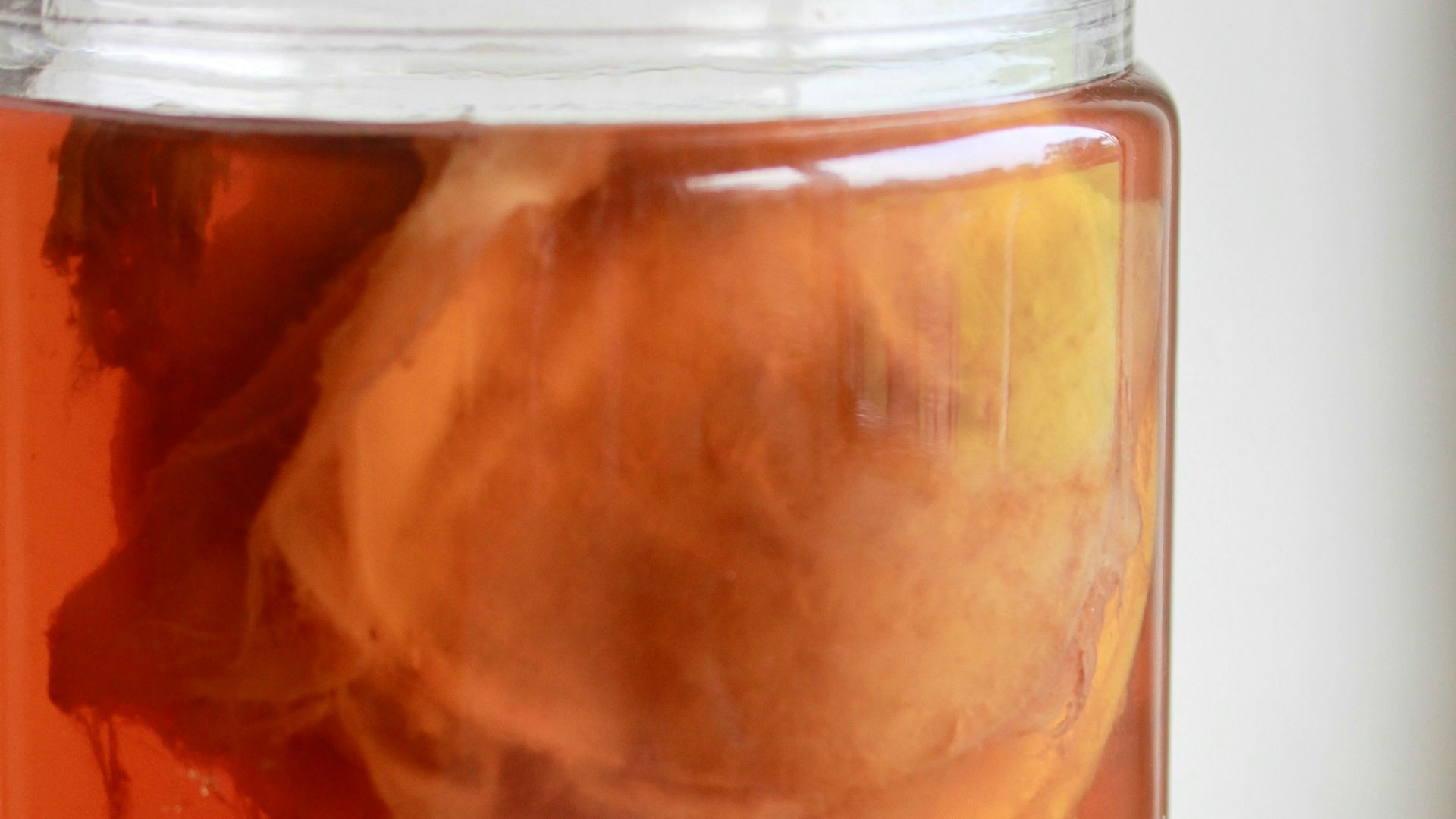
Kombucha can have some benefits, but not every bottle deserves the health halo it gets. Many store-bought versions are loaded with sugar, which can make them feel more like a soft drink with a better publicist. If you enjoy it, that’s fine, but it shouldn’t get automatic credit just because it’s fermented.
3. Fiber Brownies & Snack Cakes
Packaged brownies and snack cakes with “added fiber” are a classic example of health marketing doing a little too much. Tossing extra fiber into a dessert doesn’t suddenly turn it into a gut-health food. These products are still usually highly processed and often packed with sugar or sugar alcohols that can upset digestion for some people.

4. Yogurt-Covered Snacks
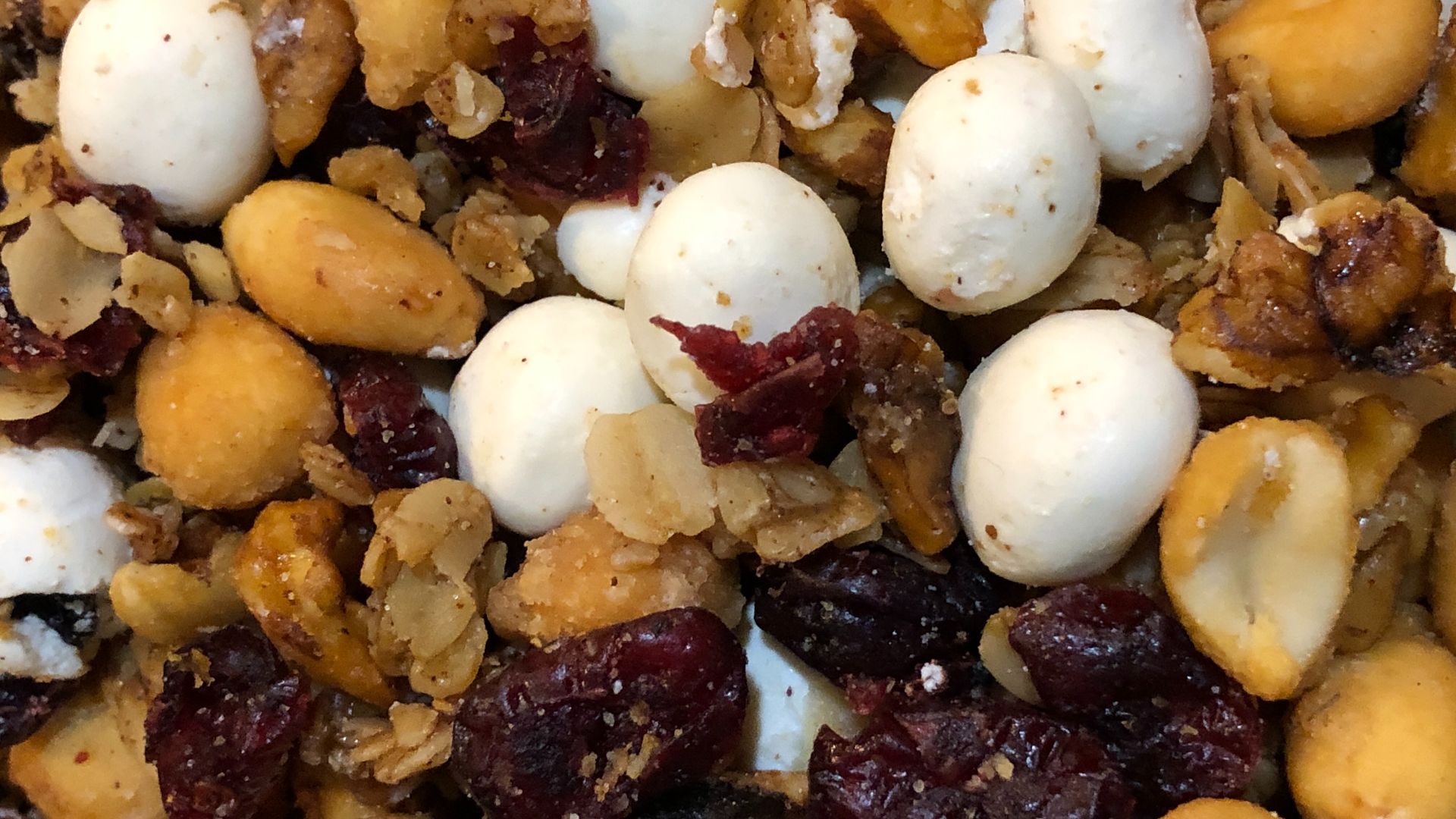
Yogurt-covered raisins, pretzels, and similar treats sound healthier than they usually are. The coating often has more in common with sugary confectionery than with actual yogurt with live cultures. So while the name gives off a wholesome vibe, the food itself usually doesn’t deliver meaningful probiotic benefits.
5. Expensive Gut-Health Gummies
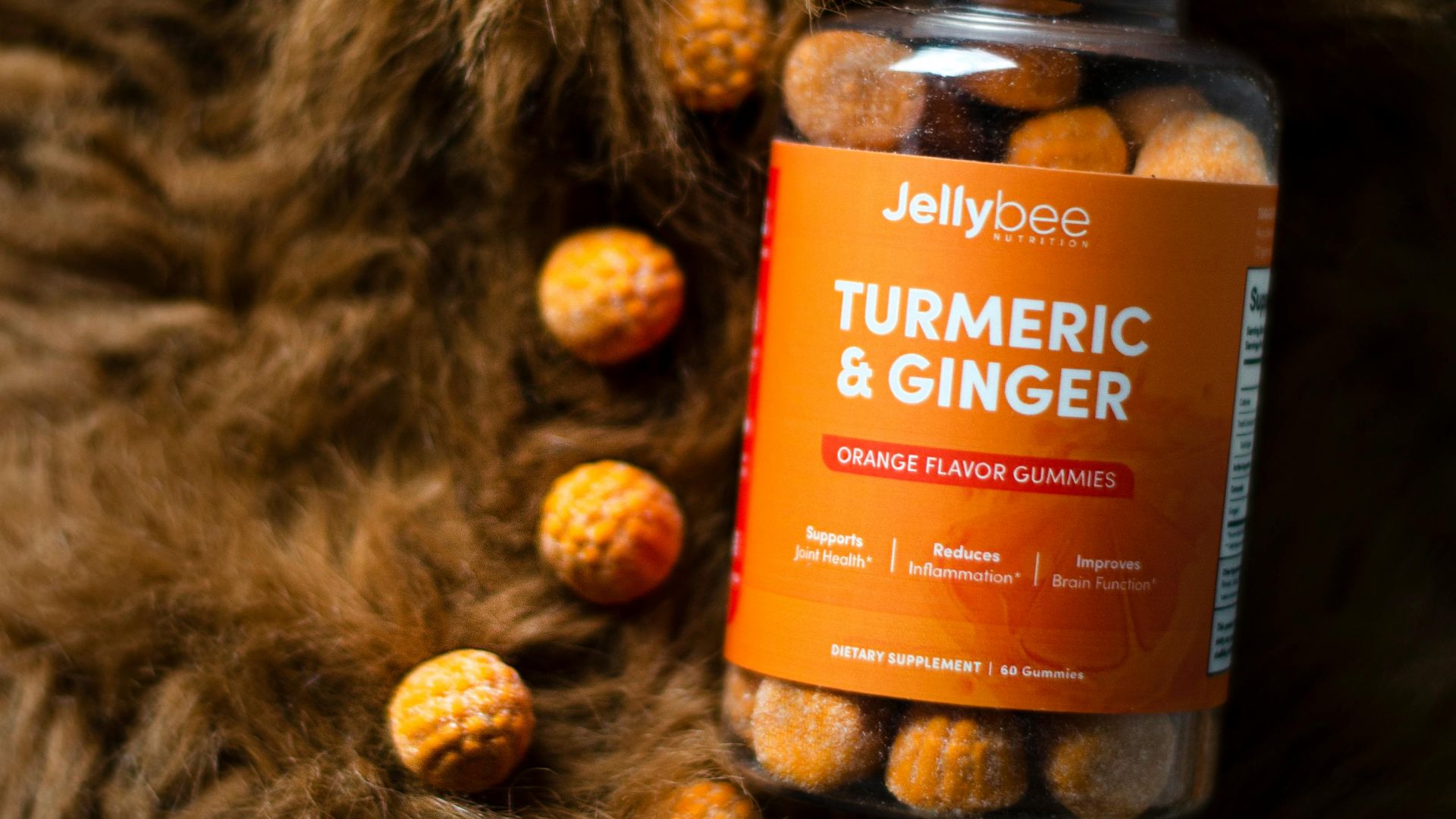
Gut-health gummies are popular because they’re cute and very easy to market. The problem is that they often contain added sugars and tiny amounts of the ingredients they brag about. They also can’t replace a diet that gives you fiber, fermented foods, and variety.
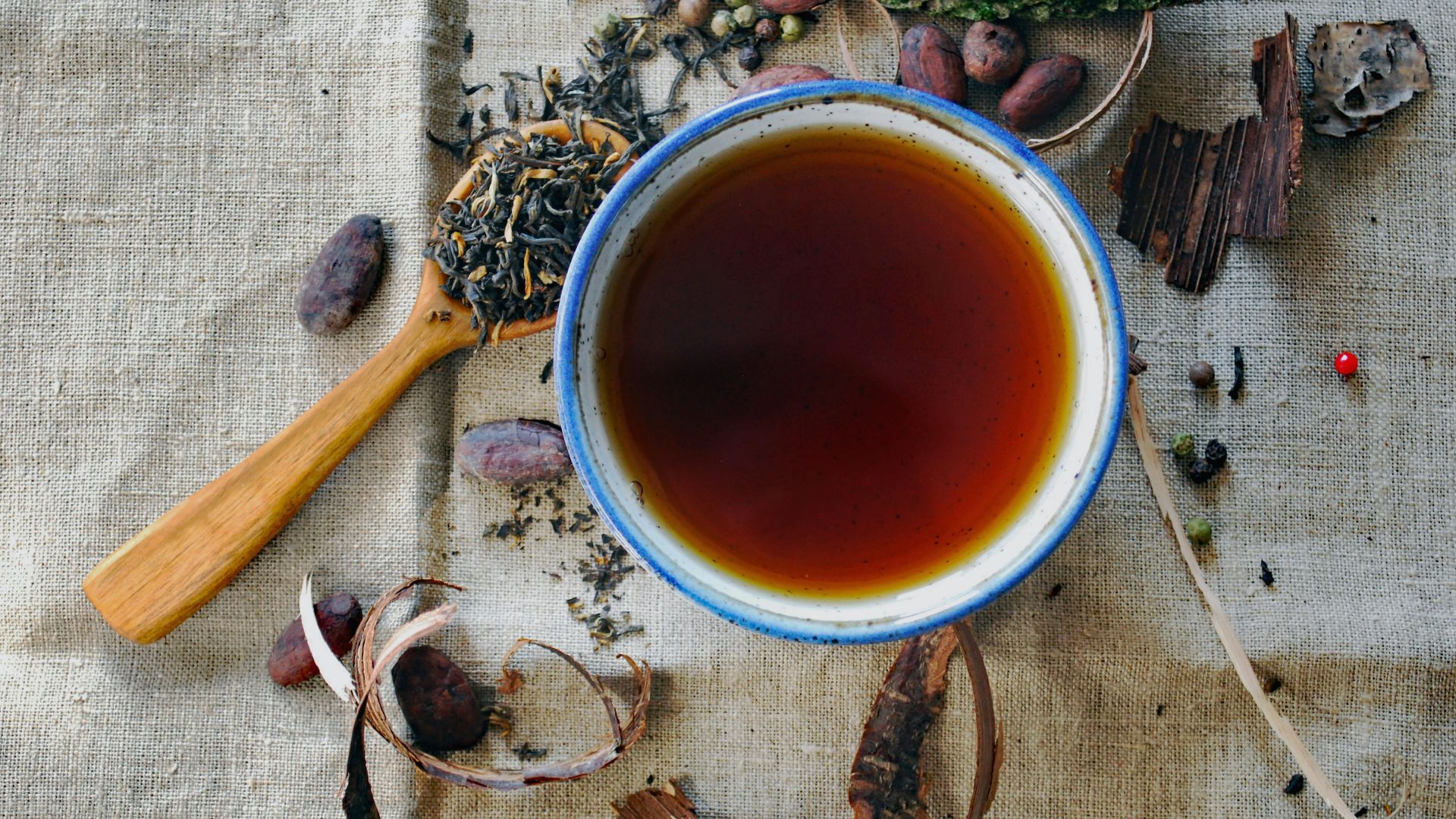
6. Detox Teas
Detox teas get pushed as a way to “reset” your digestive system, but that claim is usually more dramatic than truthful. Many of them rely on laxative-style ingredients that may leave you running to the bathroom rather than actually improving gut health. That’s not the same thing as supporting a balanced digestive system.
7. Protein Bars
Protein bars can be useful in some situations, but they're usually heavily sweetened. Some contain sugar alcohols or lots of added ingredients that can leave you bloated or uncomfortable. They also tend to be marketed as functional foods when they’re really just convenient snacks. A simple snack with fiber and less processing may sit better with you.
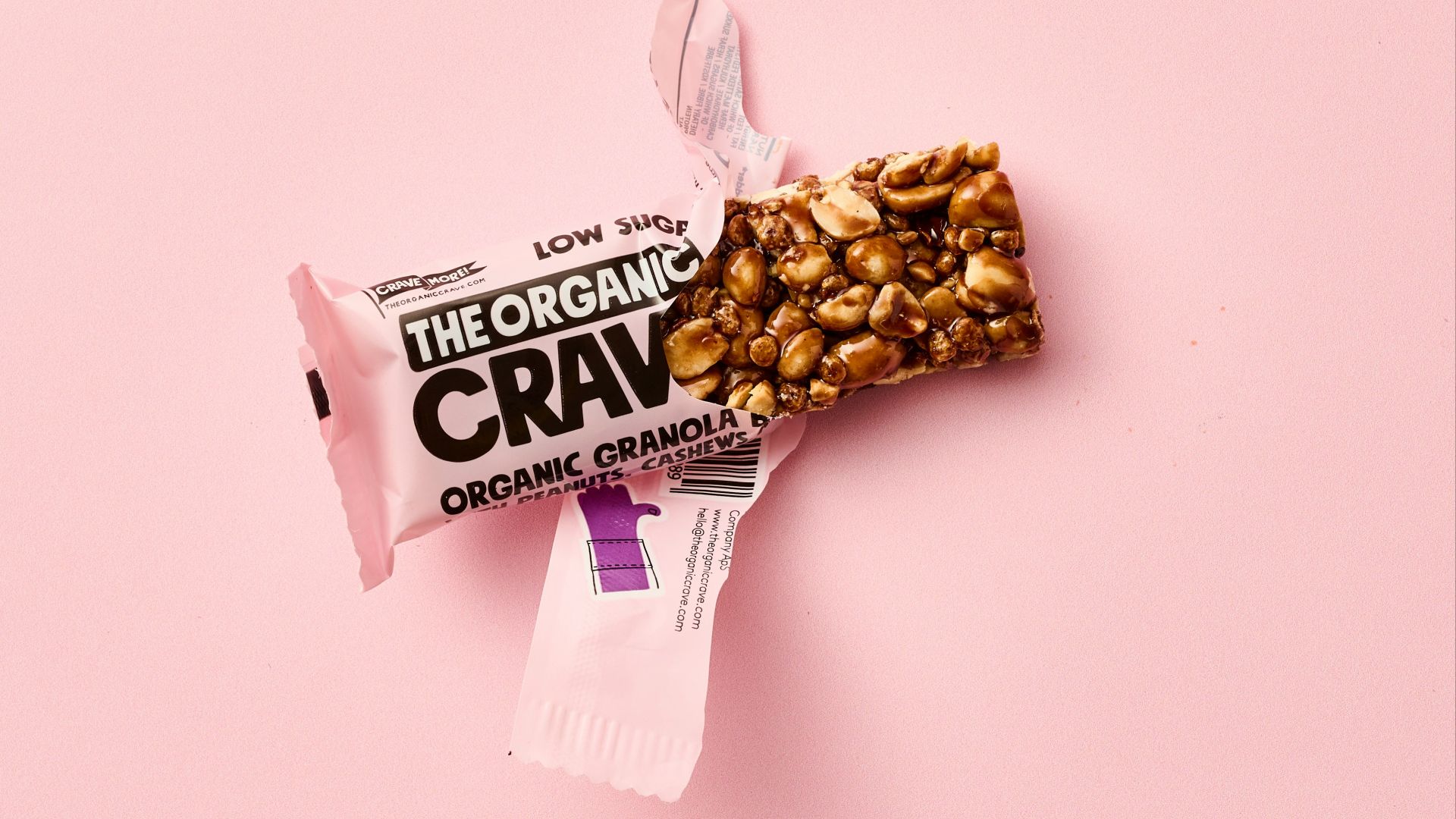 THE ORGANIC CRAVE Ⓡ on Unsplash
8. Frozen Yogurt
Frozen yogurt sounds like it should offer the same benefits as regular yogurt, but that’s often not how it plays out. Many versions are more dessert than probiotic food, especially after extra sugar and toppings enter the picture. Some don’t contain meaningful amounts of live cultures by the time you’re actually eating them. It’s enjoyable, sure, but it doesn’t need to be treated like a digestive wellness product.

9. Juice Cleanses
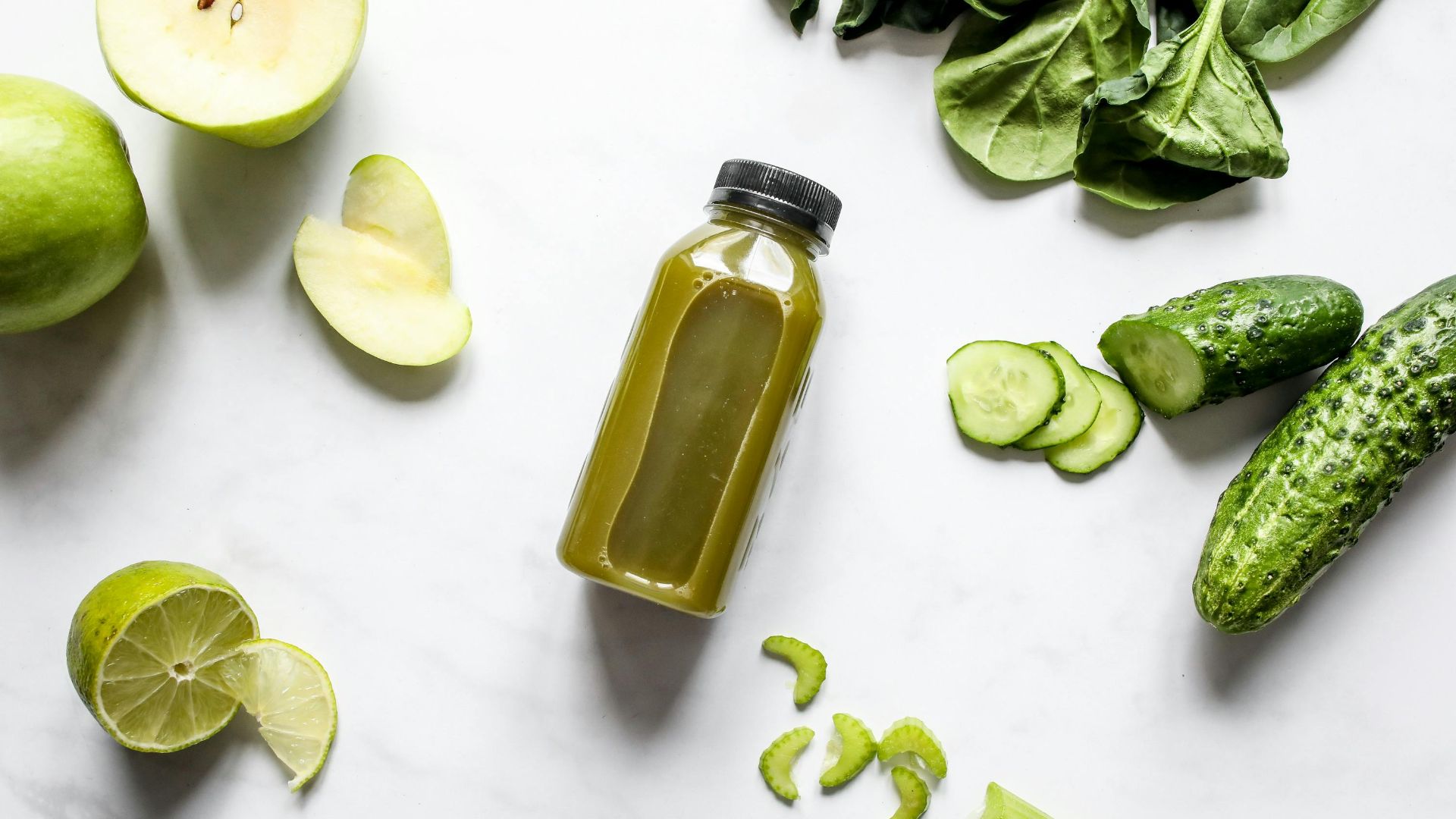
Juice cleanses are often sold as a way to help your gut “heal,” but they usually strip away one of the most useful parts of produce, which is fiber. Without that fiber, you’re missing a major tool that helps support digestion and gut bacteria. Drinking juice for a day or two also isn’t a magic fix for a long-term eating pattern. Your gut tends to do better with consistency than with extremes.
10. Charcoal Foods & Drinks
Activated charcoal lattes, lemonades, and trendy snacks may look interesting, but the gut-health reputation is overblown. Charcoal isn’t something most people need in everyday food, and it can even interfere with certain medications. It’s more of a wellness novelty than a smart staple for digestion. In other words, this is one trend you can leave right where it is.

KEEP ON READING