10 Reasons the Inverted Food Pyramid Is Smart & 10 Reasons It’s Nonsense
Why This Upside-Down Pyramid Starts Brunch Fights
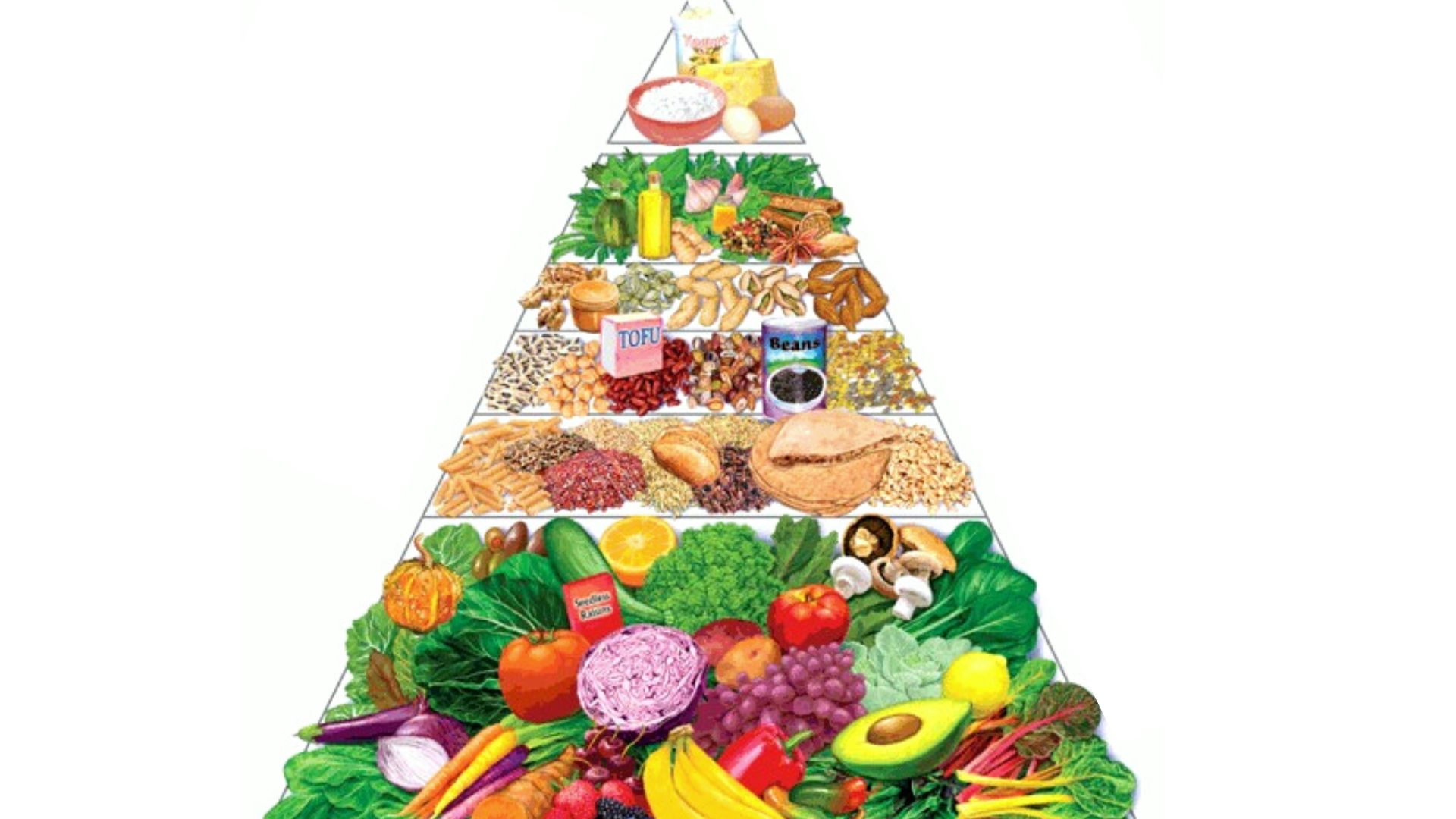
Food pyramids have always been a little bit science and a little bit storytelling, which is why people keep arguing about them like they’re sports teams. The inverted food pyramid takes that familiar triangle and flips the vibe: instead of building a day on big scoops of starch and hoping the vegetables show up later, it pushes the heavier, richer stuff out of the default lane. That can feel like a relief if lunch usually turns into a sad desk sandwich and a handful of chips, because the new picture matches how bodies actually feel after certain meals. It can also feel like a smug poster that doesn’t understand groceries, culture, time, or the fact that plenty of people are just trying to get dinner on the table. Here are 10 reasons the inverted food pyramid is smart, and 10 reasons it’s nonsense.
1. It Pushes You Toward Low-Energy-Density Foods First
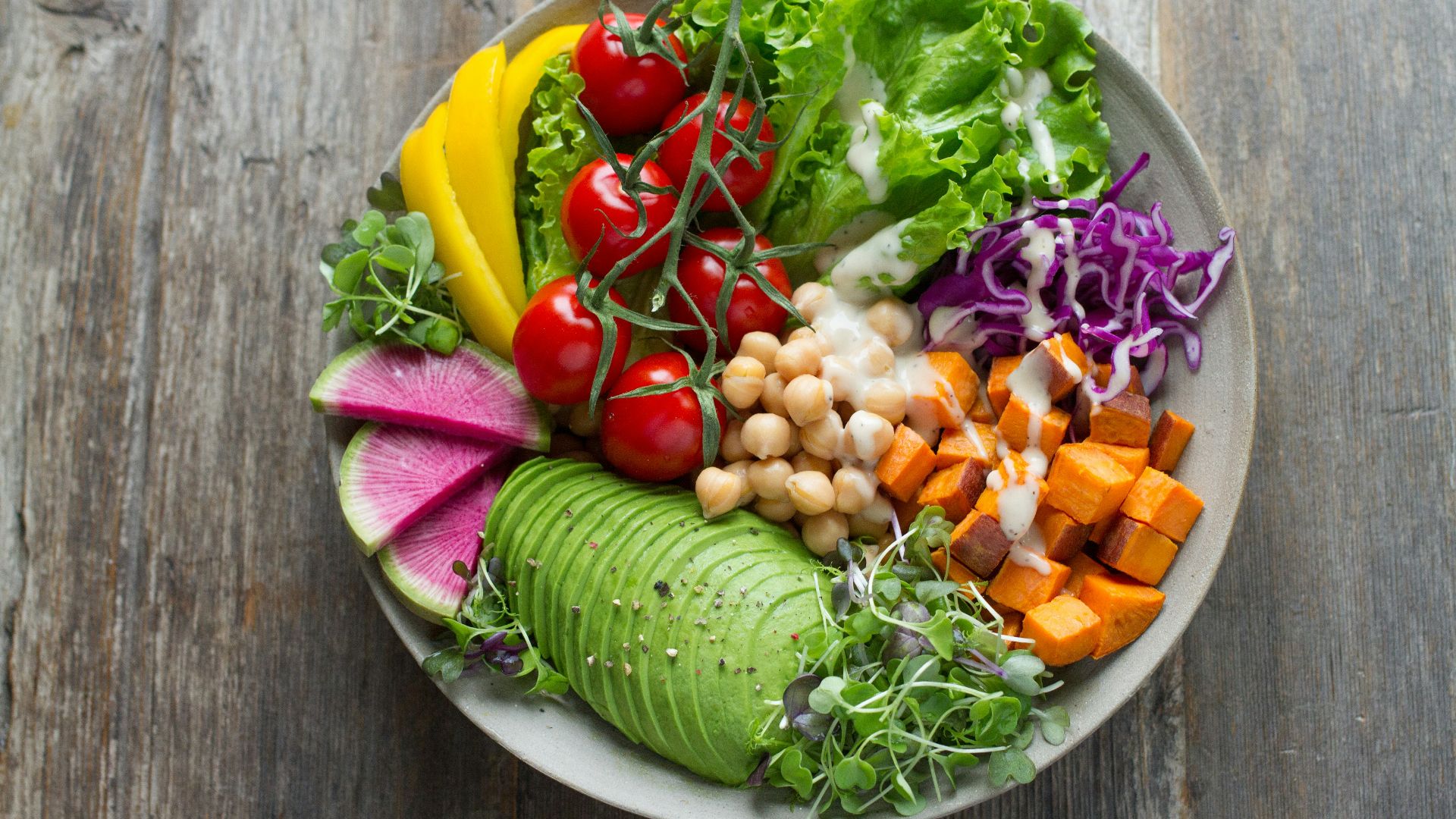
When the big part of the pyramid is vegetables, soups, and other high-volume foods, it quietly leans on a simple truth: most of us feel fuller when the plate has weight and water in it, not just calories. Research on energy density has shown that shifting the same meal toward more water-rich foods can change how much people naturally eat, even without turning dinner into a math problem.

2. It Corrects The Old Grain-Heavy Visual Hangover
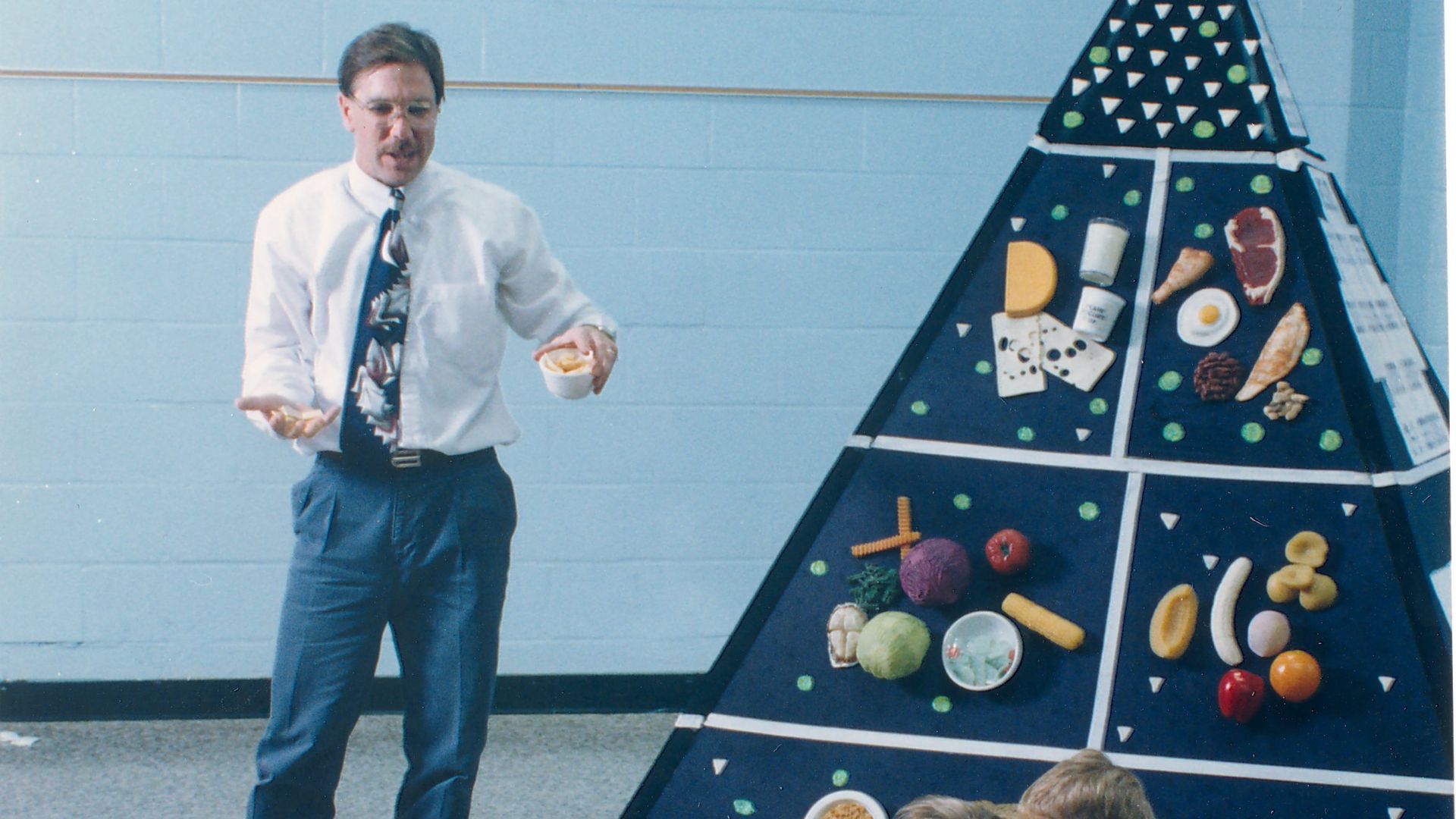
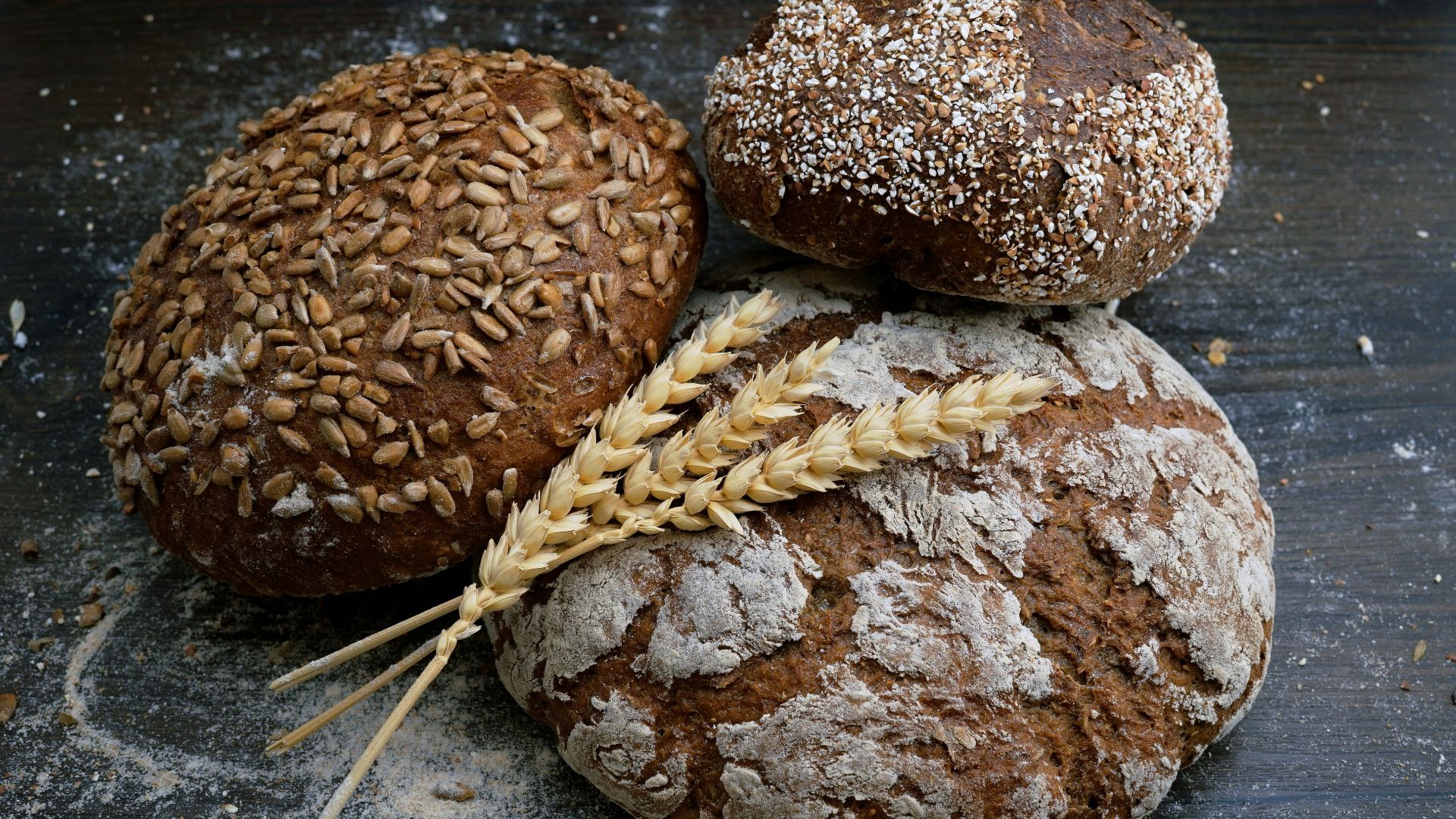
The original USDA Food Guide Pyramid that landed in American kitchens in 1992 put grain products at the wide base, and that image stuck in people’s heads for years. Even after later redesigns and the move to MyPlate, the cultural memory of “bread and cereal as the foundation” kept humming in the background.
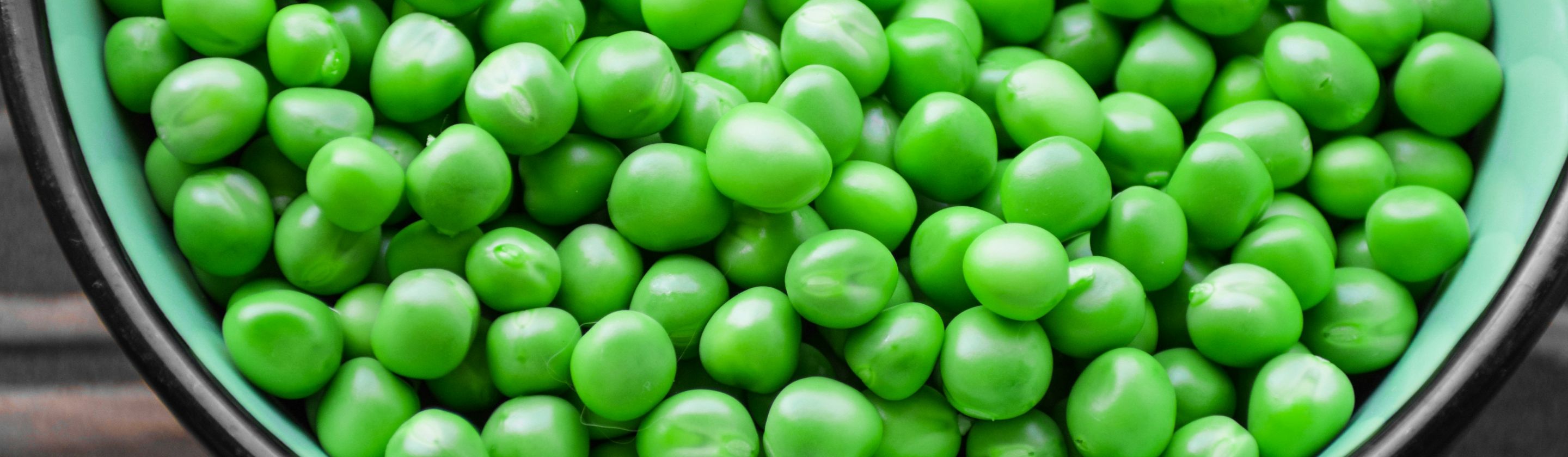
 Sternsteiger Stahlwaren on Pexels
3. It Makes Protein Feel Like A Real Daily Tool
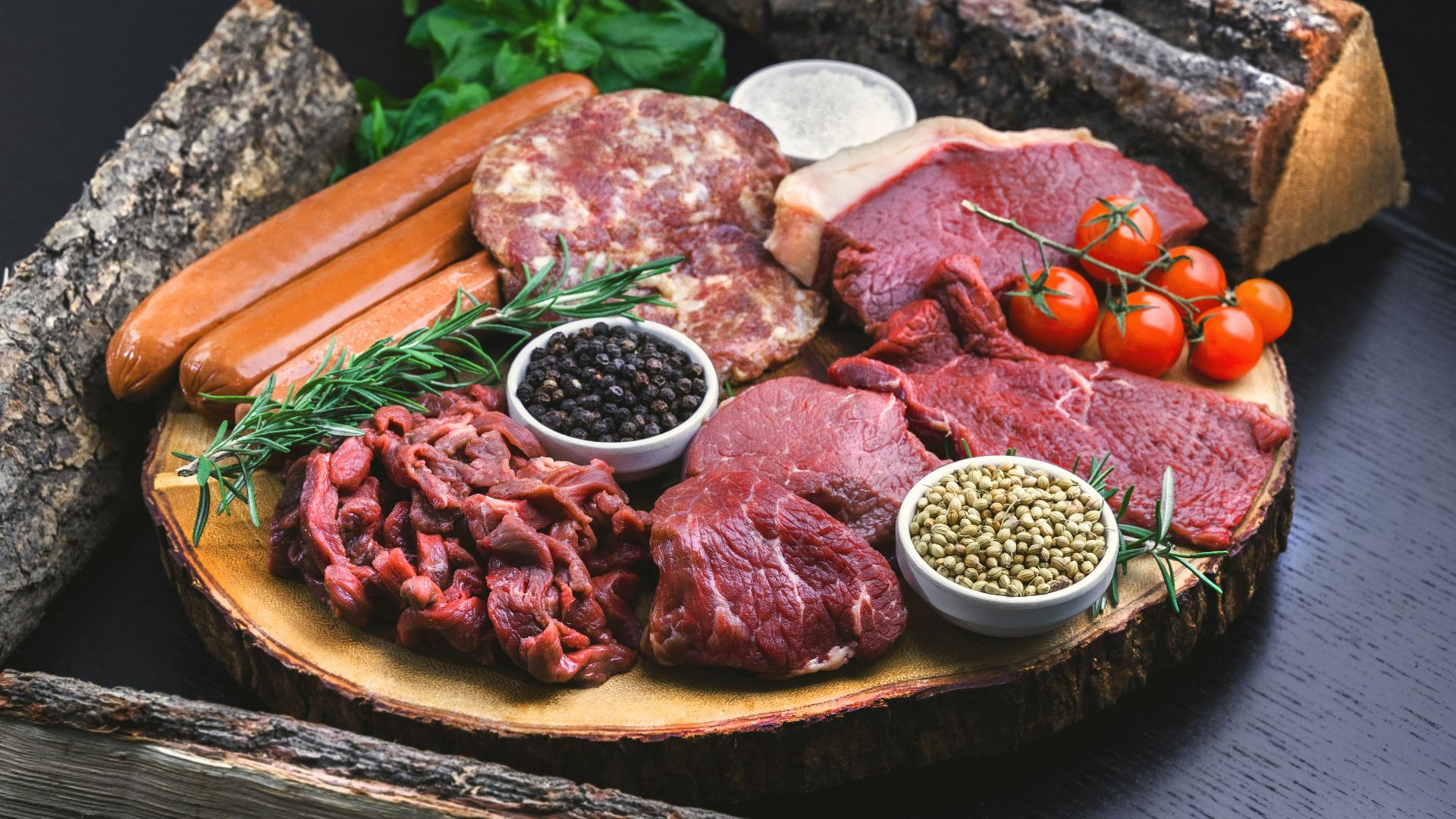
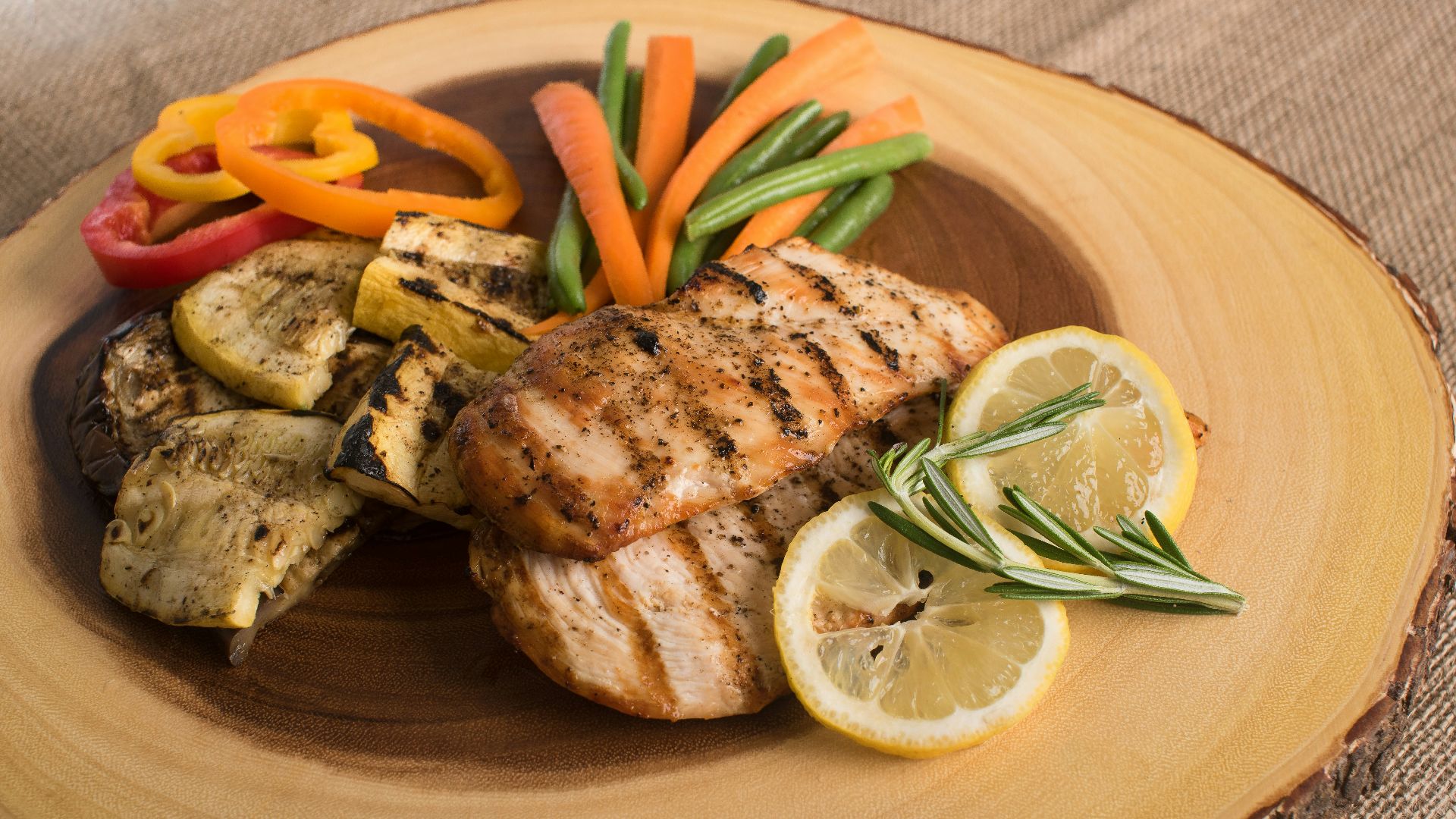
A lot of people do better when meals have a clear anchor, especially on days that start with coffee and end with whatever is left in the fridge. An inverted pyramid often treats protein as a steady baseline rather than a small side note, which can make lunch less likely to collapse into snacky grazing and a late-afternoon crash.
4. It Gives Healthy Fats A More Honest Role
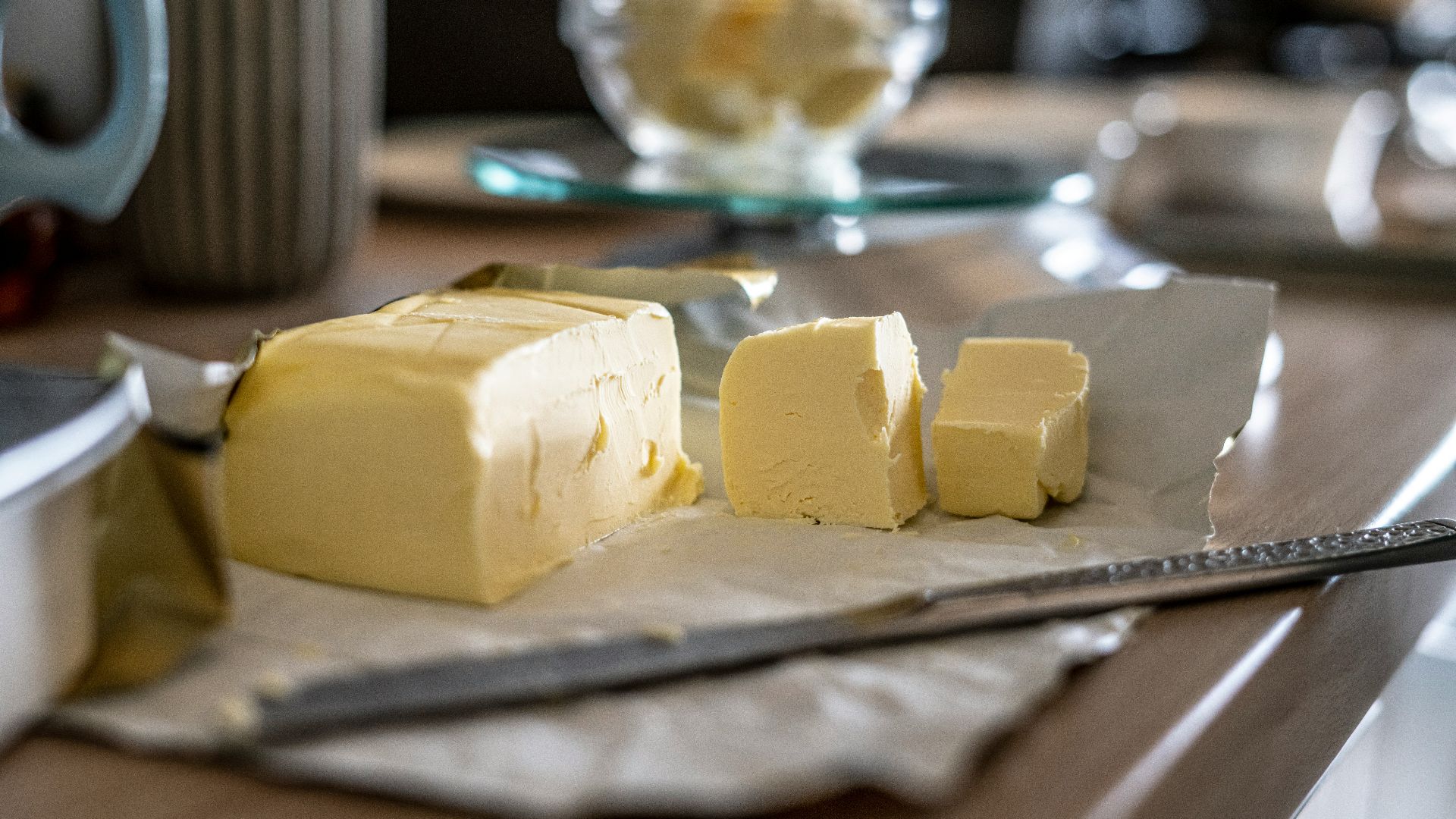
Old-school pyramid messaging trained people to treat fat like a villain, which is how you end up with dry chicken breasts and a pantry full of “fat-free” things that taste like damp cardboard. A flipped pyramid is more likely to show olive oil, nuts, and other unsaturated fats as normal food, which lines up with the long-running evidence behind Mediterranean-style eating patterns.
5. It Echoes A Pattern With A Strong Track Record
The Mediterranean Diet Pyramid created in the early 1990s with partners including Harvard and the WHO emphasized plant foods, olive oil, and everyday movement, and it helped popularize a practical, livable template. The PREDIMED trial, published in The New England Journal of Medicine, is one of the most cited modern examples connecting that pattern with fewer major cardiovascular events.
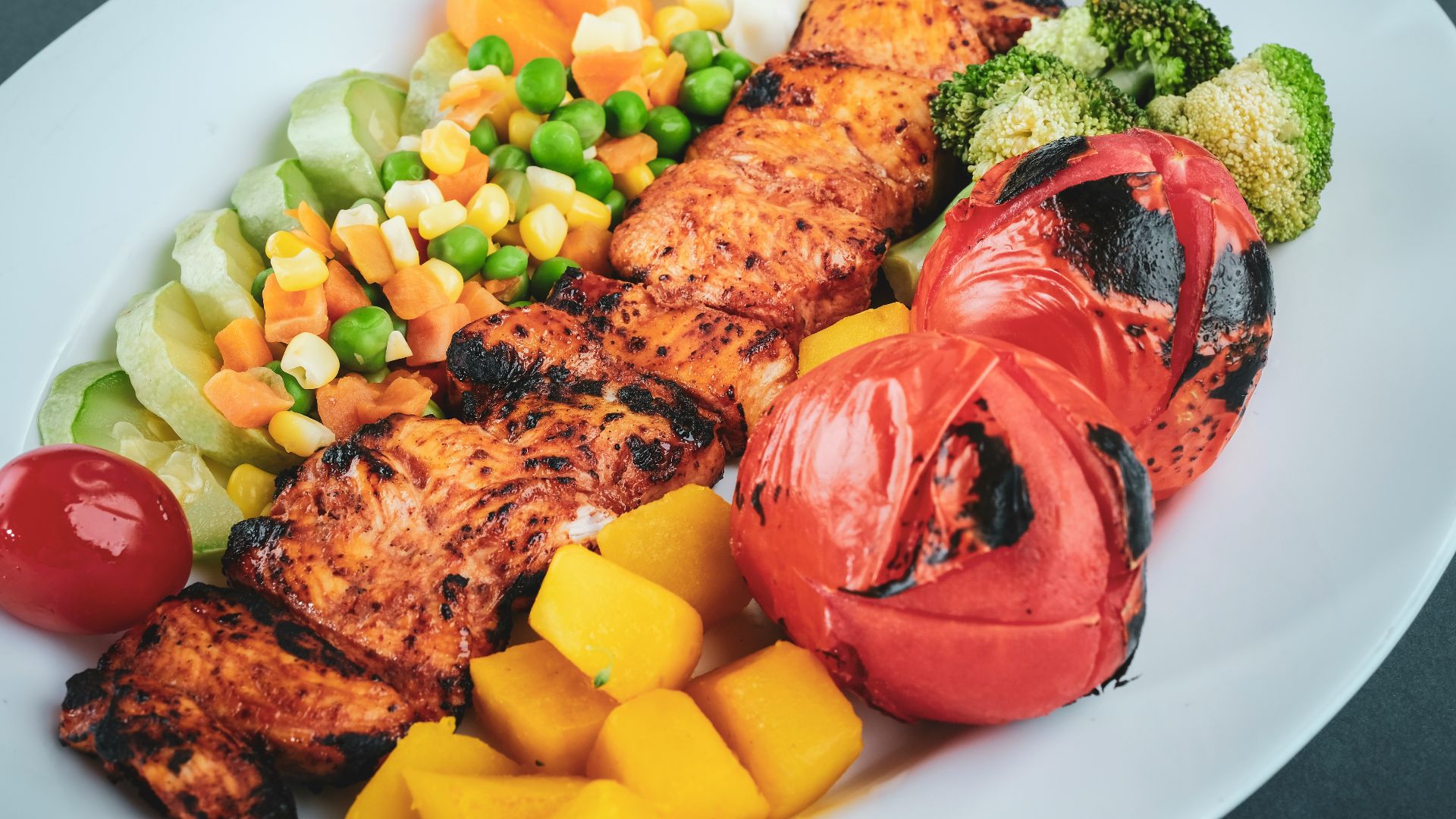
6. It Matches What “Eating Better” Looks Like In Real Life
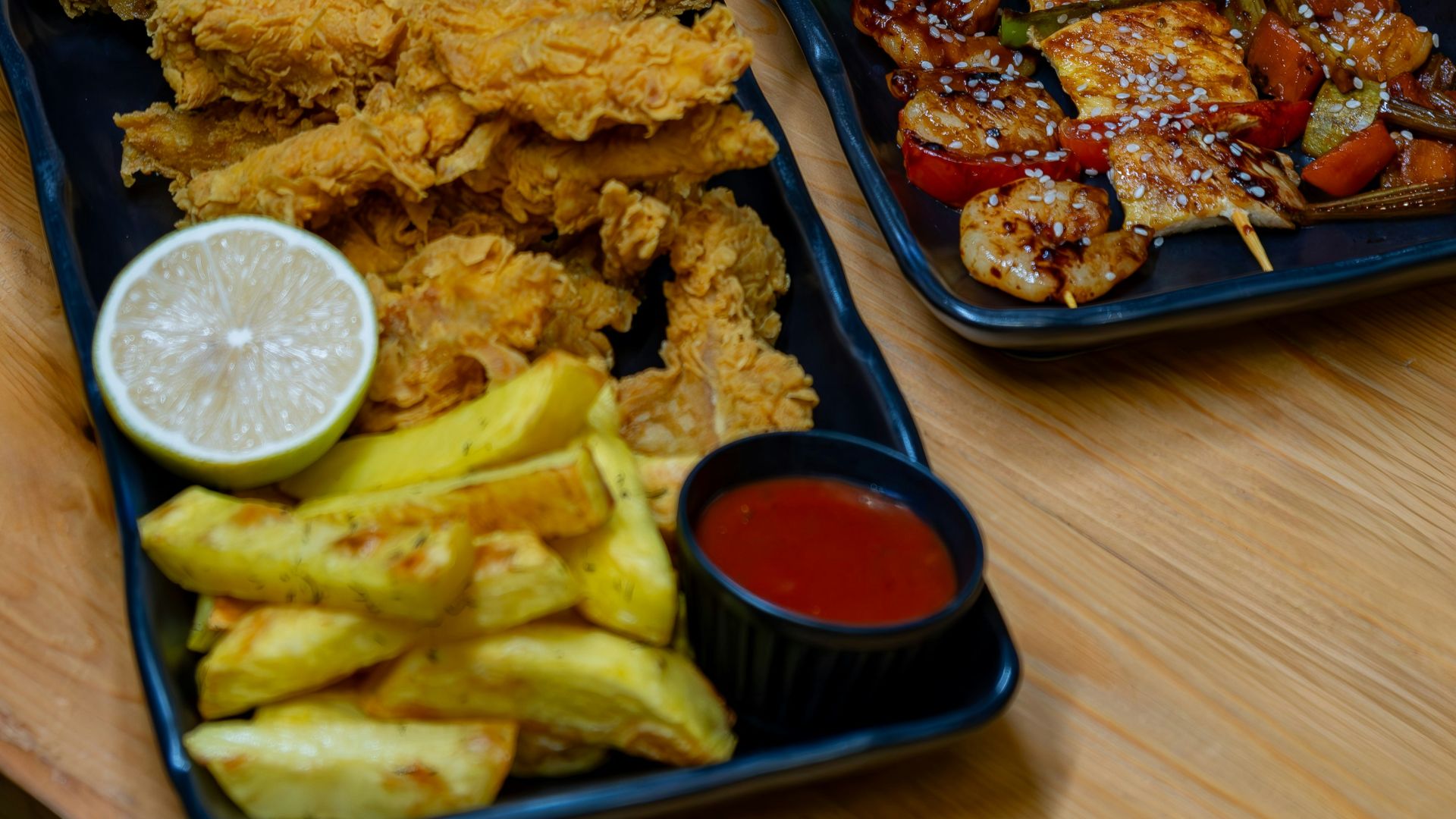
Nobody flips open a pyramid at a diner, yet the inverted idea translates pretty well when a menu is mostly sandwiches, pasta, and fried things. When the mental model starts with produce and protein, it becomes easier to order the burger with a side salad, or to treat the fries as a choice rather than a default companion.
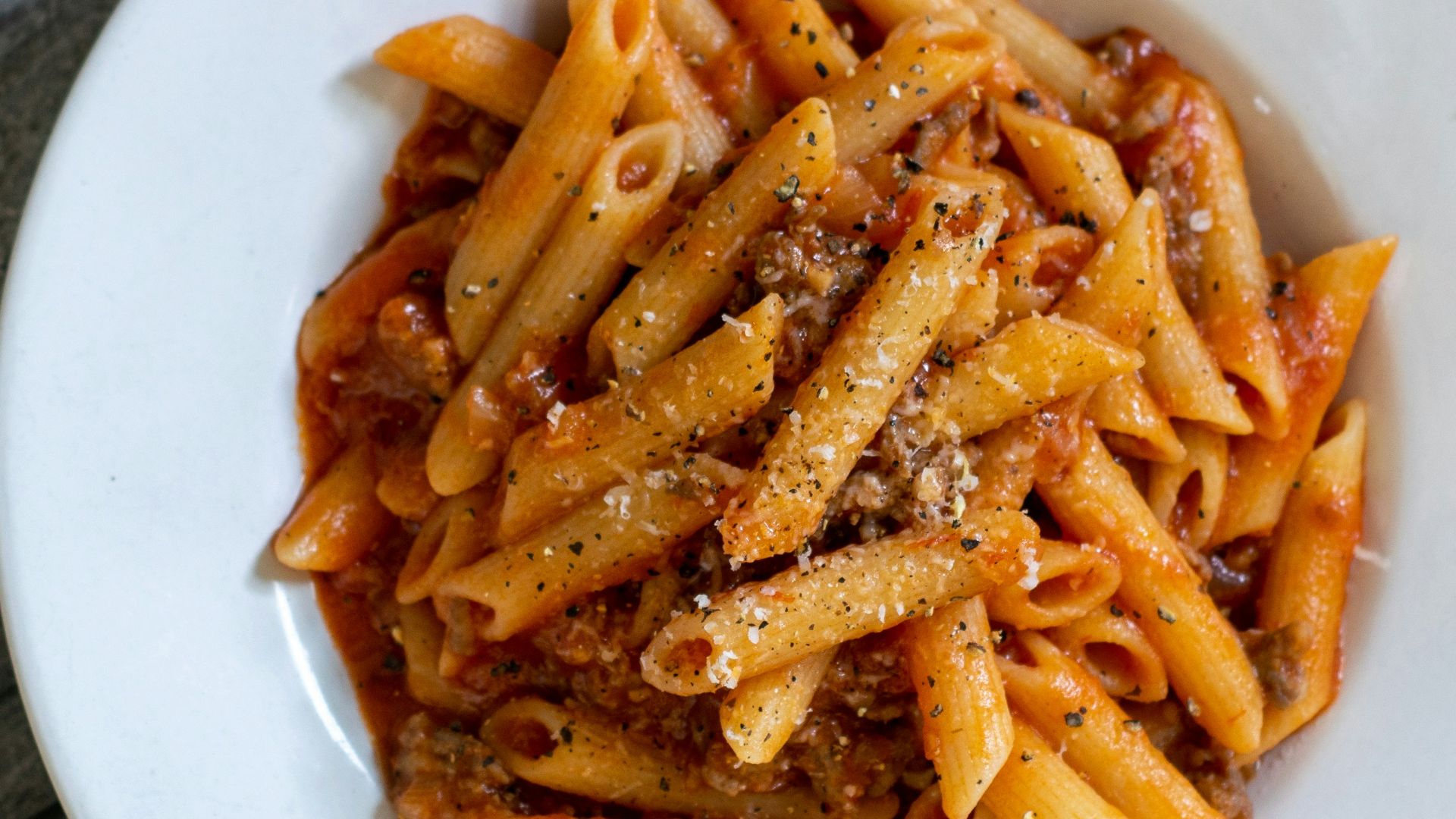
7. It Gives Ultra-Processed Foods A Smaller Stage
A good inverted pyramid tends to shove ultra-processed foods toward the narrow end, where they belong, without pretending anyone is immune to them. NIH researchers have shown in a controlled study that people ate more calories and gained weight on an ultra-processed diet compared with a minimally processed one, even when meals were matched for things like sugar and macronutrients.
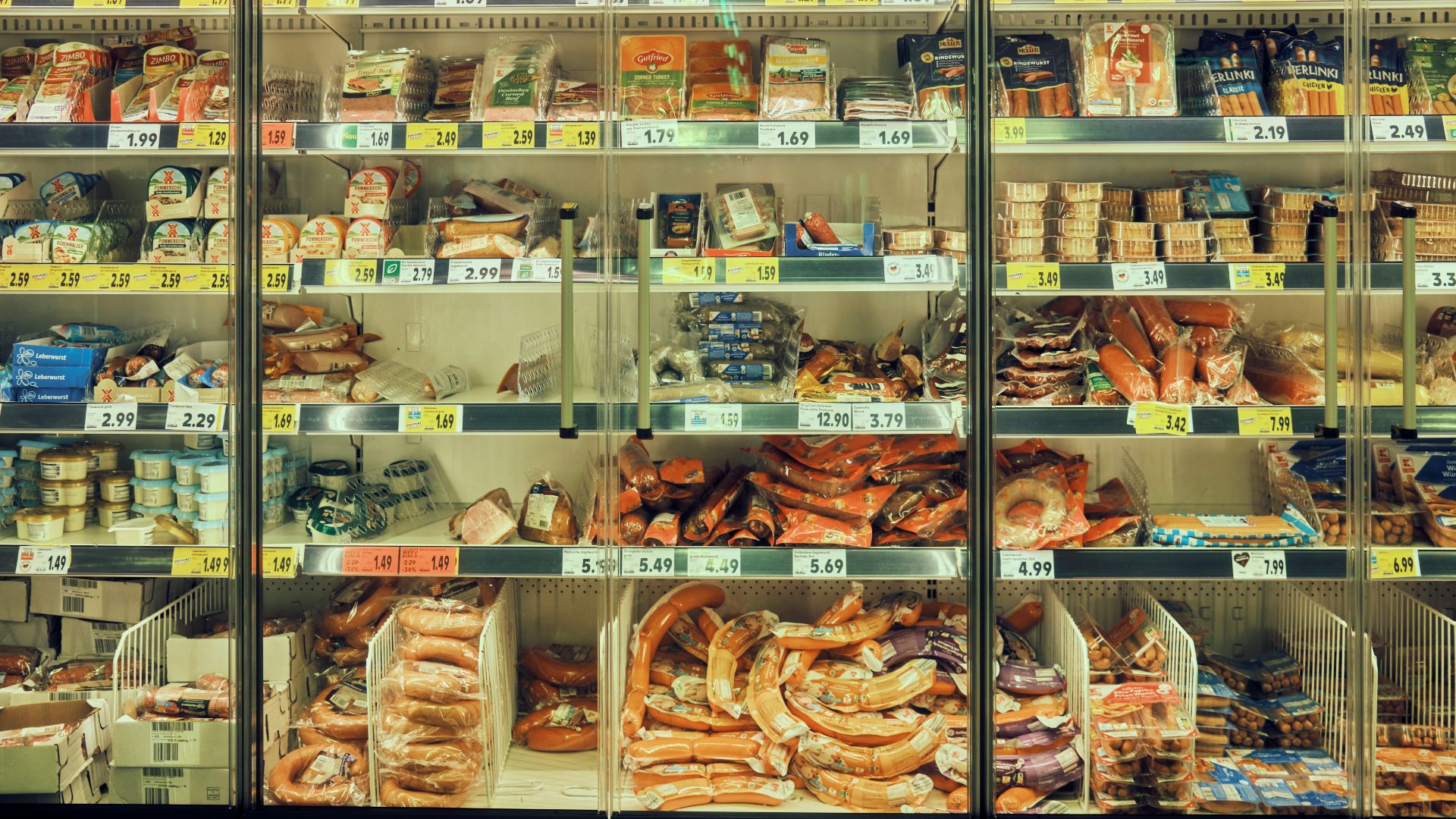
8. It Can Help People Who Feel Better With Fewer Refined Carbs
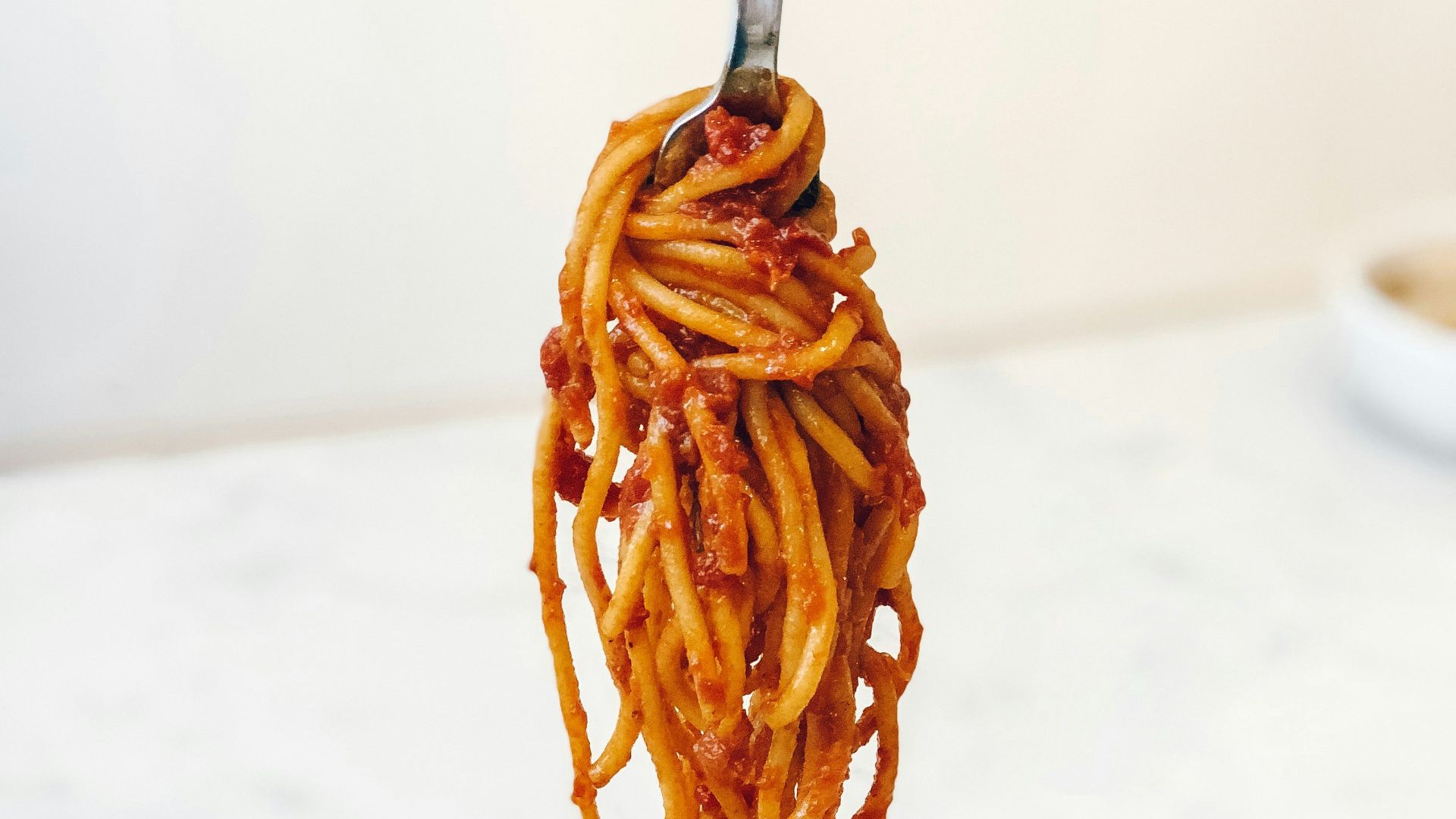
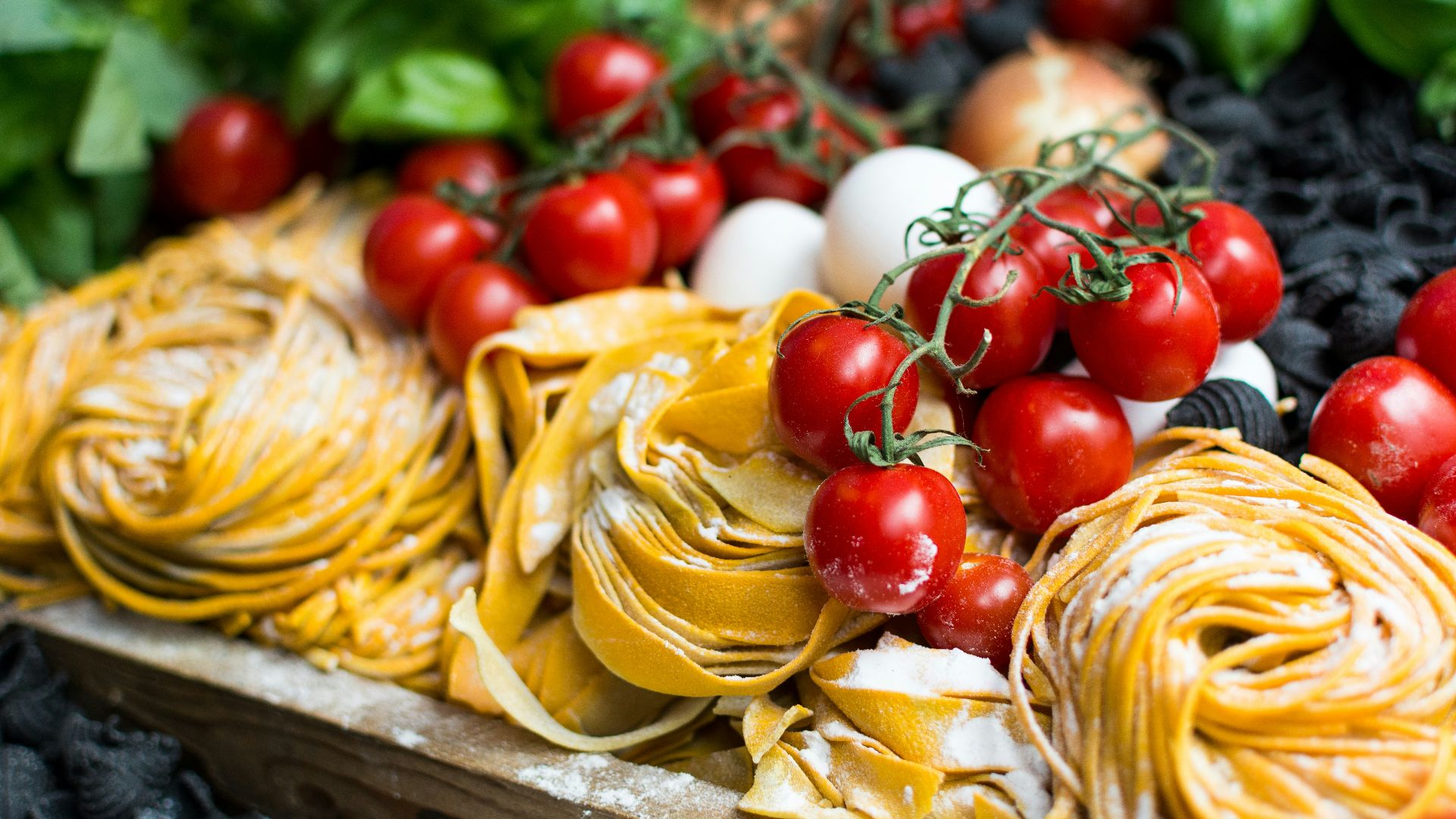
There’s a difference between demonizing carbs and noticing that a bowl of white pasta hits differently than a bowl of lentils. An inverted pyramid, at its best, nudges meals away from refined, fast-digesting starches that tend to leave people hungry again an hour later, especially when the rest of the plate is thin.
9. It Builds In Some Respect For Strength And Aging
A lot of nutrition graphics are weirdly silent about the fact that bodies change, and that muscle matters for everything from balance to metabolism. When the “big” part of a pyramid includes protein and nutrient-dense foods, it can feel more aligned with the reality of staying strong, not just staying thin.
10. It Can Point Toward A More Sustainable Default
If the inverted pyramid is plant-forward, it often lands in the same neighborhood as the planetary-health conversation, where the goal is to feed people well without torching the climate. The EAT-Lancet Commission is one prominent effort arguing that healthier diets and environmental boundaries can be discussed in the same breath, even if the details spark debate.
Then the pendulum swings, and the upside-down triangle starts looking less like wisdom and more like a confident infographic that forgot how humans eat. Here are ten reasons why it's ridiculous.
1. It Pretends One Shape Fits Everyone
A single pyramid can’t hold athletic training, pregnancy, diabetes management, food allergies, or the reality of medication side effects, yet it always tries. The inverted version still risks turning wildly different bodies into one generic silhouette with one generic grocery list.

2. It Can Turn Into A Low-Carb Identity Badge
Flip the pyramid the wrong way, and it stops being about prioritizing whole foods and starts being about winning an argument about bread. That’s how people end up acting like a tortilla is a personal failure instead of a normal food that can sit comfortably next to beans and vegetables.

3. It Can Undercut The Case For Whole Grains
Some inverted pyramids blur the line between refined grains and whole grains, and the difference matters in actual outcomes. Large reviews in The Lancet have linked higher fiber and whole-grain intake with lower risk for a range of chronic diseases, which makes avoiding grains feel overly simplistic.
4. It Often Ignores Culture, And People Notice
A graphic that centers foods some communities rarely cook can land like a lecture, even when it’s trying to help. Food guides work best when they recognize staples that people already love and can afford, instead of quietly implying everyone should eat the same kind of breakfast.
5. It Turns Dinner Into A Moral Ladder
Pyramids are hierarchical by nature, and flipping the triangle doesn’t remove that emotional charge. When a diagram implies “higher” foods are better, it’s easy for normal eating to start feeling like a test that can be failed at 9 p.m. in front of an open freezer.
 Anthony Bernardo Buqui on Unsplash
6. It Can Hide The Difference Between Protein Sources
Protein is not a single thing, and a pyramid that lumps fish, beans, and processed meats into one cheerful block is doing people no favors. The inverted format sometimes makes protein sound like a magic category, when the health outcomes depend heavily on what that protein actually is.

7. It Assumes Time, Tools, And A Decent Kitchen
A plant-heavy, whole-food-first pyramid looks great until dinner happens between a long commute and a kid’s practice, or lunch is bought near an office with exactly one sad salad option. A diagram can’t chop onions, soak beans, or make the affordable choice the easy choice.

8. It’s Easy To Hijack With Politics And Marketing
Food guidance has a long history of getting tugged by forces that are not purely scientific, and the public-facing graphics are part of that battlefield. Marion Nestle and others have documented how industry pressure showed up even around the early 1990s pyramid rollout, including the withdrawal of a proposed pyramid in 1991 amid lobbying backlash.
 Provincial Archives of Alberta on Unsplash
9. It Still Dodges The Portion Problem
A pyramid can tell us what to emphasize, yet it rarely helps with the part where “a serving” turns into a bucket-sized bowl at a restaurant. Without clear portion context, the inverted version can accidentally bless huge amounts of calorie-dense foods just because they’re in a favored category.
10. It Makes People Forget The Only Thing That Really Works
Health outcomes tend to follow patterns practiced for years, not diagrams admired for five minutes and then forgotten in a screenshot folder. The most useful food guide is the one that survives a messy week, a birthday dinner, and a pantry that contains both oats and cookies without turning either into a crisis.

KEEP ON READING
20 Reasons You Should Stop Eating Out