
You can buy great pasta, splurge on fancy cheese, and still end up with a bowl that tastes oddly flat. What makes it even worse is that you’ve tried a number of recipes, and still, those bowls let you and dinner party guests down. So, what gives? Believe it or not, it isn’t because pasta’s unforgiving—it’s because it’s extremely honest: every shortcut shows up on the plate.
The good news is you’re probably not bad at cooking, you’re just stepping on a few easy-to-miss rakes. Once you spot the small habits that quietly sabotage texture and flavor, you’ll start turning out pasta that feels restaurant-level without the drama. We’re here to break down all the little ways you keep sabotaging yourself, and how you can nip it in the bud!
The Water and Timing Mistakes That Set You Up to Fail
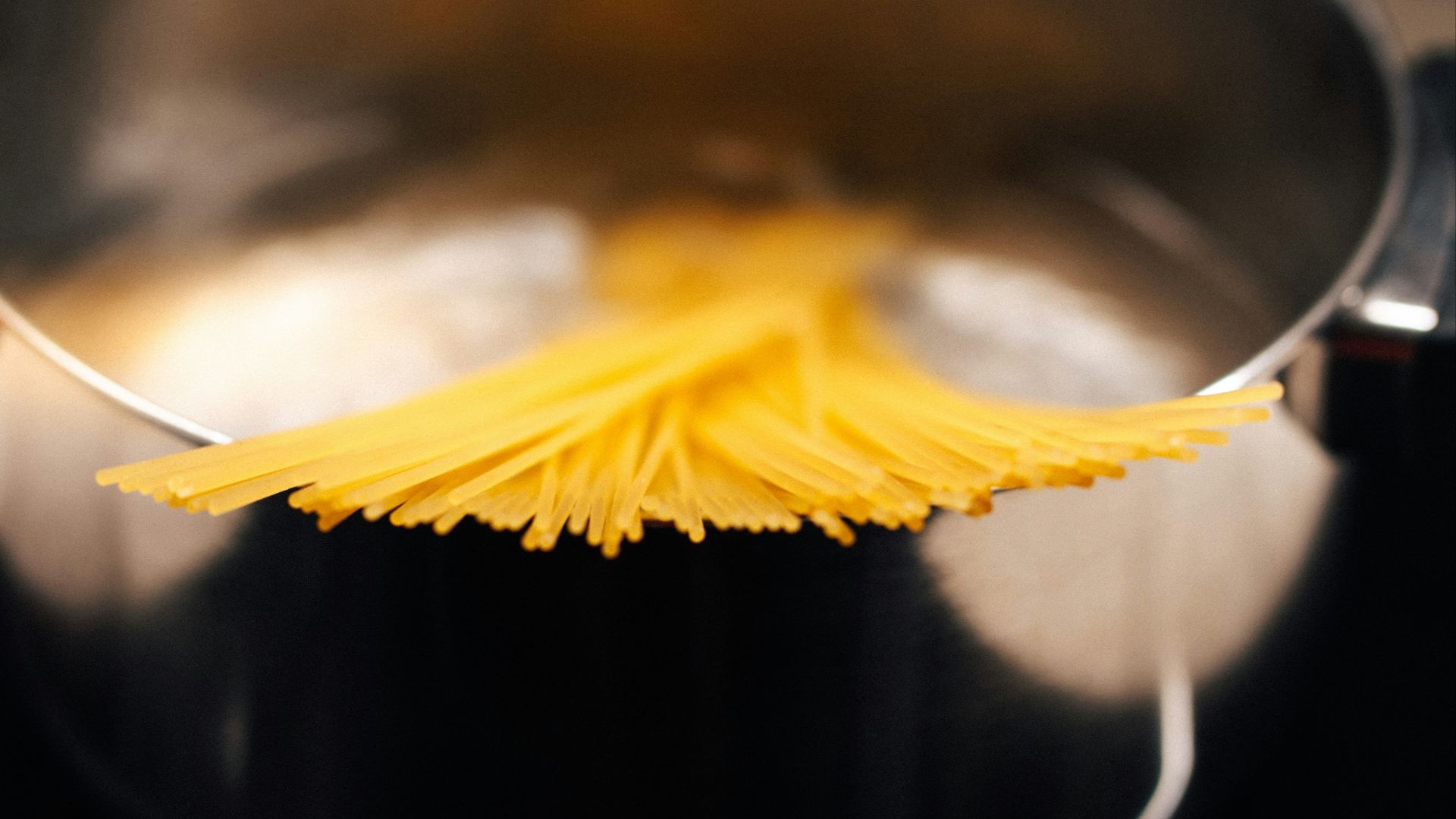
If your pot looks more like a saucepan than a cauldron, you’re already flirting with gummy noodles. Crowded pasta drops the water temperature too much and bumps into itself, which encourages sticking and uneven cooking. Give it room to move, and it’ll actually cook the way the box promised.
Then there’s the salt situation, which somehow turns adults into nervous first-timers! If you barely salt the water, you’re making the pasta taste bland all the way through, and that fancy sauce can’t fully fix that. You don’t need to measure with a microscope, but you do need to be bold enough that the water tastes pleasantly seasoned.
Timing also gets people in sneaky ways because “al dente” isn’t a suggestion—it’s a rule. If you cook pasta until it’s perfectly soft in the pot, it’ll be overcooked once it hits a hot pan of sauce. Pull it a minute early and finish it with the sauce so it lands tender, not tired.
One more timing trap is adding pasta before the water truly boils, which leads to a sluggish start and sticky results. When the water isn’t at a rolling boil, the noodles can leach starch too quickly and cling together. Wait until the surface is actively bubbling, then stir immediately so the first minute doesn’t turn into a clump.
Sauce Slip-Ups That Keep Everything Separate and Sad
If you rinse your pasta after draining, you’re washing away the starch that helps sauce cling. That starchy film is the glue that turns noodles and sauce into an actual dish, so unless you’re making pasta salad, keep the faucet far away.
Draining too aggressively is another quiet sabotage. Remember that pasta water isn’t waste. It contains starch and salt, which means it can loosen a thick sauce while still helping it stick. Reserve a cup before you drain, and you’ll have a built-in rescue tool instead of a pot of regret.
A lot of people also dump sauce on top, then wonder why every bite tastes different. Pasta wants to be tossed, not dressed, so the sauce coats each strand evenly. When you finish the pasta in the sauce for a minute, everything tightens up and tastes intentional.
Of course, we can’t forget about heat management, especially with delicate sauces. If the sauce furiously boils when the pasta goes in, you can break emulsions and end up with oily puddles. Keep the heat moderate, toss continuously, and let the starch do its job.
Finishing Touches You Treat Like Afterthoughts, Not Strategy
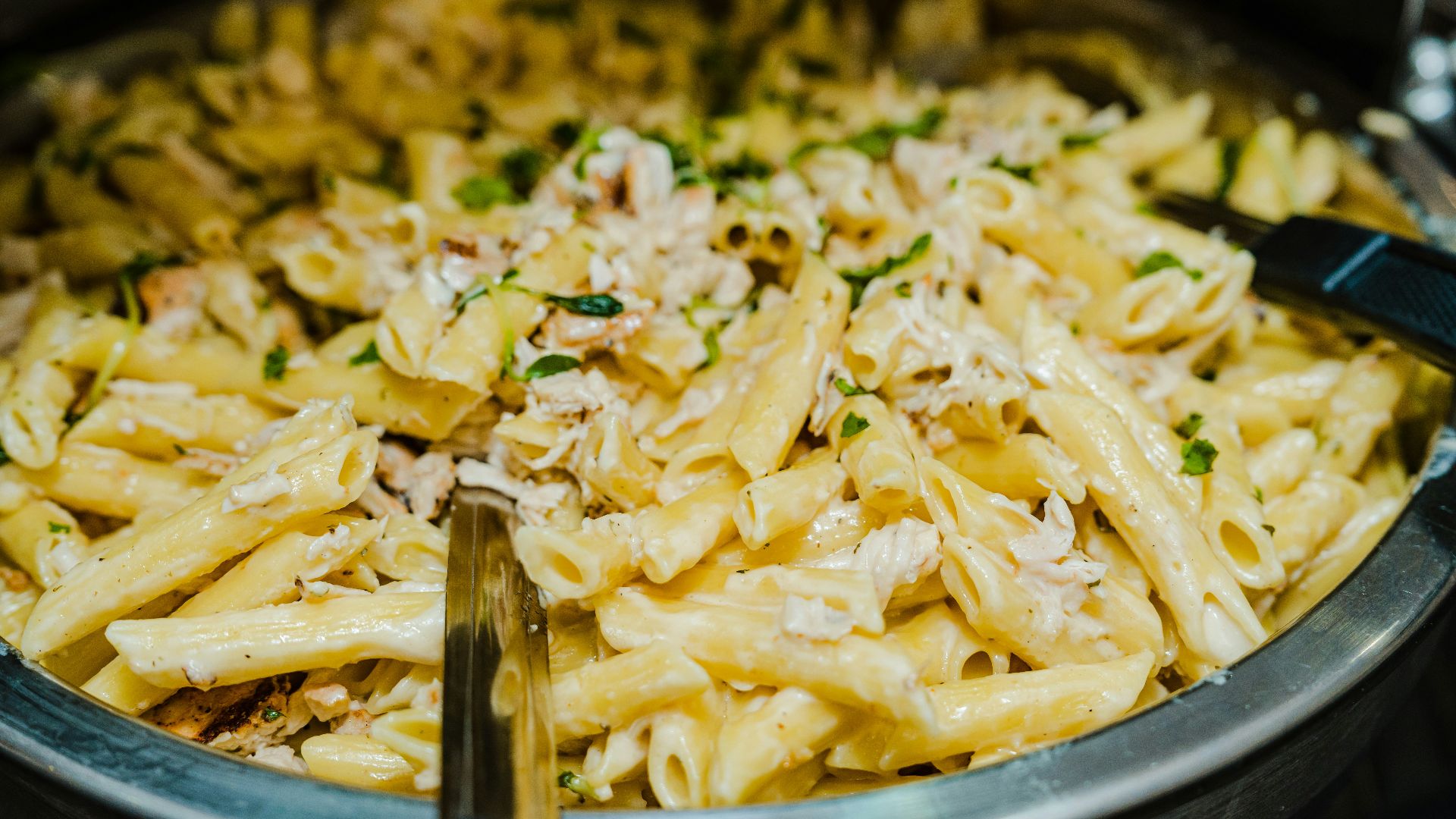
Who doesn’t want cheese on their noodles? If you do this common ingredient, do it right! Adding cheese to piping hot pasta creates clumps. Cheese needs a little moisture and a slightly calmer temperature so it melts into the sauce; a splash of reserved pasta water turns a gritty mess into a silky finish.
Oil can also betray you if you use it at the wrong moment. Drizzling olive oil on drained pasta makes it slick, which can cause the sauce to slide right off. Save good oil for the end, where it can add aroma and richness without sabotaging your dish.
Another sneaky problem is treating herbs and pepper like an afterthought. If you dump dried oregano on top at the end, it can taste dusty rather than integrated. Fresh basil isn’t any better; it’ll only wilt if it’s cooked too long. Add sturdy dried herbs earlier so they bloom in the sauce!
One last way you’re unintentionally sabotaging dinner is serving on cold plates that steal heat. Pasta cools fast, and once the sauce stiffens, it clings in thick patches rather than coating smoothly. Warm the bowls for a minute, finish with a quick toss, and you’ll notice the difference before you’ve even taken the second bite.
We know you don’t mean wreck dinner, but with so many little obstacles just waiting to trip you up, it’s easy to fumble. Do yourself a favor and take your time in the kitchen. Pasta may not take five minutes to make, but doing it right means a dish better than anything you can buy!